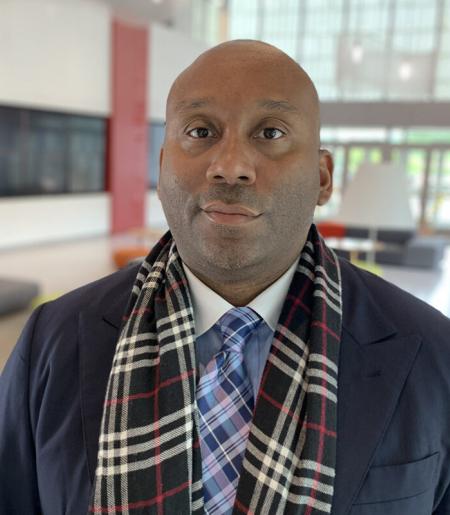
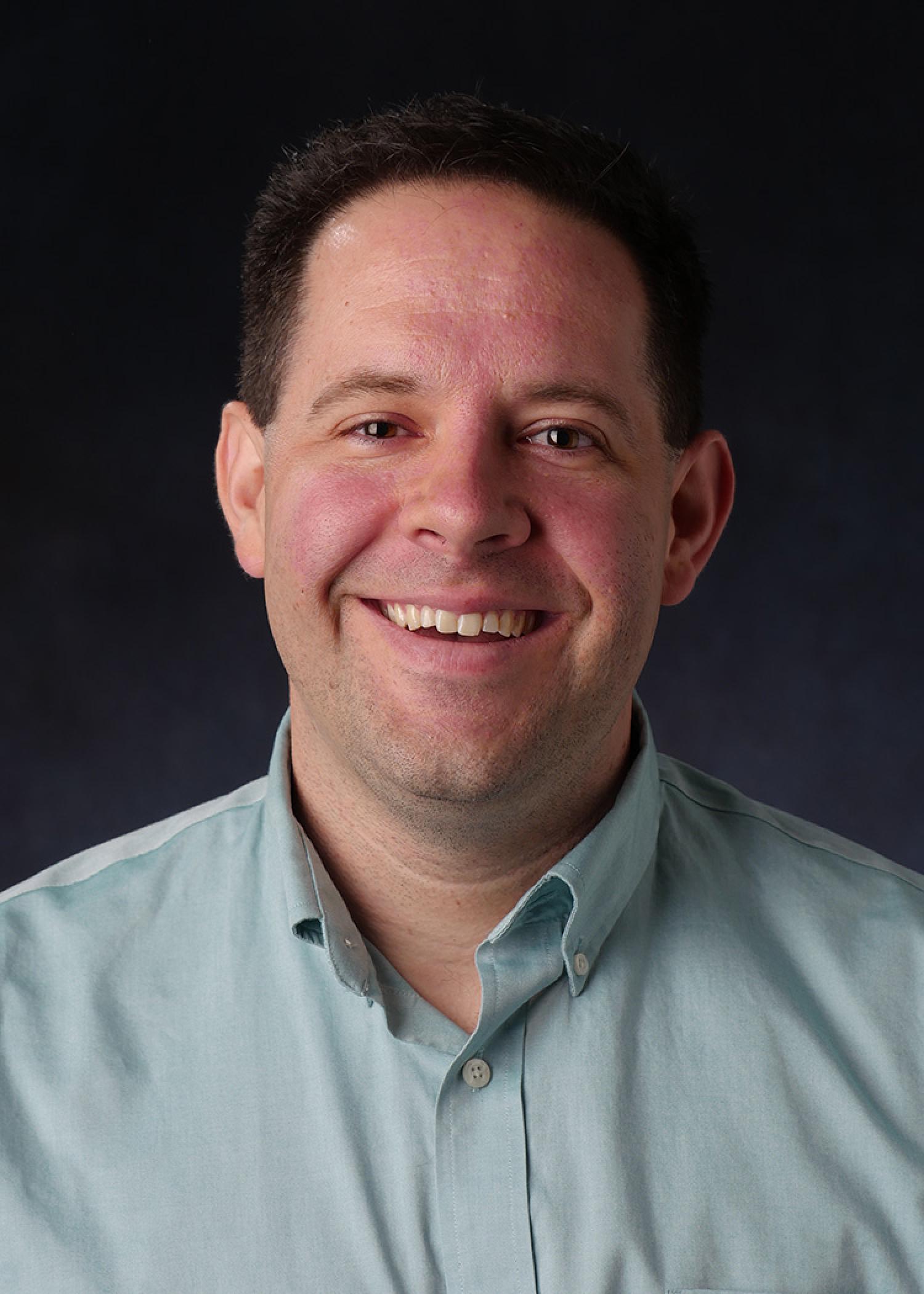
Bryan L. Sykes is an Associate Professor at Cornell University , with joint appointments in the Department of Sociology and the Jeb E. Brooks School of Public Policy . He also holds affiliate roles at multiple research centers, including the Center for Demography and Ecology (CDE) at the University of Wisconsin-Madison and the Berkeley Population Center at the University of California-Berkeley. Education: PhD in Sociology and Demography from University of California-Berkeley; BS in Sociology from University of Wisconsin-Madison His research spans demography , criminology , and social inequality , focusing on how institutions and policies shape disadvantage. He leads a $1.61M RCT on monetary sanctions' effects in California courts and develops innovative demographic methods to address inequality in incarceration, fertility, and mortality data. Recent publications emphasize global health metrics , criminal justice reform , and methodological advancements . He serves as Senior Associate Editor for Science Advances and previously held editorial roles at PLoS One and Sociological Perspectives .
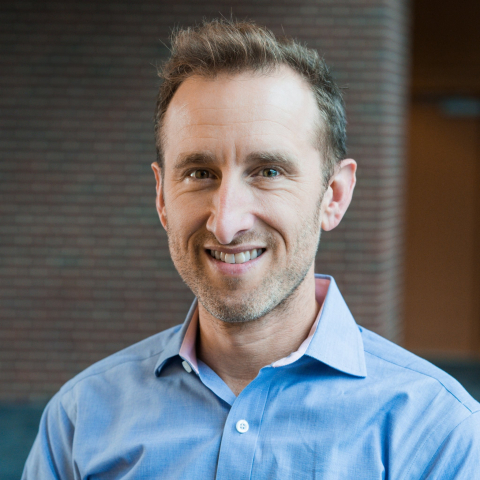
Ottar Bjornstad is a Distinguished Professor of Entomology and Biology at Pennsylvania State University, holding the Huck Chair of Epidemiology. He is affiliated with multiple research centers, including the Center for Infectious Disease Dynamics, One Health Microbiome Center, and Center for Mathematical Biology. His research focuses on population ecology, epidemiological modeling, and the mathematical foundations of infectious disease dynamics. He investigates how climate change affects ecological systems, transmission patterns of zoonotic diseases, and the interplay between host demographics and disease spread. Recent publications highlight his work on dengue virus transmission, vaccine distribution logistics, and age-structured epidemic models. His studies span disciplines including ecology, virology, and computational epidemiology. Elected to Norwegian Academy of Sciences and Letters (2021) He collaborates with institutions worldwide, addressing global health challenges like Lassa virus spread and measles persistence mechanisms. His methodological contributions include statistical frameworks for epidemic analysis and spatial synchrony metrics.
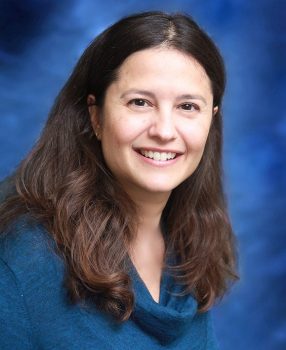
Matthew Ferrari serves as Director of the Center for Infectious Disease Dynamics and Professor of Biology at Pennsylvania State University's Eberly College of Science. His research integrates mathematical and statistical approaches to address critical questions in infectious disease dynamics, with particular expertise in vaccine-preventable diseases like measles and rubella. He holds the distinguished position of Huck Career Development Professor, reflecting his significant contributions to interdisciplinary research at Penn State. Dr. Ferrari's research program focuses on developing mathematical and statistical tools to understand disease incidence patterns and the effects of heterogeneity in time and space. He emphasizes that 'models are only as good as the data upon which they are based,' leading him to work directly with ministries of health to design surveillance systems that efficiently allocate vaccination efforts for disease control and elimination. His work on measles dynamics in low and middle-income countries addresses why measles virus still kills over 100,000 children annually despite available vaccines, collaborating with the World Health Organization, Médecins Sans Frontières, US-CDC, and the Bill & Melinda Gates Foundation. His extensive publication record demonstrates a consistent focus on vaccine-preventable diseases, with recent work increasingly addressing the impact of the COVID-19 pandemic on routine immunization programs. Dr. Ferrari has developed statistical methods used by the WHO to estimate global measles mortality burden, analyzing time series as partially observed Markov processes to both estimate infection burden and fit dynamical transmission models. His research consistently bridges theoretical modeling with practical public health applications across numerous countries including China, Democratic Republic of Congo, Ethiopia, India, Niger, Nigeria, Madagascar, Malawi, Pakistan, and Zambia. Director of the Center for Infectious Disease Dynamics Huck Career Development Professor Professor of Biology at Pennsylvania State University Active collaborator with WHO, CDC, Gates Foundation Dr. Ferrari leads multiple research initiatives including Data4Action, which has measured the pandemic's impact on local communities for two years. His work has been instrumental in developing evidence-based vaccination strategies and informing global health policy. He maintains an active presence in both academic and public health spheres, regularly contributing to policy discussions and media commentary on infectious disease dynamics.
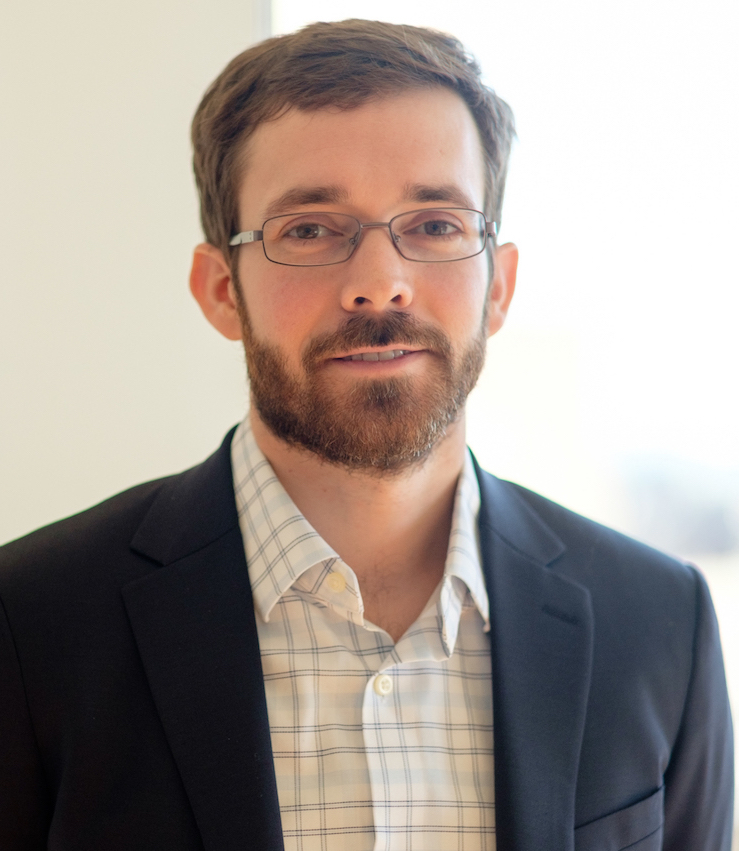
Aoife O'Donovan, PhD is a Professor of Psychiatry at the University of California, San Francisco (UCSF) School of Medicine and a member of the UCSF Weill Institute for Neurosciences. Her research focuses on understanding how psychological stress drives the development of mental and physical disorders, with particular emphasis on identifying the psychological and biological factors that account for the adverse effects of stress. Dr. O'Donovan's educational background includes a PhD in Clinical Psychobiology from University College Dublin, an MPsychSc in Health Psychology from National University of Ireland, Galway, and a BA in Psychology from University College Cork. She completed postdoctoral studies in Health Psychology at UCSF and in Trauma and PTSD at the San Francisco Veterans Affairs Health Care System. Her research interests center on traumatic stress, psychoneuroimmunology, inflammation, PTSD, depression, anxiety, and autoimmune disorders. She leads the THRIVE Lab at UCSF and is Principal Investigator on multiple significant NIH-funded research projects, including 'Inflammatory challenge and fear extinction: A model to enhance understanding of posttraumatic stress disorder' (2024-2028) and 'Effects of inflammation on neural mechanisms of threat sensitivity in posttraumatic stress disorder' (2016-2021). Dr. O'Donovan's recent publications demonstrate a strong focus on the intersection of mental health and physical health outcomes, particularly examining how trauma exposure influences biological processes like inflammation, epigenetic aging, and immune function. Her work has increasingly incorporated psychedelic-assisted therapies and their applications for PTSD and other trauma-related conditions. Academy of Behavioral Medicine Research Elected Fellow (2024) American Psychosomatic Society Herbert Weiner Early Career Award (2019) Society of Biological Psychiatry Travel Fellowship Award (2018) International Society of Traumatic Stress Studies Chaim and Bela Danieli Young Professional Award (2018) University of California Hellman Fellowship Award (2017) Dr. O'Donovan is actively involved in mentoring faculty on career development and research projects. Her work spans multiple interdisciplinary areas including the Aging, Metabolism, and Emotion Center and The Translational Psychedelic Research Program at UCSF. She has contributed significantly to understanding the connections between psychological stress and physical health outcomes, with implications for developing targeted interventions to reduce the negative effects of stress.
Antti Suhonen serves as a Senior Fellow in the Department of Finance at Aalto University, focusing on empirical finance research with current projects in alternative risk premia investing. His institutional affiliation centers on finance research within Aalto's academic ecosystem. Research Expertise: Suhonen's work spans four core domains: Alternative Investments (direct lending, risk premia strategies) Quantitative Investment Methodologies Fixed Income & Credit Market Dynamics Financial Institutions Analysis Publication Evolution: His 27-year publication trajectory (1997-2024) reveals consistent specialization in fixed income instruments and alternative assets. Recent work (2021-2024) emphasizes post-pandemic market adaptations, quantitative backtesting rigor, and real-world investment applications, while early career research established foundations in Finnish bond futures and swap spread mechanics. Recognition: No scientific awards or honors were documented in the source materials. Mentorship & Funding: The available text contains no references to student supervision, grant acquisitions, or collaborative funding initiatives.
Donald H. Taylor is a Professor at Duke University with dual appointments in the Sanford School of Public Policy and the Department of Family Medicine and Community Health. He serves as the Director of the Social Science Research Institute and is an Executive Core Faculty Member at the Duke-Margolis Institute for Health Policy. Additionally, he holds affiliations as an Associate of the Duke Initiative for Science & Society and an Affiliate of the Duke Global Health Institute. Dr. Taylor's educational background includes: Ph.D. in Public Health, Health Policy and Management from the University of North Carolina, Chapel Hill (1995) M.P.P. from the University of North Carolina, Chapel Hill (1992) B.S. from the University of North Carolina, Chapel Hill (1990) As a leading health policy scholar, Dr. Taylor's research has evolved through several key phases. Initially focusing on rural health and identification of underserved areas, his work expanded to examine the economics of smoking and cessation. For the past two decades, his primary focus has been on elderly care systems and their impacts on individuals, families, public programs, and inter-generational wealth. More recently, he has delved into archival research methods to illuminate the role of race in American history, and is exploring how visual art and fiction might effectively challenge cultural acceptance of various forms of inequality. His extensive publication record shows consistent focus on Medicare, Medicaid, palliative care, and end-of-life care. A significant portion of his recent work examines racial disparities in healthcare, the economics of nursing and palliative care, and the impact of policy changes on vulnerable populations including the elderly and homeless. His research often employs sophisticated economic analyses to evaluate healthcare interventions and policy changes, with particular attention to how policies affect different demographic groups. Dr. Taylor has held significant leadership roles including serving as Chair of the Academic Council (2017-2019) and Director of the Social Science Research Institute since 2019. His grant portfolio demonstrates sustained funding for projects examining palliative care, Medicare/Medicaid policy, and health disparities, with current projects spanning from 2018 to 2025. His ongoing research initiatives focus on community-based palliative care models, racial inequality in healthcare, and innovative approaches to making health policy more effective and equitable. Through his work with the Duke-Margolis Institute for Health Policy, he continues to influence health policy at both state and national levels, particularly regarding Medicare reform, Medicaid expansion in North Carolina, and addressing systemic racial disparities in healthcare delivery.
Dr. Vanitha Swaminathan serves as the Thomas Marshall Professor of Marketing and Associate Dean for Research and Strategic Initiatives at the University of Pittsburgh's Katz Graduate School of Business, while also directing the Center for Branding. Her leadership focuses on enhancing institutional brand identity, fostering industry research partnerships, and advancing distinctive excellence in education and scholarship. Her academic credentials include: PhD in Business Administration, University of Georgia MBA, XLRI Jamshedpur, India BA in Economics, University of Madras Dr. Swaminathan's pioneering research examines branding in hyperconnected environments, with emphasis on consumer-brand relationship dynamics, digital brand engagement frameworks, and pandemic-era consumption patterns. She has developed foundational theories for understanding brand strategy in digital ecosystems and co-authored the seminal textbook Strategic Brand Management with Kevin Lane Keller. Her publication trajectory reveals consistent innovation across three interconnected domains: digital branding evolution (40% of recent work), consumer behavior in crisis contexts (30%), and financial-brand equity linkages (30%). This interdisciplinary approach bridges marketing theory with practical business applications through rigorous methodological frameworks. Her distinguished accolades encompass: Fellow of the American Marketing Association (2024) University of Pittsburgh Provost’s Award for Excellence in Doctoral Mentoring (2025) Lehmann Best Paper Award (twice) Journal of Advertising Best Paper Award ACC-ALN Fellow designation (2024) American Academy of Advertising Best Paper Award (2006) University-wide Excellence in Teaching and Research Awards (2018-2019) As an academic advisor, she has mentored doctoral researchers including Christian Hughes (recipient of the Answers in Action Grant), while securing substantial research funding through industry partnerships with Fortune 500 companies. Her consulting portfolio spans EA Sports, Hershey, P&G, and GlaxoSmithKline, translating theoretical insights into actionable brand strategies. Through the Center for Branding, which she founded and directs, Dr. Swaminathan has established Pittsburgh as a hub for digital branding innovation, launching specialized courses and cross-disciplinary initiatives that merge academic rigor with industry relevance in the rapidly evolving marketing landscape.
Dr. Wai Kiong Oswald Chong is an Associate Professor at Arizona State University's School of Sustainable Engineering and the Built Environment, with a dual affiliation as Senior Global Futures Scientist at the Global Futures Scientists and Scholars program. He holds a PhD in Civil Engineering from the University of Texas-Austin, MSc and BSc in Building from the National University of Singapore, and focuses on integrating artificial intelligence with sustainable engineering systems. PhD (2005): Civil Engineering, University of Texas-Austin MSc (1999) & BSc (1997): National University of Singapore His research bridges lunar construction with Earth-bound sustainable systems, covering topics like: Space habitat modularization Resource circularity systems AI-enhanced building codes Climate-resilient infrastructure Advanced energy modeling Construction supply chain optimization Publications demonstrate consistent focus on: Semiconductor facility HVAC optimization Building energy consumption anomalies Life cycle assessment frameworks Construction risk management Deconstruction and material reuse AI-driven system modeling Current research projects include: Lunar MVI (Moon Village Initiative) Semiconductor fab design optimization Human-AI knowledge interfaces Thermal insulation systems for extreme environments Smart grid energy modeling
Cynthia Lakon is a Professor in the Department of Health, Society, & Behavior at the University of California, Irvine (UCI) School of Public Health. Her work focuses on social networks and health, particularly adolescent peer networks, substance use, and computational social science approaches. Ph.D. in Health Behavior/Health Education from UNC-Chapel Hill (2004) MPH in Community Health Sciences from UCLA (1995) BS in Psychology/Premed from UCLA (1991) Key research areas include: Social networks and health behavior Adolescent substance use Systems science and computational modeling Health disparities in aging populations Ecological models of health Recent publications highlight her work on network dynamics in smoking behavior, social media interventions for cessation, and socio-spatial disparities in nursing homes during the pandemic. Her research integrates quantitative network analysis with public health applications. Scientific honors include School of Health Science Honoree for Excellence in Undergraduate Education (2013) Royster Society of Fellows (2004-present) Delta Omega National Honor Society (1995) Funded by NIH grants, she leads the Lakon Network Cascades Lab, focusing on network-based interventions for health behaviors. Her work bridges computational methods with traditional public health research to address complex social determinants of health.
William Hobbs is the Lois and Mel Tukman Assistant Professor in the Department of Psychology at Cornell University , affiliated with the College of Human Ecology. His research intersects politics and health , focusing on social spillover effects of government actions and adaptation to life changes through computational social science methods. Teaches Data Science for Social Scientists I & II (HD/Psych 2930/2940) Co-teaches graduate course Text and Networks in Social Science Research (HD/Soc/Info 6610, Govt 6619) Research strengths include causal inference , representative sampling , and machine learning applications for small training sets. His work has been featured in The Atlantic , Science Magazine , and other major outlets. Current Data Science Lab projects analyze: Political polarization in social media Health behavior networks Government policy feedback Content moderation systems Lab hires Cornell undergraduates with R/Python experience for data management tasks through HD 4010 research credit.
Professor Fangzhu Zhang is a leading academic in China planning at The Bartlett School of Planning, University College London (UCL). With a PhD from the University of Southampton and prior roles at Southampton and Cardiff University, she has been at UCL since 2011, progressing from Lecturer to Professor since 2023. Education: BSc (Nanjing University, 1991), MPhil (University of Hong Kong, 1998), PhD (University of Southampton, 2007) Her research focuses on urban governance , financialization , and environmental planning in China. Recent work explores post-pandemic statecraft, eco-city development, and land assetization in municipal finance. She leads the ERC Advanced Grant project "Rethinking China’s Urban Governance" (2020–2026) and contributes to journals like Urban Studies and Land Use Policy . The 15 most recent publications span topics such as: State entrepreneurialism in megaprojects Financial intermediation in local government bonds Land assetization and urban debt risks Post-pandemic governance transitions Participatory micro-regeneration models She has supervised 20 PhD students (10 completed, 10 ongoing) and serves as founding Editor-in-Chief of the journal Transactions in Planning and Urban Research (TPUR). Her teaching integrates equality, diversity, and inclusion, with leadership roles in UCL's dissertation curriculum.
Dr. Maciej Jarota is an Assistant Professor at the Department of Labor Law and Social Security within the Faculty of Law, Canon Law and Administration at the Catholic University of Lublin. His academic career focuses on collective labor law, occupational health and safety, and the intersection of technology with labor ethics. He teaches courses on work environment protection, labor law, and mediation practices. Research Areas: Collective Dispute Resolution, Occupational Health and Safety, AI in Workplace, Polish Diaspora Media Studies Key Contributions: Publications on social arbitration, mediation frameworks, and nanoethics in labor law Jarota's publications span topics from collective dispute mechanisms to ethical implications of AI in occupational health. His awards include recognition from the District Chamber of Legal Advisers in Lublin for contributions to legal self-government. Active in scientific organizations like the World Council for the Study of Polish Diaspora, he has pursued grants for research on European labor dispute resolution methods.
Allen Hsiao MD, FAAP, FAMIA is Professor of Pediatrics, Biomedical Informatics and Data Science, and Emergency Medicine at Yale School of Medicine. He serves as Chief Health Information Officer (CHIO) for Yale School of Medicine and Yale New Haven Health System, and as Vice Chair of Clinical Systems in Biomedical Informatics & Data Science. BA in Biomedical Ethics and MD from Brown University Pediatrics residency at Yale-New Haven Children's Hospital Fellowships in Pediatric Emergency Medicine and Medical Informatics at Yale His research focuses on leveraging health information technology to improve care delivery, with emphasis on electronic health records, clinical decision support, natural language processing, and AI applications. He actively explores how informatics can optimize systems, improve transitions of care, and advance health equity through diverse clinical trial participation. His work spans pediatric emergency medicine, gastroenterology, child abuse detection, and opioid safety. Dr. Hsiao's recent publications demonstrate leadership in AI-augmented clinical decision support, EHR-based machine learning models, and pandemic response infrastructure. His team has developed innovative tools for child abuse identification, gastrointestinal bleeding risk prediction, and collaborative research data platforms. 56 Hospital and Health System CMIOs and CNIOs to Know (Becker's Healthcare, 2023) Healthcare Diversity Leader Award (National Diversity Council, 2023) 48 CMIOs and CNIOs to Know (Becker's Hospital Review, 2022) Norman J. Siegel Faculty Award (Yale School of Medicine, 2022) As principal investigator and co-investigator on NIH and AHRQ-funded grants, he examines health information technology's impact on healthcare quality. He co-directs Yale's CTSA Informatics Core, working with Yale Center for Clinical Investigations to equip researchers with EHR (Epic) and clinical trials management (OnCore) tools. His leadership extends to national committees including American Academy of Pediatrics, HIMSS, and Children's Hospitals Association.
Alexia Brunet Marks serves as Associate Dean for Curricular Affairs and Professor of Law at the University of Colorado Boulder Law School. She holds a J.D. from Northwestern University (cum laude) and a Ph.D. in Applied Economics from Purdue University, complemented by a B.A. in International Relations from Colgate University. Her scholarly work bridges transnational food systems regulation, international economic law, and public health policy. Ph.D., Purdue University J.D., Northwestern University M.S., Purdue University B.A., Colgate University Research focuses on: Global food safety governance Climate-resilient agricultural frameworks Consumer protection and nutritional policy Economic risk regulation Legal approaches to pandemic food system resilience Recent publications examine regenerative agriculture transitions, pandemic workplace protections, and food labeling controversies. Her empirical studies span law student success metrics to municipal deterrence models. Scientific recognition includes: Colorado Law's Gamm Justice Award (2022) Consumer Rights Award (2019) Provost's Faculty Achievement Award (2017) Professional experience encompasses U.S. Department of Homeland Security risk analysis, Argonne National Laboratory modeling, and international trade venture leadership. She actively contributes to European and American Societies of International Law, and co-founded the Academy of Food Law and Policy.
Tony Cookson is a Professor of Finance and the Michael A. Klump Endowed Professor at the Leeds School of Business , University of Colorado Boulder, where he has served since 2013. His research spans empirical finance , household and corporate financial decision-making , and the impact of social media and legal institutions on financial behavior. He has published in top journals like the Journal of Finance , Journal of Financial Economics , and Management Science , focusing on topics from investor disagreement to fracking-induced debt repayment . Education : Ph.D. in Economics (University of Chicago), M.S. in Statistics and Applied Economics (Montana State University), B.S. in Economics (Montana State University) His research interests include: How social media shapes investor sentiment and trading patterns The economic consequences of fracking and casino policy Legal institutions and their role in credit market development Behavioral finance through LLM-driven investor personas His scientific awards include the Best Paper in Investments and Asset Pricing (MFA 2023) , NASDAQ Best Paper in Asset Pricing (WFA 2021) , and Finalist for TIAA Paul A. Samuelson Award (2021) . He serves as Editor at the Review of Corporate Finance Studies and Associate Editor at multiple top journals.