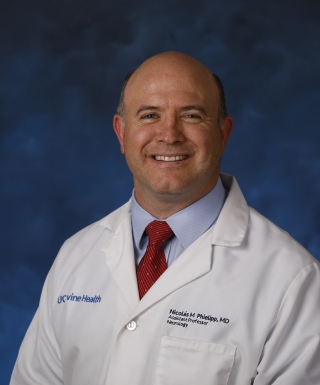
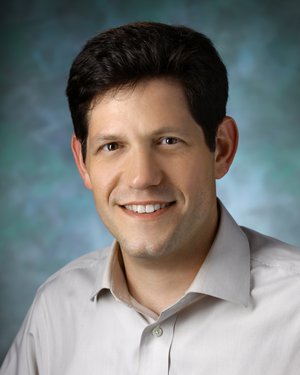
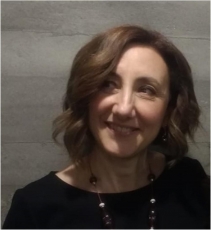
Nicolas M Phielipp is an Associate Professor in the Department of Neurology at the University of California, Irvine (UCI) School of Medicine . His research focuses on the clinical application of transcranial magnetic stimulation (TMS) for pain management, particularly in patients with implanted cortical electrodes. His work includes evaluating the safety of rTMS protocols using ex-vivo experiments and clinical trials. A 2017 study demonstrated that TMS was safe for patients with subdural cortical electrodes (Medtronic Resume II, model 3587A), with no electrode displacement or serious adverse effects observed. Cortical tremor was noted during one session, highlighting the need for careful monitoring.
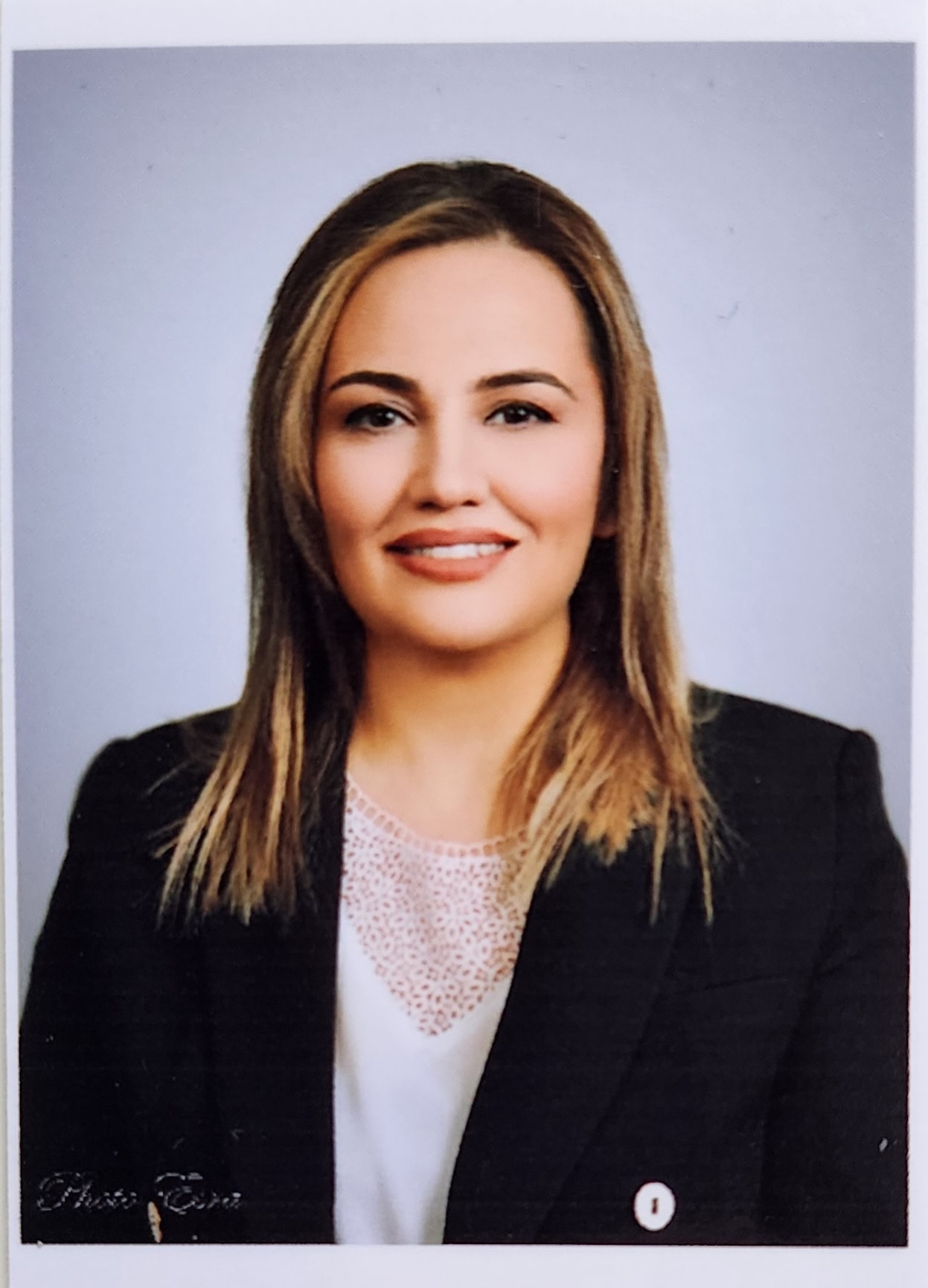
Elzem Şen is an Associate Professor at Gaziantep University Faculty of Medicine, Department of Anesthesiology and Reanimation, since 2022. Previously, they served as a Doctor Lecturer (2014-2022) at the same institution. With a medical specialization (2006-2011) from Gaziantep University and additional training at Ghent University Hospital (2015), their work bridges clinical practice and academic research in anesthesia. Medical Specialization: Gaziantep University, Faculty of Medicine (2006-2011) Professional Experience: 6 years at Gaziantep University Hospitals, 3 years at Gaziantep 75.YIL Women’s Diseases and Birth Hospital (2011-2014), earlier roles in public health centers (2000-2006) Research focuses on anesthetic techniques , postoperative complications , and regional anesthesia for geriatric and pediatric patients. Their 36+ peer-reviewed articles address critical areas like low-flow anesthesia , pediatric airway management , and intensive care prediction models . They have supervised 9+ theses and authored 4 book chapters, including works on Intensive Care Protocols and Geriatric Pharmacokinetics . Recent studies (2025) examine altitude effects on preoxygenation and end-tidal controlled low-flow anesthesia efficiency. Their 2024 awards ( Author of the Year , Original Research of the Year ) highlight their impact. Active in scientific societies, they serve on Gaziantep University’s Non-Interventional Clinical Research Ethics Committee since 2024.
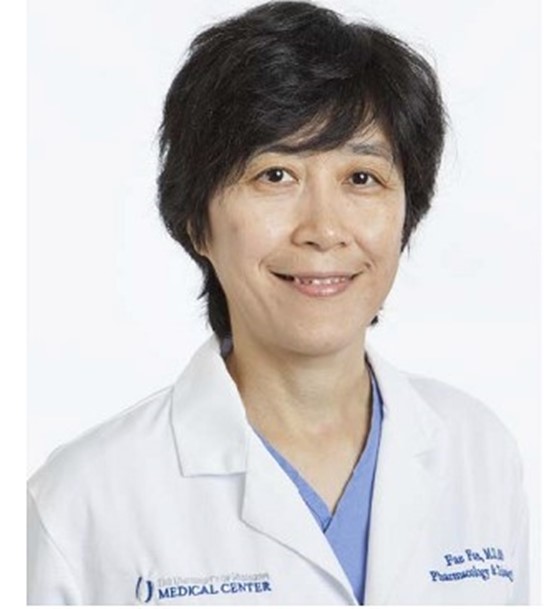
Dr. Fan Fan is an Associate Professor of Physiology at the Medical College of Georgia, Augusta University. She holds a Medical Doctorate from Qingdao Medical College (1989) and an MS in Biomedical Sciences from the University of Mississippi Medical Center (2013). Positions held: Postdoctoral Fellow at Medical University of South Carolina (2001), Senior Scientist at University of Mississippi Medical Center (2015), Assistant/Associate Professor at University of Mississippi Medical Center (2015-2023), and current Associate Professor at Augusta University Her research focuses on microvascular dysfunction in aging, diabetes, and hypertension, particularly its role in vascular cognitive impairment, Alzheimer's disease, and renal injury. Key areas include: Actin cytoskeleton dynamics in vascular cells Cerebral and renal hemodynamics 20-HETE signaling pathways SGLT2 and sEH inhibition Recent publications (2022-2025) demonstrate therapeutic potential of epoxide hydrolase inhibition in Alzheimer's models, mechanotransduction in blood-brain barrier function, and novel insights into hypertension-diabetes interactions. Her work has been recognized through multiple NIH travel awards and Fellow status in the American Heart Association. 2015 New Investigator Travel Award 2017-2019 Excellence in Research Awards (Bronze to Gold) 2019 Fellow of American Heart Association 2021 Research Career Enhancement Award
Susanne M. Krug is a Professor at Charité - Universitätsmedizin Berlin, leading research in the Clinical Physiology/Nutritional Medicine division. Her work focuses on epithelial and endothelial barrier mechanisms, particularly tight junction biology in inflammatory bowel disease (IBD) and neuropathic pain. She coordinates multiple DFG-funded projects including TRR 241 (Immune-epithelial communication in IBD) and GRK 2318 (Tight junction proteins in health/disease). Her research integrates molecular physiology with translational models, employing techniques like organoid-based monolayers, impedance spectroscopy, and freeze-fracture EM. Key interests include: Tricellulin regulation in IBD and barrier defects Paracellular transport pathways for drug delivery Blood-nerve barrier dysfunction in pain Claudin channel biophysics Analysis of her recent articles reveals persistent themes: epithelial barrier repair mechanisms (45% of publications), neuro-immune interactions (30%), and molecular engineering of junction proteins (25%). Her lab frequently employs advanced microscopy and electrophysiology to quantify barrier properties. As Associate Editor for BMC Gastroenterology and Editorial Board member for IJMS , she shapes discourse in barrier pathophysiology. She holds leadership roles in doctoral training programs and maintains active collaborations across Europe and the US.
Dr. Longzhen Cheng is an Associate Professor at the Department of Neuroscience, School of Life Sciences, Southern University of Science and Technology (SUSTech) in Shenzhen, China. She joined SUSTech as an Assistant Professor in February 2018 and was promoted to Associate Professor in June 2025. Prior to joining SUSTech, she served as an Associate Professor at Fudan University's Institute of Brain Science from 2016 to 2018, where she established her own laboratory as a member of the "Junior PI Plan." She completed her postdoctoral training at Harvard Medical School under Dr. Qiufu Ma from 2013 to 2016. Dr. Cheng received her Ph.D. in Neurobiology from Fudan University (2005-2009), where she studied synaptic transmission and plasticity in the spinal dorsal horn under Dr. Zhi-Qi Zhao. She earned her M.S. in Physiology (2002-2005) and B.S. in Clinical Medicine (1997-2002) from Wannan Medical College in Anhui, China. Her research focuses on the neural mechanisms underlying pain and opioid effects. Specifically, her laboratory investigates: Neural mechanisms underlying mechanical pain hypersensitivity Neural mechanisms underlying opioid-induced mechanical pain hypersensitivity and analgesic tolerance Spinal circuits for somatosensory information processing Gating mechanisms for chronic pain Synaptic plasticity of spinal dorsal horn neurons Dr. Cheng's research employs a multidisciplinary approach combining genetic tools, behavior tests, and electrophysiological recordings in the spinal cord. Her work has revealed important insights into spinal circuits involved in touch-evoked dynamic mechanical pain and mechanisms for chronic pain. Her publications in Cell (2014), Nature Neuroscience (2017), Science (2015), and Neuron (2024) demonstrate her significant contributions to understanding pain mechanisms at the circuit level. Dr. Cheng has received several honors and awards, including: Fudan University Excellent Plan (2013) Junior PI Plan from Institute of Brain Science, Fudan University (2016) Her research has been supported by grants focusing on pain mechanisms and neural circuits. She teaches courses in Animal Physiology and Advanced Animal Physiology at SUSTech. Dr. Cheng's laboratory has made significant contributions to understanding the neural basis of chronic pain, particularly in identifying spinal circuits for mechanical pain and itch, and exploring how opioids affect pain processing.
Alexandra Stubelius is an Associate Professor in Chemical Biology at Chalmers University of Technology, where she leads research focused on developing nanotherapies and biomaterials to modulate the immune system, reduce inflammation, and restore tissue function. She holds multiple leadership positions including steering committee member for the Nano, Health & Technology, and Materials Science Areas of Strength. Since 2024, she has served as the Master's Program Manager for Biotechnology at Chalmers while concurrently teaching pharmaceutical technologies at the University of Gothenburg. Dr. Stubelius holds a PhD in Medicine (specializing in inflammation/rheumatology), an M.Sc in Pharmacy and Pharmaceutical Biosciences, and completed postdoctoral training in nanomedicine at UC San Diego. She maintains extensive collaborations through board memberships in the Controlled Release Society (Nordic Chapter), the NordicPOP consortium, NordicPharmaTrain, and the EU-funded NetwOArk initiative for arthritis research. Her research integrates nanomedicine, immunology, and biomaterials to address inflammatory and degenerative diseases. Key interests include: Design of stimuli-responsive nanoparticles for precision drug delivery Saccharide-mediated immune modulation in osteoarthritis Development of antimicrobial peptides from marine sources Hormonal regulation of joint inflammation and pain mechanisms Extracellular matrix interactions with engineered nanomaterials Analysis of her recent publications reveals strong emphasis on osteoarthritis therapeutics (50%), advanced drug delivery systems (30%), and antimicrobial strategies (20%), with consistent focus on translational applications of nanotechnology in inflammatory conditions. Dr. Stubelius leads 9 active research projects funded by organizations including the Swedish Research Council, Carl Tryggers Foundation, and King Gustaf V's Foundation. Projects include: Development of nanosensors for glycan detection (2024-2026) Sialic acid inhibition strategies for osteoarthritis (2022-2026) In vitro platforms for nanomedicine evaluation (2023-2025) Bioresponsive nanomaterials for rheumatoid arthritis (2020-2023) She collaborates extensively with international teams across materials science, immunology, and clinical rheumatology, with research outputs directly contributing to European initiatives for arthritis treatment innovation.
Kristian Kjær-Staal Petersen is an Associate Professor at Aalborg University's Department of Medicine and Health Technology within the Faculty of Health Sciences. He serves as Principal Investigator for the Section for Pain at the Center for Mathematical Modeling of Knee Osteoarthritis (MathKOA) and is affiliated with multiple research centers including the Center for Sensory-Motor Interaction, Translational Pain Neuroscience and Precision Health, and the Center for Neuroplasticity and Pain. His editorial roles include Section Editor for Pain Reports (2024-), Editorial Advisory Board for the European Journal of Pain (2024-2029), and former Associate Editor for PAIN Reports (2022-2024). Dr. Petersen's primary research interests focus on developing "Personalized Mechanistic Pain Medicine" to understand and phenotype underlying mechanisms for chronic pain. His work spans chronic pain conditions, particularly knee osteoarthritis, using quantitative sensory testing to investigate pain modulation, temporal summation, and pressure pain thresholds. He examines how factors like sleep disruption modulate pain mechanisms, with particular attention to gender differences in pain perception. His research aims to target specific pain mechanisms using tailored interventions to provide relief for patients with chronic pain. His publication record includes 261 publications with significant output in 2025 (15 publications), demonstrating ongoing research productivity. His recent work shows a strong trend toward mathematical modeling of pain mechanisms, sleep-pain relationships, and personalized approaches to pain management. The publications reflect interdisciplinary work bridging pain neuroscience, orthopedics, sleep medicine, and computational modeling. Dr. Petersen has received several prestigious awards including The Danish Rheumatism Association Young Research Talent Prize (2024), The Svend Andersen Talent Prize (2022), and multiple conference abstract prizes from the European Pain Federation. His contributions to pain research have been recognized through various editorial and committee appointments. As an educator, Dr. Petersen coordinates multiple master's semesters and courses at bachelor and master levels within Clinical Science and Technology education and Medicine with Industrial Specialization. He teaches pain science, regulatory aspects of clinical trials, and statistics, while coordinating Translational Medicine students. His research leadership includes the MathKOA project (2022-2027), funded by the Novo Nordisk Foundation, which aims to develop predictive mathematical models of knee osteoarthritis. His laboratory work focuses on quantitative sensory testing methodologies and experimental pain models to investigate pain mechanisms in both healthy subjects and patients with chronic pain conditions. Through the Center for Neuroplasticity and Pain, his team explores how neural adaptations contribute to chronic pain states and how these can be targeted therapeutically.
Kimberly Elizabeth Stephens, PhD, MPH is an Assistant Professor at the University of Arkansas for Medical Sciences' College of Medicine in the Department of Pediatrics. Her research focuses on epigenetic mechanisms in cancer-related persistent pain and chemotherapy-induced neuropathy. Her work explores chromatin structure modulation in dorsal root ganglia, cell-type specific epigenetic changes in pain pathways, and neuroprotective strategies for cancer patients. Recent publications highlight interdisciplinary approaches combining neuromodulation, epigenetics, and developmental biology. Key trends in her 15 most recent articles (2021-2025) include: Epigenetic regulation of chronic pain pathways Neuroimmune interactions in cancer pain Developmental influences on pain sensitivity Neuromodulation therapies for pain management Transcriptional mechanisms in sensory neurons Chromatin accessibility in preclinical models She can be contacted at KESTEPHENS@UAMS.EDU.
Sean Taverna is a Professor and Dean of the UAMS Graduate School, actively affiliated with the Winthrop P. Rockefeller Cancer Institute. His research focuses on chromatin biology and epigenetic mechanisms, particularly histone modifications and their roles in gene regulation, DNA damage response, and cancer. Education: Ph.D. from University of Virginia (2004), B.S. from University of Texas at Austin (1995) Research Interests: Dr. Taverna's work explores the "epigenetic/histone code" through biochemical and cell biological approaches in model organisms like mammals, yeast, and ciliates. His lab investigates how histone marks regulate transcription, gene silencing, and DNA damage repair, and how these mechanisms relate to human diseases including melanoma and leukemia. Current projects examine connections between small RNAs and histone modifications, with a focus on therapeutic target identification. Article Trends: His publications span chromatin regulation, histone modification enzymes, and disease applications. Key themes include the interplay between histone methylation/acetylation, functional implications of chromatin readers (PHD fingers, bromodomains), and translational work on epigenetic inhibitors for cancer therapy. Laboratory: Located at Winthrop P. Rockefeller Cancer Institute 11-164 Contact: staverna@uams.edu
Ilaria D'Acquarica is an Associate Professor at the Department of Chemistry and Technology of Drugs, Sapienza University of Rome. She teaches Organic Chemistry and Chemistry of Natural Organic Substances in the Applied Pharmaceutical Sciences program and Organic Chemistry in Biotechnology courses. Key Research Areas: Chiral drug separation via HPLC/UHPLC Enantioselective gas-phase molecular recognition Natural product purification with antitumor/antitubercular activity Regulatory science for chiral drug commercialization Development of silica-based chiral stationary phases Research Trends: Recent publications focus on chiral switch strategies, enantiomeric drug toxicity, and asymmetric organocatalyst development. Her work bridges analytical chemistry with pharmacological validation, emphasizing stereochemical effects in drug interactions (e.g., hydroxychloroquine binding to ACE2 receptor). Collaborations: Member of the Doctoral College in Ecological and Sustainable Environmental Resources Management (EGSRA) at Tuscia University since 2018. Technical Expertise: Enantioselective ultra-high-performance liquid chromatography Mass spectrometry integration Resorc[4]arene-based chiral selectors Molecular modeling of stereolabile compounds Regulatory compliance for chiral drugs
Dr. Christopher Bunick is an Associate Professor at Yale School of Medicine, Department of Dermatology, with a focus on structural biology and translational research. He combines clinical practice with groundbreaking work in atomic resolution dermatology , using x-ray crystallography and cryo-EM to study skin barrier proteins and therapeutic mechanisms. Education: BS in Molecular Biology & Mathematics (Vanderbilt, 2000); MD/PhD (Vanderbilt, 2008) Clinical: General dermatology, surgery, and patient care in Middlebury, CT Research: Skin barrier integrity, keratin structures, acne pathogenesis, and drug development His lab investigates intermediate filament assembly , keratinopathies , and TYK2 inhibitors , funded by NIH/NIAMS and Almirall. 2025 publications span topics from benzene contamination in topical products to space-inspired cancer research. Scientific Awards: Young Investigator Award (AAD, 2017) Career Development Awards (Dermatology Foundation, 2013-2015) Bayer Lindau Fellow (2014) Lab: Hosts medical students, graduate researchers, and postdocs in a collaborative environment.
Dr. Emily Williams serves as Course Director in Sport, Exercise and Health Sciences and Subject Discipline Lead for Sport and Exercise Physiology at Leeds Beckett University's Carnegie School of Sport. With a strong foundation in both academic research and practical application, she directs the Centre for Human Performance and contributes significantly to sports science education and research. Her research expertise spans psychophysiological mechanisms of sports performance, with particular focus on fatigue, pacing strategies, and mind-body interactions during athletic performance. Dr. Williams investigates how environmental stressors, especially heat exposure, influence cognitive and physical performance, with applications ranging from elite sports to occupational settings requiring critical decision-making in challenging environments. Her work frequently employs innovative methodologies including deception studies, eye-tracking, and think-aloud protocols to understand cognitive processes during exercise. Dr. Williams's publication record demonstrates consistent output in high-impact journals, with recent work examining tyrosine supplementation in soccer players, longitudinal changes in women's rugby physiology, and systematic reviews on heat preparation strategies. Her research shows a clear trajectory from foundational work on cycling time trials and deception studies toward broader applications in team sports, environmental physiology, and cognitive performance under stress. Fellow of the Higher Education Academy Extensive publication record in sports science and exercise physiology Research funded through university and potential external grants Contributions to understanding environmental stressors on performance Dr. Williams actively supervises students and contributes to curriculum development in sport and exercise science, with her Postgraduate Certification for Teaching in Higher Education supporting her educational leadership. Her work bridges theoretical research with practical applications for athletes, coaches, and practitioners working in challenging environmental conditions.
Ursula Philpot serves as a Senior Lecturer in Nutrition and Dietetics at Leeds Beckett University's School of Health, concurrently operating as a freelance consultant dietitian with extensive NHS experience in eating disorder services and private practice. Her dual clinical-academic role bridges evidence-based nutrition with public health communication through BBC media appearances and collaborations with charities/NHS trusts. Her research centers on eating disorders, mental health, and weight management, with emerging focus on nutrition's role in chronic pain and autism spectrum disorders. She actively develops clinical guidelines and explores multidisciplinary treatment approaches, particularly guided self-help interventions for eating disorders across diverse settings. Publication analysis reveals strong emphasis on practical clinical translation: chronic pain diet therapy resources (2024), autism-eating disorder comorbidity frameworks (2021), and pandemic nutrition strategies (2020). This work consistently prioritizes accessible behavior change methodologies and real-world application over theoretical exploration. No scientific awards were documented. Philpot supervises students through teaching roles in Dietetics/Nutrition programs (levels 5/7), leads the Lifestyle Disease module, and coordinates public health practice placements. Her clinical guideline development for eating disorder pathways constitutes significant non-grant-funded scholarly contribution.
Andreas von Leupoldt is a Professor at the Health Psychology unit within the Faculty of Psychology and Educational Sciences at KU Leuven. His research focuses on the interplay between respiratory sensations , neural processing , and psychological factors like anxiety and depression. Current projects include studies on menthol inhalation for dyspnea relief (2024–2030), interoception across organ domains , and fear conditioning in respiratory diseases . He serves on multiple committees including the Social and Societal Ethics Committee (SMEC) and supervises doctoral candidates. His work bridges clinical psychology and respiratory physiology , with recent publications analyzing neural oscillations in sensory gating , effects of taVNS , and psychosocial factors in COPD . Grants from BOF and collaborative networks support his research.
Dr. Carl Roberts is a Senior Lecturer in the Department of Psychology at the University of Liverpool. He serves as the research lead for the 'Substance use, misuse, and dependence' research group and co-lead of the 'Unilever - Brain and Behaviour Collaboration'. His academic work spans neuropsychopharmacology, sensory/affective neuroscience, and microbiome-brain interactions, with a focus on motivated behaviors and public health. Module Coordinator: PSYC347 - Psychoactive Substances Professional Affiliation: Member of Psychology Management Group (Communications and Outreach Lead) Collaboration: Unilever R&D partnership in sensory neuroscience His research integrates multimodal neuroimaging (fNIRS, EEG, fMRI, sMRI) to investigate: Neurobiological consequences of chronic drug use (MDMA, cannabis, cocaine) Therapeutic potential of psychoactive substances Pharmaceutical effects on appetite and eating behavior Mechanisms linking microbiomes to stress and wellbeing Recent work demonstrates Carl's interdisciplinary focus across four areas: Alcohol consumption dynamics under social influence Microbiome sampling methodologies Psychological impact of hair/scalp conditions Neurophysiological modulation of sensory experiences He contributes to education through teaching modules including Biological Psychology, Research Methods, and Psychoactive Substances. Professional activities include: Collaboration leadership with Unilever UK Management Group role in Psychology department Research coordination on substance use