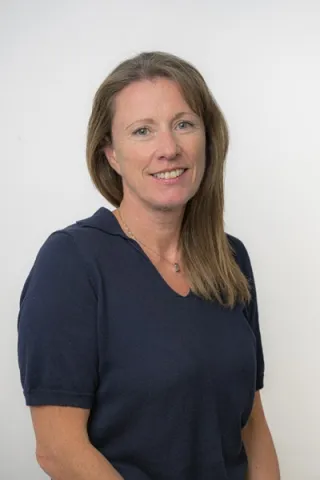
Professor Guy Williams is a leading academic at the University of Cambridge with a focus on imaging science and clinical neurosciences, affiliated with Downing College and the Wolfson Brain Imaging Centre . Holding a PhD in Physics from his initial Natural Sciences degree, he specializes in nuclear magnetic resonance (NMR) and MRI techniques for brain imaging. Education: BA, PhD in Physics His research centers on non-invasive imaging of brain structure and function, particularly in traumatic brain injury (TBI) and dementia. His work involves developing novel MRI pulse sequences and advanced data analysis algorithms, including AI-based diagnostic tools. He leads studies on white matter integrity post-trauma, longitudinal dementia assessment, and applications of MRI in disorders of consciousness and addiction. Recent publications highlight collaborations in traumatic brain injury outcomes, AI-guided dementia prediction, and neuroimaging of post-COVID cognitive deficits. His team's work on ultra-high field laminar fMRI and distortion correction methods has advanced clinical neuroscience applications. Key techniques include diffusion tensor imaging (DTI), 7 Tesla MRI, and positron emission tomography (PET/MR). His research spans from basic NMR physics to clinical translation, with a strong emphasis on multi-site studies and real-world diagnostic implementation.
Professor Roslyn Boyd serves as Scientific Director of the Queensland Cerebral Palsy and Rehabilitation Research Centre (QCPRRC) at the University of Queensland's School of Medicine. She leads a substantial multidisciplinary team of 38 researchers and provides clinical research leadership to 60 clinicians across the Queensland Paediatric Rehabilitation Service based at the Queensland Children's Hospital. As an NHMRC Leadership Fellow, Professor Boyd has established herself as an internationally recognized expert in cerebral palsy research and rehabilitation. Professor Boyd completed her primary training as a physiotherapist in Australia and London before earning her PhD in neuroscience at La Trobe University, the Brain Research Institute, and the Murdoch Children's Research Institute in Melbourne, for which she received the Premier's Commendation from the Victorian Government. She joined the University of Queensland in 2007 as a Smart State Fellowship recipient and has since led major research initiatives including an EBrain program grant funded by the Queensland Government Department of Innovation. Her research program focuses on three critical areas: the early natural history of motor and brain development in preschool children with cerebral palsy, novel rehabilitation approaches for children with hemiplegia, and early detection and intervention for infants at high risk of cerebral palsy. These research streams, all funded by the National Health and Medical Research Council of Australia, employ advanced brain imaging techniques including functional imaging, Diffusion Imaging, and Functional Connectivity to assess neuroplasticity changes resulting from therapeutic interventions. Her work bridges neuroscience, rehabilitation science, and clinical practice to develop evidence-based approaches that improve outcomes for children with neurodevelopmental conditions. Professor Boyd's extensive publication record of over 340 peer-reviewed manuscripts demonstrates a consistent focus on improving assessment methods, intervention efficacy, and early detection strategies for cerebral palsy. Her research spans from basic neuroscience investigations to large-scale clinical trials and implementation studies, creating a comprehensive evidence base that informs clinical practice worldwide. The publications reveal a growing emphasis on early intervention, neuroimaging biomarkers, and family-centered approaches to rehabilitation. Professor Boyd has received significant recognition for her contributions to the field, most notably the prestigious Gayle Arnold Award from the American Academy of Cerebral Palsy and Developmental Medicine, which she has received three times. This repeated honor underscores her international standing and the impact of her research on clinical practice. As an NHMRC Leadership Fellow, she represents the highest tier of Australian health and medical researchers. Through her leadership of major research programs and collaborations, Professor Boyd has secured over $40 million in research funding, enabling large-scale projects that directly impact clinical practice. Her work with multidisciplinary teams has produced evidence that informs clinical guidelines and treatment approaches used by healthcare professionals globally. She actively mentors junior researchers and clinicians, fostering the next generation of experts in pediatric rehabilitation. The Queensland Cerebral Palsy Rehabilitation and Research Centre, under Professor Boyd's direction, serves as a vital hub for translational research, connecting scientific discovery with clinical application. The center's work with the Centre for Extracellular Vesicle Nanomedicine demonstrates interdisciplinary reach beyond traditional cerebral palsy research, exploring innovative approaches to understanding and treating neurodevelopmental conditions.
Associate Professor Stephen McKeever is a critical care nurse and academic at Swinburne University of Technology’s School of Health Sciences . With clinical experience in the UK, New Zealand, and Australia, he focuses on paediatric critical care , family-centred care , and sibling health impacts . His work bridges artificial intelligence , sustainability , and education . McKeever earned his PhD from the University of Melbourne (2012), examining EEG changes during paediatric anaesthesia. He supervises doctoral and master’s students in pain management and family interactions. As Editor-in-Chief of the Journal of Child Health Care since 2020, he promotes interdisciplinary research on neonates to young people and their families. His research spans virtual interviewing methods (e.g., during the pandemic), cognitive/implicit bias mitigation in healthcare education, and BIS technology for palliative care consciousness monitoring. Recent work includes concept analyses of ‘family’ in PICU research and evaluations of home-based cancer pain management. Key themes: inclusive care design , digital research ethics , and academic resilience . Articles highlight a trend toward family-centred care in paediatrics virtual research methodologies BIS technology in end-of-life care addressing biases in clinical decision-making sibling experiences in chronic illness pandemic healthcare training McKeever’s teaching includes units like Acute Nursing Care and Nursing Projects . He co-chairs the Paediatric Advisory Panel at ACCCN Australia and advocates for Phoenix Nursing for Tropical Health & Education Trust . No scientific awards are explicitly mentioned.
Professor Daniel Davis MBE FMedSci is the Head of the Department of Life Sciences and Professor of Immunology at Imperial College London. He holds affiliations with the Institute of Chemical Biology, the CDT in Chemical Biology: Innovation in Life Sciences (as a supervisor), and research groups in Immunology and Molecular Mechanisms of Disease. His academic journey includes a doctorate in Physics from Harvard University and prior roles as Director of Research at the Manchester Collaborative Centre for Inflammation Research (University of Manchester). His research focuses on nanoscale biology of immune cell interactions, employing advanced microscopy techniques to study immune synapse formation, cytotoxicity mechanisms, and immunological regulation. Notable contributions include elucidating how immune cells use adhesion, signaling, and structural reorganization to target pathogens and cancer cells. Professor Davis has authored four popular science books, including Self Defence: A Myth-Busting Guide to Immune Health (2025), The Beautiful Cure (2018), and The Compatibility Gene (2014), which bridge public understanding of immunology and biology. His work has been recognized with prestigious awards such as the Royal Society Science Book Prize and the Prose Award. His articles span topics like NK cell heterogeneity, gene therapy for neurological disorders, and super-resolution microscopy applications. Grants and collaborations include work on AAV-based gene therapies and immunomodulatory drug development. Davis actively engages in public science communication through festivals, media outlets (e.g., BBC, Guardian), and international speaking engagements. His research labs at Imperial College focus on interdisciplinary approaches, combining biophysics, genetics, and clinical applications to advance immunology and translational medicine.
Rebecca Waller is an Associate Professor in the Department of Psychology at the University of Pennsylvania. Her work focuses on socioemotional development, child psychopathology, and personality development, particularly examining how environmental contexts interact with genetic risks to influence antisocial behavior and related traits like callous-unemotional behaviors. She uses advanced methodologies including fMRI, DTI, and twin/adoption designs. Her research aims to inform prevention and intervention strategies for antisocial behavior. Education: BA in Experimental Psychology, University of Oxford MSc in Evidence-Based Social Intervention, University of Oxford PhD (DPhil) in Social Intervention, University of Oxford Research Interests: Developmental origins of antisocial behavior Callous-unemotional traits and empathy Genetic and environmental interactions in psychopathology Brain structure/function correlates of behavior Resilience in high-risk families Lab: Director of the EDEN Lab, which employs multi-method approaches to study social, emotional, and behavioral development. Current projects include a lifespan approach to mental health and interventions targeting disruptive childhood behaviors. Advising: Supervises graduate students focused on computational linguistics/AI in psychiatry, EEG, and physiological systems related to externalizing psychopathology.
Ayla Humphrey is an Assistant Professor and Consultant Clinical Psychologist at the University of Cambridge Department of Psychiatry . Her research focuses on early identification of mental health needs in children, cognitive therapy for trauma-exposed youth, and developmental disorders like autism and Tuberous Sclerosis . She serves as Course Director for the MPhil Foundations of Clinical Psychology and co-founded the NHS Cambridge Centre for Paediatric Neuropsychological Rehabilitation . Her research spans Child and Adolescent Mental Health Services (CAMHS) integration with social care, trauma-focused cognitive therapy , and developmental disorder screening . Key collaborations include the NIHR-funded COACHES study and the PYCES (Parents and Young Children under Extreme Stress) project. Scientific awards include the 2017 British Psychological Society Award for Outstanding Contribution to Applied Practice . She actively supervises PhD students and contributes to school-based mental health identification frameworks . Her work emphasizes evidence-based service transformation and cross-sector collaboration.
Dr Ben Bailey is a Lecturer at the University of Newcastle's School of Health Sciences , specializing in Speech Pathology and Developmental Disability research. His work focuses on leveraging Virtual Reality (VR) and Augmented Reality (AR) to enhance communication development in children with Autism Spectrum Disorder (ASD) and other neurodevelopmental conditions . Key Affiliations: University of Newcastle (2020–Present), Flinders University (2020–2023), University of Technology Sydney (2019–2020) Education: Doctor of Philosophy (University of Sydney), Bachelor of Speech Pathology (University of Newcastle) His research explores interdisciplinary practice to co-design literacy instruction and digital interventions (VR/AR) for children with Down syndrome , cerebral palsy , and ASD . Notable projects include the DISCOVR VR prototype and InterPlay AR application . He has supervised PhD and Honours students on topics like Vocabulary Development in ASD and Communication Skills in Kindergarten . Publications span telepractice literacy , eye-tracking , and cross-cultural autism studies in Indigenous Australian communities. Current Teaching: Course coordinator for Language, Literacy and Hearing and Research Review at the University of Newcastle (2024).
Daniela Ghio is Lecturer in Psychology at the University of Manchester's Division of Psychology and Mental Health. A chartered psychologist with PhD in Clinical and Health Psychology, her research develops digital interventions for chronic conditions across the lifespan, with special focus on paediatric psychology. Research spans: Digital health interventions for chronic illness Self-management of long-term conditions Paediatric pain perception Behaviour change methodologies Co-production of healthcare research Publication analysis reveals three core themes: Paediatric chronic pain mechanisms and management Parental experiences of childhood illness Digital intervention development for dermatological conditions Awards: None reported Research involvement includes the Manchester Centre for Health Psychology and national NIHR projects. Activities demonstrate commitment to knowledge translation and public engagement.
Professor Haiyan Zhou serves as Professor of Genetic Medicine at University College London (UCL), affiliated with the Institute of Child Health and Department of Genetics and Genomic Medicine. She directs the UK Platform of Nucleic Acid Therapy (UPNAT Node) for rare diseases, co-leads the Therapeutic Innovation and Trials Community Domain in Genomics England, and acts as Deputy Theme Lead for Novel Therapies at the NIHR Great Ormond Street Hospital Biomedical Research Centre. Prof. Zhou earned her MD-PhD in clinical medicine and skin pharmacology from Peking Union Medical College. Her research pioneers nucleic acid therapeutics (NAT) for rare genetic disorders, focusing on RNA-based approaches including antisense oligonucleotides, siRNA, and RNA editing for neuromuscular diseases. The Zhou Lab collaborates extensively across UCL with experts in muscular dystrophies, respiratory disorders, neurological conditions, and metabolic diseases to translate experimental therapies into clinical applications for pediatric patients. Recent publications (2023-2025) reveal a dominant focus on optimizing RNA therapeutics for spinal muscular atrophy and collagen VI-related dystrophies, with key advances in allele-specific silencing, biomarker discovery, and preclinical-to-clinical translation. Her work consistently bridges molecular mechanisms with therapeutic development, emphasizing tissue-specific delivery and treatment response monitoring. Scientific recognition includes: Harrington UK Rare Disease Scholar (2021) Lea Rose Spinal Muscular Atrophy Award (2017, 2015) Young scientist award from The SMA trust (2011) President Prize for the Young Myologist of the Year (World Muscle Society, 2006) As principal investigator, Prof. Zhou secures funding from MRC, NIHR, and the Harrington Discovery Institute for RNA therapeutic development. She mentors early-career researchers through e-COST Action, Marie Skłodowska-Curie ITN, and UCL programs while supervising MSc/PhD students. Her leadership extends to directing UCL's MSc Personalized Medicine and Novel Therapies Programme and serving on multiple education committees. The Zhou Lab operates as a multidisciplinary hub within UCL's Institute of Child Health, collaborating closely with the Dubowitz Neuromuscular Centre and international consortia like the Oligonucleotide Therapeutic Society. Current initiatives focus on individualized RNA therapy for pediatric rare diseases, with active pipelines for hereditary sensory neuropathy and COL6-related dystrophies.
Dr. Sameer Zuberi is an Honorary Professor in Paediatric Neurology at the University of Glasgow's School of Health & Wellbeing. He specializes in epilepsy genetics, particularly in Dravet syndrome and SCN1A-related disorders. His research focuses on gene-disease associations, treatment outcomes, and improving the quality of life for patients and families affected by rare neurological conditions. Dr. Zuberi has contributed to international epilepsy classification efforts, including the ILAE Task Force on Nosology and Definitions. He leads projects on epilepsy precision medicine, genetic epilepsy phenotyping, and the social impact of neurodevelopmental disorders. His work includes studies on caregiver burden in Dravet syndrome, the burden of illness in Lennox-Gastaut syndrome, and the efficacy of treatments such as fenfluramine. He has also pioneered research on genomic modifiers in 'monogenic' conditions like Dravet syndrome, highlighting the complexity of genetic influences. Dr. Zuberi collaborates with multidisciplinary teams to advance understanding of neurodevelopmental outcomes, psychosocial impacts, and translational therapies. His current research grants include initiatives on cloud-based AI for neurological condition diagnosis, epilepsy precision care, and transcriptomics in SMC1A mutations.
Dr Mark Kohler serves as a Senior Lecturer in the School of Psychology within the Faculty of Health and Medical Sciences at the University of Adelaide. He joined the university in 2018 after holding a Senior Lecturer and Program Director position for Cognitive Neuroscience at the University of South Australia from 2010-2018, following a post-doctoral research role in Paediatrics at the University of Adelaide. His research centers on cognitive and behavioural development and psychophysiology, with specialized expertise in: Child sleep-cognition relationships and sleep disorders Memory and learning development in children Nature-based learning and child engagement with natural environments Interactions between child health, lifestyle factors, and holistic wellbeing Dr Kohler directs the Wellbeing in Learning and Development laboratory (WiLDlab) and maintains active affiliations with the University's Environment Institute and Resilient Youth Australia. While not accepting new PhD students as primary supervisor in 2025, he continues supervising Honours projects on child wellbeing predictors, nature connectedness, and community garden impacts on vulnerable youth.
Maria Berghs is an Associate Professor in the School of Allied Health Sciences within the Faculty of Health and Life Sciences at De Montfort University (DMU), where she conducts interdisciplinary research at the intersection of medical anthropology, sociology, and disability studies. She is the Director of the Social Study of Thalassaemia and Sickle Cell (TASC) Unit, continuing the legacy of Professor Simon Dyson, and is affiliated with the Institute of Research and Innovation in Social Sciences and the Mary Seacole Research Centre at DMU. Education: PhD in Sociology and Social Policy, University of Leeds, United Kingdom MA in Social and Cultural Anthropology, University of Leuven, Belgium MA in Philosophy, University of Leuven, Belgium Her research centers on disability, chronic illness, global health (particularly sickle cell and thalassaemia), humanitarianism, ethics, gender, and West Africa (Sierra Leone). She investigates the social, cultural, and political dimensions of health, illness, and care, with a focus on structural inequalities, ableism, and decolonial approaches. Her work often explores the lived experiences of marginalized communities, especially disabled people and those affected by sickle cell disorders. The recent publications demonstrate a consistent focus on sickle cell disease, disability justice, gender, and global health equity. The articles reveal a trajectory of research emphasizing intersectionality—particularly race, gender, disability, and class—in health outcomes, policy, and employment. There is a strong emphasis on qualitative and mixed-methods research, narrative analysis, and critical medical humanities. Her work increasingly engages with decolonial theory, Ubuntu ethics, and global collaboration in health advocacy. Scientific Awards and Professional Recognition: Editorial Board Member, BMC , PLOS ONE , International Journal of Disability and Social Justice Editorial Board Member, Berghahn Book Series – Disability and Chronicity Through the Ethnographic Lens Peer reviewer for journals including BMJ , Social Science & Medicine , Medical Anthropology , and Frontiers Grant reviewer for ESRC, NIHR, Wellcome Trust, and international funders Advising and Grants: Maria Berghs supervises PhD students including Fiona Relf, Sharon Anyiam, and Heather Cole. She has been involved in multiple externally and internally funded research projects. Notable grants include: NIHR-HSCDR (2025–2027): Voices of change: Exploring culturally-responsive pathways for moving young people from paediatric to adult sickle cell services (Co-Investigator) DRILL-UK & National Lottery (2018–2020): Barriers and enablers to employment: Black disabled peoples living with Sickle Cell Disorders (Research Fellow and Co-Investigator) NIHR-PHR (2014–2016): Implications for Public Health: Theories and Models of Disability (Co-Investigator) DMU VC2020 Projects (2020–2021 and 2018–2019): Research on COVID-19 shielding impacts and gender issues in sickle cell in Sierra Leone (Principal Investigator) Labs and Research Teams: Maria Berghs leads the Social Study of Thalassaemia and Sickle Cell (TASC) Unit at DMU, which develops research-informed teaching resources on sickle cell available via tascunit.com and the British Sociological Association’s Acknowledge Repository. She also contributes to the Health Studies and Sociology research group and collaborates with international networks such as the Ebola Response Anthropology Platform and UNESCO Inclusive Policy Lab.
Petter Brodin is a dual-appointed academic with a Professor ship at Karolinska Institutet 's Department of Women's and Children's Health and a Senior Lecturer position at Imperial College London 's MRC London Institute of Medical Sciences. His work bridges clinical pediatrics and cutting-edge systems immunology , focusing on human immune system profiling through blood analysis. Education : MD/PhD from Karolinska Institutet, postdoc at Stanford University Research spans three major domains: Sex hormone immunomodulation - Revealing testosterone's role in suppressing autoimmune pathways while enhancing infection vulnerability through Nature studies of gender-affirming treatment Post-COVID pathophysiology - Developing antiviral treatment strategies for chronic SARS-CoV-2 reservoirs with Pfizer, focusing on severely affected patients Developmental immunology - Mapping immune-microbiome interactions in newborns and cancer immunotherapy applications in pediatric solid tumors Major awards include: 2023 Oscar Medin Prize 2024 Wallenberg Scholar 2022 VR and SSMF Consolidator Awards 2019 EMBO Young Investigator 2015 ERC Starting Grant Supervised 5 PhD/MSc students while leading a multidisciplinary team at BrodiN lab (brodinlab.com). Current clinical trials include: 15-day antiviral regimen for tissue reservoirs Immunomodulatory approaches for autoimmune profiles Active in science communication through BlueSky platform and Paris Kids Cancer Symposium leadership, emphasizing human-centric research over animal models.
Professor Sarah Ennis is a leading figure in genomics and biomedical data science at the University of Southampton , affiliated with the School of Human Development and Health . As Professor of Genomics , she directs the Genomic Informatics Group and spearheads the Human Genetics & Genomic Medicine theme. Research interests focus on Inflammatory Bowel Disease (IBD) , Big Data Genomics , and AI-driven diagnostics . Her work includes Nature Communications publications on machine learning in retinal imaging, bioinformatics tools for ophthalmic analysis, and genomic studies on cardiomyopathies and neurodevelopmental disorders. External roles encompass Research Director at the Central & South Genomic Medicine Service Alliance , Genomics Lead for Wessex Health Partners , and leadership in national initiatives like the AGENDA project funded by EPSRC. Her educational contributions include founding the MSc in Genomic Medicine and creating the Primer in Genomic Medicine CPD course , now part of NHS Genomics Education. Her research integrates genomic, transcriptomic, and clinical data to advance personalized medicine.
Associate Professor Judi Parson is a pediatric-qualified Registered Nurse and Registered Play Therapist - Supervisor at Deakin University's School of Health and Social Development, Faculty of Health. She leads the Play Therapy discipline at the university and is recognized internationally for her work in Medical Play Therapy and the integration of digital technologies in therapeutic practice. Her career spans clinical practice, research, teaching, and leadership in the field of play therapy. Education Doctor of Philosophy, Central Queensland University Master of Health Science (Nursing), Charles Sturt University Master of Arts in Play Therapy with Distinction, Roehampton University, UK Graduate Diploma of Nursing, Australian Catholic University Graduate Certificate of Higher Education, Deakin University Bachelor of Nursing, Australian Catholic University Research Interests Professor Parson's research focuses on Play Therapy as an emerging profession to support biopsychosocial health and development for children and their families. Her work explores thematic expression of humanistic skills within play therapy and supervision sessions, pediatric (hospital, medical and procedural) play therapy techniques, and digital tele-health including therapeutic apps and virtual reality. She employs qualitative research methods such as Phenomenology and Autoethnography to investigate optimal therapeutic effects for diverse populations including war-affected children, those experiencing natural disasters, Aboriginal communities, children of incarcerated parents, and children with autism. Her research bridges theory and practice while addressing cultural responsiveness and technological innovation in play therapy. Research Output Trends Professor Parson's recent publications reveal a strong focus on expanding play therapy applications across diverse contexts and populations. Her work increasingly addresses cultural responsiveness, particularly with Aboriginal communities, and the adaptation of play therapy for crisis situations including natural disasters and war. There's a notable trend toward integrating digital technologies, with several publications on tele-play therapy, virtual reality applications, and online supervision. Her research also demonstrates growing attention to specific populations such as children of incarcerated parents and those with autism, while maintaining her foundational work in medical play therapy for pediatric healthcare settings. Scientific Awards Australian Postgraduate Award (2003-2008) for PhD research on "Integration of procedural play for children undergoing Cystic Fibrosis treatment: A nursing perspective" Highest Academic Achievement Award (1996) for Graduate Diploma in Nursing (Child and Adolescent health - Advanced paediatrics) Supervision and Grants Professor Parson actively supervises multiple doctoral and master's students across various play therapy research topics. Her current doctoral supervision includes research on psychosocial interactions in parent-child play relationships, therapeutic play for developmental trauma, and children's coping with vaccinations. She recently secured a significant grant from The Rotary Club of Sydney Inc for "Tele Play Therapy" research (2024-2026, $36,721.28), demonstrating continued funding support for her innovative work in digital play therapy applications. Professional Leadership Professor Parson is a co-founder of the Australasia Pacific Play Therapy Association (APPTA) and the International Consortium of Play Therapy Associations (IC-PTA), playing a key role in shaping the field globally. She serves on the Editorial Board of the British Journal of Play Therapy and maintains professional registrations with multiple play therapy associations worldwide, including as a Registered Play Therapist/Supervisor with APPTA. Her leadership extends to developing the Master of Child Play Therapy program at Deakin University, where she teaches multiple courses including Foundations of Play Therapy, Humanistic Play Therapy, and Systemic Play Therapy.