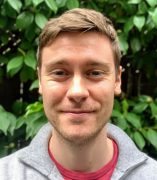
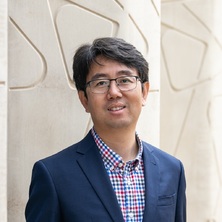
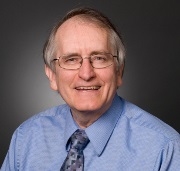
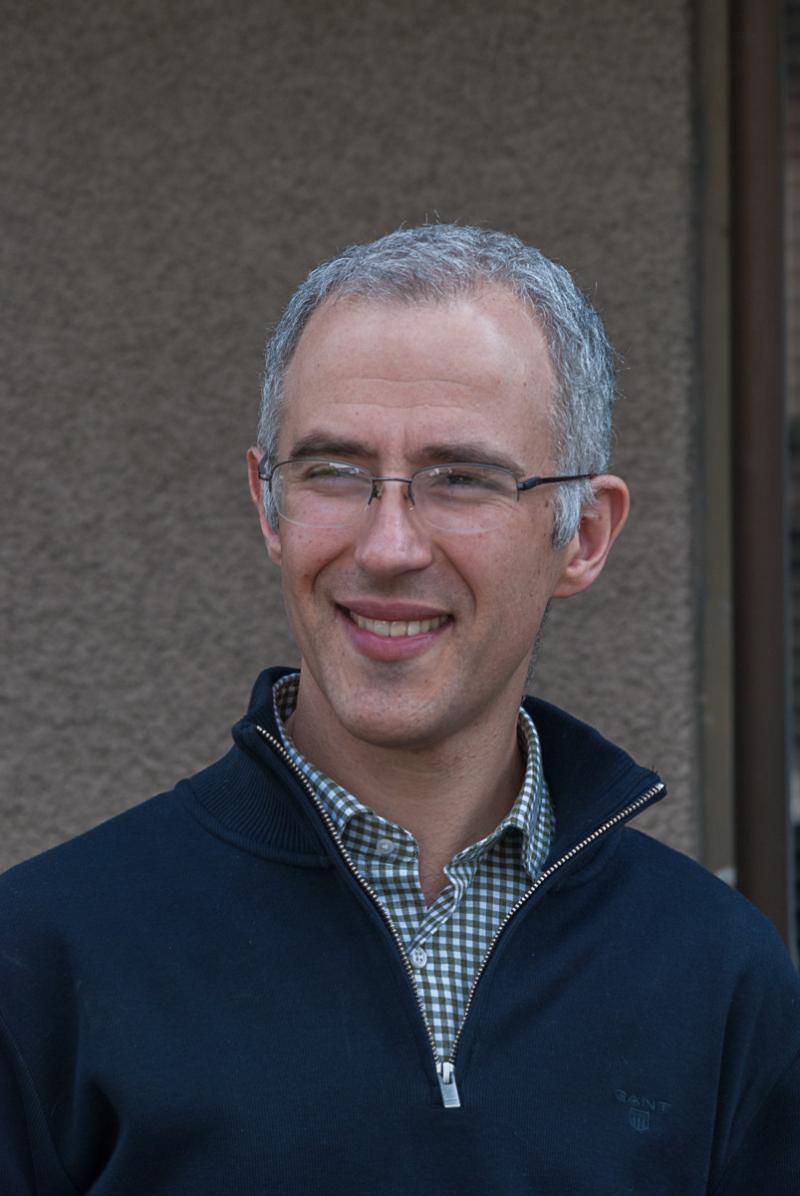
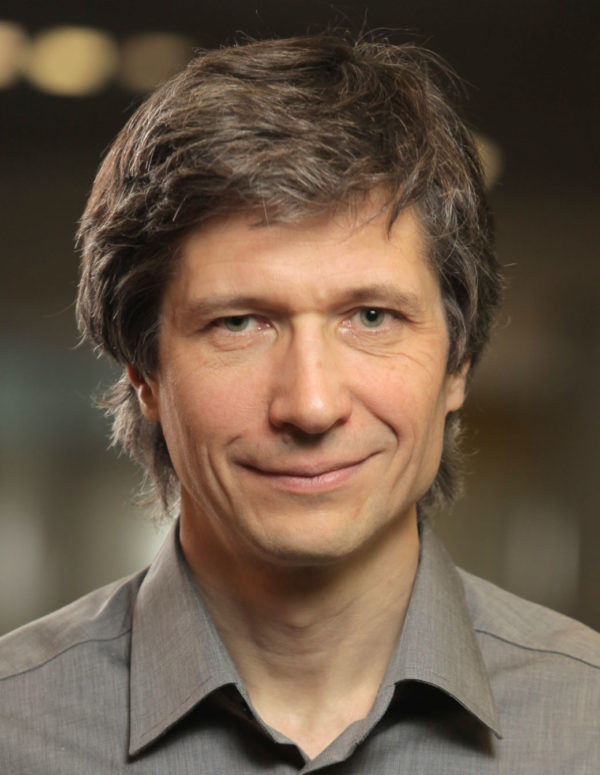
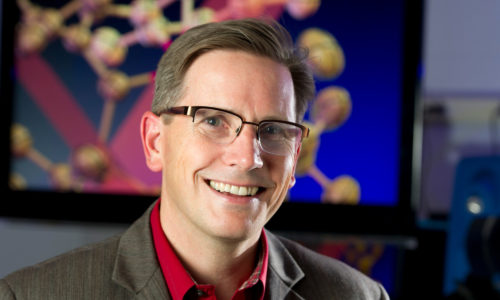
Gavin McNicol is an Assistant Professor in the Department of Earth and Environmental Sciences at the University of Illinois at Chicago (UIC). His research focuses on soil biogeochemistry and its connection to Earth’s climate system, particularly methane emissions from wetlands, temperate rainforests, and waste systems. He employs field measurements, laboratory experiments, and data science to study greenhouse gas dynamics across scales. McNicol teaches courses on data science (EAES 420) and climate-ecosystem interactions (EAES 579). His work integrates machine learning with satellite remote sensing to monitor global wetland methane emissions. Key collaborations include FLUXNET-CH4, CRMRCN, and the SOIL NGO in Haiti. McNicol holds a BS from the University of Stirling (2010) and a PhD from UC Berkeley (2016). Research interests span wetland methane budgets, carbon cycling in coastal ecosystems, and climate impacts of sanitation systems. He has secured grants from NASA, DOE, and NSF, totaling over $87,000. His team, the McNicol Lab, emphasizes interdisciplinary approaches combining fieldwork, lab analysis, and computational modeling. Recent publications (2023–2025) address global methane upscaling, tropical wetland monitoring gaps, and boreal-Arctic methane feedbacks. McNicol’s work bridges local measurements to global climate models, with applications in climate change mitigation and sustainable development.
Professor Jianhua Guo is a faculty member at The University of Queensland (UQ), holding the position of Professor and UQ Amplify Fellow in the Australian Centre for Water and Environmental Biotechnology (ACWEB). He is also the ACWEB Deputy Director - Research. His research focuses on integrating process engineering, environmental microbiology, and biotechnology to develop sustainable solutions for contaminant removal in water and wastewater systems. He is a pioneer in studying the environmental dimension of antimicrobial resistance (AMR), particularly how non-antibiotic pharmaceuticals and chemicals contribute to AMR spread. His groundbreaking work has been featured in over 100 media outlets and has secured over $14M in research funding. He has published over 200 peer-reviewed articles in journals like Nature Microbiology , Water Research , and Environmental Science & Technology . His accolades include the 2013 DECRA and 2017 ARC Future Fellowship. He serves as an editor for Journal of Hazardous Materials and Water Science & Technology . Research Interests Environmental AMR and microbial ecology Methane-based biotechnology and bioconversion Nitrogen cycling microorganisms Bioremediation and biofilm reactors Microplastics and health risks Wastewater treatment innovations Grants & Funding $14M+ in ARC Discovery/Linkage grants and industry partnerships ARC Training Centre for Environmental and Agricultural Solutions to Antimicrobial Resistance (CEA-StAR) Dual-membrane upgrading and anaerobic alkane oxidation projects Awards 2013 DECRA 2017 ARC Future Fellowship Supervision Prof. Guo actively supervises PhD and master’s students in areas like AMR mitigation, methane-based bioreactors, and microbial ecology. Notable supervised projects include studies on antibiotic resistance in wastewater, novel disinfection processes, and microbial oxidation of gaseous alkanes. Labs & Teams He leads research teams within ACWEB and collaborates with the Queensland Alliance for Environmental Health Science. His lab focuses on cutting-edge technologies like membrane biofilm reactors and gas fermentation systems.
Katherine T. Faber is the Simon Ramo Professor of Materials Science at the California Institute of Technology, part of the Division of Engineering and Applied Science. She leads the Faber Research Group, focusing on mechanical behavior of brittle materials, ceramics for extreme environments, porous solids, and cultural heritage science. Her work bridges engineering, art conservation, and space technology. Education: B.S., Alfred University, 1975; M.S., Penn State, 1978; Ph.D., UC Berkeley, 1982. Academic roles include Ramo Professor since 2014 and leadership in the American Ceramic Society. She collaborates with NASA, JPL, and institutions like the Art Institute of Chicago for cultural heritage projects. Research interests span energy materials (thermal barrier coatings, lunar regolith electrolysis), functional porous ceramics (battery separators, biomedical filters), and art conservation (nanoparticle analysis in historical artifacts). Recent projects include shape-memory ceramics and fracture mechanics studied via synchrotron X-rays. Publications highlight innovations in freeze-casting, environmental barrier coatings, and interdisciplinary studies. Awards include the W. David Kingery Award (2024) and American Academy of Arts and Sciences membership. Her group emphasizes sustainability, with a Platinum Green Lab certification. Advises numerous graduate and undergraduate students, including those in SURF and WAVE programs. Grants and collaborations span NASA, NSF, and industry partnerships. Labs focus on ceramic processing, advanced characterization, and additive manufacturing.
Gary Rochelle is the Carol and Henry Groppe Professor in Chemical Engineering and a faculty member at the University of Texas at Austin . His research focuses on developing fundamental insights into kinetic and mass transfer phenomena in aqueous technologies for air pollution control and acid gas treating, particularly for carbon dioxide and mercury removal. Education: Ph.D. in Chemical Engineering from UC Berkeley (1977), M.S./B.S. from MIT (1971) His work addresses critical challenges in CO2 capture using amine scrubbing, including process design optimization, solvent degradation mitigation, and pilot plant validation. Recent studies emphasize energy efficiency, oxidation inhibition, and environmental impacts such as amine aerosol emissions. The Texas Carbon Management Program , which he contributes to, aims to improve amine scrubbing technologies for retrofitting power plants and enabling geological sequestration or enhanced oil recovery. His group has validated concentrated aqueous piperazine (PZ) with an advanced flash stripper as the most efficient open-literature system.
Dr. Xinwei Ye serves as a Researcher in the Inorganic Chemistry and Catalysis division at Utrecht University's Faculty of Science. His primary affiliation is with the Department of Chemistry, where he conducts cutting-edge research on heterogeneous catalysis for environmental applications, particularly focusing on selective catalytic reduction (SCR) systems for automotive emissions control. With a strong background in inorganic materials and advanced characterization techniques, Dr. Ye contributes significantly to understanding catalyst structure-performance relationships. Educational Background: Master of Science (MSc) - Institution not specified in source Doctor of Philosophy (PhD) in Chemistry, Utrecht University (2022) Dr. Ye's research program centers on the development and mechanistic investigation of copper-exchanged zeolite catalysts for NH 3 -SCR processes. His work integrates multiple advanced characterization methodologies including operando spectroscopy, scanning transmission X-ray microscopy (STXM), and atom probe tomography to probe catalyst behavior under working conditions at nanometer resolution. This multi-technique approach enables unprecedented insights into active site speciation, reaction mechanisms, and deactivation pathways in emission control catalysts. Analysis of Dr. Ye's publication record from 2018-2022 reveals a cohesive research trajectory focused on copper-zeolite SCR catalysts. His work consistently addresses critical challenges in catalyst durability and performance optimization through fundamental understanding of structure-activity relationships. The publications demonstrate increasing sophistication in experimental approaches, moving from membrane synthesis (2018) to nanoscale deactivation studies (2020) and ultimately to comprehensive structure-performance correlations in his doctoral thesis (2022). As a core member of Utrecht University's catalysis research community, Dr. Ye collaborates extensively with the renowned Weckhuysen group. His research is conducted within well-equipped laboratories featuring state-of-the-art instrumentation for catalyst synthesis, testing, and characterization, including access to synchrotron radiation facilities for advanced X-ray techniques.
Dr Santiago Romero-Vargas Castrillon is a Senior Lecturer in Chemical Engineering at the University of Edinburgh, affiliated with the Institute for Infrastructure and Environment and the School of Engineering. He previously held positions at the University of Minnesota and Yale University. His research focuses on membrane technology, environmental nanomaterials, and biofouling mitigation. Education: PhD in Chemical Engineering (Princeton University), postdoctoral research at Yale, and degrees from McGill University and University of Western Ontario. Research interests include colloid science, membrane separations, and 2D nanomaterial applications. Key projects involve developing novel cleaning processes for water treatment membranes and studying bioadhesion mechanisms using AFM. Recent awards include RSE Young Academy membership and EPSRC funding. He actively supervises PhD students and collaborates with industry partners like Panton-McLeod.
Aleksei Zheltikov is a University Distinguished Professor at Texas A&M University's Department of Physics and Astronomy. He holds dual affiliations with the International Laser Center and Physics Department of M.V. Lomonosov Moscow State University, and the Russian Quantum Center. His research focuses on ultrafast nonlinear optics and biophotonics, addressing applications in imaging, laser filamentation, and strong-field physics. Zheltikov earned his PhD (1990) and Doctor of Science (1999) degrees from Moscow State University, becoming a full professor there in 2000 before joining Texas A&M in 2010. He leads a research team including Xinghua Liu and Ajithamithra Dharmasiri. Recipient of prestigious awards including the Russian Federation State Prize (1997), Lamb Award (2010), and Kurchatov Prize (2014), his work bridges fundamental optics research with medical diagnostics and quantum technologies. Key contributions include developing laser filament-based imaging techniques and advancing Raman scattering-based frequency conversion methods in hollow-core fibers.
Prof. Dr. Taner Akbay is a faculty member at Yeditepe University, Faculty of Engineering , Department of Materials Science and Nanotechnology Engineering. He has held academic positions at institutions including Kyushu University, Oita University, and Imperial College London. Education: PhD in Materials Engineering (1993, Imperial College London); Master’s (1989) and Bachelor’s (1986) degrees from Middle East Technical University. His research spans Materials Engineering , Metallurgy , and Solid Oxide Fuel Cells (SOFCs) , with a focus on oxide ion conductivity, laser surface treatment, and phase transformations. Recent work explores photocatalysis , anion intercalation , and CO2 reduction using computational and experimental approaches. Key article trends include SOFC optimization (2004–2009), strain effects on catalysts (2015–2020), and dual-carbon battery technology (2016–2020). His work bridges fundamental metallurgy and advanced energy materials . Scientific Awards: Postdoctoral Research Sponsorship Award (EPSRC, UK) JSPS Fellowship (Japan) Daiwa Adrian Prize (2016, UK) PhD Studentship at Imperial College (European Commission) He has supervised multiple PhD and Master’s theses, including projects on dual-carbon batteries , microwave absorption nanocomposites , and rare earth recovery . Administrative roles include Head of Department (2020–2021). Non-University Experience: Worked with Mitsubishi Materials Corporation (2001), Çolakoğlu Metalurji (2010), and National Research Council Canada (2009).
Dr. Simon Beaumont is an Associate Professor in the Department of Chemistry at Durham University , with additional responsibilities as Associate Dean (PGR) in the Faculty of Science. His research program integrates heterogeneous catalysis , nanomaterials , and in situ spectroscopic techniques to develop sustainable chemical processes. BA & MSci Natural Sciences, University of Cambridge (2003-2007) PhD in Heterogeneous Catalysis, University of Cambridge (2010) Postdoctoral Fellowship at UC Berkeley (2010-2012) Research foci include mechanistic studies of catalytic processes, nanoparticle synthesis , and in situ characterization via X-ray absorption (NEXAFS), DRIFTS, and Raman. His work addresses challenges in CO2 hydrogenation , biomass conversion , and environmental remediation , supported by national/EU/industrial funding. Recent publications highlight trends in selective hydrogenation (furfural), multi-functional catalysts (acid-base systems), and nanoparticle stability under reactive conditions. All studies emphasize molecular-level understanding for practical catalyst design. Scientific awards include Leverhulme Trust and Addison Wheeler fellowships. Teaching portfolio spans first-year laboratories , organic chemistry tutorials , and advanced catalysis lectures . Supervision of five research postgraduates and leadership of industry-funded projects further demonstrate his academic impact.
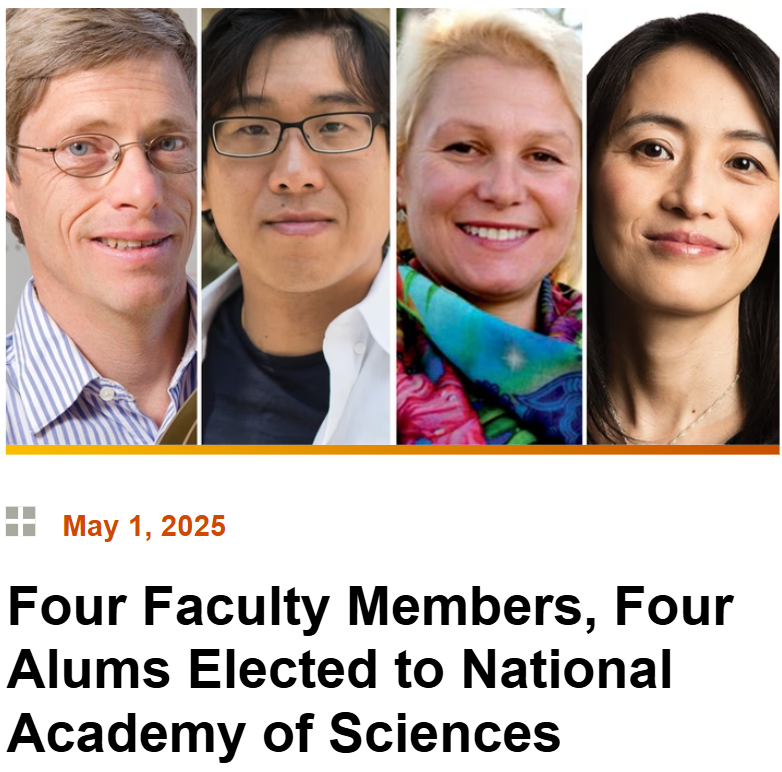
Julia R. Greer serves as the Ruben F. and Donna Mettler Professor of Materials Science, Mechanics and Medical Engineering at the California Institute of Technology (Caltech), where she also holds the position of Executive Officer for Applied Physics and Materials Science since 2025. She earned her B.S. from MIT (1997) and M.S./Ph.D. from Stanford University (2000/2005), joining Caltech as Assistant Professor in 2007, promoted to Professor in 2013, and appointed to her current named professorship in 2019. Her research spans mechanics of hierarchical architectures , nanomaterials , and additive manufacturing , with significant contributions to energy storage systems and biomedical materials . Key focus areas include nano-scale mechanical properties, in-situ deformation analysis, and development of novel fabrication techniques for micro-architected materials. Her group pioneered hydrogel infusion additive manufacturing for metals and multiphoton 3D lithography standards. Analysis of recent publications reveals strong emphasis on solid-state battery interfaces (2025), bioresorbable microrobots (2024), and AI-enabled material design (2024), demonstrating cross-disciplinary impact across energy, healthcare, and quantum technologies. Her work consistently bridges fundamental nanomechanics with practical applications in energy storage and medical devices. 2024 ASME Nadai Medal 2024 SES A.C. Eringen Medal Elected to National Academy of Sciences (2025) Fletcher Jones Foundation Director (2019-2025) Professor Greer has advised over 40 PhD students including Seola Lee (2025) and Wenxin Zhang (2025), with research funded by collaborations spanning MIT, UCSF, Purdue, and ETH Zurich. Her group maintains active projects in lightweight nanoarchitected materials for impact absorption, electroactive polymers for braille devices, and 3D interdigitated solid-state batteries. Current leadership includes Editor-in-Chief of the Journal of Applied Physics (2024-) and direction of Caltech's Materials Science department.
Manuel R. Amieva is a Professor at Stanford University School of Medicine , holding joint appointments in Pediatrics - Infectious Diseases and Microbiology & Immunology . He is also a member of the Maternal & Child Health Research Institute (MCHRI) . His clinical practice at Stanford Medicine Children's Health focuses on pediatric infectious diseases. Education: Medical Education: Stanford University School of Medicine (1997) Fellowship: Stanford University Pediatric Infectious Disease Fellowship (2004) Internship & Residency: Stanford Health Care at Lucile Packard Children's Hospital (1998-1999) Dr. Amieva's research investigates host-pathogen interactions at epithelial barriers, with specific expertise in Helicobacter pylori , Listeria monocytogenes , Salmonella enterica , and Staphylococcus aureus . His lab develops innovative organoid culture systems with controlled polarity to study microbial colonization and oncogenic mechanisms. Key discoveries include: H. pylori's manipulation of epithelial junctions via the CagA protein Listeria's exploitation of cell extrusion sites for invasion Staphylococcus toxin interactions with adherens junctions Gastric stem cell activation by pathogens Recent publication trends show continued leadership in infectious disease mechanisms (2020-2025), with a focus on: Pathogen-specific epithelial breach strategies Organoid modeling of viral/bacterial interactions Redox-dependent host factor regulation Single-cell spatial transcriptomic analyses Multi-institutional educational frameworks His scientific collaborations span disciplines including: Gastric cancer genomics initiatives COVID-19 lung infection models Stem cell-microbe interactions Medical education reform projects Dr. Amieva maintains active clinical research while mentoring students in both the Microbiology & Immunology and Pediatrics programs. His lab at Stanford employs advanced 3D confocal microscopy and organ-on-a-chip technologies to visualize epithelial colonization dynamics.
Judith Driscoll is Professor of Materials Science at the University of Cambridge in the Department of Materials Science & Metallurgy. She holds the prestigious Royal Academy of Engineering Chair in Emerging Technologies and serves as a Visiting Staff Member at Los Alamos National Laboratory. As the founding Editor-in-Chief of APL Materials, she has significantly contributed to the materials science community. Dr. Driscoll's research focuses on Energy Efficient Oxide Materials for Information and Communications Technologies and energy devices. Her work spans the development of non-volatile memory, resistive switching devices, and ferroelectric materials for neuromorphic computing applications. She investigates oxide thin films for applications ranging from data storage to energy generation and conversion, with particular emphasis on creating more energy-efficient device technologies to handle the exponential growth of data-centric applications. Her recent publications demonstrate strong trends in developing novel oxide-based memory devices with improved energy efficiency, particularly for AI applications. The work shows significant progress in hafnium-zirconium oxide ferroelectrics, resistive switching mechanisms, and vertically aligned nanocomposite structures for enhanced device performance. These innovations address critical challenges in reducing the unsustainable energy demands of modern computing, particularly for artificial intelligence systems. Fellow of the Royal Academy of Engineering Fellow of the Materials Research Society Fellow of the American Physical Society Fellow of IOM3, IOP, and Women Engineers Society Fellow of the American Academy of Arts and Sciences Recipient of ERC Advanced Grant Editor-in-Chief of APL Materials Dr. Driscoll leads a vibrant research group that has secured significant funding including her Royal Academy of Engineering Research Chair, an ERC Advanced Grant, and an ECCS-EPSRC grant in collaboration with researchers from the USA. She has founded the Cambridge Centre for Neuromorphic Computing (Neucam) in 2023. Her group operates world-leading growth equipment including pulsed laser deposition with RHEED control, high temperature oxide sputtering, and spatial ALD systems. She collaborates extensively across the University of Cambridge and with international partners to solve complex materials challenges, with her group's role often being to identify optimal materials for functional goals, predict fabrication methods, and then create and characterize these materials.
Prof. Dr. Oliver Reiser is a full Professor at the Institute of Organic Chemistry within the Faculty of Chemistry and Pharmacy at the University of Regensburg. His research group focuses on cutting-edge developments in organic synthesis, particularly in the areas of photocatalysis and visible light chemistry. He leads the Collaborative Research Centre CRC 325 on "Assembly Controlled Chemical Photocatalysis," which aims to develop new frontiers in photocatalysis for organic synthesis through designed control of catalyst-substrate interactions. University of Hamburg (PhD, 1989) IBM Research Center (Postdoc) Harvard University (Postdoc) University of Göttingen (Habilitation, 1995) Prof. Reiser's research spans multiple interconnected fields with a strong emphasis on sustainable chemistry. His group extensively utilizes modern techniques for organic synthesis including flow reactors, microwaves, and high-pressure systems. The primary research thrusts include catalysis (both metal and organocatalysts), unnatural amino acids and peptide foldamers, and natural product synthesis. His work on visible light photocatalysis has been particularly influential, with numerous publications in high-impact journals like Angewandte Chemie and Nature Catalysis. The group's research integrates experimental, spectroscopic, and computational techniques to analyze catalyst-substrate interactions for more rational design of photochemical reactions. Analysis of Prof. Reiser's recent publications (2023-2025) reveals a strong focus on copper-based photocatalysis, sustainable chemistry using earth-abundant metals, and innovative approaches to heterocycle synthesis. His work demonstrates a clear trend toward developing more efficient and environmentally friendly catalytic processes, with particular emphasis on visible light activation, catalyst immobilization for recyclability, and applications in medicinal chemistry. The research spans from fundamental mechanistic studies to practical applications in synthesis. German Academic Scholarship Foundation Minerva Foundation NATO Fellowship German Research Foundation Support Karl Winnacker Foundation Prof. Reiser has supervised numerous doctoral students, with recent PhD theses focusing on copper photoredox catalysis, magnetic nanoparticle-supported catalysts, and the synthesis of bioactive compounds. His research is supported by multiple collaborative projects, including the Collaborative Research Centre CRC 325, and involves extensive national and international collaborations with institutions such as the University of Kansas, the National Institute of Chemistry in Pune, the Institut Chimie de Coordination du CNRS in Toulouse, and the University of Zaragoza. The group maintains strong ties with pharmaceutical research through collaborations with Prof. A. Beck-Sickinger in Leipzig on neuropeptide ligands. The research group operates well-equipped laboratories with capabilities for advanced organic synthesis and characterization. They have developed specialized expertise in flow chemistry, high-pressure techniques, and magnetic nanoparticle-based catalyst systems. The CRC 325 initiative has provided significant infrastructure for collaborative research in photocatalysis, bringing together multiple research groups with complementary expertise in organic synthesis, spectroscopy, and computational chemistry.
William F. Schneider is the Keating-Crawford Professor of Chemical Engineering and Chair of the Department of Chemical and Biomolecular Engineering at the University of Notre Dame's College of Engineering. He also holds a concurrent professorship in the Department of Chemistry and Biochemistry. Dr. Schneider leads the Computational Environmental Catalysis research group focused on applying density functional theory (DFT) simulations to solve problems in energy and the environment. Dr. Schneider's educational background includes a Ph.D. in Chemistry from Ohio State University (1991) and a B.S. in Chemistry from the University of Michigan-Dearborn (1986). Before joining Notre Dame in 2004 as an Associate Professor, he worked at the Ford Motor Company Research Laboratory where he developed expertise in catalytic chemistry related to automobile emissions control. Dr. Schneider's research focuses on molecular-scale understanding of heterogeneous catalysis, with particular emphasis on energy-related applications. His group uses computationally intensive molecular simulations to understand and predict chemical properties and reactivity from first principles. Key research areas include: Zeolites for NOx reduction Catalysis at metal surfaces Catalysis for shale gas conversion Energy-directed catalysis Carbon capture and conversion Sustainable bio/fossil fuels His recent publications demonstrate a strong focus on computational approaches to understanding catalytic mechanisms, particularly in zeolite systems for environmental applications and energy conversion processes. The research often combines density functional theory with microkinetic modeling to provide molecular-level insights into catalytic processes. Dr. Schneider has received numerous honors including: Dorini Family Chair of Energy Studies Keating-Crawford Professor of Chemical Engineering Fellow of the American Association for the Advancement of Science James A. Burns, C.S.C., Award for outstanding mentorship of doctoral students Executive Editor of the Journal of Physical Chemistry C As an advisor, Dr. Schneider mentors numerous graduate students and postdocs in the Computational Molecular Sciences and Engineering Laboratory (CoMSEL). His research group collaborates closely with experimentalists to validate computational findings and accelerate their application. Current projects include investigations into plasma-catalytic processes, copper-zeolite systems for methane oxidation, and computational screening of catalysts for various energy applications. Dr. Schneider's research is supported by various grants focusing on energy conversion, environmental catalysis, and computational materials design. He leads the Computational Environmental Catalysis group which is part of the broader CoMSEL research community at Notre Dame.
Charlotte Jacobsen is a Professor and Head of the Research Group for Bioactives – Analysis and Application at the National Food Institute, Technical University of Denmark (DTU). Her research focuses on lipid oxidation, antioxidants, and sustainable utilization of marine resources. She leads multiple interdisciplinary projects and supervises PhD students in food science and technology. Research Interests: Antioxidant chemistry in food systems Oxidative stability of omega-3 fatty acids Valorization of fish and seafood by-products Microalgae as sustainable sources of bioactives Functional foods and nutraceuticals Green extraction technologies Recent Research Trends: Her recent publications (2021–2025) reflect a strong focus on sustainable food systems, including the recovery of bioactive compounds from fish side-streams, stabilization of omega-3 lipids, development of anti-obesity peptides from seaweed, and cultivation of microalgae using industrial waste streams. The work spans food chemistry, marine biotechnology, and green processing, with applications in functional foods and nutrition. Scientific Awards: Danisco Award, 2003 Edwin Frankel Best Paper Award, 2010 and 2011 La Médaille Chevreul, 2010 Marcuse Lecturer grant, 1999 Advising and Grants: Professor Jacobsen actively supervises PhD students and leads multiple funded research projects, including 'Utilization of fish side-streams for production of novel food ingredients' and 'Sustainable Production of Microalgae Proteins'. She is involved in national and international collaborations, securing research funding for projects on omega-3 extraction, microalgae cultivation, and seafood quality. Labs and Teams: She leads the Research Group for Bioactives – Analysis and Application at DTU, which is part of the DTU Microbes Initiative. The group specializes in analytical methods for bioactive compounds, lipid oxidation analysis, and development of sustainable food ingredients.