Gokhan Kilic, MD , is a Professor in the Department of Obstetrics & Gynecology at the University of Texas Medical Branch (UTMB). He serves as Director of the Urogynecology Fellowship Program and Division Director of Gynecology, with a focus on minimally invasive and robotic surgery. Dr. Kilic holds the Endowed Faculty Chair in Obstetrics and Gynecology Honoring Alvin L. LeBlanc, MD, Harry M. Little, Jr, MD, and L Charles Powell, MD. Board Certified in Obstetrics and Gynecology Board Certified in Female Pelvic Medicine and Reconstructive Surgery Fundamental Laparoscopic Surgery Certification Dr. Kilic's research emphasizes urogynecology , pelvic floor disorders , and robotic surgical techniques . His work includes clinical studies on urinary incontinence, fall risk in older women, and innovative treatments for adenomyosis, blending laboratory research, non-human studies, and clinical trials. Recent publications highlight trends in geriatric urogynecology , robotic hysterectomy , and pharmacological interventions for pelvic health. Dr. Kilic's studies often address comorbidities in aging populations and the effectiveness of pelvic floor muscle training. Scientific Awards : Fellow of the American College of Obstetricians and Gynecologists (ACOG), Fellow of the American College of Surgeons (ACS), and Endowed Faculty Chair at UTMB. Dr. Kilic actively trains students, residents, and physicians in minimally invasive surgery. He leads research initiatives in UTMB's Obstetrics & Gynecology Department, focusing on improving pelvic health outcomes through interdisciplinary collaboration.
Steven R. Fisher is a tenured Professor in the Department of Physical Therapy and Rehabilitation Sciences within the School of Health Professions at the University of Texas Medical Branch (UTMB), where he advances geriatric rehabilitation through clinical practice, research, and education. His work bridges physical therapy with aging science to improve functional outcomes in vulnerable older populations. Dr. Fisher earned his Master of Physical Therapy from Texas Tech University and his Doctorate of Philosophy in Rehabilitation Science from UTMB. He maintains a clinical specialist certification in Geriatric Physical Therapy (GCS), validating his expertise in age-related mobility disorders. His research program centers on physical functioning in older adults, with emphases on fall risk mitigation , urinary incontinence management , and post-hospitalization recovery . Key methodologies include actigraphy for mobility tracking, randomized clinical trials for intervention efficacy, and interdisciplinary collaborations addressing sarcopenia and functional decline. Current projects investigate testosterone therapy for hip fracture recovery and robotics-assisted gait training for Parkinson's disease. Analysis of his 15 most recent publications reveals dominant trends in geriatric rehabilitation, particularly the bidirectional relationship between urinary incontinence and fall risk in women, hospitalization-induced mobility loss, and innovative interventions like transcranial stimulation for stroke recovery. His work spans clinical trials, systematic reviews, and feasibility studies with strong translational focus. Scientific recognition includes: Fellow of the Sealy Center on Aging at UTMB Clinical Specialist Certification in Geriatric Physical Therapy Dr. Fisher serves as Co-Investigator and supervising physical therapist (5% effort) on NIH-funded research (R01 AG0496-11, 2017-2022) targeting accelerated sarcopenia mechanisms in older adults with type 2 diabetes and post-hospitalization. He actively contributes to professional societies including the American Physical Therapy Association (APTA), Acute Care Section, and Texas Physical Therapy Association (TPTA), advocating for evidence-based geriatric practice standards. As a Sealy Center on Aging Fellow, he collaborates with geriatricians, urologists, and neurologists on translational research addressing multimorbidity in aging. His team develops pragmatic interventions like the STEP-HI trial for hip fracture recovery and mobility-monitoring protocols to predict hospital readmissions.
Alayne D. Markland, DO, MSc is a tenured Professor and holds the D. Kevin Barnes, MD and Dottie Barnes Presidential Endowed Chair in the Division of Geriatrics within the Department of Internal Medicine at the University of Utah. She serves as Executive Director of the Center on Aging and is an investigator at the Salt Lake City VA Health Care System's Geriatric Research, Educational, and Clinical Center (GRECC). Dr. Markland is nationally and internationally recognized for her expertise in lower urinary tract disorders, women's health, and aging. Dr. Markland received her D.O. from the University of North Texas Health Science Center, College of Osteopathic Medicine, a B.S. in Biology from Southwestern University, an M.Sc. in Clinical Investigation from the University of Texas Health Science Center at San Antonio, and completed her Geriatric Medicine Fellowship at the same institution. She also completed her Internal Medicine Residency at the University of California, Davis Medical Center. Her research focuses on optimizing community-based life functioning through the prevention and treatment of geriatric syndromes, with specific emphasis on lower urinary tract symptoms and incontinence. Dr. Markland's work spans population-based studies, multicenter clinical trials, and implementation studies to increase access to incontinence care using technology. She has published over 190 peer-reviewed publications with more than 10,000 citations and brings 20 years of clinical experience treating adults with lower urinary tract symptoms. Analysis of Dr. Markland's recent publications reveals a strong focus on bladder health across the lifespan, particularly women's bladder health, urinary incontinence, and the relationship between mental health and lower urinary tract symptoms. Her work increasingly incorporates mobile health technology to improve access to care and examines social determinants of health as they relate to bladder conditions. D. Kevin Barnes, MD and Dottie Barnes Presidential Endowed Chair NIA K24 Mid-career Award in Aging Research ("Research and Mentoring Program in Improving Access to Incontinence Care for Older Adults") Continual NIH and VA funding throughout her career Dr. Markland serves as Principal Investigator on multiple significant grants including a NIDDK-funded U01 grant, two NIDDK-funded R01 grants, and an implementation consortium grant from AHRQ/DHHS. She actively mentors early-stage investigators through her NIA K24 award and has served as an ad-hoc member on NIH and VA study sections. Her research program encompasses over 190 peer-reviewed publications with more than 10,000 citations according to Google Scholar. As Executive Director of the Center on Aging at the University of Utah, Dr. Markland leads interdisciplinary research initiatives focused on aging-related conditions. Her work with the Prevention of Lower Urinary Tract Symptoms (PLUS) Research Consortium represents a major collaborative effort to understand bladder health across the female lifespan. She also collaborates extensively with the Geriatric Research, Educational, and Clinical Center (GRECC) at the Salt Lake City VA, where she investigates interventions to improve care for older veterans.
Kyle D. Rudser is a Professor in the Division of Biostatistics and Health Data Science at the School of Public Health, University of Minnesota - Twin Cities. He serves as the Director of the Biostatistical Design and Analysis Center (BDAC) within the Clinical and Translational Science Institute (CTSI). His educational background includes: PhD in Biostatistics from University of Washington (2007) MS in Biostatistics from University of Washington (2005) BA in Mathematics and Chemistry from St. Olaf College (2002) Dr. Rudser's research focuses on statistical methodologies including clinical trial design and monitoring, survival analysis techniques, longitudinal data analysis, and nonparametric approaches. His work emphasizes developing innovative statistical models for complex biomedical data with applications across diverse clinical domains. His publication portfolio demonstrates extensive expertise in survival analysis methodologies and clinical trial design, with recent collaborative work expanding into interdisciplinary health research areas including obesity interventions, urinary health epidemiology, and chronic disease management. Awards and recognition: Member, Delta Omega Honorary Society in Public Health As BDAC Director, he leads biostatistical support for translational research initiatives across the university medical center.
Richard S. Bercik, MD is a full-time Associate Professor at Yale School of Medicine in the Department of Obstetrics, Gynecology, and Reproductive Sciences. He is a member of the Section of Urogynecology and Reconstructive Pelvic Surgery within the Ob/Gyn department. Dr. Bercik serves as an expert in female pelvic floor disorders and is affiliated with Yale Medicine and Yale Ventures. Dr. Bercik obtained his medical degree from the University of Medicine and Dentistry of New Jersey (1983) and completed his Obstetrics and Gynecology residency at New York Medical Center (1987). Prior to joining Yale, he served as Director of Gynecology and Chief of Service of OB/GYN at Bellevue Hospital Center in New York City, and Co-Director of the Urogynecology/Pelvic Reconstructive Surgery service at Bellevue. Dr. Bercik specializes in female pelvic floor disorders including urinary incontinence and pelvic organ prolapse, with approximately 20 million American women experiencing loss of bladder control and about 3 million women affected by organ prolapse. His clinical expertise encompasses vaginal, laparoscopic, and abdominal reconstructive procedures for conditions including urinary incontinence, fecal incontinence, pelvic organ prolapse, and vaginal fistulae. He focuses his clinical research on advanced laparoscopic and robotic surgery, pelvic floor reconstruction, vaginal hysterectomy for the enlarged/fibroid uterus and vaginal fistulae, and continues to direct clinical research in new modalities for the treatment of pelvic organ prolapse and urinary incontinence. Dr. Bercik has published numerous articles in his field, with research spanning from molecular mechanisms of pelvic floor disorders to clinical outcomes of surgical interventions and more recently, studies examining digital health information dissemination. His work demonstrates a progression from basic science investigations of HOX genes in pelvic support structures to clinical applications and health communication research. Best Doctors in Connecticut (2020) Excellence in Surgical Teaching Award (2019) Best Doctors in Connecticut (2019) APGO Excellence in Teaching Award (2018) Best Doctors in Connecticut (2018) Dr. Bercik is actively involved in teaching and mentoring, having instructed residents and fellows in advanced gynecologic surgery throughout his career. He lectures internationally on minimally invasive approaches for stress urinary incontinence and vaginal repair surgery. As a Fellow of the American College of Obstetrics and Gynecology and Board-Certified by the American Board of Obstetrics and Gynecology in Female Pelvic Medicine and Reconstructive Surgery, he maintains active clinical practice while contributing to research advancements in his field.
Professor Prokar Dasgupta serves as Chair in Robotic Surgery & Honorary Consultant Urological Surgeon at King's College London's School of Medicine, specifically within the Peter Gorer Department of Immunobiology. He is a pioneering figure in robotic urological surgery in the UK and serves as Editor-in-Chief of the British Journal of Urology International (BJUI) since 2013. As theme lead for Experimental Surgery within King's Health Partners, he oversees significant translational research initiatives within one of the UK's largest Academic Health Sciences Centers. Professor Dasgupta's research spans multiple cutting-edge domains in urological surgery. His primary focus includes robotics in urology with scientific evaluation of procedures, stem cell and cell-targeted therapies for prostate and bladder cancer, bladder physiology research focusing on receptors like TRPV1 and P2X3, and innovative applications of botulinum toxin for overactive bladders. His work integrates engineering principles with clinical practice, developing mechatronic sensors, augmented reality systems, and 3D planning tools to enhance robotic surgical precision. His research group employs advanced techniques including micro-array technology, real-time PCR, and immunohistochemistry in both human tissues and animal models. Analysis of Professor Dasgupta's recent publications reveals a strong trend toward integrating artificial intelligence with robotic surgery. His work increasingly focuses on surgical workflow analysis, video recognition systems, and overcoming technical limitations in telesurgery. The publications demonstrate his leadership in both clinical applications of robotics and the underlying technological innovations that enable more precise surgical interventions. His research bridges engineering, computer science, and clinical urology to address fundamental challenges in surgical practice. His scientific recognition includes the prestigious Karl Storz-Harold Hopkins Golden Telescope award from the British Association of Urological Surgeons for significant contributions to urology, along with multiple awards for educational contributions including Best Oral Presentations and Best Posters in surgical education. He has been consistently recognized as one of BJUI's top reviewers. Professor Dasgupta has secured approximately £70 million through 36 research grants from major funding bodies including EUFP7, MRC, MS Society, and BUF. He leads a 28-strong multidisciplinary team comprising basic scientists, engineers, and clinician-scientists at King's College London. His supervisory role extends across numerous PhD students and research fellows, contributing to the 84 PhD students supervised by the 41 principal investigators within his division. His educational contributions include serving as tutor for MSc and FRCS (Urol) courses and as an examiner for the University of London. His research environment includes active collaboration with the Wellcome/EPSRC Centre for Medical Engineering and leadership in several major projects including AI-driven surgical skills acquisition, international AI research ecosystems, and innovative prostate cancer treatment trials. His laboratory work integrates robotics, imaging technology, and molecular biology to advance precision surgery in urological oncology.
Prof Russell Chess-Williams is a Professor at Bond University's Faculty of Health Sciences & Medicine, affiliated with the Centre for Urology Research. He has held key administrative roles including Associate Dean of Research (2011-2012) and Head of the Biomedical Science Department (2007-2011). His research focuses on improving treatments for lower urinary tract conditions such as overactive bladder, cancers, stress incontinence, ureteral stones, benign prostatic hyperplasia, and erectile dysfunction. He has supervised 12 PhD, 3 MSc, and 4 MD students, along with over 30 Honours projects. Education: PhD in Pharmacology (University of Wales, 1984). Awards include national recognition for teaching innovation and postgraduate supervision. Professional memberships include the British Pharmacological Society, European Association of Urology, and Australian Society of Clinical & Experimental Pharmacology & Toxicology. Prior roles include Senior Lecturer at the University of Sheffield (1990-2006) and research fellowships at institutions in the UK.
Jan Groen is a Lecturer in the Department of Urology at Erasmus University Medical Center. His work centers on evidence-based urology, particularly neurourology and lower urinary tract dysfunction. Research Focus: Dr. Groen specializes in systematic reviews and clinical guidelines development. His expertise spans: Management of bladder outlet obstruction and urinary retention Therapeutic interventions for overactive bladder Standardization of urinary infection definitions in neurourology Sacral neuromodulation techniques Publications: His recent work demonstrates consistent focus on improving urological care through rigorous evidence synthesis. Key themes include optimizing treatment protocols for urinary retention, refining clinical guidelines for neurourological conditions, and evaluating therapeutic outcomes in female urology. Awards: No scientific awards mentioned in available sources. Collaborations: Actively participates in multicenter studies and European Association of Urology guideline panels, reflecting extensive professional networks.
Frank Filipetto is a Professor and Dean at the Texas College of Osteopathic Medicine (TCOM), part of the University of North Texas Health Science Center (UNTHSC). He oversees the medical school curriculum to ensure high educational standards for TCOM students. His expertise includes osteopathic family medicine and clinical practice guidelines. Education: DO from Philadelphia College of Osteopathic Medicine; BS in Biology from Temple University. Research interests focus on primary care, patient knowledge, health emergencies, and osteopathic clinical practices. He has led sponsored projects such as the Primary Care Pathway Program (2017-2018) and anti-angiogenic effects of curcumin (2012-2013). Key awards include the Fellow Award from the American College of Osteopathic Family Physicians, 2010 South Jersey Magazine Top Doc, and multiple teaching awards. He is a member of major osteopathic organizations and chairs the Osteopathic Clinical Research Committee.
Carol E Bretschneider, MD is an Associate Professor in the Department of Obstetrics and Gynecology at Northwestern University's Feinberg School of Medicine, serving as Chief of Urogynecology and Reconstructive Pelvic Surgery and Director of the Northwestern Women's Integrated Pelvic Health Clinic. She provides comprehensive care for pelvic floor disorders through surgical and non-surgical approaches. Her educational background includes: Bachelor of Arts in Anthropology from Princeton University (2004), graduating magna cum laude with a certificate in East Asian Studies Master of Science from Pace University (2006) Doctor of Medicine from the University of Virginia School of Medicine (2012) Residency in Obstetrics and Gynecology at the University of North Carolina (2016) Fellowship in Female Pelvic Medicine and Reconstructive Surgery at the Cleveland Clinic (2019) Dr. Bretschneider specializes in pelvic floor disorders including pelvic organ prolapse, urinary/fecal incontinence, and sexual dysfunction. Her clinical expertise spans vaginal, laparoscopic, and robotic surgeries, with research focused on population-based studies and patient-reported outcomes for older women with overactive bladder. She emphasizes personalized treatment strategies through deep phenotyping and evidence-based interventions. Her 2025 publications reveal strong emphasis on systematic reviews of hysterectomy impacts, deep phenotyping for lower urinary tract symptoms, and non-surgical solutions like pessary placement. These works, often through multi-center collaborations like LURN II, prioritize patient-centered outcomes and surgical innovation in urogynecology. Major recognitions include: Multiple Resident Teaching Awards from Northwestern Feinberg School of Medicine (2021-2022) AUGS/Duke Urogynecologist Clinical Research Training Program (2019) Cleveland Clinic research grants (2017-2018) Five Golden Tarheel Teaching Awards from UNC (2013-2016) American Urogynecologic Society resident awards (2014) As an active mentor in the UrogynCREST Program and editorial board member for the International Urogynecology Journal, she guides emerging researchers while securing grants through Cleveland Clinic and professional society programs. Her leadership extends to abstract review committees for the American Urogynecologic Society and Society of Gynecologic Surgeons. She directs the Northwestern Women's Integrated Pelvic Health Clinic and contributes to the Symptoms of Lower Urinary Tract Dysfunction Research Network (LURN II), driving collaborative studies on urinary urgency phenotyping and pelvic floor disorder management.
Prof. Banu Musaffa Salepçi serves as Professor and Head of the Department of Chest Diseases at Yeditepe University Faculty of Medicine, where she maintains active clinical, research, and teaching responsibilities. Her academic leadership extends across pulmonary medicine education and Turkish Thoracic Society initiatives. Educational background: Master's Degree (Yüksek Lisans) in Medicine, Istanbul University Faculty of Medicine (1978-1984) Medical Specialization (Tıpta Uzmanlık), Turkish Ministry of Health Institutions (1987-1991) Her research program focuses on three interconnected domains: (1) Sleep-disordered breathing mechanisms and CPAP efficacy in obstructive sleep apnea, (2) Tobacco control policy implementation and smoking cessation pharmacotherapy optimization, and (3) Advanced diagnostic techniques for interstitial lung diseases and mediastinal lymphadenopathy. This work consistently bridges clinical practice with public health applications, particularly in Turkish population studies. Analysis of her 15 most recent publications reveals evolving methodological sophistication from single-center observational studies to multi-institutional trials, with increasing emphasis on translational applications. Key thematic clusters include sleep apnea comorbidities (urological/cardiovascular), ultrasound-based pulmonary diagnostics, and evidence-based tobacco control frameworks. No scientific awards were documented in the provided materials. As department head, she oversees thesis supervision and clinical training while maintaining active collaboration networks evident in multi-author publications. Her 2018-2020 teaching portfolio demonstrates comprehensive curriculum development across 20+ respiratory medicine courses, from foundational topics like pneumonia to specialized areas including pleural diseases and interstitial lung disorders. Her leadership in the Department of Chest Diseases involves direct administration of clinical services, research coordination, and representation in national pulmonary societies, with particular influence on Turkish guidelines for electronic cigarette regulation and sleep medicine standards.
Jeffrey P. Weiss is Professor and Chair of the Department of Urology at SUNY Downstate Health Sciences University, with over 15 years in this role. He specializes in Neuro-Urology and Urodynamics , focusing on nocturia and its clinical implications. Dr. Weiss also serves as Staff Urologist at Veterans Affairs NY Harbor Healthcare System. PhD in Health Sciences (2020), Ghent University MD (1978), University of Pittsburgh School of Medicine AB in Biochemistry/History of Art (1974), Cornell University His research explores nocturia's etiology in diverse contexts including benign prostatic enlargement , nocturnal polyuria syndrome , and hypertension . Recent work addresses diuretic therapy , urinary symptom analysis , and population-specific treatment paradigms . Publications reflect trends in urodynamic diagnostics and nocturia management , emphasizing clinical trials and disease classification . Awards include FACS (Fellow of the American College of Surgeons). Dr. Weiss has shaped urology education, mentoring medical students and residents nationally.
Judith D. Bentkover is Professor of the Practice in Health Services Policy and Practice at Brown University's School of Public Health and Professor of the Practice in the Economics Department at Tufts University. She is the founding Executive and Academic Director of Brown's Executive Master of Healthcare Leadership program and President of Judith Bentkover and Associates, a consulting firm serving healthcare stakeholders. Dr. Bentkover earned her PhD from Tufts University in 1978. Her academic journey includes significant appointments at Harvard University, where she taught health economics and directed interdisciplinary PhD programs across multiple schools. Her research expertise spans pharmacoeconomics, therapy economics, and healthcare policy analysis with particular focus on mental health economics (Alzheimer's Disease, Post Traumatic Stress, and Traumatic Brain Injury), medication adherence, and international healthcare systems. She has developed innovative strategic management tools by translating cost-benefit methodology into practical healthcare decision-making applications. Analysis of her extensive publication record reveals consistent expertise in economic evaluation across pharmaceuticals, medical devices, and treatment regimens. Her work demonstrates a clear trajectory from foundational healthcare economics to specialized applications in specific disease areas and global healthcare systems, with emphasis on cost-effectiveness analysis, cost-utility studies, and outcomes research. Her professional recognition includes: Inclusion on Health Care 500's list of the most influential health policy makers in the U.S. Dr. Bentkover has testified before Congress on hospital costs and serves as a reviewer for multiple pharmacoeconomics, medical, and health policy journals. Her consulting work involves leading international multidisciplinary teams in therapy economics projects. She has held leadership positions including directing Harvard's interdisciplinary PhD program and founding Brown's Executive Master of Healthcare Leadership program. She serves on several boards including WaterFire Providence (where she chairs the Governance Committee), the Rhode Island Health and Educational Building Corporation, and previously served on Health Imperatives' Board of Directors, demonstrating commitment to both healthcare innovation and community engagement.
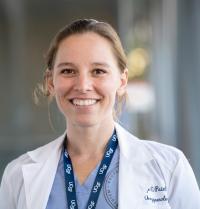
Caitlyn Painter, D.O., serves as an Assistant Professor specializing in Urogynecology within the Division of Minimally Invasive Surgery & Urogynecology at the University of California, San Francisco (UCSF). She provides clinical care at the Center for Minimally Invasive Gynecologic Surgery and the Center for Urogynecology and Women's Pelvic Health Clinic, addressing complex pelvic floor disorders through evidence-based surgical and non-surgical approaches. Her academic training includes: 2015: Fellowship in Female Pelvic Medicine and Reconstructive Surgery (FPMRS) at Kaiser Permanente East Bay-UCSF 2018: Residency in Obstetrics and Gynecology at Kaiser Permanente Northern California, Oakland 2014: Doctor of Osteopathic Medicine (D.O.) from Touro University College of Osteopathic Medicine 2007: B.S. in Biology from Emory University Dr. Painter's research focuses on advancing clinical management of pelvic floor dysfunction, with particular emphasis on overactive bladder pharmacotherapy, prevention of obstetric anal sphincter injuries, and comprehensive rehabilitation protocols for female genital fistula. Her work bridges clinical practice and translational research to improve surgical outcomes and quality of life for women with chronic pelvic conditions. She employs both quantitative risk modeling and qualitative assessments of patient-centered care pathways. Her publication portfolio demonstrates consistent scholarly activity in urogynecology, characterized by clinically relevant studies on bladder dysfunction interventions, childbirth injury prediction, and global health applications for fistula care. The research spans systematic reviews, clinical risk modeling, and long-term surgical outcome analyses, reflecting methodological diversity within women's pelvic health. Notable recognitions include: Award for Excellence in Female Pelvic Medicine and Reconstructive Surgery (2018) Gold Humanism Honor Society induction (2016) Best Resident Teacher Award (2016) Award for Excellence in Osteopathic Manipulative Medicine (2014) T.O.U.C.H. Gold Award (2010/2011) The Gift of Life Award (2006) While specific grant funding and student mentorship details are not publicly documented, her clinical teaching role at UCSF indicates active participation in medical education. The absence of laboratory or research team descriptions suggests primary focus on clinical research within multidisciplinary pelvic health centers rather than basic science laboratories.
Dr. Anna Nagle is an Assistant Professor of Biomedical Engineering at Indiana Tech's Talwar College of Engineering and Computer Sciences. She holds a Ph.D. from the University of Cincinnati (2006-2015) and a B.S. in Biomedical Engineering with honors from the University of Iowa (2001-2005). Her professional experience includes a postdoctoral fellowship at Virginia Commonwealth University (2015-2018) and a research assistant role at Palmer College of Chiropractic (2005-2006). Dr. Nagle teaches courses such as Biomechanics, Thermodynamics, Engineering Communication, and Biomedical Senior Projects. Her research focuses on bladder biomechanics, non-invasive ultrasound imaging, and urodynamics. Key areas include the quantification of bladder wall mechanics, real-time sensation analysis, and the application of novel technologies like the sensation meter for clinical diagnostics. Her publications emphasize advancements in bladder shape analysis, micromotion measurement, and the correlation between bladder mechanics and patient-reported sensations. Notable studies include investigations into overactive bladder phenotyping and the repeatability of ultrasound metrics in healthy volunteers. Grants & Awards: None explicitly listed. Labs/Teams: Engaged in collaborative research with institutions like Virginia Commonwealth University, focusing on biomedical imaging and urology. Advising: Serves as an academic advisor for Biomedical Engineering students. Outside academia, Dr. Nagle is a pet enthusiast who encourages students to share pet photos.