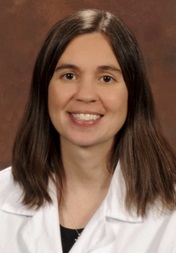
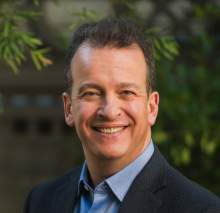
Allison Buchanan is an Associate Professor at the Dental College of Georgia , part of Augusta University . She serves as Interim Chair and Associate Chair for Oral Biology, while teaching at both predoctoral and graduate levels. Her work focuses on Cone Beam Computed Tomography (CBCT) and Digital Radiography , with a special emphasis on Quality Assurance and Obstructive Sleep Apnea imaging. Recent publications address radiation safety, disinfection methods for imaging plates, and software quality control in dental radiology. 2024 : Outstanding Faculty Award, Augusta University 2021 : Honorable mention awardee for Oral and Maxillofacial Radiology (OMR) section 2020 : Inducted into PHI KAPPA PHI Honor Society 2018 : Faculty Research and Scholarship Achievement Award Buchanan serves on multiple committees including the Standards Committee on Dental Informatics (2022-present) and the American Dental Association (2021-present), with editorial board memberships since 2018. Her teaching portfolio includes courses like Radiology Clinic II and Diagnostic Sciences Conference .
University of California, Los AngelesUnited States
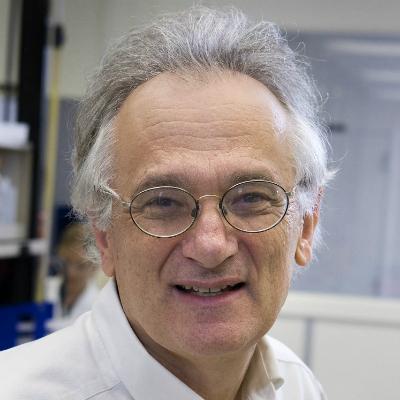
Dr. Steven G. Clarke is a Distinguished Professor at UCLA Department of Chemistry & Biochemistry and director of research at the Molecular Biology Institute . His work bridges protein chemistry , methylation biology , and aging research through studies of spontaneous protein damage and its repair mechanisms. Education: BA in Chemistry and Zoology, Pomona College (magna cum laude, Phi Beta Kappa) PhD in Biochemistry and Molecular Biology, Harvard University (NSF Fellow) Postdoctoral Fellowship at UC Berkeley (Miller Fellow) Dr. Clarke's research focuses on protein isoaspartyl repair via PCMT1/PIMT enzymes , ribosomal protein methylation in Saccharomyces cerevisiae , and PRMT family characterization including PRMT7 and PRMT9. His lab combines biochemical assays , genetic models , and structural analysis to investigate aging mechanisms and disease implications. Recent publications highlight: COQ5 structure-function analysis in coenzyme Q biosynthesis PCMTD1 ubiquitin ligase interactions PRMT7 substrate specificity in histone H2B Protein isoaspartyl impacts on T cell function in lupus Novel PRMT inhibitors for cancer therapy Methionine addiction in osteosarcoma malignancy Major scientific awards: American Chemical Society Ralph F. Hirschmann Award in Peptide Chemistry NIH MERIT Award Ellison Medical Foundation Senior Scholar Award William C. Rose Award, ASBMB UCLA Distinguished Teaching Award (Eby Award winner) Current lab members include PhD candidates Eric Pang (UCSB) and Sining "Cindy" Wang (UCLA), while undergraduates Celeste Medina-Seymoure , Elizabeth Oroudjeva , Olivia Pacheco , and Jasmine Winter contribute to ongoing proteostasis studies. Collaborations with Profs. Jose Rodriguez and Catherine Clarke demonstrate interdisciplinary research approaches.
Huiyan Li, PhD, P.Eng., is an Associate Professor in the Department of Biomedical Engineering at the University of Guelph. Her research focuses on developing micro/nanoscale biosensors and lab-on-a-chip technologies for cancer diagnostics and personalized medicine. Dr. Li holds a Ph.D. in Biomedical Engineering from McGill University and completed postdoctoral training at Harvard Medical School/Massachusetts General Hospital. Her multidisciplinary research integrates biosensing, micro/nanofabrication, bio-optics/electronics, and computational tools to study cancer molecular complexity. Current openings exist for M.A.Sc. students interested in biosensing research. Key research areas include extracellular vesicle analysis, multiplexed immunoassays, magnetic/nanoparticle-enhanced bioassays, and graphene-based biomedical sensors. Recent work emphasizes point-of-care diagnostics and enhanced protein detection via novel material integration. Teaching responsibilities include ENGG 6301 (Advanced Micro/Nano Biotechnology) and undergraduate courses in bio-instrumentation and biomedical signal processing. Her work spans biomaterials classification, microfluidic systems, and antimicrobial nanocomposite development. Research outputs emphasize scalable microarray formats, EV-based biomarker discovery, and sensor sensitivity enhancement through nanomaterial innovations. Current projects address EV concentration measurement, 3D antibody microarrays, and magnetic-responsive hydrogel discs for bioassay improvements.
Anthony Brown is an Associate Professor in the Department of Cell and Developmental Biology at Weill Cornell Medical College, part of the Graduate School of Medical Sciences. He has been a faculty member since 1987 and currently serves as Director of the Office of Medical Student Research. Education: B.A. in Natural Sciences (Genetics), University of Cambridge, 1977 M.A., University of Cambridge, 1980 Ph.D. in Molecular Biology, University of Edinburgh, 1982 Postdoctoral Fellow, University of California, San Francisco (with Harold Varmus) Postdoctoral Fellow, University of Strasbourg (with Pierre Chambon) Dr. Brown's research focuses on the Wnt family of signaling proteins and their roles in tissue development, homeostasis, and cancer. His work has significantly advanced the understanding of both canonical and non-canonical Wnt pathways, particularly in breast and colorectal cancers. He has shown that Wnt signaling contributes to oncogenesis through mechanisms involving stem-like cells, epithelial-to-mesenchymal transition, and crosstalk with other signaling cascades such as TGFβ. His research employs diverse models including cell culture, organoids, mouse models, and patient-derived tissues. His recent publications reveal a strong emphasis on Wnt signaling in cancer stem cells, metastasis, and signal transduction mechanisms. Trends include the role of Wnt in tumor microenvironments, regulation of ribosomal DNA, and therapeutic targeting of multiple pathways simultaneously. His work frequently appears in high-impact journals such as PNAS, Cancer Research, and Development. Scientific Awards: Royal Society European Science Exchange Fellowship Medical Research Council (U.K.) Travelling Fellowship Cornell Scholars Award Andrew W. Mellon Teacher-Scientist Award Pew Scholar in the Biomedical Sciences Irma T. Hirschl Career Scientist Award WCM Awards for Teaching Excellence WCM Awards for Excellence in Medical Education Dr. Brown has been actively involved in grant-funded research, including as a Co-Investigator on the Clinical and Translational Science Center (UL1) grant awarded by the National Center for Advancing Translational Sciences (2022–2027). He collaborates with a broad network of co-investigators across disciplines. He also mentors students and contributes to medical education, reflecting his dual commitment to research and teaching. His laboratory investigates Wnt signaling mechanisms and their implications for cancer therapeutics.
Mayo Clinic College of Medicine and ScienceUnited States
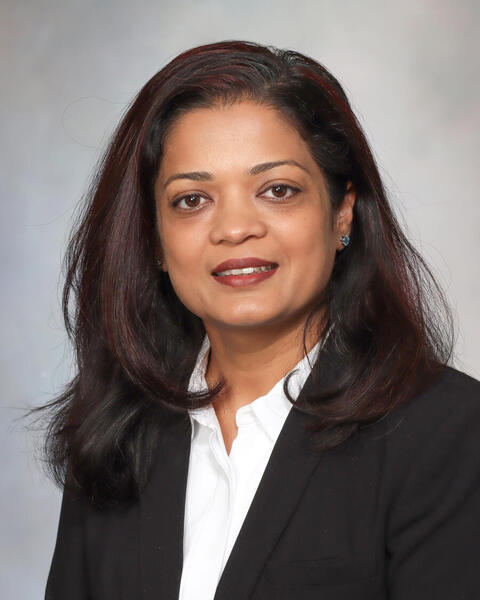
Shweta Agarwal is a board-certified clinical pathologist specializing in Head and Neck pathology and Cytopathology. Currently affiliated with Mayo Clinic in Jacksonville, Florida, she focuses on diagnosing salivary gland, thyroid, oral cavity, and sinonasal cancers. Her research integrates artificial intelligence for metastasis prediction and explores PD-L1 expression in rare tumors. 2018 Fellowship in Cytopathology - University of California San Francisco Medical Center 2017 Fellowship in Head and Neck Pathology - Massachusetts General Hospital 2016 Residency in Anatomic Pathology - University of Oklahoma Health Sciences Center 2011 Senior Residency in Oncopathology - Tate Memorial Hospital 2003 MBBS - GSVM Medical College, Kanpur University Her research bridges clinical pathology with computational tools, investigating salivary gland cancers, thyroid neoplasms, and oral squamous cell carcinoma. Key publications include AI-driven nodal metastasis predictions and PD-L1 analysis in rare cancers. Scientific awards include the 2025 Mayo Clinic 'Healing' recognition, 2022 Presidential Teaching Fellow nomination, and multiple best paper awards. She serves on committees for the College of American Pathologists and Papanicolaou Society of Cytopathology.
G. Petur Nielsen, MD is a Professor of Pathology at Harvard Medical School and serves as Subspecialty Head, Bone and Soft Tissue Pathology at Massachusetts General Hospital . With a clinical focus on bone and soft tissue tumors, his expertise spans diagnostic pathology, molecular genetics of neoplasms, and ancillary testing applications. Research interests center on Pathology and biology of bone/soft tissue tumors Molecular genetics of bone and soft tissue neoplasms Chordoma and sarcoma research Epithelioid vascular tumor differentiation Mesenchymal tumors of the female genital tract His work includes landmark studies on tumor misdiagnosis rates, immunohistochemical profiling, and genomic analysis of chordomas. Scientific contributions appear in leading journals like Nature and American Journal of Surgical Pathology , with major emphasis on Molecular tumor classification Mutational signature analysis Translational oncology Diagnostic accuracy improvement Genomic instability mechanisms
Robert Falconer serves as Professor of Medicinal Chemistry and Director of the Institute of Cancer Therapeutics (ICT) at the University of Bradford. A registered pharmacist with the General Pharmaceutical Council, he leads a multidisciplinary research team focused on tumor glycocalyx targeting and protease-activated anticancer prodrugs. His academic journey spans from pharmacy training at The School of Pharmacy, University of London to establishing the medicinal chemistry program at ICT in 2005. Pharmacy Degree: The School of Pharmacy, University of London (now UCL School of Pharmacy) PhD in Medicinal Chemistry: London (2000) Professional Registration: General Pharmaceutical Council Professor Falconer's research centers on tumor glycocalyx modulation through polysialyltransferase inhibition and protease-activated drug delivery systems. His work spans osteosarcoma, neuroblastoma, breast, and prostate cancers with emphasis on developing targeted therapies that minimize systemic toxicity. The Falconer group employs computational design, solid-phase synthesis, and advanced biological evaluation techniques to develop novel anticancer agents. His publication portfolio demonstrates consistent focus on tumor-specific activation mechanisms (2023-2025), glycocalyx-targeted metastasis inhibition (2019-2021), and prodrug development (2010-2014). Recent work emphasizes theranostic applications and DNA repair targeting for pediatric cancers. Fellow of the Royal Society of Chemistry Former Honorary Treasurer, RSC Central Yorkshire Local Section Trust (2012-2018) Registered Pharmacist with General Pharmaceutical Council As principal investigator, Falconer has secured substantial funding from Breast Cancer Now, Bone Cancer Research Trust, Worldwide Cancer Research, and Neuroblastoma UK. He leads the £2m ICT Doctoral Training Centre and co-founded spin-out company Incanthera plc, which is advancing the MMP-targeted prodrug ICT2588 to clinical trials. His mentorship includes three PhD students and multiple postdoctoral researchers developing next-generation cancer therapeutics. The Falconer group operates within the ICT's state-of-the-art facilities, collaborating with Stanford University, University of Sheffield, and Ellipses Pharma. Current projects address unmet needs in pediatric oncology while developing platform technologies applicable across multiple cancer types.
Rudy Guerra is a Professor and Chair of the Department of Statistics at Rice University, where he has been since 2000. His research spans biomedical applications of statistics, including bioinformatics, statistical genetics, and medical imaging, alongside sociological research in education and Mexican migration. He holds academic leadership roles, including Director of the Data Science Minor and member of the BRIDGE and Doerr Institute steering committees. Guerra earned his Ph.D. in Statistics from UC Berkeley, M.A. in Mathematics from UC Berkeley, and B.S. in Applied Mathematics from UT San Antonio. Education: Ph.D., Statistics, UC Berkeley (1992) M.A., Mathematics, UC Berkeley (1987) B.S., Applied Mathematics, UT San Antonio (1984) Key Roles: Department Chair, Statistics (2019–present) Associate Chair, Statistics (2016–2019) Former Jones College Magister (Residential College Leader, 2005–2011) Research Interests: Dr. Guerra’s work integrates statistical methods with biomedical and social science challenges. His biomedical focus includes cancer genomics (e.g., osteosarcoma metastasis, biomarker discovery), medical imaging (e.g., CT ventilation analysis), and bioinformatics. In social sciences, he examines educational inequities and Mexican migration impacts on health. His recent projects include collaborations with Texas Medical Center institutions and sociologists at Rice. Articles Trends: His publications emphasize interdisciplinary applications, combining statistical rigor with domain-specific insights. Recent work spans oncology, public health, and computational biology, reflecting a commitment to bridging theory and practical medical/sociological challenges. Awards & Roles: Panel Member, Ford Foundation Fellowship (2016–present) Associate Editor, BMC Genetics (2014–present) Former Residential College Master of Jones College (2005–2011) Advising & Grants: Guerra advises students on statistical research and curricula. He has led initiatives like the Keck Center for Quantitative Biomedical Sciences Training and co-founded the Empowering Leadership Alliance (ELA) to support underrepresented minorities in STEM. His grants include funding for bioinformatics consortia and educational outreach programs. Labs & Teams: Active in the Gulf Coast Consortia for Bioinformatics and collaborates with multidisciplinary teams at MD Anderson, Baylor College of Medicine, and UT Health Science Center.
Joseph Koopmeiners is a Mayo Professor and Division Head of the Division of Biostatistics & Health Data Science at the University of Minnesota School of Public Health. He serves as a Member of the Masonic Cancer Center and Scientific Co-director of the RapidEVAL Program within the Center for Learning Health Systems Sciences. Education: PhD in Biostatistics, University of Washington (2009) MS in Biostatistics, University of Minnesota (2004) BA in Mathematics, St. John's University Koopmeiners develops advanced statistical methods to improve cancer prevention, detection, and treatment through biomarker validation and Bayesian adaptive methods for clinical trials. His research bridges biostatistics with practical applications in oncology, tobacco control, and public health policy. He focuses on innovative trial designs including basket trials, group-sequential methods, and virtual twin approaches that enhance clinical research efficiency. His recent publications demonstrate a strong trend toward adaptive clinical trial methodology, with significant contributions to Bayesian statistics, biomarker validation, and cancer research. Koopmeiners' work spans from fundamental statistical methodology to direct applications in cancer treatment, sepsis management, and tobacco regulation. Awards: Delta Omega, Honorary Society in Public Health Koopmeiners maintains active professional engagement through multiple research collaborations and leadership roles. As Division Head, he oversees biostatistical research and educational programs while directing the RapidEVAL Program focused on learning health systems. His methodological expertise supports numerous clinical trials and public health initiatives across cancer research and other medical domains. His work connects statistical innovation with real-world health applications through the Masonic Cancer Center and Center for Learning Health Systems Sciences, where he contributes to translational research infrastructure.
Professor Torsten Nielsen is a clinician-scientist at the University of British Columbia 's Department of Pathology & Laboratory Medicine (Faculty of Medicine), based at Vancouver General Hospital and BC Cancer . He directs UBC's MD/PhD Program , contributes to cancer clinical trials with the Canadian Cancer Trials Group , and chairs the international Connective Tissue Oncology Society 's Research Committee. Key affiliations: UBC, Vancouver General Hospital, BC Cancer, Molecular and Advanced Pathology Core Academic focus: Translational research in sarcomas and breast cancer His research prioritizes translating genomic discoveries into clinical diagnostics and treatments, particularly for synovial sarcoma , breast cancer subtypes , and tenosynovial giant cell tumors . He develops FDA-cleared molecular assays like the PAM50 (Prosigna) test and leads pan-Canadian precision oncology initiatives . Collaborative efforts include work with Stanford, Leiden, and DKFZ Heidelberg. Recent publications highlight advancements in epigenetic therapies , immune biomarker validation , and synovial sarcoma pathogenesis . His lab's work on CSF1/CSF1R signaling inspired new treatment strategies for joint-destructive tumors. Scientific Awards: Fellow, Canadian Academy of Health Sciences Fellow, Royal Society of Canada As director of UBC's MD/PhD Program, he trains future clinician-scientists. His lab team includes experts in epigenomics , proteomics , and mouse modeling . Current projects focus on precision oncology for sarcomas and Ki67 standardization in breast cancer.
Mayo Clinic College of Medicine and ScienceUnited States
Joel M. Reid, Ph.D., is an Associate Professor of Pharmacology at Mayo Clinic, holding primary appointments in the Department of Oncology and a joint appointment in the Department of Molecular Pharmacology and Experimental Therapeutics. His research focuses on preclinical and clinical pharmacology of anti-cancer agents, emphasizing drug metabolism, pharmacokinetics, and novel methodologies like LC-MS/MS analysis. He has led over 75 studies on oncology drugs in late preclinical/early clinical phases. Professional Highlights: Lead Pharmacologist, Phase I Consortium, Children's Oncology Group (2012–present) Member, Pharmacogenomics & Population Pharmacology Committee, Alliance for Clinical Trials in Oncology (2011–present) Research Interests: Development of sensitive analytical methods for drug metabolites, pharmacogenetic studies in clinical protocols, and systems biology approaches for molecular-level pharmacokinetic characterization. Recent projects include phase 0 clinical trials for Akt inhibitors, population pharmacokinetic modeling of sulindac, and pediatric anti-cancer drug metabolism studies.
Umamaheswari Natarajan is an Associate Research Scientist at Nova Southeastern University's Rumbaugh-Goodwin Institute for Cancer Research within the Barry and Judy Silverman College of Pharmacy. She earned a Ph.D. in Pharmacy from the University of Madras, India, and holds prior degrees including a D.Pharm., M.Sc., and B.Sc. from Indian institutions. Ph.D., University of Madras, India D.Pharm., The Tamil Nadu Dr. M.G.R. Medical University, India M.Sc., Madurai Kamaraj University, India B.Sc., Madurai Kamaraj University, India Dr. Natarajan's research focuses on epigenetic modifications in cancer, particularly identifying biomarkers for tumor aggressiveness and drug resistance, and improving delivery of anti-angiogenesis drugs like F16 and JFD for brain cancers. Her work spans breast, prostate, ovarian, lung, osteosarcoma, glioblastoma, and neuroblastoma studies. She has published 14 peer-reviewed papers and co-authored numerous conference presentations. Her Google Scholar publications reveal a strong emphasis on HDAC inhibitors, MDM2/MDMX regulation, AURKB interactions, and anti-angiogenic therapies. Subfields include neuroblastoma, lung cancer, and ovarian cancer treatment resistance mechanisms. Epigenetic modifications in cancer Drug discovery Angiogenesis Cell cycle regulation Apoptosis Pharmacogenomics Dr. Natarajan actively mentors graduate and undergraduate students in research electives, guiding presentations at conferences like ABRCMC and AACR. Her students have received multiple awards for their work. She also contributes to the Honors College as a course instructor. Current projects involve enhancing brain delivery of anti-angiogenesis drugs and exploring epigenetic biomarkers across cancers. Collaborations include Appu Rathinavelu, Ph.D., in developing research electives.
Dan Sun is a Senior Lecturer (Associate Professor) at the School of Mechanical and Aerospace Engineering, Queen's University Belfast, with expertise in plasma synthesis of functional nanocomposites and biomedical applications. Her research spans healthcare and aerospace sectors, focusing on nanocomposites for bone repair, aircraft materials manufacturing, and plasma-assisted synthesis. PhD in Mechanical Engineering (Tribology) from University of Southampton Postdoctoral work at NIBEC, University of Ulster Research interests include Nanocomposites , Biomaterials , Plasma Processing , and Aerospace Composites Manufacturing . She has contributed to 139 research outputs, 7 datasets, and 107 activities, including projects like European-Chinese aero-structure drilling collaboration and atmospheric pressure plasma synthesis of bio-nanocomposites. Recent publications focus on PEEK-based implants , heterojunctions for hydrogen evolution , and 3D-printed graded lattice structures . Scientific awards include multiple Best Paper Awards (2023, 2025) and travel grants from IET and IMechE. She teaches modules on mechanics of materials, research methods, and materials selection. MEE1004: Mechanics of Materials MEE7031: Research Methods & Data Analytics (Coordinator) MTS7022: Materials Selection and Characterisation
University of California, Los AngelesUnited States
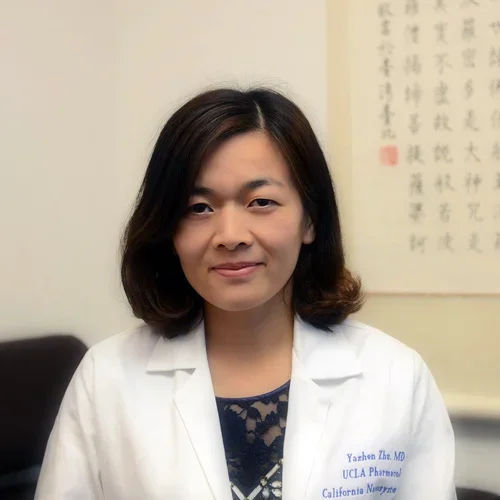
Dr. Yazhen Zhu is an Assistant Professor and Research Pathologist at the David Geffen School of Medicine , University of California, Los Angeles (UCLA). She is affiliated with the Crump Institute for Molecular Imaging and the Department of Molecular and Medical Pharmacology . In addition to her academic role, she co-directs the liquid biopsy laboratory at UCLA, where she leads translational research programs in cancer and prenatal diagnostics. Education: MD, Wuhan University (2005) PhD in Pathology, Fudan University (2010) Residency in Pathology, Guangdong Provincial Hospital of TCM (2012) Research Interests: Dr. Zhu’s research focuses on the development and clinical translation of liquid biopsy-based diagnostic platforms . Her work explores the potential of circulating rare cells and extracellular vesicles (EVs) for noninvasive cancer and prenatal diagnostics. She has pioneered the use of click chemistry and nanosubstrates to enrich tumor-derived EVs and circulating tumor cells (CTCs), enabling high-sensitivity detection of oncogenic mutations and gene expression profiles. Her translational programs involve close collaboration with clinicians across multiple departments at UCLA and Cedars-Sinai Medical Center. Scientific Contributions: Dr. Zhu has published extensively on novel diagnostic assays for hepatocellular carcinoma, prostate cancer, ovarian cancer, and placental disorders. Her work spans from single-cell profiling and spatial transcriptomics to CRISPR-based gene therapy , reflecting a broad and integrative approach to precision medicine. Research Collaborations & Labs: She co-directs the Liquid Biopsy Laboratory at UCLA, which serves as a hub for interdisciplinary research involving molecular imaging, pharmacology, and clinical pathology. The lab collaborates with departments such as Liver Transplant Surgery, Pancreatic Cancer Surgery, Thyroid Surgery, Medical Oncology, and Maternal-Fetal Medicine.
University of California, San FranciscoUnited States
Richard Jordan is a researcher at the University of California San Francisco (UCSF) focused on oral and head/neck pathology . He has led multiple NIH-funded grants, including the NRG Oncology Biospecimen Bank (2015–2026) and studies on molecular predictors of oral cancer. Education : University of Toronto (D.D.S., 1986; M.Sc., 1992), University of London (Ph.D., 1995). Research interests include oral cancer progression , HPV-related carcinomas , genomic profiling of tumors , and molecular diagnostics . His work explores biomarkers, drug resistance mechanisms, and rare oral conditions like SAPHO syndrome. Selected Publications (2016–2020) highlight collaborations in head/neck oncology , genetic fusions , and immunohistochemical analysis . Scientific Awards : Senate Scholarship (1981), Wroblewski Award (1985), International Association for Dental Research prize (1995).