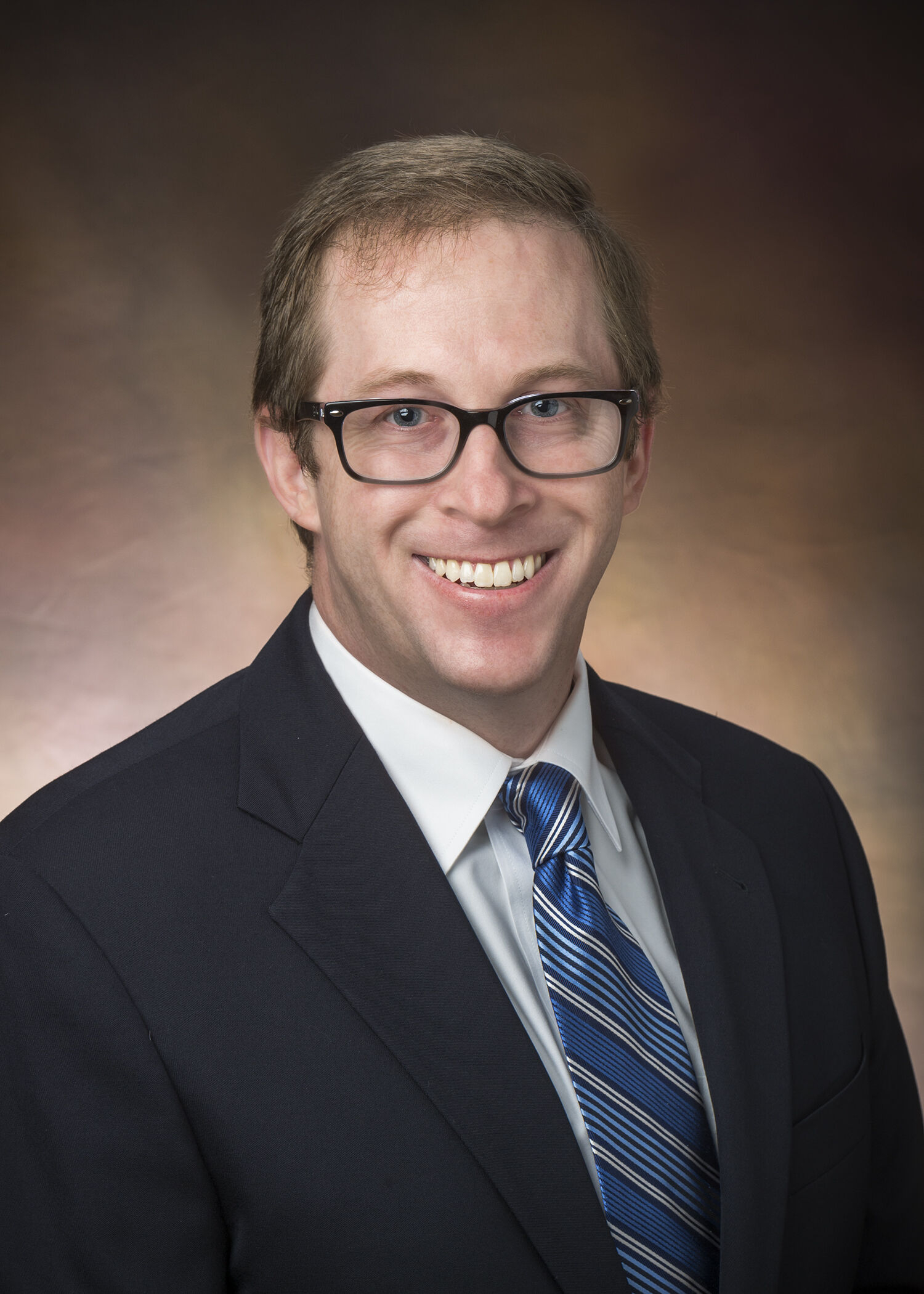
Anastassios Karistinos, M.D., is an Assistant Professor in the Department of Orthopedic Surgery at Baylor College of Medicine. He holds clinical roles at Ben Taub Hospital, Baylor Clinic, and the Michael E. DeBakey VA Medical Center in Houston, Texas. Dr. Karistinos completed his medical degree (MD) at Aristotle University of Thessaloniki (1993), followed by residency at Louisiana State University Health Sciences Center (2005) and a fellowship in Advanced Orthopaedics and Sports Medicine (2005). His professional interests focus on complex musculoskeletal conditions including multi-ligament knee injuries, meniscal transplantation, cartilage restoration techniques (OATS, ACI), knee osteotomies, shoulder instability, rotator cuff injuries, and shoulder arthroplasty. He emphasizes patient safety and critical evaluation of emerging medical technologies, prioritizing evidence-based treatments. Dr. Karistinos is certified by the American Board of Orthopaedic Surgery in both Orthopaedic Surgery and Orthopaedic Sports Medicine. He is a Fellow of the American Academy of Orthopaedic Surgeons and specializes in sports medicine, arthroscopic surgery, and trauma care. His research integrates anatomical insights with clinical outcomes to improve surgical techniques and patient recovery processes.
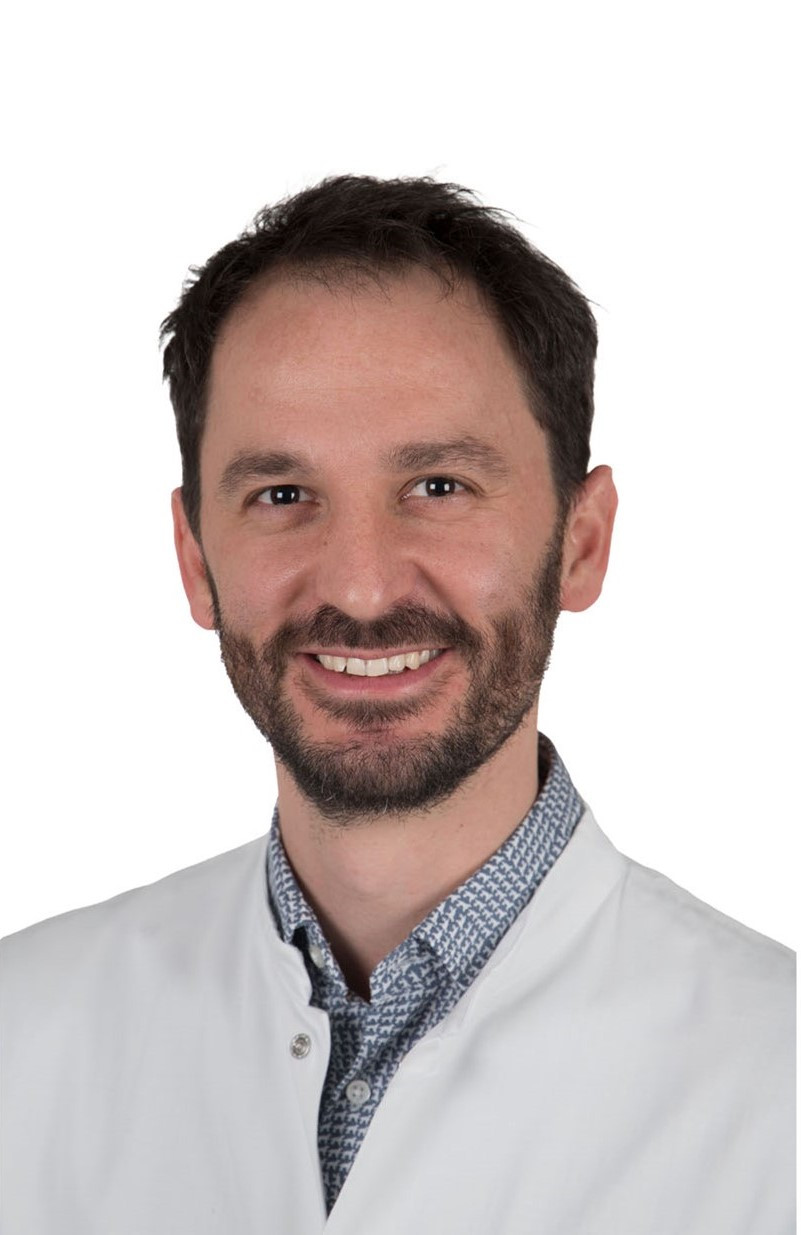
Rey Ramirez, MD is an Assistant Professor of Orthopaedics & Rehabilitation at Yale School of Medicine, specializing in Hand & Upper Extremity Surgery with a focus on pediatric hand conditions. He joined Yale in 2022 after completing his pediatric hand surgery fellowship at Shriners Hospital of Philadelphia. Dr. Ramirez is affiliated with the Hand & Upper Extremity Surgery division and Pediatric Orthopaedics within the Department of Orthopaedics & Rehabilitation. Dr. Ramirez's educational background includes: BS in Biology from California Institute of Technology (2003) MD from David Geffen School of Medicine at UCLA (2007) Internship at Keck School of Medicine - Los Angeles County Medical Center (2008) Residency at Keck School of Medicine - Los Angeles County Medical Center (2012) Hand Surgery Fellowship at University of Texas Southwestern (2013) Pediatric Hand Surgery Fellowship at Shriners Hospital of Philadelphia (2014) Dr. Ramirez's primary research interests focus on pediatric hand surgery, including congenital hand conditions, brachial plexus birth injuries, and arthrogryposis. His clinical expertise spans pediatric hand reconstruction, microsurgery, and treatment of conditions such as amniotic band syndrome, carpal tunnel syndrome in children, and peripheral nerve injuries. Additionally, he has a strong interest in diversity and inclusion within orthopedic surgery, examining gender and racial disparities in the field and factors influencing specialty choice among medical students and residents. His recent publications demonstrate a dual focus on clinical pediatric hand surgery techniques and diversity in medicine. The surgical publications often address innovative approaches to complex pediatric hand conditions, while his diversity-focused work examines gender disparities in orthopedic surgery and physical medicine, contributing to important conversations about inclusion in medical specialties. His work spans both original research articles and textbook chapters on hand surgery topics. Dr. Ramirez has received several professional recognitions: "Top Research Study" award for his work on women's experiences in orthopedics versus physical medicine (2024) Top Doc for Kids recognition (2020) Best "Surgical Pearl" Paper award from the Pediatric Hand Study Group (2014) Dr. Ramirez is actively involved in mentoring medical students and residents, currently advising Tamanna Patel, Claire Donnelley, Louise Atadja, and Peter Laub. His educational contributions include developing virtual curricula for medical student orthopedic education and examining methods to improve resident performance on standardized examinations. While specific grant funding isn't detailed in the provided information, his research activities suggest involvement in both clinical outcomes studies and healthcare disparities research. Within the Yale Orthopaedics & Rehabilitation department, Dr. Ramirez contributes to the Hand & Upper Extremity Surgery and Pediatric Orthopaedics divisions. His work intersects with the department's broader research initiatives including the Liu Lab for Translational Orthopaedic Research and the 3D Collaborative for Medical Innovation (3DC), though specific lab leadership isn't mentioned in the provided information.
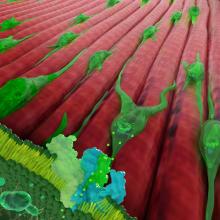
Foteini Mourkioti is an Associate Professor at the University of Pennsylvania's Perelman School of Medicine , with a joint appointment in the Graduate Groups of Cell and Molecular Biology and Bioengineering . She co-directs the Musculoskeletal Regeneration Program at the Penn Institute of Regenerative Medicine and leads the McKay Orthopaedic Research Laboratory . Research Interests : Muscle Stem Cell Biology Mechanobiology Muscle Regeneration Telomere Biology in Muscular Diseases Fibrodysplasia Ossificans Progressiva (FOP) Cardiomyopathy and Aging Key Research Contributions : Developed the Pax7EGFP mouse model for real-time muscle stem cell tracking Discovered telomere shortening as a critical factor in Duchenne Muscular Dystrophy Elucidated the role of NF-κB in muscle stem cell dysfunction Identified Piezo1's role in stem cell morphological states Characterized fibro-adipogenic progenitor dynamics in FOP Scientific Awards : NIH/NHLBI R01 grant recipient (2019) NASA grant awardee (2020, 2017) American Heart Association grant (2017) Muscular Dystrophy Association grant (2019) University Research Foundation grant (2018) Publications & Collaborations : Over 25 publications in high-impact journals like Science Advances , Nature Protocols , and Cell Reports . Collaborates with Penn Cardiovascular Institute and Pennsylvania Muscle Institute.
Patrick J. Cahill, MD, is a pediatric spine specialist and the Robert M. Campbell Jr. Endowed Chair in Thoracic Insufficiency Syndrome at Children's Hospital of Philadelphia (CHOP). His clinical expertise spans disorders of the pediatric spine, scoliosis, cervical spine conditions, and minimally invasive surgical techniques. He leads the Center for Thoracic Insufficiency Syndrome, collaborating with pulmonology, anesthesia, and physical therapy teams. Academic Role: Physician Scientist Leadership: Director of the Center for Thoracic Insufficiency Syndrome Research Focus: Spinal growth modulation, 3D surgical planning, and reducing anesthesia exposure in young patients His work emphasizes fusionless treatments like magnetically expandable growing rods and Mehta casting, alongside innovations in dynamic MRI for preoperative assessment. Recent publications highlight comparative studies on spinal fusion techniques, surgical complication classifications, and multidisciplinary approaches to complex cases. Awards: Philadelphia Magazine's Top Doctors (2022), SRS Travelling Fellowship (2015) Professional Memberships: Scoliosis Research Society, North American Spine Society, Pediatric Orthopaedic Society of North America
Professor Michael Tonkin is a leading academic in the Department of Surgery at the Northern Clinical School of the University of Sydney. He specializes in pediatric hand surgery, congenital anomalies of the upper limb, and reconstructive microsurgery. His work focuses on classification systems for congenital hand defects (e.g., OMT classification) and surgical outcomes for conditions like thumb hypoplasia, polydactyly, and syndactyly. Professor Tonkin holds clinical roles with associated phone (+61 2 9926 7778) and fax (+61 2 9926 6311) contacts. Research interests include embryology of congenital defects, surgical techniques for thumb reconstruction, and functional assessment of hand anomalies. His 2013 grant explored rheumatoid synoviocyte biology. Over 50 peer-reviewed articles and book chapters since 2002 reflect his expertise in congenital anomaly management, tendon transfers, and pediatric surgical innovations. Key contributions include defining thumb opposition metrics, developing functional assessment scores for hypoplastic thumbs, and advancing pollicization techniques. He collaborates with international experts in hand surgery and has mentored multiple researchers evident through co-authorships.
Dominic Furniss serves as Professor of Plastic and Reconstructive Surgery at the University of Oxford's Nuffield Department of Orthopaedics, Rheumatology and Musculoskeletal Sciences (NDORMS), concurrently holding an Honorary Consultant Plastic Surgeon position. His clinical expertise centers on hand surgery and supermicrosurgery for lymphoedema treatment. His educational background includes undergraduate medical studies at Trinity College, Cambridge (Junior and Senior Scholar, first-class degree in genetic pathology) followed by clinical training at Oxford University Clinical School. He completed basic surgical training in London before returning to Oxford's Plastic Surgery Department in 2003. Professor Furniss leads pioneering research into genetic and non-genetic causes of hand conditions through multiple initiatives including the Furniss Group, Centre for OA Pathogenesis, and Hand Research Group. His work spans molecular genetics of Dupuytren's disease, carpal tunnel syndrome epidemiology, and kidney stone disease mechanisms. Recent investigations extend to AI applications in health data through the PHAIR study and causal inference methods in genetic epidemiology. Analysis of his 2024-2025 publications reveals a strategic shift toward large-scale epidemiological studies of hand injuries, interdisciplinary genetic research, and AI integration in surgical practice. These works bridge orthopaedics, genetics, and medical informatics with significant real-world clinical implications. His major scientific recognitions include: Pushpa Chopra Award Plenary Prize of the MRS Wellcome Trust Intermediate Fellowship (first awarded to a plastic surgeon) Professor Furniss has secured substantial research funding including the NIHR Clinical Lectureship (2007) and Wellcome Trust Fellowship (2012). He directs multiple research streams: RAMBOH-1 studies, Molecular Genetics of Carpal Tunnel Syndrome project, and HAWAII initiative. His team actively investigates public perceptions of health data sharing for AI through the PHAIR study while advancing supermicrosurgical techniques for lymphoedema. He maintains active leadership in the Athena SWAN gender equality initiative as a Self-assessment team member, demonstrating commitment to inclusive academic culture.
Amy Zavatsky is a Reader in Engineering Science at the University of Oxford and Tutorial Fellow at St Edmund Hall, with faculty service since 1996. Her work bridges mechanical engineering and clinical orthopaedics, focusing on lower extremity biomechanics and gait analysis within the Department of Engineering Science. Education: BSc in Bioengineering, University of Pennsylvania DPhil in Engineering Science, University of Oxford (Thouron Award recipient) Research Focus: Prof. Zavatsky pioneers orthopaedic biomechanics research with emphasis on foot/ankle kinematics, knee osteoarthritis mechanisms, and gait compensations. Her work integrates theoretical modeling with in vitro experimentation to develop clinical applications for cerebral palsy, flatfoot, and running injuries. Current projects advance multi-segment foot modeling and cognitive-efficient data visualization for clinical gait analysis. Publication Trends: 2021-2025 works reveal three converging themes: (1) Open-source foot modeling ( OpenOFM ), (2) Data visualization for clinical decision-making, and (3) Sensor optimization using statistical methods. These publications consistently bridge engineering innovation with orthopaedic clinical practice through collaborations with the Oxford Gait Laboratory. Scientific Recognition: Philip Leverhulme Prize (2003) for outstanding early-career scholarship University Teaching Award (2008) for biomechanics instruction and MSc Biomedical Engineering development Departmental Teaching Awards: Silver (2021), Bronze (2022) Institution of Mechanical Engineers Thomas Stephen Prize (1993) Academic Leadership: Prof. Zavatsky directs undergraduate engineering tutorials at St Edmund Hall while teaching mechanical/civil/biomedical engineering courses. She previously served as Director of Graduate Studies (2016-17), Acting MSc Biomedical Engineering Director (2006-07), and Junior Proctor (2012-13). Her DPhil supervision targets lower-limb biomechanics projects requiring strong engineering fundamentals. Research Infrastructure: Based at the Institute of Biomedical Engineering (Nuffield Orthopaedic Centre), she collaborates extensively with the Oxford Gait Laboratory. Her biomechanics research group utilizes motion capture systems and multi-segment modeling to translate engineering principles into clinical rehabilitation protocols.
Professor Suguru Torii is a distinguished faculty member at Waseda University's School of Sport Sciences, specializing in Sports Orthopedics and Sports Medicine. With a PhD in Sports Science, he serves as Director of the Waseda Institute of Human Growth and Development (2021-2026) and maintains affiliations with the Global Education Center. His research interests focus on the intricate relationship between growth, development, and sports injuries in children and adolescents. Torii has made significant contributions to understanding musculoskeletal development patterns , bone health in young athletes , and biomechanical factors contributing to sports injuries. His work bridges clinical practice with scientific research, emphasizing evidence-based approaches to injury prevention and treatment in pediatric populations. Analysis of his recent publications reveals a consistent focus on growth-related changes in musculoskeletal tissues , with particular attention to the timing of peak velocity in height, lean mass, and bone mass. His research employs advanced methodologies including DXA, ultrasound, and 3D motion analysis to investigate biomechanical and physiological adaptations during growth and sports participation. Japanese Orthopaedic Society of Sports Medicine Best Paper Award 2006 (awarded June 2007) 4th Japanese Society of Clinical Sports Medicine Award (awarded November 2005) Torii has led numerous significant research projects including The effectiveness of eating an appropriate breakfast in building the body of athletes (2019-2022) and Development of the appropriate evaluation of energy availability for Japanese female athletes (2016-2019). His work on energy availability, bone health in young athletes, and injury prevention has received funding from the Japan Society for the Promotion of Science. He serves on the professional boards of multiple societies including the Japanese Society of Sports Psychiatry, Running Society, Japan Growth Society, and Japanese Orthopaedic Society of Sports Medicine. Professor Torii directs the Waseda Institute of Human Growth and Development, where his team conducts cutting-edge research on growth patterns, musculoskeletal development, and sports-related injuries in children and adolescents. The institute collaborates with clinical and research partners to translate scientific findings into practical applications for coaches, athletic trainers, and healthcare providers working with young athletes.
Prim. Clin. Assoc. Prof. PD Dr. Dietmar Dammerer, MSc PhD is the head of the Clinical Department of Orthopaedics and Traumatology at Krems University Hospital, affiliated with Karl Landsteiner Private University of Health Sciences. He has been in this role since February 2022, leading the merger of orthopedics and traumatology into a unified clinical department. A dual-trained specialist, he is recognized for his expertise in endoprosthetics and tumor orthopedics, and actively promotes interdisciplinary collaboration and team-based medicine. His educational background includes a PhD in Musculoskeletal Sciences (2015), an MSc in Advanced Orthopaedics and Traumatology (2017), and board certification in both orthopedics and traumatology (2017, 2018), culminating in habilitation in 2019. He has received prestigious Traveling Fellowships from the European Hip Society and European Musculo-Skeletal Oncology Society. Dietmar Dammerer’s research focuses on orthopedic oncology, joint reconstruction, biomechanics, and minimally invasive surgery. His work emphasizes the integration of clinical inquiry with research to improve patient outcomes. Recent publications analyze pelvic sarcoma reconstruction, spinal metastases, cartilage repair techniques, and health disparities in sarcoma care. His 15 most recent articles reflect a strong trend in musculoskeletal oncology, surgical biomechanics, and evidence-based orthopedic practice, with frequent use of systematic reviews, retrospective studies, and multicenter collaborations. Topics include implant performance, surgical safety, and global access to specialized care. Scientific awards include: Traveling Fellow Stipendium from the European Hip Society (2018) Traveling Fellow Stipendium from the European Musculo-Skeletal Oncology Society (2020) He is deeply committed to mentoring and team development, emphasizing that medical success is measured by the success of one’s colleagues. He leads a research-active department that hosts international observers, conducts training courses for physicians across Europe, the Middle East, and Africa, and maintains a high rate of peer-reviewed publication. The department collaborates closely with the Departments of Biomechanics and Anatomy and Developmental Biology, reflecting a multidisciplinary research approach.
Associate Professor Alex Clarke is a Wellcome Trust-funded researcher and Honorary Consultant Rheumatologist at the Nuffield Orthopaedic Centre, affiliated with the University of Oxford. He leads the Clarke Group at the Kennedy Institute of Rheumatology, focusing on the intersection of metabolism and immunity. PhD in Medicine (2013), King’s College London MBBS in Medicine (2001), University College London (UCL) Dr. Clarke's research explores how metabolic pathways regulate immune cell function and disease progression. His work spans autophagy mechanisms, mitochondrial dynamics in B cells, and metabolic dysregulation in autoimmune disorders like lupus. Recent studies investigate germinal center B cell metabolism and glycogen synthase kinase-3's role in Treg development. His recent publications (2025-2024) highlight trends in immunometabolism, autophagy, and genetic testing applications. Awards include prestigious Wellcome Trust Clinical Research fellowships. Wellcome Trust Clinical Research Training Fellowship (2013) Wellcome Trust Clinical Research Career Development Fellowship (2018) Dr. Clarke's lab investigates metabolic regulation in immune cell differentiation and autoimmune disease pathogenesis.
Alexander Clarke is an Associate Professor at the University of Oxford's Kennedy Institute of Rheumatology within the Nuffield Department of Orthopaedics, Rheumatology and Musculoskeletal Sciences, and serves as an Honorary Consultant Rheumatologist at the Nuffield Orthopaedic Centre. His educational background includes medical qualification from UCL in 2001, rheumatology training in London, and a PhD on autophagy in lupus completed in 2013 under Tim Vyse at King's College London. He joined Oxford in 2014 as a postdoctoral fellow with Katja Simon at the Weatherall Institute of Molecular Medicine before establishing his independent research group in 2018. Clarke's research focuses on the intersection of immunology and metabolism, particularly investigating how metabolic pathways regulate immune cell function in autoimmune diseases. His work primarily examines B cell metabolism, autophagy mechanisms, and their roles in conditions like systemic lupus erythematosus. He leads the Clarke Group dedicated to 'Metabolism and Immunity' research. Analysis of his recent publications (2022-2025) reveals a consistent research trajectory centered on immunometabolism, with particular emphasis on germinal center B cells, mitochondrial regulation in lymphocytes, and connections between metabolic pathways and autoimmune pathogenesis. His work bridges fundamental cellular mechanisms with clinical applications in rheumatology. His major scientific recognitions include: Wellcome Trust Clinical Research Training Fellowship Wellcome Trust Clinical Research Career Development Fellowship (2018) Clarke's research program is supported by prestigious Wellcome Trust funding, enabling his group to investigate critical questions at the interface of immunology and metabolism. His work has significant implications for understanding autoimmune disease mechanisms and developing novel therapeutic approaches targeting metabolic pathways in immune cells. The Clarke Group maintains active research programs investigating how metabolic regulation influences immune cell function, with particular focus on B cells in germinal center reactions and their dysregulation in autoimmune conditions.
Fadia Kamal, PharmD, PhD is an Associate Professor holding dual appointments in the Department of Orthopaedics and Rehabilitation and the Department of Cell and Biological Systems. She leads research at the Center for Cannabis and Natural Product Pharmaceuticals (CCNPP) with a strong publication record including 33 research outputs and an h-index of 18 based on Scopus data. Dr. Kamal's research focuses on cellular pathways that control chondrocyte homeostasis in healthy tissue and the pathological processes leading to cartilage damage in osteoarthritis. Her work investigates how chondrocytes transform into pathological cells that cause cartilage degradation, with particular interest in discovering new pathways and drugs to control chondrocyte behavior and potentially reverse osteoarthritis progression. Her laboratory also explores the therapeutic potential of non-euphorigenic cannabis compounds for bone fracture pain management and healing. Her recent publications demonstrate a strong trend toward interdisciplinary research combining orthopedics, molecular biology, immunology, and pharmacology. The work spans from fundamental cellular mechanisms in osteoarthritis to applied therapeutic development, with particular emphasis on cannabis-based treatments, immune responses in fracture healing, and novel imaging techniques. Her research shows increasing collaboration across multiple institutions and disciplines. Scientific Awards: Samuel Hinkle Junior Faculty Research Scholar Award (2022) - widely recognized with coverage by 5 news outlets, blogged by 1 source, posted by 38 X users, and shared on 1 Facebook page with 33 Mendeley readers Dr. Kamal serves as Principal Investigator on significant research projects, most notably the NIH-funded 'Therapeutic targeting of GPCR Gbetagamma-GRK2 in osteoarthritis' project (2019-2023) from the National Institute of Arthritis and Musculoskeletal and Skin Diseases. Her mentorship is evident through numerous co-authored publications with junior researchers who appear to be her students and postdoctoral fellows. She maintains active collaborations across immunology, bone healing, and natural product pharmacology research areas. Her work contributes to UN Sustainable Development Goals related to health and well-being, with research spanning osteoarthritis, heart failure progression, chondrocyte biology, and G protein-coupled receptor research. The Kamal lab maintains strong connections with the Center for Cannabis and Natural Product Pharmaceuticals, indicating a specialized research focus on natural compounds for musculoskeletal conditions.
Kristin Livingston, MD is an Assistant Professor of Orthopedic Surgery at Harvard Medical School and serves as Director of the Orthopedic Trauma Program at Boston Children’s Hospital. She plays key roles in clinical leadership, quality improvement, and education within the department. Education: Dartmouth College (Undergraduate), UCSF School of Medicine (MD), Harvard Combined Orthopedic Residency, Boston Children’s Pediatric Fellowship Professional Engagement: Member of Orthopaedic Trauma Association, POSNA, AAOS; serves on multiple hospital and departmental committees Research Focus: Specializes in pediatric orthopedic trauma, innovative imaging modalities, and family-centered care protocols. Her work addresses diagnostic accuracy, treatment standardization, and trauma system optimization. Clinical Innovation: Developed family education programs, revised fracture treatment protocols, and established triage algorithms for pediatric trauma urgency. Academic Collaborations: Partnered with Harvard Medical School Orthopaedic Trauma Initiative to bridge pediatric and adult trauma care.
Marc Lewis Rosen, MD, is an Assistant Professor of Orthopaedics & Rehabilitation at Yale School of Medicine , specializing in physical medicine and rehabilitation. He serves as Director of Physical Medicine and Rehabilitation Medical Student Electives and represents physiatry on the Adult Trauma Committee at Yale New Haven Hospital. Education: MD (1987) - Albert Einstein College of Medicine AB in Chemistry (1983) - Brown University His research focuses on cognitive aging and geriatric medicine , particularly memory variability and medication sensitivity in elderly populations. Recent publications examine cardiac transplant rehabilitation outcomes and geriatric depression diagnosis. Key trends in his scholarly work include: Interdisciplinary approaches to aging research Integration of physical rehabilitation with cognitive assessment Long-term quality of life metrics Scientific recognitions include: Connecticut Magazine Top Docs (2015-2016) Sigma Xi Society membership (1983) Multiple geriatric research awards Mentoring activities span: Yale PM&R Residency Clinical Competency Committee (2025-present) Direct mentorship of resident Daniel Farquharson (2025-2028) Medical student Alp Yurter (2017-2018)
Lou J. Soslowsky is the Fairhill Professor at the University of Pennsylvania, serving as Director of Orthopaedic Research, Director of Basic Science Research for the Shoulder and Elbow Service, and Vice Chair for Research in the Department of Orthopaedic Surgery at the Perelman School of Medicine. He was reappointed to the Vice Chair position in 2024, demonstrating his continued leadership role. Dr. Soslowsky is also the Founding Director of the Penn Center for Musculoskeletal Disorders (designated as a Type 1 center in 2008) and an Associate Dean for Research Integration at the Perelman School of Medicine. Dr. Soslowsky earned his B.S. (1986), M.S. (1987), M.Phil (1989), and Ph.D. (1991) in Engineering Mechanics from Columbia University, with doctoral research mentored by Van C. Mow. He later obtained a certificate in Academic Medicine Leadership from the Wharton School of the University of Pennsylvania in 2008. Dr. Soslowsky's research focuses on the biomechanics of tendons and ligaments, particularly in the shoulder and elbow. His laboratory investigates the structural, functional, and molecular properties of musculoskeletal tissues, examining how these tissues respond to injury, healing, and aging. Current projects examine collagen organization (particularly Collagen V and XI), the role of decorin and biglycan in tendon healing, exercise effects on tendon adaptation, and advanced imaging techniques for monitoring tissue changes. His work integrates engineering principles with biological approaches to understand tissue mechanics and develop therapeutic strategies for musculoskeletal disorders. His recent publications (2024-2025) demonstrate a strong focus on tendon biology and biomechanics, with particular attention to molecular regulation of tendon healing, collagen organization, and the effects of aging and mechanical loading. His research spans from basic molecular mechanisms to translational applications, often utilizing murine models to investigate tendon development, injury, and repair processes. The interdisciplinary nature of his work bridges engineering, biology, and clinical orthopaedics. Founding Director, Penn Center for Musculoskeletal Disorders (Type 1 center designation, 2008) Fellow, Institute of Aging, University of Pennsylvania Executive Committee, Department of Bioengineering, University of Pennsylvania As Director of the McKay Orthopaedic Research Laboratory, Dr. Soslowsky oversees an active research program with publications spanning from 1987 to 2025 (274 PubMed-listed publications). His laboratory serves as a hub for interdisciplinary research in orthopaedic biomechanics and tissue engineering, bringing together engineers, biologists, and clinicians to address fundamental questions in musculoskeletal science. His work has significant translational implications for understanding and treating tendon injuries, which are common clinical problems affecting millions of people.