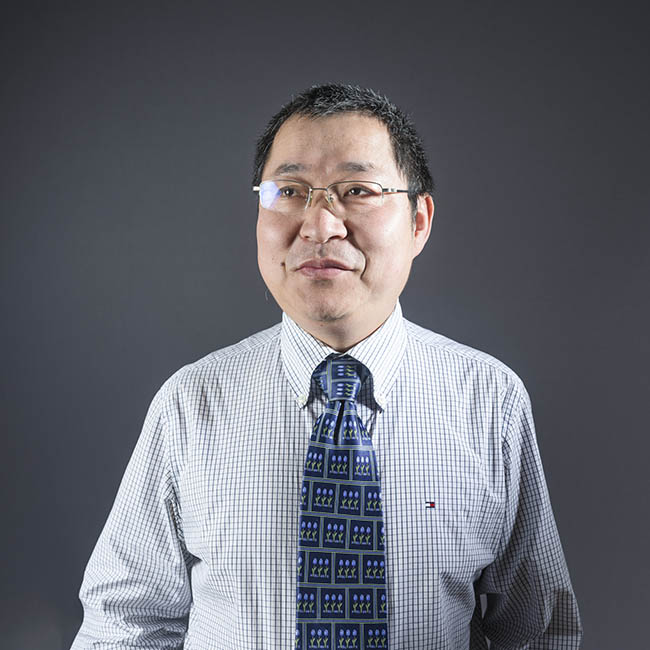
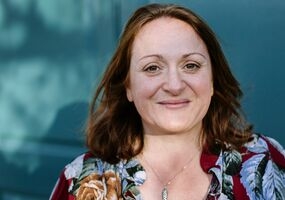
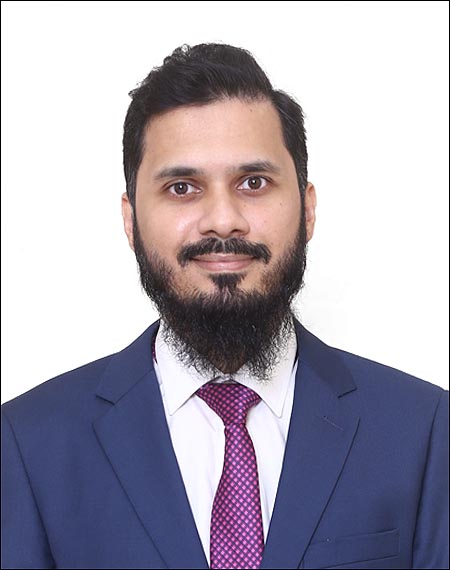
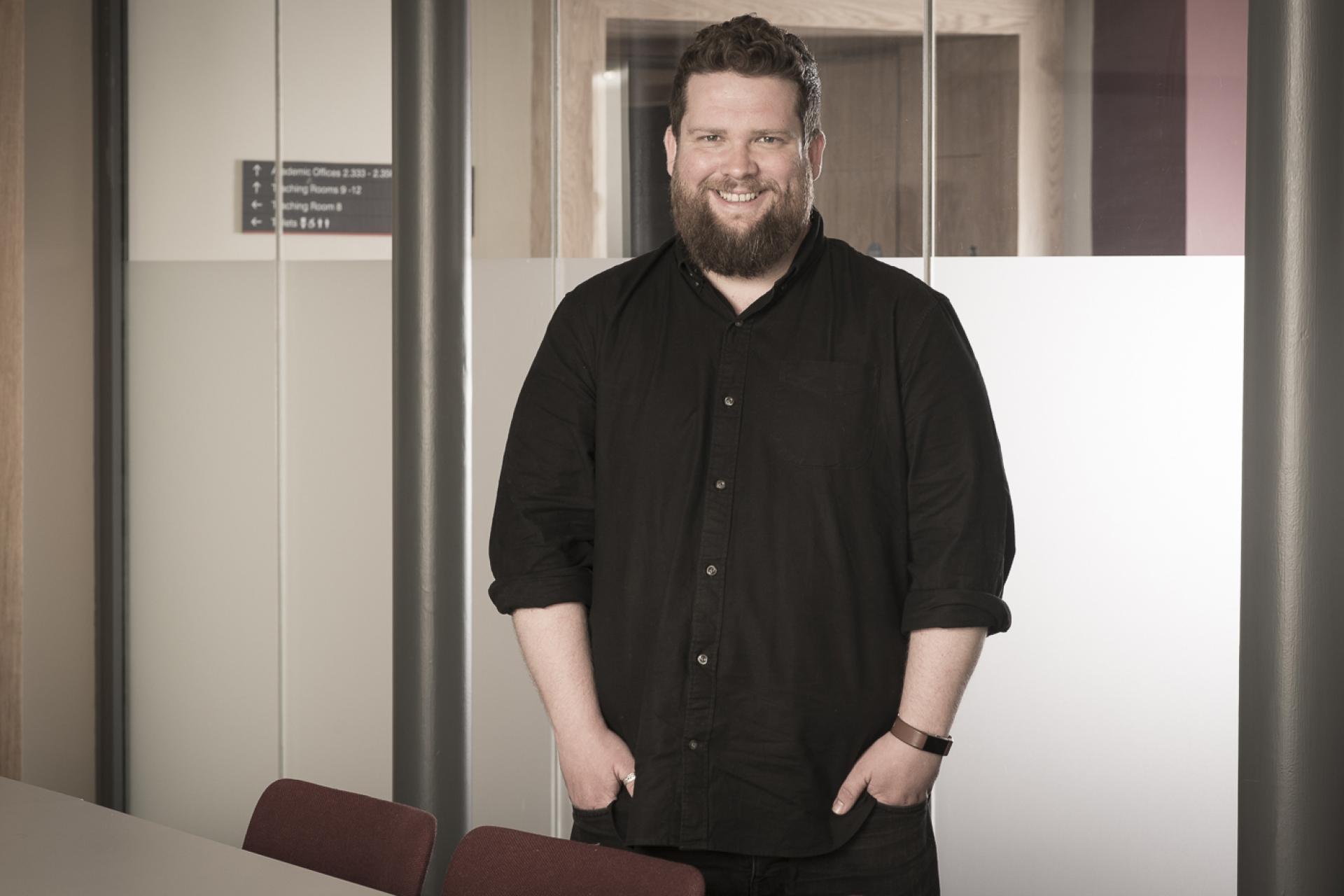
Professor Adam Yuet Chau is a Fellow and Director of Studies at St John's College and holds the Professor of the Anthropology of China position at the Faculty of Asian and Middle Eastern Studies, University of Cambridge . His academic journey includes training at Stanford University (PhD in Anthropology, 2001) and teaching roles at Oxford and SOAS before joining Cambridge in 2008. Focus on Chinese religions and their social dimensions Specializes in ritual theory and cultural transformations Develops comparative frameworks for understanding religious practices His research spans religion under socialism , hosting in political/religious contexts , and ritual polytropy . Recent projects include editing Chinese Religious Culture in 100 Objects and analyzing 'spheres' (界) in Chinese society . Publications like Miraculous Response (2006) and Religion in Contemporary China (2011) establish him as a key figure in religious anthropology. Current and past PhD/MPhil students explore topics from temple festivals in Taiwan to religious subjectification . He actively reviews for leading presses (Cambridge, Oxford, Harvard) and journals ( Ethnos , Modern China ), and participates in international academic workshops.
Dr. Lixin Cheng is a Senior Lecturer in Chemical Engineering at the Department of Engineering and Mathematics, Sheffield Hallam University, where he contributes to teaching core modules such as Transport Phenomena and oversees the chemical engineering program. His research focuses on multiphase flow and heat transfer, including enhanced heat transfer technologies, nanofluids, and carbon capture systems. He has held academic roles globally, including at Aarhus University, EPFL, and Xi'an Jiaotong University, and has extensive industry experience as a design engineer. Dr. Cheng is an Alexander von Humboldt Fellow and serves as editor-in-chief for multiple journals, including the International Journal of Microscale and Nanoscale Thermal & Fluid Transport Phenomena . Education: PhD in Thermal Energy Engineering (Xi'an Jiaotong University, 1998), followed by postdoctoral and research roles at leading institutions. His interdisciplinary research spans oil-gas-water systems, sustainable energy, and thermal energy management. He has authored over 80 papers and 8 books, with a focus on advancing thermal-fluid science and engineering applications. Research interests include gas-liquid two-phase flow dynamics, flow boiling/condensation, microchannel heat transfer, and CO₂-based thermal systems. His work bridges experimental studies, computational modeling, and industrial collaborations, addressing challenges in energy efficiency and environmental sustainability. Key contributions include editorial leadership in thermal-fluid journals, organizing international conferences (e.g., ISTFD), and developing predictive models for flow boiling in microchannels. His recent publications (2021–2025) emphasize green hydrogen systems, supercritical CO₂ applications, and heat transfer enhancement in microscale systems. Awards: Alexander von Humboldt Fellowship (2000–present). Grants and collaborations include partnerships with international universities and industry players, focusing on thermal-fluid innovation. Labs/Teams: Active in Sheffield Hallam's Engineering and Mathematics Department, leading interdisciplinary research in multiphase systems and sustainable energy solutions.
Professor Fay Couceiro is a Professor of Environmental Pollution in the School of Civil Engineering and Surveying at the University of Portsmouth. She leads the Microplastics Research Group and the 'Evaluating change across the plastics lifecycle' theme for the Revolution Plastics Institute, focusing on pollution sources, interventions, and collaborations with industry. She holds editorial roles at Cambridge Prisms: Plastics and peer reviews for multiple journals and funding bodies. Education: BSc in Marine Biology (Queen's University Belfast), PhD in Biogeochemistry (funded project on Strangford Lough), postdoctoral research at the University of Plymouth. Research Interests: Contaminants' fate, microplastics' environmental and health impacts, nutrient dynamics, heavy metals, and organic pollutants like PAHs. Her work integrates pure science with civil engineering solutions. Publications span 2007–2025, emphasizing microplastic toxicity, soil-oil interactions, and pollution mitigation strategies. Over 27 peer-reviewed articles highlight her contributions to environmental science. Advising & Grants: Supervises MSc/PhD students and collaborates with companies like Southern Water. Active in STEM outreach and UK research policy, including the EU's HR Excellence in Research accreditation process. Labs/Teams: Microplastics Research Group, Revolution Plastics Institute, and interdisciplinary teams in environmental technology and resilience.
Dr. Ian Kane is a Reader in Earth and Environmental Sciences at The University of Manchester, leading the 'Plastics in the Natural Environment' theme within the Manchester Environmental Research Group. His expertise spans sediment transport dynamics, deep-marine processes, and microplastic pollution. He holds editorial roles for journals like Sedimentologika and previously served as Editor-in-Chief of Sedimentology (2018–2022). Education: PhD in Geology from the University of Leeds (2007), focusing on submarine channel-levee systems and turbidity currents through fieldwork in Baja California, Mexico, and flume-tank modeling. Research Interests: Transport and burial of microplastics in deep-sea environments via turbidity currents Deep-marine sedimentological processes, including submarine canyons and slope systems Stratigraphic records of sediment gravity flows and anthropogenic impacts Recent articles highlight breakthroughs in understanding microplastic distribution via deep-sea currents and their ecological effects on marine organisms such as sea turtles. His work bridges geology, environmental science, and applied research on pollution mitigation. Scientific Awards: Fearnsides Prize (2008) Roland Goldring Award (2012) Advising and Grants: Supervised over 20 PhD students, with active projects on PFAS transport, microplastic stratigraphy, and deep-marine sedimentology. His research group (SedResQ) explores terrestrial-to-deep-marine sediment transfer. Labs/Teams: Leads SedResQ and collaborates globally on projects like the NEPTUNE Canada observatory, focusing on deep-sea environmental dynamics and anthropogenic impact assessment.
Professor Judy Lee is a Professor in Chemical and Process Engineering at the University of Surrey, affiliated with the School of Chemistry and Chemical Engineering within the Faculty of Engineering and Physical Sciences. She holds a B.Eng. (Chemical Engineering, Hons), B.Sc. (Physics), PG.Dip.Ed. (Secondary), and a Ph.D. Her research focuses on advanced oxidation processes, sonochemistry, membrane technology, and environmental remediation. She collaborates with industry on projects like wastewater treatment and microplastic mitigation. Current research includes osmotically driven membrane processes for dairy waste and ultrasound-enhanced contaminant removal. She supervises PhD students Dom Falconer and Ben Parrish. She is a member of the European Society of Sonochemistry, British Association for Crystal Growth, and European Membrane Society. Education: B.Eng. (Chemical Engineering, Hons), B.Sc. (Physics), PG.Dip.Ed. (Secondary), Ph.D. Research Interests: Sonochemical degradation of pollutants, membrane fouling mitigation, pharmaceutical removal from water, and crystal growth under sonication. Her work integrates sonochemistry with environmental engineering to address industrial and environmental challenges, such as PFAS remediation and microplastic filtration. Grants and Collaboration: Projects include industry-funded research on dairy waste concentration and wastewater treatment. She leads collaborations on membrane technology and ultrasound applications. Labs/Teams: Active in Surrey’s Chemical Engineering labs, focusing on advanced oxidation and membrane systems.
Maureen Meadows is a Professor of Strategic Management at Coventry University's Research Centre for Business in Society. Her work focuses on strategic decision-making, big data applications, privacy in business models, and M&A dynamics. She previously held leadership roles at the Open University and Warwick Business School, where she contributed to strategic management education and research. Education: PhD in Open University (2016) MSc in Management Science from University of Warwick (1987) Bachelor of Arts in Mathematics (Oxford University, 1986) Research Interests: Strategic management tools (e.g., scenario planning), customer data analytics, privacy implications of data sharing, and post-merger integration. She has co-led projects on surveillance society blurring and privacy in the digital economy, funded by Leverhulme and EPSRC. Key Projects: Leverhulme-funded 'Taking Liberties?' (surveillance society) EPSRC-funded 'Monetize Me?' (privacy and quantified self) Co-designing digital strategies for museums and education sectors Grants & Collaborations: Multiple internally-funded projects on board assurance frameworks, creative accounting, and hybrid business models in museums. Active in international conferences and professional bodies like BAM Council. Awards: While no specific prizes are listed, her h-index of 24 and 1,891 citations reflect significant scholarly impact.
Dr. Muhammad Imran is a Reader and Lecturer in Mechanical, Biomedical & Design Engineering at Aston University, UK. He is affiliated with the Energy and Bioproducts Research Institute (EBRI) and the College of Engineering and Physical Sciences. His research focuses on energy efficiency, waste heat recovery, and low-temperature power cycles such as Organic Rankine Cycle (ORC) and Supercritical CO₂ systems. He has contributed to the commercialization of ORC systems and collaborates internationally on hybrid energy systems, solar-thermal integration, and district heating networks. Dr. Imran holds a PhD in Energy System Engineering (2016), MSc in Thermal Power Engineering (2012), and BEng in Mechanical Engineering (2009). He has held academic roles at institutions in Pakistan, South Korea, and Denmark, including a Marie Curie Fellowship at the Technical University of Denmark. His awards include the Marie Curie Fellowship (EU), Innovation Award (South Asia Triple Helix), and multiple Research Excellence Awards from South Korea. He leads funded projects on hybrid energy systems for agriculture, waste heat recovery in industries, and sustainable energy solutions in developing countries. His editorial roles include associate editorships in Frontiers in Thermal Engineering and Resources, Environment and Sustainability . He supervises PhD students in renewable energy and low-temperature thermodynamic systems, with ongoing projects on solid-state heat pumps and advanced ORC control strategies. Dr. Imran’s work bridges engineering, data science, and environmental science to address energy challenges. Notable collaborations include projects in Ethiopia, Kenya, Nigeria, and Sudan, focusing on off-grid cold storage, smart irrigation, and biomass energy systems. His research outputs include over 130 peer-reviewed articles, patents, and contributions to international conferences.
Dr. Claudia Fernandez Martin is a Senior Lecturer (Associate Professor) in Chemical Engineering at the University of Aberdeen, School of Engineering. She is actively involved in research and teaching, with a focus on carbon capture technologies and sustainable materials. She serves as Coordinator of Level 5 and Coordinator of the Environmental & Biodiversity Theme in the School of Engineering, and as Champion of the Circular Economy Theme at the Centre for Energy Transition. Dr. Fernandez Martin's educational background includes: PhD in "Microporous adsorbents from organic polymers. Application in precombustion CO 2 capture processes" (2011) from the University of Oviedo, Spain (Summa Cum Laude) MSc in Research in Technology, Diversification, Quality and Energy Saving (2009) from the University of Oviedo, Spain MEng in Environmental Sciences, 1st Class (2000-2005) from the University of Granada, Spain Her research interests focus on materials and gas separation processes for carbon capture, including the synthesis of advanced materials for CO 2 capture, characterization of adsorbents, enhancement of CO 2 recovery through novel regeneration technologies, and recycling of polymeric waste. She has developed expertise in microwave-assisted technologies for carbon capture intensification and plastic waste conversion into valuable materials. Dr. Fernandez Martin's recent publications demonstrate a strong focus on sustainable solutions for carbon capture and waste valorization. Her work spans from developing novel adsorbents from waste materials to exploring microwave-assisted processes for more energy-efficient carbon capture. She has made significant contributions to understanding transfer hydrogenation of CO 2 and the conversion of plastic waste into functional materials for environmental applications. Her scientific achievements have been recognized through several awards: Fellow of the Higher Education Academy (Advance HE) - 2020 Santander Mobility Award - 2017 ETP-PECRE Award - 2017 Santander Mobility Award - 2016 PhD Scholarship 'JAE-PreDoc' funded by the Spanish Research Council (CSIC) - 2007-2011 As an educator, Dr. Fernandez Martin teaches courses including Environmental Engineering (EA4027), Air & Water Pollution Control (EX501U), and supervises individual and group design projects at both undergraduate and postgraduate levels. She is also the General Secretary of AMPERE (Association for Microwave Power in Europe for Research and Education), highlighting her leadership in microwave research applications. She actively supervises PhD students and welcomes new PhD candidates interested in her research areas, particularly in engineering with a focus on carbon capture, sustainable materials, and waste valorization technologies.
Dr. Zaheer Nasar is a Reader in Atmospheric Aerosols at Cranfield University's School of Aerospace, Transport and Manufacturing. His work focuses on real-time bioaerosol characterization, indoor/outdoor air quality dynamics, and environmental health impacts of particulate matter. He leads the NERC-funded Light-Induced Fluorescence sensor project and contributes to the BioAirNet network (NE/V002171/1) as Co-I. Research Interests Physico-chemical and biological characterization of aerosols Spatio-temporal dynamics of particulate matter (PM) and bioaerosols Quantitative microbial risk assessment (QMRA) methodologies Low-cost air quality sensor networks and machine learning calibration Urban green infrastructure effects on air pollution Policy development in Hindu Kush Himalayan air quality Recent publications emphasize machine learning-enhanced sensor calibration (2024 IEEE paper), wastewater plant bioaerosol risks (2024 Water Research), and urban air quality interventions across the UK and Lahore. He has secured over £1.6M in grants from NERC, STFC, and UKRI GCRF, with significant work on BTEX exposure in Nigeria and SARS-CoV-2 risks in wastewater facilities. Scientific Recognition Fellow of the Higher Education Academy (FHEA) Co-investigator in multiple NERC/UKRI projects Active participant in BSI bioaerosol standards committee As an advisor, he mentors five postgraduate researchers including Reece Dillon and Hathaikarn Tathong, with a strong publication record in journals like Environmental Science: Atmospheres , Risk Analysis , and BJPsych Open . His work bridges environmental science, public health, and policy implementation through interdisciplinary research.
Dr. Anas Iftikhar is an International Lecturer (Assistant Professor) in Logistics and Supply Chain Management at Lancaster University's Management School, United Kingdom. He is affiliated with the Centre for Productivity and Efficiency and contributes to the Supply Chain Management department with research focusing on contemporary supply chain challenges. Dr. Iftikhar completed his Ph.D. in Economics, Management, and Quantitative Methods from the University of Salento, Italy in May 2021. During his doctoral studies, he held visiting researcher positions at Ghent University (Belgium) and Cardiff Business School at Cardiff University (UK), gaining valuable international research experience. Prior to his academic career, he accumulated industry experience in inventory planning and operations management. Dr. Iftikhar's research primarily investigates how supply chain capabilities enhance resilience in disruptive and complex environments. His work explores the intersection of supply chain complexity, digital technologies, and resilience strategies. He employs methodological approaches including systematic literature reviews, meta-analysis, and structural equation modeling. His research has significant implications for organizations navigating geopolitical uncertainties, digital transformation, and supply chain disruptions. His publication portfolio demonstrates a clear evolution from foundational work on network trust and ripple effects to more sophisticated examinations of digital transformation's role in supply chain resilience. Recent publications increasingly focus on the synergistic effects of multiple capabilities (network capability, innovation ambidexterity) in addressing complex challenges like geopolitical turmoil. The research trajectory shows a progression from single-factor analyses to more complex, integrated models that better reflect real-world supply chain dynamics. Dr. Iftikhar actively participates in the academic community through presentations at major conferences including the European Operations Management Association (EUROMA) annual conference, IFAC Conference on Manufacturing Modelling, Management & Control, and Industrial Engineering Operations Management (IEOM) society events. He has also delivered invited talks such as 'Contemporary Issues in Logistics Management' at Bukhara State University. As an educator, Dr. Iftikhar is willing to supervise PhD students in supply chain resilience, disruption management, supply chain complexity, and innovative technologies in supply chain management. His industry experience enriches his teaching approach, bridging theoretical concepts with practical applications. His research outputs have been published in leading Operations and Supply Chain Management journals including International Journal of Production Research, Production Planning and Control, Annals of Operations Research, and Journal of Business Research.
Dr. Lachlan D. Urquhart is a Senior Lecturer in Technology Law and Human-Computer Interaction at the University of Edinburgh's School of Law. He co-directs the Scottish Research Centre for Intellectual Property and Technology Law (SCRIPT) and leads the Regulation and Design (RAD) Lab. He is a director of the Centre for Research into Information, Surveillance, and Privacy (CRISP) and contributes to the Designing Responsible NLP Centre for Doctoral Training and the Institute of Design Informatics. Education: LL.B, Hons (Edinburgh); LL.M in IT & Telecoms Law, Distinction (Strathclyde); Ph.D in Computer Science (Nottingham). Research Interests: Focus on socio-technical aspects of designing, regulating, and living with emerging information technologies, including AI ethics, IoT, data privacy, cybersecurity, and responsible innovation. Projects: Principal Investigator of the £1.2m EPSRC 'Fixing the Future: Right to Repair and Equal-IoT' project; Co-Investigator on £9.75m Responsible NLP AI CDT and £3.2m EPSRC Trustworthy Autonomous Systems Governance Node. Visiting Roles: Turing Fellow (2020-22), Research Fellow at Universitá degli Studi di Milano (2022-23), and visiting researcher at Meiji University (2014).
Professor Awadhesh N. Jha is a Professor in Genetic Toxicology and Ecotoxicology at the School of Biological and Marine Sciences , University of Plymouth, UK. He has been a leading figure in environmental toxicology since joining the university in 1996, rising to full professorship in 2010. He leads the Environmental and Applied Biology Research Group and the Genetic Toxicology and Ecotoxicology Research Group, and served as REF UoA6 Coordinator (2014–2022). His educational background includes a PhD in Radiation Cytogenetics from Banaras Hindu University, India (1989), followed by post-doctoral work at Leiden University, Netherlands, and a role at ICI/Zeneca’s marine toxicology lab before transitioning to academia. Professor Jha’s research focuses on the genotoxic and ecotoxic impacts of environmental stressors such as radionuclides, engineered nanoparticles, PAHs, and emerging contaminants on aquatic organisms. He employs multidisciplinary and innovative methodologies, including in vitro models like fish cell spheroids (‘Virtual Fish’ project), to assess DNA damage, develop biomarkers, and reduce reliance on live animal testing. His work integrates molecular biology, chemistry, and environmental science to evaluate risks to marine ecosystems and human health. The recent research articles reflect a strong trend in marine pollution, radiation biology, and environmental risk assessment , with increasing emphasis on emerging issues like tritium release from nuclear facilities, AI-assisted landfill risk modeling, and sunscreen toxicity. His studies often involve international collaborations and real-world policy implications. Scientific Awards and Recognitions: Jim Parry Award, UKEMS (2021) Fellow of the Royal Society of Biology (FRSB, 2015) VC’s World Class Researcher Award Finalist (2010, 2012) Plymouth Pioneers Recognition UK Nominated Expert, UN WOA III (2023) Supervision and Grants: Professor Jha has supervised 26 PhD students to completion and mentored over 10 post-doctoral researchers. He has led major funded projects including TRANSAT (€5M, Horizon 2020), SPHERTOX , and TITANS , funded by EU, NERC, BBSRC, IAEA, and industry partners like AstraZeneca and Unilever. His work directly informs environmental policy and nuclear safety regulations. Laboratories and Teams: He leads the Genetic Toxicology and Ecotoxicology Research Group and is central to the Environmental and Applied Biology Research Group at Plymouth. His team collaborates internationally with institutions in France, Italy, Spain, Brazil, and India, and contributes to the South West Nuclear Hub. The lab specializes in advanced analytical methods, comet assays, and 3D cell culture models.
Barbara Penner is Professor of Architectural Humanities at University College London's Bartlett School of Architecture, where she serves as Co-Director of the MA Architectural History program and supervises PhD students. Her academic appointments include Senior Lecturer positions at UCL since 2000 and previous roles at University of East London, Middlesex University, and Chelsea College of Art. Her educational background comprises a PhD from Birkbeck College (2003), MSc from University College London (1996), and BA from McGill University (1994). Penner's research focuses on the social and cultural dimensions of everyday spaces, examining how domestic environments, urban infrastructure, and commercial architecture shape social identities. Her interdisciplinary approach integrates architectural history with anthropology, literary theory, and cultural studies, particularly exploring gender dynamics in spaces like bathrooms, kitchens, hotels, and housing. Her publications reveal consistent engagement with themes of gender, domesticity, and infrastructure across historical periods. Key works include Bathroom (2013), Newlyweds on Tour (2009), and co-edited volumes on public toilets and gender. Recent scholarship examines social scientific research in home design, urine diversion systems, and historical housing models. RIBA President’s Award for Outstanding University-Located Research (2014) Leverhulme Major Fellowship (2021-2023) Provost Teaching Award, UCL (2013) Council of Editors of Learned Journals Best New Journal Award (2009) Penner actively supervises doctoral research on topics including Billy Butlin’s holiday camps and Gulf female shoppers' impact on London retail. She has completed twelve PhD supervisions and examined nearly thirty theses internationally. Her professional activities include serving on the Architectural Association Publications Committee, as North American Editor for Architectural History, and as External Examiner at University College Dublin. She participates in the 'Insurgent Domesticities' research group at Columbia University and contributes to Places Journal as a contributing editor.
Professor Jing Meng is a leading academic at University College London's Bartlett School of Sustainable Construction, holding the position since 2023 after progressing from Lecturer (2019-2021) to Associate Professor (2021-2023). She concurrently serves as a fellow at the Cambridge Centre for Environment, Energy and Natural Resource Governance and maintains active editorial roles as Executive Editor of the Journal of Cleaner Production and Associate Editor for Journal of Geophysical Research: Atmospheres. Her research spans three interconnected domains: Energy Transitions and Technology Innovation (examining cost forecasts and structural emission declines in China), Climate Change Policies (analyzing South-South trade effects and multinational enterprise emissions), and Emission-Health-Socioeconomics Nexus (assessing air pollution impacts and integrated co-mitigation strategies). This interdisciplinary approach is reflected in her publication record across Nature family journals and PNAS. Analysis of her recent publications reveals a consistent focus on global carbon accounting methodologies, with increasing attention to subnational (city-level) analyses, health co-benefits of climate policies, and technological innovation pathways for hard-to-abate sectors. Her work frequently employs multi-regional input-output modeling to trace emissions through complex supply chains. AGU Global Environmental Change Early Career Award (2023) MIT Technology Review Innovators Under 35 Asia Pacific (2022) Clarivate Highly Cited Researcher (2020-2024) Nature Communications Top 50 Earth Sciences Article (2018) MDPI Emerging Sustainability Leader Award (2020) Environmental Research Letters Best Early Career Article (2017) Professor Meng has secured substantial funding from diverse sources including NERC, the British Council, Quadrature Climate Foundation, The Royal Society, and UCL internal grants. She leads an interdisciplinary research group focused on technology innovation and climate policy, with particular emphasis on China's role in global emissions systems. Her work directly supports Sustainable Development Goal 13 (Climate Action) through actionable policy insights.
Professor Steven V. Ley leads the Yusuf Hamied Department of Chemistry at the University of Cambridge, focusing on transformative research in flow chemistry, organic synthesis, and green chemistry. His work emphasizes sustainable methodologies and the integration of advanced technologies like microcontrollers and automation to revolutionize chemical processes. In 2018, he received the prestigious Arthur C. Cope Award—the first UK-based recipient—recognizing groundbreaking contributions to organic chemistry. Research interests include developing continuous flow systems for hazardous reaction management, immobilized reagents, and machine-assisted synthesis. Collaborations span academia and industry, notably through spin-off company New Path Molecular , which applies cutting-edge synthesis techniques to pharmaceuticals and agrochemicals. Key publications highlight innovations in flow chemistry applications, sustainable process design, and automation. His work bridges chemistry with engineering, aiming to address global challenges in resource efficiency and environmental impact. Awards: Arthur C. Cope Award (2018) Lab/Teams: Active research group at the University of Cambridge; collaborates with New Path Molecular on commercial applications.