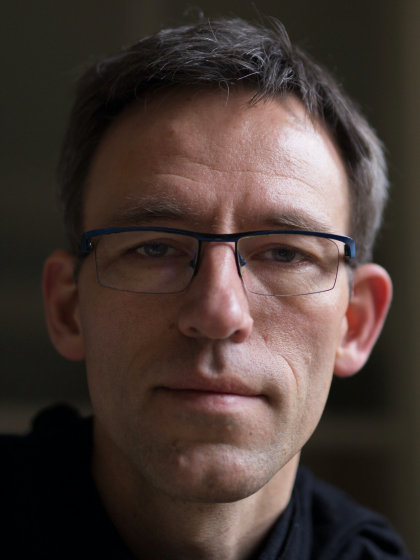
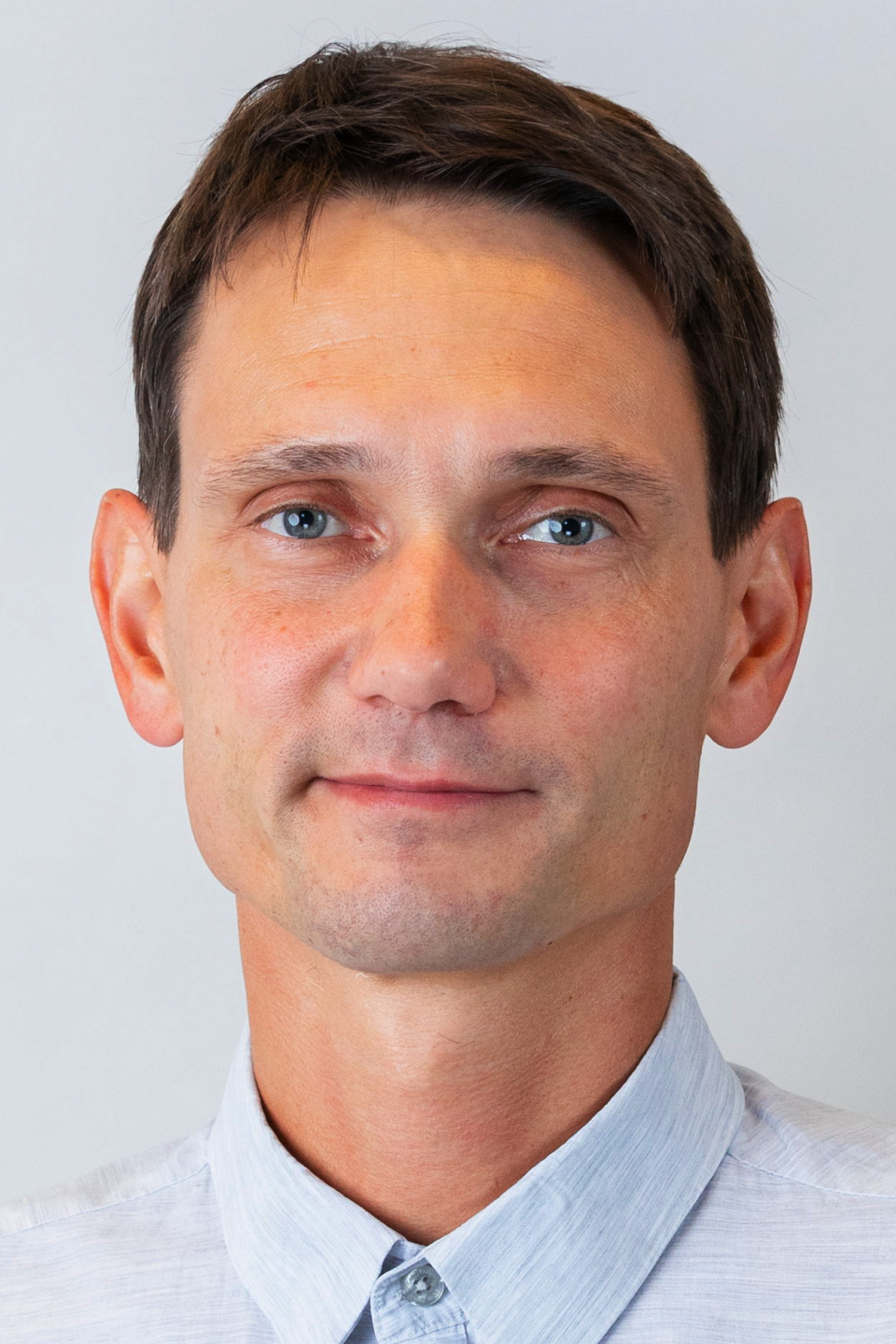
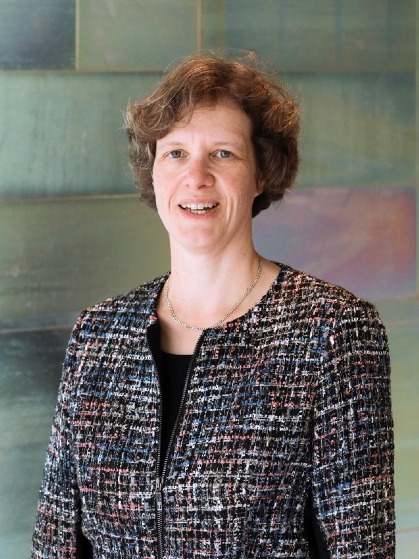
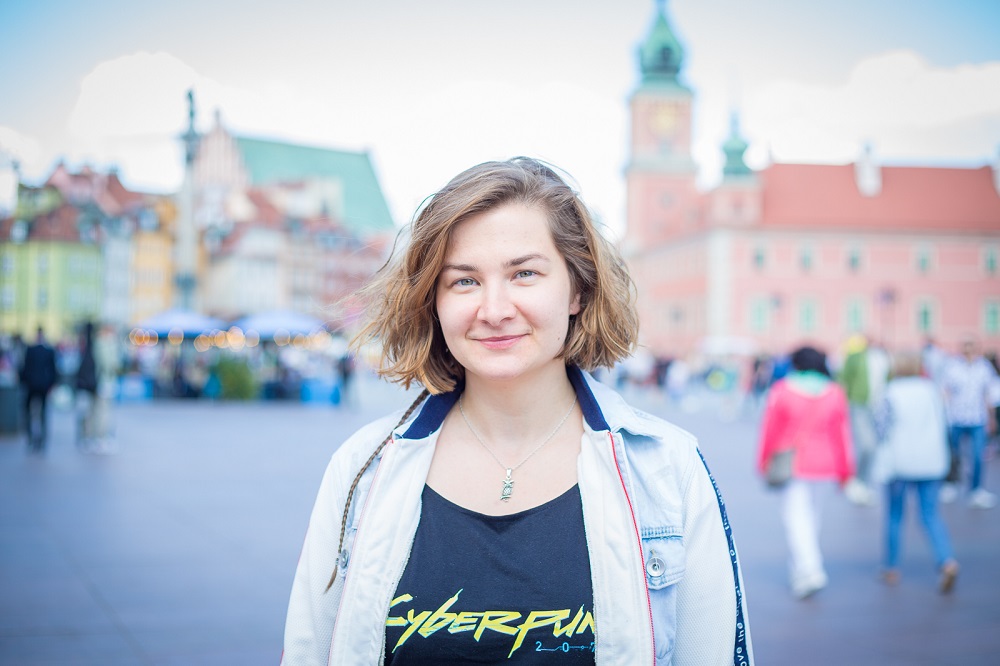
Prof. dr. Steven Hoekstra is an Associate Professor of Atomic and Molecular Physics at the University of Groningen's Faculty of Science and Engineering, within the Van Swinderen Institute. His research focuses on precision measurements using cold molecules to explore fundamental physics, including Stark deceleration, laser cooling, and searches for physics beyond the Standard Model. He leads the NL-eEDM program at Nikhef, investigating the electron's electric dipole moment. Hoekstra is also involved in educational innovation, having received the Teacher of the Year award (2020) and a Senior Teacher Qualification (2023). He has supervised over 11 PhD theses and currently mentors 5 students. His work combines experimental techniques with theoretical insights, addressing questions like symmetry violations and quantum dynamics. Key projects include manipulating BaF molecules with electrostatic fields and exploring levitated nanoparticles as sensors. Hoekstra has secured major grants, including NWO VICI (2022) and VIDI (2013), and collaborates internationally on projects like the European Strategy for particle physics. Recent articles highlight advancements in molecular beam control, spin-precession methods for EDM searches, and opportunities in radioactive molecules. He actively participates in the Physics Olympiad Netherlands as chair, contributing to science outreach and education.
Thomas Bäck is a Professor at the Leiden Institute of Advanced Computer Science (LIACS) , Leiden University , Netherlands, and a member of the interdisciplinary programme Society, Artificial Intelligence and Life Sciences (SAILS) . His academic career spans roles at Leiden University (1996–present) and leadership positions at the Center for Applied Systems Analysis in Dortmund (1994–2000). Education : Diplom-Informatiker (Computer Science), Technische Universität Dortmund (1990) Dr. rer. nat. (Computer Science), Technische Universität Dortmund (1994) Research Interests : Dr. Bäck specializes in evolutionary computation , machine learning , and their applications in sustainable smart industry and healthcare . Recent work focuses on integrating large language models (LLMs) and quantum computing into optimization frameworks, with projects like CIMPLO (predictive maintenance), ECOLE (experience-based optimization), and SAPPAO (airline operations optimization). Scientific Contributions : His 526+ publications cover evolutionary algorithms, quantum optimization, and LLM-driven design, with recent trends including: Quantum computing (e.g., quantum approximate optimization, quantum advantage challenges) LLM integration (e.g., hyperparameter tuning, mutation control, code evolution graphs) Healthcare and industry (e.g., predictive maintenance, anomaly detection, melt quality prediction) Algorithm benchmarking (e.g., IOHprofiler, MA-BBOB, explainable benchmarking) Scientific Awards : IEEE Fellow (2022) Royal Netherlands Academy of Arts and Sciences (KNAW) member (2021) Academia Europaea member (2022) IEEE Computational Intelligence Society Evolutionary Computation Pioneer Award (2015) Fellow, International Society of Genetic and Evolutionary Computation (2003) Best Ph.D. thesis award, German Society of Computer Science (GI) (1995) Advising and Grants : He supervises Ph.D. candidates in evolutionary computation and machine learning and has secured 7 major grants from organizations like the Dutch Research Council , European Commission , and The Research Council of Norway . His editorial roles include Editor-in-Chief of the Evolutionary Computation Journal and associate editorships in leading AI journals.
Andre Berger is an Associate Professor of Operations Research at Maastricht University, affiliated with the QE Operations Research department within the School of Business and Economics. He holds a PhD in Mathematics from Emory University (2006) and completed a postdoc at Technical University Berlin. His research focuses on optimization algorithms, combinatorial optimization, and their applications in scheduling, network design, and operations research. Notable contributions include work on the many-visits Traveling Salesman Problem and cluster editing algorithms. Berger’s recent publications span scheduling theory, MRI-based clinical research collaborations, and theoretical advancements in facility location models. He is based at Tongersestraat 53, Maastricht, and can be reached via a.berger@maastrichtuniversity.nl. Education: MSc in Mathematics, Emory University (2003) PhD in Mathematics, Emory University (2006) Research Interests: Berger’s work bridges theoretical computer science and practical applications in operations research, emphasizing algorithm design for complex optimization problems. Key areas include scheduling algorithms, network flow optimization, and geometric optimization challenges such as the Apollonius problem in facility location. His interdisciplinary approach integrates mathematical programming with real-world scenarios in telecommunications and healthcare.
Prof. Jack van der Vorst is the Personal Professor of AgriFood Supply Chain Logistics at Wageningen University's Operations Research and Logistics Group. Previously serving as a member of the Board of Directors of Wageningen University & Research (until 2024) and General Director of the Social Sciences Group, he leads over 1000 personnel across three institutes. His advisory roles include the Topteam AgriFood (Science Captain), Top consortium for Knowledge and Innovation (TKI), The Sustainability Consortium (TSC), and Florensis BV's Supervisory Board. With 20+ PhD supervisions and 200+ publications, his research focuses on innovative logistics concepts in AgriFood systems, including supply chain resilience, sustainability, and system innovation. His work integrates modeling frameworks with practical industry applications, emphasizing perishable products, horizontal collaboration, and environmental efficiency. Research interests span AgriFood System Design, Supply Chain Strategy, and Performance Management. His recent studies address challenges like postharvest loss reduction in developing countries, CO2 emission minimization in cold chains, and circular economy implementation in mushroom supply chains. Methodologically, he employs multi-criteria decision models, optimization techniques, and simulation to address complex logistics problems. Publications highlight themes such as horizontal collaboration success factors, vulnerability assessment frameworks, and green supply chain design. His work bridges academic rigor with industry needs, often collaborating with policymakers and international organizations to promote sustainable agri-food systems.
Professor Vedran Dunjko is a faculty member at the Leiden Institute of Advanced Computer Science (LIACS), Leiden University, with affiliations to the Leiden Institute of Physics (LION). He leads the Applied Quantum Algorithms group and co-founded the Quantum@LIACS initiative, focusing on the intersection of quantum computing, machine learning, and artificial intelligence. His research interests include quantum machine learning, quantum-enhanced reinforcement learning, quantum heuristics, and the application of AI to quantum computing challenges. Dunjko's work bridges theoretical foundations with experimental implementations on near-term quantum devices, exploring both quantum advantages in learning and the use of classical AI for quantum system design. The recent publications show a strong trend toward proving quantum advantages in learning tasks, optimization, and topological data analysis, with publications in Nature , Nature Communications , and NeurIPS . Key themes include quantum policy gradients, quantum TDA, and reinforcement learning for quantum circuit optimization. ERC Consolidator Grant (2024) PNAS Cozzarelli Prize (2018) Editor’s Suggestion in Physical Review Letters (2014, 2018) Featured in Physics (American Physical Society) (2014, 2018) Dunjko advises several PhD candidates and postdocs, including Rahul Bandyopadhyay, Sofiene Jerbi, and Lea Trenkwalder. He has received competitive grants, most notably the ERC Consolidator Grant in 2024. His group fosters international collaborations with institutions across Europe and industry partners. The Applied Quantum Algorithms group and the Quantum@LIACS team combine theoretical investigations with practical implementations on quantum hardware, focusing on scalable quantum algorithms and AI-driven quantum discovery.
Lieuwke Kranenburg is an Assistant Professor at the Faculty of Veterinary Medicine , Utrecht University , specializing in Equine Internal Medicine . She provides patient care at the University Equine Clinic and teaches Master's courses in equine digestion , infectious diseases , and skin problems . Research Focus: Equine internal medicine, digestive diseases, infectious pathogens, metabolic disorders Professional Certifications: EBVS® European Veterinary Specialist in Equine Internal Medicine International Collaboration: Trained Chinese veterinarians at Heilan Equestrian Centre Publications highlight her work on equine gastric disease management, diagnostic imaging, infectious disease epidemiology, and metabolic research. She contributes to equine clinical research through peer-reviewed journals and conference abstracts. Professional Involvement: Former board member of the Equine Medicine Group and current GGP representative for FEEVA, maintaining professional networks and advancing equine veterinary practice.
Prof. Iris F.A. Vis is a Professor of Industrial Engineering at the University of Groningen's Faculty of Economics and Business. She specializes in logistics and operations management, focusing on optimizing processes through quantitative and qualitative methods. Her work intersects logistics with sectors like healthcare, education, and energy. She leads major projects such as SMiLES (sustainable mobility-logistics integration) and designs logistics solutions for personalized learning systems in schools. She has advised over a dozen PhD students and collaborates with industry partners globally. Awards include Fellowship in the Netherlands Academy of Engineering. Education: M.Sc. Mathematics (Leiden University), PhD in Operations Management (Erasmus University Rotterdam) Roles: Captain of Science for Topsector Logistics, Member of multiple national advisory boards Research interests span sustainable transportation networks, port optimization, healthcare logistics, and educational logistics. Key projects include LNG supply chain design, offshore wind farm maintenance planning, and synchromodal transport networks. Over 45 peer-reviewed publications and 18 media engagements highlight her impactful contributions. Teaching includes courses on supply chain network design, technology-enabled innovation, and operations management at all academic levels. She advises on industrial partnerships and digital transformation initiatives in the Northern Netherlands region.
Anna Dawid-Lekowska is an Assistant Professor at the Leiden Institute of Advanced Computer Science (LIACS) and affiliated with the Leiden Institute of Physics (LION) at Leiden University, Netherlands. She leads a research group within the aQa group, focusing on the intersection of machine learning and quantum physics. Previously, she was a Research Fellow at the Center for Computational Quantum Physics, Flatiron Institute, New York. PhD in Physics and Photonics (joint, cotutelle), University of Warsaw & ICFO, Spain MSc in Quantum Chemistry, University of Warsaw BSc in Biotechnology, University of Warsaw Anna's research centers on interpretable machine learning for scientific discovery, particularly in quantum systems. She investigates how overparametrized models generalize, the role of loss landscape flatness, and double descent phenomena. Her work bridges deep learning with quantum simulations, aiming to detect quantum phase transitions and extract physical insights from trained models. She also explores ultracold molecules and novel quantum phases using simulation platforms. Her recent publications demonstrate a strong trend in applying machine learning to automate and interpret quantum experiments, such as detecting laser cooling schemes and understanding neural network initialization. The work emphasizes interpretability, aiming to make AI a transparent scientific tool rather than a black box. Anna has received significant recognition, including: 2022 FNP START laureate Participant in the 2024 Lindau Nobel Laureate Meeting She is actively mentoring and expanding her group, currently recruiting PhD students and postdoctoral researchers. Her work is supported by institutional affiliations with leading research centers and collaborations across Europe and the US. Anna also engages in science communication and education, having lectured at the Nordita Winter School on Machine Learning and Physics. She is involved in the aQa research group, which focuses on quantum algorithms and AI, fostering interdisciplinary collaboration between computer science and physics. Her lab integrates theoretical modeling, algorithm development, and applications to quantum experiments.
Michel Mandjes is a Professor at the University of Amsterdam's Faculty of Science and holds a Visiting Professor position at the Faculty of Economics and Business (FEB). His research focuses on stochastic processes, queueing theory, and probability theory, with applications in risk modeling, network analysis, and operations research. Recent publications highlight his contributions to multivariate Hawkes processes , Lévy-driven systems , and dynamic random graphs , emphasizing large deviations, rare event simulation, and statistical inference. His work bridges theoretical probability with practical challenges in traffic flow, financial risk, and social network modeling. The trends in his research include the development of stochastic models for network stability, appointment scheduling optimization, and inference techniques for non-stationary processes. His methodological innovations often leverage advanced probability theory and queueing frameworks to address real-world problems in transportation, healthcare, and finance.
Alexander Skopalik is an Assistant Professor in the Mathematics of Operations Research department, specializing in Game Theory, Congestion Games, and Algorithmic Game Theory. His work explores Strategic Resource Allocation, Equilibrium Analysis, and Network Games, with significant contributions to multi-agent systems and facility location optimization. Key research areas: Congestion Games Facility Location Nash Equilibrium Strategic Resource Allocation Algorithmic Game Theory His recent publications focus on equilibrium dynamics in facility location, battery charging games, and strategic resource allocation, emphasizing the interplay between theoretical guarantees and practical applications in AI and mobility systems. He actively participates as a committee member in leading conferences such as IJCAI and AAMAS.
Prof. Hans Peters is Professor Emeritus of Mathematical Economics at Maastricht University's School of Business and Economics, and Honorar Professor at Rheinisch-Westfälische Technische Hochschule (RWTH) Aachen. His primary research focuses on game theory and social choice theory, with notable contributions to mechanism design, cooperative game theory, and axiomatic analysis. He served as President of the Society for Social Choice and Welfare (SSCW) from 2018-2020, and holds fellowships from the Society for the Advancement of Economic Theory (SAET) and the Game Theory Society (GTS). He is an advisory editor for Social Choice and Welfare , Games and Economic Behavior , and Mathematical Social Sciences , and leads the Springer Theory and Decision Library Series C . His recent work explores division problems with single-dipped preferences, core games, and strategic-proof rules in multidimensional domains. Key contributions include foundational studies on nucleolus computation, network power indices, and sequential claim mechanisms. His research bridges theoretical economics with practical applications in operations research and social choice, emphasizing axiomatic rigor and real-world relevance.
Myriam M.A.H. Cloodt serves as an Associate Professor of Open Innovation and Entrepreneurship at the Department of Innovation, Technology Entrepreneurship & Marketing (ITEM) within the School of Industrial Engineering at Eindhoven University of Technology (TU/e). She is also affiliated with EAISI High Tech Systems as a University Researcher. Her academic career spans over two decades, with a continuous focus on understanding innovation processes in complex business environments. Dr. Cloodt earned her MSc in Business Economics from Maastricht University in 1997. After working as a lecturer for two years, she began her PhD research at the Department of Organization & Strategy, completing her dissertation at METEOR (Maastricht University) on measuring innovative performance of high-tech companies after mergers and acquisitions. She joined Eindhoven University of Technology in July 2004 as a researcher at the School of Technology Management, becoming Assistant Professor in June 2006, and was promoted to Associate Professor of Open Innovation and Entrepreneurship in August 2017. Her research focuses on open innovation, corporate entrepreneurship, and strategic management, with particular interest in corporate venturing, strategic technology alliances, mergers and acquisitions, network analysis, and value constellations within innovation ecosystems. Dr. Cloodt's work bridges academic theory and practical application, as evidenced by her participation in industry projects for companies and innovation ecosystems like the High Tech Campus Eindhoven. Her publications span prestigious journals including Research Policy, Journal of Product Innovation Management, and Technological Forecasting and Social Change, as well as book chapters for Oxford University Press. Analysis of her recent publications reveals a strong trajectory toward circular economy applications, particularly in plastics innovation, alongside continued work on innovation ecosystems, science parks, and military innovation contexts. Her research demonstrates methodological diversity, employing network analysis, case studies, and stated choice experiments to investigate complex innovation phenomena across different sectors and organizational contexts. Best Paper Award - Mature PhD Student at the ESU European University Network on Entrepreneurship Conference (2021) Dr. Cloodt actively supervises graduate students and has contributed to numerous research projects, including C-PlaNeT (Circular Plastics Network for training), SEE-V-Lab, and the Brabant Center of Entrepreneurship. Her professional engagements extend to developing publications for organizations such as Adviesraad voor het Wetenschaps- en Technologiebeleid (AWT) and Het Financieele Dagblad. In teaching, she contributes to the BSc program in Industrial Engineering & Management Science, the MSc program in Innovation Management, and the Certificate program in Technology Entrepreneurship & Management. Her work aligns with UN Sustainable Development Goals, particularly through contributions to circular economy research and sustainable innovation practices. Dr. Cloodt maintains active collaborations with industry partners and participates in significant academic conferences including the Annual World Open Innovation Conference where she serves on program committees.
Eduardo Lalla-Ruiz is an Associate Professor in Logistics and Operations Research at the Department of High Tech Business and Entrepreneurship (HBE) at the University of Twente, Netherlands. He serves as educational director for the Industrial Engineering and Management (IEM) bachelor and master programmes. His academic journey includes degrees from the University of La Laguna (Spain): BSc in Industrial Engineering, MSc in Industrial Automation Engineering, MSc in Computer Science & AI, and a PhD with extraordinary distinction. Previously, he worked as a researcher and lecturer at the University of Hamburg’s Institute of Information Systems, where he became an Alexander von Humboldt Foundation Fellow. His research focuses on logistics optimization, mathematical programming, AI applications, and metaheuristics for scheduling and allocation problems. He has published widely, reviewed for journals, and organized academic sessions globally. Awards include his doctoral distinction and Humboldt Fellowship. He actively contributes to interdisciplinary projects at the Digital Society Institute. No specific labs/teams are explicitly mentioned in the provided text.
Remco M. Dijkman serves as Full Professor in Information Systems at Eindhoven University of Technology (TU/e), chairing the Information Systems group within the Industrial Engineering and Innovation Sciences school. He additionally holds a Full Professor position at EAISI High Tech Systems and acts as research director for high-tech supply chains at the European Supply Chain Forum—a network of over 50 multinational companies. His research centers on Business Process Management with emphasis on data-driven optimization of business processes. His academic background includes both PhD and Master's degrees in Computer Science from the University of Twente. Publications span Information Systems, Computers in Industry, and Transactions on Software Engineering and Methodology, with over 100 papers and service on the editorial board of Information Systems. He has held visiting positions at New York University, Hasso Plattner Institute, IBM Zurich Research Lab, Humboldt-University Berlin, and Queensland University of Technology. Dijkman's research interests focus on detecting, diagnosing, and predicting optimal execution scenarios in business processes, developing mathematical models for quantitative process analysis , and resource assignment optimization . These are primarily applied in transportation logistics and high-tech supply chains, where he investigates data-driven predictions for transport order assignment and supply chain planning. His work bridges artificial intelligence with practical business applications. Recent publications (2024-2025) reveal concentrated efforts in deep reinforcement learning for resource allocation, process pattern discovery, and software library development (GymPN, SimPN). Key trends include predictive process monitoring for healthcare applications, event data enrichment frameworks, and uncertainty handling in logistics planning—demonstrating strong interdisciplinary integration. Scientific recognition includes: Best Demo Award (2019) Best Reviewer Award (2016) Test of Time Award (2019) He has supervised 150 students, including Lotte Vugs who received the Dow Chemical Best OML Master Thesis Award in 2020. Grant leadership spans eight projects: NXTGEN Smart Industry (2023-2030), CollChain (2023-2029), CERTIF-AI (2020-2025), FENIX (2019-2023), and DynaPlex (2021-2024), focusing on digital twins, federated networks, and AI-driven supply chain solutions. Dijkman directs the Information Systems group at TU/e and leads the European Supply Chain Forum's high-tech supply chain research. His work integrates with semiconductor manufacturing and transportation logistics through collaborations with industry partners, while his 2023 invited talks at Technical University of Munich and Humboldt University Berlin highlight his international engagement.
Noela Müller is an Assistant Professor in the Mathematics and Computer Science school at Eindhoven University of Technology . Her research focuses on Probability Theory , Random Matrices , and Random Graphs , with significant contributions to understanding the rank of sparse matrices and clique factors in probabilistic settings. Research Outputs : Published 22 works including journal articles and preprints. Collaborations : Active in international networks, particularly in sparse matrix analysis and probabilistic combinatorics. Her recent work explores sparse pooled data algorithms , random 2-SAT models , and sharp thresholds in random graphs , showcasing interdisciplinary applications in computer science, mathematics, and theoretical physics.