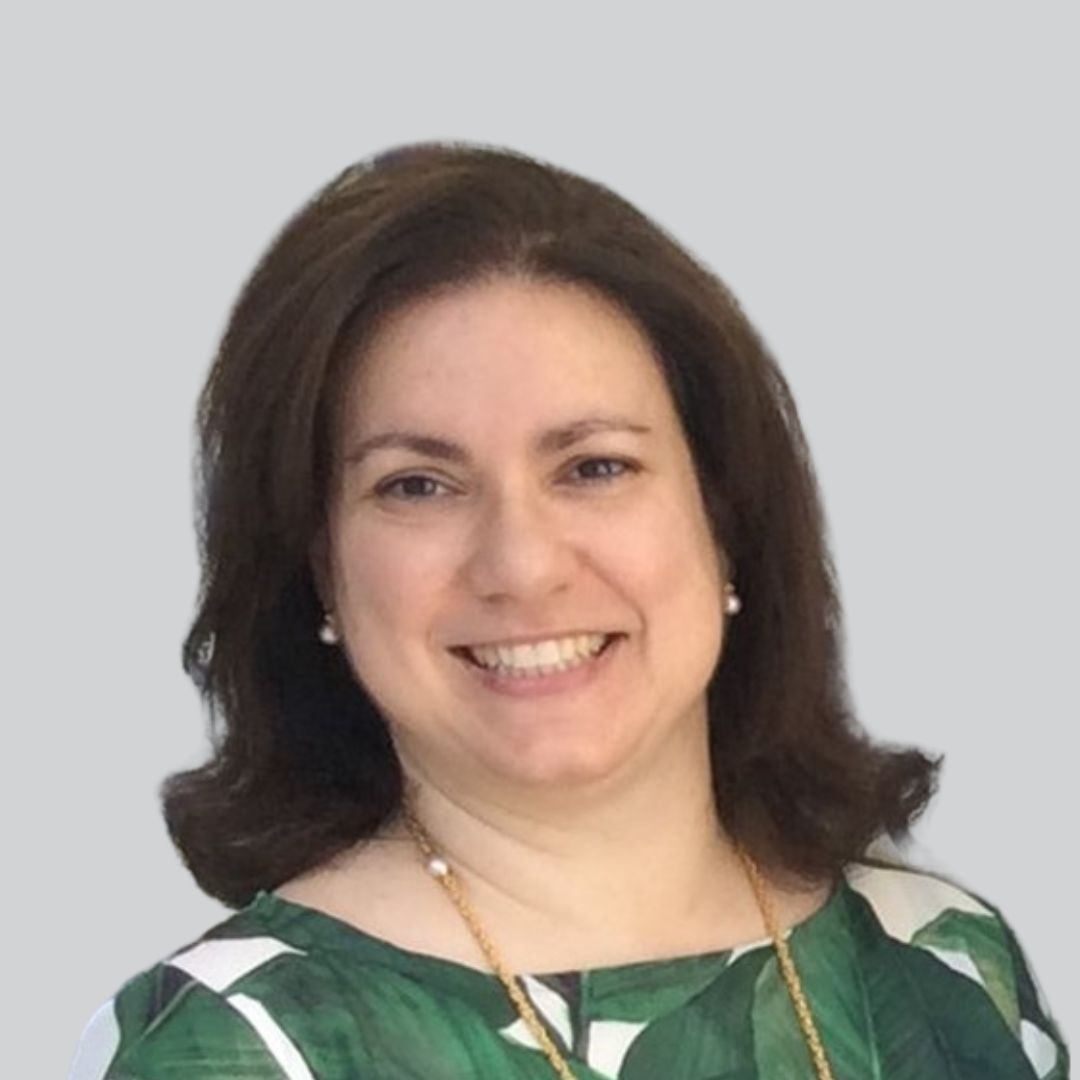
Carla Curado is an Associate Professor with Habilitation in Organizational Behavior and Human Resource Management at ISEG – Lisbon School of Economics and Management, University of Lisbon. She serves as a founding researcher at the ADVANCE research center and holds leadership roles including Master's Program Coordinator for Human Resource Management and Business Sciences. She represents the University of Lisbon at the International Organization for Standardization and is an Associate Editor for the Journal of Organizational Effectiveness: People and Performance . Her research explores: Knowledge Management in healthcare, SMEs, and NGOs Digital leadership and workplace happiness HRM's role in innovation and sustainability Mixed-method approaches to organizational analysis Recent publications (2023-2025) emphasize digital transformation, healthcare efficiency, and methodological innovations in operations management. Key trends include configurational analysis of leadership and knowledge behaviors in hybrid work environments. Awards: Stanford's Top 2% World Scientist (2021, 2022, 2023) She supervises 65+ Master's students with theses on: Knowledge sharing mechanisms Leadership/organizational commitment Healthcare workplace dynamics Sustainability in HR practices At ADVANCE Research Center, she contributes to teams studying management innovation and organizational resilience, with active participation in EU research consortia.
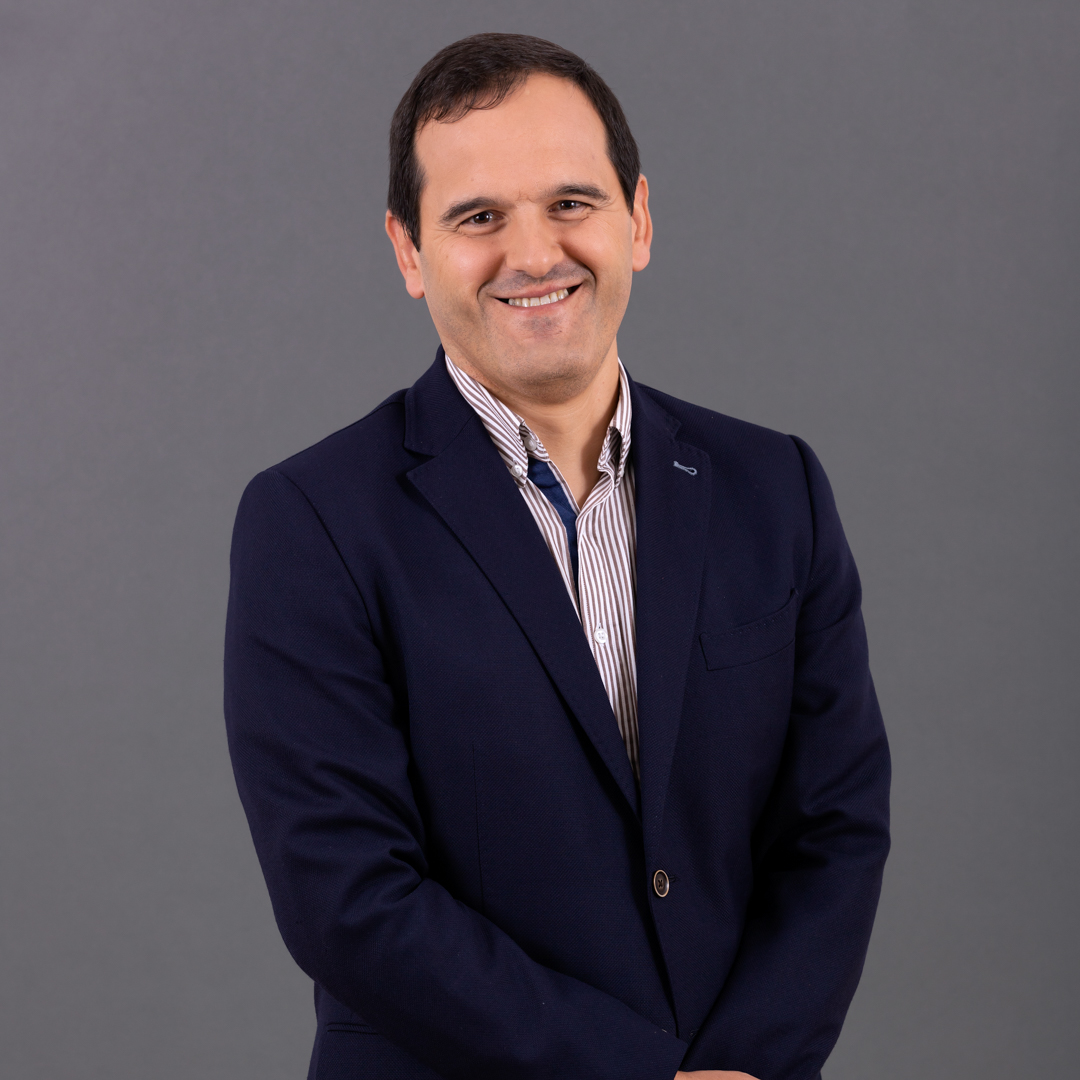
Manuel Francisco Magalhães Cabugueira is a researcher at Universidade Lusófona, with a PhD in Economics and a Master’s in Environmental Policy. His work spans Environmental Economics, Competition Law, and Regulatory Policy, focusing on voluntary agreements, gold-plating analysis, and AI-driven regulation. He has contributed to policy evaluation, econometrics, and public utility regulation. His research includes studies on Gold-plating in EU directive transposition Artificial Intelligence for regulatory optimization Competition dynamics in water and waste markets Bargaining theory in negotiated environmental agreements He has supervised multiple Master’s theses and authored books, journal articles, and conference papers. His affiliations include Lisbon and Porto campuses of Universidade Lusófona, with contact via email at mca***@ulusofona.pt.
Rui Manuel Teixeira Santos Dias is a Postdoctoral Fellow in Finance at the State University of Feira de Santana (Brazil) , affiliated with the Department of Exact Sciences. His work bridges finance, econophysics, and sustainability, focusing on market efficiency, cryptocurrency dynamics, clean energy investments, and commodity market interdependencies. Education : PhD in Management (University of Évora, Portugal), DEA in Financial Economics (University of Extremadura, Spain) Research Themes : Cryptocurrency markets, sustainable finance, portfolio optimization, oil-currency nexus, and behavioral finance His recent articles analyze multifractal efficiency in green investing, cross-market contagion, and the role of precious metals as safe havens in clean energy portfolios. Publications span journals like Fractals , PLOS ONE , and Energy Procedia , with a strong emphasis on quantitative and econophysics approaches. No explicit scientific awards are mentioned in the provided data.
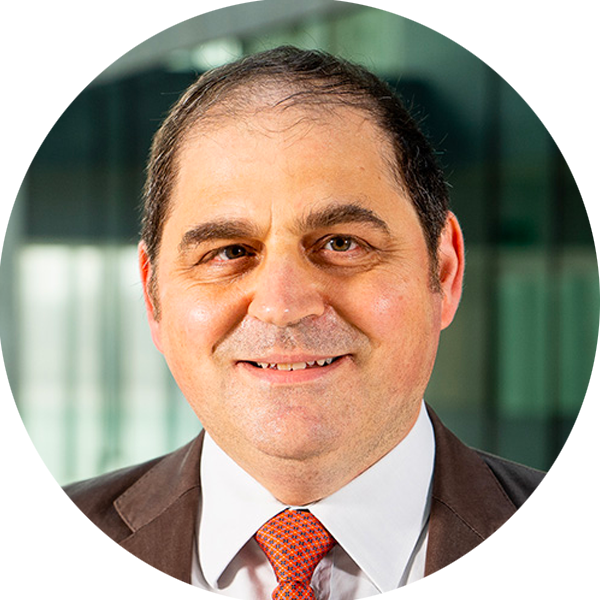
Nuno Fernandes Crespo is an Associate Professor at the Department of Strategic Management and Marketing, Lisbon School of Economics & Management (ISEG), University of Lisbon. He holds a PhD in Management (2013), a Master's in Management and Industrial Strategy (2004), and a Bachelor's in Management (1999) from ISEG. His research focuses on International Business, Entrepreneurship, and Strategic Agility in international new ventures (INVs), particularly during crises. He has published extensively in journals like International Business Review , Journal of International Management , and Technological Forecasting & Social Change . His 15 most recent works (2023–2025) explore themes including: Business model innovation during crises Supplier-country image effects in B2B marketing Sustainable entrepreneurship in family firms Digitalization and early internationalization strategies Country-of-origin stereotypes in industrial marketing Dynamic capabilities in INVs He supervises Master's students in topics spanning internationalization, digital transformation, family business strategy, and innovation. Professional roles include coordinating the Master's in Management and Industrial Strategy (2016–2022), serving on ISEG’s Executive Commission, and leading the Doctoral Program in Management (2018–2022). His methodology integrates empirical research, mixed methods, and configurational approaches.
Mara Teresa da Silva Madaleno is an Associate Professor with Habilitation at the University of Aveiro (UA), Department of Economics, Management, Industrial Engineering and Tourism (DEGEIT). She holds a Ph.D. in Economics from UA (2011) and currently coordinates the Research Unit on Governance, Competitiveness and Public Policies (GOVCOPP). Her roles include lecturing in Finance and Economics at undergraduate, MSc, and PhD levels, and serving as vice-director of the Master in Data Science for Social Sciences. Her research focuses on Financial Economics, Energy and Environmental Economics, and Behavioral Finance. She has co-authored numerous peer-reviewed articles in journals such as Renewable and Sustainable Energy Reviews, Environment, Development and Sustainability, and Energy Economics. She actively contributes to initiatives like APEEN’s Fiscal Council and is a member of the Portuguese Economists Order (OE), representing the university and Aveiro district. Her work bridges academic research with policy, emphasizing sustainable development, energy transition, and financial inclusion.
André M. Carvalho is an Assistant Professor of Quality Engineering and Management at the NOVA School of Science and Technology, NOVA University Lisbon, Portugal. He holds a PhD (2020) in Engineering Design and Advanced Manufacturing from the University of Minho/MIT Portugal Program. His career includes postdoctoral research at the Technical University of Denmark (2020) and visiting roles at MIT (2018–2020) and Northeastern University (2019). His research focuses on sociotechnical systems, quality management, organizational culture, agility, and sustainability. He explores how organizations adapt to global challenges through methodologies like Lean Six Sigma and Industry 4.0 frameworks. Education: PhD in Engineering Design and Advanced Manufacturing (2020) – University of Minho/MIT Portugal Program Research Interests: Carvalho’s work bridges quality management with organizational agility, emphasizing digital transformation, Industry 4.0/5.0, and sustainable practices. He investigates frameworks for operational excellence, such as the Quality 4.0 Roadmap and the QOE-SME model for small/medium enterprises. His studies address challenges like supply chain quality, data-driven decision-making, and organizational culture’s role in innovation. Article Trends: His recent publications (2022–2025) highlight themes like Lean Six Sigma applications in healthcare, AI-driven quality forecasting, and Industry 4.0 integration. He also explores ESG factors in performance optimization and the evolving profile of quality leaders in the digital era. Awards and Recognition: Acknowledged by the Industrial Engineering and Operations Management (IEOM) Society, International Academy for Quality (IAQ), and American Society for Quality (ASQ) for research contributions. Grants and Advising: While specific grants are not detailed, his postdoctoral and visiting roles suggest institutional support. Advising focuses on doctoral/master’s students (not listed explicitly in the text).
Nuno Pereira Lopes is an Associate Professor at Instituto Superior Técnico , part of Universidade de Lisboa , and a researcher at INESC-ID . He also serves as an advisor at FuriosaAI , focusing on tensor contraction processors for AI workloads. Research Interests : Compilers, formal verification of LLVM optimizations, machine learning frameworks, undefined behavior exploitation, probabilistic model checking, blockchain security, and many-core code generation. Teaching : Compilers and Computer/Informatics Engineering projects. Funding : Supported by Google, Matter Labs, NLnet, Oracle, PRACE, RNCA, and Woven by Toyota. Recent Publications focus on LLVM backend validation , PyTorch pipeline parallelism , C++ dynamic cast optimization , undefined behavior in C/C++ , and AI tensor processors . His work bridges compiler design, formal methods, and AI hardware. Academic Service includes representing Portugal in ISO/IEC JTC 1/SC 22 (C++), organizing FLoC'26 , and serving on program committees for PLDI, EuroLLVM, and CGO.
Claudio Tebaldi is an Associate Professor at Università Bocconi , specializing in financial economics and quantitative methods. He serves as Managing Editor of Quantitative Finance and has collaborated with institutions including UCLA, NYU, the Federal Reserve Board, and ECB. Education : Ph.D. in Statistical Mechanics from SISSA; Master in Economics and Finance from Venice International University His research spans financial economics (asset/derivative pricing, risk management) and mathematical/physical sciences (complexity theory, collective phenomena). He employs advanced statistical methods like machine learning and big data analysis to develop decision rules for uncertain environments. Key publication themes include computational finance (2025), pension economics (2024), network-based financial contagion (2024), and optimal trading algorithms (2024). Earlier works focus on econometric theory (2023) and risk measurement frameworks (2022). Scientific Recognition : Excellence in Research Award (2023), Best Paper in Derivatives (NFA 2019), Best Paper (Swiss Econometrics and Finance Society meeting 2007)
João Miguel Lobo Fernandes is a Full Professor at the Department of Informatics, School of Engineering, University of Minho. He holds a 5-year degree in Informatics Engineering (1991), a Master's in Informatics (1994), and a Ph.D. in Informatics/Computer Engineering (2000) from Universidade do Minho, with a thesis on An object-oriented methodology for embedded systems development . Research interests: Software Modeling, Requirements Engineering, Embedded Software, Software Process, Bibliometrics International collaborations: University of Bristol, Turku Centre for Computer Science (Finland), Aarhus University (Denmark), Universidade Federal de Santa Catarina (Brazil), and others Key projects: iFlow and DIABO logistics platforms (awarded by APLOG) His 160+ peer-reviewed publications focus on software methodologies, embedded systems, and industry collaborations. Recent work includes applications of machine learning in automotive software, feature modeling, and remote work impact studies. He serves on editorial boards for Journal of Information Technology Research and Open Computer Science . 2016 & 2022 Logistics Excellence Awards (APLOG) Organized international events: ACSD, DIPES, GTTSE, PETRI NETS, ICSOB, MOMPES As an academic leader, he directed the 5-year Systems and Informatics Engineering degree (2004-06), Master's in Informatics Engineering (2011-12), and served on Scientific Council of the School of Engineering (2013-16).
Pedro Duarte Silva is an Associate Professor at Católica Porto Business School, Universidade Católica Portuguesa. His research focuses on statistical methods for distributional and interval data, developing parametric models and classification techniques. Recent work includes developing the MAINT.Data R package for interval data analysis and investigating outlier detection methodologies. As part of the Research Center in Management and Economics (CEGE), he contributes to methodological advances in data analysis with applications to management science. Current projects examine optimization approaches for classification problems and symbolic data analysis for official statistics.
Rui Vinhas da Silva is a Full Professor at ISCTE-IUL and an Associate Professor at the University of Manchester Business School. With a career spanning over two decades, he has contributed extensively to research in national competitiveness, corporate reputation, and sustainable business practices through publications, books, and executive training programs. Education: PhD and Postdoctoral Fellow at the University of Manchester; MBA and Master of Economics from UK and Canada Research Focus: National competitiveness, sustainability in business, marketing strategy, and organizational behavior His recent articles explore topics like AI's role in society, caravan tourism regeneration, and sustainable business models. He has received teaching accolades at ISCTE and leads research initiatives in European networks like COST-CHERN. Silva's work bridges academic rigor with practical applications in consulting and executive education.
Fernando Manuel da Silva Nogueira is an Associate Professor at the Department of Physics, Faculty of Sciences and Technology, University of Coimbra. He holds a PhD in Theoretical Physics from the same institution (1999) and has been a faculty member since 1990. His research focuses on materials discovery using ab-initio methods , computational physics, and development of scientific software tools like Octopus and APE . He leads the Condensed Matter Physics group at CFisUC (Centro de Física da Universidade de Coimbra) and has been Director of the Portuguese Physics Olympiad (2007-2018). Education: PhD in Theoretical Physics (1999), University of Coimbra MSc in Theoretical Physics (1993), University of Coimbra BSc in Physics (1990), University of Coimbra Research interests include computational materials science , nonlinear optics , density functional theory , and electronic structure calculations . He has authored 40+ peer-reviewed articles, 3 books, and directed over 25 research projects. His work spans topics like carbon nanotube properties, firefly bioluminescence mechanisms, and high-throughput materials discovery. He has organized 25+ conferences, advised 3 PhD students and 17 MSc students, and contributed extensively to open-source computational physics software. His ORCID is 0000-0003-3125-3660 .
Claudia Allemani is Professor of Global Public Health at the London School of Hygiene & Tropical Medicine (LSHTM), where she leads the Cancer Survival Group within the Department of Non-Communicable Disease Epidemiology in the Faculty of Epidemiology and Population Health. With over 20 years of experience in cancer epidemiology, she serves as co-Principal Investigator for the global CONCORD cancer surveillance program and Principal Investigator for the ERC-funded VENUSCANCER project studying worldwide inequalities in cancer survival. Her educational background spans applied mathematics to public health, with degrees including an MSc in Mathematics from the University of Turin (1996), MSc in Statistical and Informatic Methods from the University of Milan (1998), a PhD equivalent in Medical Statistics (2001), and a PhD in Public Health and Education (2006), all from Italian institutions. Professor Allemani's research focuses on international comparisons of cancer survival trends, high-resolution studies on patterns of care, and estimation of avoidable premature deaths with direct impact on cancer policy. Her work encompasses multiple cancer types across more than 70 countries, examining how healthcare systems, socioeconomic factors, and policy interventions affect cancer outcomes globally. She has pioneered methodologies for population-based cancer survival analysis that have become standard in the field. Her extensive publication record demonstrates consistent focus on global cancer surveillance, with particular attention to breast, cervical, and ovarian cancers, as well as pediatric malignancies. The research shows clear evolution from European-focused studies (EUROCARE) to truly global population-based analyses (CONCORD), reflecting growing recognition of cancer as a worldwide health challenge requiring international comparative approaches. Fellow of the Higher Education Academy (2012) Honorary Member of the UK Faculty of Public Health (2014) UK Faculty of Public Health's inaugural Global Public Health Award (2016) European Research Council Consolidator grant recipient (2017) Member of The Lancet Oncology International Advisory Board (2021-2024) Co-Chair of the CONCORD-Lancet Global Commission on Cancer Professor Allemani actively supervises PhD students and teaches across multiple MSc programs at LSHTM, particularly in epidemiology and medical statistics. Her grant portfolio includes major funding from the European Research Council, Cancer Research UK, CDC, WHO, and other international bodies supporting the CONCORD program's expansion to include 22 adult cancers and all childhood cancers diagnosed from 2000-2019 across 70+ countries. She leads a dedicated team of five researchers in the Cancer Survival Group, collaborating with major international health organizations including the Organisation for Economic Co-operation and Development, US Centers for Disease Control and Prevention, Institute for Health Metrics and Evaluation, WHO, International Atomic Energy Agency, and numerous national cancer institutes to translate survival data into actionable cancer control policies worldwide.
Associate Professor with Habilitation at the School of Engineering, University of Minho , where he also serves as a Senior Researcher at Centro ALGORITMI. Member of both the IEM R&D Group and LPSL R&D Lab. Education: Degree in Production Engineering (1989) - University of Minho MSc in Computer Integrated Manufacturing (1992) - Loughborough University Ph.D. in Scheduling and Process Planning Integration (1997) - University of Nottingham His research spans Lean Approaches across diverse environments including industry, healthcare, construction, offices, and education. Key focus areas include pull flow methods for complex production environments, stable continuous improvement systems , and the integration of Scrum methodology in educational settings. Recent publications show a clear trend toward applying lean principles in retail logistics, healthcare operations, and sustainability frameworks, with increasing emphasis on performance measurement systems and Science-Based Targets. He has authored the book "Continuous Improvement in Organizations" and published over 100 scientific articles with an h-index of 17 and 1131 citations. His current projects include "HOMLean - Hospital Operations Management" and a Smart Retail initiative with Sonae company funded by PRR program. He actively applies his expertise through project-based learning approaches in engineering education, having documented over ten years of experience with PBL at the University of Minho. His work bridges academic research with practical industry applications, particularly in lean manufacturing implementation across various sectors.
Sungsoo Ahn is an Assistant Professor at the Graduate School of AI, KAIST, where he leads the Structured and Probabilistic Machine Learning (SPML) Lab. His research focuses on developing machine learning algorithms for molecular science, particularly in drug discovery, material design, and generative modeling. He directs a team of 13 researchers (including 2 post-docs and 11 students) and maintains collaborations with institutions like Mila and industry partners. His core research integrates probabilistic machine learning , generative models , and AI for science , with applications spanning molecular dynamics simulation, language model reasoning, combinatorial optimization, and graph neural networks. Key methodologies include flow matching, diffusion models, GFlowNets, and equivariant neural networks applied to chemical and biological domains. Recent publications (2023–2025) demonstrate strong emphases on: (1) Molecular generation/optimization for drug design, (2) Enhancing reliability and reasoning in large language models, (3) Graph-based machine learning for scientific discovery, and (4) Efficient training paradigms for generative samplers. These appear predominantly in NeurIPS, ICML, ICLR, and ACL. He advises multiple PhD/master's students and post-doctoral researchers in the SPML Lab. Current research directions include torsion-aware molecular generation, causal AI safety, neural operators for quantum chemistry, and multi-agent systems for molecular optimization.