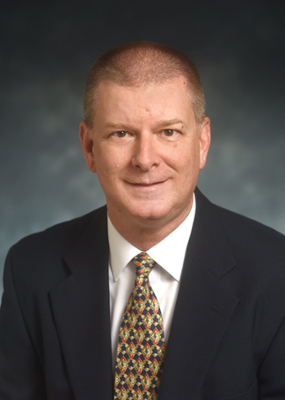
Nam Ha Van is a Visiting Faculty member at Soongsil University's Department of Electrical Engineering and Automation. Active in wireless power transfer (WPT) research, they have published extensively on coil dynamics, frequency optimization, and industrial/medical applications of WPT systems. Doctoral degree in Engineering and Technology from Soongsil University (Feb 2019) Their research focuses on Wireless Power Transfer through biological tissues and industrial environments, Antenna Engineering for biomedical applications, and Optimal Frequency Analysis in electromagnetic systems. Recent work explores microwave-optical hybrid components for capsule endoscopy and planar coil configurations for robotic charging. From 2021-2025, Van's 17 research outputs include 12 peer-reviewed articles and 5 conference proceedings. Key trends involve industrial WPT systems (automotive robotics, multi-receiver architectures) and biomedical WPT (capsule endoscopy, tissue frequency optimization). Technical areas span MHz frequency operation , coil dynamic theory , and parasitic capacitance mitigation .
Christian Wahl-Schott is a Professor at the Ludwig Maximilian University of Munich , leading the Cardiovascular Physiology and Pathophysiology group at the Biomedical Center Munich. His research spans ion channel mechanisms in cardiac, neurological, and metabolic diseases. Focus on HCN channels in cardiac pacemaking and autonomic regulation Endo-lysosomal ion channels in cholesterol homeostasis and viral pathogenesis Neural rhythms and epilepsy mechanisms Developed endo-lysosomal patch clamp and high-speed optical mapping Recent work explores the role of TPC2 and TRPML channels in Ebola virus entry and cardiac arrhythmia . Funded by the DFG and CRC 870 , his lab combines electrophysiology , optogenetics , and human organoid models . Key publications include: 2024: HCN4 channel regulation in sinoatrial node 2023: E-selectin and neutrophil inflammasome activation 2021: Heart-forming organoids for developmental studies 2020: cAMP-dependent pacemaker entrainment 2015: TPC channels as Ebola drug targets The lab maintains collaborations with institutions like the German Research Foundation and DZHK , and has developed Nature Protocols -cited methodologies in FRET microscopy and endo-lysosomal patch clamping .
Daniele Guido Allegri is a Professor at the University of Applied Sciences and Arts of Southern Switzerland (SUPSI), affiliated with the Department of Innovative Technologies (DTI) and the Institute of Systems and Applied Electronics (ISEA). He became a professor in 2021 and serves as the director of ISEA since August 2023. His roles include leading the "Digital Electronics, Microelectronics, and Bioelectronics" scientific area since 2019. Allegri's research spans biomedical electronics, microelectronics, and embedded systems. Key projects include the development of radiation-hardened PLL ASICs (Cadagno, Quarnei), a Cardio Pulmonary Rescue Support System, and signal processing solutions for myopathy diagnosis and renal dialysis monitoring. He teaches courses on machine learning, analog/digital electronics, and embedded systems design. His publications focus on CMOS multifrequency impedance analyzers for biomedical applications (2018), real-time hydration monitoring via bioimpedance (2016-2017), and the European Solar Telescope (2021), which integrates advanced technologies for solar physics. These works reflect interdisciplinary expertise in circuit design, medical devices, and astrophysical instrumentation. Allegri's current affiliations include the Department of Innovative Technologies and ISEA at SUPSI. He has worked extensively on integrated circuits for biomedical applications, signal processing, and radiation-hardened electronics for space systems.
Ingrid Moerman is a part-time Professor at Ghent University and a staff member at the Internet Technology and Data Science Lab (IDLab), a core research group of imec embedded within Ghent University and the University of Antwerp. She coordinates mobile and wireless networking research and leads a team of over 30 researchers at Ghent University, with extensive involvement in European and national funding initiatives. She received her Electrical Engineering degree (1987) and Ph.D. (1992) from Ghent University. Her research spans collaborative networks, cognitive radio, software-defined radio, IoT, LPWAN, and high-density wireless access, emphasizing experimentally-supported development of next-generation wireless systems with practical implementations in spectrum management and real-time control. Recent publications (2024-2025) reveal a strong pivot toward AI-integrated wireless networking, featuring OFDMA scheduling innovations, Wi-Fi 6/7 interference mitigation, and time-sensitive networking for industrial applications. Key trends include 5G/6G convergence, vehicular communication enhancements, and digital twin frameworks for network observability, reflecting her focus on mission-critical industrial use cases. Her accolades include: 9 Best Paper Awards 2 FWO Prizes (Research Foundation - Flanders) IMEC Prize of Excellence 2001 MSc Thesis Award (as promoter) Best Demo/Exhibit Award at ICT 2013 DARPA Spectrum Collaboration Challenge Prize ($750,000) She has coordinated major EU projects (FP7/H2020: CREW, WiSHFUL, eWINE, ORCA) with industry partners, securing substantial funding for experimental wireless research. Her grant portfolio emphasizes collaborative innovation in spectrum sharing and neutral-host architectures for multi-operator environments. At IDLab, she directs advanced wireless testbeds supporting real-world validation of technologies like openwifi and White Rabbit, with active experimentation in time-sensitive networking and spectrum collaboration for industrial IoT deployments.
Nashid Shahriar is an Assistant Professor in the Department of Computer Science at the University of Regina, Faculty of Science. His research addresses resource allocation challenges in next-generation networks including 5G, elastic optical networks, cloud infrastructures, and IoT systems. He holds a Ph.D. in Computer Science from the University of Waterloo, an M.Sc. from Bangladesh University of Engineering and Technology (BUET), and a B.Sc. from BUET. His work leverages optimization, machine learning, and AI for network management. Recent publications focus on 5G network slicing, intrusion detection, and NFV security. Research emphasizes practical AI-driven solutions for telecommunications and cloud systems.
Prof. Taekwang Jang is an Associate Professor at the Department of Information Technology and Electrical Engineering, ETH Zürich. He leads the Energy Efficient Circuits and IoT Systems Group, focusing on analog and mixed-signal circuits for energy-constrained applications such as wireless sensor nodes and biomedical electronics. His research includes sensor interfaces, energy harvesters, power converters, and communication systems. He holds 15 patents and has authored over 80 peer-reviewed publications. Key awards include the 2024 IEEE Solid-State Circuits Society New Frontier Award and the SNSF Starting Grant. Educations: B.S. and M.S. in Electrical Engineering, KAIST (2006, 2008) Ph.D. in Electrical Engineering, University of Michigan (2017) Affiliations: Chair of IEEE Solid-State Circuits Society, Switzerland Chapter Associate Editor for Journal of Solid-State Circuits (JSSC) Research Interests: His work spans energy-efficient integrated circuits, biomedical interfaces, and IoT systems. Notable contributions include low-power keyword spotting ICs, ultra-low-noise amplifiers, and neural stimulation systems. He emphasizes practical applications in healthcare and wearable devices. Awards: 2024 IEEE Solid-State Circuits Society Distinguished Lecturer 2022 IEEE ISSCC Jan Van Vessem Award 2009 IEEE CAS Guillemin-Cauer Best Paper Award Advising & Grants: Supervises a team of researchers and has secured grants including the SNSF Starting Grant. His lab collaborates with institutions like the Competence Center for Rehabilitation Engineering and Science. Labs & Teams: Leads the Energy-Efficient Circuits and Intelligent Systems group at ETH Zurich, focusing on interdisciplinary projects at the intersection of circuits, systems, and biomedical engineering.
Professor Omid Kavehei is a Professor of Intelligent Microsystems in the Faculty of Engineering at the University of Sydney, serving as Deputy Head of the School of Biomedical Engineering. Previously, he held roles as a Research Fellow at the University of Melbourne and Lecturer at RMIT University. His research focuses on biomedical microsystems, nanotechnology, and brain-inspired hardware for healthcare applications, particularly epilepsy monitoring and seizure prediction. Education: PhD (specific institution not explicitly stated) His work bridges nanoelectronics and healthcare, aiming to develop low-power, brain-inspired devices for sensory perception and medical diagnostics. Key interests include neuromorphic engineering, wearable sensors, and AI-driven medical systems. Awards include the Ramaciotti Biomedical Research Award (2021), Microsoft AI for Accessibility Grant (2019), and multiple teaching/research excellence awards from the University of Sydney. His recent work explores neuromorphic cytometry for cell analysis, edge AI for ECG/EEG diagnostics, and closed-loop neurostimulation systems. Collaborations include the Sydney Nano Institute, Brain and Mind Centre, and industry partners like Microsoft. Current research students are advancing topics like bio-inspired algorithms for seizure detection, hardware-friendly machine learning models, and flexible sensor systems for aquatic environments. Grants include funding for neurophysiology platforms, quantum sensors, and semiconductor design. Labs/teams: Involved in the Centre for Drug Discovery Innovation and collaborations across engineering, neuroscience, and clinical domains.
Vittorio Curri is a Full Professor in Optical Communications and Networking at the Department of Electronics and Telecommunications (DET) of Politecnico di Torino , Italy. He is a founding member of the OptCom Group and PhotonLab and leads the PLANET research team. His work spans optical network modeling, AI-assisted control, open-source software (GNPy), and environmental sensing via optical fiber. He has led numerous EU and industry-funded projects and is a key figure in open optical networking. Research Interests: Multi-band optical transmission in single-mode fibers Physical layer aware networking Machine learning and AI for optical network optimization Environmental sensing using optical network telemetry Open and disaggregated optical networks Digital twin development (GNPy project) WDM and coherent transmission modeling The recent publications reflect a strong trend toward integrating AI and machine learning with digital twin technologies for real-time network control, anomaly detection, and performance optimization. There is a clear focus on wideband, multi-band, and converged metro-access networks , with modeling efforts extending to filtering effects, polarization, and nonlinear impairments. The research is highly applied, with strong industry collaboration and open-source contributions. Scientific Awards: Concorso "Galileo Feraris" (2002) JLT Best Paper Award (2014, 2015) FFABR 2017 Research Grant Advising and Grants: Prof. Curri has supervised 25 PhD students and numerous postdocs. He has served as Principal Investigator on major projects including WON (EU H2020) , ALLEGRO , NESTOR , RESTART , SENSEI , and SCIPIO . He leads the GNPy open-source project under TIP and has extensive collaborations with Synopsys, Open Fiber, INFINERA, and CESNET. His research is funded by EU programs (Horizon Europe, H2020), PNRR, and multiple industrial contracts. Labs and Teams: He leads the PLANET (Physical Layer Aware NETworking) team, a subgroup of the OptCom Group at PoliTo. The team focuses on simulation, modeling, and AI-driven control of next-generation optical networks. They collaborate closely with the LINKS Foundation and international partners including Soochow University and CESNET .
Rui Neto Marinheiro is an Associate Professor at the Department of Information Science and Technology, School of Technology and Architecture, Iscte - University Institute of Lisbon. He is also an Integrated Researcher at the Institute of Telecommunications - IUL, where he contributes to the Radio Systems Group. His academic leadership includes directing the Bachelor's Degree in Telecommunications and Computer Engineering and coordinating various institutional initiatives such as e-learning, audiovisual services, and international mobility programs. PhD in Electronics and Computer Science, University of Southampton (2001) Bachelor’s in Electrical and Computer Engineering, Faculty of Engineering, University of Porto (1995) His research focuses on advanced computer networking topics, including IoT communication architectures, software-defined networks, network security, mobility, and medium access control. His work bridges theoretical modeling with practical implementation in smart cities and distributed systems. He has led and participated in multiple national and international research projects funded by European and national agencies. The recent publications and projects reflect a strong trend in IoT-enabled smart environments, network resilience, and intelligent surveillance systems. His work integrates wireless technologies, data analytics, and autonomous systems, contributing to both academic knowledge and real-world applications in public safety, tourism, and telecommunications infrastructure. MoniCrowd – Adaptive system for crowding monitoring RESETTING – Digitalization of sustainable tourism ImpAr – Optical network impairment modeling SAAS – UAV surveillance via terrestrial networks LTE-Advanced Enhancements using Femtocells 3DVQM – 3D video quality monitoring E-NEXT – Networking technologies integration AGENTCITIES.RTD – Agent-based service networks Marinheiro actively supervises graduate students, with three doctoral theses and four master’s dissertations currently in progress, and has guided over twenty master’s students to completion. He has not received explicitly mentioned scientific awards in the provided text. His teaching responsibilities span network architecture, security, IoT, and digital communications across multiple undergraduate and institutional programs. He is affiliated with the Institute of Telecommunications - IUL (IT-Iscte), particularly within the Radio Systems Group, where he conducts research on wireless and optical networks. His academic management roles include laboratory coordination and promoting international student recruitment through Erasmus+.
Dr. Franz Hölker is a Senior Scientist and Research Group Leader at the Leibniz-Institute of Freshwater Ecology and Inland Fisheries (IGB Berlin) and holds the position of Associate Professor (Privatdozent) in Zoology at the Department of Biology, Chemistry and Pharmacy, Freie Universität Berlin. Since 2022, he has served as Programme Area Speaker for 'Aquatic Biodiversity in the Anthropocene' at IGB Berlin, leading research on ecological responses to anthropogenic pressures. Leibniz-Institute of Freshwater Ecology and Inland Fisheries (IGB Berlin): Senior Scientist, Research Group Leader since 2008 Freie Universität Berlin: Associate Professor (Privatdozent) for Zoology since 2009 2012-2017: Deputy Head of Department Ecohydrology, IGB Dr. Hölker earned his Diploma in Biology from the University of Hamburg in 1992, completed his doctorate there in 1999 on fish bioenergetics in eutrophic lakes, and achieved his Habilitation at Humboldt-Universität zu Berlin in 2007 with research bridging ecology, behavior, physiology, and modeling in aquatic food webs. Dr. Hölker's research primarily focuses on freshwater ecology with particular expertise in light pollution, ecophysiology, night ecology, ecological modeling, and citizen science. His work investigates how artificial light at night (ALAN) affects aquatic ecosystems, including impacts on fish physiology, insect behavior, and broader ecological community dynamics. He has pioneered research on the ecological consequences of skyglow and developed methodologies for measuring and assessing ecological light pollution. His research group at IGB Berlin employs a combination of field measurements, laboratory experiments, and modeling approaches to understand how light pollution alters species interactions, community composition, and ecosystem functioning in aquatic environments. His extensive publication record demonstrates a consistent focus on understanding anthropogenic impacts on freshwater systems. Recent work shows increasing emphasis on interdisciplinary approaches, combining ecological field studies with modeling techniques to address complex environmental challenges. His research spans from organism-level physiological responses to ecosystem-level consequences of light pollution, with growing attention to conservation applications and citizen science engagement. The trend in his publications reveals expanding scope from fish ecology to broader ecosystem impacts, with increasing international collaboration and policy relevance. Dr. Hölker has led significant research projects examining the impacts of artificial light at night on freshwater ecosystems, often involving international collaborations across Europe. His work has contributed to policy discussions on sustainable lighting practices through participation in projects like the 'White Paper Citizen Science Strategy 2030 for Germany' and collaborations with lighting professionals to develop ecologically sustainable outdoor lighting guidelines. He leads a research team investigating the ecological impacts of light pollution, with particular focus on how artificial lighting affects nocturnal processes in freshwater ecosystems. His group has developed innovative methodologies for measuring ecological light pollution and has conducted extensive field and laboratory studies to document the impacts of different light spectra and intensities on aquatic organisms. The team's work has significant implications for conservation biology, particularly regarding the protection of nocturnal biodiversity in increasingly illuminated landscapes.
Romain Feron is a researcher at the Laboratoire d'Acoustique de l'Université du Mans (LAUM) and a teacher-researcher within the ESEO Group , where he leads the GSII team . His work focuses on optical instrumentation , signal processing , and data analysis for geophysical applications. Key affiliations: LAUM, ESEO Group, PREST Project, EPOS-France Research specialties: Optical seismometers, Volcanic hazard monitoring, Geophysical instrumentation His publications demonstrate expertise in optical sensor development for extreme environments, including deployments at La Soufrière volcano and Caribbean subduction zones . Recent work (2024) details the first cabled optical ocean-bottom seismometer installation, combining 1.5km fiber optics with real-time seismic monitoring . Collaboration networks include IPGP , GEOAZUR , and OVSM-IPGP-PREST consortia. He has contributed to ANR projects on optical geohazard monitoring and participated in marine seismic campaigns like FIBROSAINTES-2021 .
Paolo Monti is a Professor and Head of the Optical Networks Unit at Chalmers University of Technology's Department of Communications, Antennas and Optical Networks. With extensive expertise in optical communication infrastructures, he leads research focusing on energy efficiency, network resiliency, programmability, automation, and techno-economics of optical networks. His work spans multiple international collaborations with funding from major research bodies across EU, USA, and Asia. Professor Monti's research interests center around next-generation optical networking technologies. His work explores the integration of artificial intelligence and machine learning with optical networks, quantum-classical network convergence, 6G infrastructure development, and network automation. His research addresses critical challenges in network energy consumption, reliability under failure conditions, and cost-effective deployment strategies for emerging communication technologies. The research group under his leadership develops frameworks for optical network monitoring, security, and resource optimization using advanced computational techniques. Analysis of his recent publications reveals a strong trend toward AI/ML integration with optical networking, with significant focus on quality of transmission estimation, network automation, and 6G readiness. His work increasingly combines quantum technologies with classical optical networks while addressing practical implementation challenges in multi-band elastic optical networks. The publications demonstrate a progression from theoretical network design to practical implementations with real-world validation. Professor Monti has received recognition as a Senior Member of IEEE, highlighting his contributions to the field of communications and networking. As an academic leader, Professor Monti has been involved as Principal Investigator, co-PI, and main technical leader in numerous national and international projects. His educational contributions include teaching courses at undergraduate, Master's, and PhD levels, as well as developing ICT-focused education programs. His research has been supported by major funding bodies including the European Commission, VINNOVA, and Wallenberg Centre for Quantum Technology. The Optical Networks Unit under Professor Monti's leadership operates as a vibrant research environment focusing on both theoretical and experimental aspects of next-generation optical communications. The unit maintains strong collaborations with industry partners and academic institutions worldwide, participating in multiple EU-funded projects and national initiatives focused on quantum communications and 6G infrastructure.
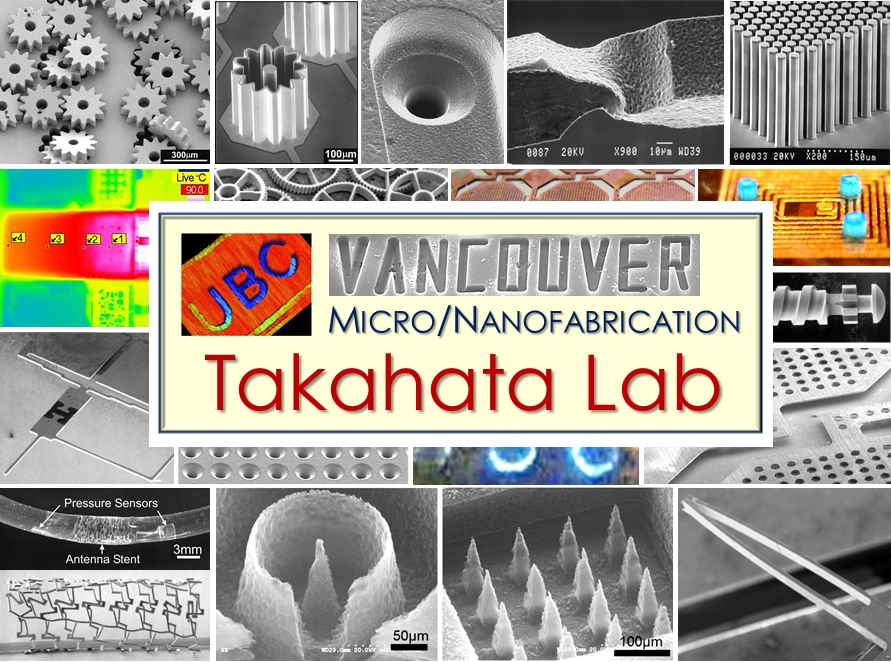
Prof. Kenichi Takahata is a Professor at the University of British Columbia's Department of Electrical & Computer Engineering, with an associate membership in the School of Biomedical Engineering. He holds a PhD from the University of Michigan (2005) and has over 25 years of experience in micro/nanofabrication and MEMS. His research focuses on developing advanced microdevices for biomedical applications, including implantable sensors, smart stents, and wireless drug delivery systems. Education: B.S. Physics (Sophia University, 1990), M.S. and Ph.D. in Electrical Engineering (University of Michigan, 2004/2005). Professional experience includes roles at Panasonic (Japan) and 3M (USA) before joining UBC in 2008. He leads the Takahata Lab, which pioneers innovations in micro/nanofabrication, medical MEMS, and energy harvesting. Research interests span microplasma control, wireless microactuators, and ferrofluid-based micromachines. Over 150 peer-reviewed publications and 10 patents highlight his contributions. His work includes developing the 'smart stent' for real-time vascular monitoring and microendoscopic imaging systems using ferrofluid actuators. Grants include a Canada Research Chair (2008–2018) and NSERC funding. Advising over 50 graduate students, he emphasizes interdisciplinary training across engineering, materials science, and biomedicine. The lab collaborates with industry and hospitals to translate technologies into clinical tools. Labs/Teams: Takahata Lab (UBC Microsystems & Nanotechnology Group), affiliated with the Canadian Institute for Advanced Research (CIFAR) and NSERC CREATE programs.
Scott Miller is a Lecturer in the Department of Industrial & Systems Engineering at Texas A&M University. His research focuses on physical layer security, wireless communication systems, and signal processing in harsh environments. He specializes in visible light communication (VLC), acoustic telemetry, and hybrid FSO-mmWave systems. Key contributions include secure IM-OFDMA system design, IQ imbalance analysis, and medium-specific communication protocols for downhole monitoring. Research interests span secure communication protocols, network coding, cognitive radio networks, and system reliability in fading channels. He has pioneered work on VLC-based downhole gas pipeline monitoring using hydrogen/nitrogen mediums and developed learning-based link selection approaches for hybrid wireless systems. His work emphasizes practical applications in industrial telemetry and secure wireless transmission. Notable trends in his publications include: Advancements in physical layer security mechanisms for uplink systems Innovative use of non-traditional mediums (e.g., CO₂, hydrogen) for VLC Integration of machine learning for signal detection and link optimization Robustness analysis of hybrid FSO-mmWave networks under various impairments His research bridges theoretical communication frameworks with real-world industrial applications, addressing challenges in energy, oil/gas sectors, and secure IoT deployments.
Shuo Li is a Professor in the Department of Macromolecular Engineering at ETH Zürich, Switzerland. His research focuses on innovative biomaterials, bioelectronic systems, and implantable medical devices. Key areas include bioresorbable materials for transient electronics, flexible/stretchable sensors, and soft robotics applications. His work integrates materials science with biomedical engineering to address challenges in tissue integration, real-time diagnostics, and programmable drug delivery. Recent projects emphasize wireless implantable sensors for continuous monitoring of physiological parameters such as blood flow, oxygen saturation, and pH levels in surgical flaps and organ grafts. He has pioneered 3D shape-morphing displays using liquid metal actuators and developed self-healing elastomeric switches for haptic interfaces. His research spans biomaterial synthesis, optoelectronics, and additive manufacturing of soft materials. Publications highlight advancements in bioresorbable platforms for drug delivery, light-controlled actuation systems, and optical probes for in vivo pharmacology. His interdisciplinary approach bridges material design, device fabrication, and clinical applications, with a focus on translating lab innovations into practical medical solutions. Advising and grants: No specific advisees or grant details listed in the provided text. However, his extensive publication record indicates active collaboration with research groups in bioelectronics, soft robotics, and biomedical engineering. Labs/Teams: Likely affiliated with ETH's Macromolecular Engineering lab and collaborate with multidisciplinary teams in materials science, robotics, and medical device development.