Professor Kaspar Althoefer is a Professor of Robotics Engineering at the School of Engineering and Materials Science , Queen Mary University of London. He leads the Centre for Advanced Robotics @ Queen Mary (ARQ) and serves as Programme Director for BEng/MEng Robotics Engineering. His research focuses on robot autonomy, soft robotics , and tactile sensing with applications in healthcare, nuclear engineering, and manufacturing. Research Highlights: Soft Robotics, Tactile Sensing, Haptic Perception, Minimally Invasive Surgery, Human-Robot Interaction Key Collaborations: St Thomas Hospital London, EU Horizon Europe, EPSRC, Innovate UK Accomplishments: £10M+ as Principal Investigator, 500+ peer-reviewed papers, 7 patent applications His work spans robot autonomy , soft robotics , and machine learning , particularly in modeling tool-environment interactions and developing tactile sensors for surgical and nuclear applications. Recent projects include intelligent endoscopic microsurgery robots and eversion robots for radiation mapping . Scientific Awards: Senior Member, IEEE He supervises a team of 6 PhD students and postdoctoral researchers, with completed projects in soft robotic gloves , pneumatic actuators , and eversion robot navigation .
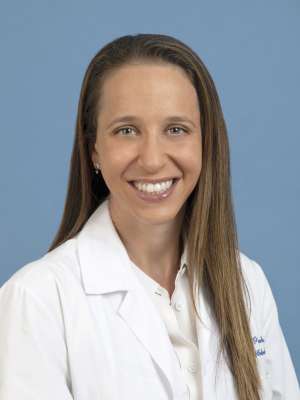
Stacy L. Pineles, MD, MS is a Professor of Ophthalmology and Residency Program Director at the Stein Eye Institute, David Geffen School of Medicine at the University of California, Los Angeles (UCLA). She also serves as Chair-Elect of the Pediatric Eye Disease Investigator Group (PEDIG), a collaborative network funded by the National Eye Institute dedicated to facilitating multicenter clinical research in strabismus, amblyopia, and other eye disorders affecting children. Dr. Pineles is affiliated with Ronald Reagan UCLA Medical Center and UCLA Santa Monica Medical Center as hospital affiliations. Dr. Pineles completed her medical training at the University of Pennsylvania in 2004, followed by ophthalmology residency at UCLA (2005-2008), pediatric ophthalmology fellowship at UCLA (2009), neuro-ophthalmology fellowship at the University of Pennsylvania (2010), and a Master's degree in Clinical Investigation at UCLA (2013). She joined the UCLA faculty in 2010 and became Residency Program Director in 2017. Her primary research interests focus on pediatric neuro-ophthalmology and strabismus, with specific emphasis on binocular vision in children and adults with eye misalignment, systemic effects of pediatric eye disease, and clinical trials in pediatric ophthalmology. Dr. Pineles serves as principal investigator of an NIH-sponsored multicenter study of pediatric optic neuritis. She runs an NIH-sponsored research program evaluating binocular vision in children and adults with eye misalignment. Analysis of Dr. Pineles' publications reveals consistent research activity in pediatric ophthalmology, neuro-ophthalmology, and strabismus, with particular focus on binocular vision, optic neuritis, and surgical outcomes. Her work spans clinical trials, diagnostic accuracy studies, and innovative surgical techniques, demonstrating expertise in both clinical care and research methodology. Super Doctors® Southern California, 2022-2025 AAPOS Young Investigator Award, 2019 University of California OptumLabs Research Credit Award, 2018 Appointment of Jerome and Joan Snyder Chair in Ophthalmology, 2017 American Academy of Ophthalmology Achievement Award, 2016 AAPOS Honors Award, 2016 Dr. Pineles serves on numerous professional committees within the American Academy of Ophthalmology, American Association of Pediatric Ophthalmology and Strabismus, and the North American Neuro-Ophthalmology Society. She travels regularly nationally and internationally to speak on topics related to her research in pediatric neuro-ophthalmology. As Residency Program Director since 2017, she oversees ophthalmology training at UCLA. She is author of more than 100 peer-reviewed publications and 10 book chapters. Dr. Pineles leads the Pediatric Ophthalmology division at the Stein Eye Institute, which is part of one of the world's leading centers of vision science. Her research program includes multicenter clinical trials and NIH-sponsored studies evaluating binocular vision and pediatric optic neuritis. She actively collaborates with the Pediatric Eye Disease Investigator Group (PEDIG), a network of over 100 participating sites with more than 300 pediatric ophthalmologists and optometrists across the United States, Canada, and the United Kingdom.
Arie E. Kaufman is a Distinguished Professor in the Department of Computer Science at Stony Brook University, serving as Chief Scientist of the Center of Excellence in Wireless and Information Technology (CEWIT) and Director of the Center of Visual Computing (CVC). He additionally holds a Distinguished Professorship in Radiology, with a 40+ year career at Stony Brook since joining in 1985 and chairing the CS department from 1999-2009. His seminal research spans computer graphics, visualization, and virtual reality with biomedical applications, pioneering breakthroughs including 3D Virtual Colonoscopy (FDA-approved colon cancer screening), Cube hardware architectures (commercialized as VolumePro), the Reality Deck (1.5 billion-pixel immersive display), and foundational work in volume visualization. His interests focus on real-time rendering, medical imaging, and immersive analytics, with recent work integrating machine learning for healthcare and environmental risk visualization. Recent publications demonstrate continued leadership in high-resolution immersive displays (Silo), XR analytics with LLMs, storm surge visualization, and neural reconstruction techniques. His work bridges theoretical innovation with practical applications, particularly in pancreatic cancer prognosis and disaster preparedness. Major honors include: IEEE Visualization Career Award (2005) Fellow of the National Academy of Inventors (2017) ACM Fellow (2009) IEEE Fellow (1998) Long Island Technology Hall of Fame (2013) European Academy of Sciences membership (2002) As PI on 100+ research grants, Kaufman's work has generated 300+ refereed papers, 40+ patents, and extensive media coverage (New York Times, Science, Wall Street Journal). He leads the Center of Visual Computing with focus on translational research, including VolVis software (5,000+ installations) and Reality Deck deployments for big data analytics. His lab develops cutting-edge visualization infrastructure for medical diagnostics and environmental modeling, with current projects advancing immersive storm surge analytics, neural structure extraction, and VR-based risk communication systems. Future work emphasizes AI-enhanced visualization for precision medicine and climate resilience planning.
Olga Khessina is an Associate Professor of Business Administration at the University of Illinois at Urbana-Champaign's Gies College of Business. She currently serves as Director of Graduate Studies and has held academic roles at Cornell University and Georgetown University. Her research focuses on organizational and industrial evolution, product naming strategies, market stigma, and regional identities in industries like craft beer, medical cannabis, and biotechnology. Khessina has been recognized with awards including the ISOI Best Paper Award (2025) and has advised on grants from the Gies College of Business. She teaches courses on organizational design, graduate research methods, and organizational behavior. Education Ph.D., Business Administration, University of California at Berkeley, 2003 M.A., Sociology, Columbia University, 1998 Specialist, Sociology, Moscow State University, 1995 Research Interests Khessina explores how organizational identities and naming strategies influence market dynamics, particularly in controversial or emerging industries. Her work examines stigma reduction in medical cannabis markets, the role of emotional branding in craft beer, and the impact of political polarization on industry legitimacy. She also investigates regional industrial clusters and their cultural embeddedness, such as the co-evolution of movie theaters and television programming industries. Awards & Grants ISOI Best Paper Award (2025) Gies Research Grant Awards (2024, 2025) Nominated for Excellence in Graduate Mentoring (2023) Advising & Service As Director of Graduate Studies, Khessina oversees doctoral training and curriculum development. She has reviewed grants and serves on editorial boards, including for Organization Science (2012–2023). Her advising focuses on balancing innovation risks and organizational survival in high-velocity markets. Labs/Teams Khessina collaborates with interdisciplinary teams on projects like Conquering the Divide (medical marijuana destigmatization) and Roadblock on the Highway to Heaven (religious effects on controversial industry clusters).
Hasan Ayaz, PhD, is an Associate Professor at Drexel University’s School of Biomedical Engineering, Science and Health Systems, and the Department of Psychology in the College of Arts and Sciences. He is a core member of the CONQUER Collaborative and has affiliations with the University of Pennsylvania and Children’s Hospital of Philadelphia. His research focuses on neuroengineering, neuroergonomics, and clinical applications of optical brain imaging, particularly using fNIRS and EEG. He has over 200 publications and has secured funding from federal agencies and industry partners. Dr. Ayaz serves on editorial boards for journals like PLOS One and Frontiers in Human Neuroscience and has organized international neuroergonomics conferences. Education: BSc (Electrical and Electronics Engineering, Boğaziçi University, Turkey), MSc and PhD (Drexel University). Research Interests: Neuroergonomics, functional neuroimaging, biomedical signal processing, neuroengineering, fNIRS, EEG, brain-computer interfaces, and mobile neuroimaging. His work aims to develop next-generation brain imaging technologies for applications ranging from aerospace to healthcare. Key Awards: Received a Wellcome LEAP Grant for Addiction Research in 2024. Grants & Advising: Extensive federal and corporate funding; no explicit student list provided. His research involves interdisciplinary collaborations and clinical partnerships. Labs/Teams: Leads the CONQUER Collaborative and contributes to the Cognitive Neuroengineering group at Drexel.
Emily Cooper is an Associate Professor of Optometry & Vision Science at the Herbert Wertheim School of Optometry & Vision Science, University of California, Berkeley. She serves as the Chair of the Vision Science PhD Program and is a co-Director of the Center for Innovation in Vision & Optics. Additionally, she is a member of the Helen Wills Neuroscience Institute and a Visiting Faculty Researcher at Google. Dr. Cooper's research focuses on 3D vision, perceptual graphics, AR/VR, computational neuroscience, visual encoding, and display system design. Her work investigates how the visual system processes information to create our perception of the 3D world, with applications in computer graphics, virtual reality, and assistive technologies for people with low vision. Analysis of Dr. Cooper's recent publications (2023-2025) reveals a strong focus on the intersection of vision science and emerging technologies, particularly in augmented reality and assistive vision systems. Her work spans fundamental research on visual perception mechanisms to applied research developing practical technologies for low vision rehabilitation. A significant portion of her recent work addresses visual discomfort in XR displays, perceptual guidelines for AR/VR systems, and innovative approaches to assistive vision technologies that enhance mobility and independence for visually impaired individuals. Dr. Cooper leads an active research laboratory at UC Berkeley's 391 Minor Hall, where she mentors students and collaborators in vision science research. Her lab investigates both basic questions about how vision works and translational questions about improving visual technologies. She has developed perceptual guidelines for optimizing field of view in stereoscopic augmented reality displays and created assistive technologies such as an augmented reality sign-reading assistant for users with reduced vision. Dr. Cooper is also involved in professional activities including co-organizing the Computational Neuroscience: Vision summer course at Cold Spring Harbor Laboratory and working with Community Resources For Science to promote science education.
Serguei A. Oushakine is a Professor of Anthropology and Slavic Languages and Literatures at Princeton University, and Program Director of Russian, East European and Eurasian Studies (REEES) at the Princeton Institute for International and Regional Studies. He holds a PhD in Anthropology from Columbia University (2005). His research focuses on transitional cultural processes in post-Soviet societies, combining anthropological methods with postcolonial, materialist, and visual studies frameworks. Education: PhD in Anthropology (Columbia University, 2005) with distinction. Notable fieldwork locations include Siberia, Belarus, and Kyrgyzstan. Research Interests: Oushakine explores the intersection of emotion, memory, and power in transitional societies. His work analyzes how new national cultures emerged post-Soviet collapse, and investigates postcolonial legacies of communism. Current projects include: Early Soviet media’s role in shaping spectatorship (1920s-1930s) Comparative postcolonial frameworks for postcommunist studies Awards: Recipient of prestigious fellowships including Guggenheim (201?), ACLS Burkhardt Residential Fellowship, and Institute for Advanced Study membership (Princeton). Advising & Grants: While specific advising/grant details aren’t listed, his program director role suggests leadership in shaping academic initiatives. His publications indicate engagement with interdisciplinary collaborations. Labs/Teams: Active in Princeton’s REEES program, fostering collaboration between social sciences and humanities scholars studying Eurasia.
Gordon Hughes is an Associate Professor of Art History in the Department of Art History at Rice University, specializing in early 20th-century European modernism with concentrated expertise in French painting and abstract art. His research significantly reinterprets foundational narratives of abstraction while extending into contemporary art and photographic history. His academic credentials include: Ph.D. in Art History from Princeton University (2004) M.A. from the University of Western Ontario (1996) M.F.A. in Studio Art from the University of Illinois at Chicago (1992) B.F.A. from the Nova Scotia College of Art and Design (1989) Professor Hughes' scholarship centers on re-examining abstract painting's origins through meticulous visual analysis, particularly focusing on Robert Delaunay's contributions to modernist vision. His work bridges pre-war European art with American conceptual practices from the 1960s-1980s, evidenced by influential publications on Fernand Léger, Georges Braque, Douglas Huebler, and Jenny Holzer. His theoretical approach integrates continental philosophy while prioritizing phenomenological engagement with artworks, reflected in his current book project Seeing Red: Murder, Abstraction, Machines which investigates intersections of art, technology, and violence. Analysis of his recent publications (2006-2022) reveals consistent scholarly engagement with French modernism's theoretical underpinnings while progressively incorporating contemporary critical frameworks. His work demonstrates evolving methodological sophistication through examinations of visual perception, medium specificity, and post-structuralist theory across diverse artistic movements from Cubism to Conceptual Art. His distinguished recognitions include: Getty Research Institute Scholar-in-Residence (2012-2013) Barr Ferree Foundation Publication Grant (2011) Terra Foundation for American Art support (2010) Professor Hughes mentors graduate students in Rice's Art History program with emphasis on close visual analysis and theoretical rigor. His research has received significant institutional support including Getty Research Institute residencies and major publication grants that facilitated his influential monograph Resisting Abstraction and editorial projects like October Files: Richard Serra .
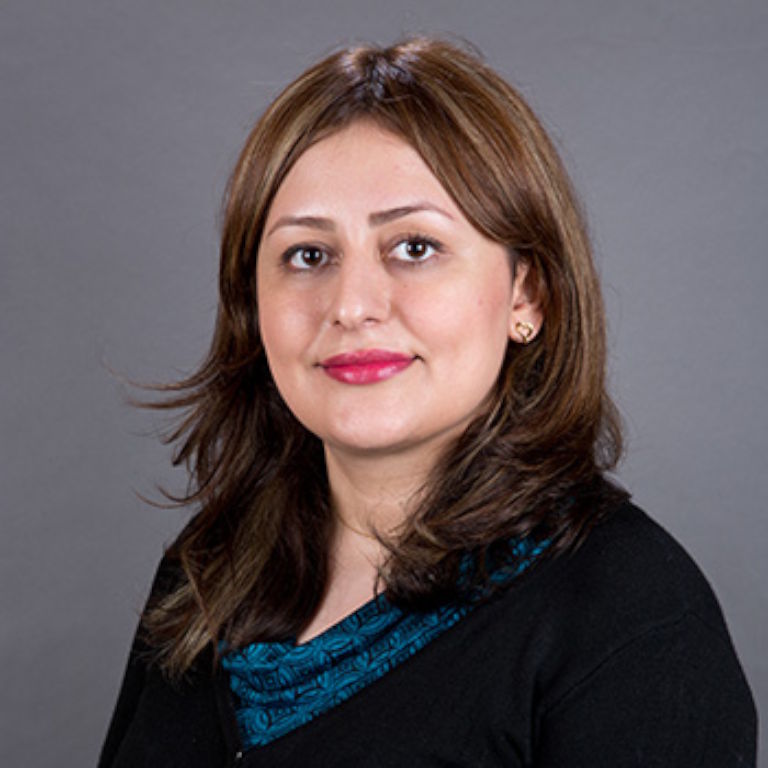
Dr. Marzieh Amini is an Associate Professor at Carleton University, cross-appointed to the School of Information Technology and Department of Systems and Computer Engineering . She coordinates the Optical Systems and Sensors undergraduate program and leads research in computer vision, sensor fusion, and biomedical signal processing . PhD in Electrical and Computer Engineering (2016), Concordia University Postdoctoral Fellow (2020), McGill University Research Interests focus on autonomous vehicle perception systems integrating machine learning and statistical modeling . Her work addresses multi-sensor integration for reliable operation in diverse environments, including biomedical applications and critical infrastructure monitoring . Recent publications emphasize wildfire management , LiDAR-based infrastructure monitoring , and adverse weather adaptation in autonomous systems . She has received grants from NSERC, NRC, and FRQNT . Honors & Awards include: Volunteer Recognition Awards (IEEE Montreal, 2022 & 2019) FRQNT Postdoctoral Fellowship (2018) IEEE ISCAS Travel Support (2016) Professional Service includes leadership roles in IEEE committees and conference organization.
Robert S. Allison is a Professor in the Department of Electrical Engineering & Computer Science at York University's Lassonde School of Engineering. His research focuses on human perceptual responses in virtual environments, stereoscopic vision, and eye movement analysis. He is affiliated with the York Centre for Vision Research, Sensorium (Digital Arts & Technology), and the Centre for Innovation in Computing at Lassonde. His research interests include depth perception in natural and virtual environments, human-computer interface design for VR, machine vision applications, and the measurement of human motion. He has supervised multiple graduate students and contributed to over 260 publications. His work spans topics like cybersickness mitigation, display lag effects, and perceptual adaptation in VR. Key grants include NSERC-funded projects on perception in virtual environments and collaborations with institutions like the Australian Research Council. His teaching includes courses on human perception in human-computer interaction and digital logic design. Recent articles highlight advancements in understanding motion perception, VR-induced sickness, and multisensory integration. He collaborates widely, with affiliations including the VISTA program and York's Connected Minds initiative.
Huaizu Jiang is an Assistant Professor at Khoury College of Computer Sciences, Northeastern University. His research bridges computer vision, graphics, and natural language processing to develop AI systems that understand and reconstruct 3D visual environments. Prior to joining Northeastern, he was a Postdoc Researcher at Caltech and Visiting Researcher at NVIDIA. He holds a Ph.D. from UMass Amherst (advised by Prof. Erik Learned-Miller), and M.E./B.E. degrees from Xi'an Jiaotong University. His research focuses on fundamental challenges in 3D scene understanding, including geometry reconstruction, semantic interpretation, novel view synthesis, motion generation, and optical flow estimation. Core interests span video processing, human-object interactions, multimodal reasoning, and efficient edge-device implementations. Recent publications emphasize diffusion models for motion/scene generation, transformer-based 3D perception, and video interpolation. Key trends include multi-view consistency techniques, text-to-3D synthesis, and efficient real-time algorithms for robotics applications. Awards & Honors: Winner of the VQA Challenge 2020 He advises 15+ graduate students on projects spanning 3D reconstruction, motion synthesis, and vision-language models. His group collaborates with institutions like NVIDIA and Caltech, focusing on generative AI for dynamic scene understanding.
Dr. Xiaopeng Li is the Harvey D. Spangler Professor in the Department of Civil and Environmental Engineering at the University of Wisconsin-Madison, with an affiliation in the Department of Electrical and Computer Engineering. He leads the USDOT Rural Autonomous Vehicle Program and previously directed the National Institute for Congestion Reduction. He earned his B.S. in Civil Engineering from Tsinghua University (2006), M.S. in Civil Engineering (2007), M.S. in Applied Mathematics (2010), and Ph.D. in Civil Engineering (2011) from the University of Illinois at Urbana-Champaign. His research focuses on modeling and field experiments for connected, electric, and automated vehicles (CAVs), infrastructure systems analysis, and interdependent network modeling. He has pioneered physics-enhanced machine learning frameworks for vehicle control and developed simulation tools for CAV deployment. His 2025-2024 publications highlight advancements in Connected vehicle trajectory modeling Energy consumption optimization Edge computing for autonomous operations Residual learning control systems Equity analysis in AV deployment Communication technologies for V2X Awards include: TRB Best Paper Award (2025) NSF CAREER (2015) ASCE Fellow (2024) IEEE Senior Member (2022) Multiple institution-specific fellowships He has advised 15+ graduate students, secured $35M+ in grants from NSF, USDOT, and industry partners, and chairs the IEEE ITSS Emerging Transportation Technology Testing committee. His work addresses real-world AV implementation, safety validation, and sustainable transportation systems.
Ju Lu serves as an Assistant Professor at Lehigh University with office location in Iacocca Hall (room 0111), contactable via phone (610.758-3687) and email (jul724@lehigh.edu). Her academic position reflects active engagement in neuroscience research and education within the university's life sciences framework. Education Background: Ph.D. in Neurobiology from Harvard University (2008) B.Eng. in Microelectronics from Tsinghua University (2002) Research Focus: Dr. Lu's work pioneers investigations into neural circuit dynamics and synaptic plasticity mechanisms using advanced optical imaging technologies. Her research spans: Cortical circuit reorganization during motor skill acquisition across species Stress-induced synaptic alterations mediated by microglia in prefrontal circuits Therapeutic applications of psychedelic compounds for neural circuit restoration Development of three-photon microscopy for deep-brain imaging Genetically-encoded neurotransmitter sensors for in vivo studies This multidisciplinary approach bridges molecular neuroscience, systems-level circuit analysis, and translational mental health applications. Publication Trends: Analysis of Dr. Lu's 15 most recent publications (2016-2023) reveals an evolving trajectory from foundational studies on dendritic spine plasticity toward translational neuroscience. Early work emphasized optical imaging methodology and basic plasticity mechanisms, while her 2021-2023 publications increasingly focus on stress-related circuit disruptions and psychedelic therapeutics. A consistent thread involves combining high-resolution in vivo imaging with behavioral models to establish causal links between neural circuit dynamics and cognitive functions. Honors and Awards: No scientific awards or fellowships were documented in the provided materials. Mentorship and Funding: While specific student mentees and grant funding details are not specified in the source text, her extensive collaborative publication record indicates active supervision of research personnel and successful acquisition of research support. Research Infrastructure: Her methodological expertise in advanced microscopy suggests utilization of specialized imaging facilities, though no dedicated laboratory or research team is explicitly identified in the available documentation.
Albert H. Titus is a Professor in the Department of Biomedical Engineering and an Adjunct Professor in the Department of Electrical Engineering at the University at Buffalo, State University of New York. He serves as Associate Vice President for Regulatory Support in the Office of the Vice President for Research and Economic Development. His research focuses on analog VLSI design for neuromorphic visual processing, biosensors, wearable devices, optoelectronic systems, and neural networks. Education: PhD in Electrical and Computer Engineering, Georgia Institute of Technology (1997) MS in Electrical Engineering, University at Buffalo (1991) BS in Electrical Engineering, University at Buffalo (1989) Research Interests: His work spans wearable and implantable sensors, bioinstrumentation, neural network-based visual processing, analog VLSI implementations, optoelectronics, and electronic packaging. He pioneered CMOS-based neuromorphic systems and developed patented technologies for glare sensing and RF power calorimetry. Publication Trends: His recent articles emphasize CMOS-integrated sensors, machine learning for bioimpedance analysis, implantable medical devices, and xerogel-based optical biosensors. These works bridge biomedical engineering and microelectronics. Scientific Recognition: He is a Fellow of the National Academy of Inventors and has received the SUNY Chancellor’s Award for Excellence in Service (2017), NSF CAREER award, and Western New York Inventor of the Year (2010). His inventions include a patented low-power glare sensor (U.S. Patent 7,586,079) featured in Popular Science’s 2011 Top Ten Inventions. Academic Leadership: As a faculty member, he has supervised nearly 20 PhD and over 40 MS students, while teaching courses in circuits, IC design, sensors, and signal processing across electrical and biomedical engineering disciplines.
Davide Scaramuzza is a Professor and Director of the Robotics and Perception Group at the University of Zurich. He holds a Ph.D. from ETH Zurich and has conducted postdoctoral research at the University of Pennsylvania and Stanford. His research focuses on autonomous drone navigation using visual and event-based sensors, leading to breakthroughs like AI drones outperforming human pilots in racing (Nature 2023). He pioneered algorithms for Mars helicopter navigation and developed the PX4 autopilot system. Key awards include the Kiyo-Tomiyasu IEEE Technical Field Award (2024), ERC Consolidator Grant (2019), and multiple best paper awards. His entrepreneurial ventures include co-founding Zurich-Eye (later Meta Zurich) and SUIND for agricultural drones. He co-authored the textbook Introduction to Autonomous Mobile Robots , widely used in academia. Research spans event camera algorithms, visual-inertial SLAM, and reinforcement learning for agile flight. His lab's work is featured in IEEE Spectrum, The Guardian, and Forbes. He advises UN initiatives on AI for disaster response and nuclear safety. Current projects include Graph-Generating State Space Models (CVPR 2024) and event-based vision for automotive systems (Nature 2024).