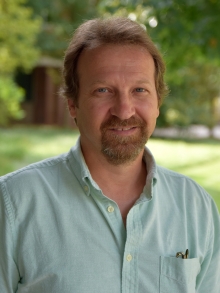
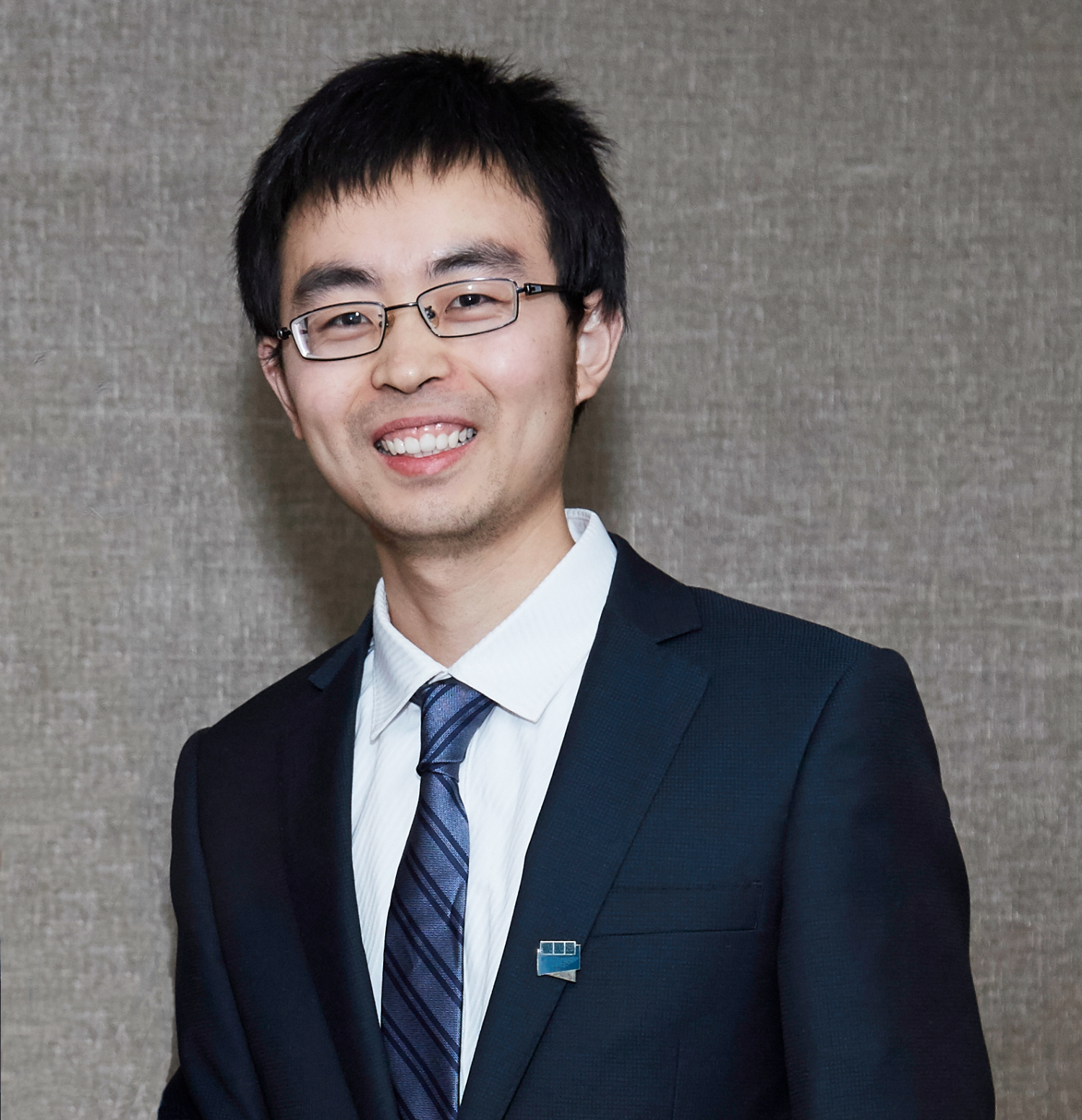
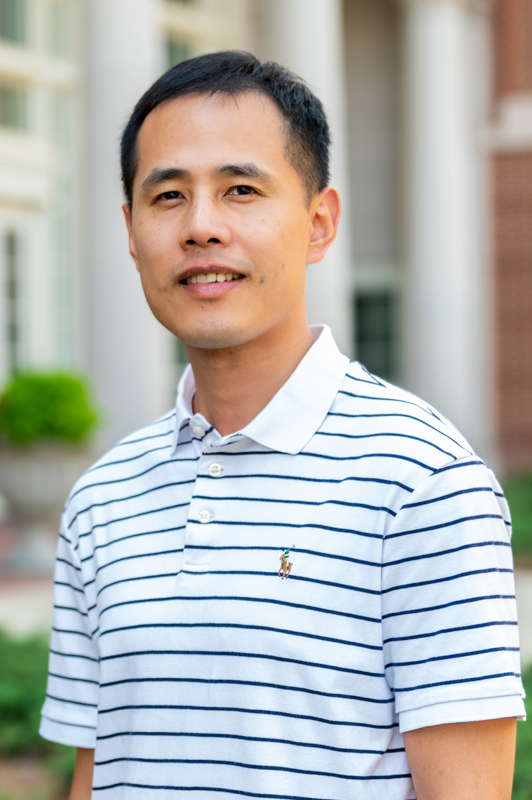
Dr. Rodney Weber is a Professor in the School of Earth & Atmospheric Sciences at Georgia Institute of Technology, part of the College of Sciences. His research focuses on atmospheric aerosols, urban air quality, and particle formation mechanisms. He holds a Ph.D. (1995) and M.S. (1991) in Mechanical Engineering from the University of Minnesota, and a B.S. (1987) from the University of Waterloo. Key research interests include atmospheric aerosol sources and processing, new particle formation via homogeneous nucleation, and aerosol growth processes. He develops novel instrumentation, such as the Particle Into Liquid Sampler (PILS), and leads field studies like the ALPACA project in Fairbanks, Alaska. His work bridges laboratory experiments and real-world atmospheric measurements. Dr. Weber has received awards including the Cullen-Peck Faculty Fellow Award (2007), Whitby Award (2005), and NASA Global Change Fellowship. His recent publications (2024–2025) address biomass burning plumes, urban pollution dynamics, and aerosol chemistry in cold climates. He collaborates on global initiatives like the NASA Atmospheric Tomography (ATom) mission and FIREX-AQ campaigns. His lab (ES&T 2107/2115) focuses on aerosol optical properties, reactive oxygen species in particulate matter, and the health effects of pollution. Research highlights include quantifying sulfur chemistry in Fairbanks and assessing oxidative potential of PM2.5 in urban environments.
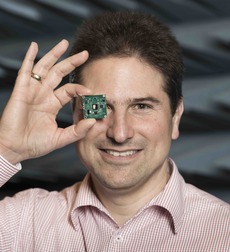
Prof. Dr.-Ing. Thomas Zwick is a full professor and director of the Institute of High Frequency Engineering and Electronics (IHE) at the Karlsruhe Institute of Technology (KIT). He holds a Dipl.-Ing. (M.S.E.E.) and Dr.-Ing. (Ph.D.E.E.) from the University of Karlsruhe. His career includes roles at IBM Research (2001–2004), Siemens AG (2004–2007 managing automotive radar teams), and KIT since 2007. He leads research in high-frequency technologies, antennas, radar systems, and wireless communications. Research interests include radio wave propagation, antenna design, automotive radar architectures, and millimeter-wave systems. He has authored/co-authored over 400 papers, 20 patents, and received IEEE Fellow status (2018), honorary doctorate from Budapest University (2022), and membership in the Heidelberg Academy and acatech. His work emphasizes integrating sensing and communication systems, 3D-printed RF components, and high-frequency measurement techniques. Teaching focuses on high-frequency engineering, electronic circuits, and radar systems. He oversees the IHE’s laboratories, including the Microwave Engineering Lab and Student Innovation Lab. Recent work explores sub-THz communication, RIS-aided ISAC systems, and beamforming for reduced EMF exposure in urban scenarios.
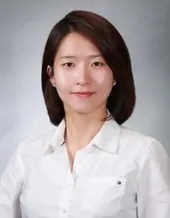
Jihyun Lee is an Assistant Professor in the Department of Mechanical and Manufacturing Engineering at the Schulich School of Engineering, University of Calgary. She was awarded the Anna Boyksen Fellowship by the Technical University of Munich Institute for Advanced Study (TUM-IAS) in 2021, hosted by Prof. Michael Zäh. Doctorate in Mechanical Engineering from University of Michigan-Ann Arbor (2016) Prior post at Korea Institute of Machinery and Materials (2016-2019) Her research focuses on mechatronics, robotics, manufacturing automation, and control systems , with applications in machine tools, additive manufacturing, and precision measurement. She integrates artificial intelligence and optimization to enhance industrial automation. Recent publications highlight work on vibration control , sensor fusion , and flexible manufacturing systems . Her team explores dynamic modeling , nanocomposite sensors , and human-in-the-loop robotics for industrial and marine applications. 2020 Remote Teaching Award, Schulich Engineering 2020 Early Achievement Award, Association of Korean-Canadian Scientists and Engineers 2018 Best Achievement Award, KIMM She supervises doctoral and master’s students at the University of Calgary, emphasizing hands-on experience and MATLAB/Python simulation skills in her lab. Her work bridges quantum logic and industrial robotics through interdisciplinary collaborations.
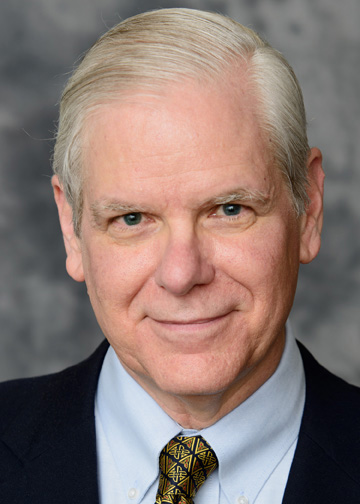
James R. Fienup is the Robert E. Hopkins Professor of Optics at the University of Rochester's Institute of Optics, with additional appointments as Distinguished Scientist at the Laboratory for Laser Energetics, Professor at the Center for Visual Science, Professor of Electrical and Computer Engineering, and Affiliated Faculty at the Goergen Institute for Data Science and Artificial Intelligence. His office is located at Wilmot 410, 275 Hutchison Rd., Rochester, NY. Education PhD in Applied Physics from Stanford University (1975) MS in Applied Physics from Stanford University (1972) BA in Physics & Mathematics (magna cum laude) from Holy Cross College (1970) Research Focus Professor Fienup's research specializes in imaging science , with emphasis on phase retrieval algorithms, unconventional imaging techniques, and wavefront sensing. His work spans computational methods for image reconstruction, sparse-aperture systems, and synthetic-aperture imaging. Recent innovations include applying machine learning to wavefront control and developing advanced digital holography techniques for 3D imaging through atmospheric turbulence. Publication Trends His recent articles (2018-2024) demonstrate a strong focus on computational imaging techniques, particularly phase retrieval algorithms applied to optical metrology and wavefront correction. Key themes include multi-plane digital holography, coronagraphic wavefront control for astronomical applications, machine learning-enhanced sensing, and novel approaches for segmented-aperture systems. His work consistently bridges theoretical optics with practical instrumentation challenges. Awards and Honors Lifetime Achievement Award, Hajim School of Engineering (2019) Emmett N. Leith Medal, Optical Society of America (2013) National Academy of Engineering Member (2012) Distinguished Visiting Scientist, JPL (2009) Fellow of OSA and SPIE International Prize in Optics (1983) Rudolf Kingslake Medal (1979) NSF Graduate Fellow (1970-1972) Professional Activities Professor Fienup has served as Editor-in-Chief of the Journal of the Optical Society of America A (1998-2003) and held editorial roles at Applied Optics and Optics Letters . He consults for NASA (James Webb Space Telescope, Hubble), national laboratories, and aerospace companies, and holds five patents in optical systems design.
Martin D F Wong serves as the Edward C. Jordan Professor of Electrical and Computer Engineering and Executive Associate Dean for the College of Engineering at the University of Illinois at Urbana-Champaign. He is affiliated with the Coordinated Science Laboratory and has been instrumental in advancing electronic design automation research. His educational background includes: B.Sc. in Mathematics, University of Toronto (1979) MS in Mathematics, University of Illinois at Urbana-Champaign (1981) Ph.D. in Computer Science, University of Illinois at Urbana-Champaign (1987) Wong's research centers on combinatorial optimization and algorithm design for VLSI systems, with particular expertise in lithography-aware physical design, field-programmable systems, and electronic packaging. His work bridges theoretical algorithms with practical semiconductor manufacturing challenges as feature sizes shrink below 20 nanometers. Current research focuses on integrating chip design with next-generation lithography technologies including triple-patterning, self-aligned double patterning, directed self-assembly, and extreme ultraviolet processes. His publication record shows consistent contributions to electronic design automation, with emphasis on manufacturing-aware physical design algorithms and circuit optimization techniques. Recent work addresses the critical interface between circuit layout and lithography processes as semiconductor technology advances to 14nm and beyond. Scientific recognition includes: Fellow of IEEE and ACM 2000 IEEE Donald O. Peterson Best Paper Award Multiple Best Paper Awards at DAC, ICCD, and ICCAD conferences IBM Faculty Awards (2000, 2004) NSF Research Initiation Award Wong has secured significant research funding including a $450,000 NSF grant for lithography-aware physical design and has supervised over 49 PhD students. His work continues the legacy of integrated circuit innovation at Illinois, building on foundational contributions like Jack Kilby's integrated circuit invention. Current research initiatives focus on optimizing chip design for next-generation manufacturing processes where optical interference challenges require co-design of layout and fabrication. He leads research within the Coordinated Science Laboratory, focusing on electronic design automation algorithms that address the growing complexity of semiconductor manufacturing at nanometer scales.
Irina Oleinikova is a Professor at the Norwegian University of Science and Technology (NTNU) in the Department of Electric Energy, Faculty of Information Technology and Electrical Engineering. She leads the Power System Operation and Analysis research group and serves as the NTNU Smart Grid Team Leader. She is a steering committee member of the European Energy Research Alliance (EERA) Joint Programme on Smart Grids and an expert in the International Smart Grid Action Network (ISGAN) WG6. Research Interests : Power System Operation, Digital Power System Protection and Control, Grid Resilience, Energy Flexibility, Cybersecurity in Power Systems, and Hydrogen Technology Integration. Her work focuses on advancing smart grids, grid flexibility, and cybersecurity through projects like FME CINELDI, HONOR, ASAP, and ZeroKyst. Key Projects : CINELDI : Developing intelligent electricity distribution grids. HONOR : Cross-sectoral energy flexibility markets. ASAP : Next-generation system protection schemes. ZeroKyst : Hydrogen and charging infrastructure along Norway’s coast. COSPAT : Stability of AC/DC transmission grids via co-simulation. Advising & Grants : Supervises PhD students in digital protection and cybersecurity. Active in projects funded by RCN, STATNETT, and EU Horizon 2020. Leads the Power System Operation and Analysis group and collaborates with SINTEF and industry partners. Labs/Teams : NTNU Smart Grid Team and the Power System Operation research group.
Dr. Longji Cui is an Assistant Professor in the Thermo Fluid Sciences, Materials, and Micro/Nanoscale disciplines at the University of Colorado Boulder, affiliated with the Department of Mechanical Engineering within the College of Engineering and Applied Science. His laboratory focuses on high-precision instrumentation and computational techniques to explore energy transport, conversion, and dissipation at extreme scales, including scanning thermal microscopy, picowatt-resolution sensors, and nanophotonics. Lab Location: ECME 1B66F / ECME 108 Office Location: ECME 267B Research Interests: Dr. Cui's work spans thermal energy sciences, ultrahigh-resolution sensing, scanning probe microscopy, nano-optics, and quantum engineering. His interdisciplinary projects address critical challenges in sustainable energy systems, next-generation microelectronics, and advanced sensor technologies for high-performance applications. Notable contributions include innovations in thermophotovoltaic systems, molecular-scale thermal transport, and plasmonic light emission mechanisms. Recent publications emphasize near-field thermal radiation, quantized thermal transport in single-atom junctions, and enhanced energy conversion through nanoscale engineering. These studies bridge fundamental physics with practical applications in renewable energy and nanotechnology. Awards: 2025 CEAS Innovation & Entrepreneurship Fellow 2024 ASME Rising Star Award 2023 NSF CAREER Award 2023 CU Boulder Lab Venture Challenge Award His research group collaborates across disciplines to advance instrumentation for atomic-scale thermal measurements and develop novel materials for energy applications. Ongoing efforts include optimizing thermophotovoltaic devices and exploring hot-carrier dynamics in plasmonic systems.
Anja Boisen is a Professor and Head of the Drug Delivery and Sensing Section at the Department of Health Technology, Technical University of Denmark (DTU). Her research focuses on advanced drug delivery systems, sensing technologies, and nanotechnology applications in biomedical engineering. She leads a multidisciplinary team developing innovative devices such as microcontainers, microneedles, and lab-on-a-disc platforms for targeted drug delivery and diagnostics. Her work contributes to UN Sustainable Development Goals, particularly in improving health and reducing inequalities. Key research areas include surface-enhanced Raman spectroscopy (SERS), microfabrication for medical devices, and biomaterials for tissue engineering. She has supervised multiple PhD students, including projects on oral drug delivery systems, gastrointestinal retention devices, and energy-harvesting materials for biomedical applications. Boisen’s team has pioneered technologies like self-unfolding foils for oral delivery and smart drug delivery microparticles. Their innovations aim to enhance therapeutic efficacy while minimizing side effects. She has been recognized with the Sensor Division Outstanding Achievement Award (2022) for her contributions to sensor technology. Her lab actively collaborates internationally, advancing applications in cancer therapy, antibiotic monitoring, and gut microbiota research. Current projects explore high-throughput 3D tumor modeling, SERS-based diagnostics, and biodegradable materials for bone fixation.
Xi Ling is an Associate Professor in the Department of Chemistry and Materials Science & Engineering at Boston University. They lead the Ling Group, which focuses on the fundamental science and applications of nanomaterials, particularly 2D van der Waals materials. Their research integrates synthesis, characterization via advanced spectroscopy, and device development for energy conversion and chemical sensing. The group utilizes facilities at the Photonics Center for cutting-edge materials analysis. Education: B.A. in Chemistry (Lanzhou University, 2007); Ph.D. in Physical Chemistry (Peking University, 2012). Research emphasizes interdisciplinary approaches to synthesize novel 2D crystals, investigate their physical properties through Raman and photoluminescence spectroscopy, and engineer flexible, transparent devices. Recent publications highlight innovations in strain engineering, ferroelectricity modulation, and exciton dynamics in materials like NiPS3 and GaSe. Students gain expertise applicable to academia and industry roles in semiconductor manufacturing, materials engineering, and instrumentation. The group’s work bridges foundational science and practical applications, addressing challenges in nanoelectronics and sustainable energy technologies.
Nicholas Antipa is an Assistant Professor at the University of California San Diego's Jacobs School of Engineering, in the Electrical and Computer Engineering department. His research focuses on the co-design of optical systems and algorithms to develop advanced computational imaging systems, leveraging innovations in 3D printing, sensors, machine learning, and AI. He holds a PhD in Computational Imaging from UC Berkeley and previously worked at the Lawrence Livermore National Lab on optical metrology for the National Ignition Facility. His work includes pioneering projects like the DiffuserCam and Miniscope3D, which enable high-dimensional optical signal capture and 3D microscopy. Education: PhD in Computational Imaging, UC Berkeley (2020) MS in Optics, University of Rochester Institute of Optics BS in Optical Science and Engineering, UC Davis Research Interests: Computational imaging systems, single-shot high-dimensional optical capture, lensless imaging, and applications in neuroscience and marine science. His lab explores novel optical designs, compressed sensing, and AI-driven imaging techniques to push the boundaries of conventional systems. Scientific Awards: Best Paper at ICCP 2019, 2016 Best Demo at ICCP 2017 No. 2 in Optica 15 Top-Cited Articles (2020) Affiliations: Director of the Computational Imaging Systems Lab at UCSD. Collaborates with institutions like Lawrence Livermore National Lab and the Scripps Institution of Oceanography for projects in marine sediment mapping and underwater object detection. His lab emphasizes open-source tools, such as the DiffuserCam Raspberry Pi tutorial.
Jon Schuller is a Professor in the Department of Electrical and Computer Engineering at the University of California, Santa Barbara (UCSB), within the College of Engineering. His research focuses on nanophotonics, metamaterials, plasmonics, and their applications in energy-efficient technologies such as photovoltaics, thermal management systems, and advanced optical devices. He leads the Schuller Lab, which explores engineered metasurfaces and naturally occurring materials to control light-matter interactions at subwavelength scales. His work bridges fundamental science (e.g., quantum phenomena in hybrid perovskites) and engineering (e.g., reconfigurable semiconductor meta-optics). He is affiliated with the California NanoSystems Institute (CNSI) and actively contributes to interdisciplinary research initiatives. Contact: jonschuller@ece.ucsb.edu, Office 3221C Engineering Science Building. Research interests include directional light emission control via metasurfaces, thermal radiation tuning using phase-change materials, and the development of high-efficiency photonic devices. His lab emphasizes fabrication and characterization of nanophotonic structures, with applications ranging from space technology to exoplanet imaging systems. Recent efforts focus on electrically tunable metasurfaces and multipolar optical phenomena in layered materials. Key technical contributions involve designing reconfigurable optical antennas, optimizing metasurface-based LEDs, and exploring magnetic dipole emission in 2D perovskites. His team collaborates across disciplines to address challenges in energy, aerospace, and quantum technologies. Current opportunities include postdoctoral positions in nonlinear optics and photonics.
Pengyu Chen is Francis Family Associate Professor and Ginn Faculty Achievement Fellow in Materials Engineering at Auburn University. His NIH-funded research develops nanoplasmonic biosensors for rapid disease diagnosis and immune monitoring, with applications in precision medicine and cancer immunotherapy. Research focuses on: Rapid diagnostic technologies for COVID-19 and other diseases Single-cell analysis platforms Nanoparticle-based cancer therapies Food/environmental safety monitoring Recent publications demonstrate innovations in nanoplasmonic sensing, targeted drug delivery, 3D-printed implants, and tumor microenvironment analysis. His work integrates nanotechnology, immunology, and microfluidics for biomedical applications.
Yogananda Isukapalli is a Teaching Professor and Vice Chair in the Computer Engineering Program at the Electrical and Computer Engineering Department , University of California, Santa Barbara . He joined the faculty in Winter 2017 after a career as a staff scientist at Broadcom (2010–2017), where he designed Wi-Fi chips (11n/11ac/11ax) and worked on underwater wireless communication models during a postdoctoral stint at Scripps Institution of Oceanography (2009–2010). His PhD in Communication Theory and Systems from UC San Diego (2009) forms the basis of his expertise in wireless systems and digital design .
Dr. Craig S. Levin is a Professor of Radiology at Stanford University's Molecular Imaging Program at Stanford (Nuclear Medicine), with courtesy appointments in Physics, Electrical Engineering, and Bioengineering. He also holds memberships in Bio-X, the Cardiovascular Institute, the Wu Tsai Human Performance Alliance, and the Stanford Cancer Institute. Dr. Levin received his B.S. Summa Cum Laude in Physics and Mathematics from UCLA in 1985, followed by M.S., M.Phil., and Ph.D. degrees in Physics from Yale University in 1987 and 1993. His educational achievements were recognized with multiple honors including Phi Beta Kappa, Sigma Pi Sigma, and various departmental awards at UCLA. Dr. Levin's research focuses on the development of novel instrumentation and software algorithms for molecular imaging. His work spans medical physics, biomedical engineering, and instrumentation development with specific emphasis on positron emission tomography (PET), gamma camera technology, and multimodal imaging systems. His laboratory explores new concepts in radiation detection, image reconstruction algorithms, and the application of these technologies to cancer, heart disease, and neurological disorders. A notable aspect of his research involves pushing the physical limits of sensitivity and spatial, spectral, and/or temporal resolutions in imaging systems. His recent publications demonstrate a strong focus on enhancing PET technology, particularly time-of-flight capabilities, with significant work on improving coincidence timing resolution, developing MR-compatible PET systems, and applying deep learning techniques to image reconstruction and normalization. His research shows a clear trajectory toward higher resolution imaging with improved quantitative accuracy for both clinical and preclinical applications. Dr. Levin's scientific achievements have been recognized with numerous awards: American Institute for Medical and Biological Engineering's College of Fellows Academy of Radiology Research Distinguished Investigator Recognition Award National Research Service Award from NIH (1993-5) Pilot Research Award from the Society of Nuclear Medicine (1996) Multiple honors from UCLA including Phi Beta Kappa and Sigma Pi Sigma Full Tuition and Research Fellowship and Bates Graduate Fellowship from Yale University As an educator and mentor, Dr. Levin directs the NIH-NCI funded T32 Stanford Molecular Imaging Scholars postdoctoral training program and serves as a Doctoral Dissertation Advisor for students in Bioengineering and Biophysics. He currently advises five postdoctoral scholars and three doctoral candidates. His laboratory, the Molecular Imaging Instrumentation Laboratory, comprises approximately 20 members who work on developing new imaging technologies and translating them into clinical applications. Dr. Levin has secured substantial NIH funding as Principal Investigator along with grants from other government agencies, industry partners, and private institutions to support his research program. Dr. Levin's Molecular Imaging Instrumentation Laboratory is at the forefront of developing new imaging technologies that bridge physics, engineering, and medicine. The lab focuses on creating instrumentation for in vivo imaging of cellular and molecular signatures of disease, with particular emphasis on pushing the physical limits of imaging performance. Their work spans computer modeling, sensor development, electronics design, data acquisition systems, and advanced image processing algorithms. The lab maintains strong industry partnerships to translate their innovations into products used for patient care worldwide.
Georg Fantner is an Associate Professor at the Swiss Federal Institute of Technology Lausanne (EPFL) with dual appointments in the School of Engineering (STI) within the Institute of Bioengineering and the School of Life Sciences (SV) for teaching. He directs the Laboratory for Bio- and Nano-Instrumentation (LBNI) and holds leadership roles including President of the Open Science Strategic Committee and the Association des Professeurs de l'EPFL. Research Focus: Bioinstrumentation, Nanotechnology, Scanning Probe Microscopy, and Metrology Teaching: Structural Mechanics for Life Sciences, Metrology, and Metrology Practicals His research pioneers advanced instrumentation for nanoscale characterization, emphasizing data-driven approaches to enhance microscopy techniques. Recent work integrates deep learning with scanning probe microscopy for real-time biological imaging and develops novel MEMS devices for fluid-compatible nanoscale manipulation. Key innovations include hermetically sealed sample chambers for pathogen studies and deterministic nanotopography engineering. Professor Fantner actively mentors 7 current PhD students and has supervised 14 graduates. His laboratory fosters interdisciplinary collaboration across engineering, physics, and life sciences to advance nanoscale measurement technologies and instrumentation development.