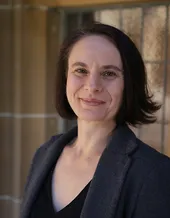
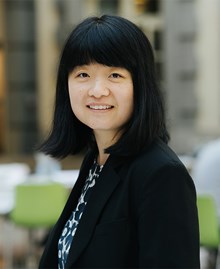
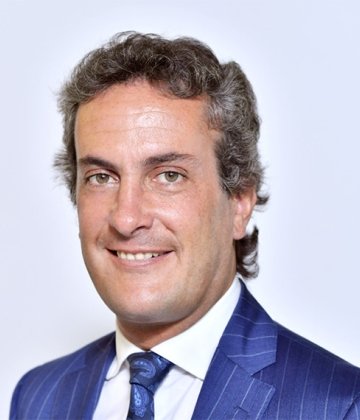
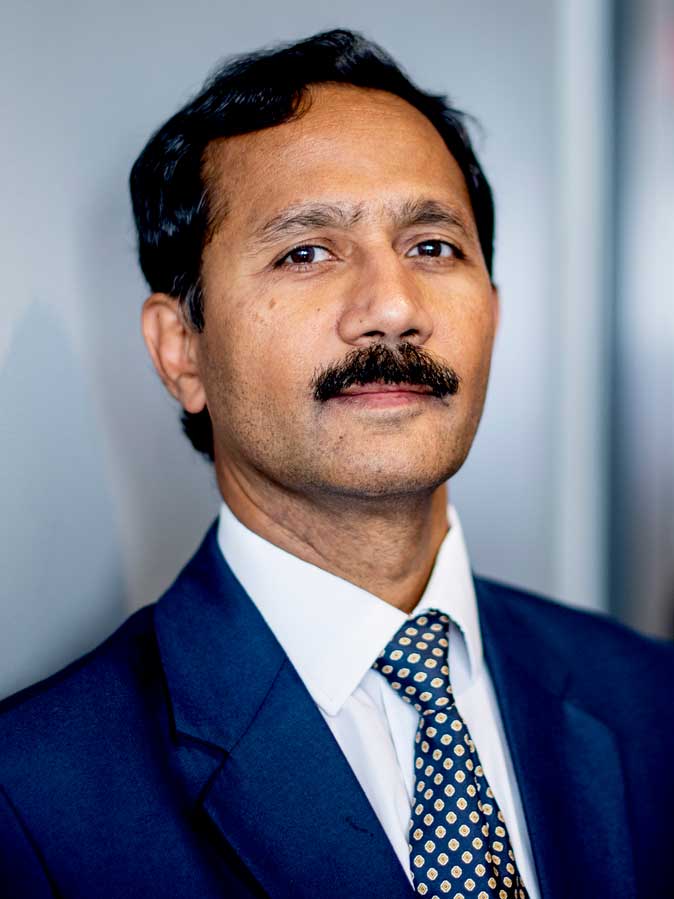
Patrick Renz is a Professor at the Department of Economics and a Lecturer at the Lucerne School of Computer Science and Information Technology at Lucerne University of Applied Sciences and Arts (HSLU). He holds a Lic. oec. from the University of Zurich and a Dr. oec. from the University of St. Gallen (HSG). His professional activities include serving as a member of the Management Board responsible for Continuing Education, Research, and DL at FHNW, as well as leadership roles in various organizations such as National Director of migratio (Swiss Bishops' Conference) and founder of Governance Technology AG. His research focuses on governance models in nonprofit organizations, subsidiary governance, and ethical leadership. Key research areas include Subsidiary Governance, Nonprofit Management, and Integrity Management. He has authored/co-authored influential publications like "Integrität im Managementalltag" (2023) and "Niederlassungen führen" (2012). His work emphasizes holistic governance frameworks for social organizations and improving leadership effectiveness in nonprofit sectors. Renz has held academic roles across universities in Switzerland and internationally, including guest lectureships and executive education programs. He is actively involved in organizations like Alliance Sud and the Fastenopfer Foundation. His professional competencies span leadership development, ethical management, and strategic governance in both corporate and nonprofit contexts.
John Eakin, MD is a Clinical Assistant Professor in the Department of Human Physiology and Nutrition at the Helen and Arthur E. Johnson Beth-El College of Nursing and Health Sciences, University of Colorado Colorado Springs (UCCS). His academic appointment reflects a focus on integrating clinical expertise with educational and research activities in health sciences. Professional Affiliations: He is part of a college ranked among the top online nursing programs in Colorado, known for its emphasis on interprofessional education and community health initiatives. The college operates facilities like the Hybl Sports Medicine and Performance Center and the Lane Center for Academic Health Sciences, which may support his work in human physiology and nutrition. Research & Education: While specific research interests are not detailed in the provided texts, his department focuses on areas such as exercise science, biomedical preparation, and nutrition. The Human Physiology & Nutrition department collaborates with institutions like Centura Health and offers programs in applied physiology and dietetics, suggesting potential research directions aligned with clinical and athletic performance. Program Involvement: The college's strategic plan highlights initiatives like the MSc in Nutrition and Dietetics and partnerships with healthcare providers, which may align with Dr. Eakin's contributions. His role likely involves teaching, clinical oversight, or advising in these programs. Awards & Grants: No specific scientific awards or grants are mentioned in the available data. Labs/Teams: Potential involvement with the Hybl Center's sports medicine facilities or the Lane Center's clinical programs, though specifics are not provided.
James Van de Velde is a Professor at the National Defense University and holds adjunct roles as Adjunct Associate Professor at the National Intelligence University and Adjunct Faculty in the School of Advanced International Studies at Johns Hopkins University. He specializes in teaching courses on Foreign Cyber Strategies, WMD-Terrorism, Intelligence Analysis, and Great Power Competition. Previously, he served as a Lead Consultant at Booz Allen Hamilton, advising U.S. Cyber Command, the Defense Threat Reduction Agency, and other strategic entities. His career includes roles as a former White House Appointee under President George H.W. Bush for nuclear arms control, a Lecturer in Political Science and Residential College Dean at Yale University, and a State Department Foreign Service Officer. He retired as a US Naval Intelligence Reserve officer, with active duty assignments spanning global hotspots like Afghanistan, Belgium, Italy, and Singapore. Dr. Van de Velde holds a B.A. from Yale University (1982) and a Ph.D. from The Fletcher School of Law and Diplomacy (1988). His research focuses on cybersecurity, strategic studies, international security, counterterrorism, nuclear non-proliferation, and intelligence analysis. He has written extensively on topics such as cyber warfare dynamics, great power competition in cyberspace, Russian and Chinese digital strategies, and the intersection of technology with global terrorism. His work critiques U.S. cyber policy frameworks and advocates for robust deterrence mechanisms against authoritarian cyber threats. Dr. Van de Velde has held fellowships at Stanford University’s Center for International Security and Arms Control and Harvard University’s U.S.-Japan Program. He is an Associate Member of the International Institute of Strategic Studies. His military and diplomatic background enriches his academic contributions, blending practical experience with theoretical analysis. While no scientific awards are listed, his publications and advisory roles highlight significant influence in national security discourse. His advising and grants narrative includes diverse institutional collaborations, though specific grant details or advisees are not detailed in the text. He has contributed to critical missions such as Operation RESOLUTE SUPPORT in Afghanistan and NATO operations in Brussels. His career reflects a lifelong dedication to safeguarding national security through academia, military service, and policy advising.
Prof. Dr. Burak GÜNALP is a full-time Professor at the Department of Management Information Systems within the Faculty of Economics and Administrative Sciences at Çankaya University. He holds a Ph.D. in Economics from Texas Tech University (1997) and has extensive academic experience, including department chair roles at Çankaya University and Hacettepe University. His research focuses on microeconomics, industrial economics, labor economics, and banking sector analysis. He has advised over 18 students in PhD and Master’s programs. Education: Ph.D., Economics, Texas Tech University, 1997 M.A., Economics, Hacettepe University, 1990 B.Sc., Economics, Hacettepe University, 1987 Research Interests: Market structure and competition policies Labour market dynamics and wage differentials Banking sector efficiency and regulation Corruption and public policy impacts Education expenditures and household economics Recent Article Trends: His recent work examines corruption effects in U.S. states, advertising intensity in Turkish manufacturing, and the impact of labor market reforms. Methodologically, he emphasizes panel data analysis for empirical rigor. Grants/Projects: Led three TÜBİTAK-funded research projects on industrial organization and economic policy (2006–2015). Active in international conferences including the Public Choice Society and Middle East Economics Association. Labs/Teams: Collaborates with researchers in industrial economics and policy analysis, evidenced by over 15 co-authored publications with scholars like Elif Öznur Acar and Oğuzhan Cevat Dinçer.
Leanne Alworth is a Professor and Director of the Office of Animal Care and Use in the Department of Population Health at the University of Georgia's College of Veterinary Medicine. She holds a BS from Newcomb College (1991), DVM from Louisiana State University (1995), and MS in Veterinary Pathobiology from the University of Missouri (1999). Board-certified by the American College of Laboratory Animal Medicine (2003), her expertise spans laboratory animal behavior, environmental enrichment strategies, bioethics, and regulatory compliance. Her teaching focuses on courses like Laboratory Animal Medicine Husbandry, Animal Welfare, and Techniques in Laboratory Animal Medicine. Research interests emphasize animal welfare optimization through enrichment, music's physiological effects on animals, and regulatory standards for research animals. Over 20 years of publications detail innovations in blood collection techniques, reptile surgery protocols, and environmental enrichment for rabbits and amphibians. Alworth contributes to institutional animal care oversight through her administrative roles and collaborates on projects addressing diversity in laboratory sciences. Her work bridges clinical veterinary practice with ethical research practices, advancing standards in laboratory animal management.
Professor Vuk RADOVIĆ is a full professor at the University of Belgrade Faculty of Law, where he teaches Company Law, Commercial Law, Bankruptcy Law, and EC Company Law. He also holds teaching positions at multiple institutions including the Faculty of Law in Graz, Faculty of Economics and Geography in Belgrade, Faculty of Law in East Sarajevo, and Faculty of Law (UDG) in Podgorica. He earned his magister degree from the University of Belgrade in 2003, LL.M. from Pittsburgh Law School (2004), and PhD from Belgrade (2007). His research focuses on corporate governance, insolvency law, and gender-sensitive legal issues in commercial law. Education: Bachelor's: University of Belgrade Faculty of Law (1999) Magister: University of Belgrade Faculty of Law (2003) LL.M.: Pittsburgh Law School (2004) PhD: University of Belgrade Faculty of Law (2007) His research emphasizes corporate governance frameworks, bankruptcy procedures, and EU company law harmonization. Recent publications (2016–2017) explore governance codes, employee board participation, and insolvency law reforms. He has authored monographs on executive compensation and corporate governance manuals.
Susan Park is Professor of Global Governance at the University of Sydney and current Hans Fischer Senior Fellow at the Technical University of Munich Institute for Advanced Study (TUM-IAS), hosted by Prof. Dr. Eugénia da Conceição-Heldt within the China in Global Economic Governance Focus Group. Her work centers on accountability structures in international development institutions with particular expertise in multilateral development banks and global environmental governance frameworks. Her research examines how state and non-state actors influence international organizations to enhance environmental accountability, currently focusing on governance gaps in renewable energy supply chains and justice mechanisms for communities affected by development projects. Key interests include norm diffusion processes, institutional isomorphism in accountability mechanisms, the political economy of mining in renewable transitions, and the evolving role of China within the development finance architecture. Her methodology combines constructivist approaches with institutional analysis to trace how accountability norms emerge and are contested within global governance systems. Recent publications analyze transnational activism's role in multilateral development bank grievance mechanisms, the African Development Bank's accountability frameworks, and norm harmonization challenges in China's development finance. Her work reveals persistent 'accountability traps' where procedural mechanisms exist but substantive justice remains elusive, particularly in resource-intensive renewable energy projects. Selected honors include: Sydney Research Accelerator (SOAR) Fellowship (2017-2018) Australian Research Council Discovery Project on Multilateral Development Bank Accountability (2014-2018) Brown Fellow award (2013) Professor Park serves as Associate Editor for Global Environmental Politics and co-convenes the Earth Systems Governance Task Force on Accountability in Global Environmental Governance with Dr. Teresa Kramarz. Her ARC-funded research examined how borrower states and civil society navigate accountability mechanisms across Asian, African, and European development banks, revealing strategic avoidance patterns by institutions when confronted with US political pressure. As TUM-IAS Fellow, she contributes to the China in Global Economic Governance Focus Group examining how Chinese development finance practices interact with established multilateral norms, particularly regarding environmental and social safeguards in infrastructure projects across the Global South.
Dr. Katarzyna Wojtkiewicz is an Assistant Professor and Head of the Department of Management at SWPS University's Faculty of Social Sciences in Warsaw. She holds a Ph.D. in Information Technology Management from the University of Warsaw and a graduate certificate in Business Informatics from Otto-Friedrich University of Bamberg, Germany. Her expertise spans legal frameworks, public administration, and EU policy design with a focus on Data Governance and financial market regulation. She leads key initiatives including the Global Legal Entity Identifier project and the Horizon-funded EURhisFIRM data infrastructure project. Research interests include (Data) Governance models in public/private sectors, intersection of public and economic law, and EU policy instruments. She has contributed to Poland's EU accession legislative processes and the European System of Financial Supervision governance model. Recognized with a 2017 German Enterprise Award nomination for her work on EU financial market data exchange. Academic roles include Curriculum Committee Chair for Management and Leadership programs, Director of the Public Management and Policy Design program, and Dean's Representative for Professional Internships. Engaged in interdisciplinary research through the Institute of Social Sciences and the Centre for Research on the Economics of Memorial Sites.
Breno Pauli Medeiros is a Visiting Research Associate in the Department of War Studies at King's College London and a PhD candidate in Military Sciences at the Brazilian Army Command and General Staff College (ECEME). His research investigates the impacts of cyberpower on military culture, strategy, and institutional frameworks, with a focus on comparative analysis between the UK and Brazil. PhD Candidate in Military Sciences (ECEME, Brazil) Visiting Research Associate (Department of War Studies, King's College London) Master's in Military Sciences (ECEME, 2019) His research interests include cyberpower development, national defence policy-making, and comparative cyber strategy. He has developed an analytical framework— The Fundamental Conceptual Trinity of Cyberspace —centered on deterritoriality, multiplicity of actors, and uncertainty. Breno’s publications explore cyber conflict, pandemic-era digital governance, and the implications of cyber uncertainty. His work emphasizes cross-national legal and institutional adaptations to cyberpower. Scientific Awards: CAPES Foundation Internationalisation Scholarship (2022) Breno’s research agenda bridges his Master’s and PhD studies, focusing on cyberpower’s role in redefining strategic thinking and public administration resilience.
Ting Dong is an Assistant Professor in the Department of Accounting at the Stockholm School of Economics (SSE). She is also an Affiliated Researcher at the Mistra Center for Sustainable Markets. Holding a PhD in Accounting from SSE (2020), she specializes in auditing, financial reporting, and their intersections with organizational leadership, climate change, and gender equity. Education: PhD in Accounting (SSE, 2020), Master's in Economics (Xi'an Jiaotong University), and Bachelor's in Accounting (Xi'an Jiaotong University). Teaching includes courses such as Auditing, Governance, and Investor Assurance (3309) and Accounting II: Analysing Performance (BE302). Her research explores topics like auditor-client dynamics, leadership in auditing professions, and the impact of climate uncertainty on financial systems. She has published in journals including Management Science , Contemporary Accounting Research , and European Accounting Review . Key areas of focus include audit quality, tax avoidance mechanisms, and sustainable finance transparency. Her work bridges theoretical frameworks with practical implications for corporate governance and regulatory practices.
B. Mitchell Peck serves as Professor and Chair of the Department of Sociology within the Dodge Family College of Arts and Sciences at the University of Oklahoma. His academic leadership includes oversight of departmental operations while maintaining an active research agenda. Contact details include office KAUF 324, phone (405) 325-1751, and email bmpeck@ou.edu. Dr. Peck earned his Ph.D. from Texas A&M University in 2002. His scholarly foundation integrates rigorous methodological training with critical perspectives on social systems. Research interests center on institutional mechanisms that perpetuate inequality, with dual emphases on healthcare disparities and juvenile justice inequities. His medical sociology work dissects how doctor-patient interactions reproduce health stratification, particularly examining ostomy patient marginalization and contraceptive access barriers. Parallel research investigates racialized processes in juvenile justice systems, analyzing police interactions, court decisions, and disproportionate minority contact. This dual focus reveals how micro-level encounters interface with macro-structural racism. Recent publications (2022-2025) demonstrate methodological versatility across longitudinal Add Health analyses, qualitative patient narratives, and critical policy studies. Key thematic clusters include social determinants of health impacting reproductive choices, stigmatization in clinical settings, and systemic racism in youth justice systems. His work consistently links individual experiences to institutional power dynamics. Dr. Peck teaches advanced statistics, research methods, medical sociology, and stratification courses at undergraduate and graduate levels. His methodological expertise informs both empirical research and pedagogical approaches. Current investigations examine longitudinal health trajectories and structural interventions for justice-involved youth, with emphasis on translating research into equity-focused policy reforms.
Leonardo Luca Etro serves as Associate Professor of Practice in Corporate Finance and M&A at SDA Bocconi School of Management, Bocconi University, and holds a concurrent position as Contract Professor of Corporate Finance & Business Valuation at Università Bocconi. He maintains significant leadership roles including Management Board Member, Director of International Executive Programs for the CFI Division, Director of the Finance Knowledge Area, and Director of the Executive Master in Financial Management. Additionally, he serves as Scientific Director of the Best Performance Award, an annual prize in partnership with Mediolanum, PwC, Fondazione Veronesi, and Havas recognizing Italian companies excelling in sustainable development. His academic foundation includes a degree with Honors in Business Administration from Università Bocconi and completion of the International Teachers Programme (ITP) at Kellogg School of Management, Northwestern University. Professional development is further evidenced by his faculty membership at SDA Bocconi Asia Center in Mumbai, India. Professor Etro's research centers on high-impact financial domains including cross-border M&A value creation , optimal capital structure for European firms , and governance-value relationships . His work bridges theoretical rigor with practical applications in private capital markets, financial restructuring, and sustainable finance. Recent investigations examine cryptocurrency market dynamics, greenwashing consequences, and microfinance as a sustainable asset class, demonstrating consistent engagement with evolving financial landscapes. Publications appear in leading journals such as International Review of Financial Analysis and Economics of Innovation and New Technology , reflecting methodological diversity across empirical, theoretical, and case-based approaches. Analysis of his 2023-2024 publications reveals three converging trends: increasing integration of ESG factors into traditional finance frameworks, sophisticated examination of emerging asset classes (particularly cryptocurrencies and microfinance), and persistent focus on cross-border transaction complexities. This evolution demonstrates adaptive scholarship responding to market transformations while maintaining core expertise in corporate valuation and capital structure. His scientific recognition includes: Excellence in Research Innovation Award (SDA Bocconi, 2014) Consecutive Teaching Awards across Bocconi's Undergraduate and Graduate Schools (2015-2022) Undergraduate School Best Professor of the Year honors (2015, 2016) Professor Etro directs substantial industry-engaged initiatives including research collaborations with multinational corporations across fashion, food, pharma, manufacturing, e-commerce, and banking sectors. His executive education programs—including the 'Finanziare la crescita aziendale' and 'Delineare strategie finanziarie per la creazione di valore' series—translate academic insights into practical frameworks for corporate leaders. As Independent Board Member for Italian listed companies, he applies scholarly expertise to real-world governance challenges while maintaining active roles in knowledge dissemination through the Finance Knowledge Area and CFI Division. Operational leadership extends to the Best Performance Award ecosystem and SDA Bocconi Asia Center activities, where he contributes to sustainable development metrics and international executive education. His cross-functional oversight of finance-focused knowledge groups demonstrates integration of academic research, executive training, and corporate advisory services within a unified strategic framework.
Sabina Nuti serves as Rector of Sant'Anna School of Advanced Studies (2019-2025 mandate) and Full Professor of Health Management at the Health Science Interdisciplinary Center. She founded the Management and Health Laboratory and leads Italy's Interregional Performance Evaluation System covering over half of Italian regions. Her work focuses on healthcare governance, efficiency, and performance measurement within complex health systems. Her research spans health management, performance evaluation, and sustainable healthcare innovation. Current projects emphasize environmental/social sustainability in cancer screening, digital health solutions for rural access, and patient-centered metrics (PROMs/PREMs) to drive quality improvement. She investigates equitable resource allocation, particularly in cardiovascular care and end-of-life services. Recent publications reveal strong thematic continuity in sustainable healthcare delivery, with 2024-2025 works addressing mobile screening units for rural areas, digital tools for patient wellbeing, and environmental impact reduction in oncology. Key methodological approaches include systematic reviews, community co-design, and real-world performance data analysis across Italian regions. Nuti holds critical government appointments: Scientific Committee member for public spending review (Ministry of Economy and Finance, 2023) and Technical Table member for hospital care regulation (Ministry of Health, 2023). Previously, she served on the European Commission's Expert Panel on Effective Ways of Investing in Health (2016-2022) and the Italian National Institute of Health Board (2020-2022). She founded and directs the Management and Health Laboratory, which develops performance frameworks adopted nationally. The lab's initiatives include the NetVal platform (http://performance.sssup.it/netval), mobile cancer screening units for 'inner areas', and digital tools like the Fondazione Toscana Gabriele Monasterio app for inpatient wellbeing.
Alison Bateman-House is a Part-time Professor of Practice in Law at the University of Arizona's Arizona Law and an Assistant Professor in the Division of Medical Ethics at NYU Grossman School of Medicine. She co-chairs the Working Group on Compassionate Use and Preapproval Access (CUPA) and chairs the NYU/Janssen Compassionate Use Advisory Committees (CompACs) for Infectious Disease and NeuroPsychology, focusing on ethical issues in access to investigational medicines and human subjects research. Her educational background includes: PhD MPH MA Dr. Bateman-House's research centers on bioethics, particularly the ethical, legal, and regulatory challenges surrounding compassionate use, expanded access pathways, and gene therapy development. She examines patient-centered approaches in rare disease trials, pediatric considerations, and policy implications at the intersection of law and medicine, with emphasis on equity and scientific integrity. Her recent publications (2022-2025) reveal a dominant focus on gene therapy ethics, N-of-1 therapeutic development, and compassionate use frameworks. Key trends include analyzing patient lived experiences in neurological gene trials, clinician perspectives on Duchenne Muscular Dystrophy treatments, and sustainable models for non-commercialized cell therapies, highlighting persistent gaps in regulatory science and access equity. No scientific awards were mentioned in the provided text. Information about student advising and research grants was not provided in the text, though her CompAC leadership implies active mentorship in ethics review processes. She leads the Working Group on Compassionate Use and Preapproval Access (CUPA) and chairs the NYU/Janssen Compassionate Use Advisory Committees (CompACs), which guide ethical allocation decisions for investigational drugs through multidisciplinary collaboration with patient advocates, clinicians, and industry representatives.
Dr. Sagar Kamarthi is a Professor of Mechanical and Industrial Engineering and Director of the Data Analytics Engineering Program at Northeastern University. He holds leadership roles including Associate Dean of Graduate Education and Founder of the MS in Advanced and Intelligent Manufacturing program. His research spans AI-driven manufacturing systems, personalized healthcare through machine learning, and engineering education innovations. Kamarthi has received over $11M in research funding and numerous awards including IISE Fellow, multiple teaching honors, and best paper recognitions. Education: PhD in Industrial Engineering, Pennsylvania State University (1994) MS in Industrial Engineering, Pennsylvania State University (1990) BS in Chemical Engineering, Sri Venkateswara University, India (1983) Research Interests: Focus on AI for smart manufacturing, pain assessment systems using computational methods, and educational technologies for personalized learning. Key areas include tele-augmented manufacturing (TEAM) and AI-assisted manufacturing (AIM) to enhance workforce efficiency and sustainability. Key Achievements: Developed curricula addressing Industry 4.0 data science skills gaps through NSF-funded programs Pioneered objective pain assessment systems via COMPASS project Secured 200+ peer-reviewed publications and 11M+ in research funding Awards: 2024 Faculty Research Team Award 2022 IISE Fellow Award 2021 DAIS Teaching Award 2020 Northeastern Excellence in Teaching Award Grants & Leadership: Directed NSF-funded projects totaling $2.6M+, led graduate programs in industrial engineering and systems engineering for over a decade. Current roles include oversight of advanced manufacturing and data analytics initiatives. Research Groups: Active in Northeastern’s Manufacturing Systems and Data Analytics Engineering teams, focusing on interdisciplinary projects at the nexus of AI and industrial applications.