Dr. Jia Zhang is the Inaugural Robert H. Dedman Jr. Endowed Department Chair and Professor of Computer Science at Southern Methodist University (SMU Lyle School of Engineering). She holds the Cruse C. and Marjorie F. Calahan Centennial Chair in Engineering and has a courtesy appointment in the Department of Operations Research and Engineering Management. Her research focuses on applying machine learning, natural language processing, and information retrieval to data science infrastructure, particularly scientific workflows, provenance mining, software discovery, knowledge graphs, cloud computing, immune AI, and applications in earth science and healthcare. Education: Ph.D. in Computer Science, University of Illinois at Chicago M.S. in Computer Science, Nanjing University B.S. in Computer Science, Nanjing University Dr. Zhang's work emphasizes data science infrastructure and machine learning for scientific workflows and knowledge graphs. Her recent publications highlight deep learning , graph neural networks , and optimization algorithms in cloud computing, cybersecurity, and environmental applications. Key trends include spatiotemporal modeling , hybrid neural architectures , and AI-driven service ecosystems . Scientific Awards: Best Paper Awards IEEE SCC (2011, 2017) Best Student Paper Awards IEEE ICWS (2014, 2018), IEEE ICCC (2018) Distinguished Paper Award ICSOC (2023) First Outstanding Service Award IEEE Technical Committee on Services Computing (2016) She has secured over $5 million in federal grants (as PI) and $11 million as PI/Co-PI from NSF, NASA, NIH, UTSW, Ericsson, SAP, and Google. Her lab (Caruth Hall 308) actively recruits research assistants. She previously served as a faculty member at Carnegie Mellon University, Northern Illinois University, and Nanjing University, and worked in industry as a software architect.
Carlos Alvarez Martinez is a faculty member at the Universitat Politècnica de Catalunya (UPC), affiliated with the Department of Computer Architecture at the Barcelona School of Informatics (FIB). He is a key member of the Programming Models (PM) research group and collaborates closely with the Barcelona Supercomputing Center (BSC). His research focuses on high-performance computing, FPGA acceleration, task-based programming models like OmpSs, and hardware-software co-design for heterogeneous systems. His research interests center on advancing parallel computing through innovative programming models and hardware acceleration. He investigates efficient task scheduling, resource management in multicore and FPGA-based systems, and runtime support for dataflow models. His work enables high-performance execution of complex applications in domains such as scientific computing and cyber-physical systems. He actively contributes to European initiatives like TEXTAROSSA and AXIOM, aiming to develop next-generation exascale supercomputing technologies. The trend in his recent publications shows a strong focus on leveraging FPGAs for HPC, optimizing SpMV operations, improving task scheduling with hardware support, and developing frameworks for multi-FPGA clusters. His work consistently bridges theoretical models with practical implementations, emphasizing performance, scalability, and energy efficiency in heterogeneous computing environments. Scientific Awards: Premi UPC al Compromís Social 2019 Premi Disseny per al Reciclatge 2013 Alvarez Martinez has advised or collaborated with several doctoral students, including Jaume Bosch, Xubin Tan, and Fahimeh Yazdanpanah. He has been involved in numerous competitive R&D projects, often related to high-performance computing and parallel programming models. His work includes significant contributions to educational innovation, particularly in active learning methodologies and formative assessment using interactive systems. He leads and participates in research labs and teams focused on programming models and computer architecture, notably the PM group at UPC/BSC. These teams develop runtime systems, compilers, and hardware accelerators to push the boundaries of parallel computing efficiency and programmability.
Aybars Tuncdogan is a Reader in Digital Innovation and Information Security at King’s Business School, King’s College London. He holds affiliations with the King’s AI Institute, King’s Cybersecurity Centre (Informatics), and King’s Cybersecurity Group (War Studies). A Fellow of the Higher Education Academy, he also serves on the editorial review board of Industrial Marketing Management . Education : PhD in Management, Rotterdam School of Management, Erasmus University MPhil in Business Research (Distinction), Erasmus University Bachelor’s in Business Management & Computer Science (Honors), Earlham College Research Interests : His work focuses on three pillars of digital innovation: generation (crowdsourcing, AI), marketing (digital brand personality, sales ambidexterity), and protection (information security, corporate espionage). He integrates psychology (individual differences, social identity) and computer science (machine learning/AI) frameworks. Publications Trends : Recent work addresses cybersecurity challenges in retail, AI ethics in healthcare, and interdisciplinary innovation. He frequently publishes in top-tier journals like Journal of Management and Scientific American , blending academic rigor with practitioner impact. Awards & Contributions : 2015 Best Paper Award (shared) Edited books including Oxford Handbook of Individual Differences and Strategic Renewal Teaching & Pedagogy : Develops innovative teaching methods like inquiry-based learning to foster student creativity. Taught modules on digital marketing, consumer behavior, and research methods. Labs/Teams : Contributes to cybersecurity initiatives at King’s, focusing on AI-driven defense mechanisms and organizational cyber resilience strategies.
Jan de Gier is a Professor at the School of Mathematics and Statistics, The University of Melbourne . He is also the Founding Director of MATRIX , Australia’s residential research institute in the mathematical sciences, and a former Deputy Director and Chief Investigator in the Australian Research Council Centre of Excellence for Mathematical and Statistical Frontiers (ACEMS) . Additionally, he co-founded the Australian and New Zealand Association for Mathematical Physics (ANZAMP) in 2011 and served as its inaugural Chair. His research focuses on solvable lattice models at the intersection of mathematical physics and statistical mechanics . Key areas include the application of quantum integrability , algebraic structures like the Yang-Baxter equation, Hecke algebras, and quantum groups, as well as analytical methods such as complex analysis and elliptic curves. His work bridges pure and applied mathematics through connections between enumerative combinatorics , representation theory , and real-world phenomena like traffic flow modeling via exclusion processes . The 15 most recent articles reflect his expertise in integrable systems , non-equilibrium statistical mechanics , and algebraic combinatorics . Topics span Macdonald polynomials , stochastic duality , quantum spin chains , and traffic modeling , with methodologies involving matrix product forms , exact solutions , and critical phenomena analysis. He has contributed to editorial efforts through the AustMS Gazette and MATRIX Annals, and has been involved in public science communication via opinion pieces on mathematics funding and applications. His work emphasizes the importance of fundamental research in driving technological innovation, as highlighted in media articles discussing pi calculation , zero-knowledge proofs , and mathematics education .
Professor Tolga Akçura is a distinguished faculty member at Özyeğin University's Faculty of Business, Department of Business Administration. With over 25 years of academic experience, he has developed and taught courses on marketing strategy, marketing analytics, and marketing research at prestigious institutions including Carnegie Mellon University, Purdue University, and Long Island University. At Özyeğin University, he teaches Marketing Strategy, Integrated Marketing Communication Strategies, Innovation, Business Model Development, and Advanced Topics in Marketing for undergraduate, graduate, and executive students. Professor Akçura holds a B.Sc. in Industrial Engineering from Boğaziçi University (1990), an MA in Business Administration from Boğaziçi University (1996), an MBA from Carnegie Mellon University (1998), and a Ph.D. in Quantitative Marketing from Carnegie Mellon University (2000). Before joining academia, he worked for Procter & Gamble across multiple European locations including Brussels, London, Manchester, and Istanbul. His research focuses on the intersection of Information Technology and Marketing, Brand Valuation, Consumer Learning Behavior, Structural Choice Models, Brand Equity dynamics, and Competitive Pricing Strategies. Professor Akçura has made significant contributions to marketing science through his extensive publication record in top-tier journals. His recent scholarly work demonstrates a strong trend toward digital marketing, AI applications in marketing analytics, healthcare marketing, and the strategic implications of data-driven decision making. His publications span from foundational work on brand equity to cutting-edge research on patient-generated health data and deep learning applications in campaign participation prediction. William W. Cooper Award (awarded twice for publications in Management Science and Marketing Science) Professor Akçura has successfully bridged academic research with practical business applications through his role as founder of eBrandValue A.Ş. and as a Y-Combinator alum (YCW15). He is an active member of professional organizations including the Institute for Operations Research and Management Science, American Marketing Association, and Direct Marketing Institute. His industry experience complements his academic work, providing students with valuable real-world insights into marketing strategy and implementation.
Michael Z. Levy is a Professor of Epidemiology in the Department of Biostatistics and Epidemiology at the University of Pennsylvania Perelman School of Medicine. He co-directs the University of Pennsylvania/Universidad Peruana Cayetano Heredia Zoonotic Disease Research Laboratory in Arequipa, Peru, and holds secondary affiliations with the Center for Clinical Epidemiology and Biostatistics, Center for Public Health Initiatives, History and Sociology of Science, and Latin American and Latinx Studies. His research spans interdisciplinary domains including vector-borne diseases, computational biology, urban ecology, and social justice. Education: B.A. in Philosophy and Biology from Amherst College (1998), PhD in Population Biology, Ecology, and Evolution from Emory University (2007). Levy's work focuses on urban zoonotic diseases , particularly Chagas disease and canine rabies , integrating ecology, epidemiology, and computational methods. He investigates how insect vectors interact with social systems, housing policies, and climate change, extending to pandemic modeling during the Covid-19 crisis. His research group (28 members) collaborates with Peruvian Ministry of Health to control Chagas and rabies outbreaks in Arequipa. Notable contributions include novel geospatial surveillance models , behavioral economics applications for vector control, and bed bug epidemiology linking infestations to public health challenges. Recent publications highlight 2025-2024 trends in Chagas vector dynamics , zoonotic rabies control , vaccine strategies , and genomic outbreak analysis , emphasizing interdisciplinary approaches to urban disease ecology. He has participated in cluster randomized trials and behavioral design studies to improve community engagement in vector control campaigns in Peru, focusing on incentive mechanisms and surveillance equity . The Zoonotic Disease Research Lab in Arequipa employs interdisciplinary methods combining biological research , social science , and computational modeling to address urban disease transmission.
Sean Carroll serves as the Homewood Professor of Natural Philosophy at Johns Hopkins University and holds External Faculty status at the Santa Fe Institute. His research bridges cosmology, quantum mechanics, and philosophy, focusing on foundational questions about spacetime emergence, quantum interpretation, and complexity across cosmic scales. Carroll earned his Ph.D. from Harvard University in 1993. His academic trajectory reflects deep engagement with theoretical physics and philosophical inquiry, culminating in his current named professorship at Johns Hopkins. Carroll's research centers on the intersection of physics and philosophy, with significant contributions to quantum foundations, cosmology, and the nature of emergence. He is a leading proponent of the many-worlds interpretation of quantum mechanics and has pioneered work on the thermodynamic arrow of time, quantum decoherence, and the fine-tuning of initial cosmic conditions. His recent investigations explore discretized quantum systems, holographic principles in gravity, and the philosophical implications of quantum gravity. Analysis of his 2022-2025 publications reveals a pronounced shift toward computational approaches in quantum gravity, with increasing emphasis on finite-dimensional Hilbert spaces and GPU-accelerated modeling. His work consistently integrates quantum information theory with cosmological questions, particularly examining how spacetime geometry emerges from quantum entanglement and how complexity evolves in closed systems. Carroll's scientific recognition includes: National Science Foundation Fellowship NASA Fellowship Sloan Research Fellowship Packard Fellowship Fellow of the American Physical Society American Institute of Physics Award Fellow of the Royal Society Guggenheim Fellowship Fellow of the American Association for the Advancement of Science His research has been sustained through major fellowships from NSF, NASA, Sloan, and Packard foundations, enabling interdisciplinary collaborations across physics and philosophy. Carroll actively mentors graduate students at Johns Hopkins and contributes to public discourse through his popular science books (including the Biggest Ideas in the Universe series) and the weekly Mindscape podcast. As Fractal Faculty at the Santa Fe Institute, Carroll participates in cross-disciplinary research on complex systems, exploring how emergent phenomena arise from fundamental physical laws. His work bridges theoretical physics with broader questions about complexity in biological, cognitive, and social systems.
Satish Nambisan is the Nancy and Joseph Keithley Professor of Technology Management at the Weatherhead School of Management, Case Western Reserve University, where he also serves as Faculty Director of the Online MBA in Product Management. His academic leadership spans innovation management, entrepreneurship, and digital globalization research. Doctor of Philosophy, Syracuse University (1997) Master of Business Administration, XLRI - Xavier School of Management (1989) Bachelor of Technology, Calicut University (1987) Nambisan's research focuses on how digital technologies shape innovation and value creation in global business contexts. His work examines digital entrepreneurship, innovation ecosystems, and the transformation of multinational corporations in the digital age. He investigates how AI and other digital technologies are reshaping global innovation processes and value creation mechanisms across diverse organizational settings. His recent publications reveal a strong emphasis on digital globalization, AI's role in innovation, entrepreneurial ecosystems, and the strategic challenges facing multinational corporations in a digitally connected world. The research demonstrates interdisciplinary connections between technology management, international business, and entrepreneurship literature. Scientific Awards: Axiom 2023 Business Book Award (Gold Medal) for 'The Digital Multinational: Navigating the New Normal in Global Business' Web of Science-Clarivate Highly Cited Researcher for cross-field impact (2022) Web of Science-Clarivate Highly Cited Researcher for economics & business (2023) Martin J. Whitman Distinguished Ph.D. Alumni Award from Syracuse University (2006) Nambisan actively engages with the business community as a sought-after speaker and consultant, having advised major organizations including Microsoft, 3M, P&G, SAP, and the Federal Reserve Bank of St. Louis. His editorial leadership includes serving as Field Editor at the Journal of Business Venturing and Department Editor at Management and Business Review, reflecting his significant influence in academic publishing.
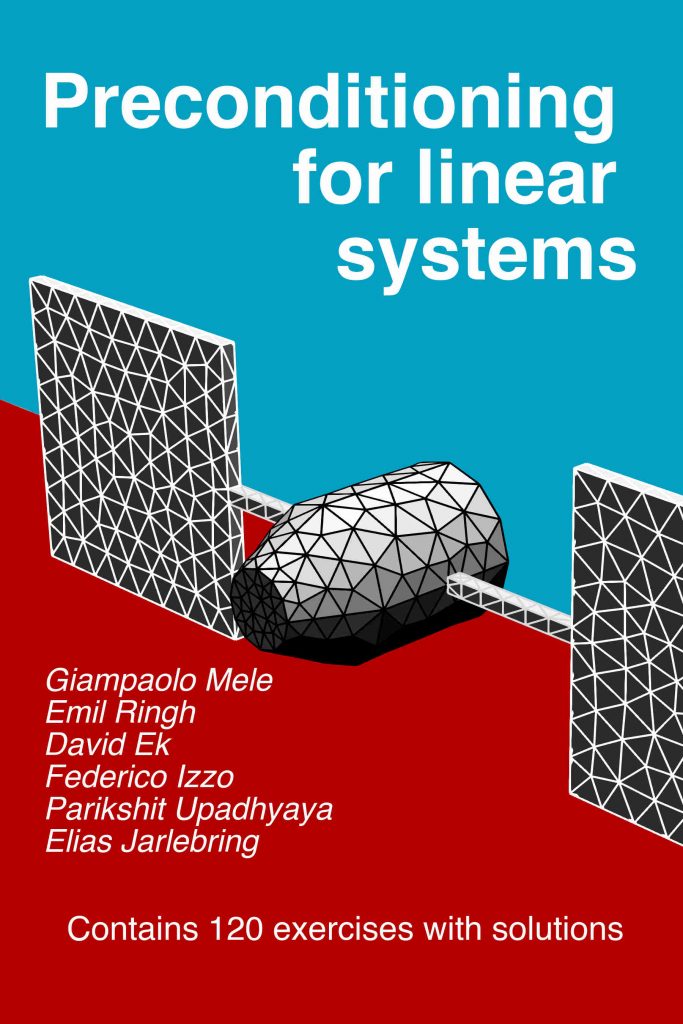
Elias Jarlebring is a Professor in Numerical Linear Algebra at the Department of Mathematics, KTH Royal Institute of Technology, Stockholm. He has held the position of Full Professor since 2021, following his tenure as Associate Professor (2013-2021) and Dahlquist Research Fellow (2011-2013). His research focuses on numerical analysis, numerical linear algebra, matrix computations, and scientific computing. Jarlebring develops linear algebra algorithms to solve problems from various fields including systems and control, acoustics, electromagnetics, data science, quantum mechanics, and quantum chemistry. He is a core developer of NEP-PACK, a scientific computing software package for nonlinear eigenproblems. His recent publications demonstrate significant contributions to computational methods for nonlinear eigenvalue problems, matrix functions, and parameterized linear systems. The research shows a clear trajectory toward increasingly complex applications in quantum computing, data science, and wave propagation problems. Project grant, Swedish research council (2019) Ruth och Nils-Erik Stenbäcks foundation, junior grant (2019) Göran Gustafsson Prize for junior researchers (2014) Project grant for junior researchers, Swedish research council (2014-2018) Professor Jarlebring has supervised numerous PhD students including Vilhelm Peterson Lithell, Gustaf Lorentzon, Siobhán Correnty, Parikshit Upadhyaya, Emil Ringh, Antti Koskela, and Giampaolo Mele. He has received multiple research grants from the Swedish Research Council and serves as editor for BIT Numerical Mathematics, Linear and Multilinear Algebra, NACO Numerical Algebra Control and Optimization, and CALCOLO. He is actively involved in the numerical linear algebra community as a member of ILAS (International Linear Algebra Society), GAMM Activity Group on Numerical Linear Algebra, and the Nordic Numerical Linear Algebra Association. He also contributes to open source projects, particularly in the Julia programming language ecosystem.
Mark D. Hill is a Professor at the University of Wisconsin—Madison, renowned for transformative contributions to computer architecture spanning memory systems and parallel computing. His work earned the ACM-IEEE CS Eckert-Mauchly Award in 2019 and ACM Fellowship in 2004. Hill pioneered the 3C model for cache misses, SC for DRF memory consistency (with Sarita Adve), and transactional memory via LogTM (with David Wood). His simulation frameworks—Dinero, GEMS, gem5, and BadgerTrap—enable advanced analysis of memory behavior and virtual systems, while concepts like 'page reservation' directly impact Linux kernel design. Research spans cache optimization, heterogeneous processor memory models, and scalable parallel evaluation techniques. Hill's accolades include: ACM-IEEE CS Eckert-Mauchly Award (2019) for contributions to memory systems and parallel computer design/evaluation ACM Fellow (2004) for innovations in memory consistency models and memory system architecture With over 160 co-authors and 20,000+ citations, Hill mentored influential researchers like Sarita Adve. His grant-supported projects—including the Wisconsin Wind Tunnel simulator—produced industry-adopted tools cited thousands of times, driving real-world implementations in programming languages and operating systems. Hill leads critical research initiatives at Wisconsin, developing the Dinero cache simulator, GEMS/gem5 full-system simulators, and BadgerTrap virtual memory analyzer. These projects underpin modern architecture research and continue to evolve for emerging heterogeneous computing challenges.
Juliane Nguyen, PhD, is a Professor in the Department of Pharmacoengineering and Molecular Pharmaceutics at the UNC Eshelman School of Pharmacy, University of North Carolina at Chapel Hill. She serves as Vice Chair and Director of Graduate Admissions in her department and holds an adjunct appointment as Professor of Biomedical Engineering. Dr. Nguyen is also a member of the UNC Lineberger Comprehensive Cancer Center, where she applies molecular engineering approaches to develop innovative therapeutic solutions. Dr. Nguyen's research focuses on molecular engineering to advance protein-based therapeutics, live biotherapeutics (including engineered probiotic yeast), and extracellular vesicles. Her lab develops cutting-edge technologies to treat diverse conditions including cancer, myocardial infarction, chemotherapy-induced cardiotoxicity, and inflammatory bowel diseases. Her interdisciplinary approach integrates molecular engineering, pharmaceutical sciences, and bioinformatics to create complex biologics with exceptional safety and efficacy profiles. Key research areas include developing therapeutics for cardiac repair, genetically encoded materials targeting tumor-associated macrophages, live biotherapeutics for inflammatory bowel diseases using engineered probiotic yeast, and auxetic patches for dynamic organ repair. Analysis of Dr. Nguyen's recent publications reveals a strong focus on translational research with significant contributions to cardiac repair technologies, cancer immunotherapy, inflammatory bowel disease treatments, and advanced biomaterials. Her work consistently bridges fundamental molecular engineering with clinical applications, particularly in the areas of targeted drug delivery, extracellular vesicle therapeutics, and engineered live biotherapeutics. The research demonstrates a clear trajectory toward developing clinically viable solutions for previously challenging medical conditions. Dr. Nguyen has received numerous prestigious awards and honors including the NSF CAREER Award (2018), Eshelman Innovation Award (2020), and recognition as a Fellow of the Controlled Release Society (2023). She was appointed as a Standing Member of the NIH Drug and Biologic Therapeutic Delivery Study Section (2023-2025) and serves as Executive Editor of Advanced Drug Delivery Reviews since 2021. Her Galenus Guest Professorship at ETH Zuerich (2024) and keynotes at major conferences highlight her international recognition in the field. As Director of Graduate Admissions and an active mentor, Dr. Nguyen has advised numerous PhD and Master's students who have co-authored significant publications with her. Her research is supported by competitive grants including the NSF CAREER Award and other NIH-funded projects. The Nguyen Lab maintains strong collaborations across disciplines, particularly with cardiology, oncology, and biomedical engineering researchers. She leads an interdisciplinary team focused on translating molecular engineering breakthroughs into clinically impactful therapies. The Nguyen Lab operates as a dynamic, interdisciplinary research environment combining expertise in molecular engineering, pharmaceutical sciences, and bioinformatics. The lab's mission is to revolutionize medicine by developing next-generation therapeutics that target diseases at the molecular level. Current projects focus on translating cutting-edge research into life-changing therapies for patients suffering from cancer, myocardial infarction, colitis, and other challenging conditions. The lab's innovative approach to biomolecular engineering positions it at the forefront of developing safe, effective, and personalized therapeutic solutions.
Nuri Yazdani is a Lecturer at the Department of Information Technology and Electrical Engineering at ETH Zürich, Switzerland. Based at the Institute for Electronics (Institut für Elektronik) in Zurich, Dr. Yazdani contributes to both teaching and research in advanced materials and nanotechnology. His work spans multiple interdisciplinary areas connecting physics, chemistry, and electrical engineering, with particular emphasis on nanocrystal-based materials and their applications in electronics and optoelectronics. Dr. Yazdani's research focuses on the synthesis, characterization, and application of nanomaterials, particularly semiconductor nanocrystals and quantum dots. His work explores the fundamental physical properties of these materials, including exciton-phonon interactions, structural ordering in multicomponent systems, and charge transport mechanisms in nanocrystal assemblies. He investigates how nanoscale phenomena affect macroscopic material properties, with applications ranging from catalysis to optoelectronic devices. His approach combines experimental techniques like small-angle X-ray scattering with theoretical modeling to understand structure-property relationships in nanomaterials. Analysis of Dr. Yazdani's recent publications reveals a strong emphasis on perovskite and chalcogenide nanocrystals, with particular interest in how structural features like cation distribution, octahedral tilting, and surface chemistry affect optical and electronic properties. His work bridges fundamental physics with practical applications, spanning from quantum optics to energy conversion technologies. A recurring theme is the investigation of size-dependent phenomena and the role of phonons in determining material behavior at the nanoscale. Dr. Yazdani collaborates extensively with researchers across multiple institutions and disciplines, as evidenced by his authorship on numerous multi-investigator publications. His work appears in high-impact journals including Nature Communications, Journal of the American Chemical Society, and Nature Physics, reflecting the significance and interdisciplinary nature of his contributions to nanoscience and nanotechnology.
Amy Childress is Dean's Professor of Civil and Environmental Engineering at the University of Southern California's Viterbi School of Engineering. She serves as director of the Civil and Environmental Engineering Department's environmental engineering program and leads the Center for Water Reuse (ReWater). Dr. Childress has been with USC since summer 2013 and previously served as professor and chair of the Civil and Environmental Engineering Department at the University of Nevada, Reno. Dr. Childress earned her educational degrees from the following institutions: Bachelor's Degree in Civil Engineering from the University of Maryland College Park Master's Degree in Civil Engineering from the University of California - Los Angeles Doctoral Degree in Civil Engineering from the University of California - Los Angeles For over 20 years, Professor Childress' research has focused on membrane processes for addressing global water scarcity challenges. Her current research interests include membrane contactor processes for innovative solutions to contaminant and energy challenges; pressure-driven membrane processes as industry standards for desalination and water reuse; membrane bioreactor technology; and colloidal and interfacial aspects of membrane processes. She emphasizes process sustainability through reduction of discharge by-products, limiting chemical and material consumption, and minimizing energy, carbon, and infrastructure footprints of treatment systems. Her work explores the water-energy nexus to develop holistic solutions for finite water and energy resources. Professor Childress' recent publications demonstrate a consistent focus on advancing membrane technologies for water treatment and desalination. Her research spans fundamental studies of membrane properties and performance to applied research on system integration and optimization. Key themes include improving membrane wetting resistance, developing mathematical models for water blending, understanding morphological changes in membranes, exploring power density limitations in osmotic processes, and investigating long-term operational effects on membrane performance. Her work consistently addresses the technical challenges of water scarcity while considering sustainability and energy efficiency. Her scientific achievements have been recognized with numerous awards and honors: National Science Foundation CAREER Award (2001) NAE Frontiers of Engineering Invited speaker (2007) AEESP President (2008) Multiple fellowships and scholarships from UCLA, AWRA, ACS, and water districts UNR Student Chapter of AWRA Excellence in Teaching Honorable Mention Award (2001) Clair A. Hill Scholarship (1995) Larson Aquatic Research Support (LARS) Scholarship (1996) Professor Childress has directed research projects funded by numerous prestigious organizations including the U.S. Bureau of Reclamation, NSF, NASA, Office of Naval Research, U.S. Department of Energy, California Energy Commission, California Department of Water Resources, the U.S. EPA, and SERDP, as well as local and private agencies. She leads a productive research group that has generated numerous peer-reviewed publications, proceeding papers, and patents. Her leadership extends to service on the AEESP Foundation Board of Directors and previously as AEESP President. She also serves on the Advisory Board of Desalination journal. Dr. Childress leads the Childress Research Group at USC, which focuses on fundamental and applied aspects of membrane processes for water treatment and desalination. The group maintains laboratory facilities in Biegler Hall (BHE) at USC and conducts both experimental and modeling research to advance water treatment technologies. Their work addresses critical challenges in southern California and around the world related to wastewater reclamation and seawater desalination.
Lars Nordström is a Professor at the Division of Electric Power and Energy Systems within KTH Royal Institute of Technology, Stockholm, Sweden. His work bridges control systems , communication networks , and power systems , with a focus on future architectures, functionality, and quality aspects of ICT for power grid operations. He has led initiatives such as the Swedish Centre of Electric Power Engineering and served as Thematic Leader for Smartgrids in KIC InnoEnergy. In 2014, he was a Visiting Professor at Washington State University. Education : Ph.D., MSc.EE Nordström's research explores the intersection of smart grids , machine learning , and cybersecurity for power systems. Key areas include: Wide-Area Monitoring and Control (WAMC) systems Decentralized control strategies for DC microgrids Impedance modeling using neural networks Data-driven methods for islanding detection ICT reliability and protocol design for grid operations His recent publications emphasize machine learning applications in power systems, including LSTM networks for EV charging management, graph attention networks for stability monitoring, and digital twin approaches for cyber-attack mitigation. These works span disciplines such as Smart Grids, Power Electronics, and Data Science. Scientific Recognitions : Senior Member, IEEE Senior Member, CIRED Senior Member, Cigre Past Chairman, Swedish IEC TC57 Mirror Committee Nordström actively teaches and examines graduate courses like Communication and Control in Electric Power Systems and Computer Applications and Machine Learning in Electric Power Systems . His work influences industry practices through collaborations on digital substations, energy market analysis, and resilience strategies.
Irina Oleinikova is a Professor at the Norwegian University of Science and Technology (NTNU) in the Department of Electric Energy, Faculty of Information Technology and Electrical Engineering. She leads the Power System Operation and Analysis research group and serves as the NTNU Smart Grid Team Leader. She is a steering committee member of the European Energy Research Alliance (EERA) Joint Programme on Smart Grids and an expert in the International Smart Grid Action Network (ISGAN) WG6. Research Interests : Power System Operation, Digital Power System Protection and Control, Grid Resilience, Energy Flexibility, Cybersecurity in Power Systems, and Hydrogen Technology Integration. Her work focuses on advancing smart grids, grid flexibility, and cybersecurity through projects like FME CINELDI, HONOR, ASAP, and ZeroKyst. Key Projects : CINELDI : Developing intelligent electricity distribution grids. HONOR : Cross-sectoral energy flexibility markets. ASAP : Next-generation system protection schemes. ZeroKyst : Hydrogen and charging infrastructure along Norway’s coast. COSPAT : Stability of AC/DC transmission grids via co-simulation. Advising & Grants : Supervises PhD students in digital protection and cybersecurity. Active in projects funded by RCN, STATNETT, and EU Horizon 2020. Leads the Power System Operation and Analysis group and collaborates with SINTEF and industry partners. Labs/Teams : NTNU Smart Grid Team and the Power System Operation research group.