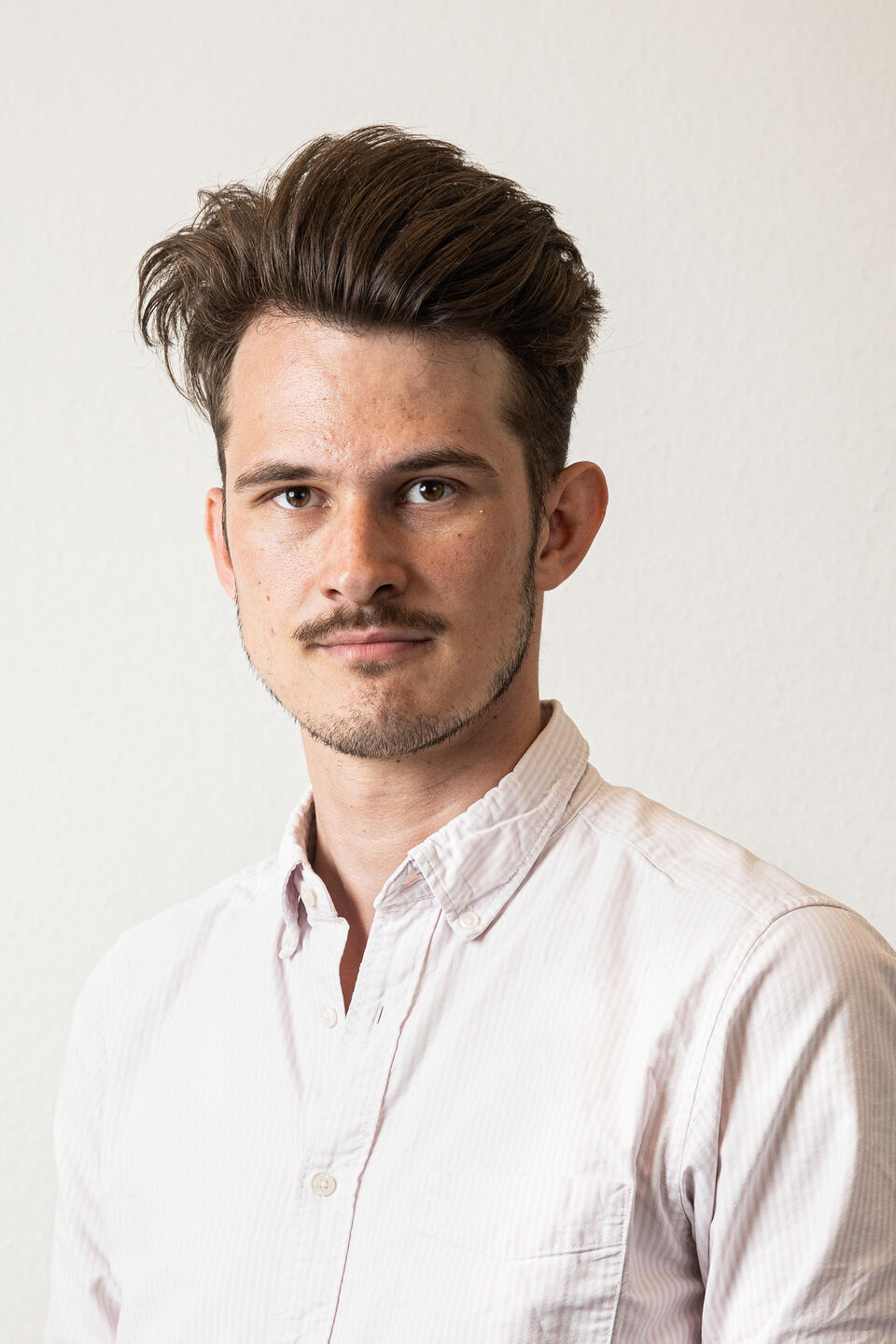
Prof. Gjalt de Graaf is a Full Professor in the Department of Political Science and Public Administration at Vrije Universiteit Amsterdam, leading the New Public Governance (NPG) research group. He holds dual appointments in the Faculty of Social Sciences and Humanities, specializing in public governance quality, integrity, and value conflicts. His work addresses how social media, academic education, and whistleblowing impact governance practices. Research focuses on resolving public value conflicts, particularly in academia and public institutions. He explores governance through lenses like art’s role in policy-making and administrative traditions’ influence on professional ethics. Notable contributions include studies on Dutch justice policy under pressure and cross-national comparisons of academic integrity. Awarded the Best Article Award 2017 Public Integrity and the VU Faculty of Social Sciences Research Prize (2008) , his work aligns with UN SDGs on peace, justice, and strong institutions. He advises 4 PhD theses and leads projects like Veerkrachtige en zinvolle samenlevingen , addressing societal resilience and youth participation. Teaching includes courses on good governance, public administration ethics, and leadership in dynamic environments. He actively engages in media commentary on integrity issues and organizes conferences on anti-corruption and ethical leadership.
Ming Cao is a Full Professor at the University of Groningen (Netherlands), holding positions in the Department of Discrete Technology and Production Automation, the Engineering and Technology Institute Groningen, and serving as Chair of the Jantina Tammes School of Digital Society, Technology and AI. His academic roles include Director of the Jantina Tammes School and membership in prestigious organizations such as the International Federation of Automatic Control (IFAC) and the European Commission’s DG CNECT. Cao’s research focuses on multi-agent systems, autonomous robotics, complex networks, and cooperative control, with applications in robotics, epidemic modeling, and biomimetic sensors. Education: PostDoc in Mechanical Engineering from Princeton University (2008), PhD in Electrical Engineering from Yale University (2007). Research Interests: Multi-agent systems, distributed decision-making, cooperative control, robotic teams, seal whisker-inspired flow sensing, and privacy-preserving control systems. Recent Trends in Articles: Recent work emphasizes co-evolutionary dynamics in social-technical systems, privacy in control systems, and biomimetic robotics. Key topics include feedback mechanisms in cooperation, hypergraph-based epidemic models, and seal whisker mechanics for underwater sensing. Awards: European Control Award (2016), Manfred Thoma Medal (2017), ERC Grant (2012). Grants: Vidi Grant from NWO (2015) for agent coordination research. Labs/Teams: Jan C. Willems Center for Systems and Control, Research Center for Data Science and Systems Complexity (DSSC). Active in editorial roles for journals like Artificial Life and Robotics and the SIAM Journal on Control and Optimization .
Prof. Dr. Fabian Sting is a Full Professor and Director of the Department of Supply Chain Management – Strategy and Innovation at the University of Cologne, Faculty of Management, Economics and Social Sciences. He also holds a part-time Chaired Professorship of Digital Supply Chain Innovation at Rotterdam School of Management (RSM), Erasmus University, where he previously served as Associate and Assistant Professor. He has been a visiting professor at Singapore Management University and IESE Business School, and held a postdoctoral fellowship at INSEAD. Education: Doctorate in Production Management (Dr. rer. pol., summa cum laude), WHU-Otto Beisheim School of Management M.Sc. in Mathematics - Methods and Models, University of Hagen Diploma in Management Science, Catholic University of Eichstätt-Ingolstadt Exchange studies at University of Melbourne His research centers on digital innovation, Industry 4.0, strategy implementation, and employee-driven innovation in operations and supply chains. He investigates how organizations innovate processes, manage change, and harness front-line employee ideas. His work integrates behavioral and strategic perspectives in operations management. His recent publications in MIS Quarterly , Management Science , Academy of Management Journal , and Harvard Business Review reflect a strong trend toward digital transformation, idea evaluation biases, and collaborative innovation mechanisms. The articles emphasize knowledge transfer, learning-by-doing, and the behavioral aspects of digital change. Scientific Awards: Richard Beckhard Memorial Prize, MIT Sloan Management Review Jürgen Hausschildt Award for Innovation Management, VHB Top Academic Article Award, ERIM Fabian Sting serves as Associate Editor for Management Science and Senior Editor for Production and Operations Management . He has received multiple teaching awards for courses such as "Operations Management" and "Primaire Processen." He is Academic Director of the Industrial Excellence Award in Europe, in collaboration with IESE, INSEAD, and WHU. His work contributes to UN Sustainable Development Goals related to innovation and sustainable industrialization. There is no mention of specific labs or research teams in the provided texts.
Dr. Peter Fokker is a Researcher at Utrecht University's Faculty of Geosciences, specifically within the Department of Earth Sciences and the Experimental Rock Deformation/HPT group. He is affiliated with the Research Programme in Earth Sciences Utrecht (DES/IVAU) and has been actively publishing in geomechanics, subsidence modeling, and induced seismicity for over three decades. His work primarily focuses on the application of geomechanical principles to understand and model subsurface processes related to resource extraction and geothermal energy. Dr. Fokker's research interests span several interconnected domains in geomechanics and subsurface engineering. His primary focus is on experimental rock deformation , studying how rocks behave under various stress conditions. He has made significant contributions to subsidence modeling , particularly in the context of gas field depletion in the Netherlands. His work on induced seismicity has helped understand the relationship between subsurface operations and seismic events. Additional interests include geothermal energy systems , reservoir engineering , and the application of data assimilation techniques to improve subsurface characterization. His research often bridges theoretical models with practical applications in energy resource management. An analysis of Dr. Fokker's recent publications (2020-2025) reveals a strong focus on practical applications of geomechanics to real-world challenges. His work increasingly integrates InSAR technology and data assimilation methods to monitor and model subsidence processes. There's a clear emphasis on geothermal energy applications , reflecting growing interest in sustainable energy solutions. His research also demonstrates a sophisticated approach to modeling complex reservoir behaviors across multiple scales, from laboratory experiments to field-scale operations. The interdisciplinary nature of his work is evident in collaborations spanning geology, engineering, and environmental science. Dr. Fokker has supervised multiple research projects and students throughout his career, as indicated by the "Supervised Work (4)" reference in his profile. His research has been supported by various grants focused on subsidence modeling, geomechanics of energy resources, and induced seismicity. He has been involved in significant collaborative efforts, including the Dutch National Scientific Research Program on Land Subsidence. Dr. Fokker is part of the Experimental Rock Deformation/HPT group at Utrecht University, which conducts laboratory experiments and develops theoretical models to understand rock behavior under various conditions. His work contributes to the broader research ecosystem focused on sustainable resource management and understanding subsurface processes, with particular relevance to the Dutch context of gas extraction and land subsidence.
Prof. Casper Hoogenraad is a full professor in Molecular Neuroscience at the Department of Cell Biology, Faculty of Science, Utrecht University. His research focuses on understanding how intracellular protein trafficking underlies neuronal development and function, with particular emphasis on the microtubule cytoskeleton, synaptic cargo trafficking, and synaptic plasticity. He leads an active research group within Utrecht University's Cell Biology department and collaborates extensively with other neuroscience research groups. Education: PhD, Erasmus University Rotterdam (1996-2001) Postdoc, Massachusetts Institute of Technology (2002-2005) Hoogenraad's research spans three main themes: cytoskeleton dynamics during neurodevelopment and synaptic plasticity, motor proteins and adaptors as regulators of synaptic transport, and psychiatric and neurologic disease disorders linked to intracellular transport. His work combines genetics, biochemistry, molecular, and cellular biology methods in in vitro (neuron cultures), ex vivo (brain slices), and in vivo (mice) systems, along with advanced microscopy techniques including immunofluorescent confocal microscopy, high-resolution live cell imaging, and photo-activated localization microscopy (PALM). Analysis of Hoogenraad's recent publications reveals a strong focus on microtubule organization, neuronal polarity, and the molecular mechanisms underlying synaptic function and dysfunction. His work frequently explores how disruptions in intracellular transport contribute to neurological disorders including Alzheimer's disease, schizophrenia, and autism spectrum disorders, with particular attention to the relationship between cytoskeletal organization and cargo transport in neuronal compartments. Scientific Awards and Memberships: ZonMW-VIDI (2004) European Young Investigators (EURYI) award (2005) NWO-ALW VICI (2011) ERC Consolidator grants (2013) FENS-Kavli Network of Excellence (2014) European Molecular Biology Organization (EMBO) (2015) Young Academy of Europe (YAE) (2015) IBRO Kemali Prize (2016) Hoogenraad leads a research group studying neuronal development and function, with a particular focus on how intracellular transport mechanisms contribute to both normal brain function and neurological disorders. His laboratory employs a multidisciplinary approach combining molecular, cellular, and systems neuroscience techniques to investigate the molecular basis of neuronal polarity, synaptic plasticity, and the pathogenesis of neurological disorders. He has secured significant research funding through prestigious grants including ERC Consolidator grants. The Hoogenraad lab operates within the Cell Biology department at Utrecht University, collaborating with other research groups focusing on cellular dynamics, biophysics, and neurobiology. The lab utilizes advanced microscopy techniques including immunofluorescent confocal microscopy, high-resolution live cell imaging (spinning disc microscopy and total internal reflection fluorescence microscopy), and quantitative analysis using advanced high-resolution microscopy (photo-activated localization microscopy). Current lab technicians include Phebe Wulf and Bart de Haan.
Sabine Waschull is an Assistant Professor of Operations Management at the Faculty of Economics and Business, University of Groningen. She holds a MSc and PhD in Operations Management from the same institution. Her research focuses on human-centric design in Industry 4.0/5.0 contexts, including AI integration, digitalization, and work system evaluation. She is a member of the IFIP WG 5.7 working group on Production Management Systems. Her teaching includes courses such as Smart Industry Operations, Technology-Enabled Innovation, and Operations Strategy & Technology across bachelor and master programs. Her work emphasizes human-AI synergies and co-creation methodologies in manufacturing systems. Recent research trends highlight AI-driven enterprise interoperability, socio-technical evaluation of manufacturing systems, and human-centric design of augmented reality tools. Collaborations with co-authors like Christos Emmanouilidis and Joost Bokhorst explore AI ethics, digital twin integration, and assembly process optimization.
René van de Molengraft is a Full Professor of Robotics at the Mechanical Engineering Department of Eindhoven University of Technology (TU/e). He holds dual professorships in EAISI High Tech Systems and EAISI Foundational. His research focuses on autonomous robotic systems operating in human environments, emphasizing adaptability and task execution in varying conditions. Academic Background: MSc in Mechanical Engineering (TU/e, 1986) PhD in Identification of Mechanical Systems for Control (TU/e, 1990) Career progression: Assistant Professor (1990–2008) → Associate Professor (2008–2024) → Full Professor (2024) Research Interests: Autonomous robotics, human-robot interaction, agricultural automation, and control systems. His work emphasizes practical applications, such as the Tech United RoboCup team (world champion in multiple years) and large-scale robotics competitions. Projects: Key initiatives include the Tech United RoboCup team, the AI-matters manufacturing network, and the Frontiers in Autonomous Systems Technology (FAST) project. He has organized major robotics events like the 2013 and 2024 RoboCup World Championships in Eindhoven. Labs/Teams: Founder and leader of Tech United, a robotics team renowned for its achievements in robotic soccer and service robotics. Active in TU/e's Robotics research group and collaborations with industry partners.
Tim Baarslag is a Senior Researcher and group leader of the Intelligent and Autonomous Systems group at CWI (The Dutch research institute for Mathematics and Computer Science). He holds the title of Professor of Mathematics of Cooperative AI at Eindhoven University of Technology and serves as a Visiting Associate Professor at Nagoya University of Technology, Visiting Fellow at the University of Southampton, and Visiting Scholar at MIT. His research focuses on automated negotiation systems for collaborative decision-making in smart energy trading, IoT, autonomous vehicles, and digital privacy. Education : MSc (cum laude) and BSc (cum laude) from Utrecht University; PhD (cum laude) from Delft University of Technology Tim pioneered the COMBINE project (NWO Vidi grant) for coordinating multi-deal negotiations and developed the widely-used Genius negotiation environment. His work appears in prestigious venues like Science Magazine , Artificial Intelligence , and MIT Technology Review . He also leads the International Automated Negotiating Agent Competition and contributes to policy through memberships in The Young Academy and Netherlands Academy of Engineering . Recent research trends emphasize multi-deal negotiation protocols (2024), preference uncertainty modeling in privacy negotiations (2022), and scalable algorithms for handling outcome spaces as large as 10²⁵⁰ possibilities. His 2023 work on search algorithms for large negotiation domains has applications in energy trading and supply chain management. Scientific Awards : Cor Baayen Young Researcher Award (2017), Springer Theses Award (2016), multiple Best Paper Awards (AAMAS 2022, WI-IAT 2015, IJCAI 2014), and recognitions as Science Talent (2018), Academic Pioneer (2020), and Young Talent (2019) As a grant recipient , Tim leads NWO Vidi project COMBINE and previously held a Veni grant for preference uncertainty research. He mentors through organizing competitions, serving on conference PCs (AAAI, IJCAI), and reviewing in top journals like Artificial Intelligence . His work bridges theory and practice through the Genius framework and real-world implementations in smart grid and vehicular platooning.
Nelly V. Litvak is a Full Professor in Algorithms for Complex Networks at Eindhoven University of Technology (Mathematics and Computer Science). She works on mathematical methods and algorithms for complex networks (social networks, WWW) using random graph models. She joined TU/e as a part-time professor in 2017 after being an Associate Professor at the University of Twente since 2012. Affiliations: 4TU Applied Mathematics Institute, Data Science Center Eindhoven, CTIT Industry Partners: ABN-AMRO Bank, Philips Lighting, Thales Editorial Role: Managing Editor of Internet Mathematics Her research focuses on extracting value from network data across three areas: (1) Information extraction and prediction, (2) Mathematical analysis of network characteristics, and (3) Efficient algorithms for incomplete network data. Key topics include PageRank, HITS algorithm, random graphs, homophilic networks, and network epidemiology. Recent work (2022-2025) spans network growth mechanisms, fairness in ranking algorithms, educational pedagogy, and pandemic forecasting dashboards. She contributes to SDGs through data-driven approaches to societal challenges. Teaching activities include course development at TU/e and earlier institutions, with innovative methods for computer engineering students' statistical understanding.
Prof. Tammo H.A. Bijmolt is a Full Professor of Marketing Research and Chairman of the Department of Marketing at the University of Groningen's Faculty of Economics and Business. He holds additional roles such as Director of the Groningen Digital Business Center and former Director of the SOM Research Institute. His expertise spans consumer decision making, e-commerce, advertising, retailing, loyalty programs, and meta-analysis. Education: PhD in Marketing (cum laude, 1996) and MSc in Quantitative Business Economics (cum laude, 1991), both from the University of Groningen. Research focuses on marketing methodology, consumer behavior in digital contexts, and loyalty programs. Notable awards include the 2022 Best Paper Award (Journal of Interactive Marketing) and the 2017 Emerald Literati Award. Advising over 20 PhD students and overseeing grants such as NPG funding for digitalization projects. Active in leadership roles with EMAC and EIASM, and consulting with firms like DVJ Insights and Unilever. Labs/Teams: Leads the Groningen Digital Business Center and collaborates with the SOM Research Institute.
Alfons Oude Lansink is a Professor and Chairholder in Business Economics at Wageningen University, Netherlands. He holds adjunct professorships at Universitas Padjadjaran (Indonesia) and the University of Florida (USA), and serves on the Dutch Ministry of Agriculture's CDM committee and Rabobank's scientific advisory board. His academic career spans roles as director of Wageningen School of Social Sciences (WASS) and Secretary-General of the European Association of Agricultural Economists. Education: MSc and PhD in Agricultural Economics from Wageningen University Leadership: Head of Business Economics group since 2003 His research focuses on dynamic technical and economic efficiency , sustainable performance of food supply chains , and economics of plant health . Recent work examines climate adaptation strategies, circular economy applications, and cross-border agri-food innovation dynamics using advanced econometric models. Key projects include MINDSTEP (modeling farm decisions), Closing the Loop (insect-based agriculture), and Food Pro-tec-ts (transboundary food technologies). Publications address topics like: Technical efficiency in dairy and arable farming Economic impacts of climate change on agriculture Corporate social responsibility in food manufacturing Policy evaluation for biogas and organic farming He serves as: Secretary/Treasurer of agricultural economics journal foundation Advisor to Universitas Padjadjaran (Indonesia) on policy and PhD supervision Editorial board member of Agronomy Journal and European Review of Agricultural Economics
Francesca Grisoni serves as an Assistant Professor in the Department of Biomedical Engineering at Eindhoven University of Technology (TU/e), where she currently leads the Molecular Machine Learning team. She additionally holds appointments as an ICMS Core member and Associate Professor at EAISI (Eindhoven Artificial Intelligence Systems Institute), reflecting her cross-disciplinary role at the intersection of computational science and biomedical applications. Academic Background : Grisoni completed her Environmental Sciences degree and earned a Ph.D. in 2016 from the University of Milano-Bicocca, where her dissertation focused on interpretable machine learning for molecular property prediction. During doctoral studies, she conducted research at ETH Zurich's Department of Chemistry and Applied Biosciences and the U.S. EPA's National Center for Computational Toxicology. Ph.D., University of Milano-Bicocca, 2016 (Dissertation: Interpretable machine learning for molecular property prediction) Environmental Sciences, University of Milano-Bicocca Her research integrates artificial intelligence, chemistry, and biology to develop computational methods for drug discovery, emphasizing wet-lab experimental validation alongside algorithmic innovation. Key focus areas include overcoming activity cliffs in molecular machine learning, generative modeling for scaffold hopping, and AI-augmented decision-making in therapeutic development, with the ultimate goal of achieving 'better decisions faster' in drug discovery pipelines. Analysis of her recent 2025 publications reveals a concentrated trend toward chemical language models and generative deep learning frameworks, specifically addressing low-data drug discovery challenges through active learning and neural network architectures. These works bridge computer science with pharmacology, targeting bioactivity prediction, molecular representation, and enzyme design while maintaining strong ties to experimental validation. Scientific Awards : Lush Young Researcher Prize Early Career Award 2022 from the Dutch Royal Netherlands Academy of Arts and Sciences (KNAW) ERC Starting Grant (2022) Grants and Supervision : Dr. Grisoni secured the prestigious ERC Starting Grant in 2022 to advance her molecular machine learning research. Institutional records indicate she has supervised 7 students (as shown in TU/e's 'Supervised Work (7)' repository section), though specific names aren't provided in the source material. Her group maintains active industry collaborations, including past engagement with Bracco Pharmaceuticals. Laboratory and Team : The Molecular Machine Learning team operates under the ICMS and EAISI frameworks, merging computational AI development with experimental wet-lab validation. This collaborative unit focuses on fragment-based molecular design, chirality representation (evidenced by fragSMILES work), and high-throughput nanoparticle identification using machine learning, as highlighted in recent press coverage and datasets.
Maria C.W. Peeters serves as a Full Professor at Eindhoven University of Technology (TU/e) within the Department of Industrial Engineering and Innovation Sciences, specifically the Human Performance Management Group. She concurrently holds an Associate Professor position at Utrecht University in the Department of Social, Health and Organizational Psychology, reflecting her dual institutional engagement in Work and Organizational Psychology. Her educational background includes: MSc in Health Sciences from Maastricht University PhD from Radboud Universiteit Nijmegen (dissertation: effect of social support on work stress) Peeters' research investigates sustainable workforce performance through the critical lens of worker diversity in high-tech environments. She specializes in worker (ill)health and well-being, work engagement, sustainable employability, job crafting interventions, work-life balance dynamics, and tailored technological innovation implementation. Her work emphasizes adapting technologies to accommodate older workers, those with lower educational levels, and disabilities to extend labor market participation. Recent publications (2025) analyze psychosocial safety climate and the DISC model for office workers, while earlier studies (2018-2015) focused on job crafting transmission and intervention efficacy. Her research consistently employs quantitative methodologies like regression analysis within the Job Demands-Resources framework, addressing sustainable performance threats from rapid technological implementation. No specific scientific awards or prizes are documented in the provided text. Peeters has published over 100 national and international articles and book chapters, with 75 research outputs listed in TU/e's repository. She co-edited the textbook "An Introduction to Contemporary Work Psychology" (Wiley Blackwell, 2014) and serves on editorial boards for Work & Stress and Gedrag en Organisatie (Dutch Journal of Behaviour in Organizations). Her academic leadership includes presidency of the Dutch Association of Work & Organizational Psychology since 2018. She operates within the Human Performance Management Group at TU/e, which studies workforce optimization through health, engagement, and sustainable employability metrics in digitized workplaces.
Miguel Mujica Mota is a Senior Lecturer at the Faculty of Technology, National Autonomous University of Mexico (UNAM), and a member of the Centre of Applied Research Technology. His research focuses on airport operations, multimodal transport systems, and simulation modeling. He has expertise in analyzing capacity challenges in multi-airport systems, particularly in Mexico City, and developing decision support systems for airport security and resource allocation. His work integrates sustainability and efficiency, addressing topics like environmental reporting in airlines and post-pandemic airport recovery strategies. Research Contributions: Dr. Mujica Mota has published extensively on airport capacity optimization, multimodal transport integration, and simulation-based methodologies. Key projects include the X-TEAM D2D initiative for door-to-door travel and the IMHOTEP project for smart passenger flow management. His work often involves collaboration with institutions like Schiphol Airport and the H2020 EU framework. Research Interests: Airport terminal design, air traffic management, simulation modeling, multimodal logistics, and sustainable aviation. Awards: A-BOOST Research Fund (2020) Beste paper award EMM2018 X-TEAM D2D Project Recognition (2020) Activities: Organized conferences like the 2023 EUROSIM Simulation Seminar and served on committees for events such as the 2024 Multilog Conference. Grants & Projects: Involved in EU-funded initiatives like H2020, focusing on multimodal integration and sustainable transport solutions. His research also explores climate change impacts on infrastructure and simulation-based validation approaches.
Konrad Kollnig is an Assistant Professor at Maastricht University’s Faculty of Law, specializing in the intersection of law and technology. He leads the RegTech4AI project, which combines legal and technical methods to address challenges in the AI and digital platforms sector. His academic background includes a PhD and MSc from the University of Oxford and a BSc from RWTH Aachen, with his PhD thesis winning the prestigious Stefano Rodotà Award 2024. Research focuses on market power analysis in digital platforms, ethical AI governance, and privacy-preserving technologies. He developed the TrackerControl app (200,000+ downloads) to expose app tracking practices. His work has influenced EU, OECD, US FTC, and other regulatory bodies, and been featured in Forbes, Wired, and New Scientist. Key achievements include winning the United Nations Privacy Competition 2022 and the Best Student Privacy Paper Award 2022. He holds a five-year RegTech4AI project grant (€2.1M) funding six researchers. Talks and collaborations span institutions like Georgetown University, CNIL, and the Council of Europe. His interdisciplinary approach bridges computer science, law, and policy to address systemic risks in digital ecosystems.