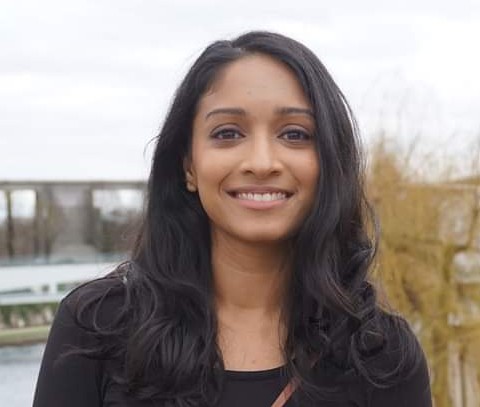
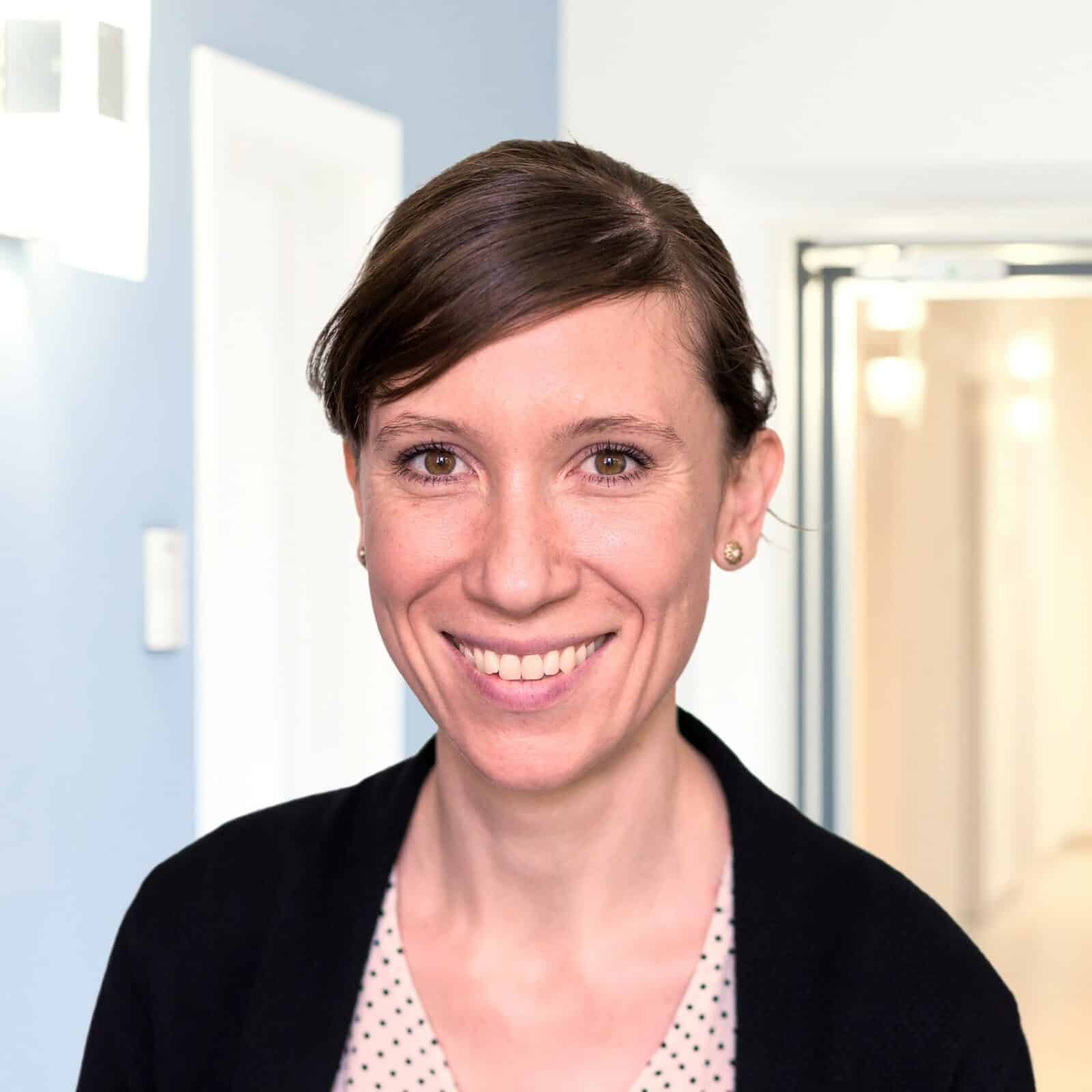
Dr. Sahani Pathiraja is a Lecturer (tenure track assistant professor) at UNSW Sydney , specializing in Data Science . Her research bridges mathematical and statistical foundations with practical applications in environmental and biomedical sciences. Research Focus : Sequential Bayesian inference, Monte Carlo methods, stochastic analysis of non-linear filtering, uncertainty quantification, and real-time parameter estimation. Current Projects : Co-investigator in the ARC Industrial Transformation Training Centre: Data Analytics for Resources and Environment (DARE) and the Next Generation Graduate Program (NGGP) in Sports Data Science and AI . Research Supervision : Dr. Pathiraja supervises PhD students in areas including: Bayesian inference Stochastic differential equations Data assimilation Non-linear filtering Scientific Collaborations : Her work intersects with environmental science, biomedical applications, and machine learning. Projects include stochastic hydrology, SDEs, and operator learning for environmental systems. Contact Information : Email: s.pathiraja@unsw.edu.au Phone: +61 2 8065 0836 Office: Room 2070, Level 2, The Red Centre, UNSW Sydney
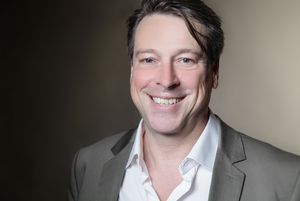
Navid Faraji, MD is an Assistant Professor in both the Department of Radiology and Department of Anatomy at Case Western Reserve University School of Medicine. He also serves as Associate Program Director for the Diagnostic Radiology Residency at UH Cleveland Medical Center, where he actively mentors medical students and residents in radiology research initiatives. University: Case Western Reserve University School: School of Medicine Departments: Radiology, Anatomy Academic Rank: Assistant Professor Email: navid.faraji@uhhospitals.org His research spans two primary domains: Radiology Education and Musculoskeletal Imaging . Recent publications demonstrate expertise in: Educational technology integration (e.g., Anki flashcards) Emergency fracture detection tool validation Bone marrow edema patterns in athletes/military trainees Gender equity initiatives in radiology pipeline AI-human collaboration in diagnostic imaging Cross-modality image registration techniques Scientific accolades include the Wei-Shen Chin Award for Medical Student Teaching (2022) . His 2023-2025 publications focus on optimizing radiology workflows, ballet dancer injuries, and incidental lesion analysis, with emerging themes in synthetic imaging and psychological safety frameworks.
Steven Shechter is a Professor of Business Administration and holds the WJ VanDusen Chair in the Operations and Logistics Division at the University of British Columbia's Sauder School of Business. He holds a BS in Mathematics from Loyola University Chicago, an MS in Operations Research from Georgia Tech, and a PhD in Industrial Engineering from the University of Pittsburgh. His research focuses on stochastic optimization, simulation methodologies, and healthcare operations, with particular emphasis on medical decision-making and healthcare system efficiency. His academic contributions include groundbreaking work in multi-objective optimization (e.g., electoral apportionment models), patient monitoring systems, and surgical capacity allocation. He teaches advanced decision modeling courses to MBA and MBAN students, including Simulation Modeling and Optimal Decision Making modules. Key research trends in his work include applying stochastic processes to healthcare challenges (e.g., alarm fatigue management in patient monitoring systems), optimizing surgical workflows, and developing adaptive treatment protocols using Bayesian methods. His recent studies address pressing issues like kidney transplantation decision models and pediatrician scheduling in healthcare facilities. While no formal awards are listed, his extensive publication record reflects sustained impact in operations research and healthcare analytics. His work often bridges theoretical models with practical healthcare applications, emphasizing system efficiency and patient-centered outcomes.
Prof. Dr. rer. pol. Andreas Deckmann is a Professor of Management and Business Administration at the Berlin University of Technology since 2003, with a parallel career in management consulting. His academic work focuses on Corporate Social Responsibility (CSR), strategic management, human resources, and corporate ethics. He leads the "MitCSR" project analyzing CSR's impact on employee retention and communication, funded by IFAF and collaborated with the Berlin School of Economics and Law. Studied economics at the University of Hanover Former head of corporate development at N-ERGIE AG Worked at Tongji University Shanghai (2016) His research spans CSR triads (activities, communication, perception), energy management systems (ISO 50001), and organizational change. Publications include works on CSR communication, balanced scorecards, and ethical management frameworks. He supervises final theses in corporate management, strategy, and HR through Department I. Contact details: email deckmann@bht-berlin.de , office in Haus Gauß, 5th floor, room 547. Key collaborations include projects with Berlin School of Economics and Law, Tongji University, and industry partners like Horváth & Partner. His "MitCSR" project explores CSR's role in employer branding and workforce sustainability.
Claire O'Donnell is an Associate Professor at the University of Limerick's School of Nursing & Midwifery. She holds key administrative roles including Course Director for the BSc Nursing (General) programme and Department International Coordinator, overseeing international collaborations with institutions in Ghana and the USA. Her research focuses on nursing workforce constraints, missed care, stroke care, and interprofessional practice, informed by grounded theory methodologies. She has contributed to global health initiatives addressing perinatal mental health access for refugee women and cultural competence in healthcare education. Educationally, O'Donnell holds a PhD (2016) and MSc (2006) from University College Cork. Her work aligns with UN Sustainable Development Goals, particularly in education and health equity. She has received the PhD Medicine and Health award in 2016. Research interests span workforce planning, clinical supervision, and intercultural nursing education. She has led collaborative projects on peer group clinical supervision and breastfeeding education outcomes. Her recent work highlights pandemic impacts on mental health and nurse resilience strategies. Academic supervision includes over 40 publications and collaborative international grant activities. Key Collaborations: University of Cape Coast (Ghana), University of Minnesota (USA) Labs/Teams: Supportive and Palliative Care Research Cluster Grants: Funding for transnational educational programs and perinatal mental health initiatives
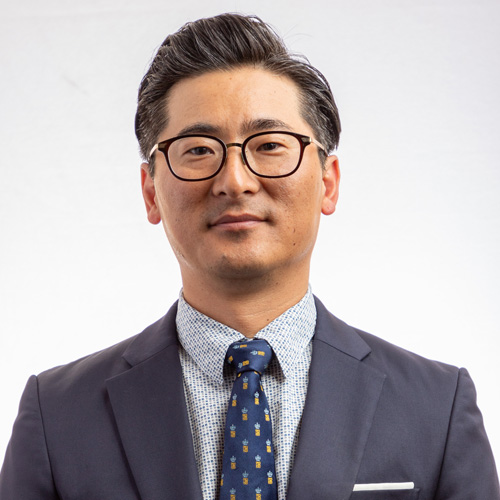
Prof. Dr.-Ing. Frank Thielecke is a full Professor and the head of the Institute of Aircraft Systems Engineering (Flugzeug-Systemtechnik) at Technische Universität Hamburg (TUHH), Germany. His research is centered on advanced aircraft systems, avionics, flight control, and the integration of emerging technologies such as hydrogen and hybrid-electric propulsion. Institution: Technische Universität Hamburg Department: Institute of Aircraft Systems Engineering (Flugzeug-Systemtechnik) Email: frank.thielecke@tuhh.de Office: Neßpriel 5, Room 1.012, 21129 Hamburg His research interests include integrated modular avionics (IMA), model-based systems engineering (MBSE), aircraft load estimation, health monitoring, fault diagnosis, and sustainable aviation technologies. He leads a research group actively contributing to next-generation aircraft design, with a strong focus on digitalization, virtual testing, and system safety. The recent publications highlight a consistent trend in developing model-based tools and architectures for avionics and aircraft systems. Key themes include the design of IMA platforms, virtual integration, system validation, hydrogen aircraft systems, and control algorithms for UAVs and flexible aircraft. His work frequently appears in AIAA, DASC, DLRK, and CEAS conferences and journals. Prof. Thielecke has been involved in numerous collaborative research projects focusing on more-electric aircraft, fuel cell systems, and advanced actuation. He has contributed to the development of frameworks such as ASHLEY and SArA for avionics platform design and systems architecting. His team also works on noise reduction in hydraulic systems and condition monitoring for aircraft subsystems. He supervises a group of researchers and PhD students, many of whom co-author his publications. While specific student names are not listed, long-term collaborators like Oliver Luderer, Thimo Bielsky, Nils Külper, and Philipp Chrysalidis are likely doctoral candidates or postdoctoral researchers in his group. He has secured funding for projects related to hydrogen aircraft, hybrid propulsion, and digital avionics engineering. His lab, the Institute of Aircraft Systems Engineering, operates test benches for avionics, hydraulic systems, and flight control validation. The team uses advanced simulation, co-simulation (e.g., FMI), and hardware-in-the-loop techniques for virtual integration and testing. Ongoing work includes the development of tools for early validation of flight control platforms and automated requirement-based testing.
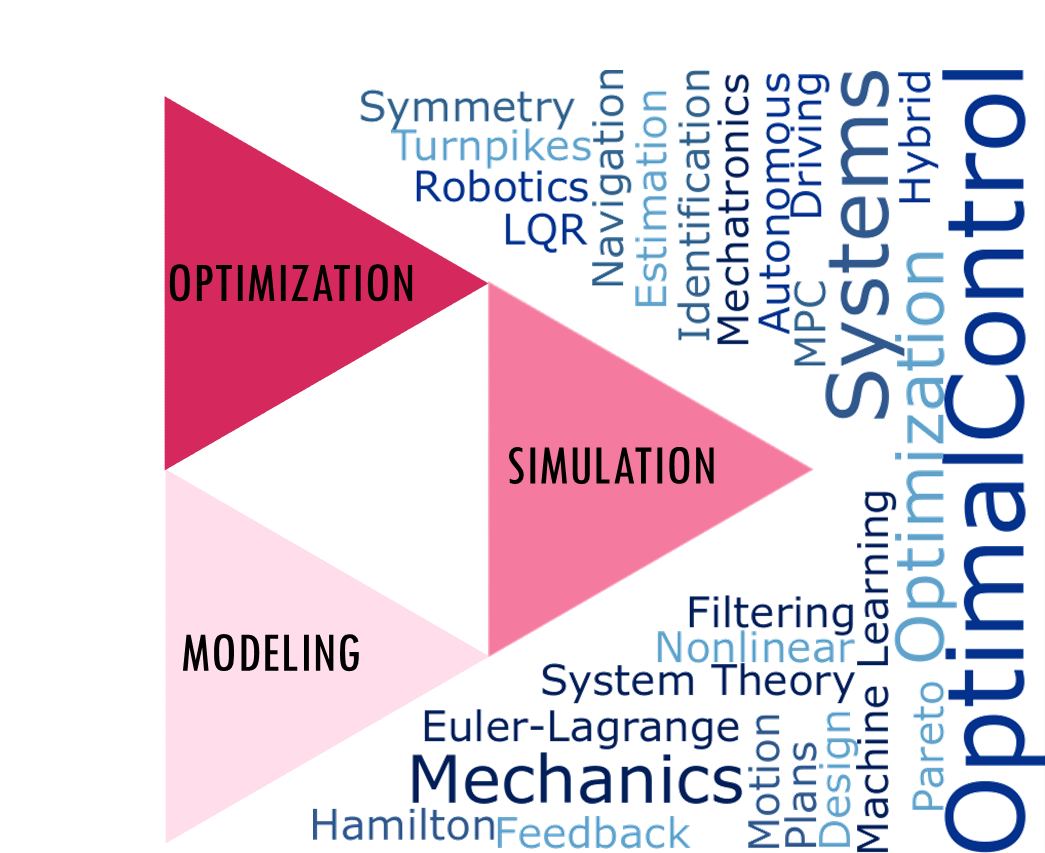
Kathrin Flaßkamp is a Professor at Saarland University, specializing in the Department of Systems Engineering. Her work focuses on modeling and simulation of technical systems, with applications spanning robotics, optimal control, and biomedical engineering. She is based at Campus A5 1, Room 1.04, Saarbrücken. Her research integrates control theory, artificial intelligence, and optimization to address challenges in mobile robotics, autonomous vehicles, and medical devices. A key trend in her recent articles involves leveraging model predictive control, neural networks, and Koopman operators for energy-efficient and cooperative trajectory planning. She also explores applications in stereotactic neurosurgery using continuum robots, emphasizing precision and adaptability. Her work frequently bridges theoretical advancements with real-world engineering problems, including systems with symmetries, multi-agent coordination, and data-driven methods for dynamical systems. Despite no explicit awards listed, her contributions to optimal control and robotics are evident in her extensive publication record.
Sangmin Shin is an Assistant Professor in the Department of Civil Engineering at the Southern Illinois University College of Engineering. His research focuses on integrated water resources management, critical interdependent infrastructure modeling, water cyber-physical-social systems, artificial intelligence applications, urban water sustainability and resilience, socio-environmental hydrology, multi-objective optimization, and systems analysis. PhD: Civil and Environmental Engineering, University of Utah (2016-2020) MS: Civil and Environmental Engineering, Korea Advanced Institute of Science and Technology (KAIST) (2008) BS: Civil Engineering, Pusan National University (2006) Shin leads the SciWater Lab, which investigates smart and connected infrastructure for water systems under uncertainty. Key strategies include: increasing infrastructure variety, building cyber-physical-social networks, and integrating feedback interactions between critical systems. The lab aims to transform water infrastructure through interdisciplinary approaches involving communities, engineers, and policymakers. His research portfolio demonstrates trends in: climate change adaptation (14% of publications), infrastructure resilience (22%), AI applications (18%), socio-hydrology (12%), and systems thinking (16%). Notable methodologies include system dynamics modeling, modern portfolio theory, and cyber-physical attack simulations. Postdoc Travel Assistance Award (University of Utah, 2019) Best Paper Presentation Award (Korean Society of Disaster & Security, 2015) Contact: Engineering B, Room 34, 1230 Lincoln Drive, Carbondale, IL 62918, USA | Phone: 618-453-3325 | Email: sangmin.shin@siu.edu
Dr. Eija Kalso is a Research Director at University of Helsinki's Clinicum and holds the title of Associate Professor . She supervises doctoral programs in Biomedicine, Clinical Research, and Drug Research, with a focus on pain management and neurobiology of disease . Key Research Areas : Chronic pain, circadian rhythm disruption in pain states, pharmacogenomics of analgesics, CRPS, and neuropathic pain mechanisms Recent Trends : 2025 publications emphasize circadian transcriptomics , opioid alternatives , and genotype-driven pain therapy Awards : Konrad ReijoWaara Prize (2007, 2007) Finnish Medical Association Best Textbook Award (2010) Academy of Finland Membership (2010) Arkkiatri Risto Pelkonen Award (2012) Active in European pain research networks , she leads projects like "Sleep and Stress in Pain Transitions" (Finnish Medical Association funding) and participates in international GLORIA consortium targeting glial-opioid receptor interfaces. Her 214+ activities include conference organizing and peer review roles.
Prof. Günter Kummetsteiner serves as a Professor in the Department of Industrial Engineering and Healthcare within the Faculty of Industrial Engineering and Health at Amberg-Weiden University of Applied Sciences. His office is located in Weiden's main building, Room 045, with contact details including phone (+49 961 382-1612) and email (g.kummetsteiner@oth-aw.de). His academic focus centers on Integrated Logistics Systems , spanning industrial engineering applications and healthcare logistics optimization. Research interests include supply chain integration, systems engineering for healthcare delivery, and operational efficiency in complex logistics networks. His work bridges theoretical engineering frameworks with practical healthcare sector implementations. Office hours are by email appointment only, reflecting his active engagement in current academic duties. No formal advising relationships, research teams, or laboratory facilities are documented in available institutional records.
Fani Lauermann is a Professor of Empirical Educational Research and Educational Psychology at the University of Bonn, where she is affiliated with the Bonn Center for Teacher Education (BZL). She also serves as a Co-opted Member of the Department of Psychology at the University of Bonn and maintains a research affiliation with the Institute for Research on Education and School Development (IFS) at TU Dortmund University. Her work bridges educational psychology and teacher education through empirical research on motivation and learning processes. Dr. Lauermann earned her Ph.D. from the Combined Program in Education and Psychology at the University of Michigan (2008-2013) following her Diplom-Psychologist degree at the University of Bonn, Germany (2001-2006). Her academic journey includes postdoctoral research in the Gender and Achievement Research Program (GARP) at the Institute for Social Research at Michigan. Her research program centers on three interconnected domains: academic motivation and achievement, educational trajectories and occupational choices, and teacher motivation and teaching quality. She frequently applies expectancy-value theory to understand motivational processes across educational contexts, with particular attention to gender differences in academic choices. Recent methodological approaches include longitudinal designs, multilevel analyses, and cross-cultural comparisons, often examining how students' and teachers' beliefs influence academic trajectories and outcomes in math-intensive study programs. Analysis of her recent publications (2022-2025) reveals a strong focus on gender disparities in educational choices, particularly in STEM fields, as well as the role of comparative processes in forming academic self-concepts. Her work increasingly examines teacher self-efficacy, responsibility beliefs, and their impact on classroom processes, with growing attention to online learning environments and their implications for student motivation and belonging. Dr. Lauermann has held significant editorial positions including Associate Editor for Learning and Instruction (2018-2021) and editorial board membership for Journal of Educational Psychology, Journal of Learning and Instruction, Contemporary Educational Psychology, and Educational Psychologist. She served as elected coordinator for EARLI SIG-08 "Motivation and Emotion" from 2017-2021, representing members from over 30 countries. Dr. Lauermann advises several graduate students who have received recognition for their work, including Daria Benden (Paul R. Pintrich Award winner) and Sirui Wan (Graduate Student Research Excellence Award recipient from Division C at AERA 2022). Her research group collaborates with international scholars, notably Eccles, Wigfield, and Bailey on expectancy-value theory research, and with German colleagues at TU Dortmund on the FAIR research profile area. Dr. Lauermann's research contributes to understanding how motivational processes operate across different educational contexts, with implications for teacher education and classroom practice. Her work continues to advance theoretical models of motivation while providing practical insights for educators seeking to support students' academic development across domains.
Dr. John Pote is a Senior Lecturer and Researcher at the F.-A. Forel Department of Environmental and Water Sciences, Faculty of Sciences, University of Geneva. He has been a scientific collaborator at the university since 2004, following prior assistant roles at UNIGE and institutions in the Central African Republic and Democratic Republic of the Congo. His work integrates environmental chemistry, microbiology, and risk assessment in aquatic systems. Research Interests: Identification and prevention of organic and inorganic micropollutants (PCBs, PAHs, antibiotics, heavy metals) in lake water and sediments Risk assessment of genetically modified organisms (GMOs) and transgenic DNA transfer in the environment 16S and 18S rRNA characterization of microbial communities in sediment profiles for climate change studies Pharmaceutical pollution in global river systems The trend in his recent publications centers on global environmental contamination, particularly pharmaceuticals in surface waters. His 2022 study in PNAS assessed pharmaceutical pollution across 104 countries, revealing significant ecological and human health risks in over 25% of sampled sites. This work underscores his leadership in international environmental monitoring and policy-relevant science. Scientific Awards and Recognition: No formal awards explicitly mentioned in the provided text. Advising and Grants: Dr. Pote actively supervises and co-directs doctoral theses and postgraduate diplomas. He has been involved in municipal environmental projects related to waste management, wastewater treatment, and general sanitation planning. His roles combine research leadership with practical environmental consultancy. Laboratories and Teams: He manages the aquatic microbiology laboratory and clean room at the University of Geneva and is responsible for trace metal analyses using ICP-MS. He also serves as the Chemical and Biological Safety Officer, indicating leadership in lab operations and safety protocols.
Denny Yu is an Associate Professor at the Edwardson School of Industrial Engineering, Purdue University. His work bridges human factors, neuroergonomics, and healthcare safety through advanced sensor systems and AI. Primary Affiliation : Edwardson School of Industrial Engineering, Purdue University Research Themes : Surgical ergonomics, autonomous vehicle human factors, cognitive workload assessment, multimodal physiological sensing Dr. Yu's research focuses on neuroergonomics and human-robot interaction , particularly in surgical and transportation contexts. His team develops sensor-based systems for workload monitoring, including: EEG-eye tracking fusion for situation awareness Wearable exoskeletons for surgical posture support Computer vision tools for lifting task risk analysis Smart infusion pump usability frameworks AI-driven surgical coaching systems Recent publications emphasize deep learning applications in soft tissue deformation estimation and real-time adaptive systems for robotic surgery augmentation. His work spans both occupational health (veterinary surgeons, airport workers) and medical device innovation domains.
Laura K. Jones is a Visiting Assistant Professor in the Department of Anthropology at Emory University. Her academic background includes a PhD in Anthropology from Rice University (2010), postdoctoral fellowships at the Yerkes National Primate Center and Emory University School of Medicine, and additional training at institutions like Tulane University and the University of Texas Health Science Center. Her research focuses on surgical team dynamics, healthcare communication, and the application of anthropological methods to medical settings. Notable work includes studies on operating room behavior, telehealth innovation, and the impact of hierarchy in surgical environments. Dr. Jones has received prestigious awards such as the 2010 Graduate Student Paper Prize from the Society for Medical Anthropology and the Josephine Louise Newcomb Fellowship. She has secured research grants totaling over $174,000, including projects on interprofessional communication in operating rooms and mitigating medical errors through team-based approaches. Her interdisciplinary work bridges anthropology, bioinformatics, and clinical practice, with a particular interest in wearable technology and mindfulness integration in healthcare. Professional activities include roles as Principal Investigator at Kaiser Permanente and BioSelf Technology, as well as teaching and mentoring at Emory and Rice Universities. She has presented over 20 scholarly talks and posters at conferences like the American Anthropological Association meetings, focusing on topics ranging from ethological methods in surgery to medical error prevention strategies.
Luis Antonio Azpicueta Ruiz is an Associate Professor in the Department of Signal Theory and Communications at Carlos III University of Madrid. He leads research in the Signal Processing and Learning Group (GTSA) and Machine Learning for Data Science (ML4DS) group, focusing on interdisciplinary applications spanning acoustics, telecommunications, and machine learning. Research Interests: His work bridges signal processing theory with practical applications in environmental acoustics, adaptive filtering systems, and machine learning. Key research themes include: Advanced adaptive filtering architectures for nonlinear systems Distributed estimation in sensor networks Acoustic echo cancellation and room equalization Psychoacoustic evaluation methods Machine learning applications in noise monitoring and sound analysis Research Projects: Principal investigator for multiple funded projects including: Diagnóstico del ruido de chorro en aeronaves (AEI, 2022-2025) LearnINg FLow and Noise Dynamics via AI (COMUNIDAD DE MADRID, 2024-2026) BODYinTRANSIT - Sensory-driven Body Transformation (EUROPEAN COMMISSION, 2022-2026) Aprendizaje Automático para análisis Big Data (MINISTERIO DE ECONOMÍA, 2018-2021)