
Claudia Weidenthaler , now an Associate Professor at the University of Duisburg-Essen and group leader at the Max Planck Institut für Kohlenforschung , is renowned for her work in heterogeneous catalysis and materials science . Her research focuses on structure-property relationships of functional materials using in situ diffraction and X-ray spectroscopy . Studied geology, mineralogy, and crystallography at the University of Würzburg Completed her doctorate under Reinhard X. Fischer at the University of Mainz Postdoctoral work at the Universities of Bremen and Frankfurt Moved to Max Planck Institute in 1999, establishing solid-state analytics Her research spans mechanochemical synthesis , energy storage materials (e.g., aluminum hydrides), and solid-state transformations . Recent work includes CO2 hydrogenation , nanoparticle characterization , and metal phosphide synthesis . In 2023, she was honored with the Agricola Medal for her contributions to applied mineralogy. She actively promotes equal opportunities and science outreach as an Equal Opportunities Officer and coordinator of the institute's "Girls' Day" initiative. Advisees include PhD candidates Christos Sidiropoulos and Teja Yanamandram Recipient of the Agricola Medal (2023) Developed unconventional methods combining mechanosynthesis with synchrotron X-ray diffraction Her publications highlight in situ/operando methods for studying catalysts under real conditions, with applications in hydrogen storage , electrocatalysis , and nanomaterials .
جستجوی استاد راهنمای دانشگاهی
برای مسیر پژوهشیتان، استاد راهنما، استاد دانشگاه و پژوهشگر مناسب را پیدا کنید و با آنها ارتباط بگیرید.
نمایش ۱۶-۳۰ از ۱۰۱ استاد راهنما
اطلاعات پروفایلها از صفحات عمومی دانشگاهها گرفته شده و ممکن است بهروز نباشد.
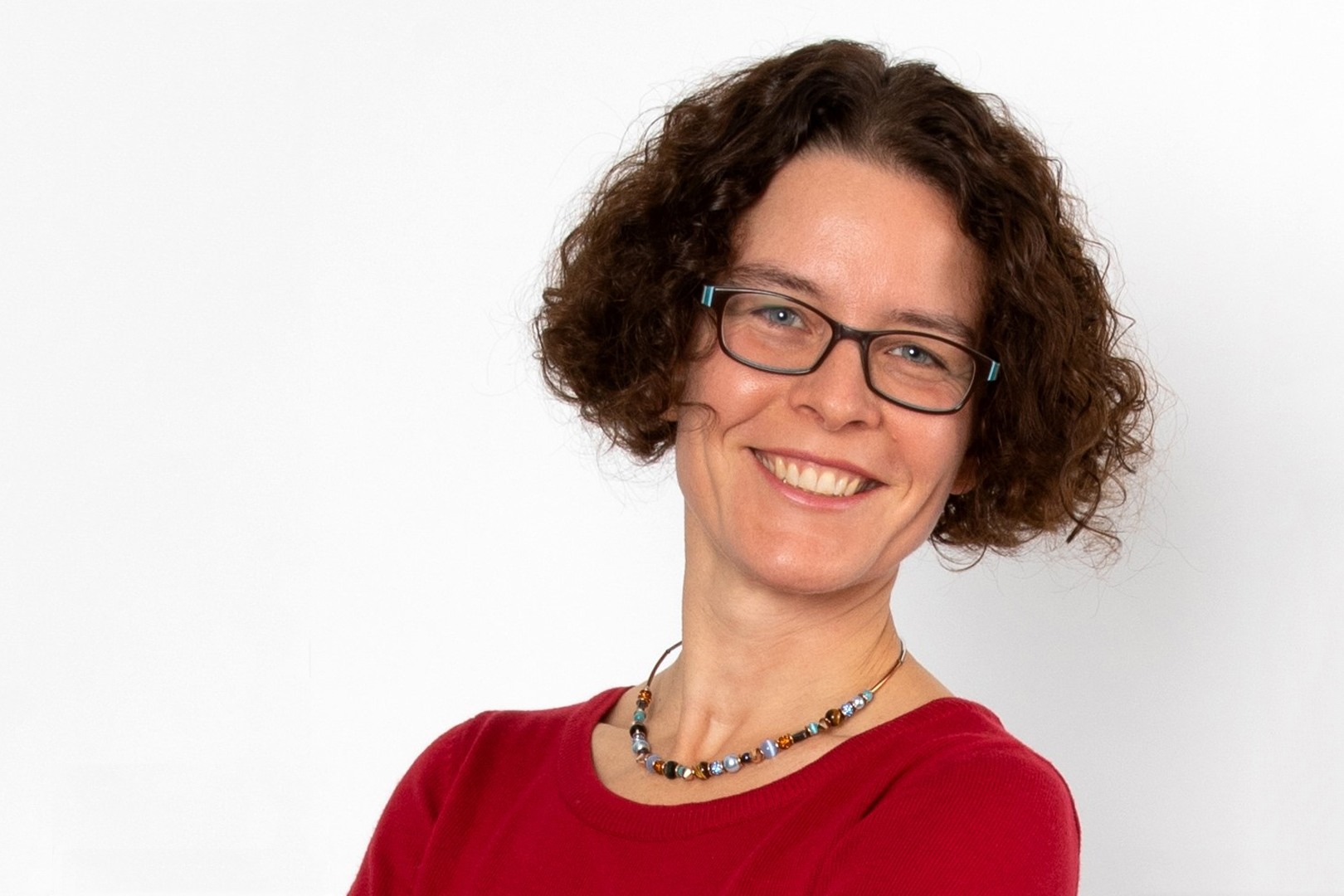
Prof. Regina Palkovits is a Full Professor of Heterogeneous Catalysis & Chemical Technology at RWTH Aachen University's Institute of Chemical Technology & Macromolecular Chemistry (ITMC). She serves as Acting Director of ITMC since 2015 and holds a Max Planck Fellowship at the MPI for Chemical Energy Conversion (since 2019). Her research focuses on sustainable catalytic processes for renewable energy and biomass conversion, including photocatalytic CO2 reduction, electrochemical water splitting, and biorefinery pathways. Key projects involve developing solid molecular catalysts, immobilized heteropolyacids, and single-atom catalysts on covalent triazine frameworks. Palkovits leads a research group with ongoing projects in catalytic hydrogenation, bio-based tandem reactions, and hydrogen production technologies. Education: Diploma in Chemical Engineering, Technical University Dortmund (1998–2003) PhD, Max Planck Institute for Coal Research (2003–2006) Postdoc, Utrecht University (2007) Group Leader, Max Planck Institute for Coal Research (2008–2010) Research Interests: Palkovits’ work bridges heterogeneous catalysis and materials innovation to address global challenges. Key areas include: Electrochemical hydrogen production and water splitting Biomass conversion to platform chemicals (e.g., xylitol) CO2-to-fuel processes using photocatalytic systems Immobilized catalyst design for recyclability and stability Awards: Max Planck Fellow (2019) EFCATS Young Researcher Award (2019) DECHEMA Award (2017) Robert Bosch Junior Professorship (2010) Hendrik Casimir–Karl Ziegler Award (2006) Grants & Collaborations: Active in interdisciplinary projects with MPI-CEC and Hamburg University. Her group seeks students for research in catalytic hydrogenolysis, electrochemical conversions, and biorefinery pathways. Labs/Teams: Leads the “Solid Molecular Catalysts” group, focusing on sustainable chemical processes and material synthesis for green energy applications.
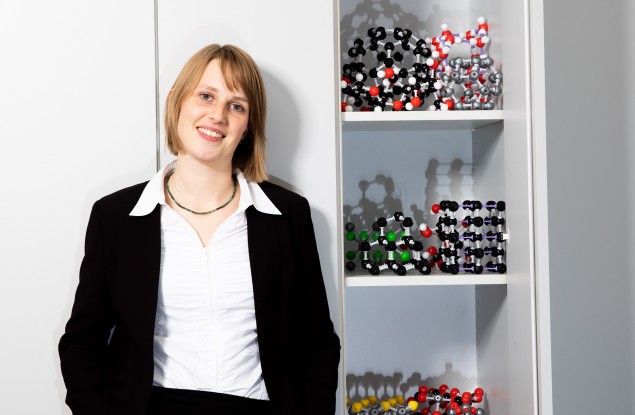
Prof. Dr. Vera Krewald is a Professor for Quantum Chemistry at Technische Universität Darmstadt, Department of Chemistry. She leads a research group focused on theoretical and quantum chemistry approaches to understand electronic structures and properties of inorganic and transition metal complexes. Her work bridges computational methods with experimental spectroscopy to explore magnetic interactions, electron transfer processes, and catalytic mechanisms. Professor for Quantum Chemistry (W3) at TU Darmstadt (since 11/2023) Professor for Theoretical Chemistry (W2, tenure track) at TU Darmstadt (12/2018-10/2023) Research Group Leader at University of Bath (01/2017-11/2018) Prof. Krewald's research focuses on applying quantum chemistry methods to understand the electronic structure and functioning of inorganic complexes. Her group makes predictions about spectroscopic, magnetic, and other measurable properties of transition metal complexes, with particular interest in systems that exhibit unexpected properties, magnetic coupling, challenging molecular transformations, or promising catalytic activity. Key research areas include electron transfer processes, photophysics and photochemistry of transition metal complexes, nitrogen activation and splitting, oxygen reduction catalysis, and the development of theoretical methods like the Angular Overlap Model. Analysis of Prof. Krewald's recent publications reveals a strong focus on iron-based catalysis, particularly for energy-related applications like the oxygen reduction reaction in fuel cells. Her work frequently combines computational quantum chemistry with experimental spectroscopy, especially Mössbauer spectroscopy, to characterize active sites in catalysts. There's also significant emphasis on electron transfer processes, photochemical activation of small molecules like dinitrogen, and the development of computational tools for analyzing magnetic properties and metal-ligand bonding. 2022: Dozentenpreis from the chemical industry fund (Fonds der Chemischen Industrie) 2021: Award from the Dr. Hans Messer Stiftung for early career researchers 2021: ADUC Award from the German association of university professors in chemistry 2014: Otto Hahn Medal of the Max-Planck-Society 2013: Participant at 63rd Lindau Nobel Laureate Meeting 2008-2013: German National Academic Foundation fellowship Prof. Krewald leads a research group with 2 postdocs, 6 PhD candidates, and several B.Sc./M.Sc. students. Her group has secured funding from multiple sources including the DFG, Leverhulme Trust, Merck'sche Gesellschaft für Kunst und Wissenschaft e.V., NHR Verein e.V., and Deutsche Bundesstiftung Umwelt. She serves as vice-speaker of SFB 1487 "Iron, upgraded!" (2022-2025), demonstrating her leadership in coordinated research efforts. Her group actively collaborates with experimental researchers to elucidate reaction mechanisms and identify catalytically active species. The Krewald Research Group operates within the Department of Chemistry at TU Darmstadt, with strong connections to collaborative research centers including SFB 1487 "Iron, reimagined!", SFB 1633 "Pushing Electrons with Protons", and SPP 2491 "Interactive Switching of Spin States". The group is also involved in the Quantum Bio-Inorganic Chemistry Society, which Prof. Krewald co-founded and serves as Secretary General. Their work combines high-level quantum chemical calculations with experimental validation to address fundamental questions in inorganic chemistry and catalysis.

Dr. Christopher Kley is a Group Leader at the Fritz Haber Institute of the Max Planck Society, leading the Kley Group within the ISC Department's Interface Science research area. His work focuses on material synthesis and nanoscale understanding of solid-liquid interfaces for catalysis and energy conversion applications. Key research interests include developing advanced catalytic materials and elucidating structure-property relationships using in situ scanning probe microscopy (SPM), particularly atomic force microscopy (AFM) under liquid phase conditions. The group also employs advanced spectroscopic tools to study charge transport phenomena and catalyst degradation mechanisms under reaction conditions. Recent research highlights include investigations into CO2 electroreduction catalyst stability, nanoscale electron transfer at electrochemical interfaces, and operando characterization of catalyst morphology changes. Dr. Kley has published extensively in journals like National Science Review , ACS Applied Materials & Interfaces , and Journal of the American Chemical Society . He actively participates in international conferences, presenting innovations in electrochemical microscopy and catalytic materials design. His team comprises researchers such as Dr. Mael Brule, Dr. Neha Jha, and Dr. Martin Munz, collaborating on projects funded by the Helmholtz Association and Max Planck Society grants. The Kley Group's lab specializes in integrating advanced microscopy with material synthesis to address challenges in renewable energy conversion and sustainable catalysis.
Melanie Bühlerمشاهده پروفایل
پژوهشگر
Dr. Melanie Bühler is the Head of Electrochemical Energy Systems - Applications at the Department of Microsystems Engineering (IMTEK) at the University of Freiburg. She holds a PhD from the University of Freiburg (2020), focusing on 'Development of novel electrodes for PEM water electrolysis.' Her academic journey includes a Master's in Microsystems Engineering (2016) with work on bio fuel cells and a Bachelor's (2012) in the same field. She is currently the contact person for PEM water electrolysis projects. Her research interests revolve around electrochemical systems, specifically proton exchange membrane (PEM) electrolyzers, catalyst development, material science, and renewable energy systems. Key areas include optimizing electrode configurations, catalyst activity, and membrane assembly technologies. She has contributed to advancements in non-noble metal catalysts and core-shell microparticle designs for improved electrolyzer performance. Dr. Bühler's lab, the Laboratory for MEMS Applications, focuses on applied electrochemical engineering. Her publications highlight innovations in PEM electrolyzer design, electrode fabrication techniques, and material characterization. Her work bridges fundamental electrochemistry with practical applications in sustainable energy systems.

- Catalysis
- Electrochemistry
- Operando Spectroscopy
- +۴ مورد دیگر
Dr. Janis Timoshenko is a Professor and Director of the Interface Science group at the Fritz Haber Institute of the Max Planck Society. His research focuses on operando hard X-ray spectroscopy and machine learning-driven analysis of catalytic processes, particularly for energy-related reactions like CO₂ electroreduction, methanol synthesis, and oxygen evolution. His work emphasizes real-time characterization of catalyst structure-function relationships under working conditions. Key areas include development of synchrotron-based techniques (XAS, XRD, SAXS), advanced data analysis methods, and nanostructured catalyst design for applications in renewable energy systems. He leads a team of postdocs and PhD students (e.g., Martina Rüscher) and collaborates extensively with institutions like DESY and ALBA Synchrotron. Recent contributions include the OperandoCat beamline P63 at PETRA III and breakthroughs in understanding catalyst restructuring during electrochemical reactions. His research bridges fundamental materials science with industrial catalysis applications.
- Electrochemistry
- Catalysis
- Energy Storage
- +۳ مورد دیگر
Yang Shao-Horn is the JR East Professor of Engineering at the Massachusetts Institute of Technology (MIT), holding appointments in the School of Engineering and Department of Materials Science and Engineering. She concurrently serves as a Hans Fischer Senior Fellow at the Technical University of Munich Institute for Advanced Study (TUM-IAS) since 2022, hosted by Professors Roland Fischer and Aliaksandr Bandarenka within the Molecular Designs of Site-Specific Activity focus group. Her educational background includes: Ph.D. in Metallurgical and Materials Engineering, Michigan Technological University Professor Shao-Horn's research pioneers the application of physical chemistry principles to engineer interfacial charge transfer and dynamics for climate-critical energy solutions. Her work spans sustainable fuel production (via water/CO 2 /nitrogen reduction) and high-energy lithium batteries, employing experimental techniques (synthesis, synchrotron X-ray, electron/light imaging) and computational methods (DFT, machine learning). Her group has developed foundational frameworks linking electronic/phononic structures to reaction kinetics and ion dynamics. Analysis of her publication record reveals dominant focus areas in electrocatalysis for renewable energy conversion, particularly oxygen evolution/reduction reactions. Her work consistently advances catalyst design (perovskites, metal-organic frameworks) and interfacial phenomena in energy storage, with increasing integration of machine learning for accelerated materials discovery across electrochemical systems. Her accolades include: Humboldt Prize in Chemistry (2020) Dr. Karl Wamsler Innovation Award (2020) Faraday Medal from Royal Society of Chemistry (2018) Battery Research Award of Electrochemistry Society (2016) She is also a National Academy of Engineering member and fellow of AAAS, Electrochemical Society, National Academy of Inventors, and International Society of Electrochemistry. Professor Shao-Horn has mentored 100+ students and postdocs at MIT, with alumni now leading research at Tesla, Amazon, Apple, national laboratories, and academic institutions worldwide (~40 faculty positions across US, Europe, and Asia). Her research program receives substantial funding from federal agencies and industry partners, supporting cutting-edge facilities for materials synthesis and characterization. Her MIT laboratory operates within the Research Laboratory of Electronics and MIT Energy Initiative, fostering global collaborations with universities and private/public sectors. Current initiatives include advanced battery systems, electrocatalysts for sustainable fuel production, and machine learning frameworks for materials design, all addressing urgent climate challenges through fundamental interfacial science.
- Inorganic Chemistry
- Spectroscopy
- Catalysis
- +۳ مورد دیگر
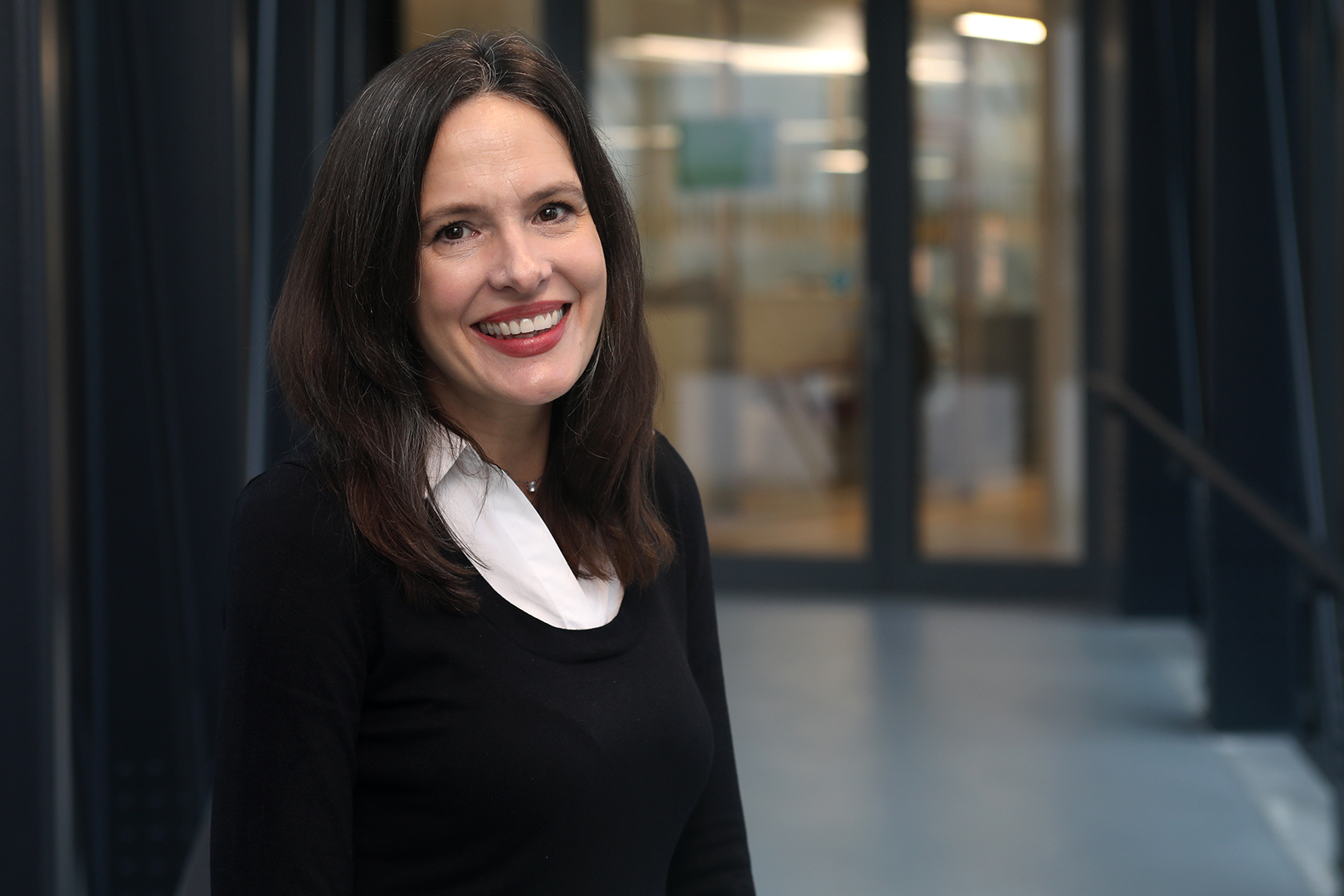
Prof. Serena DeBeer is a Director of the Department of Inorganic Spectroscopy at the Max Planck Institute for Chemical Energy Conversion (MPI CEC) and holds adjunct professorships at Cornell University and honorary faculty roles at Ruhr University Bochum and the University of Duisburg-Essen. She specializes in advanced X-ray spectroscopic techniques to study catalytic processes, particularly in biological and heterogeneous systems. Her work focuses on understanding electronic structures of transition metal active sites in catalysts for energy-relevant reactions like nitrogen fixation, methane oxidation, and water splitting. Education: B.S. in Chemistry from Southwestern University (1995), Ph.D. in Chemistry from Stanford University (2002). She has held roles at Stanford Synchrotron Radiation Lightsource (SSRL), Cornell University, and leadership positions at MPI CEC since 2011. She leads the PINK beamline at the Helmholtz Zentrum Berlin, advancing X-ray emission spectroscopy. Research interests include developing spectroscopic tools (e.g., valence XES, RIXS) to probe catalytic intermediates. Key areas include nitrogenase mechanisms, iron-oxo catalysts, and heterogeneous catalysts for ammonia synthesis. Her group collaborates on projects like adaptive catalyst design and operando studies of electrocatalysts. Awards include the Michael Lappert Lectureship (2024), ERC Synergy Grant (2019), and Royal Society of Chemistry Fellowship (2021). She advises research groups and students, supervising studies on molecular catalysis, spectroelectrochemistry, and materials design. Her lab integrates experimental and computational methods to advance sustainable energy solutions.
Junbeom Parkمشاهده پروفایل
پژوهشگر
Dr. Junbeom Park is a Staff Scientist in the Institute of Energy Technologies (IET-1) at Forschungszentrum Jülich, Germany, and a member of the In-situ Electron Microscopy (iEM) group . His work focuses on advanced electron microscopy techniques, data processing, and electrochemical material characterization. PhD in Chemical Engineering from Pohang University of Science and Technology (POSTECH), South Korea Current focus on in-situ TEM for low-temperature water electrolysis and solid-state battery materials Key skills: Python-based image processing, 4D STEM analysis, FIB/SEM, and machine learning for microscopy data Research Interests span electron microscopy , in-situ TEM , machine learning in material science , and nanoscale characterization . His work bridges fundamental structural analysis with applications in energy storage and conversion. Trends in Recent Publications emphasize quantitative in-situ liquid-phase TEM , electrochemical mechanism visualization , and automation-driven data analysis . Topics include solid electrolyte interfaces , metal electrodeposition , and nanoscale process optimization . Professional Roles : Chair of Materials Division, VeKNI (2024–Present) Member, K-TAG Europe (2025–Present) Session Chair at Europe-Korea Conferences (2024, 2025) Team Affiliations include collaboration with the iEM group at Forschungszentrum Jülich, specializing in environmental TEM and data-intensive material analysis .

Prof. Dr. Peter-Michael Kaul is a Professor of Physics, Statistics and Measurement Technology at the University of Applied Sciences Bonn-Rhein-Sieg (H-BRS), where he serves as Research Professor and Founding Director of the Institute for Security Research (ISF). He is also a member of the University Council and the Research Commission of H-BRS. His academic career spans over two decades at the university, with significant leadership roles including Vice Dean of the Department of Biology, Chemistry and Materials Engineering (1999-May 2002), Prorektor für Lehre (Vice President for Teaching and Studies) (May 2002-Oct 2005), and Dean of the Department of Applied Natural Sciences (Oct 2005-Nov 2007). Since November 2010, he has been deputy director of the Institute for Detection Technologies, and since January 2011, he has served as Director of the Institute for Security Research. Prof. Kaul's research interests focus on: Sensor technology and actuation systems Microsensors and mass-sensitive sensors Chemical and biosensors for gaseous and liquid media Sensor signal processing and multisensor systems Intelligent sensor systems Explosives detection technologies and Counter-IED methods Laser drilling and gas analytics for security applications Instrumental analytics for explosive and odor component detection His recent publications demonstrate a strong focus on advanced sensor technologies for security applications, particularly in the detection of explosives and hazardous materials. His work spans from fundamental sensor development (such as semiconductor gas sensors, Raman spectroscopy, and SERS substrates) to practical applications in security screening and explosives detection. A significant portion of his research involves the development of specialized detection systems for triacetone triperoxide (TATP) and other energetic materials, often using innovative approaches like laser initiation and acoustic monitoring. His team also works on improving the reliability of explosives detection dogs and developing algorithms for sensor data validation. Prof. Kaul has received funding for numerous research projects, including: TeamUP: Addressing CBRN-E events (Chemical, Biological, Radiological, Nuclear, and Explosive hazards) DigitalTwin-4-Multiphysics-Lab: Urban digital twins and multiphysics twins for industry NAkSU: New analysis methods for complex security and environmental data WireLife: Lifetime of new aluminum wires in power electronics SYNergie: Detection and inactivation of Synchytrium endobioticum in potatoes ReDeX: Reductive treatment method for removal of disinfection by-products from drinking water PräventinS: Prevention strategy for invasive pests like the Asian longhorned beetle ALBERO: Safe integration of alternative vehicles in roll-on/roll-off ferry traffic FHInvest: Field emission electron microscope with computed tomography for materials development Prof. Kaul leads the Institute for Security Research and has been instrumental in establishing security research as a key focus area at H-BRS. His work bridges fundamental sensor research with practical security applications, particularly in the areas of explosives detection and counter-terrorism technologies. He collaborates extensively with industry partners, government agencies, and international research institutions to develop innovative security solutions.
- Surface Science
- Catalysis
- Metal-Organic Frameworks
- +۵ مورد دیگر
Professor Christof Wöll is a leading researcher at Karlsruhe Institute of Technology (KIT), where he heads the Institute of Functional Interfaces (IFG). His work bridges fundamental surface science with practical applications in catalysis and materials engineering. His research spans several key areas including the structure-activity relationships of oxide catalysts, metal-organic frameworks (MOFs), and surface phenomena at functional interfaces. He specializes in advanced characterization techniques such as scanning tunneling microscopy, helium atom beam scattering, and X-ray photoelectron spectroscopy. Professor Wöll has led or participated in numerous major research initiatives including Collaborative Research Centers (SFB 558), Priority Programs (SPP 1121), and Clusters of Excellence (CFN, 3D Designer Materials). His current projects focus on in situ/operando characterization of catalytic systems, defect engineering of MOFs, and developing advanced instrumentation for surface analysis. His leadership extends to serving as speaker for major research programs and as co-speaker for the FAIRmat data infrastructure initiative, demonstrating his influence in shaping research directions in materials science. Professor Wöll's work shows consistent emphasis on bridging fundamental understanding with practical applications, particularly in energy-related catalytic processes and advanced materials design.
Prof. Nikolay Kornienko leads a research group at the University of Bonn's Institute of Inorganic Chemistry focused on sustainable energy conversion. His work develops catalytic materials for converting renewable electricity and abundant molecules into valuable chemicals. Research pillars: 1) Designing electrocatalysts from molecular to heterogeneous systems for small molecule activation; 2) Innovating electrochemical routes for chemical/fuel production; 3) Developing operando spectroscopy to visualize catalytic processes in real-time. Key research areas include CO2 utilization for chemical synthesis, nitrogen fixation, and developing novel battery technologies. Publications demonstrate focus on sustainable pathways for chemical manufacturing and energy conversion.
- Electrochemistry
- Energy Storage
- Materials Science
- +۳ مورد دیگر
Prof. Dr. Rüdiger-A. Eichel is the Institute Director at the Fundamentals of Electrochemistry (IET-1) department within the Institute of Energy Technologies (IET) at the Research Center Jülich GmbH. His research focuses on electrochemical energy storage and conversion systems, including batteries, fuel cells, and solid oxide electrolysis cells. Key areas include material development for high-performance electrodes, degradation mechanisms in electrochemical systems, and advanced characterization techniques such as in-situ microscopy and electrochemical impedance spectroscopy. His work addresses challenges in energy storage technologies, particularly the optimization of lithium metal batteries and solid-state electrolytes. He also investigates the impact of operating conditions on fuel cell durability and the integration of advanced sensors for real-time monitoring of electrochemical processes. Recent publications emphasize the analysis of lithium plating, solid electrolyte interface evolution, and degradation dynamics in proton exchange membrane (PEM) electrolyzers. Prof. Eichel’s contributions span experimental and modeling approaches, with a focus on bridging fundamental material science and industrial-scale applications. His research aligns with global efforts to advance sustainable energy technologies, including hydrogen production via water electrolysis and carbon-neutral energy systems.
Elias Klemm is Professor and Head of the Institute of Technical Chemistry at the University of Stuttgart. His research spans catalysis, electrochemical engineering, and reaction technology with significant focus on CO2 conversion processes. Key research domains include: Electrochemical CO2 reduction to value-added chemicals Catalyst design for selective oxidation reactions Development of advanced reactor systems (microreactors, flow cells) Recent publications demonstrate innovations in metal-organic catalysts, gas diffusion electrodes, and catalyst deactivation mechanisms. Collaborative work includes integration of electrochemical processes with microbial systems.
- Energy Conversion
- Energy Storage
- Electrocatalysis
- +۳ مورد دیگر
Prof. Dr. Aliaksandr S. Bandarenka is a Professor at the Technical University of Munich (TUM) within the TUM School of Natural Sciences , leading the Physics of Energy Conversion and Storage research group. His academic career includes postdoctoral roles at the University of Twente (Netherlands) and Technical University of Denmark, followed by leadership at Ruhr University Bochum's Center for Electrochemical Sciences. He transitioned to TUM in 2014, advancing to W3 Professor in 2020. Research Interests : Bandarenka focuses on functional materials for energy applications, particularly energy conversion/storage systems. His work integrates electrochemical surface science and bottom-up design approaches to study electrified interfaces, catalytic materials (e.g., proton-conducting electrolytes, electrocatalysts for water splitting), and solid-state battery interfaces. Techniques like electrochemical microscopy ( EC-STM, impedance spectroscopy ) and computational modeling ( DFT ) are central to his investigations. Awards : Recipient of the Ernst Haage Prize (2016) and Hans-Jürgen Engell Award (2013) for innovations in chemical energy conversion and electrochemistry. Key Contributions : Advanced understanding of hydrogen evolution reaction mechanisms, developed novel proton-conducting electrolytes, and pioneered methods to identify active electrocatalytic sites under reaction conditions. His group also investigates degradation mechanisms in Prussian Blue analogues and solid-state electrolyte interfaces for next-generation batteries.