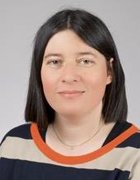
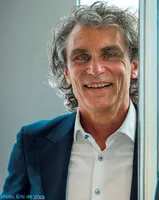
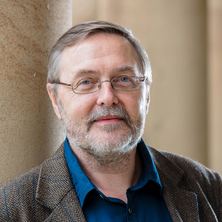
Dongchen Qi is an Associate Professor in the School of Chemistry & Physics at Queensland University of Technology (QUT), Faculty of Science. He has established himself as a leading researcher in condensed matter physics and materials science, with a focus on creating, understanding, and controlling surfaces and interfaces at the nanoscale to develop next-generation electronic devices. His research spans diamond surface electronics, quantum devices, organic semiconductors, and 2D materials, utilizing advanced synchrotron light techniques to examine critical interface phenomena. Condensed Matter Physics Nanotechnology Surface Science Quantum Technology Diamond Electronics Organic Electronics Professor Qi's research program demonstrates significant evolution from his early work in surface science to his current focus on diamond nanoelectronics and 2D materials. His publication output has grown substantially since 2019, with 28 papers published in 2021 alone, reflecting increasing research impact and collaborative networks. His work bridges fundamental physics with practical device applications, particularly in electronic devices based on emerging materials. Fellow of AIP (FAIP) (2025) Advanced Materials Award recipient (2025) ARC Future Fellowship awardee (2017) Vebleo Fellow (2020) National Honorary Treasurer of AIP (2023-present) Professor Qi actively supervises PhD and Masters students, with current research projects focusing on 2D ferroelectric devices for non-volatile memory and neuromorphic computing, electronic properties of free radical-substituted conjugated polymers, and engineering two-dimensional ferroelectricity by molecular adsorption. He leads multiple Australian Competitive Grants projects and collaborates internationally through the QUT/Max Planck Institute of Colloids and Interfaces Joint Laboratory on Nanocatalysis for Sustainable Chemistry.
Dr. Georg Pesch is an Assistant Professor/Lecturer at the University of College Dublin's School of Chemical and Bioprocess Engineering, with an ORCID identifier 0000-0003-4676-1908. His roles include coordinating modules such as Chemical Thermodynamics and Applied Research Design. He holds a BSc, MSc, and Dr.-Ing. from the University of Bremen, Germany, and completed postdoctoral research at Delft University of Technology. Previously, he was a Group Leader at the University of Bremen's Faculty of Production Engineering (2018–2022). Dr. Pesch's research focuses on dielectrophoretic technologies for particle separation, electrokinetic filtration, and catalytic reactor design. His work integrates computational fluid dynamics (CFD), nuclear magnetic resonance (NMR) imaging, and microfluidics to advance high-throughput separation systems and operando reaction analysis. Key projects include developing bio-inspired catalyst supports for heat management and antifouling strategies for underwater optics. He has secured grants from the Deutsche Forschungsgemeinschaft, Science Foundation Ireland, and industry partnerships. His scientific contributions span over 50 peer-reviewed articles, emphasizing applications in biomedical engineering (e.g., tumor cell isolation), energy storage (lithium-ion battery recycling), and materials science. Teaching responsibilities include advanced chemical engineering modules and work placement coordination. Current projects include the CFD-MRI Reactions initiative and investigations into foam fractionation for pharmaceutical applications. Grants: Electrokinetic Material Recycling, CFD-MRI Reactions, High-Throughput Separation of Tumor Cells. Lab Focus: Dielectrophoretic Particle Chromatography, NMR-Validated Catalytic Reactors.
Janice Reutt-Robey is a Professor in the Department of Chemistry & Biochemistry at the University of Maryland. She has served as Department Chair (2013–2025) and Director of the Materials Research Science & Engineering Center since 2010. Her research focuses on surface chemistry, nanoscale science, and energy storage materials. Reutt-Robey earned her B.S. in Chemistry from Haverford College (1980) and her Ph.D. in Physical Chemistry from UC Berkeley (1986), followed by postdoctoral work at Bell Labs. Her research explores directed molecular assembly, polymorph control in organic crystals, and graphene functionalization for energy applications. Techniques include scanning probe microscopy and surface spectroscopies. She has mentored numerous students and postdocs, with 10 PhD graduates and 12 postdoctoral researchers trained in her lab. Awards include the Rowan Award (2012), Alfred P. Sloan Fellowship, and Packard Fellowship. Reutt-Robey’s service roles include leadership in the AVS Science & Technology Society and American Chemical Society. Her work on energy storage materials, organic photovoltaics, and nanobattery probes has advanced nanotechnology and sustainable energy solutions.
Øystein Prytz is a Professor of Physics and Director of the Centre for Materials Science and Nanotechnology (SMN) at the University of Oslo (UiO). He leads interdisciplinary research in energy-related materials, focusing on electron microscopy techniques like STEM-EELS to study nanoscale electronic and structural properties. His work emphasizes functional materials for energy capture, conversion, and storage, as well as semiconductor nanostructures. Affiliations: SMN, Department of Physics, UiO Education: PhD in Physics (2007), Cand. scient. in Physics (2003) Research interests include radiation tolerance in semiconductors (e.g., Ga₂O₃), defect engineering, and nanomaterial characterization. He managed NORTEM (Oslo node) from 2011–2023, a national infrastructure for electron microscopy, and now directs SMN, coordinating over 100 researchers across physics and chemistry. Key contributions include advancements in STEM-EELS methodology for band gap mapping and defect analysis, as well as studies on gallium oxide polymorphs and plasmonic materials. His work bridges theory and experiment to advance functional materials for quantum technology, catalysis, and renewable energy systems.
Sebastian Prodinger is an academic staff member at the University of Oslo, focusing on catalysis and zeolite chemistry. His research explores catalyst stability, zeolite synthesis, and their applications in biomass valorization and environmental chemistry. He completed his PhD at the Technical University of Munich (2017) and held a postdoctoral position at the University of Delaware (2015-2017), studying bio-based vinyl monomer production and microchannel reactors. His work emphasizes stabilizing zeolites under aqueous conditions and understanding reaction mechanisms in heterogeneous catalysis. Education: PhD from Technical University of Munich (2017) Postdoc at University of Delaware (2015–2017) Research Interests: Catalyst durability under extreme conditions Zeolite synthesis and structural characterization Applications in methane oxidation and CO₂ adsorption Notable Achievements: Recipient of Gordon Research Seminar Chair (2019) Outstanding Performance Award from PNNL (2017) Key Publications: Zeolite stability improvements via defect removal (JACS, 2016) Partial methane oxidation over Cu-MOR (ACS Catalysis, 2022) Labs/Teams: Collaborates with groups at PNNL, University of Delaware, and TUM
Alexandr Simonov is an Associate Professor in the School of Chemistry at Monash University, specializing in electrochemistry, catalysis, and sustainable energy materials. He leads and collaborates on projects addressing challenges in ammonia electrosynthesis, renewable energy storage, and advanced materials for photovoltaics. His research aligns with UN Sustainable Development Goals, focusing on clean energy and environmental sustainability. Key projects include advancing ammonia electrosynthesis via operando spectroscopy, developing high-performance electrolytes for vanadium redox flow batteries, and scalable hydrogen generation systems. His work integrates experimental and theoretical approaches, with notable contributions to proton-conducting membranes, CO₂ electroreduction mechanisms, and nanomaterials for optoelectronics. Simonov has a prolific publication record (165+ outputs) across journals like Angewandte Chemie and ACS Applied Materials , emphasizing interdisciplinary research at the interface of chemistry, materials science, and engineering. His lab actively explores novel catalysts, electrolyte formulations, and device architectures to address global energy and environmental challenges.
Baptiste Gault is a part-time Professor of atomic scale characterisation at Imperial College London and a permanent Group Leader in Atom Probe Tomography at the Max Planck Institute for Sustainable Materials . He is renowned for pioneering advancements in atom probe tomography (APT) for nanoscale materials characterization, particularly in energy materials and alloys. Education : PhD in Physics (2007) from Université de Rouen, France. His research focuses on hydrogen in energy materials , grain boundary engineering , and electrochemical processes in batteries , leveraging cryogenic APT and correlative microscopy techniques. He has led ERC-funded projects on nanoscale materials analysis . Recent publications highlight his work on APT methodology development for energy storage materials, correlative electron microscopy , and machine learning applications in microstructure imaging . Scientific Awards : ERC Consolidator Grant (2018), Marie Curie Research Fellowship (2009-2010). He collaborates extensively with institutions like Oxford, Sydney, and McMaster Universities, leading a multidisciplinary team at the intersection of materials science, electrochemistry, and advanced microscopy .
Prof. Wojciech Henryk Gac is a distinguished Professor at the Department of Chemical Technology, Faculty of Chemistry, Maria Curie-Skłodowska University in Lublin, Poland. With over 25 years of academic experience, he has established himself as a leading researcher in catalysis and materials science. His work focuses on developing catalysts for hydrogen production, CO 2 conversion, and environmental applications. Prof. Gac has led numerous international research projects and supervised many doctoral and master's theses throughout his career. Prof. Gac's academic journey began at the Chemical Technical School in Lublin (1982-1987). He then pursued higher education at Maria Curie-Skłodowska University: 1987-1992: Master's degree in Chemistry with thesis "Synthesis and study of properties of unsaturated fire-retardant polyester resins" 1992-1996: Doctoral studies in Chemistry with dissertation "Study of the influence of surface heterogeneity on multilayer adsorption and capillary condensation in network systems by Monte Carlo method" 2009-2010: Postgraduate studies in Project Management at Leon Koźmiński Academy in Warsaw Prof. Gac specializes in heterogeneous catalysis, particularly in developing catalysts for hydrogen production and CO 2 conversion. His research focuses on understanding the relationship between structural, surface, redox, and acid-base properties of supported catalysts and their catalytic performance. He employs temperature-programmed methods (TPR, TPD, TPO) and in-situ FTIR spectroscopy to study catalysts for CO 2 hydrogenation, methanol and ethanol transformations, hydrocarbon conversion to hydrogen, and CO/organic compound oxidation. His work bridges fundamental surface science with practical applications in sustainable energy and environmental protection. Prof. Gac's recent publications (2020-2024) demonstrate a strong focus on CO 2 methanation using nickel-based catalysts with various promoters (Ce, W, Nd) and supports (alumina, ceria, zeolites). His research also explores steam reforming of methanol and ethanol for hydrogen production, CO oxidation, and phenol adsorption. The articles reveal a consistent pattern of investigating structure-activity relationships in heterogeneous catalysis, with emphasis on catalyst design, characterization, and performance optimization for sustainable energy applications and environmental remediation. Throughout his distinguished career, Prof. Gac has received several prestigious awards: Individual Award of the Rector of UMCS, 3rd degree (2010) Individual Award of the Rector of UMCS, 2nd degree for particularly important and creative achievements (2004/2005) Dean's Award of the Faculty of Chemistry UMCS for distinction in master's thesis (1991/1992) Prof. Gac has extensive experience supervising doctoral, master's, and bachelor's theses in the fields of catalysis and materials science. He has successfully led numerous research projects, including: International Projects: ERA-NET Bioenergy ICOCAD (2016-2019), Fuel Cell and Hydrogen Joint Undertaking projects (2013-2014, 2009-2013), POLONIUM program (2012-2014), FP7 projects (2009-2012, 2008-2011) National Projects: Eco-friendly methane utilization technology (2009-2013), Highly selective ethanol conversion catalyst (2008-2011), New catalytic materials for environmentally friendly chemical processes (2005-2008) UMCS Projects: Synthesis and study of physicochemical, catalytic and magnetic properties of high-surface oxide materials (2009), Kinetic analysis of isotopically labeled methane disturbances (2007) Prof. Gac leads research activities at the Department of Chemical Technology, utilizing advanced analytical equipment including: Integrated FT-IR spectroscopy system with Step-Scan, DRIFTS, ATR, PM-VCD, PM-IRRAS, PAS, Raman spectroscopy, and mass spectrometry for in-situ and operando studies Automated catalyst activity testing systems with microreactors connected to gas chromatographs or mass spectrometers Temperature-programmed techniques (TPD, TPR, TPO) using Micromeritics AutoChem II 2920 and AMI-1 Altamira analyzers Catalyst and nanomaterial synthesis facilities including automated reaction systems, high-pressure reactors, and thermal treatment equipment He collaborates extensively with the Analytical Laboratory of the Faculty of Chemistry at UMCS, particularly in electron microscopy and XPS spectroscopy.
Thomas Huthwelker is a Senior Scientist and Group Leader at the Paul Scherrer Institute (PSI), Switzerland, within the Photon Science Division. He leads the 'In-situ spectroscopy for environmental science' group, operating the PHOENIX beamline at the Swiss Light Source (SLS). His research focuses on synchrotron-based techniques to study environmentally relevant materials like ice and inorganic minerals across multiple scales. University of Bonn, Germany: PhD in Physics (HCl uptake on ice studies) Postdoctoral work at ETH Zurich, Switzerland, with adjunct faculty position at SUNY, Albany, USA Current roles: group leadership, beamline development, supervision of PhD students His work drives advancements in tender/soft X-ray spectroscopy, including liquid microjet systems and 2D chemical imaging. Key research areas involve carbonate nucleation for carbon capture, aerosol synthesis of amorphous materials, and synchrotron emission spectroscopy development. Collaborations span electrochemistry, solid-state batteries, and geological carbon cycling. Recent publications highlight applications in cultural heritage analysis, corrosion science, and catalytic OER mechanisms. Institutional roles include membership in PSI Research and Safety Commissions. Facilities utilized include SLS beamlines and SwissFEL.
Dr. Olga Safonova is a Senior Scientist at the Paul Scherrer Institute (PSI) in Switzerland, affiliated with the Operando Spectroscopy Group spanning the Energy and Environment and Photon Science Divisions. She earned her PhD in Inorganic Chemistry from Lomonosov Moscow State University, focusing on semiconductor oxide gas sensors. Her career includes postdoctoral work and a staff scientist role at the European Synchrotron Radiation Facility (ESRF), where she specialized in heterogeneous catalysis using synchrotron techniques. Her research centers on heterogeneous catalysis , particularly redox mechanisms at metal-oxide interfaces, CO₂/CO hydrogenation, and nanoparticle reactivity. She pioneers time-resolved operando X-ray absorption/emission spectroscopy (XAS/XES) to probe atomic-scale catalytic processes under realistic conditions. Key projects include leading the SNSF Sinergia initiative on CO₂-to-C-C bond conversion and the EU Horizon 2020 CATCHY project for cluster-based CO₂ hydrogenation catalysts. She teaches courses at ETH Zurich ( Cook and Look: Watching Functional Materials in Situ ) and the University of Bern ( Operando Methods in Sustainable Chemistry and Catalysis ). She supervises PhD students and contributes to scientific committees, including the International X-ray Absorption Society Executive Board and ESRF proposal reviews. Instrumental achievements include developing high-pressure capillary reactors for synchrotron studies and transient spectroscopy methods to distinguish active vs. spectator species in catalysts. Her work has advanced understanding of oxygen activation at Pt-CeO₂ interfaces and selectivity tuning in bimetallic systems.
Prof. Claire Villevieille is affiliated with the University of Grenoble Alpes , associated with the Microstructure Physics and Alloy Design department and institutions like CNRS and Grenoble INP. Her research focuses on designing, synthesizing, and monitoring battery materials using advanced operando techniques.
Mathieu Frégnaux is a Researcher at the Lavoisier Institute of Versailles (ILV), affiliated with the University of Versailles Saint-Quentin-en-Yvelines. He holds dual roles as a Research Engineer at CNRS and co-manager of the CEFS2 facilities. His work focuses on advanced material characterization techniques, including photoemission (XPS/UPS/PEEM), spectroscopic ellipsometry, and optical methods like photoluminescence and Raman spectroscopy. He actively collaborates with industry partners such as Thales, TotalEnergies, and Valeo. Education: PhD in Condensed Matter Physics (2012) from University of Lorraine, Metz. Thesis: Elaboration and characterization of cadmium sulfide nanocrystals. Research Interests: Surface and material science, with expertise in semiconductors (II-VI, III-V), oxides (perovskites), and 2D materials. Specializes in operando XPS, synchrotron-based techniques (TEMPO/HERMES), and in situ device characterization. Prior roles include postdoctoral research at CEA Grenoble (2D TMDs for electronics) and teaching/research at University of Strasbourg (silicon/germanium nanocrystals for photovoltaics). He also manages laser safety and optical characterization facilities at ILV.
Mme Kavita Kumar is a CNRS Research Fellow at the Laboratoire d'Électrotechnique et de Mécanique de précision (LEPMI) in Grenoble, France. She holds a PhD in electrocatalysis from IC2MP, Poitiers (2014–2017), followed by postdoctoral research at LEPMI (2018–2022) and HIERN in Germany (2022–2023). Her current position since October 2023 focuses on advanced electrocatalysis for energy systems. Education : PhD in electrocatalysis, IC2MP, Poitiers (2014–2017) Postdoc at LEPMI, Grenoble (2018–2022) Postdoc at HIERN, Erlangen (2022–2023) Her research centers on interfacial electrochemistry, particularly catalyst layer studies in three-electrode systems and gas diffusion electrodes. Key interests include oxygen reduction/evolution reactions (ORR/OER), hydrogen evolution reaction (HER), and durability of fuel cell/water electrolyser materials. She investigates degradation mechanisms of Fe-N-C catalysts and structure-activity-stability relationships. Her work often employs advanced techniques like operando X-ray diffraction and inductively coupled plasma mass spectrometry. Recent studies highlight Fe dissolution dynamics under pH changes, carbon corrosion effects, and artifact-free electrochemical testing methods. Kumar’s contributions span peer-reviewed journals such as Chemical Science , Chemical Reviews , and Nature Catalysis . Her findings emphasize stabilizing Fe-N active sites via platinum integration and optimizing MoS₂/C catalysts for HER. Teaching activities include electrochemistry fundamentals, corrosion science, organic/physical/analytical chemistry. She advises students on topics like catalyst design and fuel cell diagnostics. No grants or specific lab teams are explicitly listed, though her work is conducted within CNRS and LEPMI facilities.
Hubert A. Gasteiger is a Professor and Chair of Technical Electrochemistry at the Technical University of Munich (TUM), Department of Chemistry. His research focuses on electrocatalysis, energy storage, and conversion technologies, including batteries, proton exchange membrane (PEM) fuel cells, and electrolyzers. He leads efforts in developing advanced materials and understanding degradation mechanisms in these systems. Gasteiger has held roles such as Co-coordinator of the Battery Analytics Cluster AQua and former Cluster Coordinator for PEM Water Electrolysis in the BMBF-funded P2X project. Education: Ph.D. in Chemical Engineering (UC Berkeley, 1993), M.S. in Chemical Engineering (Oregon State University, 1988). Research Interests: Electrocatalysts, materials durability, fuel cell performance, and battery aging mechanisms. His work emphasizes bridging fundamental material science with industrial applications, collaborating with academia and industry. Notable contributions include bimetallic core-shell catalysts for PEMFCs and strategies to mitigate carbon support corrosion. Awards: Vittorio De Nora Award (2020), Fellow of the International Society of Electrochemistry (2021), and over 280 refereed publications (h-index 120). Labs/Teams: Chair of Technical Electrochemistry at TUM, leading interdisciplinary projects on energy storage and conversion.
Affiliations & Roles Professor Roger Wepf holds roles as Director of the Centre for Microscopy and Microanalysis and Pro-Vice-Chancellor (Research Infrastructure) at the University of Queensland (UQ). He is affiliated with the Faculty of Science and the Faculty of Health, Medicine and Behavioural Sciences. His academic rank is Professor. Education He earned a Doctoral Diploma of Science (Advanced) from the Swiss Federal Institute of Technology ETH Zürich. Research Interests His research focuses on advanced microscopy techniques, nanostructure characterization, and energy materials. Key areas include cryo-microscopy, electron tomography, and the development of imaging infrastructure. He explores applications in materials science, catalysis, and biomedical imaging. Grants & Funding Current: Structure-guided optimisation of light-driven microalgae cell factories (ARC Discovery Projects, 2024-2027) Advanced Surface Characterisation for Minerals (RTCM Trailblazer, 2024-2025) Microscopy Australia - Australian Microscopy and Microanalysis Research Facility (2023-2028) Labs & Infrastructure He leads the Centre for Microscopy and Microanalysis, overseeing state-of-the-art facilities like the 3DED/MicroED facility and cryo-microscopy suites. His work integrates correlative microscopy and FAIR-compliant data repositories.