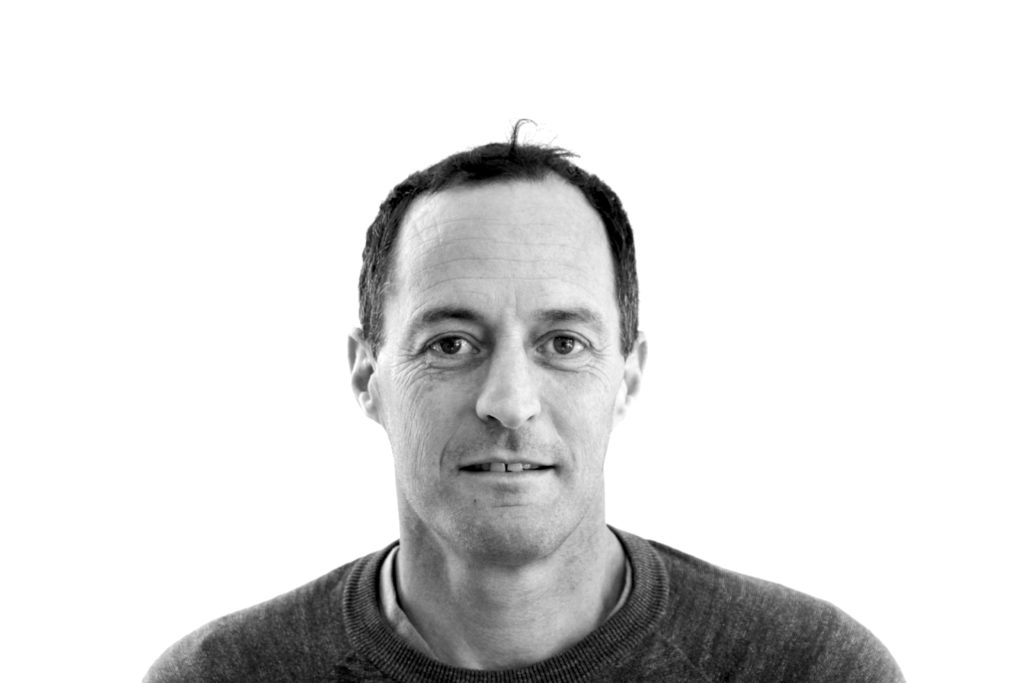
Dan Gutfreund is a Principal Research Scientist and Senior Manager at the MIT-IBM Watson AI Lab, focusing on machine learning with applications to natural language processing and computer vision. He previously held managerial and technical roles at IBM's Haifa Research Lab and was involved in IBM Project Debater. Gutfreund earned his PhD in computer science from the Hebrew University in Jerusalem in 2005. His research spans Neuro-Symbolic AI , Computational Complexity , and Foundations of Cryptography , with notable contributions to datasets like Moments in Time and ObjectNet . His recent work includes multimodal models for the metaverse, generative AI for engineering design, and simulator-assisted training for interpretable systems. Gutfreund's publications reflect expertise in AI applications for supply chain prediction, avatar personalization, and reconciling virtual disputes. He has also explored evolutionary algorithms for software engineering and constraint-based generative models in design tasks.
Thomas J. Sharpton is a Professor in the Department of Microbiology and Department of Statistics at Oregon State University's College of Engineering. His research focuses on understanding the gut microbiome's role in health, ecology, and evolution through interdisciplinary approaches that combine computational, experimental, and analytical methods. Dr. Sharpton earned his Ph.D. from the University of California, Berkeley and his B.A. from Oregon State University in 2003. His educational background provides a strong foundation for his interdisciplinary research at the intersection of microbiology, statistics, and computational biology. Sharpton's research program centers on three interconnected areas: the microbiome's connection to health and behavior, the impact of exogenous factors on the gut microbiome, and the link between the gut microbiome and vertebrate ecology and evolution. His lab employs systems biology approaches to measure microbiome features and statistically model data to identify those linked to health. They also develop zebrafish as an experimental model to study environmental impacts on the microbiome and explore evolutionary connections across vertebrate species. Analysis of Dr. Sharpton's recent publications reveals a strong focus on using zebrafish models to investigate microbiome-environment interactions, particularly regarding climate change, toxicant exposure, and nutritional impacts. His work increasingly emphasizes computational approaches, including statistical modeling of microbiome data and multi-omics integration. The research spans human health applications, environmental impacts, and evolutionary perspectives on host-microbiome relationships. Dr. Sharpton's work is generously supported by major funding agencies including the National Institutes of Health, the National Science Foundation, and the United States Food and Drug Administration, along with the Morris Animal Foundation and the Oregon Agricultural Research Foundation. The Sharpton Lab manages the Microbiome Core Facility at OSU, which provides services for microbiome data generation and analysis. They value interdisciplinary collaborations, commercial partnerships, and open science practices, developing open-source software and offering training workshops in microbiome data analytics. The lab has processed thousands of samples spanning human, mice, and zebrafish associated microbiomes.
Jeffrey Horsburgh is a Professor in Civil and Environmental Engineering and a Water Researcher at the Utah Water Research Laboratory (UWRL) at Utah State University. His work focuses on hydroinformatics, environmental sensor networks, and watershed hydrology, integrating data models, cyberinfrastructure, and GIS for water quality and hydrology research. Professor, Utah State University (College of Engineering) Utah Water Research Laboratory Research Interests: Dr. Horsburgh develops technology for environmental observatories, emphasizing high-frequency sensor data, reproducibility, and cyberinfrastructure. His research spans watershed hydrology, surface water quality, human dimensions of water use, and standards-based data sharing through platforms like HydroShare and HydroServer. Notable Awards: 2024 USU Outstanding Researcher 2023 Reproducibility Author Award 2019 Outstanding Teacher 2014 Early Career Excellence Award (International Environmental Modelling & Software Society) Education: Ph.D., MS, and BS in Civil/Environmental Engineering from Utah State University (2009, 2001, 1999).
Tim Conway is an Associate Professor in the Chemical Oceanography department at the University of South Florida's College of Marine Science, where he leads research on trace metal biogeochemistry and isotope geochemistry. His work focuses on the role of micronutrients and toxins in marine biogeochemical cycles, utilizing advanced instrumentation like MC-ICPMS and HR-ICPMS to analyze trace metals across diverse marine environments including aerosols, sediments, and seawater. He actively contributes to the International GEOTRACES program and serves as Associate Editor for Geochimica et Cosmochimica Acta. Dr. Conway earned his Ph.D. from the University of Cambridge in 2010. His research spans trace metal cycling of iron, zinc, nickel, cadmium, and copper, with emphasis on isotopic tracers to understand sources (e.g., sediments, aerosols, hydrothermal vents), transport mechanisms, and biological utilization. Key environments include polar oceans, continental shelves, and open-ocean transects, addressing critical questions about micronutrient supply to phytoplankton and implications for the global carbon cycle. Analysis of his 15 most recent publications reveals dominant themes in trace metal isotopes within GEOTRACES frameworks, with growing focus on anthropogenic impacts and polar biogeochemistry. His work spans Pacific, Southern, and Atlantic Oceans, examining sedimentary sources, atmospheric deposition, and hydrothermal inputs. Recent studies increasingly integrate multi-element approaches and explore climate-relevant processes like iron limitation in high-nutrient regions. Dr. Conway currently leads NSF-funded projects on trace metals in the North/South Pacific (GEOTRACES sections GP17-OCE, GP21, GP11), Amundsen Sea (GP17-ANT), and West Florida Shelf nutrient cycling. His group actively recruits graduate students and postdocs for collaborative research involving national and international partners. NSF-funded projects on North/South Pacific trace metals (GP17-OCE, GP21, GP11) Amundsen Sea biogeochemistry (GP17-ANT) West Florida Shelf nutrient dynamics He directs the Marine Metal Isotope and Trace Element lab at USF, equipped with Thermo Neptune Plus MC-ICPMS and Element XR HR-ICPMS. The lab supports GEOTRACES intercalibration efforts and develops novel methods for trace metal isotope analysis, maintaining strong collaborations with global oceanographic institutions to advance understanding of marine elemental cycles.
Natasa Miskov-Zivanov is an Assistant Professor at the University of Pittsburgh where she leads the MeLoDy Lab (Mechanistic, Logical, and Dynamic Modeling). She holds a PhD in Electrical and Computer Engineering from Carnegie Mellon University and conducts interdisciplinary research at the intersection of computational methods and biological systems. Her education includes: PhD in Electrical and Computer Engineering, Carnegie Mellon University (2009) MS in Electrical and Computer Engineering, Carnegie Mellon University (2005) BS in Electrical Engineering and Computer Science, University of Novi Sad (2003) Her research focuses on developing computational frameworks and tools for biological systems modeling. Primary interests include: Automated knowledge extraction from biomedical literature Dynamic network modeling of cellular signaling pathways Development of standardized knowledge representation formats (BioRECIPE) Hybrid modeling approaches for complex biological systems Applications in cancer systems biology and immunology Her publications demonstrate consistent focus on computational biology methods development, with recent work emphasizing: Context-aware knowledge selection systems Automated model assembly from literature Biomedical text mining frameworks Hybrid multi-resolution modeling Standards for executable biological models She leads several funded research initiatives including DARPA's Big Mechanism program (AIMCancer W911NF-17-1-0135) and University of Pittsburgh-supported projects. Her lab develops open-source tools like CLARINET, ACCORDION, and VIOLIN that facilitate biological network modeling and knowledge extraction.
Iván Sánchez Milara serves as a University Teacher and Fab Lab instructor at the Faculty of Information Technology and Electrical Engineering, University of Oulu, while pursuing his PhD on 'Making interactive spaces for education'. His teaching portfolio includes Introduction to Computer Systems, Computer Systems, Programmable Web Project, Principles of Digital Fabrication, and Fab Lab-focused courses, alongside training educators in STEAM and Digital Fabrication through Fab Academy. Education: MSc.(Eng) [Institution unspecified] PhD candidate at University of Oulu His research centers on integrating ICT innovations into learning environments to empower educators in creating custom digital content and physical devices. Specializing in Digital Fabrication, Human-Computer Interaction, and Child-Computer Interaction, he develops authoring tools for teachers and investigates Fab Lab integration into formal education systems. Analysis of his 15 most recent publications (2020-2024) reveals a cohesive focus on digital fabrication in educational contexts, emphasizing collaborative making with children/teens, sustainable prototyping, pandemic adaptations for makerspaces, and community-driven STEAM education. His work consistently bridges pedagogical theory with practical technology deployment. He actively contributes to the Make4Change project for unemployed youth and STEAM in Oulu's Community of Practice for educators. As a core member of Fab Lab Oulu and the Center for Ubiquitous Computing, he drives initiatives that merge academic research with real-world educational transformation.
Sazzadur Rahaman serves as an Assistant Professor in the Department of Computer Science at the University of Arizona, maintaining his office in GS 734. His scholarly focus spans system and software security, program analysis, applied cryptography, and internet measurement, positioning him at the forefront of cybersecurity research. His research program investigates critical vulnerabilities in modern software ecosystems, with particular emphasis on protestware dynamics, unsanctioned technology adoption in educational settings, and adversarial attacks against machine learning systems. Methodologically, he integrates program analysis with cryptographic techniques to develop practical security solutions, evidenced by frameworks like BLADE for code debloating and SpanL for API misuse detection. His work consistently bridges theoretical security principles with real-world deployment challenges. Analysis of his 15 most recent publications (2023-2025) reveals three dominant research trajectories: (1) software supply chain security (protestware characteristics, container debloating), (2) education technology risks (unsanctioned tool usage, LLM-assisted cheating countermeasures), and (3) foundational security mechanisms (binary code analysis, cryptographic API validation). These publications demonstrate increasing interdisciplinary collaboration, particularly between cybersecurity and educational technology domains. No scientific awards were documented in the provided materials. While student advising activities and research grants aren't specified in the source text, his publication record suggests active mentorship through co-authored works and potential grant-funded projects in software security tool development. The available documentation does not reference specific research laboratories or collaborative teams associated with his current position.
Jonathan Czuba is an Associate Professor in the Department of Biological Systems Engineering at Virginia Tech's College of Engineering. His research program integrates ecological engineering with fluvial geomorphology to address riverine ecosystem dynamics under anthropogenic and climatic pressures. Key Themes: Stream restoration, river network connectivity, ecohydraulics, and plastic pollution mitigation Methods: Coupling field measurements with computational models (HEC-RAS, Landlab) Collaborations: USGS, Indiana University, University of Minnesota Research Focus: Advances understanding of how sediment and nutrient fluxes interact with vegetation, aquatic biota, and human interventions across diverse river systems. Notable work includes quantifying floodplain connectivity, modeling post-wildfire sediment cascades, and developing tools for ecohydraulic assessments. Awards: 2023 UCOW Early Career Award 2023-2024 Engineering Teaching Excellence 2024 CALS Impactful Researcher of the Month Mentorship: Actively advises graduate/undergraduate researchers in Watershed Engineering, emphasizing fieldwork, modeling, and remote sensing. Collaborates with Kyle Strom (Civil Engineering) and Doug Edmonds (Indiana University).
Tyler McCormick is a Professor in both the Department of Statistics and Department of Sociology at the University of Washington. He also serves as a Senior Data Science Fellow at the eScience Institute and maintains affiliations with the Center for Statistics and the Social Sciences, the Center for Studies in Demography and Ecology, and the Responsible AI Systems & Experiences (RAISE) initiative. Dr. McCormick earned his Ph.D. in Statistics from Columbia University in 2011. His academic journey has established him as a leading researcher at the intersection of statistical methodology and social science applications. McCormick's research program focuses on developing innovative statistical approaches to address complex societal challenges: Bayesian methods for modeling high-dimensional dependence structures in social networks Estimating vital demographic rates from sparse data sources Developing interpretable predictive models with proper uncertainty quantification Creating methodological frameworks for verbal autopsy analysis in global health His publication record reveals a consistent trajectory of methodological innovation with practical impact. Recent work demonstrates increasing sophistication in handling network interference, integrating machine learning with statistical theory, and addressing data scarcity challenges in global health contexts. His research bridges theoretical advances with applications that inform public health policy and social science understanding. McCormick has received significant recognition for his scholarly contributions: NIH Director's New Innovator Award (2019) Election as Fellow of the American Statistical Association (2023) As an educator, McCormick teaches advanced graduate courses including Hierarchical Modeling for the Social Sciences and Quantitative Techniques in Sociology. His research has been supported by competitive grants from NICHD (2015-2020) focused on vital rate estimation in developing countries and NSF (2016-2018) funding for compact Bayesian models of social networks. His work has influenced policy discussions through media coverage in the Wall Street Journal and Washington Post. McCormick leads the OpenVA initiative, providing open-source tools for verbal autopsy analysis, and has developed multiple R packages implementing his methodological contributions to network analysis and causal inference. His research continues to address critical challenges at the intersection of statistical theory, computational methods, and societal impact.
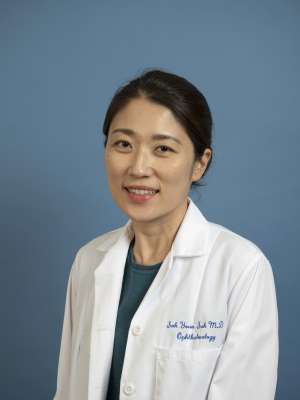
Dr. Soh Youn Suh serves as an Assistant Professor of Ophthalmology at UCLA's Stein Eye Institute within the David Geffen School of Medicine, specializing in pediatric ophthalmology and adult strabismus care at the Los Angeles clinical site. Her clinical expertise addresses complex eye alignment disorders and childhood vision conditions. Education: MD, Ewha Womans University School of Medicine, 2006 MS, Ewha Woman's University, 2010 Ophthalmology Residency, Ewha Womans University Medical Center, 2011 Pediatric Ophthalmology & Neuro-Ophthalmology Fellowship, Seoul National University Hospital, 2013 Pediatric Ophthalmology & Adult Strabismus Fellowship, Stein Eye Institute, UCLA, 2014 Research Fellowship, Ocular Motility Laboratory, Stein Eye Institute, UCLA, 2018 Her research program investigates biomechanical interactions between extraocular muscles, optic nerves, and orbital structures using advanced MRI and OCT imaging. Key discoveries include documenting abnormal optic nerve traction during eye movements in glaucoma patients with normal intraocular pressure and characterizing muscle pulley displacements in strabismus conditions. This work bridges neuro-ophthalmology and surgical planning through quantitative orbital analysis. Analysis of her 15 most recent publications (2020-2025) reveals three dominant research trajectories: (1) AI-driven segmentation of orbital structures using deep learning, (2) cerebrospinal fluid dynamics in optic neuropathies, and (3) biomechanical modeling of optic nerve strain during horizontal eye movements. These studies increasingly integrate computational methods with high-resolution imaging to decode pathophysiological mechanisms in strabismus and glaucoma. Scientific Recognition: Excellence in Research Award, Stein Eye Institute (2015) Excellence in Research Award, Stein Eye Institute (2016) Excellence in Research Award, Stein Eye Institute (2018) Dr. Suh has developed collaborative research partnerships through UCLA's institutional resources, particularly within Dr. Joseph L. Demer's ocular motility laboratory where she conducted postdoctoral research. Her work receives consistent institutional support through Stein Eye Institute infrastructure, though specific external grant funding isn't documented in source materials. She actively contributes to training through co-authorship with junior researchers on technical imaging studies. Her current research team at the Stein Eye Institute operates an orbital biomechanics laboratory focused on translating MRI/OCT findings into clinical applications. The group specializes in computational modeling of eye movement dynamics and developing AI tools for surgical planning in complex strabismus cases, with ongoing projects examining cerebrospinal fluid interactions in optic nerve disorders.
Ladan Shams is a Professor in the Department of Psychology , Department of BioEngineering , and Neuroscience Program at the University of California, Los Angeles (UCLA), where she directs the Multisensory Perception Laboratory . Her research explores how the brain integrates sensory information into coherent perceptions, combining behavioral studies, mathematical modeling, and computational approaches. Academic Affiliation: Department of Psychology, BioEngineering, and Neuroscience Program at UCLA Lab: Multisensory Perception Laboratory Research Focus: Dr. Shams investigates multisensory integration , Bayesian causal inference , perceptual learning , memory , and neural mechanisms of sensory processing. Recent work examines how crossmodal interactions influence memory, body perception, and aesthetic evaluation. Publications: Her 15 most recent articles (2022–2025) address topics like Bayesian causal inference , BCI tools , sensory precision , and perceptual learning , reflecting her computational and experimental approach to multisensory research. Scientific Recognition: Dr. Shams received the UCLA Undergraduate Research Faculty Mentorship Award (2021) and serves as Associate Editor for Psychonomic Bulletin & Review , Multisensory Research , and Frontiers in Integrative Neuroscience . Students: Mentored graduate students like Charlotte Kelly (NDSEG Fellow), Haocheng (BCI workshop organizer), and Sashel Haygood (NSF GRFP Honorable Mention) Funding: Supported by NSF, NIH, and DARPA grants Media: Featured in Science Friday , NPR , and ESPN for the Jersey Study
Rebecca Hedreen serves as the Life and Clinical Sciences Librarian and Distance Learning Coordinator at Southern Connecticut State University's Hilton C. Buley Library. With expertise spanning biology, health sciences, nursing, psychology, and information literacy, she provides specialized research support to students and faculty across multiple disciplines. Her role encompasses developing subject-specific research guides, offering citation management instruction, and coordinating distance learning library services. Dr. Hedreen's research interests focus on information literacy in health sciences, citation management tools, nursing literature search methodologies, and virtual librarianship. Her work bridges traditional library services with digital innovations, particularly in supporting distance learners through technologies like screencasts and virtual environments. She has made significant contributions to understanding how librarians can effectively support evidence-based practice in nursing and healthcare education. Her scholarly output demonstrates consistent engagement with evolving library practices over nearly two decades, from early explorations of virtual reference services in Second Life to current work on citation collection methods and professional development for library staff. Recent publications highlight her focus on precise search strategies for nursing literature and innovative approaches to supporting online learners across time zones. As a dedicated educator, Dr. Hedreen provides extensive support through research consultations, classroom instruction, and online resources. She has developed numerous subject-specific research guides covering biology, nursing, psychology, and health sciences, helping students navigate complex information landscapes. Her commitment to open access and educational resources has informed her work on OER initiatives and citation management tools. Dr. Hedreen actively contributes to the library profession through her research on distance learning, virtual reference services, and information literacy assessment. Her work helps shape best practices for academic librarians supporting online and hybrid education models, particularly in health science disciplines where precise information retrieval is critical for evidence-based practice.
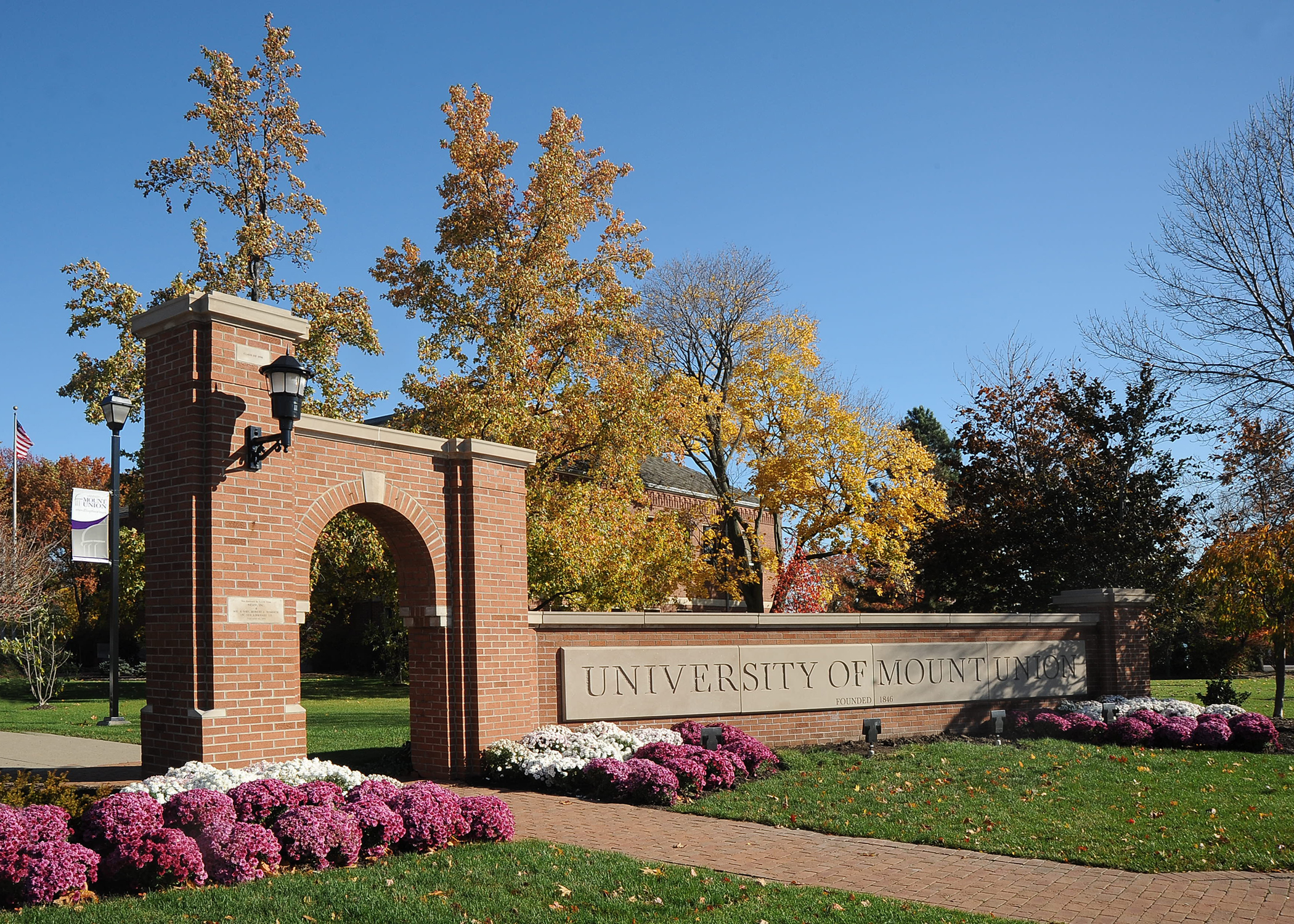
Dr. Colin Campbell serves as an Associate Professor of Physics and Astronomy within the Biochemistry, Chemistry, and Physics Department at the University of Mount Union. He also coordinates the university's data science program, bridging physics and interdisciplinary data-driven research. His teaching portfolio includes foundational courses such as General Physics II, Modern Physics, Thermodynamics and Statistical Mechanics, and Data Science Fundamentals, emphasizing active student engagement and collaborative learning environments. Campbell's research centers on complex systems and network science, applying computational and theoretical physics to diverse domains including ecology, cellular biology, and neuroscience. He investigates phenomena like electrical grid failures, immune system dynamics, and ecological community resilience through network topology and graph theory. His work often involves modeling biological networks using Boolean dynamics to understand emergent behaviors and system stability. Analysis of Campbell's recent publications (2015-2024) reveals a consistent focus on network-based modeling across disciplines. Key themes include plant-pollinator network robustness against species invasions, control strategies for complex networks, and medical physics applications like proton beam therapy optimization. His interdisciplinary collaborations span ecology, neuroscience, and oncology, highlighting the unifying power of network science in solving complex real-world problems. While no specific scientific awards are listed in available sources, Campbell actively mentors undergraduate students, co-authoring publications with them on topics ranging from ecological networks to medical physics. He champions active learning and maintains an 'open door' policy, fostering strong student-faculty interactions both inside and outside the classroom. The Biochemistry, Chemistry, and Physics Department at Mount Union provides research opportunities through faculty-led projects and student organizations. Campbell encourages student involvement in computational physics and data science initiatives, promoting a collaborative and supportive academic environment where students can explore their interests.
Vincent Hellendoorn is a Research Scientist at Google DeepMind and an Assistant Professor at Carnegie Mellon University (currently on leave). He works in the School of Computer Science 's Software and Societal Systems Department , developing intelligent tools that leverage AI to democratize programming expertise through code modeling and LLM research. His research focuses on AI applications in software engineering Code language model analysis and training Multi-modal whiteboard-to-code systems Open-source model releases like PolyCoder Current work examines how to make programming more accessible through LLMs, with recent ICSE’25 research exploring whiteboard sketch translation. He advises PhD students including Nikitha Rao (7 papers, Spring 2025 PhD graduate) Luís F. Gomes (ICSE’25 paper lead) and collaborates with researchers like Jonathan Aldrich and Claire Le Goues. Contact: vhellendoorn@cmu.edu vhellendoorn@google.com GitHub: @VHellendoorn
Scott Morris is the Nambury S. Raju Endowed Chair in Psychology and a Professor at Illinois Institute of Technology's Lewis College of Science and Letters. He directs the Industrial/Organizational Psychology Program and leads the Personnel Selection & Analytics Lab. Dr. Morris holds a Ph.D. in Industrial-Organizational Psychology from the University of Akron (1994) and a B.A. in Psychology from the University of Northern Iowa (1987). His research examines psychometric methods for fair personnel selection systems, with emphasis on: Advanced statistical models for employment testing Adverse impact analysis and workplace equity Meta-analysis methodology and validity generalization Computer adaptive testing and item response theory Bias in subjective hiring practices and interviews His publications demonstrate consistent focus on quantitative methods for employment decisions, with recent works concentrating on meta-analytic techniques, adverse impact analytics, and adaptive testing systems. Earlier research established foundations in effect size estimation and differential item functioning. Honors include: Fellow, Society for Industrial and Organizational Psychology Fellow, American Psychological Association Dr. Morris serves as Associate Editor for the Journal of Applied Psychology and develops open-source psychometric software. His lab investigates selection system design, AI in hiring reactions, and multidimensional testing applications.