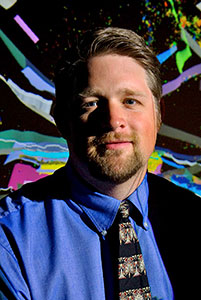
John H. Shaw is the Harry C. Dudley Professor of Structural and Economic Geology and Professor of Environmental Science & Engineering at Harvard University's School of Engineering and Applied Sciences (SEAS). He specializes in structural geology, earthquake hazards, and geomechanics, with a focus on thrust fault systems, fault-related folding, and seismic risk assessment in regions like California and China. His research integrates field observations, 3D modeling, and geomechanical simulations to understand fault dynamics and their implications for societal safety. Shaw's work emphasizes quantitative analysis of fault geometry, slip rates, and rupture processes. Key projects include modeling ground deformation during earthquakes, assessing seismic hazards in fold-thrust belts, and investigating reservoir-induced seismicity. He leads the Structural Geology & Earth Resources Group and contributes to collaborative initiatives like the Southern California Earthquake Center (SCEC). His articles highlight advancements in fault system modeling, including 3D structural reconstructions, distinct element method applications, and coupling geomechanical models with fluid flow simulations. Recent studies focus on the Wilmington blind-thrust fault beneath Los Angeles, the Ventura fault system, and tectonic evolution of the Canadian Rockies and Qaidam Basin. Shaw's research also addresses interdisciplinary challenges such as stochastic velocity modeling for earthquake ground motion prediction and developing open-source tools like the SCEC Unified Community Velocity Model (UCVM). His work bridges fundamental structural geology with applied seismic hazard mitigation strategies.
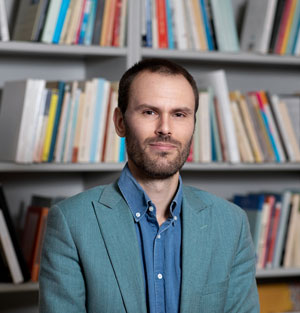
Prof. Martin Boeker is a Professor of Medical Informatics at the Technical University of Munich (TUM), affiliated with the TUM School of Medicine and Health. His work focuses on advancing healthcare through AI-driven solutions, interoperability frameworks, and precision medicine initiatives. Key projects include the German Medical Text Corpus (GeMTeX) and the MIRACUM DIFUTURE Alignment Hub. Expertise: Medical Informatics, AI in Healthcare, Federated Learning, Health Data Integration Key Contributions: FHIR-based systems, clinical decision support, patient-centered outcomes research Leadership: Director of the Institute for AI and Informatics in Medicine at TUM Hospital Right of the Isar Research emphasizes bridging clinical practice and data science through projects like modular health crawlers, automated guideline adherence monitoring, and cross-institutional medical NLP solutions. His work spans oncology informatics, rare disease management, and pandemic response data ecosystems. Recent articles highlight innovations in digital twins for precision oncology, federated analysis in oncology, and German-language medical NLP challenges. He collaborates internationally on EHR standardization and healthcare interoperability, contributing to the Medical Informatics Initiative (MII) and pandemic evidence ecosystems. Grants and collaborations involve the German Federal Ministry of Education and Research, European initiatives, and industry partnerships. Educational efforts focus on training future medical informatics professionals through MII competency programs.
Dr. Ewan Jones is Associate Professor in Nineteenth-Century Literature at the University of Cambridge's Faculty of English and a Fellow at Downing College, where he serves as Director of Studies for Part II. He completed his BA, MPhil, and PhD at King's College, Cambridge, and was previously Thole Research Fellow at Trinity Hall. His educational background includes comprehensive training in English literature at Cambridge, with specialization in nineteenth-century literary studies. His academic journey reflects deep engagement with both traditional literary scholarship and innovative computational approaches to textual analysis. Dr. Jones's research concentrates on poetics, embodied cognition, and computational approaches to intellectual history. His work fundamentally questions how we understand 'close reading' not as interpretation but as a specific cognitive practice. He explores how aesthetic phenomenology can illuminate historical reading communities, develops pedagogical routines to de-habituate standard attention modes, and seeks constructive engagement between computational analysis and traditional reading practices. His scholarship bridges literary studies with cognitive science, demonstrating how rhythm, attention, and cognition intersect in literary form. His research trajectory shows increasing focus on attentional practices in reading, with recent work examining group attention practices and rhythm in Victorian poetry. The computational dimension of his work has grown steadily, moving from individual textual analysis to large-scale corpus studies through projects like the Concept Lab. Fulbright Scholar Leverhulme Research Fellowship (2021/22) on 'Close Reading as Attentional Practice' Residential fellow at the Swedish Collegium of Advanced Study Visiting fellow at Ludwig Maximilian Universität Visiting fellow at Pomona College Dr. Jones supervises doctoral work on diverse topics including 'radical conservatism' in Victorian poetry, queer theory and historical poetics, Wagner reception in Anglophone poetry, morphogenetic conceptions of form, and metre and exact measurement. His interdisciplinary collaborations include work with Phyllis Weliver on digitizing Tennyson manuscripts and with Peter de Bolla on computational concept analysis projects that have secured significant research funding. He has developed innovative teaching approaches that integrate cognitive science with literary analysis. He co-founded and participates in the Concept Lab, an interdisciplinary project developing open-source computational resources for historical dataset analysis. This initiative has fostered collaborations across humanities and computer science disciplines, creating tools that bridge traditional literary scholarship with digital methods. His work with the Princeton Prosody Archive demonstrates his commitment to building scholarly infrastructure for rhythm and meter studies.
Renée J. Miller is Professor and Canada Excellence Research Chair in Data Intelligence at the University of Waterloo. A Fellow of the Royal Society of Canada and ACM, her research transforms how organizations manage and derive value from heterogeneous data sources. Professor Miller pioneered foundational work in schema mapping and data exchange recognized by the ICDT Test-of-Time Award. Her current research develops frameworks for semantic data discovery in data lakes, including the SANTOS system for relationship-based table search and Gen-T for table reclamation. She leads international collaborations advancing data management practices through tools like iBench for metadata generation and DIALITE for open data integration. Her CERC position establishes Canada's leadership in next-generation data intelligence systems.
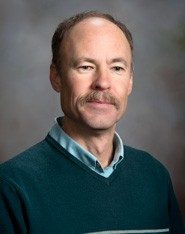
Dr. Kevin Kochersberger is an Associate Professor in the Department of Mechanical Engineering at Virginia Tech , with a career spanning academic research, technical innovation, and educational leadership. His work focuses on autonomous aerial systems , robotic control , and applied aerodynamics , particularly through the Uncrewed Systems Laboratory . Kochersberger's research has pioneered UAV-based radiation detection , 3D terrain mapping , and low-resource drone applications , including establishing the African Drone and Data Academy in Malawi . Education: Ph.D., Mechanical Engineering, Virginia Tech (1994) M.S., Mechanical Engineering, Virginia Tech (1984) B.S., Mechanical Engineering, Virginia Tech (1983) A.S., Engineering Science, Jamestown Community College (1981) Kochersberger's publications demonstrate expertise in UAV path planning , smart material actuation , and radiation source localization , with over $9M in research funding. His scientific awards include AIAA Associate Fellow (2009) and Aviation Week Aerospace Laureate (2003). Notable projects involve helicopter-deployable robotic systems and urban canyon navigation without GPS. Recent articles highlight BVLOS drone simulators , 2.5D terrain mapping , and autonomous negative obstacle traversal , reflecting his focus on real-time adaptive control and heterogeneous robotic systems . He teaches Drone Technology and Flight Operations and Advanced Design Projects , emphasizing student-driven innovation and industry collaboration .
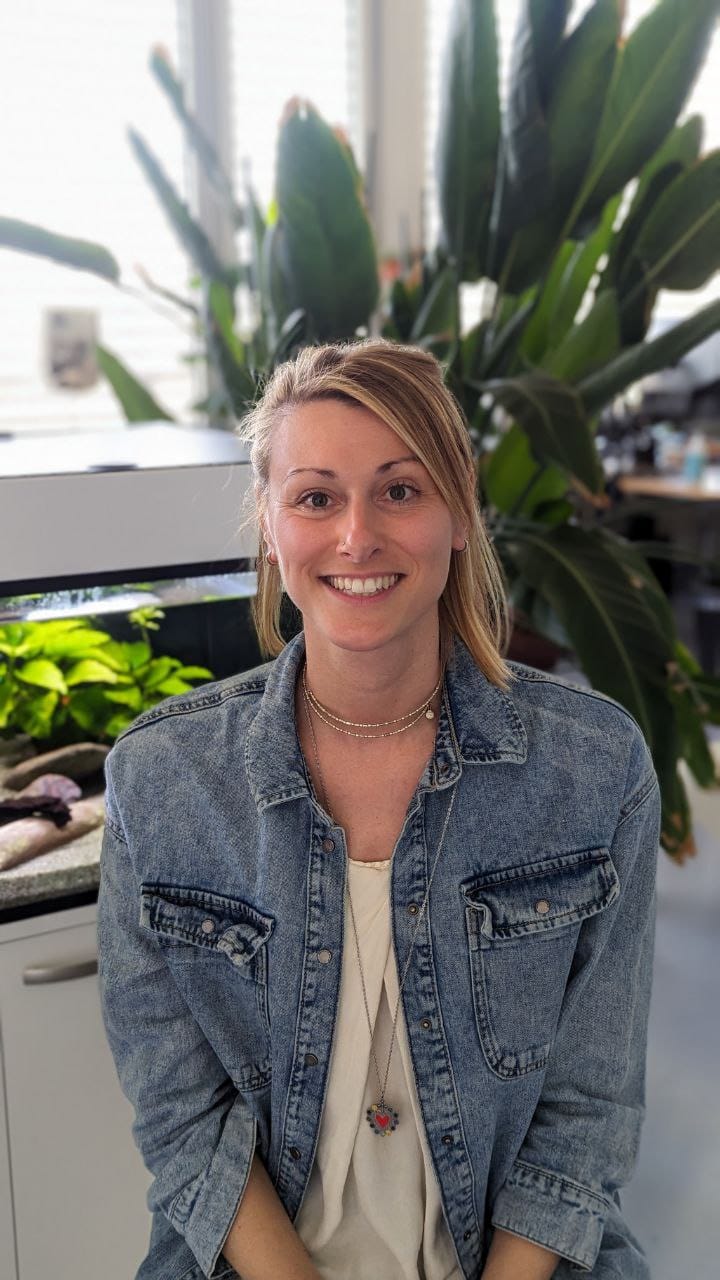
Dr. Elisa Donati is a researcher and independent group leader at the Institute of Neuroinformatics , affiliated with both the University of Zurich and the Swiss Federal Institute of Technology Zurich . Her work bridges neuromorphic engineering, biomedical signal processing, and wearable healthcare technologies, with a focus on creating brain-inspired systems for neuroprosthetics and rehabilitation. Affiliation: Institute of Neuroinformatics, University of Zurich & ETH Zurich Email: elisa@ini.uzh.ch Elisa’s research emphasizes developing neuromorphic signal processing strategies for wearable and embedded systems, enabling real-time closed-loop interactions with the nervous system. She specializes in translating neuroscience insights into energy-efficient technologies for digital health applications, including neuroprosthetics and personalized biomedical devices using neuromorphic hardware. Her recent publications (2024–2025) highlight advancements in gesture recognition via EMG and event-based systems, neuromorphic heart rate monitoring , and spiking neural network architectures . These works span biomedical signal processing, low-power computing, and adaptive algorithms, reflecting her commitment to robust, real-time, and brain-inspired solutions for healthcare. Elisa’s contributions to neuromorphic computing are evident in her exploration of heterogeneous population encoding , event-driven processing , and ultra-low-power microcontrollers . Her projects often integrate wearable systems with neuroscience, aiming to improve prosthetic control and rehabilitation technologies .
Dominique Chen is a Professor at Waseda University's School of Culture, Media and Society since 2022, previously serving as Associate Professor from 2017-2022. A French national born in 1981, he holds a Ph.D. in Interdisciplinary Informatics from the University of Tokyo (2013). His work bridges technology, art, and human experience with a focus on digital well-being and more-than-human relationships. Chen's research interests include human-microbe interaction, neo-cybernetics, and the design of systems that foster mutual care between humans and non-human entities. His work with the Nukabot project exemplifies this interdisciplinary approach, exploring how fermentation processes can serve as metaphors for communication and relationship building. He leads the Ferment Media Research group, investigating how fermentation principles apply to digital cultures and communication systems. His recent publications reveal a consistent focus on designing for well-being in digital societies, with particular attention to translation processes, human-microbe relationships, and the creation of systems that support co-adaptive interaction. The Nukabot research series demonstrates how traditional fermentation practices can inform novel interaction paradigms that acknowledge and incorporate more-than-human perspectives. Best Paper Honorable Mention (2024) - ACM Synlogue with Aizuchi-bot ACM SIGGRAPH Special Prize (2023) - Nukabot Best of AppStore 2015/2016 - Picsee/Syncle applications Good Design Award (2008) - Creative Commons Japan Super Creator certification (2009) - IPA Exploratory IT Program Chen has advised numerous projects through his leadership of Ferment Media Research and has served on various committees including the Good Design Award jury (2016-), Yomiuri Shimbun Reading Committee, and advisory boards for art and design institutions. His work extends beyond academia through his founding of Divideal Inc. (acquired by Smart News in 2018) and Creative Commons Japan (now Commonsphere). His laboratory, Ferment Media Research, explores interdisciplinary connections between fermentation processes, digital systems, and human relationships, creating installations like Nukabot that facilitate human-microbe interaction and Last Words/TypeTrace that examines writing processes and communication.
George H. Chen is an Associate Professor at Carnegie Mellon University , with dual affiliations in the Heinz College of Information Systems and Public Policy and the Machine Learning Department . His research focuses on trustworthy machine learning methods for temporal reasoning , particularly in health applications such as time-to-event prediction (survival analysis) and electronic health records analysis . He has extensive experience in nonparametric methods requiring minimal data assumptions. Educational Background PhD in Electrical Engineering and Computer Science, MIT (2015) SM in Electrical Engineering and Computer Science, MIT (2012) BS in Electrical Engineering and Computer Sciences & Engineering Mathematics and Statistics, UC Berkeley (2010) His work spans survival analysis , deep learning , and time series modeling , with applications in neurological prognostication , medical adherence , and health equity . He has developed self-contained educational resources including a 2024 monograph on deep survival analysis and tutorials at CHIL and SIGMETRICS. His 2025 course 95-865: Unstructured Data Analytics focuses on practical unstructured data analysis techniques. Notable projects include advising the AgriTech startup CoolCrop , which provides cold storage and market forecasts for Indian farmers serving 9,000+ farmers across 7 states. His Google Scholar publications reveal a strong focus on temporal modeling in healthcare, with recent advancements in neural survival analysis and fairness-aware temporal prediction.
Joshua B. Guild is an Associate Professor in the Department of African American Studies at Princeton University. He is also an Associated Faculty member in the Program in Urban Studies and has been involved with the Center for Digital Humanities. His scholarly work bridges historical research with public engagement and digital innovation. His education includes a PhD in History and African American Studies from Yale University and an undergraduate degree from Wesleyan University, where he was a Mellon Mays Undergraduate Fellow. Professor Guild's research centers on 20th- and 21st-century African American social and cultural history, urban history, and the modern African diaspora. His interests include migration, black internationalism, black popular music, and the black radical tradition. He is deeply engaged in the digital humanities and public scholarship, organizing seminars and contributing to podcasts and public exhibitions. The recent publications and projects reflect a strong focus on urban Black communities, transnational migration, and cultural politics. Themes include the Great Migration, postwar New York and London, New Orleans after Katrina, and the Black 1980s. His work combines historical analysis with cultural critique and social justice advocacy. Scientific Awards and Fellowships: Mellon Mays Undergraduate Fellowship Andrew W. Mellon Foundation Fellowship Ford Foundation Fellowship Woodrow Wilson National Fellowship Foundation Award Charles Warren Center Fellowship (Harvard University) W.E.B. Du Bois Institute Fellow (Harvard University) Professor Guild has advised graduate students through seminars and collaborative projects, though no individual students are named. He has led initiatives supported by institutional grants, particularly in digital humanities and public engagement. His leadership in the 'Black Studies in the Digital Age' seminar and editorial work on the 'Black 1980s' special issue demonstrates his commitment to advancing the field through interdisciplinary collaboration. He is affiliated with the Program in Urban Studies and the Center for Digital Humanities at Princeton, where he contributes to shaping curricula and research directions in African American Studies and digital scholarship.
Prof. Dr. Dominik Schwarz is a faculty member at the Faculty of Physics , Bielefeld University. His research focuses on Cosmology and Particle Physics , particularly in the areas of Dark Energy , Dark Matter , Cosmological Inflation , and Large-Scale Structure Formation . He contributes to projects like the International LOFAR Telescope Consortium and the SFB-TRR 211 on strongly interacting matter. APART Fellow of Austrian Academy of Sciences Humboldt Fellow CERN Fellow His recent work explores the cosmic dipole anisotropy , axion density perturbations , and multi-wavelength cosmic web mapping . He also advances data science infrastructure through the PUNCH4NFDI consortium.
Naoki Yoshinaga is a tenured Associate Professor at the Institute of Industrial Science, The University of Tokyo, with extensive experience in natural language processing and computational linguistics. He has held academic positions since 2008 and currently leads research on pragmatic NLP models and multilingual systems. PhD in Computer Science, The University of Tokyo (2005-2008) MSc in Information Science (2000-2002) BSc in Information Science (1996-2000) His research focuses on mechanistic interpretability in NLP models, multilingual/multimodal NLP , and efficient model design using trie structures and conjunctive features. He also investigates knowledge acquisition from social data and evaluation metrics for language generation . Recent publications include work on neuron empirical gradient analysis (ACL-25), multilingual knowledge representation (EACL-24), and compact embedding methods (CoNLL-24). His research has been funded by multiple grants, including the University of Tokyo Excellent Young Researcher program and JSPS fellowships. Committee Special Award, Association for NLP (2023) JSAI SIG Research Award (2022) Best Interactive Award, DEIM Forum (2019, 2016) He developed widely-adopted NLP tools like pecco (fast classification library), RenTAL (LTAG-to-HPSG grammar converter), and J.DepP (Japanese dependency parser). His lab emphasizes strong equivalence in formalism comparisons and pragmatic model design .
Dana Pe'er is a Professor and Chair of the Computational and Systems Biology Program at the Sloan Kettering Institute (SKI) of Memorial Sloan Kettering Cancer Center. She is also an Investigator of the Howard Hughes Medical Institute and holds the Alan and Sandra Gerry Endowed Chair. Dr. Pe'er leads an interdisciplinary research group that combines advanced genomics approaches with machine learning to address fundamental questions in biomedical science, with particular focus on cancer biology, developmental biology, and immunology. Dr. Pe'er earned her PhD from Hebrew University in Jerusalem, Israel. Her academic journey includes a postdoctoral fellowship with George Church at Harvard Medical School. Before joining Memorial Sloan Kettering Cancer Center in 2016, she held faculty positions at Columbia University. Dr. Pe'er's research focuses on understanding cellular plasticity, the consequences of intra-tumor heterogeneity, cancer evolution and metastasis, and the mechanisms by which regulatory circuits go awry in disease. Her lab combines single-cell and spatial profiling technologies with machine learning approaches to investigate gene regulation, cellular plasticity, and cell-cell communication in the contexts of cancer, immunity, and development. They are particularly interested in how organisms develop from a single cell to generate diverse cell types, how epigenetic control rewires during development, and how cells communicate to execute multicellular responses. Analysis of Dr. Pe'er's recent publications reveals a strong focus on developing computational methods for single-cell and spatial genomics data analysis. Her work spans cancer types including pancreatic, prostate, colorectal, and breast cancer, with emphasis on tumor heterogeneity, metastasis mechanisms, and cellular plasticity. A significant portion of her research involves creating novel algorithms and tools like CellRank, REUNION, and SEACells that enable researchers to extract meaningful biological insights from complex genomic datasets. 2023 Class of 2023 Inductee - American Academy of Cancer Research (AACR) Academy 2023 Innovator Award - International Society for Computational Biology (ISCB) 2021 Fellow - International Society for Computational Biology (ISCB) Howard Hughes Medical Institute Investigator (2021) 2019 Ernst W. Bertner Memorial Award - University of Texas MD Anderson Cancer Center 2016 Lenfest Distinguished Faculty Award - Columbia University 2014 Director's Pioneer Award - National Institutes of Health 2014 Overton Prize - International Society for Computational Biology (ISCB) Dr. Pe'er is known for her dedicated mentorship approach, describing herself as "a mama bear" who cares deeply about her trainees while expecting independence, innovation, and hard work. She mentors numerous PhD students and postdocs in her lab. Her HHMI Investigator award provides approximately $9 million over seven years, enabling ambitious research directions. She also collaborates extensively with the Single-cell Analytics and Innovation Lab (SAIL) at MSK to generate new data from emerging technologies, working closely with wet-lab collaborators at MSK and beyond to apply computational methods to cutting-edge datasets across multiple disease areas. The Pe'er Lab is an interdisciplinary group of computational biologists with diverse backgrounds ranging from pure mathematics to clinical medicine. They work closely with wet-lab collaborators to apply their computational methods to cutting-edge datasets across cancer, immunology, and developmental biology. The lab is described as open, supportive, collaborative, and fun, with access to world-class facilities at the Sloan Kettering Institute. Dr. Pe'er's work continues to push the boundaries of computational biology and cancer research, with the ultimate goal of developing more effective, personalized therapies for cancer patients.
Golan Levin is Professor of Electronic Art at Carnegie Mellon University's School of Art, with courtesy appointments in the School of Design, School of Architecture, School of Computer Science, and Entertainment Technology Center. From 2009 to 2022, he served as Director and Co-Director of CMU's Frank-Ratchye STUDIO for Creative Inquiry, a laboratory dedicated to supporting atypical, anti-disciplinary research at the intersection of arts, science, technology, and culture. Levin's research spans interactive art, digital fabrication, information visualization, and generative design. He explores the critical potential of visualization, generative computation for expressive form, and how abstraction connects to realities beyond language. His practice engages interactive gestural robotics, nonverbal interaction aesthetics, and tactical applications of personal digital fabrication through responsive artifacts and media provocations that highlight human-machine relationships. His publications reveal consistent innovation in real-time audiovisual systems, interactive fabrication interfaces, and pedagogic tools for artists. Key trends include slit-scan video techniques, tangible augmented-reality performance, and noise-based visualizations, demonstrating his commitment to expanding human action vocabulary through digital media while bridging artistic expression with computational systems. Levin's work has received significant recognition: Permanent collection inclusion at Museum of Modern Art (MoMA) Whitney Biennial exhibition "50 Designers Shaping the Future" by Fast Company (2012) Competitive grants from National Endowment for the Arts, National Endowment for the Humanities, Creative Capital, and Rockefeller MAP Fund As an educator, Levin teaches "studio courses in computer science" on interactive art, experimental capture, and generative design, emphasizing computation as a medium for critical inquiry. His research funding from major cultural institutions supports interdisciplinary exploration at the arts-technology nexus. The Frank-Ratchye STUDIO for Creative Inquiry, which he directed for 13 years, remains a vital hub for anti-disciplinary collaboration, continuing his legacy of fostering creative agency through technology-infused artistic practice.
Jan Skaloud serves as an Adjunct Professor at École Polytechnique Fédérale de Lausanne (EPFL), affiliated with the School of Architecture, Civil and Environmental Engineering (ENAC). He holds positions across multiple departments including SSIE (Institute of Earth Surface Dynamics), EDCE (Doctoral Program in Environmental Sciences and Engineering), and leads the Earth Sensing and Observation (ESO) Lab. His office is located at GC C2 397 in the EPFL campus in Lausanne, Switzerland. Dr. Skaloud's research expertise spans satellite positioning, inertial and integrated navigation systems, sensor orientation and calibration, attitude determination, mobile mapping, airborne laser scanning, and Kalman filtering techniques. His work bridges theoretical development with practical applications in UAV navigation, photogrammetry, and remote sensing. He teaches across three EPFL sections and two faculties, demonstrating his interdisciplinary approach to education. His publication record shows consistent contributions to the field, with recent work (2023-2025) focusing on vehicle dynamic model-based navigation for various UAV platforms, including delta-wing and fixed-wing drones. His research demonstrates a clear trajectory toward increasingly sophisticated navigation systems that integrate aerodynamic modeling with traditional sensor fusion approaches. This trend reflects the growing importance of model-based navigation in achieving higher precision and autonomy in UAV operations. 2021: Samuel Gamble Award for career contribution in photogrammetry & sensing (ISPRS) 2020: U.V. Helava Award for best paper in ISPRS Journal (2016-2019) 2017: Best Demo Award at IEEE International Workshop on Metrology & Aerospace 2014: Hansa Luftbild Award for best paper in PFG journal 2012: Karl Kraus Medal for best textbook in Photogrammetry 2009: GNSS Leader to Watch Innovation Award (GPS World) Dr. Skaloud has supervised numerous PhD students whose work focuses on advanced navigation systems, sensor calibration, and UAV applications. His research has received funding for projects involving direct georeferencing, mobile mapping systems, and UAV-based search and rescue operations. The ESO lab he directs serves as a hub for cutting-edge research in Earth observation technologies. The Earth Sensing and Observation Lab under Dr. Skaloud's direction brings together researchers working on navigation systems, sensor integration, and data processing techniques for geospatial applications. The lab maintains strong connections with industry partners and international research organizations, facilitating technology transfer and collaborative research projects.
Jim Thatcher is an Assistant Professor at the College of Earth, Ocean, and Atmospheric Sciences (CEOAS) at Oregon State University. He serves as editor of Cartographic Perspectives , a leading journal in cartography. His research focuses on the intersection of technology, society, and environment, particularly examining how data and spatial technologies operate within capitalist systems. Key areas include Critical GIS, Critical Cartography, and Digital Political Ecology. Thatcher's current projects explore equitable coastal flood risk modeling using topological data analysis, mapping infrastructural legacies of slavery in the Pacific Northwest, and creating accessible disaster response maps for non-English speakers in Oregon. He also investigates spectral governance for rural internet access, cartography's societal role, climate education through board games, and geographic influences on electoral districting. His research emphasizes critical approaches to spatial data, questioning representational practices and power dynamics embedded in geospatial technologies. Recent work includes analyzing Bitcoin mining's environmental impacts on hydropower systems and examining the World Bank's renewable energy mapping through Critical Data Studies. Thatcher actively mentors graduate students and encourages interdisciplinary inquiries blending critical social theory with computational methods. Thatcher has authored numerous articles and co-authored Data Power (Pluto Press, 2022), an open-access exploration of data's role in societal control and resistance. His scholarship bridges critical geography with emerging technologies, advocating for ethical and equitable spatial practices in an increasingly data-driven world.