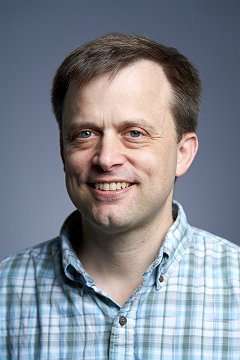
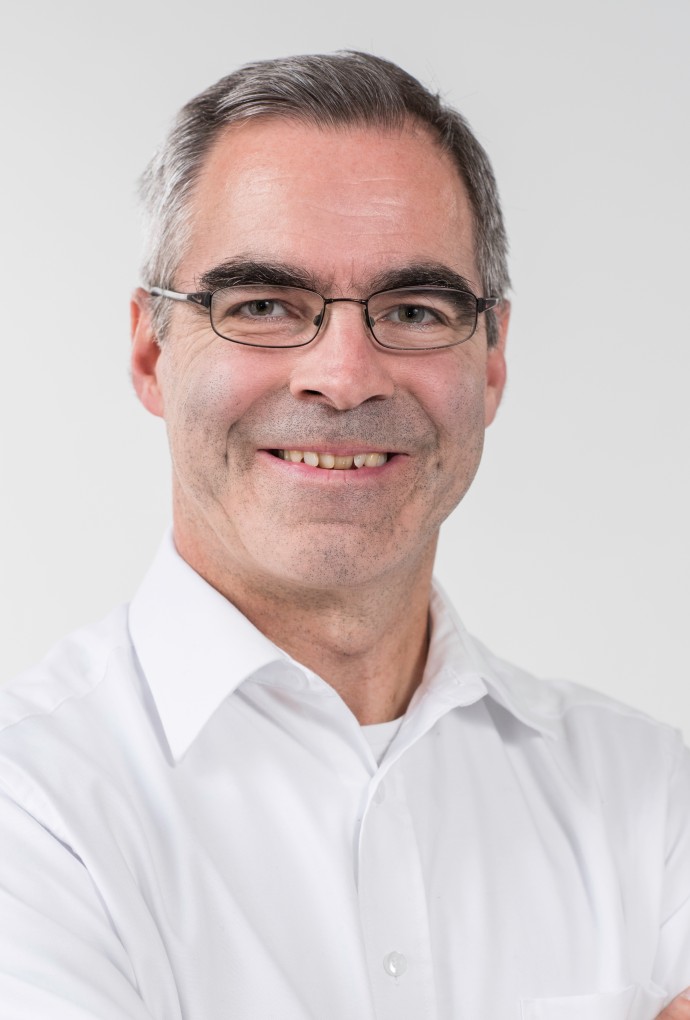
Gregory Tucker is a Professor of Geological Sciences at the University of Colorado Boulder, affiliated with the Cooperative Institute for Research in Environmental Sciences (CIRES). He serves as Executive Director of the NSF-supported Community Surface Dynamics Modeling System (CSDMS) and develops open-source tools like the Landlab Toolkit . Ph.D. in Geosciences, Penn State University (1996) Office: BESC - 246D Email: gtucker@colorado.edu His research focuses on geomorphology and landscape evolution , integrating physics of earth-surface processes with computational modeling. He investigates long-term terrain shaping (e.g., glacial-to-Holocene transitions) and contemporary issues like gully erosion and hazardous waste site stability . His group pioneers stochastic and deterministic models of erosion, landsliding, and sediment transport. Recent work includes software development for earth-surface science (e.g., Landlab, CellLab-CTS), Martian landscape evolution , and climate-driven erosion trends . His publications address bedrock incision , hillslope dynamics , and tectonic-hydrologic interactions . Scientific Awards: Ralph Alger Bagnold Medal (2012) - European Geosciences Union Boulder Faculty Assembly Teaching Excellence Award (2013) He received a $2.56M Cyberinfrastructure Grant (2021) to advance Earth surface science. His lab fosters interdisciplinary collaboration with teams studying surface dynamics , hazard assessment , and planetary geomorphology . He advocates for open-source scientific software and FAIR data principles .
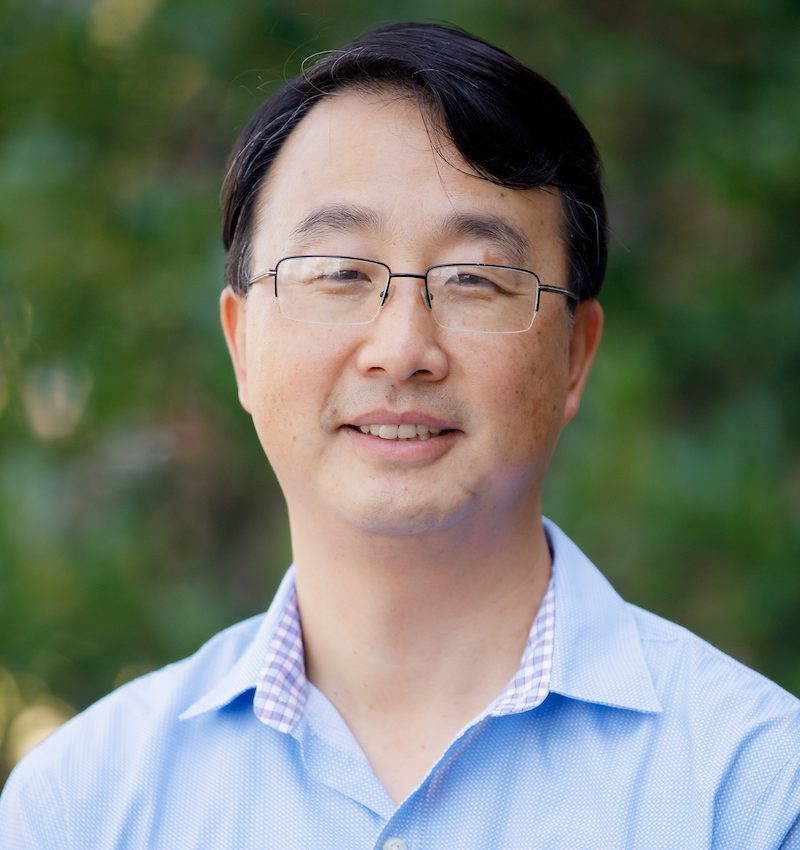
Qun Liu is a Structural Biologist at Brookhaven National Laboratory's Biology Department, where he joined as a Principal Investigator in 2015 with a joint appointment from NSLS-II. He also serves as an Adjunct Professor and faculty member in the Biochemistry and Structural Biology and Molecular and Cell Biology Programs at Stony Brook University. Ph.D. in biophysics from Cornell University Postdoctoral research at Cornell Synchrotron Light Source (CHESS) Former scientist at New York Structural Biology Center Worked with New York Consortium on Membrane Protein Structure Dr. Liu's research spans structural biology of membrane proteins, investigating metal transporters, lipid metabolizing enzymes, and protein-quality control mechanisms. His host-pathogen interaction studies focus on molecular mechanisms of pathogenicity, particularly relevant to emerging pathogens like SARS-CoV-2. In cellular structural biology, he leverages NSLS-II synchrotron X-rays and LBMS cryo-EM facilities to study cellular responses to environmental stimuli. His technological research develops experimental and computational methods including correlative X-ray imaging, cryoFIB-SEM/cryoET, and advanced computational data analysis techniques. Analysis of Dr. Liu's recent publications reveals a strong trend toward integrating AI and deep learning with structural biology. His work increasingly combines AlphaFold with traditional methods like X-ray crystallography and cryo-EM, while maintaining focus on metal transport mechanisms, host-pathogen interactions, and novel imaging techniques. The research demonstrates increasing sophistication in computational approaches to structural analysis while addressing fundamental biological questions. Brookhaven's Top 10 Discoveries of 2024 Scientists Find a New Way to Help Plants Fight Diseases Zinc Transporter Has Built-in Self-regulating Sensor Structure of 'Oil-Eating' Enzyme Opens Door to Bioengineered Catalysts As a Principal Investigator, Dr. Liu leads interdisciplinary research that bridges multiple Brookhaven facilities including NSLS-II, Laboratory for BioMolecular Structure (LBMS), Center for Functional Nanomaterials (CFN), and Computation and Data Sciences (CDS). His work exemplifies the integration of experimental and computational approaches to solve complex biological problems at multiple scales. Dr. Liu's laboratory focuses on integrative multiscale imaging approaches, developing technologies in correlative microscopy and computational data analysis. His team works at the intersection of biology, physics, and computational science to advance structural characterization capabilities, with particular emphasis on cellular and molecular structure-function relationships in health and disease contexts.
Liu Yan is an Assistant Professor and Doctoral Supervisor at the School of Environmental Science and Engineering, Southern University of Science and Technology (SUSTech). He joined SUSTech in September 2022 after completing postdoctoral research at University College London (2020-2022) and Texas Tech University (2018-2020), and was selected as a High-Level Talent of Shenzhen. His educational background includes: Ph.D. in Hydraulic Engineering (Modeling Sediment Transport) from Tsinghua University (2017) Joint Ph.D. in Civil and Environmental Engineering from Cardiff University (2014-2015) B.S. in Hydraulic Engineering from Tsinghua University (2012) Liu Yan's research focuses on eco-fluvial dynamics, with particular emphasis on the interactions among turbulence structures, sediment transport, and benthic organisms in natural water bodies. His work spans environmental fluid mechanics, hyporheic exchange processes, and ecological river dynamics, employing advanced numerical simulations and experimental approaches to investigate complex phenomena at the interface of physical and biological processes. His recent publications demonstrate a strong interdisciplinary focus that bridges engineering, environmental science, and ecology. His research investigates how turbulence structures affect sediment transport and benthic organisms, how hyporheic exchange influences water quality, and how ecological processes impact river morphology. This work has significant implications for understanding and managing aquatic ecosystems, particularly in the context of environmental change and human impacts on river systems. His scientific achievements have been recognized with several awards: Shenzhen High-Level Talents (Level C) Excellent Graduate of Tsinghua University Excellent Graduate of Universities in Beijing IAHR-SHCS Best Report Award Liu Yan serves as a Doctoral Supervisor and Principal Investigator for multiple research projects. He has secured significant funding including a National Natural Science Foundation of China General Program (CNY 530,000), a Guangdong Provincial Offshore Wind Power Joint Fund project (CNY 300,000), and a Shenzhen Municipal General Project (CNY 300,000). He also participates as a sub-project leader in the Ministry of Science and Technology's Key R&D Program (CNY 14.6 million). He actively recruits postdoctoral researchers, PhD, and Master's students for his research group focused on environmental fluid mechanics and eco-fluvial dynamics. He serves on professional committees including the Sediment Professional Committee of the Chinese Hydraulic Engineering Society and the Marine Geo-disaster and Geo-environment Committee of the International Consortium on Geo-disaster Reduction, and is a Young Editorial Board Member for the International Journal of Sediment Research.
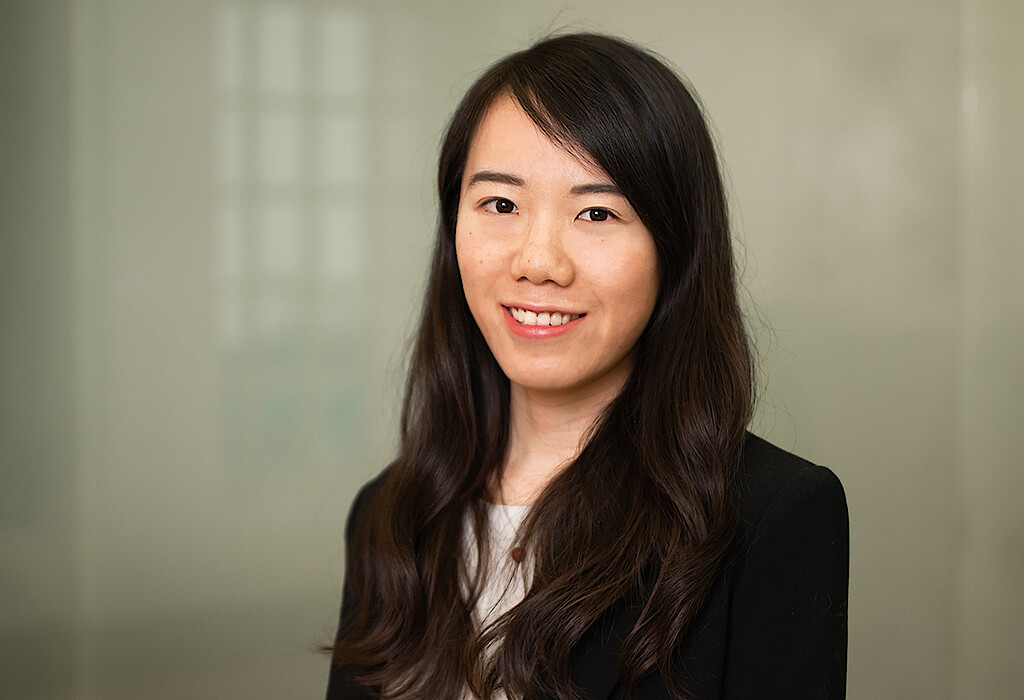
Xiang Li is an Associate Professor (W2) at Leipzig University and the Halle Institute for Economic Research (IWH), where she leads the research group 'Internationale Integration der Finanzmärkte, Wirtschaftswachstum und Finanzstabilität' since January 2019. She holds additional affiliations as a Guest Researcher at Peking University's Institute of Digital Finance and Deutsche Bundesbank. Dr. Li serves as Associate Editor for the Journal of Financial Stability and Co-Editor for Economic Change and Restructuring. Education includes: Ph.D. in Economics, Peking University (2018) B.A. in Economics and Philosophy, Peking University (2013) Her research examines international finance and FinTech, focusing on: Capital flow dynamics and financial stability Monetary policy transmission mechanisms Chinese financial markets and development Climate finance and capital reallocation Global financial cycles and political ties Recent publications demonstrate strong focus on FinTech's impact on monetary policy, household debt effects, and international capital movements. Honors include: Leibniz-Professorinnenprogramm 2024 (selected among eight nationwide) She leads research teams at IWH and collaborates internationally, with prior experience as part-time economist at the IMF Office in China (2017-2018).
Alex Karrila is an Assistant Professor (tenure track, level 2) at Åbo Akademi University's Faculty of Natural Sciences and Engineering , Department of Mathematics. Their research focuses on lattice theory, random conformal geometry, and mathematical analysis, with applications in coding theory and statistical mechanics. Specializes in Well-rounded Lattices and Gaussian Wiretap Channels Active in Positively Homogeneous Functions and Minkowski Inequality Investigates Eavesdropper security models and Coset Coding Recent publications analyze the six-vertex model's height function delocalization and convergence of random curves in conformal geometry. Their work intersects with subfields including Schramm-Loewner Evolution (SLE), KPZ equation scaling limits, and Green's functions. All publications are peer-reviewed and open-access where available.
Dr. Aijun Song is an Associate Professor in the Department of Electrical and Computer Engineering at the University of Alabama College of Engineering. He is affiliated with the Center for Water Quality Research and the Alabama Water Institute. His work bridges engineering, environmental science, and technology, with a focus on developing innovative underwater communication systems and autonomous vehicle technologies for water monitoring applications. Dr. Song's educational background includes: Ph.D. in Electrical and Computer Engineering from University of Delaware M.S. in Electrical and Computer Engineering from Xidian University, Xi'an, China B.S. in Electrical and Computer Engineering from Xidian University, Xi'an, China Dr. Song's research primarily focuses on underwater acoustic communications, signal processing, and autonomous vehicle technologies. His work addresses challenges in underwater wireless communications including channel modeling, equalization techniques, and full-duplex communication systems. He has made significant contributions to the development of underwater sensor networks, acoustic transceivers, and communication protocols for autonomous underwater vehicles. His research has important applications in environmental monitoring, ocean exploration, and water quality assessment. Dr. Song's recent publications demonstrate a strong trend toward practical implementations of underwater communication technologies, with increasing emphasis on reconfigurable intelligent surfaces, energy-efficient systems, and real-world testbed validation. His work spans theoretical development, simulation, and extensive field testing in lake and river environments. The research addresses critical challenges in underwater communication including channel variability, interference cancellation, and long-range transmission. Dr. Song has received notable recognition for his work: NSF CAREER Award from the National Science Foundation (2021) Outstanding Faculty/Staff-Initiated Engagement Effort by the Council on Community-Based Partnerships at the University of Alabama (2019) Outstanding Service Award from the 8th ACM International Conference on Underwater Networks & Systems (2013) Dr. Song actively mentors students and collaborates on interdisciplinary research projects. He serves as co-principal investigator for the USGS FLOW Academy, working with Dr. Lisa Davis and Dr. Steven Burian to provide hands-on water science education. His leadership in the Tuscaloosa MATHCOUNTS program has significantly impacted local STEM education, particularly for underserved populations and female students. Dr. Song's research has been supported by significant funding including an NSF CAREER award and collaborations with the US Geological Survey. Dr. Song leads a research team focused on underwater robotics and wireless communication technologies. His lab develops and tests autonomous underwater vehicles including JaiaBots and EcoMapper systems. The team is advancing underwater swarming technologies to enhance water monitoring capabilities, with an emphasis on creating open-source, low-cost solutions for automated water data collection and rapid flood disaster response. Recent field demonstrations at the Black Warrior River and Lake Tuscaloosa showcase the practical applications of his research.
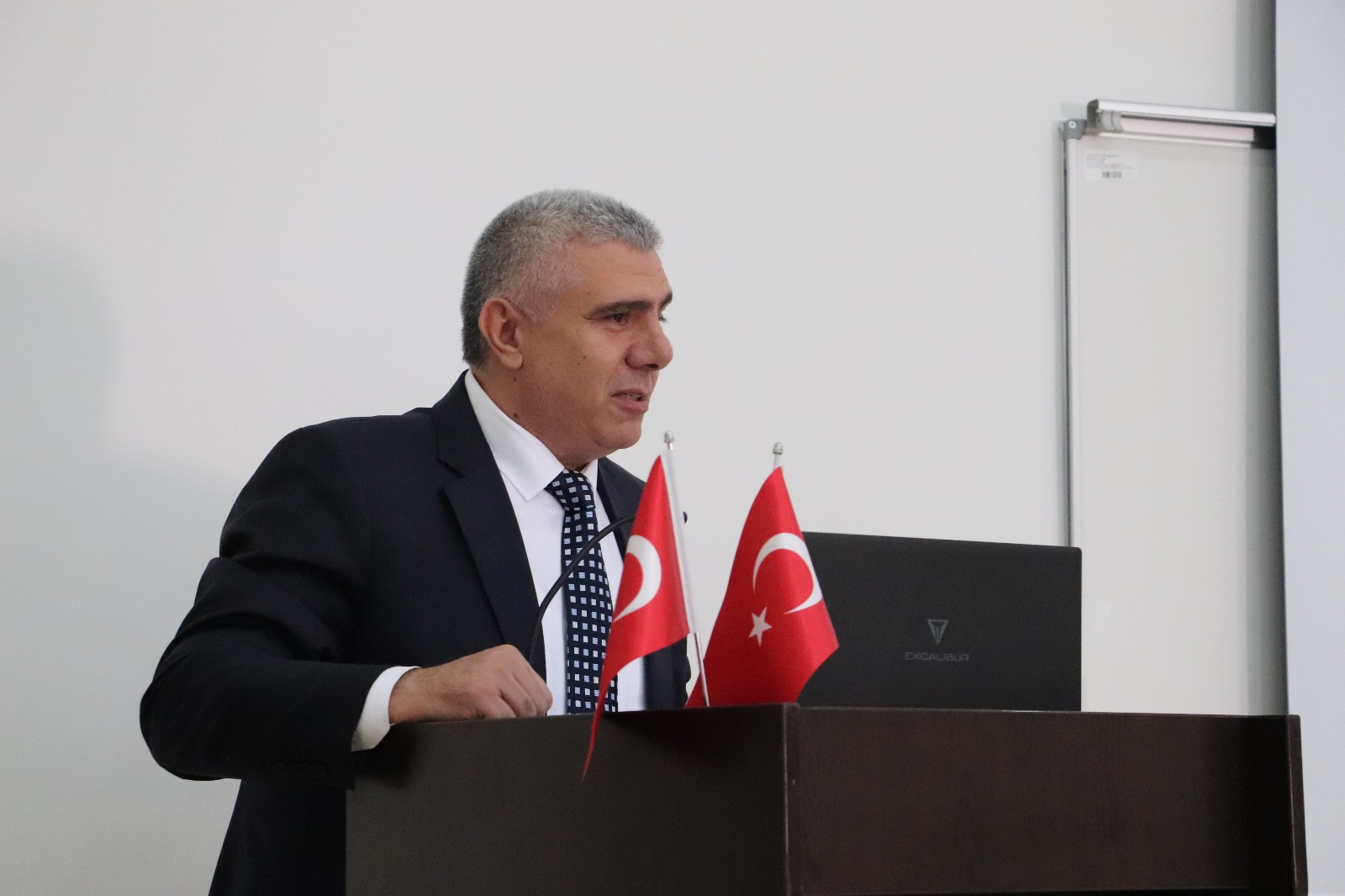
Mehmet İshak Yüce is a Professor in the Department of Hydraulics within the Faculty of Engineering at Gaziantep University. His career spans over 30 years, starting as a Research Assistant in 1993 and achieving professorship in 2021. He holds a PhD in Civil Engineering from the University of Manchester (2005), an MSc in Water Engineering from Istanbul Technical University (1995), and a BSc in Civil Engineering from Middle East Technical University (1992). Research Focus: Dr. Yüce specializes in hydrology, fluid mechanics, and climate impacts on water systems. His work integrates computational modeling, statistical hydrology, and sustainable resource management. Key themes include: Drought prediction using copula models and machine learning Hydrokinetic turbine design for renewable energy Hydraulic transients and pollutant transport Climate-driven hydrological variability in Mediterranean basins Awards & Recognition: Gaziantep University 2015 Second Best Doctoral Thesis Award Academic Leadership: He has supervised 6 doctoral and 32 master's students, focusing on hydrology, energy systems, and hydraulic infrastructure. His grants include projects on hydrokinetic turbines (2012-2022) and drought analysis (2015-2019), funded by national agencies. Administrative Roles: Former Dean of Engineering (2021), Institute Director (2020-2023), and multiple terms as Department Deputy Head.
Gioacchino Cafiero is an Associate Professor at the Department of Mechanical and Aerospace Engineering (DIMEAS), Polytechnic University of Turin. His research focuses on data-driven experimental fluid mechanics, particularly applying machine learning techniques like deep reinforcement learning and genetic algorithms to control turbulent flows and optimize fluidic actuators. As a member of the Fluid Dynamics research group, he leads projects such as GREENER (drag reduction via sinusoidal riblets) and WINDED (drone wind investigation), while also directing commercial research on friction stress measurement methodologies. Specializes in turbulent flow control and machine learning applications Teaches PhD courses on Machine Learning for Flow Control Supervises students in aerospace engineering programs Recent publications analyze jet turbulence with explainable AI, heat transfer fluctuations in channel flows, and riblet-induced drag reduction. His work bridges aerospace engineering and fluid dynamics, contributing to SDG goals 9 (Industry Innovation) and 13 (Climate Action). Scientific awards include the Learning to Teach (L2T) Open Badge from Politecnico di Torino.
Samuel Wall serves as Chief Research Scientist and Research Professor in the Department of Computational Physiology at Simula Research Laboratory. His work focuses on developing computational models to understand cardiac electromechanics, with particular emphasis on stem cell-derived cardiomyocytes and personalized heart modeling approaches. His research interests span computational cardiac physiology, mechano-electric feedback mechanisms, stem cell-derived cardiomyocyte modeling, and drug response prediction. Wall's work integrates advanced computational methods with experimental cardiac physiology to create in-silico tools for evaluating cardiac function, tissue engineering applications, and drug effects. His research has significant implications for understanding arrhythmia mechanisms, cardiac remodeling, and developing more accurate preclinical drug testing platforms. Analysis of Wall's recent publications reveals a strong trend toward integrating computational modeling with microphysiological systems, particularly using human-induced pluripotent stem cell-derived cardiomyocytes. His work increasingly focuses on creating in-silico augmented platforms that combine experimental measurements with computational analysis to improve drug response prediction and understand fundamental cardiac mechanisms. The research spans multiple scales from sub-cellular mechanics to whole-organ function. Wall maintains active collaborations with leading institutions in cardiac modeling and biomedical engineering. His work frequently appears in high-impact journals spanning computational science, physiology, and biomedical engineering fields.
Tomoo Kikuchi is a Professor at Waseda University's Graduate School of Asia-Pacific Studies, where he has served since April 2021. He also directs the Institute of Japan in the Global Economy at Waseda University and holds adjunct positions as Senior Fellow at Nanyang Technological University's S. Rajaratnam School of International Studies and as Non-resident Research Associate at the New Zealand APEC Study Centre. His academic lineage traces to Volker Böhm and Gérard Debreu through the Mathematics Genealogy Project. Dr. Kikuchi's research focuses on International Macroeconomics and Economic Growth and Development, specifically examining how global capital markets influence economic development. His work spans theoretical and empirical studies on international capital flows, bubbles, and production networks, with recent emphasis on trade networks, portfolio investment patterns in East Asia, and the relationship between foreign debt and economic growth. His research demonstrates how financial market imperfections lead to higher than optimal saving and cause capital flows from poor to rich countries, resulting in cross-country income differences. His recent publications reveal a sophisticated integration of theoretical modeling with empirical analysis, particularly examining how global financial architecture shapes economic development trajectories. His work on production networks applies dynamic programming to understand firm organization, while his research on bubbles demonstrates mechanisms through which asset price bubbles can crowd in investment when financial market imperfections suppress capital accumulation. Salzburg Global Fellow Associate Editor, Journal of Asian Economics Associate Editor, Malaysian Journal of Economics Professor Kikuchi actively supervises MA and PhD students specializing in International Economics and International Macroeconomics through his seminar ("ゼミ"). His research has been supported by multiple Japanese academic grants, including those from the Japan Society for the Promotion of Science for projects on global imbalances and banking FDI. He hosts the WIAPS Colloquium Series on Global Capital Market and Economic Development in Asia, which is open to the public, and frequently presents his work at international conferences across Asia, Europe, and North America.
Dr. Ahmed Kaffel is a Teaching Professor in the Department of Mathematical Sciences at the University of Wisconsin-Milwaukee's College of Letters and Science. With a multidisciplinary background spanning mathematics and engineering, he holds a PhD in Mathematics from Virginia Tech and has held postdoctoral positions at Brown University and the University of Maryland. His research develops advanced numerical methods to solve physical problems in fluid mechanics, porous media, and biomedical systems. Core interests include: Computational fluid dynamics (Newtonian/viscoelastic fluids, free-surface flows) Multiscale modeling of transport in porous media Inverse problems for medical imaging reconstruction Applications of machine learning in computational biology High-performance scientific computing techniques (FEM, FVM, spectral methods) Recent publications demonstrate a shift toward medical imaging and data science applications, building on his foundational work in hydrodynamic stability. His 8 most recent articles (2010-2020) primarily appear in leading fluid dynamics and heat transfer journals. Dr. Kaffel has taught extensively across the mathematics curriculum, currently instructing courses in linear algebra, calculus, and differential equations at UW-Milwaukee. His pedagogical approach emphasizes connecting theoretical concepts to real-world applications in engineering and biosciences.
Andrew Myers is a Professor in the Department of Computer Science at Cornell University , focusing on Programming Languages , Computer Security , and Distributed Systems . He is an ACM Fellow and currently serves as Editor-in-Chief for ACM Transactions on Programming Languages and Systems (TOPLAS). His professional roles include program chair or co-chair for conferences such as ACM POPL 2018 , ACM CCS 2016 , and POST 2014 . His research bridges formal methods with practical language design , as evidenced by projects like the Condorcet Internet Voting System and the Viaduct compiler . Contributions span security protocols , concurrent programming , and hardware design languages . 2023 : Universally Composable Security for Program Partitioning 2022 : A Flexible Type System for Fearless Concurrency, PDL: A High-Level Hardware Design Language 2021 : Viaduct compiler for secure distributed programs 2020 : Handling Bidirectional Control Flow 2018 : MixT consistency language, Covert Channel-Free Hardware Scientific recognition includes Best Paper Awards at POPL 1999 , SOSP 2001 , SOSP 2007 , CIDR 2013 , PLDI 2013 , and PLDI 2015 . Professional service includes conference organization (e.g., ACM POPL 2018 Program Chair , Steering Committee roles in PriSC and PLDI). Myers maintains active open-source projects like civs (Condorcet Internet Voting System) and Viaduct , reflecting his commitment to secure, verifiable systems and language-driven solutions .
Renaud Raquépas is a Phillip Griffiths Assistant Research Professor in the Department of Mathematics at Duke University, where he has been working since 2025 under the mentorship of Professor Jonathan C. Mattingly. Prior to his position at Duke, he was a Courant Instructor in the Mathematics Department of the Courant Institute at New York University (2022-2025), hosted by Professor Lai-Sang Young, and a postdoctoral researcher at CY Cergy Paris Université (2021-2022), working with Professor Armen Shirikyan. His educational background includes a PhD in Mathematics from McGill University and Université Grenoble Alpes (2017-2020), where he was jointly supervised by Professors Vojkan Jakšić and Alain Joye. His doctoral thesis focused on "Tools and results in the study of entropy production." He also earned an MSc in Mathematics and Statistics from McGill University (2016-2017) under the supervision of Professor Vojkan Jakšić, with a thesis on "Heat full statistics and regularity of perturbations in quantum statistical mechanics." His undergraduate studies were completed at McGill University, where he also earned his Master's degree over a period of approximately five years. Raquépas's research primarily focuses on mathematical physics, with particular emphasis on time-dependent aspects of statistical mechanics and entropy production in both quantum and classical systems. His work bridges several mathematical disciplines including probability theory (particularly large deviations and stochastic differential equations), dynamical systems and ergodic theory (covering recurrence, mixing, theory of C*-algebras, and random dynamical systems), and operator theory (focusing on spectra, resolvents, perturbation theory, and one-parameter semigroups). His research addresses fundamental questions about nonequilibrium statistical mechanics, quantum information, and the mathematical foundations of thermodynamics. The most recent publications by Raquépas demonstrate a consistent focus on entropy production, large deviation principles, and the mathematical structure of statistical mechanical systems. His work spans both classical and quantum domains, with particular attention to the connections between information theory, probability, and physics. A significant portion of his research examines return times, waiting times, and their relationship to entropy estimators, while other papers explore quantum measurement processes, fermionic systems, and diffusions with various types of noise. His publications appear in prestigious journals including Communications in Mathematical Physics, Annales Henri Poincaré, and Journal of Mathematical Physics. Raquépas has presented his research at numerous international conferences and seminars, including the IEEE International Symposium on Information Theory, the International Congress of Mathematical Physics, and various departmental seminars at institutions worldwide. His work has been featured at specialized workshops on entropy, dynamical systems, and mathematical physics. As an educator, Raquépas has taught a variety of undergraduate mathematics courses at multiple institutions. At Duke University, he is scheduled to teach Probability in the Fall 2025 semester. Previously at NYU, he taught courses including Ordinary Differential Equations, Introduction to Mathematical Modeling, Linear Algebra, and Applied Complex Variables. He has also taught mathematics courses in French at CY Cergy Paris Université and Université Grenoble Alpes, demonstrating his bilingual capabilities (French is his first language, with fluency in English). Raquépas was born in the 1990s in the Province of Québec and has been involved in mathematical outreach activities, including service on the committee of the Seminars in Undergraduate Mathematics in Montréal and work on the website of the French-language mathematics magazine Accromath.
Prof. Robert Freimann is a Professor at Munich University of Applied Sciences in Faculty 02 (Civil Engineering and Environmental Sciences). He serves as Representative for Study Plans and the Bachelor's program since 2007/08, Member of the Faculty Council since 2007/08, and Member of the HM Continuing Education Advisory Board since 2010/11. Professional affiliations include the Bavarian Chamber of Engineers, VDI, DWA, and Environmental Cluster Bavaria. His research spans Hydraulics, Urban Water Management, Hydraulic Engineering, and Mathematics. He teaches Bachelor courses in Urban Water Management (covering water supply, sewerage, and wastewater treatment), Hydraulic Foundations (hydrostatics, hydrodynamics, pipe/open channel flow), and Mathematics (statistics, calculus, differential equations), plus Master-level advanced urban water topics. Analysis of his 15 most recent publications (2002-2014) reveals concentrated expertise in wastewater treatment hydraulics, particularly secondary clarifier dynamics, solid measurements in aeration systems, and mathematical modeling of urban water networks. His work bridges theoretical fluid mechanics with practical civil engineering applications in water infrastructure. Prof. Freimann acts as an expert for the German Federal Environmental Foundation (DBU) and participates in Bavarian environmental initiatives. Administrative roles include study program governance and faculty representation, demonstrating institutional leadership beyond core academic duties.
Professor Manuchehr Parvizinia is a faculty member at Reutlingen University in the Faculty of Engineering. He specializes in Fluid Mechanics and related fields, teaching courses in Computational Fluid Dynamics, Fluid Mechanics, and Power and Working Machines. His research interests include: Fluid Mechanics Computational Fluid Dynamics (CFD) Power and Working Machines Fluid Machinery Turbomachinery Professor Parvizinia is associated with the Fluid Dynamics Lab (Strömungslabor) and Machine Lab (Maschinenlabor) at the university, where he conducts practical teaching and research activities. His publications focus on educational materials for fluid mechanics, serving as key resources for engineering students. His work emphasizes the connection between theoretical principles and practical engineering applications, with particular attention to problem-solving methodologies. His recent publications demonstrate a consistent focus on fluid mechanics education: 2021: Collection of Problems in Technical Fluid Mechanics 2018: Collection of Problems in Fluid Machinery 2016: Introduction to Fluid Mechanics 2014: Collection of Problems in Fluid Mechanics Professor Parvizinia maintains regular office hours on Tuesdays from 9:30 to 11:00 AM in Building 4, Room 004, and can be contacted via email at manuchehr.parvizinia@reutlingen-university.de or by phone at +49 7121 271 7000.