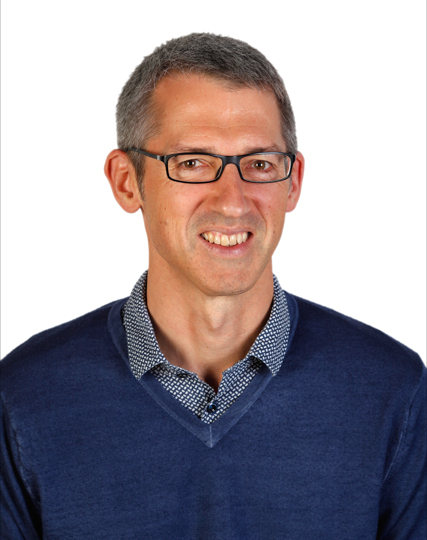
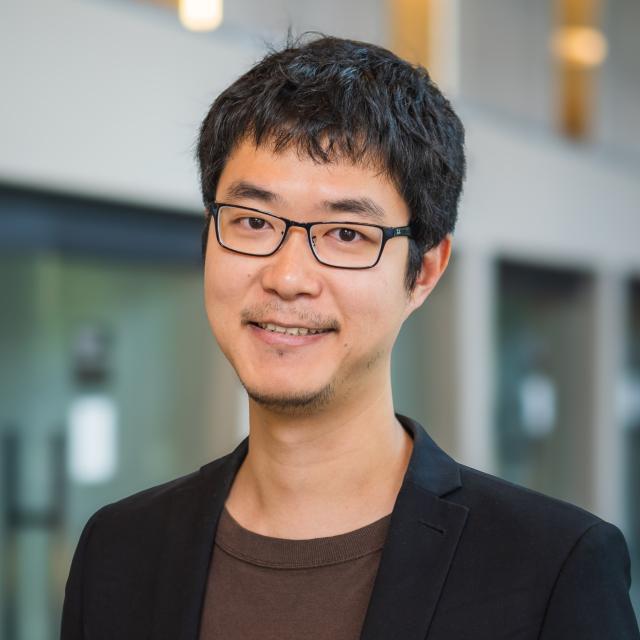
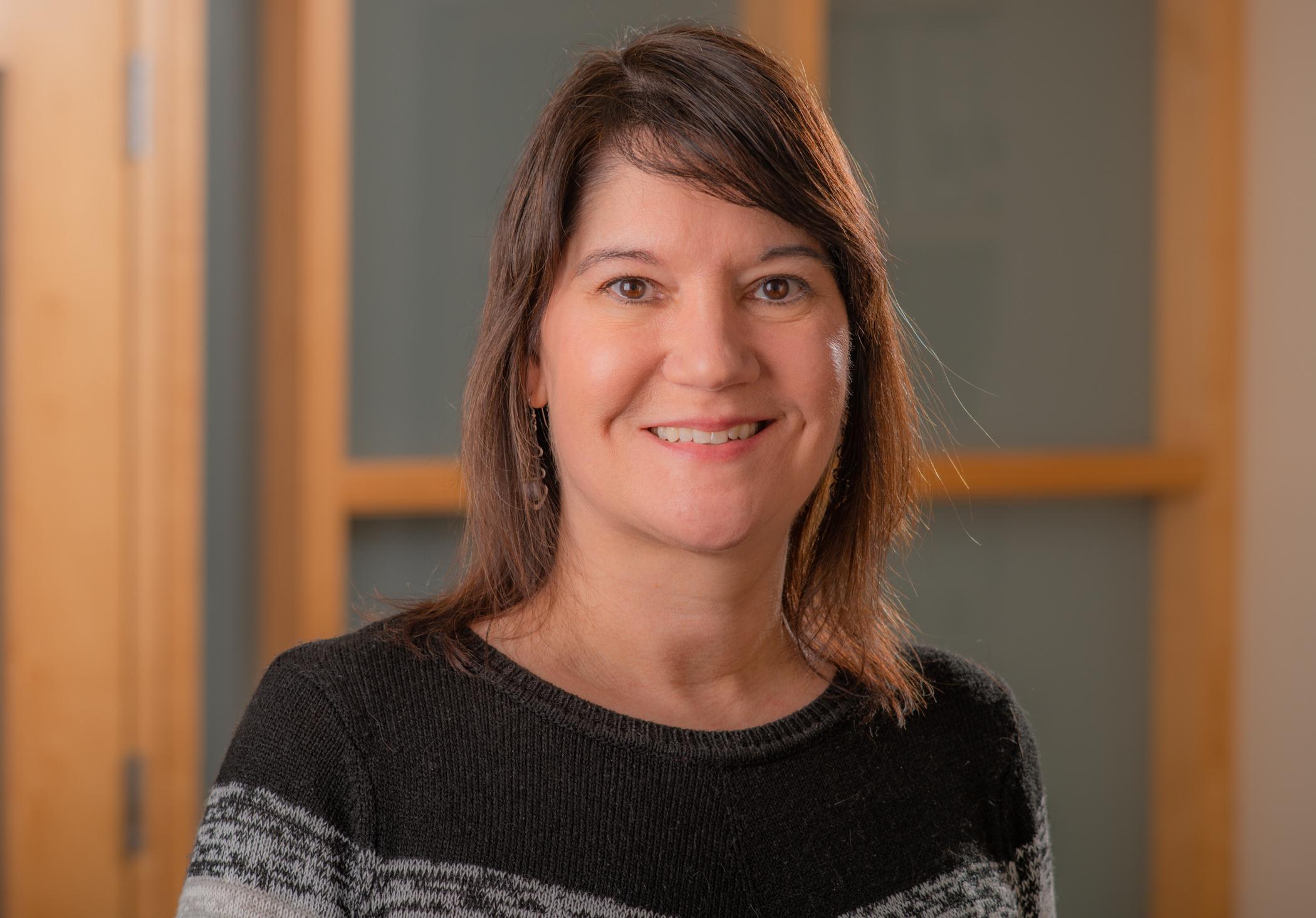
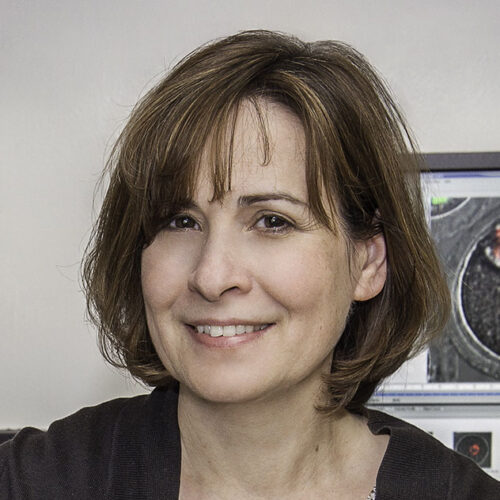
Kelly Arnold is an Associate Professor in the Department of Biomedical Engineering at the University of Michigan. Her research integrates systems engineering principles with immunology to investigate variability in immune responses across infection, vaccination, and injury, with a focus on computational modeling and clinical translation. Research Focus Systems-level immune response modeling Vaccination and antibody functionality Vaginal microbiome-host interactions Chronic lung disease progression Computational serology and proteomics Recent Work Her 2025 studies examine SARS-CoV-2 vaccination responses in cancer patients and computational frameworks for vaginal probiotics. Earlier works (2024-2007) span COPD progression, lupus fibrosis, HIV susceptibility, and tissue engineering for fertility preservation. Methodologies include proteomic profiling, network modeling, and microfluidic systems.
Massimo Mischi is a Full Professor at the Faculty of Electrical Engineering of the Eindhoven University of Technology (TU/e) and chairs the Signal Processing Systems (SPS) Division , the largest division at TU/e with over 250 researchers. He founded the Biomedical Diagnostics (BM/d) Lab in 2012, which now includes 180 researchers and clinical/industrial advisors, focusing on biomedical signal processing for diagnostics and monitoring.
Michael Lampson is Professor of Biology at the University of Pennsylvania's School of Arts and Sciences, with secondary appointments in the Department of Cell and Developmental Biology. He serves as faculty in the Cell and Molecular Biology (CAMB) and Biochemistry and Molecular Biophysics (BMB) Graduate Groups, and is affiliated with the American Society for Cell Biology (ASCB). Ph.D., Cornell University, Weill Medical College, 2002 AB, Harvard College, 1994 Dr. Lampson's research program focuses on fundamental mechanisms of chromosome biology, with particular emphasis on cell division, centromere inheritance, and meiotic drive. His lab investigates how selfish genetic elements can violate Mendel's First Law through meiotic drive, the stability of centromere chromatin through the germline, and the role of repetitive satellite DNA in chromosome segregation. Using innovative approaches including mouse model systems, optogenetic tools, and biochemical techniques, his work bridges cell biology, genetics, and evolutionary biology to address questions with implications for reproductive biology, cancer, and genetic inheritance. Analysis of Dr. Lampson's recent publications reveals a strong focus on the intersection of centromere biology, meiotic drive, and chromosome segregation mechanisms. His work increasingly incorporates computational approaches alongside experimental systems to study evolutionary aspects of centromere function. The research demonstrates consistent innovation in methodology, particularly in developing optogenetic tools for precise manipulation of cellular processes. Key themes include the role of satellite DNA variation, mechanisms of non-Mendelian inheritance, and the stability of chromatin structures through cell division and development. Searle Scholar Award American Association for the Advancement of Science (AAAS) fellow Dr. Lampson's research is supported by multiple NIH grants including from NIGMS, NHGRI, NICHD, and NCI, as well as University of Pennsylvania funding sources including the University Research Foundation, Abramson Cancer Center, and several specialized research centers. He collaborates extensively with researchers across disciplines, including Ben Black (Biochemistry), Dennis Discher (Chemical Engineering), Dave Chenoweth (Chemistry), and Roger Greenberg (Cancer Biology), reflecting the interdisciplinary nature of his work. His lab has trained numerous graduate students and postdocs who have gone on to successful careers in academia and industry. The Lampson Lab maintains state-of-the-art facilities for cell biological, genetic, and biochemical research, with specialized equipment for live-cell imaging, optogenetic manipulation, and mouse genetics. The lab fosters a collaborative environment that bridges molecular, cellular, and evolutionary perspectives on chromosome biology.
Peter A. Jones is President and Chief Scientific Officer at the Van Andel Institute (VAI) in Grand Rapids, Michigan, where he leads the Department of Epigenetics. He previously served as Director of the USC Norris Comprehensive Cancer Center from 1993 to 2011 and has been a central figure in advancing epigenetics research, particularly in cancer. His laboratory investigates DNA methylation, chromatin dynamics, and epigenetic therapies. Research Interests: Dr. Jones's work centers on epigenetic mechanisms in cancer, including DNA methylation, histone modifications, nucleosome positioning, and the therapeutic potential of epigenetic drugs. His research has pioneered the use of DNA methylation inhibitors like 5-azacytidine and explored viral mimicry as a mechanism for immune activation in cancer. He also studies transposable elements and their role in gene regulation and immune response. Publication Trends: His recent publications (2021–2024) reveal a strong focus on the interplay between epigenetics and immunotherapy, particularly how DNA methyltransferase inhibitors (DNMTi) induce viral mimicry, enhance immune recognition, and improve responses to checkpoint blockade. Studies span hematological malignancies, solid tumors, and T cell biology, with frequent collaboration with Stephen Baylin and others. Scientific Awards: Member, National Academy of Sciences Member, National Academy of Medicine Fellow, AACR Academy Fellow, AAAS Fellow, American Academy of Arts and Sciences Kirk A. Landon Award for Basic Cancer Research (2009) Medal of Honor, American Cancer Society (2011) Outstanding Investigator Grant, NCI Harvey Prize (2024) Advising and Grants: Dr. Jones mentors multiple postdoctoral fellows, graduate students, and research scientists. His lab is supported by major grants, including the VAI-SU2C Epigenetics Dream Team, which has launched 15 clinical trials. He has received sustained funding from the National Cancer Institute and collaborates with institutions worldwide to advance epigenetic therapies. Labs and Teams: He leads the Peter Jones Laboratory at VAI, a multidisciplinary team investigating epigenetic regulation in cancer. The lab includes computational biologists, clinical researchers, and molecular biologists, working on both basic mechanisms and translational applications. The team is part of larger collaborative initiatives such as the VAI-SU2C Epigenetics Dream Team and the International Linked Clinical Trials Program.
Jeffrey T. Jensen, M.D., M.P.H., is the Leon Speroff Professor and Vice Chair for Research in the Department of Obstetrics and Gynecology at Oregon Health & Science University (OHSU). He holds joint appointments as Professor of Public Health and Preventive Medicine and serves as a Core Scientist at the Oregon National Primate Research Center (ONPRC). Dr. Jensen completed his medical degree at Emory University, a Master of Public Health at the University of Washington, and residency training at OHSU. Research Focus: Dr. Jensen leads translational and clinical research programs focused on contraceptive innovation. His work emphasizes nonhuman primate models to develop: Novel contraceptive agents targeting oocyte-specific pathways Non-surgical permanent contraception methods Optimized emergency contraception for diverse populations He directs OHSU's Women’s Health Research Unit and the Gates Foundation-funded Oregon Permanent Contraception Research Center (OPERM). Recent Publications: His 15 most recent articles (2023-2025) demonstrate concentrated expertise in: Advanced hormonal contraceptive formulations (IUDs, vaginal rings, oral agents) Weight-adjusted dosing strategies for emergency contraception Biomarker validation for contraceptive efficacy monitoring Real-world assessment of bleeding pattern management Leadership & Collaboration: Dr. Jensen is Principal Investigator of the NICHD Contraception Clinical Trials Network and collaborates with global health organizations (CONRAD, FHI360, Population Council). He serves as Deputy Editor for the journal Contraception and consults for multiple pharmaceutical companies on product development.
Prof. Dr. habil. Katrin Giller leads the Department of Molecular Nutrition Science (140a) at the University of Hohenheim, Garbenstraße 30, Bio Building I, Room 151, Stuttgart. Her research focuses on livestock nutrition, with specific interests in methane mitigation, antioxidant mechanisms, and metabolic syndrome in agricultural animals. Department: Molecular Nutrition Science (140a) Contact: katrin.giller@uni-hohenheim.de Office Hours: By appointment Her work spans nutritional biochemistry , ruminal fermentation , and sustainable livestock systems , often examining interactions between dietary compounds (e.g., spirulina, polyphenols, n-3 fatty acids) and animal physiology. Recent studies investigate antioxidant gene expression , transgenerational metabolic impacts , and feed efficiency . Current advisees include B.Sc. Viola Gauly, Fernando Giugno, Jana Kornherr, Mira Kühn, Daniel Obermüller, and Helen Pötzsch. The department's website details research projects, teaching events, and publications.
Dr. Ahna Skop is a Professor in the Department of Genetics at the University of Wisconsin–Madison. Her research focuses on the molecular mechanisms underlying cell division, particularly the role of midbody remnants and extracellular vesicles in RNA localization and translation. She is also a pioneer in integrating scientific art to enhance public engagement and promote diversity and inclusion in STEM. BS in Biology, Syracuse University PhD in Cell and Molecular Biology, University of Wisconsin–Madison Postdoctoral Fellowship, University of California-Berkeley Her work spans cell biology, developmental biology, and science communication, with recent studies exploring midbody remnant functions in mitosis and strategies for inclusive science education. She leads the Skop Lab, which develops protocols for isolating and imaging extracellular vesicles. Her research on midbody remnants highlights their roles in RNA assembly, localized translation, and potential therapeutic applications. She actively advocates for diversity and inclusion in scientific communities through outreach programs.
Jeff De Jong is an Associate Professor in the Department of Biological Sciences at the School of Natural Sciences and Mathematics, University of Texas at Dallas , where he has been a faculty member since 1995, rising from Assistant to Associate Professor in 2001. His research investigates the molecular mechanisms of gene regulation, particularly in germ cells. Research Interests: Specialized transcription machinery in germ cells vs. somatic cells Function and regulation of the germ cell-specific transcription factor ALF Core promoter dynamics and transcription initiation Interactions between TFIIA, TBP, and TFIID complexes Potential roles of non-coding RNAs, including piRNAs, in germ cell gene expression Developmental transitions in gene expression during gametogenesis and early embryogenesis The published articles show a consistent focus on germ cell-specific transcription , particularly the ALF factor, its promoter regulation, structural properties, and functional compensation for somatic factors. The work spans model organisms like Xenopus and mouse, utilizing biochemical, molecular, and genetic approaches. Research trends emphasize the evolutionary divergence of transcriptional machinery in reproductive tissues and its implications for fertility and development. Scientific Awards: No awards listed in the provided text. Advising and Teaching: Dr. De Jong has mentored multiple Ph.D. students and postdoctoral researchers, including SangHyun Lee, Ashok Upadhyaya, SangYoon Han, MinJung Kim, Dan Li, Dr. Xiao-li Wang, and Dr. Wensheng Xie. He teaches key courses such as Biochemistry II, Genetics, Molecular Genetics, and Modern Biochemistry II, contributing significantly to both undergraduate and graduate education. Labs and Research Teams: His laboratory has been actively engaged in studying the molecular basis of germ cell transcription, maintaining a research team focused on gene regulation mechanisms. The group has produced a body of work published in high-impact journals, indicating a sustained and productive research program.
Jan Ellenberg is a Senior Scientist and Head of the Cell Biology and Biophysics Unit at the European Molecular Biology Laboratory (EMBL) since 2006 and 2010, respectively. He also serves as EMBL Delegate to the Euro-BioImaging Interim Board since 2014 and has coordinated multiple EMBL units and pan-European imaging infrastructure projects. PhD in biochemistry (1998, NIH & Freie Universität Berlin) Diploma in biology (1994, Universität Hamburg) His research focuses on cell biology , nuclear and chromosome dynamics , and advanced microscopy technologies . Key areas include mitosis/meiosis , nuclear pore complex organization , and super-resolution/light-sheet microscopy development. Scientific awards include the Allen Distinguished Investigator (2017), ERC Advanced Investigator (2016), and Walter Flemming Medal (2004). His publications (>130) frequently appear in top journals like Nature, Science, and Cell. 2017 Allen Distinguished Investigator 2016 ERC Advanced Investigator 2016 Honorary Doctor of Philosophy at Åbo Akademi University 2006 EMBO Member
Chenshu Liu is an Assistant Professor in the Department of Biological Sciences at Lehigh University, where he launched his independent laboratory in fall 2024. His research focuses on meiotic quality control mechanisms, specifically investigating nuclear envelope dynamics during oocyte development using Caenorhabditis elegans as a model organism. Dr. Liu's educational background includes: BS in Biological Sciences from the University of Science and Technology of China PhD in Cell Biology from Columbia University Postdoctoral training as a Life Sciences Research Foundation Fellow at UC Berkeley His research integrates Cell Biology , Genetics , and Mechanotransduction to address fundamental questions in Meiosis and Gamete Development . The lab employs high-resolution live imaging, synthetic biology, and genetic approaches to study how nuclear envelope mechanics detect chromosomal errors and eliminate defective gametes—a process critical for preventing infertility and congenital disorders like Down syndrome. Publication trends reveal a clear evolution from early work on centromere dynamics (2015-2018) to current breakthroughs in nuclear envelope mechanobiology (2023-2024). Recent Science and Science Advances papers establish Piezo channels as central to meiotic quality control, highlighting conserved mechanisms between nematodes and mammals. Key recognition includes: Life Sciences Research Foundation Postdoctoral Fellowship Dr. Liu actively recruits graduate students for his Lehigh-based lab, emphasizing rigorous science within a supportive environment. He serves on the Graduate Recruitment and Fellowship Committee and teaches advanced courses including BIOS397/431 (Meiosis4Eva) and BIOS421 (Molecular Cell Biology I). The lab's NIH-relevant work bridges basic cell biology with clinical reproductive health challenges. The Liu Lab (theliulab.org), housed in Iacocca Hall, operates as a collaborative hub within Lehigh's #Meiosis4Eva community, utilizing C. elegans to pioneer discoveries in gamete quality control with implications for human fertility.
Mitchell P. Rosen, MD, HCLD is an Assistant Professor at the University of California San Francisco (UCSF) School of Medicine, Department of Reproductive Endocrinology & Infertility. He serves as Director of the Fertility Preservation Center at UCSF, focusing on helping patients maintain their reproductive options, particularly those facing cancer treatments. Dr. Rosen's educational background includes: 1998: M.D. from Saint Louis University 2002: Residency in Obstetrics and Gynecology from University of Texas Medical Branch, Galveston, TX 2005: Fellowship in Reproductive Endocrinology from University of California San Francisco, San Francisco, CA Dr. Rosen's primary research interests center around folliculogenesis, controlled ovarian stimulation, and fertility preservation for cancer patients. His work explores the relationship between ovarian reserve markers like antral follicle count and fertility outcomes, ethnic variations in reproductive physiology, and the impact of cancer treatments on reproductive capacity. He has made significant contributions to understanding how factors such as hormone levels, fertilization rates, and genetic variants influence assisted reproductive technology outcomes. His publication record demonstrates a consistent focus on reproductive endocrinology and infertility, with particular attention to ovarian function assessment, fertility preservation strategies, and ethnic differences in reproductive parameters. His research spans clinical investigations of ovarian stimulation protocols, analysis of factors affecting IVF success, and studies examining the intersection of oncology and reproductive medicine. Dr. Rosen has received several professional recognitions including: Honor Roll for Patient Care (1998, 2002) Ortho-McNeil Best Resident Teacher Award (2002) Best Resident Award (2002) Teaching Resident Award, UCSF School of Medicine (2006-08) As Director of the Fertility Preservation Center, Dr. Rosen leads efforts to improve access to fertility preservation services for cancer patients and has contributed to changing perspectives in this field. His work bridges clinical practice with research to enhance patient care and outcomes in reproductive medicine.
Prof. Dr. Susanne E. Ulbrich is a Full Professor of Animal Physiology at the Department of Environmental Systems Science, ETH Zurich, where she leads the Chair of Animal Physiology since September 2013. Her research focuses on livestock metabolism with emphasis on relationships affecting fertility and reproduction, contributing significantly to the World Food strategy of the Department of Environmental Systems Science and the Agrovet-Strickhof project in collaboration with the University of Zurich and the Canton of Zurich. Prof. Ulbrich's educational background includes studies in Agricultural Sciences with a focus on Animal Sciences at the Technical University Munich (TUM), followed by postgraduate studies in Biotechnology. She received her doctorate in physiology at the Science Center Weihenstephan of the TUM in 2005 with the distinction "summa cum laude" and subsequently managed a research group at TUM. Her international research experience includes research stays at the University of Adelaide in Australia and the Universidad de Concepcion in Chillán, Chile. Prof. Ulbrich's research interests span animal physiology with particular focus on reproductive biology, embryonic development, and metabolism. Her work on livestock metabolism has brought her international recognition, especially her research on embryonic diapause in roe deer, uterine fluid composition, and the effects of embryos on maternal physiology. She applies advanced techniques such as metabolomics, proteomics, and extracellular vesicle analysis to investigate reproductive processes across species. Her recent publications demonstrate a strong focus on comparative reproductive biology, particularly examining the European roe deer as a model for embryonic diapause and conceptus elongation. She also investigates mastitis mechanisms, bovine reproduction, and applications of extracellular vesicles in reproductive medicine. Her work bridges wildlife biology, livestock science, and human reproductive medicine, revealing fundamental principles of embryo-maternal communication. Graduation Award Bund der Freunde der TU München (2005) Research Award Dr.-Heinrich-Baur-Preis (2011) Prof. Ulbrich serves as a reviewer for numerous scientific journals and is an active member of professional societies including the German Society of Endocrinology, the Society for the Study of Reproduction, and the International Embryo Transfer Society. Her research is supported by grants such as "Embryonic Diapause: pluripotency on hold?" (SNF 185026), reflecting her leadership in understanding reproductive mechanisms across species. Her laboratory at ETH Zurich focuses on comparative reproductive biology, utilizing advanced techniques to study embryo-maternal communication, with particular emphasis on the European roe deer as a natural model of embryonic diapause. Her team comprises researchers with expertise in metabolomics, molecular biology, and reproductive physiology, working collaboratively to unravel the complex mechanisms governing early embryonic development and maternal recognition of pregnancy.
Jill A Kreiling is an Associate Professor (Research) in the Department of Molecular Biology, Cell Biology, and Biochemistry at Brown University School of Medicine. She also serves as the Associate Director of the Brown Center on the Biology of Aging since July 2018. Her research focuses on the molecular mechanisms of aging, particularly examining the role of transposable elements, epigenetic changes, and cellular senescence in the aging process. Dr. Kreiling's research interests span several key areas in aging biology and molecular mechanisms of age-related changes. Her work has significantly contributed to understanding how retrotransposable elements become active during aging, how heterochromatin formation changes with age, and how these molecular changes impact tissue function and age-related diseases. She has developed innovative approaches to study aging processes using various model systems including mouse models, zebrafish, and cell culture systems. Her research program has been consistently supported by NIH funding, including her current role as Principal Investigator on an R01 grant focused on identifying biomarkers in salivary vesicles for preclinical Alzheimer's disease. She has published extensively in high-impact journals including Nature, Cell, and Aging Cell, with her work being cited widely in the aging research community. Dr. Kreiling has received several prestigious awards including the Mentored Research Scientist Development Award (K01) from the National Institute on Aging (2011-2017). Her collaborative network includes prominent researchers in the aging field such as John Sedivy and Nicola Neretti at Brown University. As an educator, Dr. Kreiling has taught Introductory Microbiology and has mentored numerous students and postdoctoral fellows in her laboratory. Her research program provides valuable training opportunities for students interested in aging research, molecular biology, and translational approaches to age-related diseases.
Arunika Das is an Assistant Professor in the Department of Biomedical Sciences at the Cornell University College of Veterinary Medicine , where she leads the Das Lab. Her research focuses on the genetic and epigenetic mechanisms governing chromosome inheritance during meiosis and early development, with a particular emphasis on centromere biology and aneuploidy. Education: PhD in Cell and Developmental Biology (Rutgers University, 2016), MS in Biochemistry (University of Calcutta, 2009), BS in Chemistry (St. Xavier’s University, 2007) Research Highlights: Investigates centromere inheritance through reproductive and embryonic challenges Studies aneuploidy mechanisms in early embryos Uses mouse, fly, and horse models for comparative genome stability analysis Active in Cornell Center for Reproductive Sciences and Center for Vertebrate Genomics Scientific Awards: Society for the Study of Reproduction - Emerging Investigator Award (2024-2025) S. Walter Englander Postdoctoral Research Award (2022) Keith R. Porter Award Honorable Mention (2022) Marine Biological Laboratory Fellowship (2017) Teaching: Leads curriculum development for a reproductive medicine MS program and teaches in Cornell’s Veterinary School. Mentors graduate, undergraduate, and capstone projects.
Maria M. Viveiros is an Associate Professor and Assistant Department Head in the Department of Physiology and Pharmacology at the University of Georgia’s College of Veterinary Medicine. Her research integrates experimental approaches like live cell imaging, molecular biology, and genetic mouse models to study meiotic division accuracy in oocytes, genomic stability, and the effects of environmental toxicants on embryonic development. She co-leads the Dr. Viveiros’s Lab and participates in interdisciplinary programs such as the Interdisciplinary Toxicology and Regenerative Biosciences Programs. Dr. Viveiros holds a PhD in Physiology and Pharmacology from the University of Guelph (Canada), an MSc from the same institution, and a BSc from McMaster University (Canada). She coordinates multiple graduate courses, including Integrative Systems Physiology I and II (VPHY 8210 and VPHY 8250), and leads the Endocrine and Reproductive Systems I course (VETM 5194). Her research interests focus on cell and developmental biology, regenerative medicine, reproductive physiology, and toxicology. Key projects address mechanisms regulating meiotic spindle assembly, monitoring chromosome attachment, and assessing how aging and environmental factors disrupt these processes. She explores epigenetic control of oocyte maturation, centromere function, and the impact of chemicals like bisphenol on gamete and embryo health. Publications highlight her work on pericentric satellite transcription, bisphenol toxicity, and epigenetic modifiers in oogenesis. Her contributions bridge molecular and cellular mechanisms with broader implications for human health, such as Down Syndrome and pregnancy loss linked to meiotic errors. She also investigates the role of proteins like ATRX, NEDD1, and Aurora Kinase A in spindle stability and chromosome segregation.