Massachusetts Institute of TechnologyUnited States
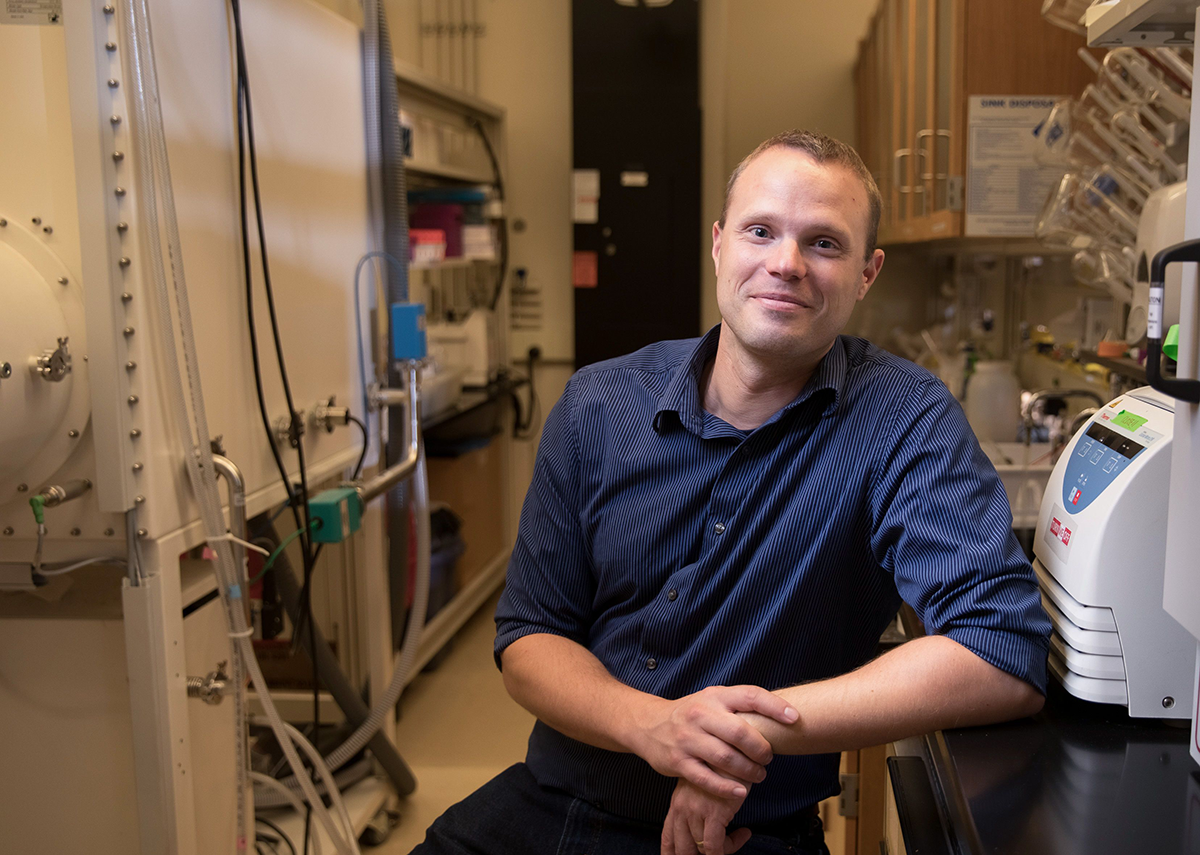
Bradley D. Olsen is a full professor in the Department of Chemical Engineering at the Massachusetts Institute of Technology (MIT), where he leads research at the intersection of polymer science, soft matter physics, and bioengineering. His work focuses on designing materials for critical applications in biotechnology, hemostasis, and sustainable polymer development while advancing fundamental understanding of polymer network mechanics and self-assembly. Education: Ph.D. in Chemical Engineering, University of California Berkeley (2007) S.B. in Chemical Engineering, Massachusetts Institute of Technology (2003) Olsen's research spans protein-based materials, block copolymer phase behavior, and mechanochemical hydrogels. He has pioneered methods for quantifying polymer network topology, developing hemostatic nanoparticles, and creating bio-inspired materials for selective biomolecular transport and medical applications. His recent publications emphasize data-driven approaches to polymer characterization and educational outreach in materials science. Scientific Awards: American Physical Society (APS) Fellow (2023) Fulbright Amazonia Scholar (2023) Alexander and I. Michael Kasser Chair in Chemical Engineering (2021) ACS Macro Letters Young Investigator Award (2021) MIT Committed to Caring Honor (2019) AIChE Owens Corning Early Career Award (2019) APS Dillon Medal (2018) Kavli Emerging Leader in Chemistry (2017) ACS Polymer Division Fellow (2016) Camille Dreyfus-Teacher Scholar (2015) Alfred P. Sloan Research Fellow (2014) NSF Career Grant (2013) NIH Postdoctoral Fellowship (2008-2009) Hertz Fellow (2003-2007) Barry M. Goldwater Scholarship (2002) Olsen has received significant grant support including NSF Career (2013) and AFOSR (2012) awards. His teaching activities include innovative international outreach like the 2025 soccer-themed science camp in Brazil. The Olsen Group at MIT explores advanced materials with applications ranging from trauma care to sustainable polymers.
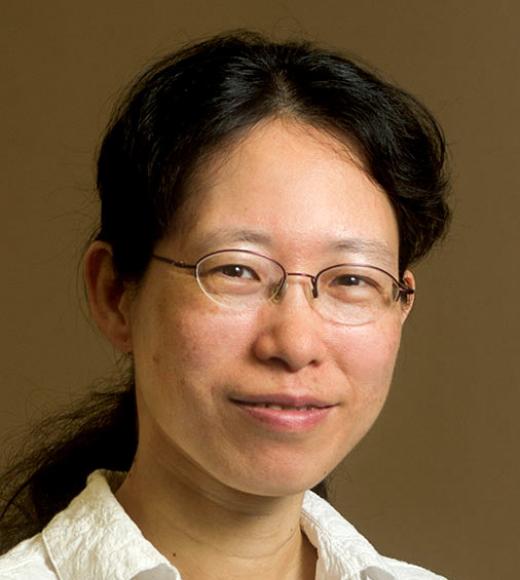
Dr. Jeannine Baumgartner is a Lecturer in the Department of Nutritional Sciences at King's College London and an Extraordinary Associate Professor at North-West University, South Africa. She holds an MSc and PhD in Human Nutrition from ETH Zurich, Switzerland. Key Appointments : Lecturer at King's College London (2022–present), Senior Scientist at ETH Zurich (2018–2022), Associate Professor at North-West University (2018). Research Focus : Optimal early-life nutrition for maternal/child health, iron and omega-3 fatty acid interventions, stable isotope methodologies, HIV-metabolic interactions, and mental health-diet links. Her recent work explores iron absorption dynamics in Thai children, maternal iron status in South Africa, and omega-3 fatty acids in depression. She leads an NIHR-funded project to reassess UK iron reference values. Scientific Leadership : Board Member, International Society for the Study of Fatty Acids and Lipids (ISSFAL) Editorial Board, European Journal of Clinical Nutrition
Dr. Xi Chen is a Professor in the Department of Chemistry at the University of California, Davis, where he has been a faculty member since 2003. His research spans carbohydrate chemistry, glycobiology, and cancer biology, with notable contributions to chemoenzymatic methods for glycoconjugate synthesis. Dr. Chen's work focuses on developing hybrid chemical-enzymatic approaches to synthesize complex carbohydrates and glycoconjugates, characterizing glycosyltransferase mechanisms, and designing enzyme mutants for improved catalysis. He also investigates carbohydrate-based diagnostics and therapeutics, particularly in cancer and inflammatory diseases. His recent publications highlight interdisciplinary studies linking carbohydrate metabolism to p53 tumor suppression pathways and RNA-binding protein regulation in cancer. Awards include AAAS Fellow (2015), ACS Isbell Award (2012), and NSF CAREER Award (2006). He earned his Ph.D. at Wayne State University (2000) and B.S. at Xiamen University (1994). Scientific Awards American Association for the Advancement of Science Fellow (2015) Dean's Team Award for Excellence (2013) Carbohydrate Research Award for Creativity (2013) ACS CARB Horace S. Isbell Award (2012)
University of Natural Resources and Life Sciences ViennaAustria
Fabian Pfrengle is a full Professor of Organic Chemistry at the Institute of Organic Chemistry , Department of Natural Sciences and Sustainable Resources , University of Natural Resources and Life Sciences Vienna (BOKU). He previously led research groups at the Max Planck Institute of Colloids and Interfaces (2013-2020) and worked at The Scripps Research Institute (2010-2013). Research Focus: His work bridges carbohydrate chemistry and plant biology , specializing in plant cell wall glycans and glycosyltransferases . He develops synthetic glycan arrays for enzyme characterization and investigates immune response triggering mechanisms in plants through oligosaccharide fragments . His projects include automated polysaccharide synthesis and liposome-based immune tolerance applications. Publication Trends: His 15 most recent articles emphasize chemical synthesis of sugar nucleotides , plant glycan arrays , and enzyme specificity analysis , reflecting his focus on carbohydrate engineering and plant immunity . Key subfields include UDP-sugar derivatization , Xylan structure-function relationships , and Glycosyltransferase profiling . Grants & Projects: Currently leads 5 major projects including Automated Algal Polysaccharide Synthesis (EU-funded, 2023-2028) and Synthetic Glycan Ligands for Plant Immune Receptors (FWF-funded, 2022-2026). His research also explores thrombocyte biology and Rhamnogalacturonan-II fragments with support from FWF and City of Vienna . Community Service: Serves on editorial boards ( Monatshefte für Chemie , 2021-present) and as reviewer for 12 journals including JACS Au , Nature Communications , and Angewandte Chemie . Member of professional societies: Gesellschaft Österreichischer Chemiker (2020), Deutscher Hochschulverband (2019), and Gesellschaft Deutscher Chemiker (2008).
Seth Herzon is the Milton Harris '29 Ph.D. Professor of Chemistry at Yale University, with joint appointments in the Departments of Pharmacology and Therapeutic Radiology at the Yale School of Medicine. He is also a Member of the Yale Cancer Center and co-founder of Modifi Biosciences, which was acquired by Merck in Fall 2024. Herzon joined Yale in 2008 after completing his PhD at Harvard University and an NIH postdoctoral fellowship at the University of Illinois, Urbana-Champaign. Her research focuses on organic synthesis with an emphasis on the molecular mechanisms of action of DNA-damaging compounds, particularly anticancer and microbiome-derived natural products. His laboratory has made significant contributions to understanding colibactin, a gut microbiome metabolite that induces colorectal cancer, and has developed novel chemotherapies targeting DNA repair defects in tumors. His work spans synthetic chemistry, chemical biology, and translational medicine, with projects ranging from total synthesis of complex natural products to developing antibacterial agents. His recent publications reveal a strong trend toward microbiome-cancer interactions, particularly focusing on colibactin's role in carcinogenesis, alongside continued innovation in synthetic methodology and therapeutic development for drug-resistant cancers. His work bridges fundamental chemistry with clinical applications, particularly in cancer therapeutics. Among his numerous accolades are the NSF CAREER Award, Searle Scholar Award, Packard Fellowship, Sloan Fellowship, Arthur C. Cope Scholar Award, and the 2024 Yale Cancer Center Class of '61 Cancer Research Award. He served as Associate Editor for The Journal of Organic Chemistry from 2018-2023 and was a member of the United States Defense Science Study Group from 2018-2019. Herzon has mentored numerous PhD students and postdoctoral researchers who have gone on to successful careers in academia and industry. His laboratory at Yale continues to be at the forefront of chemical research with significant translational impact, particularly in cancer drug discovery. The lab maintains active collaborations with researchers across Yale, including in pharmacology, radiobiology, and cancer biology.
Professor Roland J. Pieters is a distinguished academic at Utrecht University's Faculty of Science, where he serves as a full Professor in the Department of Chemical Biology and Drug Discovery. With over two decades of experience at the institution, he has progressed from Assistant Professor (1998) to Associate Professor (2005) and ultimately to Full Professor (2010-present). His research group is internationally recognized for groundbreaking work at the intersection of carbohydrate chemistry, chemical biology, and drug discovery, with particular emphasis on developing novel therapeutic approaches against bacterial infections and pathogenic mechanisms. Full Professor, Utrecht University (2010-present) Associate Professor, Utrecht University (2005-2010) Assistant Professor, Utrecht University (1998-2005) NWO Talent Post-doctoral Fellow, ETH-Zürich (1995-1996) Postdoctoral Researcher, University of Groningen (1996-1998) Professor Pieters earned his M.Sc. in Organic Chemistry from the University of Groningen in 1990, where he worked with Professor Ben Feringa, and completed his Ph.D. at MIT in 1995 under the supervision of Professor Julius Rebek Jr. His doctoral research focused on molecular recognition and template effects in bisubstrate systems, establishing the foundation for his lifelong interest in molecular interactions. Professor Pieters' research primarily centers on glycodrugs and the strategic interference with protein-carbohydrate interactions using multivalent systems of varying architectures. His laboratory has made significant contributions to understanding how rigid spacers in multivalent ligands can dramatically enhance binding affinity to target proteins, with applications against viral and bacterial adhesion proteins, toxins, galectins, and glycosidases. A particular focus has been on developing inhibitors for Pseudomonas aeruginosa lectin LecA, cholera toxin, influenza virus hemagglutinin, and more recently, SARS-CoV-2 spike protein interactions with host cell receptors. His group also pioneered the use of glyco- and peptide-microarrays for high-throughput screening of carbohydrate-protein interactions and drug discovery, particularly in the area of O-GlcNAcylation research. The publication record of Professor Pieters demonstrates consistent innovation in the field of multivalent carbohydrate-based therapeutics. His recent work (2020-2024) shows a strategic expansion into viral pathogenesis (particularly influenza and SARS-CoV-2), immune modulation through glycan recognition, and novel approaches to vaccine development. A notable trend is the increasing sophistication of multivalent architectures, moving from simple divalent systems to tetra- and hexavalent ligands with precisely engineered spatial arrangements. His research bridges fundamental chemical principles with practical therapeutic applications, maintaining strong connections to pharmaceutical development while advancing basic science understanding of carbohydrate-mediated biological processes. Professor Pieters' scientific achievements have been recognized with prestigious awards including a Fellowship from the Royal Netherlands Academy of Arts and Sciences (KNAW) in 1999 and a VICI personal grant from the Netherlands Organisation for Scientific Research (NWO) in 2008. These competitive awards reflect the significance and innovation of his research program. He has also served on editorial advisory boards, notably as Section Editor-in-Chief for Chemical Biology in the journal Molecules (2018-2022), contributing to the scholarly community through peer review and academic leadership. Fellowship of Royal Netherlands Academy of Sciences (KNAW), 1999 VICI, personal grant, NWO, 2008 Section Editor-in-Chief Chemical Biology for Molecules (2018-2022) Throughout his career, Professor Pieters has coordinated significant research projects including the EU project POLYCARB and secured competitive funding that has sustained his innovative research program. His laboratory has fostered numerous collaborations across Europe and internationally, creating a vibrant research environment that has trained many scientists now working in academia and industry. His research on multivalent carbohydrate systems represents a sustained intellectual contribution to chemical biology with direct relevance to developing new anti-infective strategies and therapeutic approaches. Professor Pieters leads an active research group within Utrecht University's Department of Chemical Biology and Drug Discovery, situated in the David de Wied Building. His laboratory maintains strong connections with other research groups both within Utrecht University and internationally, particularly in the fields of glycobiology, infectious diseases, and drug discovery. The research environment he has cultivated emphasizes interdisciplinary approaches, combining synthetic chemistry, biophysical analysis, and biological testing to address fundamental questions in carbohydrate-mediated biological processes with therapeutic applications.
Jens Øllgaard Duus is a Professor and Vice Dean at the Technical University of Denmark (DTU), with dual roles in the Office for Study Programmes and Student Affairs and the Center for Teaching and Learning in Engineering Education. His primary academic affiliation is with the Department of Chemistry at DTU, where he conducts advanced research in NMR spectroscopy and structural analysis of complex organic molecules. His research focuses on the development and application of analytical methods for carbohydrates, natural products, and peptides, with applications in food and pharmaceutical sciences. Key areas include glycosylation, enzyme mechanisms, and structural elucidation of bioactive compounds. His work contributes to UN Sustainable Development Goals in life sciences and analytical chemistry. The recent publications highlight a strong trend in glycoscience, particularly in enzyme-catalyzed glycosylation, structural analysis of polysaccharides, and engineering of glycosyltransferases and glycosidases for synthetic applications. His work bridges chemistry, biotechnology, and medicine. Jens Øllgaard Duus actively supervises multiple PhD students across interdisciplinary projects, including work on drug delivery to the CNS, nucleic acid analogues, and AI in education. He is involved in both fundamental and applied research, contributing to sustainable chemistry and biotechnology. Structural elucidation of novel pro-inflammatory polysaccharides from Daphne mezereum L. (2024) Denmark as the Energy Island Pioneer (2023) Promiscuous Yet Specific: A Methionine-Aromatic Interaction in Glycosyltransferase (2023) Engineered Hexosaminidase as a Glycoligase (2023) Family 1 Glycosyltransferase from Zea mays (2022) He has supervised PhD projects on generative AI in education, nucleic acid analogues, CNS drug delivery, and asymmetric catalysis. His leadership in educational innovation and research supervision underscores his dual impact on science and pedagogy. He is affiliated with research groups in chemistry and biotechnology at DTU, contributing to a collaborative network focused on sustainable science and engineering education. His work integrates analytical chemistry with biological applications, forming a unique interdisciplinary fingerprint.
Dr. Martin Anthony Fascione is a Reader in Chemistry at the University of York, where he leads the Fascione Lab within the Department of Chemistry. His research focuses on the interface between chemistry and biology, particularly in the field of chemical glycobiology. He has established himself as a leading researcher in carbohydrate chemistry with expertise in synthetic methods and biological applications. Dr. Fascione received his Ph.D. from the University of Leeds in 2009 under the supervision of W. Bruce Turnbull, followed by a Marie Curie International Outgoing Fellowship at the University of British Columbia with Prof. Steve Withers and the University of York with Prof. Gideon Davies. Since August 2014, he has been at the York Structural Biology Laboratory, progressing from Lecturer to his current position as Reader. His research centers on complex sugars (glycans) and their roles in biological processes and disease, with particular emphasis on sialic acid-like molecules critical for bacterial pathogens. The Fascione group develops chemical tools to study and perturb glycan activity in vivo using synthetic and enzymatic carbohydrate chemistry, organocatalysis, enzymology, and molecular biology. Key research areas include pseudaminic acid biosynthesis, protein bioconjugation, and glycoconjugate development for therapeutic applications. Analysis of Dr. Fascione's recent publications reveals a strong focus on bacterial glycans, particularly pseudaminic acid, and their role in pathogenesis. His work combines synthetic chemistry with biological applications, developing novel methods for protein modification, carbohydrate synthesis, and glycan-based therapeutics. Major themes include bioorthogonal chemistry, enzymatic synthesis of complex carbohydrates, and the development of glycoconjugates for therapeutic and diagnostic applications. Dr. Fascione has received significant recognition for his work, including: Marie Curie International Outgoing Fellowship (2012-2014) ERC Consolidator Grant (2022) As an active researcher, Dr. Fascione supervises PhD students and collaborates extensively with researchers in the UK and internationally. His laboratory is involved in multiple research projects focused on chemical glycobiology for infectious disease research and therapeutic development. The Fascione Lab has established itself as a leading center for research at the chemistry-biology interface, with particular expertise in carbohydrate-active enzymes and glycan-based tools for biological investigation.
Lusophone University of Humanities and TechnologiesPortugal
Pedro Carlos De Barros Fernandes is an Associate Professor at Universidade Lusófona , Deputy Director of the 1st cycle in Biotechnology, and an integrated researcher at the Institute of Bioengineering and Biosciences (iBB-IST). He holds a PhD in Biotechnology (1999) and a Master in Biotechnology/Biochemical Engineering (1994) from Universidade Técnica de Lisboa (IST), along with a Chemical Engineering degree from IST (1989). A member of the Order of Engineers (ID 24667), he co-founded Biotrend, a Portuguese bioprocess development company. Education PhD in Biotechnology (1999), Universidade Técnica de Lisboa MSc in Biotechnology (1994), Instituto Superior Técnico BSc in Chemical Engineering (1989), Instituto Superior Técnico Research Interests span biocatalysis, enzyme immobilization for food and pharmaceutical applications, marine biotechnology, microfluidic device development for biosensing, and steroid bioconversions using mycobacterial systems. His work integrates process engineering principles with sustainable bioprocessing techniques. Publication Trends show a focus on microreactor technology, enzyme stabilization in non-conventional media, marine-derived biocatalysts, and food waste valorization. Key themes include biocatalytic process intensification, aqueous two-phase systems for biomolecule purification, and sustainable carbon sources for biopolymer production. Scientific Awards UTL/Santander Totta Scientific Award in Biological Engineering (2011) Advising has included supervision of 5 doctoral theses and over 32 master’s theses. His expertise extends to peer-reviewing scientific articles and evaluating R&D projects. Labs & Teams are associated with iBB-IST (Institute of Bioengineering and Biosciences) and BioRG (Universidade Lusófona), with contributions to the Ciência Viva program for science dissemination.
Professor Gavin J. Miller is a Professor of Biological Chemistry at Keele University, UK, affiliated with the Lennard-Jones School of Chemical and Physical Sciences. He holds a MChem from UMIST and a PhD in carbohydrate chemistry from the University of Manchester. His research focuses on glycoscience at the chemistry-biology interface, with expertise in synthesizing carbohydrates and nucleosides using chemoenzymatic and biocatalytic methods. He leads the Miller Research Group, which explores biomolecule synthesis for chemical biology applications and medicinal chemistry. Education BSc Chemistry (Medicinal Chemistry focus) – UMIST PhD in Carbohydrate Chemistry – University of Manchester Research Interests Professor Miller’s work emphasizes synthetic approaches to heparan sulfate oligosaccharides, nucleoside analogs, and glycoconjugates. His group develops scalable methods for glycan assembly and explores applications in antiviral therapies, cancer drug design, and SARS-CoV-2 interaction studies. Key areas include: Chemoenzymatic synthesis of glycoconjugates Biocatalytic nucleotide production Structural glycoscience for biomedical insights Publications Recent work highlights structural studies of glycans, antiviral heparin interactions with SARS-CoV-2 spike proteins, and inhibitor design targeting bacterial dehydrogenases. His publications span Journal of the American Chemical Society , Angewandte Chemie , and RSC Chemical Biology , reflecting interdisciplinary impact. Awards & Grants No specific awards listed, but his research has received institutional support through Keele’s Glycoscience Centre and collaborations with Manchester Institute of Biotechnology. Labs & Teams Mozilla Research Group at Keele University, part of the Glycoscience Centre, focusing on automated glycan assembly and biocatalytic processes.
Shaul Pollak is an Assistant Professor at the Division of Microbial Ecology within the Centre for Microbiology and Environmental Systems Science at the University of Vienna. His research focuses on bacterial interactions in ecosystems, particularly their roles in plant pathogen protection and carbon cycling across soil and marine environments. He leads a research group investigating how microbial processes scale from genetic mechanisms to planetary biogeochemical cycles. His primary research interests include microbial community assembly, bacterial metabolism of complex biopolymers, and evolutionary genomics of marine cyanobacteria. Current projects leverage genomic dark matter to predict soil carbon fluxes, examine plant-bacteria interactions under environmental change, and explore the diversity of Prochlorococcus marinus. His interdisciplinary approach integrates genomics, high-throughput experiments, and machine learning to bridge ecological and evolutionary theory. Analysis of his 2022-2025 publications reveals consistent themes in microbial community dynamics, with emphasis on polysaccharide degradation mechanisms, phage-bacteria interactions, and genomic predictors of bacterial metabolic functions. His work demonstrates how bacterial trade-offs and cross-feeding structures shape ecosystem processes from ocean biogeochemistry to human gut microbiome organization. Dr. Pollak actively recruits PhD students and postdoctoral researchers through university stipend programs, with current group members including Thomas Gaehtgens, Gerhard Gruber, Jyothsna Pujar, Qi Qi, Lior Shachar, Marco Sing, and Joana Valèrio. His laboratory maintains active collaborations across soil and marine microbial ecology projects, with research infrastructure supported by University of Vienna resources and external funding.
Professor Susan Brooks is a faculty member at Oxford Brookes University in the School of Biological and Medical Sciences . Her research focuses on glycobiology , cancer progression , and the role of extracellular vesicles in metastasis. Professor of Cell Biology Director of Researcher Development Focus on breast and ovarian cancer Specialized in glycosylation mechanisms Research Interests : Dr. Brooks' work explores how aberrant glycosylation of proteins and glycans influences cancer cell behavior, including metastasis and drug resistance . Her recent studies examine extracellular vesicles as diagnostic tools and therapeutic targets. Article Trends : Over 25 years, Dr. Brooks has published 15+ articles on glycosylation patterns in breast and ovarian cancer. Key areas include lectin binding , miRNA regulation , and radiation-induced metastatic changes . Her work bridges cell biology and clinical applications .
Paula Mendes is a Professor of Advanced Materials and Nanotechnology at the University of Birmingham's School of Chemical Engineering. She leads the interdisciplinary Mendes Research Group, focusing on nanoscience, biosensors, and nanotechnology applications in healthcare. Her work bridges engineering, chemistry, and biology to address challenges in biofouling, molecular diagnostics, and medical technologies. She is affiliated with the Healthcare Technologies Institute (HTI), advancing translational research in regenerative medicine and diagnostics. Education: MSc (1997) and PhD (2002) in Chemical Engineering from the University of Porto. Postdoctoral research at the University of Birmingham and UCLA under Fraser Stoddart. Academic career at Birmingham since 2006, promoted to Professor in 2013. Research Interests: Development of electrically switchable surfaces for on-demand biosensing Nanomaterials for cancer diagnostics and molecular imprinting Anti-biofouling materials and nanoelectrocatalysts for fuel cells Integration of nanotechnology with biological systems Awards: ERC Advanced Grant (2024), IChemE Global Award (2016), Women in Tech Academic Award (2019), and over 100 published manuscripts. Advising & Grants: Supervises doctoral students in molecular diagnostics and biosensor development. Holds grants including EPSRC Leadership Fellowship and ERC Consolidator/Advanced Grants. Her group collaborates across disciplines to translate nanotechnology into clinical applications. Labs/Teams: Mendes Research Group at the University of Birmingham, part of the HTI network. Active in editorial roles for journals like Responsive Materials and ChemBioEng Reviews .
Mirjam Kabel is an Associate Professor in the Department of Food Chemistry at Wageningen University & Research, affiliated with the Wageningen Institute for Food and Biobased Research (VLAG). Her research is highly interdisciplinary, focusing on the structural and functional properties of plant polysaccharides, lignin, and dietary fibers. Her research interests lie at the intersection of food chemistry, biochemistry, and animal nutrition. She investigates the molecular structure of plant cell wall components such as arabinoxylan, cellulose, and pectin, and their behavior during digestion, particularly in pigs. Her work also explores the enzymatic modification of these polymers using fungal enzymes like lytic polysaccharide monooxygenases and cellobiose dehydrogenases. The recent trend in her publications shows a strong emphasis on advanced analytical techniques—including NMR spectroscopy, mass spectrometry, and chromatography—to characterize complex biopolymers. Her studies often involve collaboration across disciplines, including microbiology, materials science, and agricultural sciences, reflecting the broad applicability of her research in food, feed, and biobased products. She actively supervises multiple PhD candidates, indicating her role in training the next generation of scientists. Her current projects include the use of fungal enzymes to modify pectin, the role of seaweed cell walls in vegetative propagation, and the application of lignin as a tracer in animal digestion. She has presented at conferences and delivered lectures, including on the separation and identification of pectin oligosaccharides. Her work has been supported through various funded research projects, demonstrating sustained academic and institutional engagement.
Antonio Molina Fernández is a Professor at the Universidad Politécnica de Madrid , leading the Plant Innate Immunity and Resistance to Necrotrophic Fungi group at the Center for Plant Biotechnology and Genomics (CBGP) . His research focuses on understanding plant defense mechanisms against necrotrophic fungal pathogens, particularly using the Arabidopsis-Plectosphaerella cucumerina interaction as a model system. Key areas include molecular recognition of pathogens, cell wall integrity signaling, and fungal pathogenicity mechanisms. His group investigates how plants sense necrotrophic fungi through receptors like ERECTA and BAK1, regulatory pathways involving MAP kinases and G-proteins, and the role of secondary metabolites in immunity. They also study the genomic basis of fungal lifestyles (pathogenic vs. endophytic) and their interactions with host plants. Current projects include enhancing crop disease resistance via cell wall-derived signals, zinc-mediated immunity, and sustainable agricultural solutions through bioengineering. Molina has secured funding from multiple EU programs, including Horizon-CL6 and MCIN/AEI grants. Notable achievements include identifying the YODA kinase pathway for broad-spectrum resistance and demonstrating the role of cell wall DAMPs in immunity. His work bridges fundamental research with translational applications, aiming to develop biocontrol strategies and climate-resilient crops.