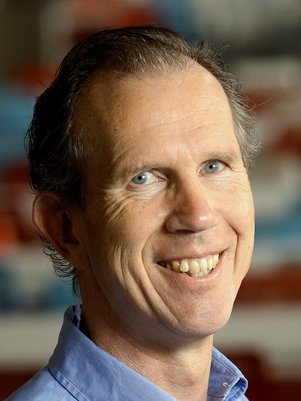
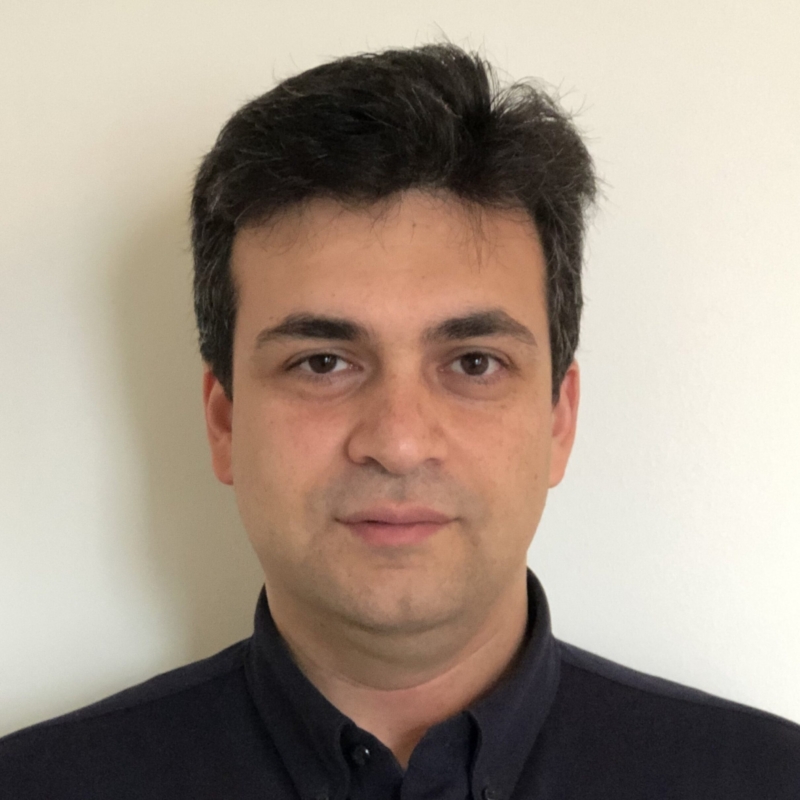
Martin Landrø is a Professor at the Department of Electronic Systems , Norwegian University of Science and Technology (NTNU). He specializes in geophysics, seismic monitoring, and fiber optic sensing technologies, with a focus on CO2 storage, oceanographic processes, and petroleum engineering applications. His research spans environmental monitoring, reservoir characterization, and subsurface analysis. Key projects include: DigiMon - Digital Monitoring of CO2 Storage Projects GeoEnhance Consortium - Integration of Sedimentology and Seismic for Enhanced Reservoir Characterization Research trends: Recent publications highlight his work on distributed acoustic sensing (DAS), subsurface CO2 injection monitoring, ocean surface wave dynamics, and low-frequency seismic analysis for subsea oilwell operations. His projects bridge geophysical forecasting, environmental engineering, and advanced sensor technologies. Collaborations: Active in NTNU's scientific community, he collaborates with institutions like NORCE Norwegian Research Centre AS and contributes to SPE Journal and EAGE Annual Meeting publications.
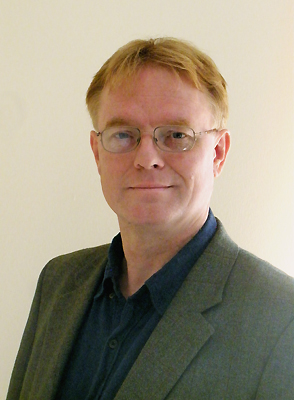
Prof. Jan Dirk Jansen (Delft University of Technology) specializes in systems and control theory applied to subsurface flow and geomechanics. His research spans induced seismicity , geothermal energy , reservoir simulation , and data assimilation . Current projects include co-leading the NWO-funded NEPTUNUS initiative on transient induced seismicity and previously researching seismicity mitigation in Dutch gas fields through the Science4Steer program. Expertise in numerical reservoir simulation History matching & model-order reduction Optimization of fluid injection/production He authored the textbook Nodal Analysis of Oil and Gas Production Systems , with significant contributions to closed-form geomechanical solutions and scalable numerical schemes . Contact: J.D.Jansen@tudelft.nl
Jesper de Claville Christiansen is a Professor at the Department of Materials and Production within the Faculty of Engineering and Science at Aalborg University. His research focuses on soft matter physics, polymers, rheology, colloids, nanocomposites, biomaterials, and plastic recycling. He leads the Materials Science and Engineering research group and actively contributes to EU-funded projects like RHQI and STRONG-UR. PhD in Materials Science and Technology MSc in Industrial Technology His expertise aligns with the UN Sustainable Development Goals for sustainable materials and energy systems. He has secured major grants from Innovation Foundation Denmark, Energinet SOV, and the Independent Research Fund Denmark. Scientific Awards: Knighted by Her Majesty the Queen of Denmark (2014) Honorary Professor, Ludong University, China (2015) Active in bioprinting, polymer science, and circular plastics economy, he collaborates internationally with institutions like University of Tianjin and Ludong University.
Prof. Dr. Jürgen Scheffran is a Professor of Integrative Geography at the University of Hamburg and leads the Working Group Integrative Geography . His research focuses on the interaction between humans, society, and environment , particularly climate change security risks , resource conflicts , and renewable energy transitions . He specializes in modeling complex systems and technology assessment . Key affiliations : CliSAP Cluster of Excellence, Center for Earth System Research & Sustainability (CEN), International Network of Engineers and Scientists for Global Responsibility (INES) Education : Dr. rer. nat. in agent-based conflict modeling and international security (1986-1989, University of Marburg); Physics studies (1976-1983, University of Marburg) His work bridges climate science and security studies , with a focus on modeling human-environment interactions and conflict resolution in resource-stressed regions . Recent publications analyze climate-induced migration , bioenergy infrastructure , and geoengineering risks . Scientific awards include the Göttinger Friedenspreis (2000) . He has advised on climate policy and nuclear disarmament for institutions like the European Commission , BMBF , and IPCC . Prof. Scheffran actively participates in interdisciplinary research networks , including the DFG-funded CliCCS Cluster of Excellence (2019-2023) and DAAD partnerships on urban energy transitions.
Paolo Tamburrano serves as an Associate Professor in the Department of Mechanics, Mathematics and Management at Polytechnic University of Bari, Italy. His primary research focuses on fluid machinery and hydrogen engine combustion systems, with affiliations centered around advanced propulsion and sustainable energy technologies. His research interests span Fluid Machinery , Hydrogen Engine Combustion , and Computational Fluid Dynamics , with significant contributions to understanding lubricant-oil interactions in hydrogen engines, cryogenic heat exchanger design for aviation, and biomethane liquefaction processes. Recent work investigates cavitation phenomena in piezohydraulic systems and digital hydraulic valve technologies. Analysis of his 15 most recent publications reveals a strong emphasis on hydrogen propulsion systems (60% of works), advanced hydraulic technologies (25%), and sustainable energy conversion (15%). Key recurring themes include chemical kinetics modeling, combustion instability prevention, and system optimization for alternative fuels. No scientific awards or honors are documented in the available materials. Professor Tamburrano maintains active research collaborations in aircraft fuel systems and hydraulic actuation technologies, with significant focus on sustainable aviation applications. His work demonstrates consistent funding support for experimental validation and computational modeling projects. Current research activities include developing the HyLube mechanism for hydrogen engine pre-ignition prevention and designing cryogenic systems for liquid hydrogen aircraft integration, with several 2025-2026 publications indicating ongoing experimental programs.
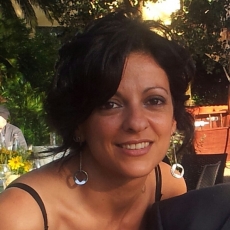
Laura Di Muzio is a Research Fellow at the Department of Astronautical, Electrical and Energy Engineering , Sapienza University of Rome. She concurrently teaches courses in the Department of Pharmaceutical Chemistry and Technology , including Nanotechnology Exercises, Industrial Manufacturing and Delivery of Drug Products, Nanosystems for Diagnostics and Pharmaceutical Technology, and Drugs Delivery and Directioning. Her research centers on advanced pharmaceutical technologies and biomaterials, with key interests in: Nanocomposites and nanotechnology for drug delivery Design and characterization of cryogels, liposomes, and hydrogels Controlled release mechanisms and mathematical modeling Biomedical applications of polymers and nanomaterials Sustainable valorization of biomaterials Her 15 most recent publications (2020-2024) demonstrate a consistent focus on experimental and theoretical approaches to optimize drug delivery systems. Dominant themes include nanostructured materials for therapeutics, tissue engineering scaffolds, and innovative characterization methods, with extensive application of polymer science and nanotechnology principles. No scientific awards, student advisements, or grant information are documented in available sources. She contributes to the research project: "IMPIEGO DELLA CONDROITINA SOLFATO PER LA REALIZZAZIONE DI SISTEMI IN SITU GELLING PER APPLICAZIONE IN CAMPO BIOMEDICO" (Use of chondroitin sulfate for in situ gelling systems in biomedical applications).
Patrizia Paolicelli is an Associate Professor at the Department of Chemistry and Pharmaceutical Technologies of Sapienza University of Rome . Her research focuses on designing novel drug delivery systems and polymeric biomaterials for biomedical applications. She teaches Pharmaceutical Technology in the Degree Course in Pharmaceutical Chemistry and Technology, with lectures held in Rome. PhD in Pharmaceutical Sciences (2008), Sapienza University Galeno Euro PhD in Advanced Drug Delivery Research interests include: Colloidal vehicles : Liposomes, nanoemulsions, lipid nanoparticles Biomaterials : Hydrogels, cryogels, methacryloyl derivatives Controlled delivery : Electromagnetic/magnetic triggers, shape-memory scaffolds Her article trends emphasize pharmaceutical nanotechnology , biomaterial design , and stimuli-responsive delivery systems , with recent work on antifungal nanocomposites and stem cell-compatible scaffolds . Teaching duties : Pharmaceutical Technology & Legislation (2024-2025 academic year) Internships for Pharmaceutical Chemistry and Technology students
Stefania Petralito is an Associate Professor at the Department of Pharmaceutical Chemistry and Technology , Sapienza University of Rome, Faculty of Pharmacy and Medicine. Her research focuses on designing polymeric, lipid, and hybrid colloidal vehicles for drug delivery, with expertise in liposomal systems, nanoemulsions, and cryogels. PhD in Pharmaceutical Sciences (Sapienza University of Rome) Specialization in Hospital Pharmacy (Sapienza University of Rome, with honors) Research interests center on colloidal drug carriers , including liposomes , magnetoliposomes , and polymeric hydrogels . She explores nanotechnology applications for controlled release mechanisms, tissue engineering, and stabilization strategies for pharmaceutical formulations. Recent publications highlight trends in ECM-mimicking cryogels , essential oil nanoemulsions , and peptide encapsulation . Her work has addressed magnetically triggered release , electroporation effects on liposomes , and green solvents for formulation . She supervises PhD students in Pharmaceutical Sciences, Hospital Pharmacy specialization students, and visiting researchers. Active in institutional roles, she has participated in quality assurance commissions and scientific councils for advanced degree programs.
Brian Stewart is an Associate Professor in the Department of Geology & Environmental Science at the University of Pittsburgh. His research program focuses on water-rock interactions in environmental and energy-related contexts, including acid mine drainage, shale gas extraction, and critical zone processes. Research Interests : Stewart investigates the geochemical and isotopic dynamics of fluids interacting with geological materials. Key areas include pollutant migration in ground/surface waters, rare earth element sourcing in energy-related waters, and weathering processes in soil-vegetation systems using high-precision isotopic analyses. Methodologies : His work integrates fieldwork, laboratory experiments, and advanced analytical techniques like MC-ICP-MS for isotopic studies of Li, Sr, and Fe. Recent studies focus on CO2 leakage impacts, hydraulic fracturing fluid behavior, and solute sourcing in sedimentary basins.
Patrick Hendrick is an Associate Professor at the Department of Mechanical Engineering, Faculty of Engineering Science, KU Leuven. His work spans aerospace engineering, thermal systems, and sustainable energy technologies. Research Focus : Hendrick's research investigates propulsion systems (hybrid rocket motors, fuel additives), energy conversion (pump-as-turbine micro-storage), and thermal engineering challenges (gas turbine vanes, heat exchangers). He also explores wastewater thermal recovery for sustainable residential heating. Teaching : He teaches aircraft engines and turbomachinery courses at KU Leuven, translating complex fluid dynamics concepts into practical applications. Publications : His recent work (2017-2019) focuses on aerospace propulsion, thermal systems optimization, and sustainable energy integration, with contributions to Aerospace Science and Technology and Applied Energy .
Doç. Dr. Selim Genç serves as Associate Professor in the Department of Ophthalmology at Istanbul Okan University since December 2024, following a distinguished career spanning over 25 years at major Istanbul hospitals including Dr. Lütfi Kırdar Training and Research Hospital (1995-2016), Beyoğlu Eye Hospital (2016-2021), and Sancaktepe İlhan Varank Hospital (2021-2022) where he served as Head of Ophthalmology Clinic. His educational background includes: Medical Degree: Atatürk University Faculty of Medicine (1993) Ophthalmology Specialization: Université Victor Segalen Bordeaux 2 (1990-1993) Clinical Training: Dr. Lütfi Kırdar Hospital (1993-1995) Associate Professorship: University Council (2021) Dr. Genç specializes in complex corneal and cataract surgeries with particular expertise in keratoconus management, corneal transplantation techniques, and refractive error correction. His clinical practice encompasses advanced procedures including deep anterior lamellar keratoplasty (DALK), Descemet's membrane endothelial keratoplasty (DMEK), scleral-fixated intraocular lenses, and accelerated corneal cross-linking. He maintains active research in surgical innovations for corneal ectatic disorders and post-refractive cataract surgery complications, with emphasis on improving graft survival rates and visual outcomes. Analysis of his 15 most recent publications reveals dominant research themes in corneal transplantation (47%), cataract surgery innovations (27%), and keratoconus management (13%), demonstrating consistent specialization in surgical ophthalmology with strong clinical-translational focus. His work frequently addresses technical refinements in sutureless scleral fixation, graft sizing algorithms, and pediatric cross-linking protocols. Professional recognition includes: TOD 47th National Congress Best Photo 3rd Prize (2013) TOD 52nd National Congress Best Video 2nd Prize (2018) Ministry of Health Certificate of Merit (2002, 2006) International service awards from Niger (2015) and Somalia (2020) Dr. Genç serves as co-researcher on the Higher Education Council-funded project 'Characterization of lymphocytes infiltrating corneal grafts in rejection cases requiring retransplantation' (2019-2020) and has participated in numerous multicenter studies on keratoplasty outcomes and refractive surgery complications. His clinical collaborations extend to international medical missions in sub-Saharan Africa, reflecting commitment to global ophthalmic care. As active member of the Turkish Ophthalmology Association, Société Française d'Ophtalmologie, and European Society of Cataract and Refractive Surgeons, he contributes to advancing surgical standards through conference presentations and peer-reviewed publications while maintaining a high-volume surgical practice focused on complex anterior segment disorders.
Professor Avinash Kumar Agarwal is a distinguished faculty member in the Department of Mechanical Engineering at the Indian Institute of Technology Kanpur. With a PhD from IIT Delhi, he has established himself as a leading researcher in the field of alternative fuels and combustion engineering. His work bridges fundamental research with practical applications, particularly in sustainable energy solutions for transportation. Dr. Agarwal's research spans multiple critical areas in energy and combustion engineering. His work focuses on developing sustainable alternatives to conventional fossil fuels, with particular emphasis on biodiesel, hydrogen, and other gaseous fuels. He has pioneered research in laser-based ignition systems and diagnostic techniques for internal combustion engines, contributing significantly to cleaner and more efficient engine technologies. His work addresses critical challenges in emissions reduction and engine performance optimization. Professor Agarwal's publications demonstrate a strong focus on practical applications of alternative fuels research, with notable impact in both academic and industrial contexts. His work shows consistent progression from fundamental combustion studies toward practical implementation in real-world engine systems, with particular emphasis on technologies applicable to Indian conditions and constraints. Fellow of ASME (American Society of Mechanical Engineers), 2013 Fellow of SAE International, 2012 NASI-Reliance Industries Platinum Jubilee Award, 2012 INAE Silver Jubilee Young Engineer Award, 2012 Dr. C.V. Raman Young Teachers Award, 2011 Professor Agarwal has led significant research projects with practical applications, including the development of electronic fuel injection systems for Indian Railways locomotives, which achieved 4% fuel savings and reduced emissions. His work on utilizing waste heat for vegetable oil preconditioning represents innovative thinking in sustainable fuel technology. He has established strong industry connections through his work with organizations like SAE International and has contributed to national energy research initiatives through his position at IIT Kanpur.
Amir Taheri is a Senior Researcher at NORCE Norwegian Research Centre in Stavanger, Norway, operating within the Energy and Technology division and leading the Well Operations and Risk Management research group. His work addresses critical energy transition challenges through Carbon Capture, Utilization and Storage (CCUS), Hydrogen, and well integrity research. Dr. Taheri's research spans CO2 storage in saline aquifers with focus on convective mixing processes, well construction/intervention technologies, and barrier remediation systems. His experimental work includes developing granite-based geopolymers, glass-based remediation fluids, and nanosealant technologies for microannulus repair. The research directly impacts well integrity in CCUS operations and hydrogen infrastructure development, with strong emphasis on experimental validation of novel materials and measurement systems. Recent publications (2023-2025) reveal a clear trend toward field-applicable solutions for well barrier challenges. Key themes include experimental validation of geopolymer systems, glass-based annular remediation fluids, pipe viscometer advancements for real-time monitoring, and microannulus repair using nanosealants. These works bridge laboratory findings with practical field implementation, addressing industry needs for reliable well integrity solutions in energy transition contexts. The Well Operations and Risk Management group conducts cutting-edge experimental studies using specialized equipment like Hele-Shaw cells and pipe viscometers. Their work supports Norway's energy sector through NORCE's applied research model, focusing on practical solutions for CO2 storage, hydrogen deployment, and sustainable well operations. The group maintains strong industry connections through SPE conferences and collaborative projects with energy operators.
Professor Marek Idzior is a distinguished academic at Poznań University of Technology, where he serves in the Faculty of Civil Engineering and Transport, Institute of Propulsion and Aviation. With over four decades of experience in automotive and transportation engineering, he has established himself as a leading expert in internal combustion engine technology, alternative fuels, and vehicle safety systems. His educational background includes completing his habilitation in 2004 with a monograph on optimizing compression-ignition engine nozzle parameters, building on earlier research that dates back to 1978 when he co-authored work on durability testing of precision fuel equipment in diesel railway engines. Professor Idzior's research primarily focuses on: Internal combustion engine systems and components Fuel injection technology, particularly common rail systems Alternative fuels including DME, hydrogen, and biofuels Turbocharger technology and performance Vehicle emissions and environmental impact Road traffic safety, particularly pedestrian protection His recent publications (2021-2024) demonstrate continued research activity across these domains, with particular emphasis on novel ceramic materials for high-pressure pumps, engine oil aging effects, and pedestrian safety solutions. His work combines theoretical analysis with practical experimental approaches, often utilizing test bench methodologies. Professor Idzior has received recognition through: Supervision of 7 doctoral dissertations Review of 8 additional doctoral dissertations Over 110 publications spanning two decades Technical reports addressing real-world engineering challenges His advisory work extends to practical engineering problems, including analyses of locomotive engine failures, braking system assessments following derailments, and technical audits of various transportation systems. This demonstrates his ability to bridge academic research with industry applications. Professor Idzior maintains an active research presence focused on engine testing, with particular expertise in high-pressure fuel systems and emission analysis. His research group continues to investigate innovative solutions for improving engine efficiency while reducing environmental impact.
Prof. Zbigniew Nadolny is a Professor at Poznań University of Technology's Faculty of Environmental and Energy Engineering, specializing in high-voltage engineering and power systems. His research spans: Transformer diagnostics : Thermal modeling, insulation aging, and partial discharge analysis Energy sustainability : Biomass combustion emissions and harmonic mitigation in renewable grids Advanced materials : Nano-enhanced insulating fluids and dielectric properties He leads doctoral research on transformer efficiency and electromagnetic safety, with industry collaborations addressing grid reliability. Recent publications in Energies focus on optimizing power equipment performance and reducing environmental impacts.