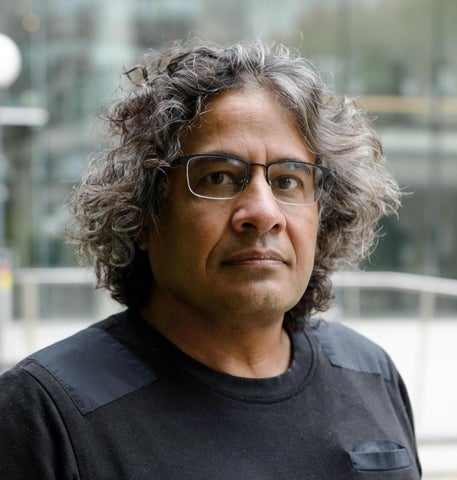
Sachdev Sidhu is a Research Professor and Entrepreneur in Residence at the University of Waterloo. His research focuses on synthetic antibodies, protein engineering, and biotechnological applications. He leads efforts in developing novel therapeutic antibodies, engineered protein systems, and molecular tools for biomedical research. His work spans cancer therapy, viral infection countermeasures, and regenerative medicine. Sidhu is also involved in translational research, bridging academic discoveries with commercial applications through entrepreneurial ventures. Key research interests include synthetic antibody libraries, CAR T-cell engineering, ubiquitin-based therapeutics, and phage display technologies. He has contributed to advancements in targeted therapies for glioblastoma, leukemia, and ocular diseases. His team develops innovative methods for protein design, such as engineered ubiquitin variants and modular antibody architectures. Publications highlight breakthroughs in antibody-based treatments, including synNotch CAR T cells for glioblastoma and neutralizing antibodies against SARS-CoV-2. His work integrates structural biology, molecular biology, and computational approaches to address complex biomedical challenges. Sidhu collaborates with industry partners to advance technologies into clinical and commercial settings.
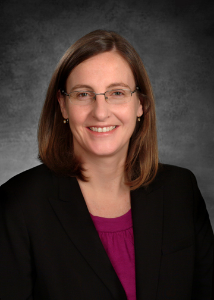
Dr. María Lourdes Alarcón Fortepiani is an Associate Professor at the Rosenberg School of Optometry (RSO) at the University of the Incarnate Word (UIW) and holds an adjunct faculty position at the University of Texas Health Science Center at San Antonio (UTHSCSA) in the Department of Physiology. She earned her M.D. and Ph.D. in Physiology from Universidad de Murcia, Spain, with a dissertation on renal dysfunction mechanisms. Her work focuses on postmenopausal hypertension, diabetes mechanisms, and adapting patient education for underserved communities. She teaches Human/Ocular Physiology, Immunology, Pathology, Clinical Medicine, and Vision Science at RSO. Her research is funded by NIH, AHA, and AFAR, with collaborations in diabetes studies at UTHSCSA's Department of Ophthalmology. Dr. Fortepiani is a Fellow of the American Academy of Optometry and actively involved in STEM outreach, including PhUn Week and science fairs. She serves on UIW committees (Red Dress, Earth Day, Faculty Senate) and chairs the SRC committee for STEM Academy-Lee High School. Her interdisciplinary approach integrates sociodemographic factors into patient care education. Dr. Fortepiani’s professional service includes roles on the Women in Physiology committee (American Physiological Society) and judging at regional science fairs. Her academic journey includes postdoctoral training at the University of Mississippi Medical Center and prior roles as Research Assistant Professor at UTHSCSA.
Dr. Ian Wilson is a researcher at Newcastle University with a focus on medical genetics, nephrology, and genomic analysis. His work spans genetic determinants of kidney diseases, mitochondrial disorders, and biomarker development. Notable contributions include studies on uromodulin genetics in African populations, copy-number variations in rare diseases, and kidney ciliopathies. He has collaborated extensively on projects involving genome sequencing, mitochondrial replacement therapy, and muscular dystrophy biomarkers. Wilson's research integrates computational tools like machine learning for predictive modeling in urolithiasis and employs advanced imaging techniques for disease progression monitoring. Key areas: Genetic epidemiology, renal genomics, mitochondrial DNA analysis Focus on translational applications: Biomarker development for kidney stones and muscular dystrophies Interdisciplinary collaborations in ophthalmology and orthopedics His publications reflect a commitment to advancing diagnostic accuracy and understanding complex genetic disorders through multi-omics approaches.
Professor Maryse Bailly is a Professor of Cell Biology at the UCL Institute of Ophthalmology, University College London, where she has been employed since December 2000, progressing from Lecturer to Reader/Associate Professor and finally to Professor in October 2020. Her research focuses on understanding fibroblast behavior in the context of ocular diseases, scarring, and fibrosis, with particular emphasis on cytoskeletal dynamics and mechanotransduction pathways. Education: Doctor of Philosophy, Universite Claude Bernard (Lyon 1), 1992 Diplome Universitaire de Technologie, Universite Claude Bernard (Lyon 1), 1983 Professor Bailly's research program investigates how fibroblasts sense and respond to mechanical and chemical stimuli in their environment, with applications to multiple ocular pathologies including trachoma, thyroid eye disease, glaucoma scarring, and myopia. Her laboratory has developed innovative in vitro and ex vivo models that allow the study of tissue contraction mechanisms within pseudo-physiological 3D environments, leading to the identification of novel therapeutic targets such as the Rac1 small GTPase and the MRTF/SRF pathway. She has established significant collaborations with clinicians at Moorfields Eye Hospital, particularly with Dr. Annegret Dahlmann-Noor on pediatric eye growth and myopia research. Analysis of Professor Bailly's publication record reveals a consistent focus on fibroblast mechanobiology with increasing emphasis on pediatric ocular development in recent years. Her work bridges fundamental cell biology with translational applications, particularly in understanding the biomechanical properties of fibroblasts in myopia development and post-surgical scarring. The research demonstrates strong interdisciplinary connections between ophthalmology, cell biology, and tissue engineering. Teaching: CELL0016 - Actin cytoskeleton and Intermediate Filaments CELL0017 - Fibrosis and mechanotransduction CELL0009 - Models organisms and techniques MECH0031 MSc Biomaterials & Tissue Engineering - Modeling tissue contraction and fibrosis
Dr. John Males is a Clinical Senior Lecturer at the University of Sydney and Director of Ophthalmology Training at Sydney Eye Hospital. His clinical and research expertise focuses on corneal surgery, cataract surgery, and laser vision correction. He pioneered Descemet's Stripping Automated Endothelial Keratoplasty (DSAEK) in Australia and is conducting clinical trials on Collagen Cross-Linking for keratoconus. His research spans corneal transplantation techniques, refractive error management, and ocular surface regeneration. Dr. Males holds roles as a consultant at major hospitals and serves as an examiner for the Royal Australian & New Zealand College of Ophthalmologists. Research interests include corneal biomechanics, surgical innovation for keratoconus, and outcomes analysis of cross-linking therapies. He leads studies on corneal densitometry, dry eye correlations, and long-term efficacy of surgical interventions. His work bridges clinical practice with translational research in regenerative medicine and ocular surface engineering. Publications span over 20 years, emphasizing corneal transplantation advancements, keratoconus management, and surgical complication resolution. His contributions to global consensus guidelines for endothelial keratoplasty highlight leadership in standardizing surgical practices.
Professor Gerard Sutton is an Honorary Professor in the Faculty of Medicine and Health at the University of Sydney, affiliated with the Save Sight Institute and Vision Eye Institute. He specializes in corneal and refractive surgery, combining clinical practice with research in keratoconus, corneal bioengineering, and global eye care. His work includes developing the Australian Corneal Bioengineering Centre and pioneering innovations like the Corneal Biopen for treating corneal defects. Research interests span clinical and laboratory-based studies, focusing on corneal transplantation, bioengineered treatments, and refractive surgery outcomes. Current projects include corneal bioengineering, keratoconus pathogenesis, and SMILE surgery clinical outcomes. He holds memberships in prominent ophthalmology societies like RANZCO and APPO. Awards: 2019 RANZCO John C. Parr Medal Lecture Award 2017 Sydney Research Centre ‘Big Idea’ Innovation Award 2015 XOVA Excellence in International Ophthalmology 2014 Asia Pacific Academy of Ophthalmology Achievement Award Grants & Funding: AU$35M BIENCO consortium (2023) for corneal blindness therapies AU$1.1M Corneal Biopen commercialization (2018) NHMRC Ideas Grant for bioengineered corneal layers (2019) His research group collaborates internationally, with projects addressing corneal transplantation equity, bioink development, and regenerative solutions for ocular surface diseases. Clinical affiliations include Sydney Eye Hospital and the Lions NSW Eye Bank.
Dr. Anagha Vaze is a Clinical Lecturer affiliated with the University of Sydney's Faculty of Medicine and Health (FMH) and the Save Sight Institute. Her expertise lies in ophthalmology, with a focus on retinal disorders, diabetic eye diseases, and clinical research. She has contributed to studies on VEGF inhibitors, corticosteroid delivery platforms for macular edema, and the application of genomics in retinal diagnostics. Research Interests: Retinal degeneration and vascular abnormalities Management strategies for diabetic retinopathy and macular telangiectasia Clinical outcomes of anti-VEGF therapies Infectious diseases in immunocompromised patients (e.g., heart transplant recipients) Her publications (2014–2022) emphasize observational studies, drug delivery innovations, and case reports on rare infections. Key contributions include assessing treatment discontinuation protocols for neovascular AMD and exploring photobiomodulation for diabetic macular edema. While no scientific awards or grants are explicitly listed, her work reflects active engagement in clinical research and patient care. She is part of the Save Sight Institute, a prominent research center within the FMH, focusing on vision science and ophthalmic advancements.
Lieuwke Kranenburg is an Assistant Professor at the Faculty of Veterinary Medicine , Utrecht University , specializing in Equine Internal Medicine . She provides patient care at the University Equine Clinic and teaches Master's courses in equine digestion , infectious diseases , and skin problems . Research Focus: Equine internal medicine, digestive diseases, infectious pathogens, metabolic disorders Professional Certifications: EBVS® European Veterinary Specialist in Equine Internal Medicine International Collaboration: Trained Chinese veterinarians at Heilan Equestrian Centre Publications highlight her work on equine gastric disease management, diagnostic imaging, infectious disease epidemiology, and metabolic research. She contributes to equine clinical research through peer-reviewed journals and conference abstracts. Professional Involvement: Former board member of the Equine Medicine Group and current GGP representative for FEEVA, maintaining professional networks and advancing equine veterinary practice.
Ehud Gazit is a distinguished Professor in the Department of Molecular Microbiology and Biotechnology at Tel Aviv University's Faculty of Life Sciences. He holds the Chair for Nano-Biology and serves as Vice President for Research and Development at Tel Aviv University. Professor Gazit has held numerous prestigious visiting appointments including at Umeå University, Fudan University, and Cambridge University. His academic journey began with a B.Sc. (summa cum laude) from Tel Aviv University's Special University Program for Outstanding Students in 1991, followed by a Ph.D. (with distinction) from the Weizmann Institute of Science in 1997, and postdoctoral training at MIT from 1997-2000. Professor Gazit's research focuses on molecular structure and self-assembly at the nano-scale, particularly examining protein folding, unfolding, and misfolding phenomena. His laboratory investigates the mechanisms and significance of protein unfolding and misfolding, with experimental systems including bacterial toxin-antidote systems, type II diabetes-related amyloidogenic proteins, and the VHL tumor suppressor protein. His work bridges fundamental biochemistry with nanotechnology applications, exploring how molecular self-assembly can be harnessed for technological innovation. His recent publications demonstrate a strong trajectory in peptide-based nanomaterials, with particular emphasis on amyloid formation mechanisms, peptide self-assembly for functional materials, and therapeutic applications targeting neurodegenerative diseases. His work spans multiple disciplines including biochemistry, nanotechnology, materials science, and biomedical engineering, showing increasing integration of fundamental research with practical applications. Professor Gazit has received numerous prestigious awards including: 2020 Landau Prize in Sciences and Arts in the Field of Healthy Aging 2019 Rappaport Prize for Excellence in Biomedical Research 2018 Foreign Fellow of the National Academy of Sciences, India 2016 ERC Advanced Grant from the European Research Council 2015 Elected Member of the European Molecular Biology Organization (EMBO) Professor Gazit has been actively involved in mentoring students and researchers, as evidenced by his extensive publication record with numerous collaborators. He has secured significant research funding including an ERC Advanced Grant. His professional activities include editorial board memberships for journals including Journal of Peptide Science, Nanoscience & Nanotechnology - Asia, and Amyloid. He previously served as Chief Scientist of the Ministry of Science and Technology (2012-2014). His laboratory has developed innovative approaches to studying molecular self-assembly, with particular expertise in peptide nanostructures. The research team has made significant contributions to understanding amyloid formation mechanisms while simultaneously developing novel biomaterials with applications ranging from electronics to medicine. They have established strong collaborations with research groups worldwide, creating a dynamic interdisciplinary research environment focused on the intersection of biology and nanotechnology.
Allison E. Rizzuti, MD, is a board-certified Clinical Associate Professor of Ophthalmology at SUNY Downstate Health Sciences University. She serves as Co-Director of the Cornea Service and specializes in comprehensive ophthalmology, corneal & external disease, and cataract surgery. Dr. Rizzuti actively trains ophthalmology residents at Kings County Hospital Center and South Brooklyn Health, focusing on clinical practice and surgical expertise. Undergraduate: Barnard College Medical School: SUNY Downstate Health Sciences University Internship: Lenox Hill Hospital (Internal Medicine) Residency: SUNY Downstate Health Sciences University (Ophthalmology) Fellowship: SUNY Downstate Health Sciences University (Cornea & Refractive Surgery) Dr. Rizzuti's research emphasizes the medical and surgical management of corneal and external diseases, alongside advancements in cataract surgical techniques. Her work spans diverse topics such as intravitreal injection methods, ocular trauma management, autoimmune corneal disorders, and chemotherapy's impact on retinoblastoma patients. She has contributed to multiple peer-reviewed publications and textbook chapters. Dr. Rizzuti's recent publications highlight clinical trials, surgical innovations, and rare ocular pathologies. Key trends include optimizing intravitreal injection techniques for patient comfort, improving outcomes in anterior segment trauma, and exploring amniotic membrane applications in corneal repair. Her work bridges clinical practice with academic research. New York Super Doctors® Rising Star Member with Thesis, Cornea Society Fellow, American Academy of Ophthalmology Executive Committee, American Society of Ophthalmic Trauma Dr. Rizzuti is a key clinical educator for ophthalmology residents and practices at NYC Health + Hospitals / South Brooklyn Health. She has held leadership roles in professional societies and maintains an active publication record in corneal disease and surgical advancements.
Dr. Robert A. Goldberg is a Professor at the Jules Stein Eye Institute, University of California, Los Angeles (UCLA), holding the Bert O. Levy Endowed Chair in Orbital and Ophthalmic Plastic Surgery. His work spans orbital decompression , thyroid eye disease , facial aging quantification , and complications of hyaluronic acid fillers . Research Focus: Orbital and ophthalmic plastic surgery, tumor histopathology, AI applications in facial aging, filler-related blindness mechanisms. Clinical Expertise: Management of proptosis, asymmetric ptosis, orbital vascular malformations, and thyroid-associated orbitopathy. Recent Trends: Publications emphasize multimodal therapies (e.g., Teprotumumab + decompression), nonoperative oncology (Bleomycin palliation), and dynamic imaging techniques (high-resolution ultrasound, CT volumetry). Collaborations: Extensive work with Rootman DB on orbital anatomy, Douglas RS on thyroid eye disease, and Ugradar S on filler complications. Technical Innovations: Described techniques for autologous tarsus banking , orbital volume expansion , and endoscopic orbital approaches .
Dr. Candemir ÖZCAN is an Assistant Professor at the Department of Clinical Sciences, Faculty of Veterinary Medicine, Kastamonu University. His academic career spans veterinary surgery, clinical diagnostics, and comparative medicine. Adnan Menderes University (BSc, Veterinary Medicine, 2013) Mehmet Akif Ersoy University (PhD, Veterinary Surgery, 2018) Burdur Mehmet Akif Ersoy University (PhD, Veterinary Surgery, 2022) Research focuses on veterinary ophthalmology, dental thermography, and hormonal impacts on clinical metrics. Key methodologies include thermal imaging, intraocular pressure analysis, and estradiol biomarkers. His 15 most recent publications highlight diagnostic imaging, anesthesiology, and periodontal disease dynamics. Scientific contributions include: 2022 Oral Presentation First Prize from Güven Plus Group A.Ş. 5 funded projects (2018-2025) addressing hoof diseases, neuro-ocular interactions, and imaging techniques Collaborations with researchers like Kürşad Yiğitarslan (13 co-publications) and Elif Doğan (5 co-publications)
Bjoern Bauer, PhD is a Professor in the Department of Pharmaceutical Sciences at the University of Kentucky, affiliated with the Sanders-Brown Center on Aging. His research focuses on blood-brain barrier (BBB) biology, Alzheimer’s disease mechanisms, and drug delivery strategies for neurological disorders. Bauer’s work explores how BBB dysfunction contributes to neurodegenerative diseases and cancer, with particular attention to efflux transporters like P-glycoprotein (ABCB1) and their roles in drug resistance and amyloid beta pathology. Key research areas include: 1) BBB leakage and its role in Alzheimer’s disease progression, 2) development of therapeutic strategies to modulate BBB transporters, 3) preclinical models of glioblastoma and neurodegeneration, and 4) biomarker discovery for early disease detection. His lab utilizes advanced in vitro BBB models, transgenic mouse models (e.g., 5xFAD), and imaging techniques to study these processes. Bauer’s contributions span over 40 peer-reviewed publications since 2001, with recent work emphasizing oxidative stress mechanisms, tumor drug resistance, and translational approaches to BBB targeting. Current efforts include investigating S100β as a plasma biomarker and exploring proteasome inhibition as a therapeutic avenue for restoring BBB integrity. He leads the Bauer-Hartz Lab, collaborating extensively with neurologists, oncologists, and pharmacologists to advance CNS drug delivery technologies. He holds a PhD in Pharmacology and has been a faculty member at the University of Kentucky since joining Sanders-Brown in [year not explicitly stated]. His research is supported by grants focusing on BBB biology, Alzheimer’s disease, and cancer pharmacology.
Donald T. Miller is a Professor at Indiana University School of Optometry, where he teaches optics to professional and graduate students while leading cutting-edge research in high-resolution retinal imaging. He serves as Graduate Faculty with endorsement to chair PhD committees and maintains an active laboratory developing adaptive optics and optical coherence tomography systems. His educational background includes: Ph.D. in Optics, University of Rochester (1996) B.S. in Applied Physics, Xavier University (1988) Dr. Miller's research pioneers "living histology" – observing cellular processes in the living retina through advanced optical imaging. His work focuses on developing instruments that capture structural and physiological changes at the cellular level, enabling early detection of retinal pathologies. Key innovations include adaptive optics correction for ocular aberrations and MEMS-based OCT systems, with applications targeting age-related macular degeneration, glaucoma, and diabetic retinopathy. His recent publications (2020-2024) demonstrate an evolution from instrument development toward clinical translation, emphasizing ultrafast imaging techniques and cellular-level analysis of retinal diseases. The research consistently bridges optical engineering, neuroscience, and ophthalmology to achieve unprecedented in vivo visualization. Scientific recognition includes: 2024 Rank Prize in Optoelectronics for adaptive optics retinal imaging R&D 100 Award for MEMS-based OCT development Trustees’ Teaching Award (twice) Fellow of the Optical Society of America As a mentor, Dr. Miller chairs PhD committees and leads the Miller Lab – a hub for optical innovation with strong NIH R01 funding. His lab collaborates with the Center for Adaptive Optics and NIH Bioengineering Research Partnerships, translating fundamental optics research into clinical applications. Current work focuses on ultrafast adaptive optics for real-time cellular imaging and glaucoma diagnostics. The Miller Lab operates within Indiana University's vibrant vision research ecosystem, developing instruments that reveal cellular details across full retinal thickness. Their current projects include characterizing retinal ganglion cells in glaucoma and advancing adaptive optics for earlier blindness prevention.
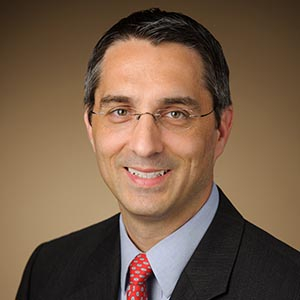
George Hripcsak is the Vivian Beaumont Allen Professor of Biomedical Informatics and Director of Medical Informatics Services at New York-Presbyterian Hospital, Columbia University. He holds affiliations with the Vagelos College of Physicians and Surgeons and the Data Science Institute (DSI). His expertise spans clinical informatics, electronic health records (EHRs), and medical knowledge representation standards. Hripcsak earned degrees in chemistry, medicine, and biostatistics, and is a board-certified internist. Research focuses on leveraging EHR data for clinical research and patient safety through data mining and causal inference techniques. Notable contributions include the Arden Syntax (a national standard for medical knowledge representation) and leadership in the Observational Health Data Sciences and Informatics (OHDSI) network. He chairs the AMIA Standards Committee and has advised federal health informatics policies under HIPAA. His academic awards include Fellowships in the American College of Medical Informatics (1995) and New York Academy of Medicine. Current projects emphasize federated learning, genomic risk prediction, and large-scale real-world evidence analysis through initiatives like LEGEND-T2DM and All of Us Research Program. Educations: MD, Biostatistics, Chemistry Labs/Teams: OHDSI, DSI, Medical Informatics Services Grants & Funding: Not explicitly listed in provided texts