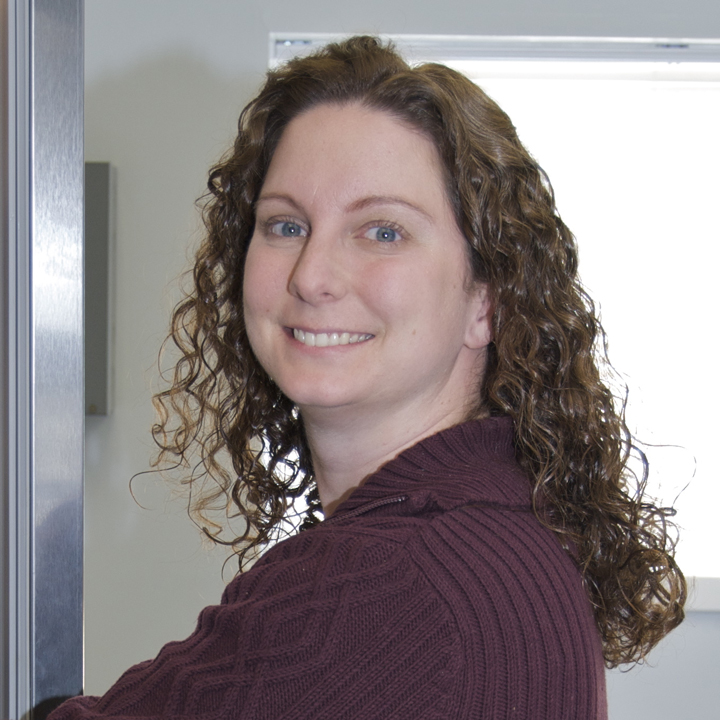
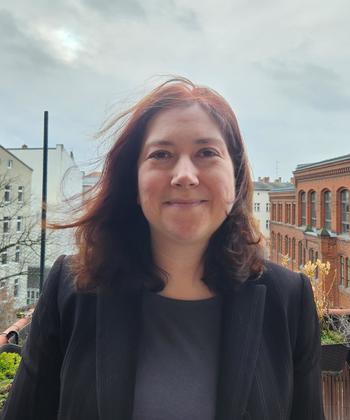
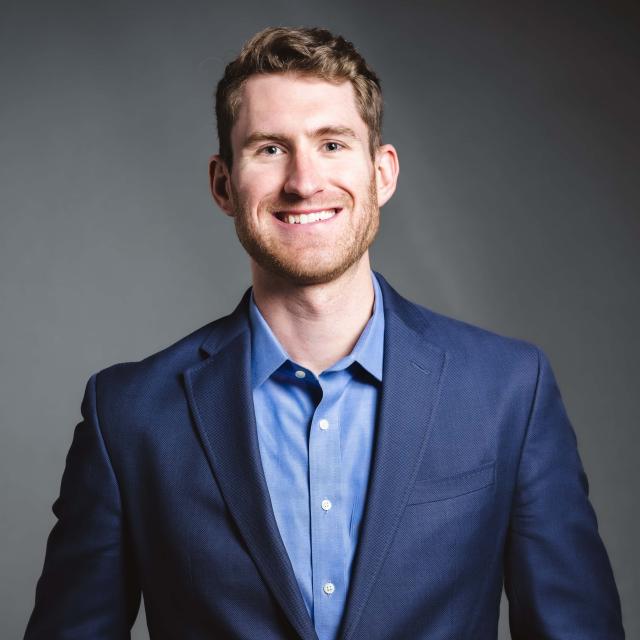
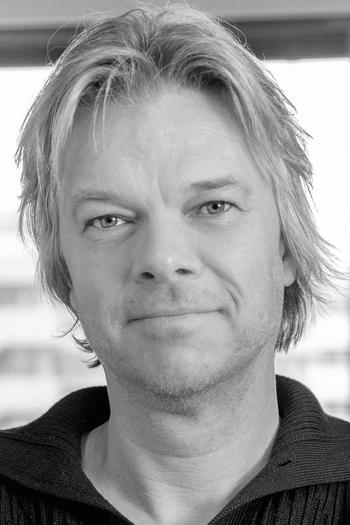
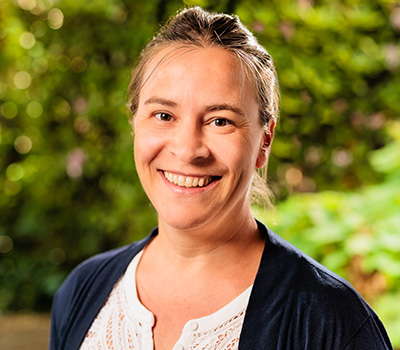
Jennifer F. Biddle is the Mary A.S. Lighthipe Professor of Marine Studies at the University of Delaware's School of Marine Science & Policy. Her research focuses on microbial ecology of marine systems, deep biosphere life, benthic archaea and bacteria, and geobiology. She leads the Biddle Lab, which explores subsurface microbial processes and their impacts on global biogeochemical cycles. Ph.D., Biochemistry and Molecular Biology, Pennsylvania State University (2006) B.S. with Honors, Biotechnology, Rutgers University (1999) Her work spans topics such as Microbial diversity in deep marine sediments Methane cycling in coastal and open ocean environments Interactions between marine organisms and their microbiomes Biogeochemical processes in extreme environments Recent metagenomic studies from her lab reveal conserved microbial functions across tropical reef fish guts and dynamic archaeal-bacterial communities in Atlantic Ocean sediments. The Biddle Lab maintains active engagement with scientific communities through social media platforms like Twitter and Facebook, emphasizing outreach and collaborative science.
Daniel P. Schrag is the Sturgis Hooper Professor of Geology and Professor of Environmental Science and Engineering at Harvard University, serving as Director of the Harvard University Center for the Environment. He also co-directs the Program on Science, Technology, and Public Policy at Harvard’s Kennedy School Belfer Center for Science and International Affairs. His academic foundation includes a B.S. in geology and geophysics and political science from Yale University, followed by a Ph.D. in geology from the University of California, Berkeley in 1993. After teaching at Princeton University, he joined Harvard in 1997. Schrag’s research spans Earth’s entire climate history, specializing in extracting insights from geological records to forecast anthropogenic climate change. His work integrates geochemical oceanography, paleoclimatology, and stable isotope geochemistry with energy technology and policy analysis. Key investigations focus on carbon capture, low-carbon fuels, and the geochemical signatures of ancient climate shifts. His recent publications reveal an intensifying focus on climate policy mechanisms, particularly border carbon adjustments and climate finance frameworks that bridge international equity gaps. His scholarly contributions are recognized through prestigious awards including the MacArthur Fellowship (2000), the American Geophysical Union’s James B. Macelwane Medal, membership in the American Academy of Arts and Sciences, and designation as a Technology Review Young Innovator (1999). MacArthur Fellowship (2000) James B. Macelwane Medal (American Geophysical Union) American Academy of Arts and Sciences Member AAAS Fellow Technology Review 100 Young Innovators (1999) Schrag significantly influenced national policy through eight years on President Obama’s Council of Advisors on Science and Technology (PCAST), shaping reports on energy, climate, and STEM education. He co-founded the Potential Energy Coalition to deploy marketing expertise in climate risk communication and leads the Harvard-based Schrag Group, which explores interdisciplinary solutions at the climate-energy nexus through fieldwork, modeling, and policy analysis.
Chenguang Sun is an Assistant Professor in the Department of Earth and Planetary Sciences at the Jackson School of Geosciences, University of Texas at Austin. His research focuses on understanding the thermal and chemical evolution of Earth and other rocky planets, emphasizing volatile cycling, magma dynamics, and planetary habitability. He employs experimental petrology, thermobarometry, and geochemical modeling to decode planetary processes. Key research areas include deep volatile cycling, magmatic differentiation, and planetary differentiation mechanisms. He has pioneered methods such as Mg-REE coupled geospeedometry to study crustal formation rates and mantle dynamics. His work bridges laboratory experiments with field observations to address questions about Earth’s interior-surface interactions and planetary habitability. Education: Doctorate in Geochemistry/Petrology (not explicitly stated, inferred from career trajectory) Affiliations: Jackson School of Geosciences; Mineralogical Society of America Fellow (2021) Dr. Sun’s recent publications explore topics like CO2-rich melt thermobarometry, nitrogen delivery via giant impacts, and kimberlite magmatism. His awards include the MSA Award (2021) and AGU Outstanding Student Paper Award (2012). He advises graduate student Lucia G. Bellino and teaches advanced courses in thermodynamics of geological processes and solid Earth dynamics. His lab develops novel petrological tools for interpreting magmatic and metamorphic processes, with a focus on volatile cycling’s impact on planetary evolution. Ongoing projects include studying mantle-derived melt systems and their role in Earth’s carbon budget.
Alessandra Pesce is an Associate Professor at the Department of Physics (DIFI) of the University of Genoa, Italy. Her research focuses on structural biology of globins, protein aggregation, and cold-adapted enzymes, with applications in life sciences, environmental monitoring, and cultural heritage preservation. She teaches Applied Physics and Biophysics at both undergraduate and graduate levels in Physics and Biological Sciences. Her work spans from atomic-level characterization of protein crystals using Atomic Force Microscopy to large-scale ecological projects like the LIFE+ WHALESAFE initiative for sperm whale conservation through acoustic monitoring. Email: alessandra.pesce@unige.it Phone: +39 010 33 56243 Research Interests: Structural characterization of hexa-coordinated globins in marine organisms Thermodynamic and kinetic analysis of truncated hemoglobins in pathogenic bacteria Quaternary structure adaptations in Antarctic enzymes Development of acoustic monitoring systems for marine mammal conservation Protein aggregation mechanisms in amyloid-related diseases Publication Trends: Over 15 years, her research demonstrates expertise in combining X-ray crystallography with biophysical techniques to study globin family proteins across diverse species (from nematodes to whales). Key themes include heme reactivity modulation, ligand diffusion pathways, and structure-function relationships in extremophile proteins, with recent emphasis on marine conservation technology.
Prof. Dr. Lena Noack is a Professor of Planetary Geodynamics at the Institute of Geological Sciences, Freie Universität Berlin. She leads the Planetary Geodynamics research group, focusing on geodynamics, mineral physics, and planetary processes. Her work explores mantle convection, crust formation, and atmospheric evolution, with a particular emphasis on exoplanets and habitability. Dr. Noack holds prestigious grants such as the ERC Consolidator Grant (DIVERSE project) and has received awards including the Paolo Farinella Prize (2021) and the Teaching Award from her institute (2019). Education: PhD in Planetology (University of Münster, 2012), Diplom in Mathematics (Humboldt University Berlin, 2008). Research interests span planetary interior dynamics, exoplanet habitability, and the interplay between geology and climate. Key projects include modeling volcanic outgassing, mantle redox states, and thermal evolution of rocky planets. She collaborates on missions like PLATO and LIFE, advancing exoplanet detection and characterization. Her work on TRAPPIST-1 planets and induction heating mechanisms has been widely recognized. Current grants include leadership in ISSI workshops and ERC-funded research. Students and advisees include over a dozen doctoral researchers studying topics like mantle evolution and planetary atmospheres.
Jordan Abell serves as an Assistant Professor in the Department of Earth and Environmental Sciences at Lehigh University. His research integrates geochemical methods with Earth system modeling to investigate past climate dynamics, atmospheric circulation, and marine sediment processes. Education: Ph.D., Earth and Environmental Sciences, Columbia University (2021) M.Phil., Earth and Environmental Sciences, Columbia University (2020) M.A., Earth and Environmental Sciences, Columbia University (2018) B.S., Geosciences, University of Arizona (2016) Abell's research focuses on paleoclimatology and paleoceanography using noble gas mass spectrometry and elemental geochemistry applied to marine sediments and geological archives. His interdisciplinary work examines atmospheric-ocean circulation responses to warm climates, dust-climate interactions, marine sediment accumulation processes, and archaeology-climate linkages. The GP3 Laboratory (Geochemical Perspectives on Paleoclimatology & Paleoceanography) employs geochemical tracers across the Cenozoic to address fundamental Earth system questions. His publication record shows strong emphasis on Pliocene climate dynamics, North Pacific sedimentation processes, Asian dust systems, and novel proxy development. Recent work combines sediment geochemistry with climate models to investigate westerly wind behavior, dust flux mechanisms, and paleoproductivity patterns during past warm periods. Scientific Recruitment: Ph.D. candidates studying Earth System history Lehigh undergraduates seeking 2025-2026 research experience Abell maintains active research programs investigating climate-geomorphology interactions in Asian desert basins, Southern Ocean biogeochemistry, and archaeological applications of geochemistry. His laboratory combines field sampling, advanced geochemical analysis, and climate modeling to reconstruct past environmental conditions and test Earth system hypotheses.
Prof Graham Shields is a Professor of Geology at University College London's Department of Earth Sciences. His research focuses on Earth's evolution through geochemical and isotopic analysis, particularly in the Precambrian and Cambrian periods. He investigates how the planet's surface environment co-evolved with life, with a focus on ocean/atmosphere composition during critical junctures like the Sturtian Snowball Earth event and Ediacaran-Cambrian transitions. His work combines field studies in Australia, Spain, and China with analytical techniques such as Rb-Sr dating, multi-isotope analysis, and sedimentary proxy development. Research themes include ocean oxygenation, redox dynamics, and the interplay between glaciation, volcanism, and biological innovations. Applied projects explore geochemical solutions for environmental issues like soil erosion and sustainable resource extraction. He leads the Precambrian Research Group and contributes to initiatives like the Life and the Planet initiative. Publications span Neoproterozoic climate modeling, Ediacaran ocean chemistry, and the geological time scale subdivision. Courses taught include GEOL0008 (Geochemistry).
Dr. Christy Till is an Associate Professor in the School of Earth and Space Exploration (SESE) at Arizona State University (ASU). She leads the Experimental Petrology & Igneous processes Center (EPIC), focusing on magma dynamics, planetary evolution, and volcanic hazards. Her research integrates fieldwork, high-pressure experiments, and geochemical modeling to study Earth and exoplanets. Till earned her PhD from MIT and joined ASU in 2014. She holds leadership roles in the American Geophysical Union (AGU), including Board membership, and advocates for inclusive academic practices. Notable awards include the NSF CAREER Grant and the AGU Reginald Daly Lecture (2024). Her work has been featured in major media outlets like the New York Times and PBS. Education: Ph.D. Geology/Geochemistry, Massachusetts Institute of Technology (2011) M.S. Geological Sciences, University of California, Santa Barbara (2005) B.S. Geological Sciences, University of California, Santa Barbara (2004) Research Interests: Till’s work spans igneous petrology, magma formation timescales, exoplanet magma systems, and subduction zone processes. She uses experimental methods to simulate mantle melting and employs isotopic geochemistry to trace volcanic histories. Recent projects include studying Yellowstone’s post-caldera evolution and the role of aqueous fluids in subduction zone oxidation. Key Contributions: Developed the Thermobar Python tool for thermobarometry. Advanced understanding of magma storage and eruption triggers via diffusion chronometry. Explored exoplanet crust compositions through high-pressure experiments. Advocated for equitable doctoral qualifying exams via the AGU LANDInG Fellowship. Labs/Teams: The EPIC lab collaborates across disciplines, combining geophysics, geochemistry, and field studies. Till’s team includes students and postdocs focused on volcanic systems, planetary science, and analytical methods.
Associate Professor Olivier Alard is a Geochemistry faculty member at the Research School of Earth Sciences (RSES) at ANU. He holds concurrent roles as Honorary Associate Professor at Macquarie University (2023–2028) and Research Director (DR2) at CNRS-Géosciences Montpellier. His research focuses on mantle processes, geochemical tracers, and planetary materials. Key areas include peridotite petrology, isotope systematics, and trace element geochemistry. He leads projects such as the ANU Futures 2022 initiative and the AusGeoChem data platform. Education: PhD from Macquarie University (Australia) and HDR from Université de Montpellier (France). Research interests span mantle dynamics, fluid-rock interactions, and extraterrestrial materials. Notable work includes studies of kimberlite xenoliths, subduction zone geochemistry, and meteorite composition. He supervises HDR students and collaborates internationally on projects like the Wet but Dry Mantle hypothesis and metallogenic processes in oceanic lithosphere. Recent publications address metasomatic controls in clinopyroxene xenocrysts, nitrogen recycling in subduction zones, and Rb-Sr geochronology advancements. His work integrates experimental petrology, isotope analysis, and novel analytical techniques to unravel Earth's deep processes and planetary formation histories.
Prof. Frank Postberg is a University Professor for Planetary Sciences at Freie Universität Berlin, leading the Planetary Sciences and Remote Sensing group. He specializes in astrobiology and the exploration of icy ocean worlds such as Enceladus and Europa, using data from missions like Cassini-Huygens and Europa Clipper. Education: PhD (2007) in Physics from Heidelberg University, followed by postdoctoral research at the Max Planck Institute and University of Stuttgart. He habilitated in cosmochemistry (2012) and received a Heisenberg Fellowship (2014). Research focuses on the composition of plumes and subsurface oceans of icy moons, with projects like Habitat-OASIS exploring habitability. He co-leads experiments on interstellar dust (Destiny+ mission) and serves on ESA’s strategic mission teams. Awards include the ERC Consolidator Grant (2017) for studying ocean world habitability. His lab develops advanced instrumentation like SUDA for compositional analysis of planetary materials.
Dr. Dejan Milidragovic serves as Adjunct Professor in Earth, Ocean and Atmospheric Sciences at the University of British Columbia. His research focuses on Precambrian magmatic systems, cratonic evolution, and mantle-crust interactions. Publications analyze Proterozoic rifting events, Archean ferropicritic magmatism, and subduction zone processes using advanced geochemical and geochronological methods. Research investigates mantle heterogeneity, magma generation mechanisms, and supercontinent reconstructions. Work on Stikine arc picrites demonstrates subduction-related melt generation, while studies of Ungava Craton elucidate Neoarchean crust-mantle dynamics. Field-based petrological studies span Canadian Shield terranes including Yukon, Superior Province, and Cordilleran assemblages, integrating field observations with laboratory analytics to decipher deep-time geodynamic processes.
Kristen Buck is a Professor at Oregon State University, affiliated with the College of Earth, Ocean, and Atmospheric Sciences (CEOAS). She leads the Elemental Ocean Lab, focusing on trace metal biogeochemistry, particularly iron, copper, and nickel in marine ecosystems. Her research emphasizes organic ligand-driven metal bioavailability and its impact on ocean productivity and toxicity. Research Interests: Dr. Buck’s work bridges chemical oceanography and marine ecology, investigating how organic ligands mediate trace metal cycling. Key areas include iron limitation in open oceans, copper toxicity in coastal regions, and the role of microbial interactions in metal speciation. Her lab quantifies macronutrient and trace metal dynamics using advanced analytical techniques. Recent Work Trends: Publications from 2023–2024 highlight studies on microbial ligand production in hydrothermal systems, silica cycling post-phytoplankton blooms, and GEOTRACES-driven insights into global trace metal complexation. Themes include methodological advancements in speciation analysis and interdisciplinary approaches linking physical, chemical, and biological ocean processes. Grants & Collaboration: Active in large-scale programs like GEOTRACES and EXPORTS, she collaborates internationally to advance understanding of ocean biogeochemical cycles. No explicit awards are listed, but her contributions are recognized through high-impact interdisciplinary research. Labs & Teams: Her Elemental Ocean Lab integrates analytical chemistry, microbial ecology, and global oceanography, fostering collaborations with institutions worldwide to address critical questions in marine trace metal dynamics.
Juan Carlos De Obeso is an Assistant Professor in the Department of Geology and Geophysics at the University of Utah, where he has been serving since January 2023. His research is centered on fluid-rock interactions in ultramafic systems, with a focus on serpentinization, carbon mineralization, and geochemical cycling in subduction zones and ophiolites. His research interests include: Hydrothermal alteration of peridotites and basalts Natural and engineered CO2 sequestration via mineral carbonation Isotope geochemistry (Mg, U, Sr, C, O) to trace fluid sources and reaction histories Thermodynamic and kinetic modeling of fluid-rock systems Geochemical mass transfer in subduction zones and weathering environments His recent publications reflect a strong trend in understanding carbon cycling in Earth's mantle, particularly through the lens of the Oman Drilling Project. His work combines field observations, experimental geochemistry, and isotopic analysis to reconstruct the conditions and mechanisms of rock alteration. Key themes include low-temperature serpentinization, listvenite formation, and the feasibility of large-scale carbon storage in basaltic and ultramafic rocks. Scientific honors include: Mineralogical Society of America Distinguished Lecturer (2023) He actively mentors graduate students through thesis research and teaches courses such as Geochemistry, Reactive Earth, and Petrology for Engineers. He has been involved in significant research projects, including the Solid Carbon initiative and the Oman Drilling Project, where he contributes to understanding deep carbon cycling and mantle processes. His work has strong implications for climate change mitigation through carbon capture and storage technologies. He is affiliated with the following laboratories and research teams: Oman Drilling Project Science Team Reactive Transport Group (formerly at University of Calgary) Carbon Mineralization Research Group at the University of Utah
Jen C Latimer serves as Chair of the Department of Earth & Environmental Systems and Professor of Geology at Indiana State University within the College of Arts & Sciences. With expertise spanning biogeochemistry, environmental geology, and climate science, she leads a dynamic research program focused on nutrient and metal cycling in aquatic and urban environments. Dr. Latimer earned her educational credentials from prestigious institutions, completing a Masters of Jurisprudence (MJ) from Indiana University in 2018, a Ph.D. in Geological Sciences from Indiana University in 2004, an M.S. in Geology from Indiana University Indianapolis in 1998, and a B.S. in Chemistry from Purdue University Indianapolis in 1995. Her interdisciplinary background bridges law, geology, and chemistry. Her research program examines biogeochemical processes across multiple spatial and temporal scales, from ancient Southern Ocean sediments to contemporary urban soil contamination. She has developed significant expertise in environmental justice applications of geochemical research, particularly regarding lead distribution in urban environments and its disproportionate impacts on marginalized communities. Her teaching portfolio includes Oceanography, Earth Materials, Environmental Pollution and Human Health, Environmental Justice, Global Biogeochemical Cycles, and Geochemistry. Dr. Latimer's scholarly output demonstrates a strategic evolution from paleoceanographic studies toward applied environmental justice research. Her recent publications reveal growing emphasis on community-engaged scholarship that addresses urban contamination while advancing fundamental biogeochemical understanding. This dual focus on basic science and practical community applications characterizes her distinctive scholarly approach. Longevity Award, Our Color Shines (March 2023) Theodore Dreiser Distinguished Research/Creativity Award (April 2021) Faculty Sustainability Leadership Award (April 2019) Distinguished Supervisor Award for Student Professional Development (2015) Dr. Latimer has secured over $800,000 in research funding from agencies including the National Science Foundation, National Institutes of Health, and US Geological Survey. Her current projects examine mercury levels in northeastern Indiana streams, soil lead contamination in urban community gardens, and climate change impacts on Lake Tanganyika's biodiversity. She actively mentors undergraduate researchers, with numerous students presenting their work at national conferences including the American Geophysical Union and Geological Society of America meetings. As Program Coordinator for the Terre Haute Lead Project since 2012, Dr. Latimer has led community-based participatory research initiatives examining urban soil contamination. She serves in significant administrative roles including Department Chair and Vice Chair of the Graduate Council, and has contributed to multiple university committees focused on teaching excellence, graduate education, and strategic planning.
Kathryn Rico is a Researcher in the School of Earth and Space Exploration at Arizona State University. Her work focuses on biogeochemical cycling of trace metals and macronutrients in aquatic environments, particularly in the context of early Earth evolution and anthropogenic impacts. She holds a B.S. in Environmental Science from DePaul University (2013) and a Ph.D. in Earth and Environmental Sciences from the University of Michigan (2019). Her research integrates geochemistry, microbiology, and limnology to explore mechanisms of metal burial in ancient and modern systems. Key areas include trace metal redox chemistry, microbial interactions, and the co-evolution of life and Earth's geochemical environment. Recent work examines climate-driven shifts in metal burial in lakes and the role of microbial processes in sediment formation. Rico has published extensively on topics such as molybdenum proxies in ferruginous waters, iron cycling in banded iron formation precursors, and pyrite sulfur isotopes in low-oxygen environments. Her interdisciplinary approach spans geochemical analysis, experimental microbiology, and paleoenvironmental reconstruction. Awards: Wares Postdoctoral Fellowship (2019), NSF Graduate Research Fellowship (2015), and multiple conference awards for research excellence. Teaching: Focuses on equity-driven pedagogy, active learning, and real-world research integration in courses like REAL Chemistry and Wolverine Pathways. Service: Leads DEI initiatives at ASU’s School of Earth and Space Exploration, including Co-President of the Postdoc Council and co-chair of the Inclusive Community Committee. Active in SACNAS and departmental outreach. Rico mentors undergraduate and graduate students, emphasizing personalized support and skill development aligned with professional goals. She contributes to collaborative projects on photochemical iron oxidation and BIF formation mechanisms.