
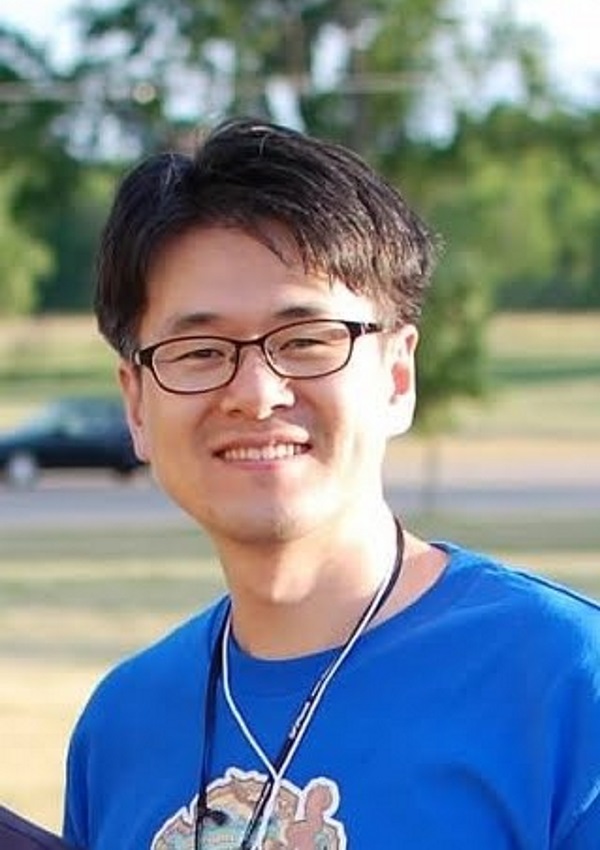
Han Joo Lee is a Professor and Director of Graduate Studies in the Department of Psychology at the University of Wisconsin-Milwaukee (UWM). He holds appointments in both the College of Letters & Science and the Clinical Psychology program. Lee earned his Ph.D. from the University of Texas at Austin in 2009. His research focuses on adult psychopathology, particularly anxiety disorders (e.g., OCD, social anxiety, PTSD), cognitive-perceptual processing abnormalities, and web-based psychological interventions. He has developed online assessment systems for anxiety disorders and conducted experimental studies on attentional biases and error-monitoring processes in clinical populations. Key research themes include: (1) maladaptive cognitive-perceptual mechanisms underlying anxiety disorders, (2) digital tools for mental health assessment, and (3) behavioral interventions targeting compulsive behaviors. His work integrates experimental, clinical, and neuroscientific approaches to understand symptom maintenance and treatment development. Lee's recent studies explore functional connectivity in skin-picking disorders, predictive factors for OCD treatment outcomes, and dual-hormone stress reactivity in PTSD. He collaborates with institutions like the UWM Psychology Clinic and maintains active grant-funded research projects. No specific awards are listed, but his extensive publication record reflects sustained contributions to clinical psychology. He advises the graduate program at UWM, overseeing training for clinical psychology doctoral students. His lab develops innovative interventions, including computerized response inhibition training for trichotillomania and interpretation-based treatments for thought-action fusion.
جستجوی استاد راهنمای دانشگاهی
برای مسیر پژوهشیتان، استاد راهنما، استاد دانشگاه و پژوهشگر مناسب را پیدا کنید و با آنها ارتباط بگیرید.
نمایش ۱-۱۵ از ۳۰۸ استاد راهنما
اطلاعات پروفایلها از صفحات عمومی دانشگاهها گرفته شده و ممکن است بهروز نباشد.
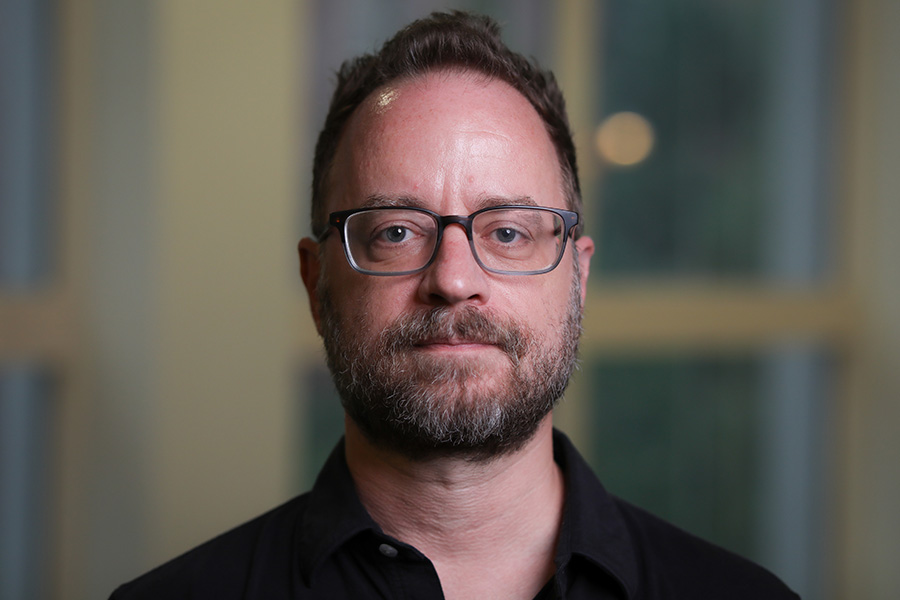
Jesse Cougle is a Professor of Psychology at Florida State University, focusing on anxiety disorders , obsessive-compulsive and related disorders (OCRD), and problematic anger . He leads the Cougle Lab, which develops computerized treatments and investigates distress intolerance , courage , and transdiagnostic factors . Education: University of Texas at Austin (2008), Oxford University (postgraduate) Research: Cognitive-behavioral mechanisms in anxiety disorders, technology-based interventions for social anxiety and BDD, and biological processes in problematic anger Students: Mentoring Tapan Patel, James Zech, Victoria Swaine, and others His work spans interpretation bias modification , safety behavior reduction , and 'not just right' experiences in OCRD. Recent publications emphasize digital interventions for mental health and distress tolerance as a key transdiagnostic factor. Scientific Awards: President’s New Researcher Award (ABCT) Graduate Faculty Mentor Award (FSU) He serves as Editor-in-Chief of the Journal of Obsessive-Compulsive and Related Disorders and holds editorial roles in major journals. The Cougle Lab explores anxiety , perfectionism , and appearance-related psychopathology through multimodal research .
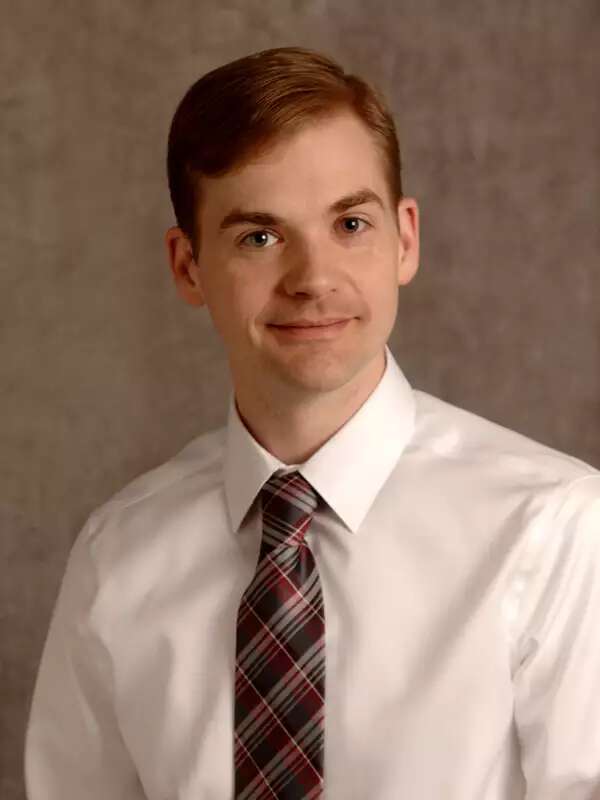
Michael G. Wheatonمشاهده پروفایل
استادیار
Michael G. Wheaton is an Assistant Professor of Psychology at Barnard College, specializing in the psychopathology and treatment of obsessive-compulsive disorder (OCD) and related conditions. He joined Barnard's faculty in 2017 after postdoctoral work at the New York State Psychiatric Institute and teaching roles at Yeshiva University. Education: B.A. from Cornell University; M.A. and Ph.D. from the University of North Carolina at Chapel Hill. Professional Affiliations: Association for Behavioral and Cognitive Therapies (ABCT), International OCD Foundation (IOCDF), Anxiety and Depression Association of America (ADAA). His research integrates cognitive-behavioral therapy (CBT) with neurobiological and psychological frameworks, emphasizing treatment outcomes for OCD, hoarding disorder, and anxiety-related conditions. Recent work explores the therapeutic working alliance, distress tolerance, and the impact of the COVID-19 pandemic on OCD symptoms. He has contributed to advancements in exposure and response prevention (ERP) and pharmacotherapy augmentation for OCD. Scientific Awards: Recognized among the top 2% of cited authors globally. Recipient of 2024 Barnard faculty grants and awards. He teaches undergraduate courses in Abnormal Psychology and Introduction to Clinical Psychology . His collaborations with Barnard graduates and institutions highlight his engagement with student research and public mental health discourse, including media contributions to Business Insider and Time .

Rebecca Coxمشاهده پروفایل
استادیار
Rebecca Cox is an Assistant Professor in the Department of Psychological & Brain Sciences at Washington University in St. Louis, where she leads the Sleep, Circadian Rhythms, and Psychopathology (SCRAP) Laboratory. Her research investigates the role of sleep and circadian rhythm disruption in anxiety-related disorders, employing multimethod approaches such as actigraphy, melatonin assays, ecological momentary assessment, and clinical trials. Education: PhD, Vanderbilt University MA, Vanderbilt University BA, Hendrix College Her research focuses on how disruptions in sleep and circadian rhythms affect physiological, cognitive, and affective functioning, contributing to the development and persistence of anxiety disorders. She is particularly interested in leveraging sleep and circadian medicine—including light therapy and cognitive behavior therapy for insomnia—as novel treatment strategies. Her work spans populations such as young adults and perinatal individuals, aiming to identify modifiable behavioral targets to improve mental health outcomes. The recent publications highlight a strong trend in integrating objective and subjective sleep measures with clinical psychology, particularly in OCD, PTSD, and general anxiety. Her work increasingly employs real-time data collection and population-level analysis to understand temporal and biological influences on mental health. Scientific Awards: No awards listed in the provided text. Dr. Cox advises students through the SCRAP Lab and is involved in clinical and translational research, though specific grants are not detailed. Her lab uses innovative methodologies to bridge basic science with clinical applications in mental health treatment. Labs and Teams: She directs the SCRAP Lab (Sleep, Circadian Rhythms, and Psychopathology Laboratory), which conducts interdisciplinary research combining sleep science, circadian biology, and clinical psychology to address anxiety-related psychopathology.
Dimitris N Kiosses serves as Professor of Psychology in Psychiatry at Weill Cornell Medical College's School of Medicine since 2021. His academic affiliations center within the Department of Psychiatry with a focus on geriatric mental health services and research. His educational background includes a B.S. from Tufts University (1992), M.A. (1994), and Ph.D. (1999) from Adelphi University, establishing his foundation in clinical psychology with specialization in geriatric populations. Dr. Kiosses' research primarily investigates late-life depression, suicide prevention in older adults, and cognitive-behavioral interventions for comorbid conditions. His work emphasizes Problem Adaptation Therapy (PATH) development and implementation, particularly for depressed elders with cognitive impairment or chronic pain. Recent publications demonstrate growing focus on digital mental health tools, ecological momentary assessment, and international applications of geriatric interventions. His studies frequently examine emotion regulation mechanisms, neurocognitive correlates of depression, and implementation science approaches for real-world settings. Analysis of his 15 most recent publications reveals consistent thematic progression toward transdiagnostic approaches for late-life mental health, with increasing emphasis on technology-enabled interventions, cross-cultural adaptation, and precision medicine applications. The work spans clinical trials, implementation studies, and neurobiological investigations, predominantly targeting depression-suicide pathways in aging populations. Dr. Kiosses maintains active research mentorship through his leadership of multiple NIH-funded projects. His grant portfolio demonstrates particular strength in securing R01-level funding from NIMH and NIA for innovative geriatric mental health interventions. As Principal Investigator, he directs the Problem Adaptation Therapy research program which has evolved from home-based depression treatment (PATH) to specialized adaptations including PATH-Pain and suicide prevention applications. His work increasingly incorporates digital health components and focuses on implementation within primary care and community settings.
Brian Zaboskiمشاهده پروفایل
استادیار
Brian Zaboski, PhD, is an Assistant Professor of Psychiatry at the Yale School of Medicine. He holds dual expertise as a licensed Connecticut psychologist and Nationally Certified School Psychologist. His primary academic affiliation is with the Obsessive Compulsive Disorder Research Clinic within the Department of Psychiatry. Dr. Zaboski completed his PhD in School Psychology at the University of Florida, gaining clinical experience across school-based to acute inpatient settings. He specializes in cognitive-behavioral therapy (CBT) and exposure-based interventions for psychological disorders, with particular focus on OCD neurobiology and treatment innovation. His research integrates advanced quantitative methods and translational neuroscience to improve exposure therapy efficacy. Key areas include neurobiological network analysis, machine learning applications for OCD severity prediction, and neurofeedback treatment trials. He leads clinical trials investigating psilocybin therapy, pharmacotherapy combinations, and brain network changes in OCD patients. Dr. Zaboski's work has been funded by prestigious grants including the 2022 Brain & Behavior Research Foundation Young Investigator Award. Collaborations include prominent researchers like Christopher Pittenger, Terence Ching, and Michelle Hampson. His publications span peer-reviewed journals in psychiatry, neuroscience, and school psychology, with a focus on OCD mechanisms, treatment innovation, and school-based mental health interventions. Clinical trials he participates in explore novel treatments like troriluzole and psilocybin while investigating biomarkers for treatment response prediction.
Christine Eckhardtمشاهده پروفایل
استادیار
Christine Eckhardt is an Assistant Professor in the Department of Neurology at the T.H. Chan School of Medicine (UMass Chan Medical School), specializing in Neurocritical Care. She earned her MD from Harvard Medical School and holds an MS degree. Education: MD, Harvard Medical School, Boston, MA MS (unspecified field) Dr. Eckhardt's research focuses on neurocritical care, neurotoxicity syndromes, and EEG-based diagnostics. She develops quantitative EEG methods for assessing immune effector cell-associated neurotoxicity (ICANS) and delirium severity, with applications in CAR T-cell therapy and critical care neurology. Her recent publications (2022–2023) emphasize automated neurotoxicity detection , EEG signal processing , and health equity disparities in heart failure care. Key subfields include neurocritical care, computational neuroscience, and clinical outcome modeling.

Professor Ahmad Hariri is a faculty member in the Department of Psychology & Neuroscience at Duke University, part of the Trinity College of Arts & Sciences. He holds affiliations with the Duke-UNC Brain Imaging and Analysis Center, the Duke Institute for Brain Sciences, and the Duke Initiative for Science & Society. His research integrates neuroimaging, pharmacology, and molecular genetics to study biological pathways underlying individual differences in behavior and psychopathology risk. Education: Ph.D. in Psychology from UCLA (2000), M.S. and B.S. in Psychology from the University of Maryland, College Park (1997, 1994). Research interests include understanding how genetic and environmental factors influence brain function and behavior, with a focus on psychopathology, stress, and resilience. His work explores neural correlates of traits like psychopathy, childhood adversity effects on brain structure, and biomarkers of aging. Recent studies highlight links between lead exposure and neurodegeneration, neighborhood disadvantage and dementia risk, and the role of brain connectivity in self-regulation. Key achievements include over 200 publications, including high-impact papers in Nature Aging , Neuron , and Biological Psychiatry . Honors include the APA Distinguished Scientific Award for Early Career Contribution (2009) and being named a Highly Cited Researcher (2014). Grants include leadership roles in the Duke-NCCU Postdoctoral Training Program in Child Psychiatric Conditions and the Duke Psychiatry Physician-Scientist Residency Program. He has contributed to editorial boards of journals like Cortex and Biology of Mood and Anxiety Disorders . Professional activities include mentoring in the Summer Neuroscience Program and serving as a Bass Connections Faculty Team Leader.
- Psychology
- Neuroscience
- Molecular Genetics
- +۳ مورد دیگر
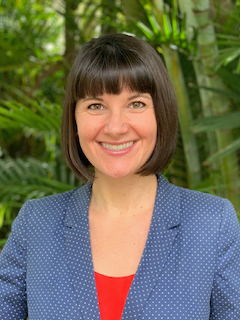
Kiara R. Timpano is a Professor in the Department of Psychology at the University of Miami and Director of the Program for Anxiety, Stress, and OCD (PASO). She holds a PhD from Florida State University and completed postdoctoral training at Massachusetts General Hospital/Harvard Medical School. Her research focuses on cognitive and psychosocial risk factors for anxiety, OCD, and hoarding disorders, with a particular interest in transdiagnostic mechanisms. Key areas include intolerance of uncertainty, emotion dysregulation, and behavioral interventions. Timpano leads the PASO lab, collaborating with institutions like McLean Hospital, UC Berkeley, and Karolinska Institutet. She supervises graduate students (e.g., Hannah Broos, Amelia Dev) and undergraduates, mentoring over 20 trainees. Her work integrates clinical research with community health initiatives, such as pandemic behavioral studies and climate change engagement projects. She serves on the Scientific and Clinical Advisory Board of the International OCD Foundation. Timpano's research spans neuroimaging (e.g., fMRI studies of repetitive negative thinking), translational therapy development (e.g., mindfulness-integrated CBT), and public health interventions. Her 2025 study in Children journal examines transdiagnostic treatments for youth OCD/anxiety comorbidity, while 2024 Cerebral Cortex work links PTSD symptoms to neural connectivity. Collaborations emphasize global mental health challenges and evidence-based practices.
Rui M. Costa is a Professor of Neuroscience at Columbia University, with appointments in Neurology and the Mortimer B. Zuckerman Mind Brain Behavior Institute. His research focuses on understanding how molecular networks in the brain influence neural circuits to shape behaviors, particularly in action control and disorders like Autism Spectrum Disorders and Obsessive-Compulsive Disorder. Primary Affiliation: Columbia University Departments: Neuroscience, Neurology Institute: Mortimer B. Zuckerman Mind Brain Behavior Institute Research Interests Molecular and neural circuit mechanisms of action control Goal-directed actions vs. habits Behavioral disorders: Autism and OCD Neural plasticity in motor learning Publication Trends His recent work explores corticostriatal dynamics, basal ganglia pathways, and endocannabinoid modulation in habit formation. Studies also investigate Foxp2 mutations, motor learning consolidation, and two-photon imaging of neural activity in rodents.
- Neuroscience
- Behavioral Genetics
- Electrophysiology
- +۳ مورد دیگر

Clarissa Ongمشاهده پروفایل
استادیار
Dr. Clarissa Ong is an Assistant Professor in the Department of Psychological and Brain Sciences at the University of Louisville. Her research focuses on process-based therapy (PBT), acceptance and commitment therapy (ACT), and obsessive-compulsive and related disorders (e.g., OCD, perfectionism, hoarding). She aims to develop personalized, accessible treatments that address mental health disparities. Dr. Ong’s work emphasizes understanding why treatments succeed or fail, particularly for minoritized populations. Education: 2022: Postdoctoral Associate, Center for Anxiety and Related Disorders, Boston University 2021: Ph.D., Clinical/Counseling Psychology, Utah State University 2020: Predoctoral Internship, McLean Hospital/Harvard Medical School 2018: M.S., Clinical/Counseling Psychology, Utah State University Research Interests: Dr. Ong’s work integrates randomized controlled trials, process-of-change analyses, and single-subject designs to improve treatment efficacy. She investigates psychological flexibility, treatment personalization, and barriers to evidence-based interventions. Her research spans hoarding disorder, perfectionism-driven anxiety, and the role of sociodemographic factors in mental health outcomes. Labs/Teams: Dr. Ong directs the POIS Lab , which studies process-based interventions for OCD, hoarding, and related conditions. Undergraduate research assistant positions and graduate student applications are regularly available through the lab website. Advising & Grants: While specific grant details are not provided, her research has examined treatment outcomes in virtual partial hospital programs and telepsychotherapy for trichotillomania. She collaborates on projects addressing audiologists’ communication with parents of children with hearing loss.
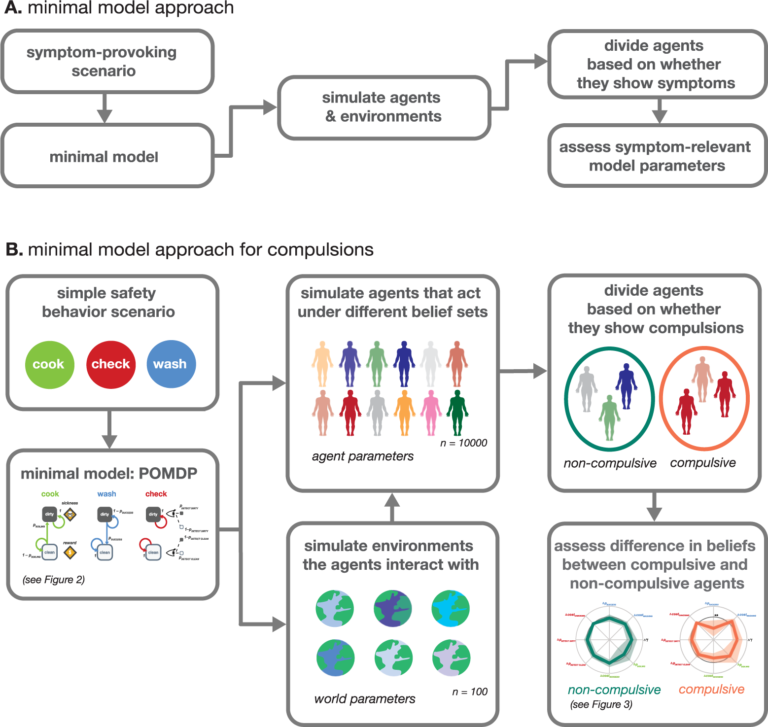
Dr. Frederike Petzschner is an Assistant Professor at the Department of Psychiatry and Human Behavior and the Carney Institute for Brain Science at Brown University. She directs the Carney Brainstorm Program, focusing on translating computational brain science to clinical and commercial applications. Her research explores embodied intelligence, emphasizing the bidirectional brain-body interactions that influence perception, emotion, and well-being. Education: PhD in Systemic Neuroscience from Ludwig-Maximilians University Munich (2013) MS in Physics with Honors from University of Würzburg (2009) BS in Physics from University of Würzburg (2008) Research Interests: Frederike integrates mathematical models, behavioral experiments, and brain imaging to study brain-body-world dynamics in healthy individuals and patients with psychosomatic symptoms, Disordered Gambling, Obsessive-Compulsive Disorder, and Chronic Pain. Her work spans Computational Psychiatry, Interoception, and Neuroimaging. Trends in Publications: Recent articles analyze belief formation in mental health, reward processing, and spatial cognition. These studies employ computational modeling, behavioral neuroscience, and translational approaches to address clinical and cognitive challenges. Scientific Awards: MIT Prize (2024) Pitch Competition Winner for SOMA App (2023) Leadership and Collaborations: She leads the Carney Brainstorm Program and collaborates with institutions like the University of Zurich and ETH Zurich. Her work intersects with digital ecology through membership in Germany’s national council for digital ecology (Rat für digitale Ökologie) and global engagement via the WEF Global Shapers alumni network.

Kelly Bijankiمشاهده پروفایل
دانشیار
Kelly Bijanki is an Associate Professor of Neurosurgery, Director of Intracranial Monitoring Research, and holds joint appointments in Psychiatry and Neuroscience at Baylor College of Medicine. Her work bridges clinical neurosurgery and neuroscience, focusing on understanding the neural basis of affective disorders and developing neuromodulation therapies. She directs the Translational Neuromodulation Lab, where she leverages stereotactic electroencephalography (sEEG) to study deep brain structures critical to emotional functioning. Dr. Bijanki's research explores the electrophysiological, neurobiological, and behavioral correlates of neuromodulation of affective neural circuits. Her lab primarily works with patients undergoing intracranial monitoring for epilepsy or depression, using this unique platform to conduct in-vivo studies of neural correlates to affective function. Her work has identified novel stimulation-based strategies for evoking positive affect and anxiolysis, including the discovery that stimulation to the cingulum bundle evokes changes in anxiolysis, mirth, and euphoria, which was featured as a cover article in the Journal of Clinical Investigation and highlighted in the NIH Director's Blog. Analysis of her recent publications reveals a consistent focus on mapping neural circuits involved in emotion processing, particularly using stereo-EEG informed deep brain stimulation approaches. Her work spans multiple psychiatric conditions including depression, obsessive-compulsive disorder, and anxiety disorders, with a strong emphasis on translating electrophysiological findings into therapeutic applications. The integration of computational approaches, particularly machine learning for decoding neural activity related to mood states, represents a growing trend in her research program. Her scientific achievements include: United States Patent (US:11,241,575) for a novel stimulation-based strategy for evoking positive affect and anxiolysis Journal of Clinical Investigation cover article (March 2019) on cingulum stimulation enhancing positive affect NIH Director's Blog feature highlighting her groundbreaking work Multiple NIH grants including R01, R21, and K01 awards Dr. Bijanki mentors a diverse team including graduate students, postdoctoral fellows, and undergraduate researchers. Her research program is generously funded by multiple NIH grants (R01-MH127006, R01-MH130597, K01MH116364, R21NS104953, UH3NS103549), as well as support from the ARCO Foundation, Caroline Wiess Law Fund, American Foundation for Suicide Prevention, and NARSAD. She maintains strong collaborations with researchers at institutions including UTSW, Iowa, Duke, UCLA, Brown, UPenn, and WashU. The Translational Neuromodulation Lab operates at the intersection of clinical neurosurgery, neuroscience, and engineering, utilizing stereo-EEG as a research platform to study deep brain structures involved in emotional processing. The lab employs multiple methodologies including advanced surgical neuroimaging, affective electrophysiology, autonomic surveillance, facial motor analysis, and pulse-evoked potentials to comprehensively characterize mood-relevant neural circuits. Their current flagship project involves using explainable artificial intelligence to map the relationship between mood and intracranial neural activity, with the goal of developing naturalistic patterns of intracranial stimulation for therapeutic applications.
Benjamin Kelmendiمشاهده پروفایل
استادیار
Benjamin Kelmendi, MD is an Assistant Professor of Psychiatry at Yale School of Medicine. His research focuses on psychedelic therapies for mental health conditions, particularly obsessive-compulsive disorder (OCD) and post-traumatic stress disorder (PTSD). He also holds affiliations with the Yale Depression Research Program and the Obsessive Compulsive Disorder Research Clinic. Dr. Kelmendi graduated from the University of Vermont College of Medicine (2011) and earned a BA in Psychology and Biology from Eastern Connecticut State University (2007). His research investigates mechanisms of action for psychedelics like psilocybin in OCD and PTSD, as well as novel pharmacological treatments. He leads clinical trials evaluating psilocybin's efficacy and safety in OCD patients. Key collaborations include work with Christopher Pittenger, Terence Ching, and Stephen Kichuk. Dr. Kelmendi has published extensively on psychedelic medicine, neuropsychopharmacology, and treatment-resistant mental health conditions. His work bridges basic science and clinical practice, emphasizing translational research. He also participates in initiatives to integrate psychedelic medicine into psychiatric residency training programs.

John O'Doherty is the Fletcher Jones Professor of Decision Neuroscience at the California Institute of Technology (Caltech). He holds a B.A. from Trinity College Dublin (1996) and a D.Phil. from the University of Oxford (2000). His academic trajectory includes roles as Assistant Professor (2004–2007), Associate Professor (2007–2009), and Professor (2009–present), culminating in his current endowed chair since 2021. From 2013–2017, he served as Director of the Caltech Brain Imaging Center. Research Focus: O'Doherty’s work investigates how the brain processes decisions under uncertainty, encodes reward values, and learns from experience. His group studies neural systems involved in decision-making, including arbitration between model-based and model-free learning strategies, the role of prefrontal and striatal circuits in value representation, and social learning mechanisms. They utilize computational modeling combined with neuroimaging (fMRI) and electrophysiological techniques. Key Contributions: His research bridges cognitive neuroscience and psychiatry, addressing topics like gambling disorder, autism spectrum traits, anorexia nervosa, and obsessive-compulsive behaviors. He has pioneered studies on the neural substrates of reward prediction errors, hierarchical decision-making, and the interplay between habitual and goal-directed actions. Affiliations: Caltech Brain Imaging Center (Former Director) Leading international collaborations in neuroeconomics and computational psychiatry Grants & Funding: Extensive support from NIH, NSF, and private foundations for projects on decision neuroscience and translational mental health research.