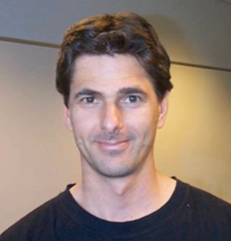
Professor Brett Harris is a faculty member at Curtin University, affiliated with the School of Earth and Planetary Sciences (EPS) within the Faculty of Science and Engineering. He holds a prominent role in the Office of the Provost. His research focuses on subsurface resource technologies, including mineral exploration, CO2 sequestration, and geothermal energy. He has led major initiatives like the DET CRC and MinEx CRC projects, advancing in-hole electromagnetic sensing and distributed acoustic sensing techniques. His expertise spans hydrogeology, geophysics, and environmental geoscience, with notable contributions to aquifer characterization, fault zone dynamics, and CO2 storage monitoring. He coordinates undergraduate courses in electromagnetism, potential fields, and environmental geophysics, while supervising multiple PhD students. Key collaborations include work with government agencies on fractured aquifer detection and geothermal systems. Recent research emphasizes innovative sensor technologies for subsurface imaging, CO2 leakage monitoring, and groundwater sustainability. His work bridges geophysics with applied engineering solutions for resource exploration and environmental stewardship.
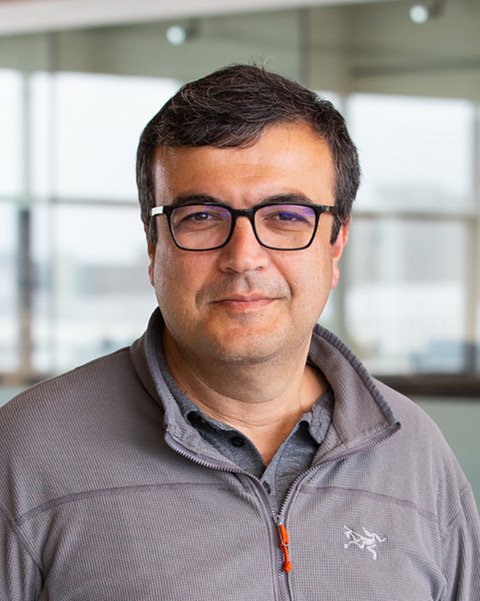
Dr. Triratna Muneshwar is an Assistant Professor in the Department of Metallurgical Engineering and Materials Science at the Indian Institute of Technology Bombay (IIT Bombay), where he has been serving since November 2021. His research focuses on advanced thin film deposition techniques, particularly atomic layer deposition (ALD) and atomic layer etching (ALE), for next-generation semiconductor devices. Ph.D. in Materials Engineering, University of Alberta, Canada (2014) Dual Degree (B.Tech & M.Tech) in Metallurgical Engineering and Materials Science, IIT Bombay (2009) His research interests lie at the intersection of materials science and semiconductor technology, with a strong emphasis on modeling and experimental analysis of vacuum thin film processes. He investigates atomic layer deposition of oxides, nitrides, and metals, surface reaction kinetics , dopant distribution in thin films , and parasitic reactions in high-aspect-ratio structures . His work bridges lab-scale innovation to industrial fabrication (Lab-to-Fab). Dr. Muneshwar's publications reveal a consistent focus on improving the precision, efficiency, and scalability of ALD processes. His work spans plasma-enhanced ALD , precursor chemistry , in-situ characterization , and numerical modeling of growth mechanisms. Key themes include precursor utilization optimization, nucleation control, and material characterization for logic and memory applications. Scientific recognitions include: Featured Article, Journal of Applied Physics (2016) Editors Pick, Journal of Applied Physics (2018) U.S. Patent on precursor utilization in pulsed ALD processes Dr. Muneshwar has mentored research at the postdoctoral and associate levels and continues to build a research program involving graduate students and collaborative projects. His prior experience includes a Postdoctoral Research Fellowship and Research Associate role at the University of Alberta. He is actively involved in advancing ALD/ALE technologies with industrial relevance. His research is conducted within the MEMS department at IIT Bombay, leveraging advanced fabrication and characterization facilities. He collaborates with teams working on semiconductor materials, nanofabrication, and process modeling, contributing to India's growing expertise in microelectronics and advanced materials.
Frans N. van de Vosse is a full Professor at the Department of Biomedical Engineering , Eindhoven University of Technology. He leads the Cardiovascular Biomechanics research group, focusing on computational and experimental analysis of cardiovascular systems, medical devices, and clinical applications. Academic Background: MSc in Applied Physics (1982), PhD in Numerical Carotid Artery Flow Analysis (1987) from TU/e Professional Affiliations: Full Professor (since 2001), Lecturer in Fluid Mechanics (1987–2001) Research Interests span cardiovascular biomechanics, including Blood in Motion , Heart at Work , and Vessels under Stress . His work emphasizes computational models, experimental techniques, and medical devices for clinical diagnosis and intervention. Key Article Trends include fetal hemodynamics, virtual patient cohorts for coronary disease, abdominal aortic aneurysm progression, and fluid-structure interaction studies in heart valves. Many publications align with UN Sustainable Development Goals related to health and well-being. Media and Public Engagement highlights his contributions to artificial womb technology discussions and clinical device validation studies. His research has been featured in Professional Commentary and PR Activities in cardiovascular engineering.
Ozgur Yilmaz is a Professor in the Department of Mathematics at the University of British Columbia (UBC). He is the Director of the Pacific Institute for the Mathematical Sciences (PIMS) and has held roles such as Interim Deputy Director at PIMS and Deputy Director at the Banff International Research Station (BIRS). His research focuses on applied harmonic analysis, signal processing, compressed sensing, and seismic signal processing. Education: PhD in Applied and Computational Mathematics from Princeton University (2001), B.Sc. in Mathematics and Electrical Engineering from Boğaziçi University (1997). Research Interests: Mathematical problems in analog-to-digital conversion, blind source separation, sparse approximations, compressed sensing, and their applications in seismic exploration. He has contributed to advancements in sigma-delta quantization, low-rank matrix recovery, and compressed sensing algorithms. Funding: Recipient of NSERC Discovery Grants, UBC Data Science Institute grants, and leadership in collaborative research groups (CRGs) on high-dimensional data analysis and applied harmonic analysis. His work bridges theoretical mathematics with practical applications in signal processing and AI-driven medical imaging. Students and Postdocs: Supervised numerous PhD and MSc students in areas like compressed sensing, seismic data reconstruction, and machine learning. Current advisees include Aaron Berk and Xiaowei Li. Former students hold positions at academic institutions and tech companies. Labs and Collaborations: Affiliated with UBC’s Data Science Institute (DSI), Centre for Artificial Intelligence Decision-making and Action (CAIDA), and the Institute of Applied Mathematics (IAM). Collaborates on projects integrating AI with scientific discovery, such as retinal biomarker identification using deep learning.
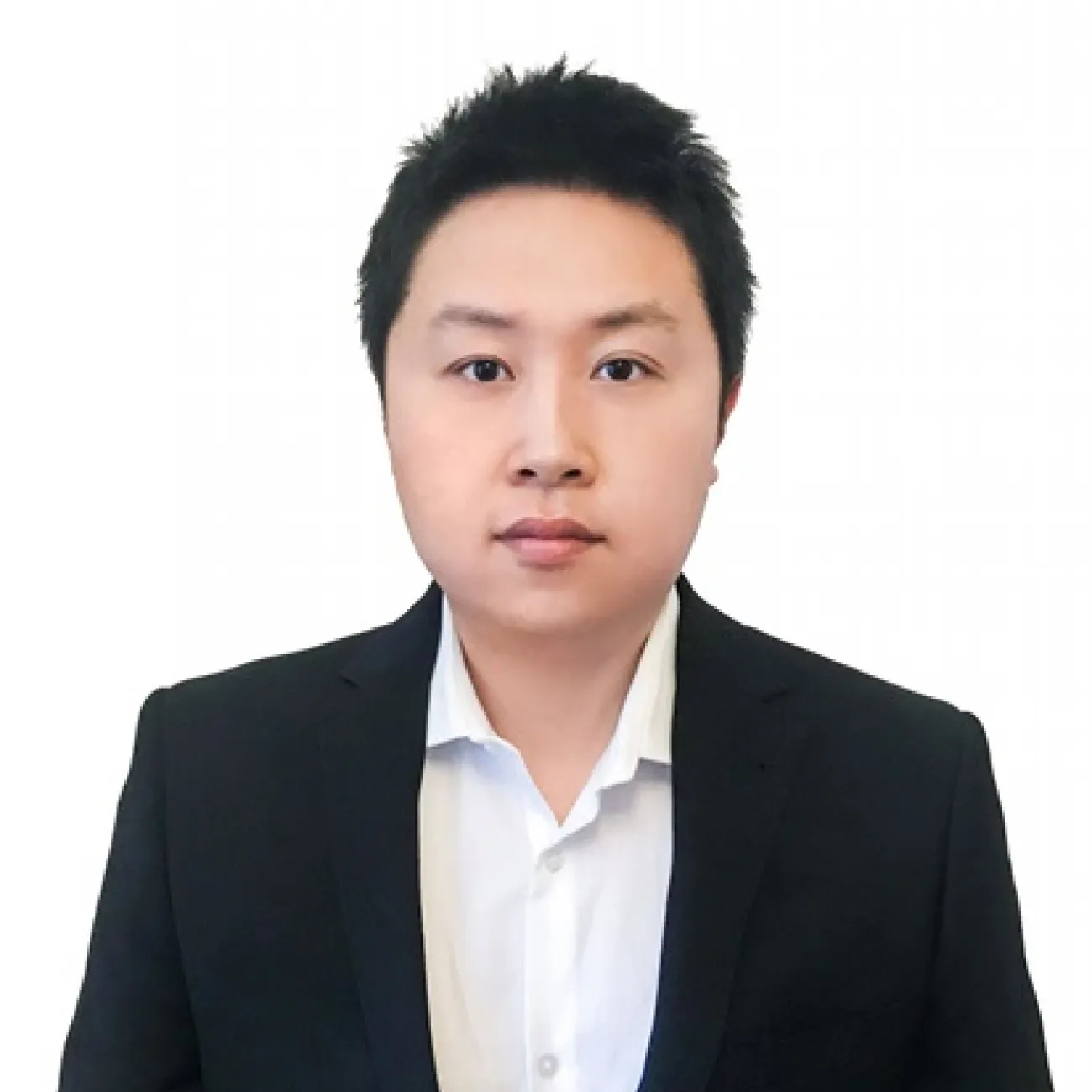
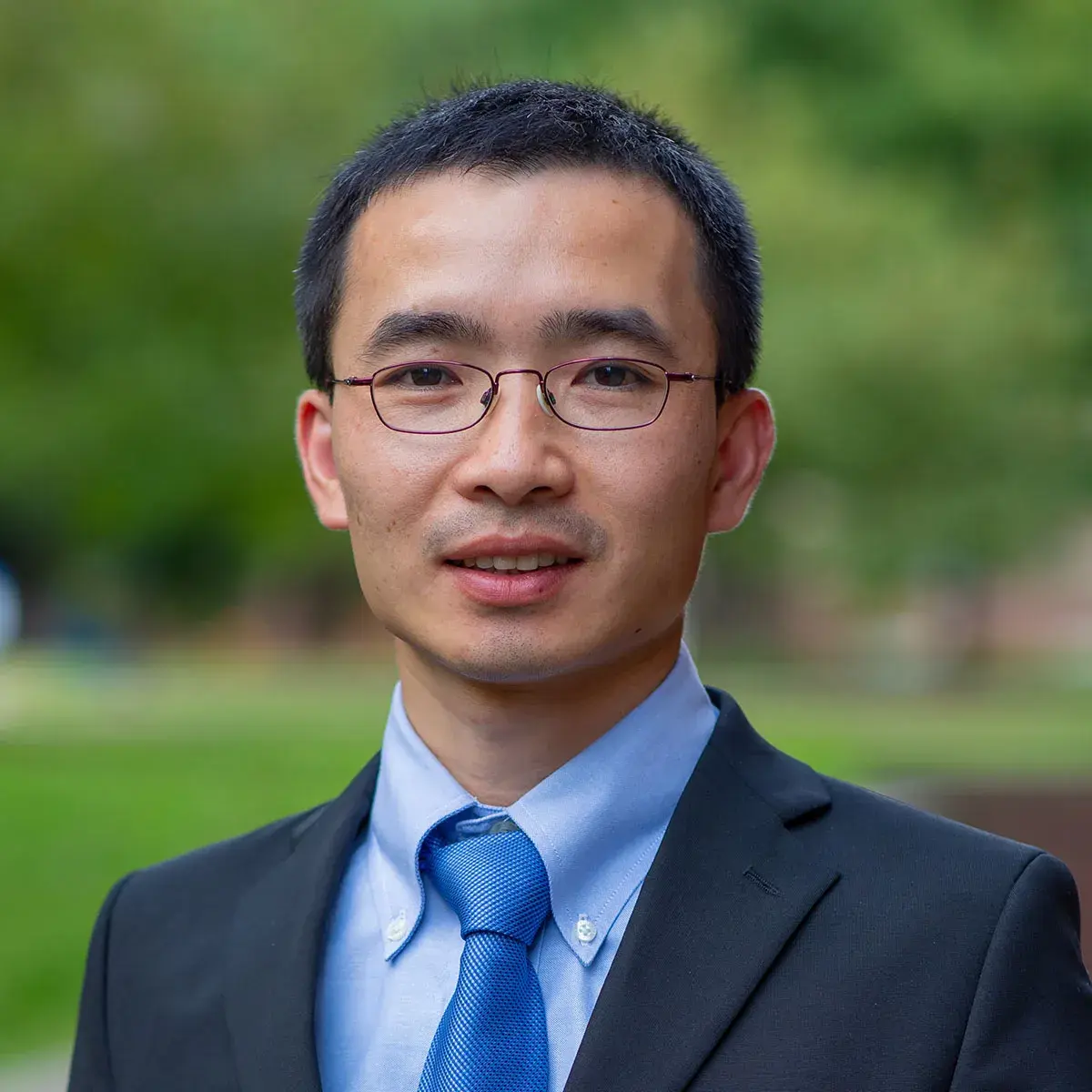
Dr. Zhenzhou Wang is a Research Fellow at the University of Southampton, affiliated with the CERN-STFC HL-LHC Project. His research focuses on lightweight materials for liquid hydrogen storage systems in aircraft and ships, composite material modeling, and AI-driven multi-objective optimization. He is a member of the Energy Technology Group and has held roles such as Guest Editor for Polymers (2021-2023). Notable achievements include receiving the Dean's Award (2024) twice. His work integrates analytical and numerical methods to address challenges in aerospace materials, cryogenic testing, and structural optimization. Recent studies include evaluating thermoplastic polymers for cryogenic sealing, thermal fatigue effects on composites, and deployable composite boom design frameworks. Collaborations involve researchers from institutions like CERN and industry partners. Affiliations: University of Southampton (CERN-STFC HL-LHC Project), Energy Technology Group Key Projects: Liquid hydrogen fuel storage systems, spacecraft lightweight materials, AI optimization algorithms Awards: Dean's Award (2024)
Professor Evangelos Boulougouris is Head of the Department of Naval Architecture, Ocean and Marine Engineering at the University of Strathclyde, where he also serves as Chair of the Maritime Safety Research Centre. He is a chartered professional engineer with over 28 years of internationally recognized research in maritime safety, design for safety, and holistic ship design. His work spans damage stability, autonomous vessels, alternative fuels, and ship survivability, with strong impact on international regulations through roles in IMO, ITTC, SNAME, and RINA. Research Interests: His primary research focuses on safety of marine operations, including damage and intact stability in waves, collision avoidance, ship evacuation, crashworthiness, and the integration of alternative fuels like ammonia and hydrogen. He leads cutting-edge work in multi-objective ship design optimization, risk modeling, and decarbonization strategies for advanced marine vehicles. The recent 15 publications highlight a strong trend toward digitalization and sustainability in shipping, combining machine learning for propeller optimization, CFD simulations for catamaran performance, real-time decision support in emergencies, and hybrid propulsion systems for zero-emission vessels. His work increasingly emphasizes climate resilience, port risk under extreme weather, and energy management in CTVs, aligning with global SDGs. Scientific Awards: 2020 Denny Medal SNAME ABS Captain Joseph H. Linnard Prize (2023) Safety 2020 Best Paper Award (2022) Honorable Mention for Vice Admiral E. L. Cochrane Award (2022) EU CHAMPIONS of Transport Research (HOLISHIP, TRA 2014) Greek Technical Innovation Award, Lloyd’s List (2009) 1st Prize, International SAFER SHIP Competition (1999) Advising and Grants: He actively supervises PhD students and has led numerous EU and UK-funded projects such as SEASTARS, SAFARI, EcoShipYard, and Digital Shipwright. As Principal Investigator and Co-I, he secures substantial research funding, coordinates knowledge exchange (KE) initiatives, and leads training programs across Europe. Labs and Teams: He leads the Maritime Safety Research Centre at Strathclyde, fostering interdisciplinary collaboration on ship safety, stability, and sustainable design. His team works closely with industry partners RCG and DNV, and engages in international networks through STAB, ITTC, and IMO committees.
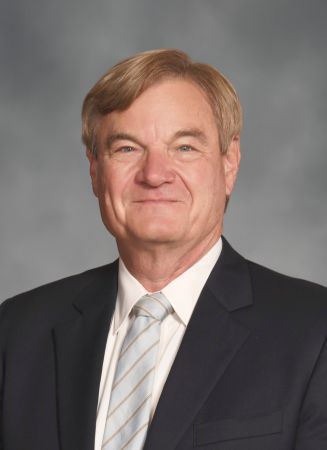
Herman F. Nied is a Professor in the Department of Mechanical Engineering & Mechanics at Lehigh University, where he has been since 1995. He served as department chair from 2002 to 2008 and has been a Fulbright Visiting Professor at the Technical University of Graz and a Visiting Research Scientist at the Fraunhofer Institut. Ph.D., Applied Mechanics, Lehigh University (1981) M.S., Applied Mechanics, Lehigh University (1978) B.S., Mechanical Engineering, University of Rochester (1976) Nied's research spans polymer processing, fracture mechanics, electronic packaging, welding, and computational methods. His lab focuses on finite element simulations for 3-D fracture analysis and thermoforming processes. He has graduated 25 Ph.D. and 35 M.S. students, holds 14 patents, and has received funding from Semiconductor Research Corporation, NSF, ONR, DARPA, and industry leaders like Ford and GE. Semiconductor Research Corporation National Science Foundation Office of Naval Research Department of Transportation DARPA Ford GE Awards include the NSF CAREER award, GE’s Saul Dushman Award, and Fellow of the American Society of Mechanical Engineers.
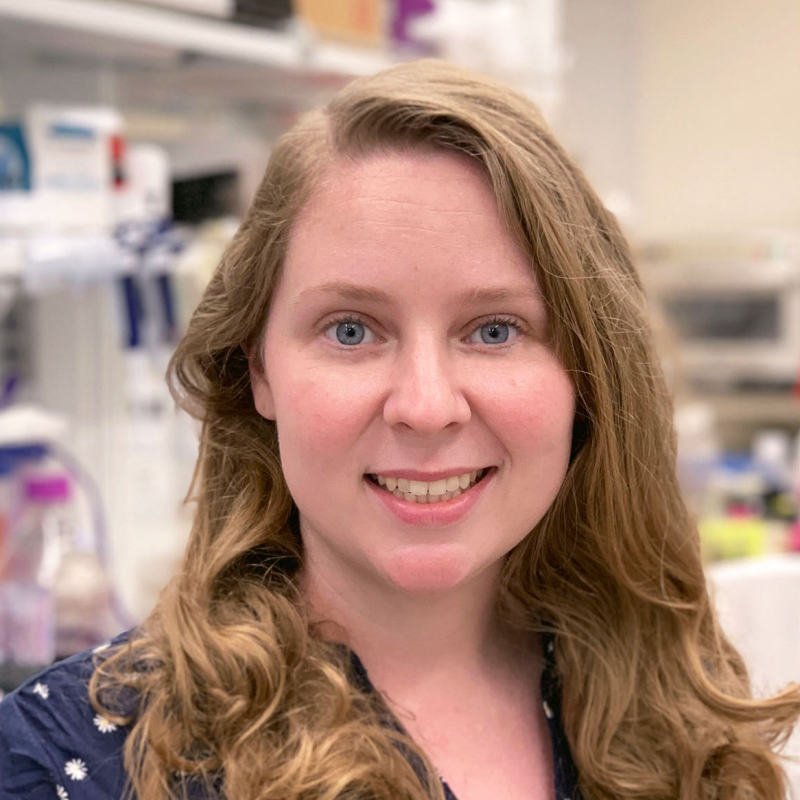
Kathleen Mulvaney is an Assistant Professor at the Fralin Biomedical Research Institute at Virginia Tech and in the Department of Biomedical Sciences and Pathobiology at the Virginia-Maryland College of Veterinary Medicine. Her laboratory is located at the Children's National Research & Innovation Campus in Washington, D.C., where she leads research efforts focused on cancer biology and therapeutic development. Dr. Mulvaney's educational background includes: Ph.D. in Cell Biology from the University of North Carolina, Chapel Hill B.S. in Biology from the University of Rochester Dr. Mulvaney's research program centers on understanding and disrupting protein-protein interactions and protein modifications in cancer, with particular focus on pancreatic cancer and pediatric and adult brain cancers. Her laboratory investigates tumor dependencies - the specific enzymes and pathways that cancers rely on for survival - with the goal of translating these findings into meaningful clinical improvements for patient care. A significant portion of her recent work has focused on PRMT5, an enzyme found in approximately 15% of human cancers, exploring how to target this enzyme for therapeutic benefit. Her research employs CRISPR gene editing, molecular biology techniques, and biochemical approaches to identify vulnerabilities in cancer cells. Her laboratory has made significant contributions to understanding the molecular basis of substrate recruitment to the PRMT5 methylosome and has discovered first-in-class inhibitors of the PRMT5-substrate adaptor interaction. Recent work published in Cancer Research demonstrates a promising combination therapy approach for hard-to-treat cancers that lack specific tumor suppressor genes. These cancers, which include certain lung, brain, and pancreatic tumors, become dependent on PRMT5 for survival, making it a potential therapeutic target. Dr. Mulvaney has received numerous scientific awards and honors, including: National Institutes of Health F32 Ruth L. Kirschstein Postdoctoral Individual National Research Service Award (2018-2021) National Institutes of Health LRP Award (2019-2021) Sigma Xi Research Society Graduate Student Travel Award (2015) National Science Foundation Graduate Research Fellowship Honorable Mention (2011, 2012) Dr. Mulvaney actively mentors graduate students and postdoctoral researchers in her laboratory at the Children's National Research & Innovation Campus. Her research is supported by grants from the National Institutes of Health, including an R35 grant to examine cancer-related enzymes. She collaborates extensively with researchers across Virginia Tech and Children's National Hospital to advance cancer research and therapeutic development, participating in the Virginia Tech Cancer Research Alliance which brings together scientists and physicians to develop innovative approaches to cancer treatment. The Mulvaney Lab is part of the Cancer Research Center - D.C. at the Children's National Research & Innovation Campus, where they work alongside other researchers in the Children's Cancer and Immunobiology Center. This collaborative environment allows for interdisciplinary approaches to understanding cancer biology and developing novel therapeutic strategies, with particular emphasis on translating basic science discoveries into clinical applications for hard-to-treat cancers.
Jim Chen is a Professor at the Department of Marine and Environmental Sciences and holds an affiliation with the College of Engineering's Civil and Environmental Engineering at Northeastern University. His research focuses on coastal engineering and science, emphasizing numerical modeling to address coastal resiliency and sustainability, particularly in the context of hurricanes and sea-level rise. Education details are not explicitly provided in the text, but his expertise includes advanced modeling techniques applied to coastal systems. His work integrates field observations with computational methods, such as deep learning and physics-informed neural networks, to analyze wave dynamics, sediment transport, and vegetation effects on coastal processes. Key research areas include hurricane impact analysis on wetlands and engineered infrastructure, living shoreline restoration effectiveness, and the morphological evolution of coastal systems. His studies often involve rapid deployment of sensors during storms (e.g., Hurricane Laura) to monitor wave, current, and sediment dynamics, contributing to disaster preparedness and mitigation strategies. Notable collaborations include projects with the Shinnecock Indian Nation, Gandys Beach (New Jersey), and Chesapeake Bay, focusing on sustainable coastal management. His work bridges engineering and environmental science to enhance coastal resilience in vulnerable regions.
Prof. Joachim Schöberl is a faculty member at TU Wien's Faculty of Mathematics and Geoinformation, leading the Scientific Computing and Modelling research group. His academic career includes roles as a university professor (Univ.Prof.) with engineering and technical doctorates (Dipl.-Ing., Dr.techn.). Research focuses on advanced numerical methods, including finite element methods, computational fluid dynamics, and partial differential equations. He has pioneered high-order schemes for fluid-structure interaction, shell mechanics, and electromagnetic simulations. Notable contributions include the NGSolve finite element library and innovative approaches to curvature approximation in discrete geometry. Recent work emphasizes nonlinear elasticity modeling, fractional diffusion problems, and shape optimization for biomembranes. His team collaborates on projects like metascreen upscaling, micromorphic continuum models, and eddy current simulations in laminated materials. Prof. Schöberl advises PhD students researching mixed finite element methods, fractional operators, and computational mechanics. His lab develops open-source tools for high-performance scientific computing.
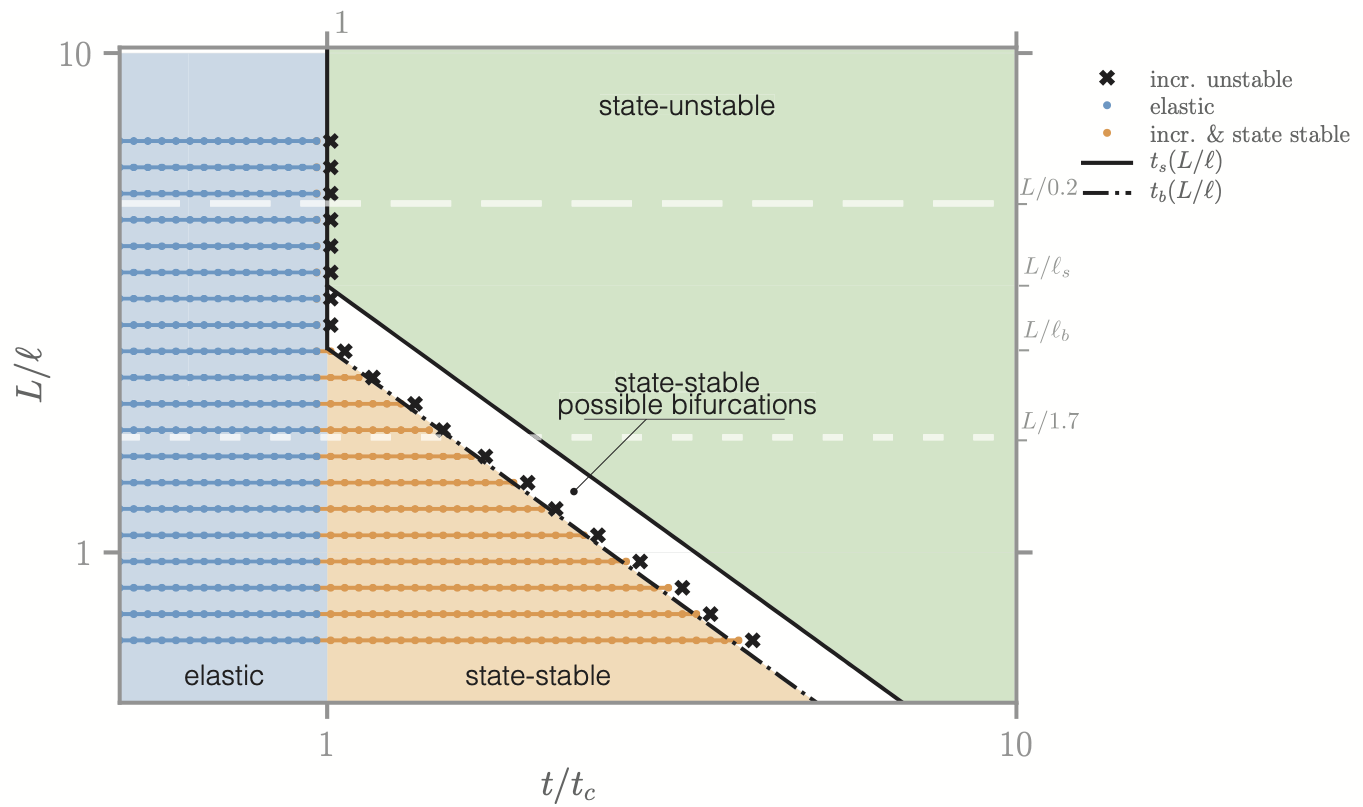
Corrado Maurini is a Professor in Mechanics at Sorbonne University , Paris, France. He leads two international master programs: Mécanique des Solides (Solid Mechanics) and Computational Mechanics .
Hailong Chen is an Associate Professor in the Department of Mechanical and Aerospace Engineering within the Stanley and Karen Pigman College of Engineering at the University of Kentucky. His academic journey includes a Ph.D. in Mechanical Engineering from Arizona State University (2015) and an M.S. in Mechanical Engineering from the University of Florida (2012). Dr. Chen's research focuses on Computational Mechanics & Materials, with expertise spanning meshfree methods, multi-scale multi-physics modeling, mechanics of stochastic heterogeneous microstructures, and pervasive fracture and impact modeling. His work bridges theoretical developments with practical engineering applications through the CM 3 (Computational Mechanics and Methods) research group, which develops advanced computational techniques for real-world mechanics problems. The CM 3 group specializes in multi-scale multi-physics modeling of solid materials, damage and failure analysis under extreme conditions, mechanics of stochastic heterogeneous microstructures (composites, polycrystals), and computational materials engineering. Recent publications demonstrate strong activity in peridynamics, lattice particle methods, and computational homogenization techniques for fibrous and porous materials. Dr. Chen's research has resulted in numerous publications in top journals including Computer Methods in Applied Mechanics and Engineering and Mechanics Research Communications, with recent work focusing on generalized peridynamic formulations, micro-CT-based property computation, and fluid-structure interaction frameworks for hypersonic applications. His academic progression shows steady advancement from Postdoctoral Computational Scientist at Idaho National Laboratory (2015-2018) to Assistant Professor (2018-2024) and currently Associate Professor (2024-present) at the University of Kentucky.
Professor Tomasz Kapitaniak is a distinguished academic in the field of nonlinear dynamics and theoretical mechanics. He serves as a Professor of Theoretical and Applied Mechanics and Head of the Division of Dynamics at the Faculty of Mechanical Engineering, Technical University of Lodz, Poland. His career spans over three decades at the university, where he has made significant contributions to the understanding of nonlinear systems, chaos theory, and mechanical oscillations. Professor Kapitaniak holds advanced degrees in both mechanics and applied mathematics from the Technical University of Lodz and the University of Lodz. His educational background includes: M.Sc. in mechanics, Faculty of Mechanical Engineering, Technical University of Lodz (1982) M.Sc. in applied mathematics, Faculty of Mathematics, Physics and Chemistry, University of Lodz (1985) Ph.D. in mechanics, Faculty of Mechanical Engineering, Technical University of Lodz (1985) D.Sc. in mechanics, Faculty of Mechanical Engineering, Technical University of Lodz (1988) Professor of technical science, title given by the President of Poland (1995) His research focuses on nonlinear dynamics, with particular emphasis on mechanical oscillations, stability, bifurcations and chaos, stochastic dynamics, and applications of nonlinear dynamics in mechanical engineering. Professor Kapitaniak is renowned for his work on the development of methods for controlling chaos without feedback, identification of new types of bifurcations, synchronization mechanisms in coupled mechanical oscillators, and explaining the origin of randomness in mechanical systems. His research has evolved from fundamental theoretical work to increasingly applied studies involving complex networks, biological systems, and engineering applications. Professor Kapitaniak has published over 300 scientific papers in renowned journals, cited over 8,000 times. His work exhibits a consistent focus on understanding complex nonlinear phenomena across various physical systems. The trend in his recent publications shows continued exploration of synchronization phenomena, extreme events in dynamical systems, and applications of nonlinear dynamics to biological, mechanical, and physical systems. His most recent work demonstrates a growing interest in multistability, chimera states, and the prediction of tipping phenomena in complex systems. Among his notable scientific achievements and distinctions are: Election as a member of the Polish Academy of Sciences (corresponding member in 2013, ordinary member in 2019) Election to Academia Europaea in 2021 Honorary doctorates from Saratov State University (Russia, 2001) and Lublin University of Technology (Poland, 2014) Multiple prestigious fellowships including the British Council Fellowship (1989), King Abdul Aziz Award Fellowship (1990), and Fulbright Fellowship (1997) Editorial roles including Associate editor of Chaos, Solitons and Fractals since 1990 and member of editorial boards of several other prestigious journals Throughout his career, Professor Kapitaniak has been actively involved in mentoring the next generation of researchers, having supervised numerous PhD students including Jerzy Wojewoda, Anton van Wyk, Barbara Błażejczyk-Okolewska, Andrzej Stefański, Andrzej Kozłowski, and Przemysław Szumiński. He has secured significant research funding from various national and international sources including the Ministry of Science and Higher Education (Poland), Deutscher Akademischer Austauschdienst, The Royal Society of London, and others. His research team has maintained strong international collaborations with institutions worldwide, including universities in the United States, United Kingdom, Germany, Brazil, Russia, and Ukraine. He leads the Division of Dynamics at the Technical University of Lodz, which serves as a hub for research in nonlinear dynamics, mechanical oscillations, and related fields. The division maintains strong international collaborations with institutions worldwide and continues to produce cutting-edge research in the field of nonlinear dynamics and its applications.
Yannic Maus is a University Professor at the Faculty of Computer Science and Biomedical Engineering at Graz University of Technology (TU Graz), Austria, where he heads the newly founded Institute of Algorithms and Theory (established in 2025). He also serves as co-leader of one of the five fields of expertise at TU Graz (FoE Information, Communication & Computation). His academic journey includes: PhD in Computer Science from University of Freiburg, Germany (2014-2018) MSc in Mathematics from RWTH Aachen, Germany BSc in Mathematics and Computer Science from RWTH Aachen, Germany (with a year at National University of Singapore) Professor Maus specializes in theoretical computer science and algorithm design, with a particular focus on distributed computing. His research spans distributed graph algorithms, efficient algorithms, data structures, complexity theory, and geometric algorithms. He approaches problems with both theoretical rigor and practical applications in mind, seeking clean mathematical solutions to questions motivated by real-world systems. His recent publications show a strong focus on distributed and parallel algorithms, particularly in graph theory. The research trends include distributed graph coloring, symmetry breaking, vertex cover problems, and massively parallel computing models. His work often bridges theoretical computer science with practical distributed systems considerations, with applications to large-scale networks and highly parallel systems. Professor Maus has received numerous accolades for his research: 2020 Principles of Distributed Computing Doctoral Dissertation Award Wolfgang-Gentner-Nachwuchsförderpreis 2019 GI Dissertationspreis 2018 Best Paper Awards at SIROCCO 2016, DISC 2016, and DISC 2017 Professor Maus actively mentors PhD students and has secured significant research funding, including FWF grants P36280-N (2023-2027), DOC 183 (2024-2028), I6915 (2024-2028), and FFG grant No. 59263962. His research group maintains strong international collaborations with institutions across Germany, Finland, Iceland, Israel, and beyond, providing students with opportunities for international research visits. He leads the Algorithms & Complexity research group at TU Graz, which includes PhD students Manuel Jakob, Florian Schager, Malte Baumecker, and Kritika Kashyap, as well as postdoc Tijn de Vos. The group is actively involved in theoretical computer science research with a focus on distributed and parallel algorithms, particularly for large-scale networks and highly parallel systems.
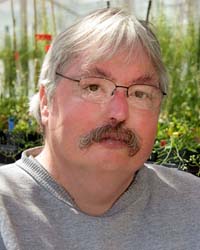
Jeff Dangl is the John N. Couch Professor and an HHMI Investigator at the University of North Carolina at Chapel Hill, where he leads research in the Department of Biology. He has been studying plant-microbe interactions since 1989, focusing on two main areas: the plant immune system and the root microbiome. His laboratory is located in the Genome Sciences Building on UNC's historic campus, which is part of the Research Triangle Park area, a leading hub for biotechnology research. Dr. Dangl's research interests span several interconnected areas of plant-microbe interactions. His work examines how plants recognize pathogens through their two-tiered immune system consisting of extracellular pattern recognition receptors and intracellular NLR receptors. He also investigates how the plant immune system shapes the composition and function of the root microbiome. His lab uses Arabidopsis thaliana as a model system to study these interactions at multiple biological scales, from molecular and structural levels to small mesocosms. The research trends in Dr. Dangl's recent publications indicate a strong focus on understanding the molecular mechanisms of plant immune receptors, particularly NLR proteins and their activation pathways. His work increasingly integrates microbiome research with plant immunology, exploring how commensal microbes interact with and potentially modulate the plant immune system. There's also significant emphasis on the structural and functional aspects of immune receptor complexes, as well as the evolutionary dynamics of plant-pathogen interactions. HHMI Investigator John N. Couch Professor Dr. Dangl leads a diverse research group with members from several countries, emphasizing small team approaches to tackle complex problems in plant-microbe interactions. His students and postdocs benefit from access to multiple inputs about their work through this collaborative environment. His laboratory has developed expertise in genomics, ecological modeling, metabolic modeling, and both forward and reverse genetics to address questions about microbiome assembly and function. The Dangl lab maintains strong connections with the broader scientific community through collaborations and participation in major research initiatives. They work within the rich research environment of the Research Triangle Park, which includes UNC, Duke University, North Carolina State University, the North Carolina Biotechnology Center, and numerous life-science companies.