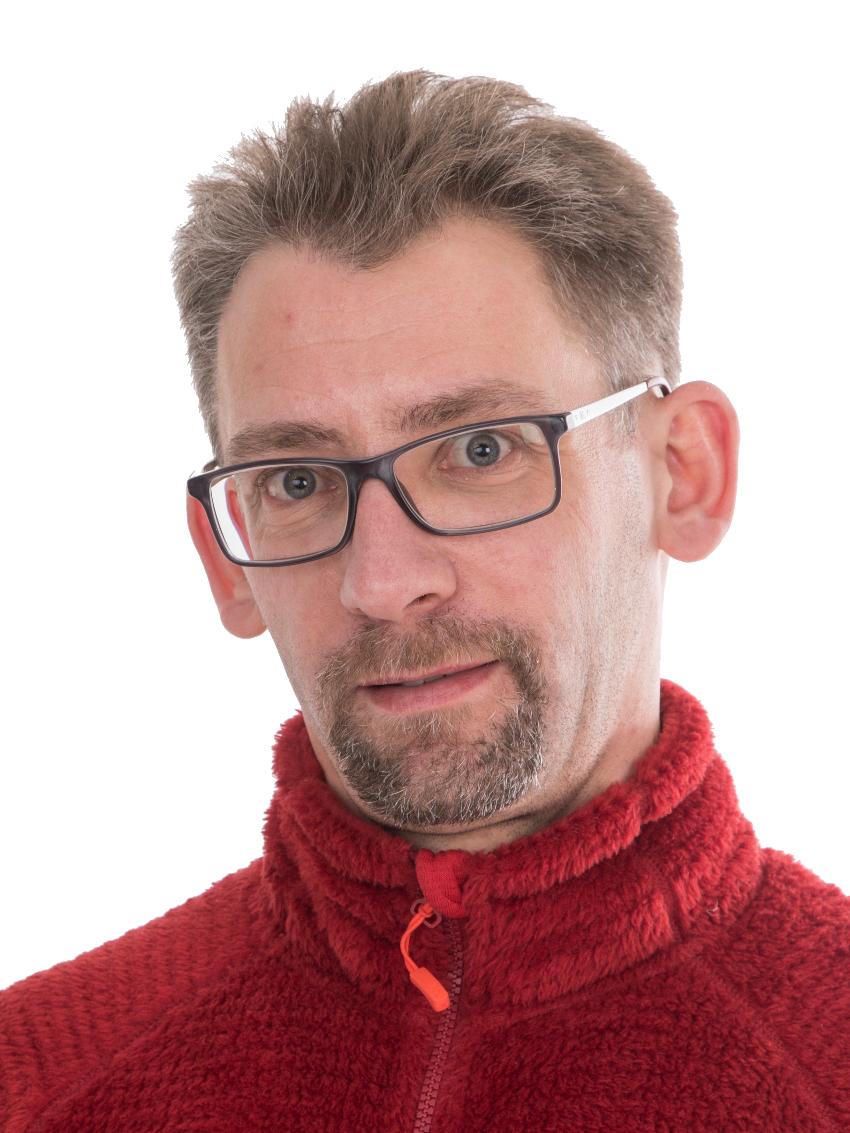
Odd Erik Garcia is a Professor at the Department of Physics and Technology , Faculty of Natural Sciences and Technology, UiT The Arctic University of Norway. He serves as Center Director for DYNAMO (UiT Aurora Center for Non-linear Dynamics and Complex Systems Modeling) and leads fusion energy research initiatives. His academic career spans 12+ years at UiT, including leadership roles as Institute Head (2015-2019) and departmental leadership positions.
Elia Merzari is a Professor in the Ken and Mary Alice Lindquist Department of Nuclear Engineering at Pennsylvania State University and a member of the Institute for Computational and Data Sciences (ICDS). His research focuses on computational fluid dynamics, turbulence modeling, and thermal hydraulics in nuclear systems. Research Interests Merzari specializes in Computational Fluid Dynamics (CFD) , with a focus on Large Eddy Simulation (LES) , Direct Numerical Simulation (DNS) , and Reynolds-Averaged Navier-Stokes (RANS) models. His work addresses challenges in nuclear reactor thermal hydraulics , including flow stability in rod bundles, turbulence in pebble beds, and multiscale frameworks for advanced reactor design. He actively applies machine learning techniques like physics-informed neural networks to nuclear engineering problems. Recent Research Trends Merzari's recent publications (2025) highlight advancements in temperature monitoring for high-temperature gas reactors , spectral element implementations of RANS models , and transition to turbulence in complex geometries . His work integrates Nek5000/NekRS software with multiscale modeling to enhance reactor safety and deployment efficiency. Grants & Projects Center for Thermal-Fluids Applications in Nuclear Energy (PI, 2024–present): Focuses on industry adoption of multiscale frameworks. Reduced Order Modeling of Heat and Fluid Flow (CoPI, 2023–present): Aims to accelerate reactor deployment via multiscale techniques. High-Resolution Pebble Bed Data at Low Flow Conditions (PI, 2022–present): Investigates flow dynamics in pebble bed reactors. Innovative Monitoring Technology for Micro-HTGR (CoPI, 2022–present): Develops sensors for reactor vessel stress estimation. Low Temperature Cladding Failures in RIA Transients (CoPI, 2021–present): Studies accident-tolerant fuels under reactor transients.
Yoshishige Kawabe is a full Professor at the School of Creative Science and Engineering , part of the Faculty of Science and Engineering at Waseda University . His research focuses on environmental load and risk assessment, with particular emphasis on soil and groundwater contamination, heavy metal behavior, and remediation technologies. Research Interests : Environmental risk modeling, geochemical analysis of contaminated sites, microbial degradation of pollutants, and stabilization of toxic elements. Awards : Environmental Award (2014) Japan Society of Civil Engineers Paper Award (2013) Engineering Encouragement Special Award (2009) Resource and Material Science Paper Award (2006) His work spans both theoretical and applied domains, including numerical models for contaminant transport and field studies on tsunami deposits. He has contributed extensively to understanding arsenic adsorbent stability, chlorinated solvent degradation, and petroleum hydrocarbon volatilization. Collaborative projects often integrate data-driven analysis with practical risk management frameworks.
Dr. Stephen C. Cain is an Associate Professor in the Department of Electrical Engineering at the Air Force Institute of Technology (AFIT), located at Wright-Patterson Air Force Base, Ohio. He is affiliated with the Graduate School of Engineering and Management and conducts research in optical engineering, image processing, and space-based sensing systems. Education: Ph.D. in Electrical Engineering, University of Dayton (2001), with focus on Image Processing and Remote Sensing M.S.E.E., Michigan Technological University (1993), funded by AFRL/DE assistantships B.S.E.E., University of Notre Dame (1992), funded by AFROTC Scholarship Argonne National Lab Student Exchange Program (1992), including study at the Mexican Nuclear Research Institute His research interests include photodetector calibration , space object detection , image restoration , and optical system modeling . He has developed algorithms for blind deconvolution, phase error reduction, and parallax-based detection, contributing significantly to remote sensing and defense modeling. His work bridges theoretical optics and practical aerospace applications, particularly in satellite guidance and LADAR systems. The recent publications (2019–2024) reflect a consistent focus on optical sensing , image processing under low-light conditions , and statistical calibration methods . These works span disciplines such as astronomy, defense modeling, photonics, and signal processing, showcasing interdisciplinary innovation in photonic systems and space surveillance. Scientific Awards: No awards explicitly mentioned in the provided text. Advising and Grants: While no named students are listed, as an Associate Professor at AFIT, Dr. Cain likely supervises graduate research in electrical engineering and optics. His doctoral work was supported by an NSF Research Assistantship, and his master’s by AFRL/DE funding, indicating a long-standing connection with defense and federal research support. Current research appears to be aligned with Air Force mission needs in space domain awareness. Labs and Teams: Though specific lab names are not provided, Dr. Cain’s research is likely conducted within AFIT’s electro-optics or remote sensing laboratories, possibly in collaboration with Air Force Research Laboratory (AFRL) divisions. His work on satellite guidance and space object detection suggests integration with broader defense modeling and simulation initiatives.
Dr. Norbert Jordan is a Senior Scientist at the Helmholtz-Zentrum Dresden-Rossendorf (HZDR) , affiliated with the Institute of Resource Ecology and the Surface Processes department. His career spans over two decades in environmental and radiochemistry research. Ph.D. in Molecular Chemistry (University of Nice Sophia Antipolis) M.Sc. in Molecular Chemistry (University of Nice Sophia Antipolis) Research Interests: Norbert specializes in thermodynamic database development for rare earth elements (REE) and actinides, focusing on complexation with inorganic ligands (phosphate, silicate), surface processes at solid-liquid interfaces using advanced techniques (ATR FT-IR, XAS, TRLFS), surface complexation modeling, isothermal titration calorimetry, and biogenic selenium nanoparticle characterization. Selected Projects: Norbert leads work packages in the EU-funded RadoNorm project (2022-2025), coordinates the national iCross initiative (2018-2022), and previously managed projects on rare earth element extraction ( r4-SEM2 , 2015-2018), pollutant trapping ( POLLTRAP , 2010-2013), and nuclear waste repository systems ( VESPA , 2010-2014). Advising & Collaborations: He has supervised multiple Ph.D. students including Andrea Sabǎu (2015), Sarah Fischer (2022), and Isabelle Jessat (2024), as well as international collaborations with institutions in France, India, and the U.S. Scientific Contributions: Norbert has authored over 50 peer-reviewed publications and book chapters, and organized sessions at major conferences including the Helmholtz Energy Conference (2023).
T. Beyrouthy is a prominent researcher in high-energy physics with 313 publications, an h-index of 25, and over 3,000 citations. As a key contributor to the CMS experiment at CERN's Large Hadron Collider, his work spans Higgs boson characterization, supersymmetry searches, heavy ion collisions, and detector development. His research primarily focuses on experimental validation of the Standard Model and exploration of physics beyond it through proton-proton and Pb-Pb collision data. His research interests include: Particle detection methodologies for collider experiments Quantum chromodynamics in extreme energy regimes Searches for new particles and phenomena beyond the Standard Model Precision measurements of electroweak parameters Development of advanced detector systems for high-radiation environments Analysis of his recent publications reveals sustained contributions to CMS experimental programs across multiple frontiers: Higgs physics (width measurements, off-shell production), heavy flavor studies (J/ψ spectroscopy), and searches for right-handed currents. His work consistently appears in high-impact journals including Nature, Physical Review Letters, and Journal of High Energy Physics. Beyrouthy operates within the CMS collaboration's international framework, evidenced by extensive co-authorship networks with leading institutions worldwide. His technical contributions to detector development for LHC Run 3 highlight expertise in experimental infrastructure. The absence of student listings or teaching-focused publications suggests a primary research orientation within large-scale experimental collaborations rather than traditional academic advising roles.
Dr. Samuel Murphy serves as a Senior Lecturer in Nuclear Materials and Engineering at Lancaster University's School of Engineering, where he leads research on atomistic simulation of defect processes in nuclear systems. His work bridges fundamental materials science with practical applications in nuclear fuel safety and fusion reactor development, building on prior postdoctoral experience at University College London, Imperial College London, and CEA Saclay. His academic foundation includes: PhD in Materials Physics from Imperial College London (2009) under Prof. Robin Grimes Research centers on computational modeling of radiation effects, with key emphases: Accommodation of fission products in nuclear fuels Tritium behavior in lithium ceramics for fusion breeding blankets Radiation damage from high-energy particle bombardment Development of the two-temperature molecular dynamics (2T-MD) technique He employs molecular dynamics and density functional theory (DFT) to address critical challenges in next-generation nuclear systems, particularly for fusion energy applications. His 2025 publications reveal a concentrated focus on radiation-matter interactions across multiple material systems. Work spans neutron effects in perovskite waste forms, defect engineering in tungsten oxides, superconductor resilience for fusion magnets, and tritium management in breeder ceramics. Collectively, these studies advance predictive capabilities for material performance under extreme radiation environments. Dr. Murphy supervises PhD researcher Leyla Kantar and leads multiple grant-funded projects including: GREEN CDT: PuO 2 storage chemistry (2021-2025) TRANSCEND: Nuclear decommissioning science (2018-2023) MSI: Electron effects in radiation damage (2021-2025) ATLANTIC: Accident-tolerant nuclear fuels (2018-2023) Current PhD opportunities address safer nuclear fuels and thermal conductivity degradation in fusion materials. As a core member of Energy Lancaster, he contributes to integrated research teams tackling nuclear materials challenges. His work connects with the GREEN CDT and TRANSCEND consortia, fostering collaborations with CEA, UKAEA, and European fusion initiatives to address fuel cycle and decommissioning challenges through advanced computational modeling.
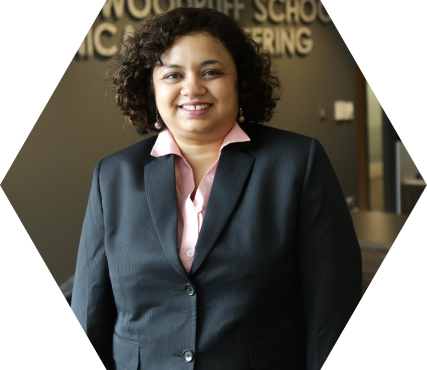
Greeshma Agasthya is an Assistant Professor at the Nuclear & Radiological Engineering and Medical Physics Program within the George W. Woodruff School of Mechanical Engineering at Georgia Institute of Technology. She leads the Computational Medical Physics Laboratory and holds an adjunct appointment in the Radiation Oncology Department at Emory University . Doctorate in Biomedical Engineering from Duke University Postdoctoral training at Emory University's Winship Cancer Institute Her research focuses on multiscale digital twins for personalized radiation dosimetry, AI frameworks for cancer surveillance, and computational modeling of radiation protocols. Key areas include: Radiation dosimetry for imaging, therapy, and theranostics Medical imaging systems (neutron imaging, CT, tomosynthesis) Machine learning for clinical decision support Interdisciplinary collaboration across medical physics, radiology, and computer engineering Recent publications highlight her work on: Machine learning models for pediatric anxiety detection Temporal semantic drift in clinical terminology Dosimetric impacts of radiopharmaceutical extravasation Environmental exposure analysis for lung cancer risk Chromosome conformation-based radiosensitivity modeling She secured a DOE-BER grant for "Bridging the gap between low dose exposures and emergent physiology" and co-founded a Woodruff Innovation Nexus seed grant for multi organ-on-a-chip development in radiopharmaceutical therapy.
Dr. Subhasish Mitra is a Research Academic in the Discipline of Chemical Engineering at the University of Newcastle. His expertise lies in multiphase flow systems, turbulence modulation, and mineral processing. With 15 years of industry and academic experience, he focuses on optimizing energy and material use in industrial processes like ironmaking, mineral flotation, and wastewater treatment. Education : PhD, University of Newcastle (Australia) M.Tech, Indian Institute of Technology Kanpur B.Tech (Honours), Vidyasagar University Postgraduate Certificate in Nuclear Science & Engineering, Bhabha Atomic Research Center Research Interests : Complex phase interactions in drops, bubbles, and particles Turbulence effects in multiphase systems CFD modeling for mineral flotation and blast furnace dynamics High-temperature behavior of iron ore burdens Wastewater treatment via droplet-surface interactions Publications : Over 100 peer-reviewed articles, focusing on topics like bubble dynamics, CFD modeling, and blast furnace hydrodynamics. Recent work explores hydrogen-injection effects in ironmaking and nanobubble interactions. Awards : 2024 GLS16 Young Researcher Award 2017 Outstanding Contribution in Reviewing (Elsevier) Multiple recognition awards for peer review (2018) Supervision & Grants : Supervised PhD/Master’s students in multiphase systems and mineral processing. Active in grants related to blast furnace optimization and fluidized bed dynamics. Labs/Teams : Involved in synchrotron-based flow modeling and ultrasonic flotation cell development at the University of Newcastle.
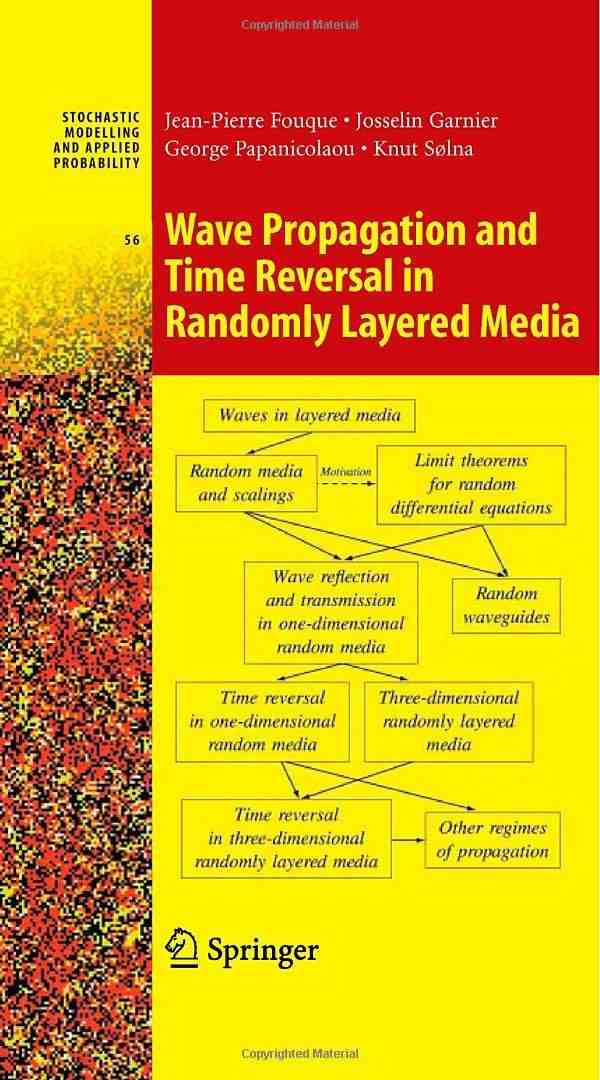
Josselin Garnier is a Professor at Ecole Polytechnique, France, affiliated with the Center for Applied Mathematics. His research focuses on wave propagation in random media, imaging techniques, uncertainty quantification, and inverse problems. He has authored/co-authored multiple influential books including Wave Propagation and Time Reversal in Randomly Layered Media (2007) and Multi-Wave Medical Imaging (2017). His work bridges mathematical theory with applications in optics, seismology, and nuclear engineering. Research interests emphasize stochastic dynamics, nonlinear wave interactions, and Bayesian methods for parameter estimation. He leads a large research group with over 30 PhD students, many working on interdisciplinary projects such as thermalization in optical fibers and seismic fragility analysis. His contributions include developing reduced order modeling approaches for inverse problems and advancing methodologies for uncertainty quantification in nuclear reactor simulations. Key collaborations involve institutions like the French Mathematical Society and the Ciroquo Research & Industry Consortium. His educational contributions include the widely used All-in-one Mathematics textbook series for undergraduate students.
Françoise Combes is a Professor at the Collège de France since 2014, holding the Galaxies and Cosmology chair. She serves as President of the French Academy of Sciences (2025), following roles as President of the Space Research Committee and editor of Astronomy & Astrophysics since 2003. Her research spans galaxy formation, dark matter dynamics, and cosmological evolution. Education : PhD in Astrophysics (1980) at École normale supérieure Research Interests : Combes pioneers galaxy secular evolution through 3D N-body simulations, discovering bar-induced bulge formation via Lindblad resonances . She leads studies on high-redshift molecular gas , gravitational lensing effects, and dark matter as cold molecular hydrogen . Her work connects galaxy morphology to cosmological parameters and star formation laws. Publication Trends : Recent articles focus on ALMA nuclear ring observations , cosmological reionization simulations , and fractal interstellar medium models . Keywords reflect astrophysics, cosmology, and computational physics. Awards : - 2020 CNRS Gold Medal - 2021 L'Oréal-Unesco International Prize Advising Legacy : Supervised 19 PhD students over her career, including notable works on galactic shells , polar rings , and high-redshift galaxy surveys .
Jose Inzunza is a Principal Researcher and Docent (Associate Professor) at the Department of Laboratory Medicine, Karolinska Institutet, Stockholm, Sweden. His academic career spans over two decades, with a focus on stem cell biology , reproductive medicine , and estrogen receptor research . He leads the KISCO unit, specializing in 3D organoid models for disease and drug testing. Education : Ph.D. in Medical Sciences, Karolinska Institutet (2003) Docent in Developmental Biology, Karolinska Institutet (2013) Research Interests include: elucidating the role of MMP-19 and TIM-1 in ovulation using ERβ knockout mice, studying estrogen receptor signaling in stem cell differentiation, somatic cell nuclear transfer for isogenic stem cells, and 3D organoid models for regenerative medicine. His work integrates cell and molecular biology , immunology , and medical genetics . Recent Publications highlight his interdisciplinary approach, spanning Alzheimer's disease (ERβ sex-specific protection), organoid modeling (endometrial responses), structural biology (ZP2-targeted contraception), and neurodevelopment (fluoxetine effects on dopaminergic neurons). Over 40 peer-reviewed articles in journals like PNAS , Nature Biotechnology , and Stem Cells . Teaching & Leadership : Organizer of five doctoral courses in stem cell biology and regenerative medicine, including Embryology I and Gene Regulation . Course leader for The Human Body, Health and Disease at Stockholm University. His team includes senior researchers, postdocs, and molecular biologists. Grants include funding from the Swedish Research Council (2025-2028: integrative structural biology; 2024-2026: ovarian aging) and VINNOVA (2023-2024: organoid-based drug screening).
Dawei Lu is an Associate Professor in the Department of Physics at Southern University of Science and Technology (SUSTech), where he leads the Spin Quantum Computing Lab. He has been with SUSTech since August 2017, initially as an Assistant Professor before being promoted to Associate Professor in May 2019. His educational background includes: PhD in Quantum Information Physics (2012) from University of Science and Technology of China (Hefei National Laboratory for Physical Sciences at Microscale) BSc in Optical Information Science and Technology (2007) from University of Science and Technology of China (Special Class for Gifted Young) Professor Lu's research focuses on experimental quantum computing using spin systems, particularly nuclear magnetic resonance (NMR) and nitrogen-vacancy (NV) centers in diamond. His work spans quantum control, quantum simulation, quantum metrology, and quantum thermodynamics. He holds the world record for controlling the largest number of qubits (12) using NMR technology. His research group has made significant contributions to quantum algorithms, quantum simulation of complex systems, and quantum thermodynamics, with numerous publications in top journals including multiple papers in Physical Review Letters. Analysis of Professor Lu's recent publications reveals a strong focus on quantum thermodynamics, quantum simulation of complex systems, and quantum metrology. His work often combines theoretical advances with experimental implementations on NMR and NV center platforms. There's a clear trend toward exploring quantum advantage in thermodynamic processes, quantum machine learning applications, and topological quantum computing. Professor Lu has received several prestigious awards: 2020 Pearl River Recruitment Program of Talents (Youth) 2020 Peng Cheng Professor 2018 National 1000-Talent Youth Plan 2017 Overseas High-Caliber Personnel in Shenzhen (Peacock Plan) 2012 CAS Presidential Scholarship Professor Lu actively mentors students and has advised numerous PhD and Master's students who have gone on to successful careers in academia and industry. His research is supported by multiple grants from the National Natural Science Foundation of China and provincial/municipal funding agencies. He has published over 50 papers as first or corresponding author, including 15 in Physical Review Letters. At SUSTech, Professor Lu established the Spin Quantum Computing Lab in August 2017, which focuses on realizing physical quantum computers using spins. The lab has two main experimental platforms: NMR quantum computing and NV center quantum computing. The lab's research encompasses a diverse array of quantum technologies, including quantum control, quantum simulation, quantum machine learning, quantum metrology, and quantum thermodynamics.
Dr. Pooya Hamdi is a Senior Researcher at the Department of Engineering Geology and Hydrogeology, RWTH Aachen University, Germany. He leads the Rock Mechanics Group and has been actively involved in national and international projects since 2018. Senior Scientist & Rock Mechanics Group Leader Lecturer at RWTH Aachen PhD from Simon Fraser University (2015) His research focuses on rock mechanics, numerical modeling, and geohazard assessment for underground infrastructure. Key projects include PRECODE (excavation disturbance zones), LADY (landslide dam stability), and paraglacial slope failure analysis in Alaska and Switzerland. Recent publications highlight his work on 3D numerical modeling of regional stress, freeze-thaw effects on rock toughness, and hydro-mechanical coupling in crystalline rocks. He supervises MSc/BSc theses and teaches courses on underground excavation, slope stability, and field excursions. Member of International Society of Rock Mechanics (ISRM) Reviewer for journals: Rock Mechanics and Rock Engineering, Journal of Landslides Current projects: BGE, DFG, Interreg V-A Euregio Meuse-Rhine
Anne-Catherine A.M. Dieudonné, holding the title Dr.ir., is a faculty researcher at the Faculty of Civil Engineering and Geosciences, Delft University of Technology , within the Section of Geo-Engineering . Her work bridges fundamental geomechanics with pressing energy and environmental challenges, focusing on clays, bentonites, bio-cemented sands, geothermal systems, nuclear waste disposal, and CO₂ geological storage. Education & Training: Doctor of Engineering (Dr.ir.) – advanced doctoral degree in civil engineering/geosciences, exact institution and dates not stated in the source. Research Interests: Anne-Catherine’s research is organised around four pillars: Energy Geotechnics: thermo-hydro-mechanical (THM) modelling of geothermal systems in deep mines, cold-water injection-induced fracturing, optimisation under uncertainty. Environmental Geotechnics: long-term performance of clay barriers for nuclear waste repositories, gas and fluid transport in saturated clays, self-healing of rock-salt fractures. Bio-mediated Ground Improvement: micro-scale mechanics of bio-cemented sands, influence of carbonate distribution on stiffness and strength, DEM and experimental characterisation. Advanced Experimental & Numerical Techniques: development of novel visualisation devices for fluid-driven cracks, constitutive modelling of expansive clays, zero-thickness interface elements for fracture simulation. Publication Trends: Since 2020 she has authored or co-authored more than 25 peer-reviewed articles and conference contributions. The 2025 corpus shows a strong emphasis on geothermal reservoir engineering , bio-cemented geomaterials , and deep geological disposal , with methodological advances in coupled THM modelling, discrete-element simulation, and experimental validation. Scientific Awards & Honours: ABTUS Scientific Prize – Belgian Association for Underground Techniques and Urbanism (2012) C.B.R. Heidelberg Prize (2011) Bright Spark Lecture Award (2025) Ioannis Vardoulakis PhD Prize (2017) NWO Veni Grant (2019) Supervision & Grants: Anne-Catherine has supervised at least one doctoral student, A. Zhang , on bio-cemented sands. She is principal investigator on the NWO Veni project focusing on clay fracture mechanics and participates in the European EURAD consortium for radioactive waste management research. Laboratory & Teams: She is affiliated with the Geo-Engineering Section laboratories at TU Delft, which host advanced triaxial, oedometer, and bespoke visualisation rigs for clay and sand testing. Collaborative networks span TU Delft, KU Leuven, University of Liège, and multiple European institutions within EURAD.