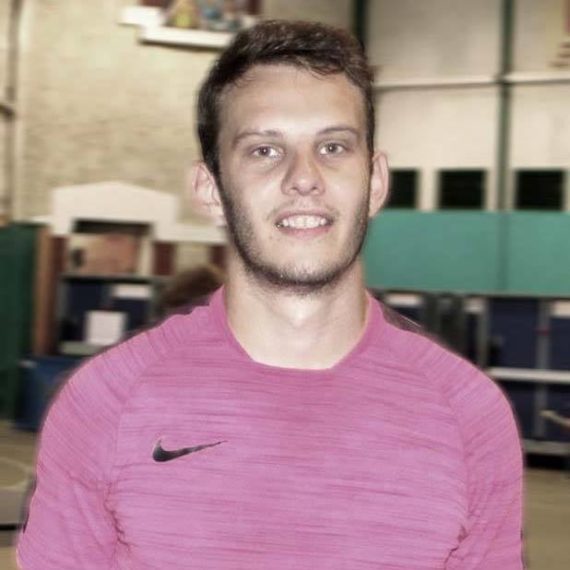
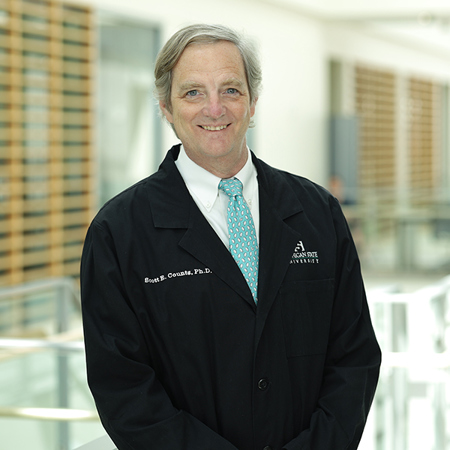
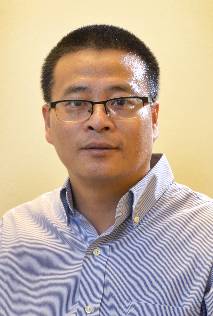
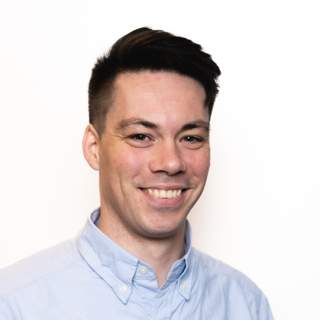
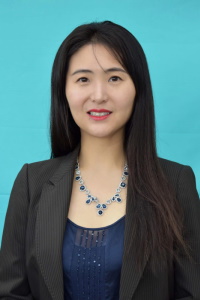
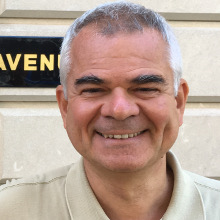
Mavro Lučić is a Researcher affiliated with the Laboratory for Inorganic Environmental Geochemistry and Chemodynamics of Nanoparticles at the Ruđer Bošković Institute . His work focuses on environmental geochemistry, trace element dynamics, and distinguishing anthropogenic from geogenic contamination sources in aquatic systems. Education: Master's degree from the University of Zagreb's Faculty of Science (2011). His research explores sediment pollution , trace metal(loid) distribution , and environmental isotopic signatures using chemometric methods and multiparametric approaches . Key areas include the Adriatic Sea , Sava River , and Croatian olive oil provenance . Recent publications highlight trends in multi-element contamination , rare earth element geochemistry , and microbial indicators of marine health . He applies statistical modeling and elemental partitioning studies to assess environmental risks. Mavro Lučić is a member of the Croatian Statistical Association and the Society for Environmental Geochemistry and Health , reflecting his methodological and applied focus.
Valerian Cece is Associate Professor of Physical Education and Associate Researcher at Claude Bernard Lyon 1 University, France. His research, conducted within the LVIS laboratory, focuses on longitudinal analyses of emotional and motivational dynamics among vulnerable populations in sport and education, particularly elite youth athletes and physical-education teachers. Education: 2017–2020: PhD in STAPS, Claude Bernard Lyon 1 University 2016–2017: Master 2 Movement Performance Health Innovation, Claude Bernard Lyon 1 University 2013–2017: Master’s degree, Ecole Normale Supérieure, Sports Sciences & PE Department 2015–2016: Master 2 ENS, External aggregation of EPS, ENS Rennes 2014–2015: Master 1 Movement Sport Health, Rennes 2 University 2013–2014: Sports Training Degree, Rennes 2 University 2010–2013: Degree in Education & Motor Skills, Claude Bernard Lyon 1 University Research Interests: Cece’s work sits at the crossroads of sport psychology , motivation science , and educational psychology . Using advanced quantitative methods—particularly hierarchical linear modelling—he investigates: Intra- and inter-individual variability of emotional and motivational processes over time; Determinants and consequences of burnout and engagement among PE teachers; Psychological factors underpinning performance and well-being in high-performance youth athletes training in intensive centres. His findings feed directly into the design of evidence-based intervention programmes aimed at sustaining both short-term performance and long-term health. Publications & Trends: Since 2018 Cece has published more than 20 peer-reviewed papers in leading journals such as European Journal of Sport Science , Psychology of Sport & Exercise , and Journal of Sport & Exercise Psychology , plus practitioner-oriented pieces in Ping Pong Mag . The 15 most recent articles (2018–2020) cluster around three dominant themes: (1) longitudinal modelling of motivation and emotion in elite youth sport; (2) validation of psychometric tools for assessing teacher identity and athlete burnout; and (3) applied guidance for table-tennis coaches on mental preparation and talent development. Scientific Awards & Distinctions: No specific prizes or fellowships are listed in the provided material. Teaching & Supervision: Cece currently teaches: Group Psychology and Motivation – 2nd year STAPS Developmental Psychology – 1st year STAPS Research Methodology – Master 1 MEEF Dissertation supervision – Master 2 MEEF He previously taught Table Tennis options at ENS Rennes and served on CAPEPS oral juries. Doctoral advisees are not explicitly named in the supplied text. Collaborations & Societal Impact: Cece collaborates with: PSY-DREPI Laboratory, Université Bourgogne Franche-Comté HEP Vaud Teacher Training College, Lausanne (Switzerland) SENS Laboratory, Université Grenoble Alpes His research informs French Table Tennis Federation coaching programmes and contributes to national strategies for safeguarding the mental health of high-performance youth athletes and PE teachers.
Dr. Scott Counts is an Associate Professor in the Cell & Molecular Biology Program at Michigan State University, with faculty appointments in both the Neuroscience Program and BioMolecular Science Gateway. His research focuses on understanding the molecular pathogenic mechanisms underlying selective neuronal vulnerability in Alzheimer's disease. Dr. Counts' research interests center on gene regulation within vulnerable neuronal populations including cholinergic basal forebrain, noradrenergic locus coeruleus, and glutamatergic medial temporal lobe circuits. He investigates differential gene regulation in familial versus sporadic Alzheimer's disease, mechanisms of neurogenetic protection during disease progression, and the discovery of potential cerebrospinal fluid biomarkers for Alzheimer's disease. His work combines functional genomic approaches with analysis of autopsied human tissue from subjects with normal cognitive impairment, mild cognitive impairment, or Alzheimer's disease, allowing correlation with clinical pathological variables. His recent publication record demonstrates consistent research productivity with numerous high-impact publications in Alzheimer's disease research. His work shows a clear progression from basic molecular mechanisms toward translational applications, with increasing focus on microRNA regulation, neurovascular connections, and potential therapeutic targets. The research spans multiple methodologies from molecular biology to clinical correlations, reflecting a comprehensive approach to understanding Alzheimer's disease pathogenesis. Dr. Counts incorporates both human tissue analysis and preclinical transgenic mouse and cell culture models to analyze molecular findings mechanistically. His research bridges insights into Alzheimer's molecular pathology with clinical disease knowledge and human neuropathology, aiming to advance translational research into disease-modifying therapeutics.
Eyal Seidemann is a Professor in the Department of Neuroscience at the University of Texas at Austin, affiliated with the College of Liberal Arts and the Center for Perceptual Systems. His research focuses on understanding how perceptual decisions and motor plans are represented in the primate cerebral cortex. He employs advanced imaging, genetic, and electrophysiological techniques in awake, behaving primates to study neural mechanisms of visual perception and decision-making. Seidemann earned his Ph.D. in Neuroscience from Stanford University. His work integrates experimental and computational approaches, including optogenetics, calcium imaging, and computational modeling. He is supported by grants from the NIH-NEI, BRAIN Initiative, and DARPA, and leads the Seidemann Lab, which develops cutting-edge neuroimaging tools like the Bio-FlatScopeNHP lensless microscope for non-invasive cortical monitoring in primates. Key research areas include neural population dynamics in V1, cortical topography, and the interplay between sensory inputs and behavioral outputs. His lab's innovations in microscopy and optogenetic stimulation enable real-time visualization and manipulation of neural activity during perceptual tasks. Recent findings highlight the role of fluctuating internal states and nonlinear dynamics in shaping sensory processing and decision-making. Seidemann’s contributions bridge experimental neurophysiology and theoretical neuroscience, with applications in understanding neural coding mechanisms and advancing brain-computer interfaces. His work has been published in high-impact journals and presented at international conferences in neuroscience and neuroengineering.
Lucas DRUMETZ is an Associate Professor at the Signal & Communications Department of IMT Atlantique, affiliated with the TOMS team at UMR CNRS 6285 Lab-STICC since 2017. His research focuses on satellite/airborne imagery, inverse problems in remote sensing, signal processing, optimization, and machine learning/AI. He holds a PhD in image/signal processing from Université Grenoble Alpes (2016), awarded the university's PhD honor in 2017. He also held visiting roles at UCLA (2017) and the University of Tokyo (2017). Education: PhD in Image and Signal Processing, Université Grenoble Alpes (2016) Research interests span environmental monitoring through satellite data analysis, geospatial modeling, and machine learning applications in ecological systems. He develops methods for biodiversity tracking, climate-related variables estimation, and spatio-temporal data interpolation. His recent work emphasizes frameworks for coral reef/seagrass ecosystems, super-resolution techniques for land surface temperature, and neural approaches to long-term time series forecasting. He contributes to projects like SCO-BioEOS for coastal biodiversity mapping. Awards: 2017 PhD Award, Université Grenoble Alpes Teaching involves courses on signal processing, machine learning, and mathematics at IMT Atlantique. Collaborates on interdisciplinary projects with marine science and climate research teams. Labs/Teams: Member of TOMS team (Lab-STICC) focusing on signal processing and statistical methods.
Dr. Wenxuan Guo is Associate Professor of Crop Ecophysiology & Precision Agriculture at Texas Tech University with a joint appointment at Texas AgriLife Research. He earned his bachelor's degree in Crop Science from Agricultural University of Hebei, a master's in Plant, Soil, and Environmental Science from West Texas A&M University, and a doctorate in Agronomy from Texas Tech University. His research integrates: UAV-based remote sensing for crop phenotyping Precision irrigation and nutrient management Climate-resilient cropping systems Machine learning applications in agriculture His 15 most recent publications demonstrate consistent focus on cotton production systems, UAV sensor technologies, and predictive modeling, with significant contributions to water-efficient agriculture and climate adaptation strategies. Major recognitions include: Multiple Monsanto Breeding Excellence Awards (2014-2016) Pioneering recognition for UAV phenotyping programs He leads the Guo Precision Ag Lab and teaches graduate courses in Precision Agriculture, Agricultural Remote Sensing, and Plant Growth Modeling.
Dr. Drew Fowler is an Adjunct Assistant Professor and Assistant Unit Leader in the USGS Louisiana Cooperative Fish and Wildlife Research Unit at Louisiana State University's College of Agriculture, Department of Renewable Natural Resources. His work bridges applied ecology and conservation, focusing on waterfowl and wetland systems. Education: Ph.D. in Natural Resources, University of Missouri (2018) M.S. in Renewable Natural Resources, Louisiana State University (2013) B.S. in Wildlife and Fisheries Sciences, Texas A&M University (2010) Research Interests: Drew’s research emphasizes the ecology and management of wetland-dependent birds, particularly waterfowl, and the conservation of wetland habitats. He investigates anthropogenic impacts, landscape composition, and management strategies using tools like satellite telemetry, stable isotope analysis, and spatial modeling. His lab adopts a process-based approach to understand biotic-abiotic interactions in wetlands and their effects on wildlife populations. Grants & Advising: While specific grant details are not provided, his work inherently relies on cooperative research funding (e.g., USGS partnerships). He mentors students in field and lab-based projects, though no advisee names are listed. Labs & Collaborations: His research lab collaborates with federal agencies like USGS and integrates interdisciplinary methods (e.g., biogeochemistry, spatial analysis) to address conservation challenges in wetland ecosystems.
Petruța C Caragea is a Professor and Associate Chair at Iowa State University. She holds a PhD (2003) and MS (2002) in Statistics from the University of North Carolina at Chapel Hill, and a BS (1997) in Mathematics from the University of Bucharest, Romania. Her research focuses on spatial statistics, Bayesian analysis, and statistical computing with applications in environmental science and ecology. She has contributed to innovative methods in spatial modeling for vegetation data, disease forecasting, and climate change studies. Her work emphasizes developing interpretable statistical models for lattice data and addressing challenges in parameter estimation and model validation. Though no specific advising or grant details are listed, her CV indicates involvement in academic leadership and collaborative research. No affiliated labs or teams are explicitly mentioned in the provided text.
Prof. Dr. Holger Brandt serves as Professor of Psychometrics at the Methods Center within the Department of Social Sciences, Faculty of Economics and Social Sciences, Eberhard Karls University of Tübingen since August 2021. Previously, he held Assistant Professor positions at the University of Zurich (2019-2021) and University of Kansas (2016-2019), following a postdoctoral fellowship at Tübingen's Hector Institute for Empirical Educational Research (2013-2016). His educational background includes a PhD (Promotion) from Goethe University Frankfurt's Institute of Psychology in 2013. Brandt's research pioneers advanced methodological frameworks at the intersection of psychometrics, statistics, and machine learning. He specializes in developing dynamic models for intensive longitudinal data, Bayesian estimation techniques, causal mediator analysis, and identification of inattentive response behaviors in surveys. His work rigorously addresses challenges in measurement invariance, structural equation modeling, and handling complex dependencies in social science data. Analysis of his recent publications reveals a dominant focus on Bayesian approaches for latent variable modeling, particularly spike-and-slab priors and latent class methods. His research consistently targets data quality issues in survey methodology while advancing causal inference techniques that relax traditional no-unmeasured-confounder assumptions. Applications span educational research, psychological assessment, and therapeutic alliance dynamics. As a core member of Tübingen's Methods Center, Brandt provides critical methodological infrastructure for social science research across the university, supporting researchers through statistical consulting and advanced methodology development.
Florian Schuberth is an Associate Professor at the Chair of Product–Market Relations within the Faculty of Engineering Technology at the University of Twente. His research focuses on composite-based structural equation modeling (SEM), particularly Partial Least Squares (PLS) methods, with applications across Information Systems, Social Sciences, and Computer Science. He actively contributes to quantitative research methodology and open science. Bachelor's and Master's in Business Administration and Economics, University of Würzburg PhD in Econometrics, summa cum laude, University of Würzburg (2017) His research interests center on advancing composite-based SEM, including model specification, fit assessment, higher-order constructs, and robust estimation techniques. He emphasizes methodological rigor and reproducibility in social science research. His recent work, reflected in publications and software development, demonstrates a strong trend toward improving the transparency, validity, and accessibility of composite modeling techniques, particularly through R-based tools. He has made significant contributions to model evaluation, measurement invariance, and endogeneity correction in PLS-SEM. Florian Schuberth is a passionate educator, coordinating and teaching courses on quantitative research methods. He is also deeply committed to open science, serving as coordinator of the Open Science Community Twente. Notable contributions include the development and maintenance of the cSEM R package, which enables researchers to perform composite-based SEM in R, promoting open, reproducible research practices. Maintainer of the R package cSEM Coordinator, Open Science Community Twente (since 2022) Active contributor to methodological software and open science infrastructure
Corinne Le Quéré is the Royal Society Research Professor of Climate Change Science at the School of Environmental Sciences, University of East Anglia (UEA). She is a member of the Centre for Ocean and Atmospheric Sciences, the Tyndall Centre for Climate Change Research, and leads the ClimateUEA research pillar 'The Critical Climate Change Decade'. She also holds an honorary position at École normale supérieure in Paris and has previously directed the Tyndall Centre (2011–2018). Le Quéré earned a B.Sc. in physics from the University of Montréal (1990), an M.S. in Atmospheric and Oceanic Sciences from McGill University (1992), and a Ph.D. in oceanography from Sorbonne University (1999). She conducted research at Princeton University and the Max-Planck Institute for Biogeochemistry before joining UEA and the British Antarctic Survey (2005–2010). Her research focuses on the interactions between climate change and the carbon cycle, particularly oceanic carbon uptake, marine ecosystem modeling, and socio-economic drivers of CO₂ emissions. She pioneered the annual Global Carbon Budget through the Global Carbon Project and contributed to multiple IPCC assessment reports. Her work also includes analyzing the impact of the COVID-19 pandemic on emissions and developing tools like ScienceBrief to synthesize climate science. Analysis of her recent publications reveals a strong focus on global carbon budgets, ocean carbon sink trends, and climate policy engagement. Her work integrates modeling, observational data, and policy relevance, emphasizing the dynamic interplay between natural systems and human activity in shaping climate change. Commander of the Most Excellent Order of the British Empire (CBE), 2019 Fellow of the Royal Society (FRS), 2016 Vladimir Ivanovich Vernadsky Medal (2025) Dr A.H. Heineken Prize for Environmental Sciences, 2020 Prince Albert I Medal, 2019 Clarivate Highly Cited Researcher (2018, 2019) Blaise Pascal Medal, European Academy of Sciences, 2015 Le Quéré has advised national and international climate policy through leadership roles. She was founding president of France’s High Council on Climate (2018–2024) and has been a member of the UK Committee on Climate Change since 2016. She founded ScienceBrief, a web platform to make peer-reviewed science accessible. Her research is supported by major grants from the Royal Society, NERC, Leverhulme Trust, and international collaborations. She leads or participates in several active research projects, including TIMBER, HICO, EXPLANATIONS, and CALIPSO, focusing on marine biogeochemistry, carbon storage, and climate tipping points. Her lab develops the PlankTOM model and contributes to global datasets like MAREDAT, advancing understanding of marine ecosystems and their role in the Earth system.
Berry Wen is an Assistant Professor at the University of Florida, specializing in Earth System Science and Sustainability. Her research integrates advanced machine learning (ML) with remote sensing technologies to improve precipitation estimation and monitor natural hazards. She holds a Ph.D. in Meteorology from the University of Oklahoma (2015), an M.S. in Geoinformatics (2012), and a B.S. in Ecology from East China Normal University (2006). Her research focuses on three core areas: validation of remote sensing products, synergy between ground radar and satellite data, and applications of remote sensing in natural hazard monitoring. She has led multiple funded projects, including NASA's Ground Validation for the Atmospheric Infrared Sounder (AIRS) and NOAA/NSSL studies on radar interference impacts. Her work emphasizes high-quality training datasets for ML in Earth sciences and addresses the 'black box' challenge through variable impact analysis. Recent studies include developing interpretable ML models for precipitation retrievals and advancing flood prediction through radar and satellite fusion. She actively collaborates with NASA JPL and the University of Oklahoma, contributing to initiatives like the RaXPol radar community instrument facility. Her research aims to bridge environmental science and societal resilience against extreme weather events. Current projects include flash drought monitoring, AI-driven tornado prediction, and equitable flood risk assessment for Native American communities. She is actively recruiting graduate students interested in Earth system science and ML applications.
Fausto Corradin is a Research Fellow at the Department of Economics, Ca' Foscari University of Venice, specializing in quantitative finance and econometrics. His work focuses on dimensionality reduction techniques in forecasting with large panels of economic data, risk analysis, and financial modeling. His research interests center on Econometrics , Quantitative Finance , and Risk Analysis , with particular expertise in truncated normal distributions, factor models, and utility theory. Corradin's work bridges theoretical financial mathematics with practical applications in economic forecasting and portfolio management. His recent publications reveal strong trends in economic instability analysis (particularly during the pandemic), robust forecasting models , and advanced risk measurement techniques . The research demonstrates sophisticated mathematical approaches to financial problems, with frequent collaborations with Domenico Sartore and other economists at Ca' Foscari. Corradin maintains active involvement with GRETA Associati, a Research Centre in Econometrics and Finance in Venice, where he develops mathematical models for investments and performance attributions.
Konrad Niziołek serves as an Assistant Professor within the Institute of Marketing and Sustainable Development, a unit under the Faculty of Organization and Management at Lodz University of Technology. His academic role falls under the research and teaching staff group. Based in Łódź, Poland, he maintains an office at al. Politechniki 8, building B9, room 21, and can be reached via email at konrad.niziolek@p.lodz.pl or by phone at (42) 631-37-54. Additionally, he holds several administrative functions including membership in the Faculty Electoral Commission, Committee on Good Academic Practices, and University Electoral Commission for the 2020-2024 term, along with serving as Access Officer for disability coordination and Social Labor Inspector at both institutional and faculty levels. Dr. Niziołek's research program centers on occupational health and safety (OHS) management, with particular expertise in OHS management systems, environmental management systems, and integrated management systems. He investigates critical areas such as work safety knowledge management, safety culture and climate, occupational safety strategy, and employee participation in safety initiatives. His work extends to the investigation of workplace accidents, professional compensation management, and the conformity assessment system for safe mechanical devices, addressing both theoretical and practical challenges in the field through empirical methodologies and sector-specific analyses. Analysis of his scholarly output from 2015 to 2023 reveals a sustained focus on employee participation in occupational health and safety across diverse economic sectors, with increasing attention to demographic variables and multivariate measurement approaches. His publications demonstrate strong empirical foundations through case studies and cross-sectoral comparisons, particularly examining risk perception dynamics, safety culture implementation barriers, and strategic alignment of management systems. This body of work consistently bridges academic theory with practical occupational safety applications across industrial, healthcare, and institutional contexts. Scientific awards: The provided information does not list any scientific awards, prizes, fellowships, or medals received by Dr. Niziołek. Regarding academic advising and research funding, the available profile contains no details about doctoral or master's students supervised by Dr. Niziołek, nor does it specify any grant-funded research projects. His institutional roles include significant service contributions through electoral commissions, academic ethics committees, and safety councils, but laboratory facilities or dedicated research teams are not mentioned in the current documentation.
Alan Heyvaert serves as an Associate Research Professor in the Graduate Program of Hydrologic Sciences within the College of Science at the University of Nevada, Reno, while holding a primary appointment as Senior Biogeochemist at the Desert Research Institute (DRI) in Reno. His work focuses on aquatic ecosystem research with emphasis on Lake Tahoe and western U.S. watersheds. His educational background includes a Ph.D. in Ecology from the University of California, Davis (1998) and a B.A. in Molecular, Cellular, Developmental Biology from the University of Colorado, Boulder (1982). Heyvaert's research centers on biogeochemical processes in aquatic systems, particularly nutrient cycling, paleolimnological reconstruction, and watershed management. He investigates historical ecosystem changes through sediment core analysis while developing practical solutions for stormwater management and water clarity preservation. His work integrates elemental and stable isotope analyses with radionuclide chemistry to address contemporary water quality challenges in sensitive lake ecosystems. Analysis of his recent publications reveals consistent focus on Lake Tahoe's water clarity mechanisms, with growing emphasis on climate change impacts, wildfire effects, and advanced stormwater treatment technologies. The research demonstrates strong interdisciplinary collaboration across hydrology, ecology, and environmental engineering domains. As an active member of the Lake Tahoe Interagency Monitoring Program and principal investigator for the Tahoe TMDL, Heyvaert coordinates multi-agency research efforts while directing field studies on nutrient and pollutant transport. His work bridges fundamental biogeochemical research with practical watershed management applications. Heyvaert contributes to the Tahoe Science Advisory Council and leads initiatives in real-time stormwater data management, nearshore monitoring frameworks, and climate vulnerability assessments for the Lake Tahoe Basin.