Alexis Battle is an Associate Professor at Johns Hopkins University with appointments in Biomedical Engineering , Computer Science , and Genetic Medicine (secondary). She directs the Malone Center for Engineering in Healthcare and serves as Deputy Director of the Data Science and AI Institute . Educated at Stanford University (PhD in Computer Science, 2013), Battle transitioned to academia after leadership roles at Google. Research Focus: Battle’s work bridges genomics and machine learning , emphasizing the impact of genetic variation on human health. Her lab develops tools like Watershed to predict functional effects of rare variants, aiming to enhance rare disease diagnosis. Key themes include non-coding DNA analysis , personalized genomics , and systems biology , with applications in cardiovascular disease and neurodegenerative disorders . Publications & Awards: Over 60 peer-reviewed articles in journals like Nature , Science , and Genome Biology , with recent emphasis on single-cell transcriptomics , multiomics integration , and telomere biology . Recipient of the President’s Frontier Award (2022), Microsoft Investigator Fellowship (2019), and Searle Scholar (2016). Scientific Awards: 2022 President’s Frontier Award 2019 Microsoft Investigator Fellowship 2019 Johns Hopkins Discovery Award 2017 Johns Hopkins Catalyst Award 2016 Searle Scholar Advising & Funding: Mentors 11 PhD students, 3 undergraduates, and postdoctoral fellows. Her research is funded by NIH, Searle Scholars, and institutional grants. The Battle Lab collaborates on projects like the GTEx Consortium , focusing on gene regulation and clinical genomics .
Hélène Morlon is a Professor at the Biology Department of École normale supérieure (ENS) - PSL Research University Paris. She leads the Biodiversity Modeling team within the Center for Computational Biology, focusing on integrating ecological and evolutionary processes to explain biodiversity patterns through mathematical and bioinformatics approaches. Specializes in molecular phylogenies, speciation, extinction, and dispersal mechanisms Collaborates with mathematicians, phylogeneticists, and field ecologists Her research reveals non-equilibrium dynamics in biodiversity, challenging classical models by demonstrating speciation rate declines and climate-driven phenotypic evolution. She has developed probabilistic models applied to amphibians, mammals, birds, plants, and microorganisms. Scientific Awards: ERC Consolidator Grant (2013) Chaire d'Excellence en biologie/santé (France Innovation Santé 2030) ERC Advanced Grant (2024) for project PlankDiv Her work bridges macroecology, macroevolution, and conservation biology, with notable contributions to understanding tropical biodiversity gradients and climate impacts on evolutionary rates.
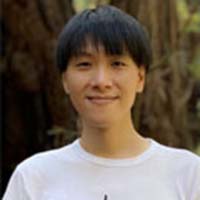
Min Chen is an Assistant Professor in the Department of Forest and Wildlife Ecology at the University of Wisconsin–Madison, affiliated with the Russell Labs. His research focuses on terrestrial ecosystem modeling, remote sensing applications, and human-Earth system interactions. He holds a PhD in Earth & Atmospheric Sciences from Purdue University, an MS in Remote Sensing and GIS from Beijing Normal University, and a BS in Computer Science from Beijing Normal University. His postdoctoral work included roles at the Carnegie Institution for Science and Harvard University. Research interests include forest carbon dynamics, methane emissions from wetlands, wildfire risk analysis, and the integration of remote sensing with Earth system models. His work emphasizes advancing methods for global-scale environmental monitoring using satellite and drone technologies. Notable contributions include studies on forest edge dynamics, vegetation-climate feedbacks, and the application of machine learning in ecological modeling. Recent publications highlight advancements in leaf trait prediction using transfer learning, global wetland methane flux modeling, and the impacts of climate change on land-use patterns. His lab develops innovative approaches to track terrestrial carbon cycles and assess human-driven environmental changes. Ongoing projects explore urban land expansion effects on carbon balances and phenological shifts under global change scenarios.
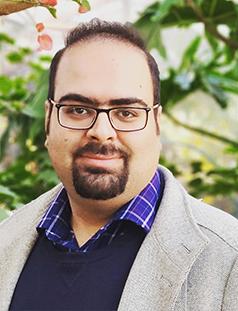
Dr. Mohsen Yoosefzadeh Najafabadi is an Assistant Professor in the Department of Plant Agriculture at the University of Guelph, Ontario Agricultural College. He holds a PhD in Plant Breeding from the University of Guelph (2022), following M.Sc. and B.Sc. degrees from the University of Tehran. His research focuses on dry bean breeding, computational biology, and integrating omics technologies to enhance crop resilience and productivity. Key areas include developing stress-tolerant dry bean varieties, leveraging remote sensing for trait prediction, and optimizing genomic selection methods. He leads the Dry Bean Breeding & Computational Biology Program and has contributed to over 30 peer-reviewed publications since 2017. Education : PhD, Plant Breeding, University of Guelph (2022) M.Sc., University of Tehran B.Sc., University of Tehran Research interests emphasize computational tools development (e.g., AllInOne preprocessing framework), omics-based selection strategies, and non-Mendelian heredity mechanisms. His lab combines machine learning with field phenotyping to address agricultural challenges such as disease resistance and climate adaptation. Collaborative projects include soybean cold stress analysis and cannabinoid profile prediction in cannabis. Publications span genomic approaches to crop improvement, remote sensing applications, and transcriptomic studies. He teaches courses in plant breeding methodologies and actively engages in technology transfer initiatives. Lab activities include developing high-yielding dry bean cultivars resistant to biotic/abiotic stresses and advancing data-driven pipelines for crop breeding. Future work aims to synergize AI with multi-omics data to enhance crop resilience in diverse environments.
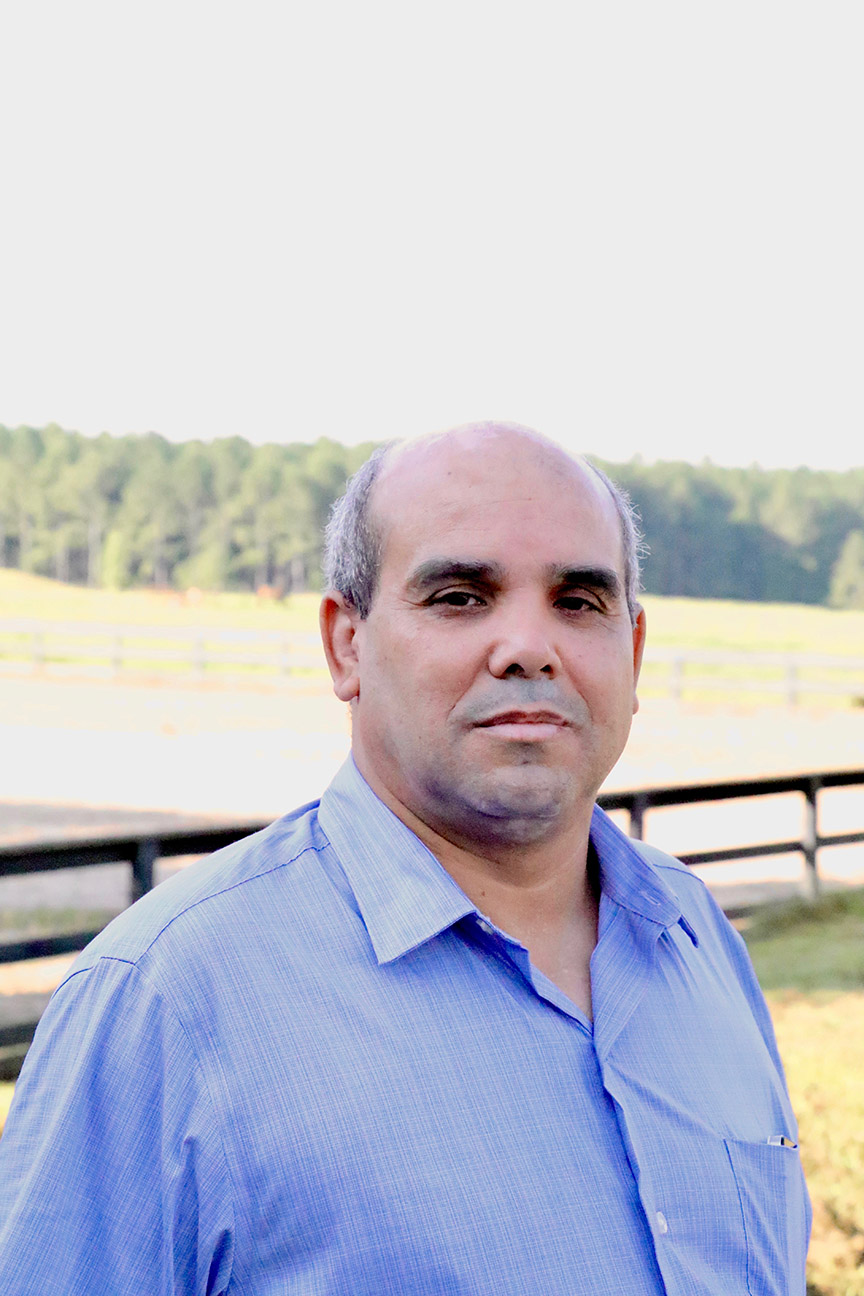
Romdhane Rekaya serves as a Professor in the Department of Animal and Dairy Science within the College of Agricultural & Environmental Sciences at the University of Georgia. He also holds courtesy faculty positions in the Department of Statistics and is an associate faculty member with the Institute of Bioinformatics at UGA. His research program focuses on developing statistical and computational tools for analyzing large genetic and genomic datasets with applications in livestock, poultry, and human health. Dr. Rekaya's educational background includes: Agriculture Engineer from the High Institute of Agriculture, Tunisia Master of Science from the International Center for Advanced Studies in Mediterranean Agriculture of Zaragoza, Spain Ph.D. from the Polytechnic University of Madrid, Spain Dr. Rekaya's research interests span quantitative genetics, genomics, biostatistics, and bioinformatics. His work centers on developing statistical and computational methodologies for analyzing big genetic and genomic data sets with practical applications in livestock, poultry, and human health. His research has been particularly focused on addressing critical challenges in animal agriculture including horn fly resistance in beef cattle, water utilization efficiency in poultry, and greenhouse gas emissions in dairy production. His methodological approaches often integrate machine learning, Bayesian statistics, and genomic technologies to solve complex biological problems. Dr. Rekaya's publication record demonstrates a consistent focus on statistical methodology development for genetic analysis, with recent work increasingly emphasizing practical applications of genomic technologies in animal agriculture. His research spans both theoretical statistical development and practical implementation in livestock improvement programs, with particular emphasis on innovative approaches to traditional breeding challenges. Among his professional recognitions: Student Career Success Influencer Award 2024 Mini-Sabbatical Award Student Career Success Influencer Award 2022 Carnegie fellowship Carnegie African Diaspora Fellow Faculty with significant positive impact of at least one graduate student Gamma Sigma Delta outstanding Research Achievements Award Dr. Rekaya has successfully mentored numerous graduate students including PhD candidates Amanda Warner, Mahsa Zare, Koushik Das, and Evan Hartono, along with undergraduate researchers. His research has been consistently supported by major funding agencies including USDA NIFA, USDA ARS, Georgia Agricultural Commodity Commission for Beef, National Academy of Sciences, and industry partners including Tyson Foods and Cobb-Vantress. Current projects include developing genetic solutions to the horn fly problem in beef cattle, improving water utilization efficiency in poultry, and examining associations between greenhouse gas emissions and feed efficiency in dairy cattle. Dr. Rekaya leads an active research laboratory that collaborates with multiple departments and institutions. His lab focuses on applying advanced statistical and computational methods to solve pressing problems in animal agriculture, with particular emphasis on integrating genomic information into practical breeding programs. The lab maintains strong industry connections and international collaborations, particularly with researchers in Africa through the African Animal Breeding Network.
Dorret I. Boomsma is a Full Professor of Biological Psychology at the Free University of Amsterdam and the Free University Medical Centre, Amsterdam, where she has served as Head of Department since 1998. She has built a substantial research group of over 40 people, largely funded through competitive grants and awards received over the past two decades. Her educational background includes a BA in Psychology (cum laude, 1979), MA in Psychophysiology (cum laude, 1983), and a PhD in Quantitative Genetics (cum laude, 1992), all from the Free University of Amsterdam. She also earned an MA in Biological Psychology and Behavior Genetics from the University of Colorado. Professor Boomsma's research focuses on the genetic and biological basis of individual differences in normal and abnormal behavior, health, and cognition. Her work explores etiological pathways to complex behavioral and neuropsychiatric traits and common diseases, with particular emphasis on twin studies and large-scale longitudinal genetic-epidemiological research through the Netherlands Twin Register (NTR). She has made significant contributions to understanding the genetics of twinning and has conducted extensive genetic linkage, association, and expression studies through the NTR Biobank project. Her publication record reflects a strong focus on genetic epidemiology, with numerous high-impact papers in prestigious journals. Her work spans diverse areas including ADHD, migraine genetics, brain development, smoking behavior, and the genetic architecture of complex traits. She has published over 730 papers with more than 19,000 citations, demonstrating the significant impact of her research in the field of behavioral genetics. Her scientific achievements have been recognized with numerous prestigious awards: Spinoza Premium (2002) - the highest scientific award in the Netherlands ERC Advanced Grant (2008) Hendrik Muller Award (2009) from the Royal Netherlands Academy of Arts and Sciences KNAW Merian Prize (2011) NARSAD established investigator award (2011) James Shield Award (2002) from the International Society for the Study of Twins Membership in the Royal Netherlands Academy of Sciences (KNAW) (2001) Professor Boomsma has demonstrated exceptional ability in securing research funding, which has allowed her to grow her research team from 12 members in 1998 to over 40 members by 2009. Her group attracts outstanding PhD students, postdoctoral researchers, and professional colleagues. She is also committed to public outreach, ensuring that the results of her scientific work reach beyond academic circles. She directs the Netherlands Twin Register Biobank, a significant resource for genetic epidemiological studies that has enabled numerous genome-wide association studies and other genetic research. Her work with the NTR has established it as one of the world's leading twin registries.
Sally Paganin is an Assistant Professor of Statistics at The Ohio State University, affiliated with the Department of Statistics within the College of Arts and Sciences. She joined the faculty in 2023 and holds a PhD from the University of Padova (2019). Her research focuses on Bayesian statistics, computational methods, and latent variable modeling, with recent emphasis on genomic data analysis for cancer detection and software development for hierarchical models. Her expertise spans Bayesian nonparametrics, statistical computing, and domain knowledge integration in modeling frameworks. She actively contributes to the NIMBLE project, an R-based platform for hierarchical modeling, and has developed open-source tools like the compareMCMCs package for MCMC efficiency analysis. Dr. Paganin serves as an Associate Editor for the software section of The New England Journal of Statistics in Data Science and previously served as Treasurer of j-ISBA (2021–2022). Her work bridges theoretical advancements with practical applications in healthcare and computational statistics. Key research themes include Bayesian model assessment, latent variable models, and statistical methods for complex data structures. Her publications reflect contributions to MCMC algorithms, semiparametric IRT models, and prior-driven clustering techniques.
Fabien Duveau is a CNRS Researcher at the Laboratory of Biology and Modelling of the Cell (LBMC) at École Normale Supérieure de Lyon. He leads the eGRIDE project, funded by an ERC Consolidator Grant, investigating evolutionary mechanisms of gene regulation in dynamic environments. His work focuses on understanding how gene expression plasticity and mutational effects shape organismal adaptation. Duveau holds a PhD from Université Paris 7/CNRS (2011), followed by postdoctoral research at the University of Michigan and Université Paris 7. He joined LBMC in 2019 as part of Gaël Yvert’s team, supported by an ANR Young Researchers grant. His research integrates experimental and computational approaches, including high-throughput RNA sequencing and genetic mapping in yeast ( Saccharomyces cerevisiae ), to study how regulatory evolution balances mutational randomness and environmental selection pressures. Key areas include gene expression noise, cis/trans regulatory variation, and fitness outcomes under environmental stress. Recognitions include the prestigious ERC Consolidator Grant (2024), awarded for innovative projects advancing fundamental biological understanding. Duveau collaborates across disciplines, combining evolutionary genetics with systems biology to predict regulatory evolution in natural and pathological contexts.
Andrea Perna is an Assistant Professor at the IMT School for Advanced Studies in Lucca, Italy, with a background in theoretical biology and biophysics. Previously, he held a Senior Lecturer position at the University of Roehampton, UK, and conducted research across Europe and Australia. His work focuses on collective animal behavior, pattern formation in biological systems, and ecology, combining experimental, computational, and mathematical approaches. Education: Degree in Biological Sciences from Scuola Normale Superiore and University of Pisa (Italy), followed by a PhD in Psychophysics (neurobiology) from Scuola Normale Superiore, Pisa. Research Interests: Collective behavior in fish schooling, termite nest architecture, biophysical principles of animal group cohesion, and the interplay between individual behavior and ecosystem properties. Notable projects include modeling trail networks in ants and exploring how environmental factors influence nest construction in termites. Labs/Teams: Leads the Networks Unit at IMT School, collaborating with institutions like the Hawk Conservancy Trust and international researchers in ecology, mathematics, and physics. Active in mentoring PhD and post-doctoral researchers in complex systems and ecological modeling. Grants/Funding: Secured funding for post-doctoral positions studying termite nest evo-devo and collaborative projects on raptor flight mechanics.
Ayesha Ali is a Professor of Statistics and Director of the Master of Data Science program at the University of Guelph. She holds a PhD in Statistics from the University of Washington (2002) and has expertise in statistical methods for complex high-dimensional systems, including ecological networks, causal inference, and bioinformatics. Her research integrates graphical Markov models, machine learning, and statistical computing to address challenges in plant-pollinator networks, livestock genetics, and disease risk modeling. Education: B.Sc. Honours in Statistics and Actuarial Science, University of Western Ontario (1996) M.Sc. in Statistics, University of Toronto (1998) Ph.D. in Statistics, University of Washington (2002) Research Interests: Graphical Markov models and ecological networks Causal inference and longitudinal data analysis Machine learning and high-dimensional predictive modeling Statistical methods for livestock genetics and animal health Computational statistics and bioinformatics Articles Trends: Her recent work spans interdisciplinary applications, including veterinary oncology biomarker discovery, remote sensing for agricultural suitability, and pipeline development for cross-species transcriptomics. She emphasizes graphical structure exploitation in regression and predictive modeling, with contributions to both theoretical and applied statistical methodologies. Awards: Canadian Journal of Statistics Award (2020) for groundbreaking work on doubly sparse regression NSERC Discovery Grant (2018) NSERC Collaborative Research and Development Grant (2015) Advising & Grants: She has supervised numerous graduate and undergraduate students on projects ranging from plant-pollinator network analysis to bioinformatics. Her grants include NSERC-funded research on milk fatty acid genetics and statistical methods for clustered data. Labs/Teams: Involved in the Bioinformatics program at the University of Guelph, contributing to interdisciplinary research collaborations in ecology and animal science.
Professor James Cook is a Theme Leader for Plants, Animals and Interactions at the Hawkesbury Institute for the Environment (HIE) at Western Sydney University. He holds the academic rank of Professor and leads research focused on ecology, evolution, and symbiosis, with particular emphasis on pollination systems and insect ecology. Professor Cook received his BA in Zoology from Oxford University and his PhD in Evolutionary Biology from Imperial College London. His previous academic appointments include positions at La Trobe University, Imperial College London, and the University of Reading. Professor Cook's research interests lie at the intersection of ecology, evolution, and symbiosis , with particular emphasis on pollination systems and insect-microbe interactions . His work spans multiple scales from molecular to ecosystem levels, investigating how species interactions shape biological communities. He is particularly renowned for his expertise in fig-pollinator mutualisms and stingless bee biology . His research integrates field studies, laboratory experiments, and molecular approaches to address fundamental questions in evolutionary ecology while also addressing applied challenges in agricultural pollination and conservation biology . Analysis of Professor Cook's recent publications reveals a strong focus on pollination ecology and insect-microbe symbioses . His work spans both fundamental research on evolutionary processes and applied studies addressing agricultural challenges. A significant portion of his recent work examines stingless bees as potential managed pollinators for Australian horticulture, alongside investigations into alternative pollinators beyond honey bees. His research increasingly incorporates molecular methods to understand microbial communities and their impacts on host biology. There's also a growing emphasis on climate change impacts on pollination systems and the development of resilient pollination strategies for future agricultural systems. Natural Environment Research Council (NERC, UK) College Member (2007-2010) Royal Entomological Society Symbiosis Special Interest Group Convenor (2005-2012) Editorial Board Member, Journal of Evolutionary Biology (2005-2008) NERC Advanced Research Fellow (1998-2003) SERC Research Fellow (1993-1995) Royal 1851 Commission Research Fellow (1991-1993) Australian Entomological Society Conservation Committee Member (2017-present) Invited collaboration with Professor Wan-Jin Liao's group at Beijing Normal University Professor Cook currently leads multiple significant research projects focused on pollination services for Australian horticulture. His grant portfolio includes projects on stingless bee husbandry , alternative pollinators including flies, and pollinator health . He collaborates extensively with researchers across Australia and internationally, with projects spanning from basic research on fig-wasp mutualisms to applied studies on crop pollination. Professor Cook has authored over 70 research articles and six book chapters, demonstrating sustained research productivity throughout his career. Professor Cook's research involves extensive field, laboratory, and glasshouse work, with a strong emphasis on molecular methods. His work connects with collaborators across Australia, India, China, France, the UK, and the USA, creating a robust international research network focused on pollination ecology and insect symbioses. His leadership in the Plants, Animals and Interactions research theme at HIE provides a framework for integrating fundamental ecological research with practical applications for sustainable agriculture and conservation.
Auguste Genovesio is a Research Director (DR INSERM) leading the Computational Bioimaging and Bioinformatics team at the Centre for Computational Biology within the École Normale Supérieure (ENS) in Paris. His work focuses on large-scale cellular morphology analysis, integrating machine learning, microscopy, and computational modeling to study cellular responses to perturbations. His team develops algorithms for analyzing high-dimensional biological data, with applications in drug discovery, functional genomics, and neuroscience. Education and Affiliations: Genovesio’s research is anchored at ENS and collaborates with institutions like Institut Curie, Collège de France, and ESPCI. His lab develops open-source tools such as PySpacell and ALFA , advancing spatial analysis and genomic data processing. Research Interests: His group combines deep learning, bioinformatics, and experimental biology to tackle challenges in cellular dynamics, morphological heterogeneity, and predictive modeling. Recent work includes applying diffusion models to reveal subtle phenotypes and optimizing microscopy image analysis pipelines. Key Projects: Cross-modal knowledge distillation for transcriptomics, latent diffusion models for small datasets, and super-resolution microscopy via StyleGAN regularization. Applications: Collaborations in drug screening, neurobiology (e.g., Drosophila memory studies), and cancer cell analysis. Publications: Over 50 peer-reviewed articles since 2007, including work in Nature Communications , Developmental Cell , and NeurIPS . Recent focus on generative AI for biological image analysis and self-supervised learning biases. Grants & Awards: While specific grants aren’t listed, his lab’s cutting-edge research suggests significant institutional and collaborative support. No explicit awards mentioned in texts. Labs/Teams: Director of the Computational Bioimaging group, part of the Functional Genomics section at ENS. Supervises PhD students and postdocs in AI-driven biology and computational microscopy.
Véronique RIVAIN is a Research Professor at the University of Nantes, affiliated with the Faculty of Pharmacy and the EA 4275 'Biostatistics, Pharmacoepidemiology and Subjective Measurements in Health' research team. She holds a joint university-hospital role as a Professor-Hospital Practitioner at Nantes University Hospital, where she leads the Biometrics Platform. Accreditation to Supervise Research (2006, University of Rennes 1) Doctorate in Biomathematics (1996, Pierre and Marie Curie University, Paris 6) Her research focuses on biostatistical modeling, psychometrics, and longitudinal analysis of subjective health measures such as quality of life and stress. She specializes in Rasch models, missing data mechanisms, and patient-reported outcome (PRO) analysis. Her recent publications highlight methodological advancements in clinical research design and power analysis. She oversees the 'Biostatistics' course for Master 1 Biology-Health students and directs the 'Modeling in Clinical Pharmacology and Epidemiology' inter-regional Master 2 program. Her leadership roles include Vice-Dean for Research at the Faculty of Pharmacy and membership in the National Council of Universities (sections 80 and 85). She supervises 12 PhD and 13 Master 2 students while managing a university hospital biometrics platform for clinical research promotion. Her work extends to organizing international conferences like the ISOQOL symposium on response shift detection in quality of life studies.
Richard Ebstein is Professor in the Psychology Department at the National University of Singapore and Professor Emeritus in the Psychology Department at the Hebrew University. In Singapore, Ebstein along with Chew Soo Hong, heads a research group of economists, psychologists, neuroscientists and molecular geneticists investigating core issues in the nascent field of neuroeconomics. His work has established him as a pioneer in applying neurogenetic strategies toward understanding individual and social decision making. Dr. Ebstein's educational background includes: B.S. from Union College M.S. from Yale University Ph.D. from Yale University His research revolves around human behavior genetics, with the overarching goal of providing molecular insights into the role of genes as partial contributors to all facets of human behavior. His highly interdisciplinary work combines personality, social, cognitive, and neuropsychology with molecular genetic techniques. Major research areas include neuroeconomics, the genetics of social behavior and normal personality, autism spectrum disorders, ADHD, eating disorders, and substance abuse. Analysis of his publication record reveals a clear trajectory from foundational work on neurotransmitter systems to increasingly sophisticated investigations of gene-environment interactions. His most recent research focuses on oxytocin and vasopressin systems in social behavior, stress response, and neurodevelopmental disorders, frequently employing imaging genetics approaches to connect genetic variations with brain structure and behavioral outcomes. This work demonstrates remarkable consistency in examining how biological factors shape social cognition and decision-making processes. Dr. Ebstein has published over 260 peer-reviewed articles, making substantial contributions to the molecular genetics of human personality. His research group at NUS investigates core issues in neuroeconomics, bringing together diverse disciplinary perspectives to understand the biological basis of economic decision-making. His work has significant implications for both theoretical understanding of human behavior and potential clinical applications for disorders involving social cognition deficits.
Hiroko H. Dodge is a Full Professor of Neurology at Harvard Medical School and serves as Director of Research Analytics at the Interdisciplinary Brain Center, Massachusetts General Hospital (MGH) in Boston, Massachusetts, USA. Her work bridges clinical neurology, data science, and epidemiology with a focus on dementia research. Dr. Dodge's research spans multiple critical areas in aging and cognitive decline, with particular emphasis on clinical trials (both behavioral and pharmacological) in dementia research. Her expertise includes the epidemiology of dementia, application of demographic methods to clinical fields, and advanced data science approaches to understanding cognitive aging. She has made significant contributions to understanding the relationship between social isolation and cognitive decline, as demonstrated through her leadership of the Internet-Based Conversational Engagement Clinical Trial (I-CONECT). Her work explores how social engagement, environmental factors, and nutritional status impact cognitive trajectories in older adults. Dr. Dodge has pioneered research on digital biomarkers for early detection of cognitive impairment, utilizing computerized cognitive testing, speech analysis, and facial expression recognition through projects like the ARMADA study. She has also investigated the role of environmental exposures such as air quality and lead in dementia risk. Editorial Board Member for The Journals of Gerontology Series B Editorial Board Member for Alzheimer's & Dementia Associate Editor for Alzheimer's & Dementia: Translational Research & Clinical Interventions Her research has been widely recognized, with 445 publications that have garnered over 15,000 citations. Dr. Dodge leads innovative clinical trials and methodology development for dementia research, including decentralized trial approaches and synthetic control methods that address challenges in contemporary Alzheimer's disease therapeutic development. She leads "Hiroko Hayama Dodge's Lab" which focuses on innovative approaches to dementia research, particularly through the integration of technology and clinical assessment. Her I-CONECT project, which investigates the impact of frequent social interactions via webcam/internet on cognitive function in socially isolated older adults, represents a novel approach to dementia prevention. Dr. Dodge collaborates extensively with researchers across multiple institutions, with notable partnerships at Oregon Health & Science University and other leading research centers.