معرفی
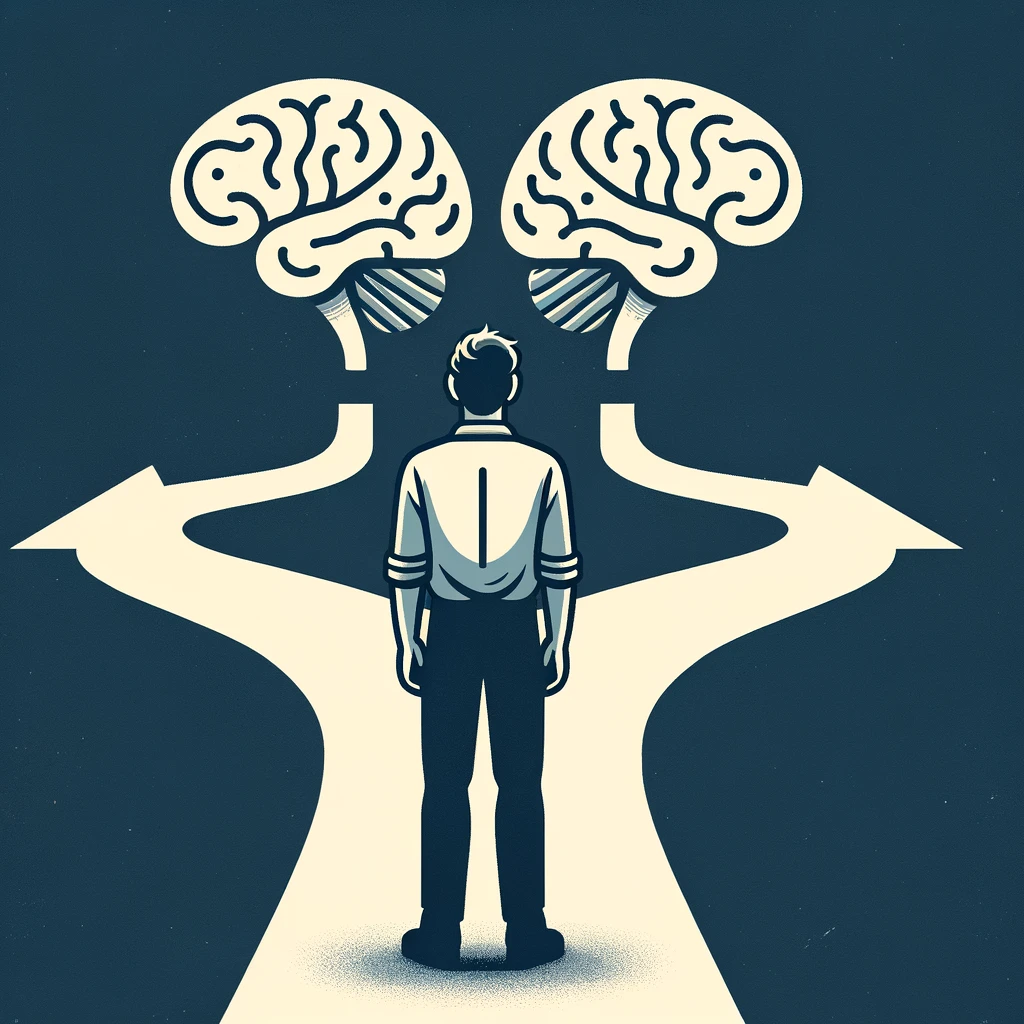
Richard Ebstein is Professor in the Psychology Department at the National University of Singapore and Professor Emeritus in the Psychology Department at the Hebrew University. In Singapore, Ebstein along with Chew Soo Hong, heads a research group of economists, psychologists, neuroscientists and molecular geneticists investigating core issues in the nascent field of neuroeconomics. His work has established him as a pioneer in applying neurogenetic strategies toward understanding individual and social decision making.
Dr. Ebstein's educational background includes:
- B.S. from Union College
- M.S. from Yale University
- Ph.D. from Yale University
His research revolves around human behavior genetics, with the overarching goal of providing molecular insights into the role of genes as partial contributors to all facets of human behavior. His highly interdisciplinary work combines personality, social, cognitive, and neuropsychology with molecular genetic techniques. Major research areas include neuroeconomics, the genetics of social behavior and normal personality, autism spectrum disorders, ADHD, eating disorders, and substance abuse.
Analysis of his publication record reveals a clear trajectory from foundational work on neurotransmitter systems to increasingly sophisticated investigations of gene-environment interactions. His most recent research focuses on oxytocin and vasopressin systems in social behavior, stress response, and neurodevelopmental disorders, frequently employing imaging genetics approaches to connect genetic variations with brain structure and behavioral outcomes. This work demonstrates remarkable consistency in examining how biological factors shape social cognition and decision-making processes.
Dr. Ebstein has published over 260 peer-reviewed articles, making substantial contributions to the molecular genetics of human personality. His research group at NUS investigates core issues in neuroeconomics, bringing together diverse disciplinary perspectives to understand the biological basis of economic decision-making. His work has significant implications for both theoretical understanding of human behavior and potential clinical applications for disorders involving social cognition deficits.