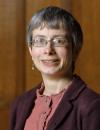
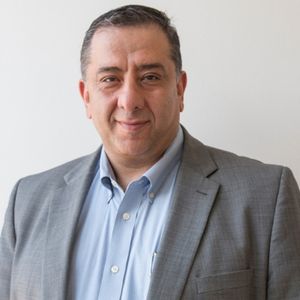
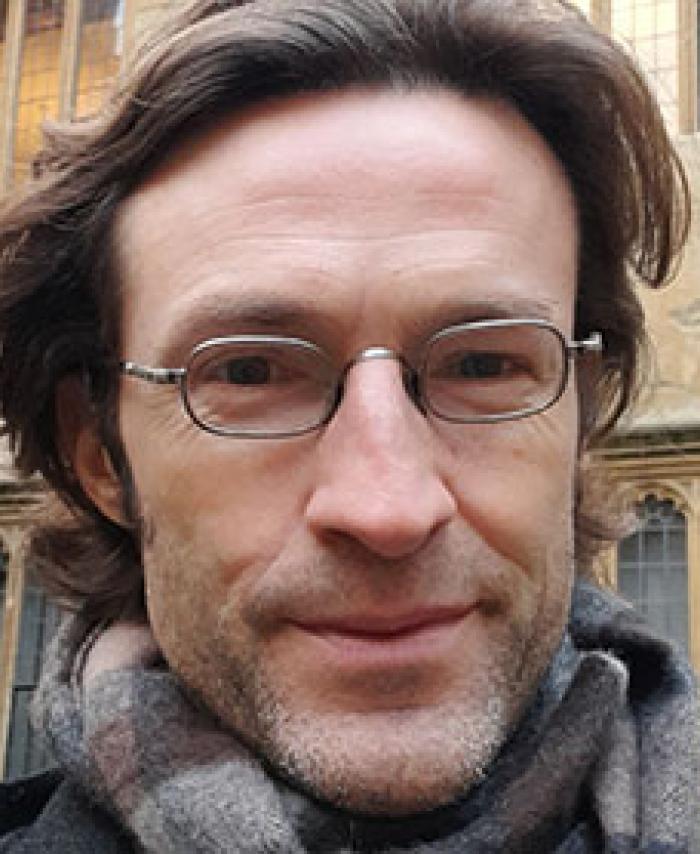
Professor Rachel Muers is the Chair of Divinity at the University of Edinburgh’s School of Divinity, a historic position she became the first woman to hold. Her work bridges disciplinary, confessional, and institutional boundaries, focusing on 20th-century Christian theology and contemporary theological responses to urgent societal questions. She holds a PhD from the University of Cambridge (2002), where she also served as Margaret Smith Research Fellow. Previously, she held academic roles at the University of Exeter and the University of Leeds, achieving a personal chair in 2018. Her research explores intersections between theology, ethics, and social practice, with notable focus on Quaker theology, environmental stewardship, and ecumenical dialogue. She serves on the World Council of Churches Faith and Order Commission and is affiliated with organizations like the Society for the Study of Christian Ethics. Her teaching emphasizes practical theology and ethical discernment. Key themes in her scholarship include liturgical practices, pacifism, and the relevance of theology to modern challenges. She advocates for interdisciplinary approaches, integrating anthropology and the social sciences into theological inquiry. Her publications reflect a commitment to actionable theology, addressing issues from climate change to interfaith relations.
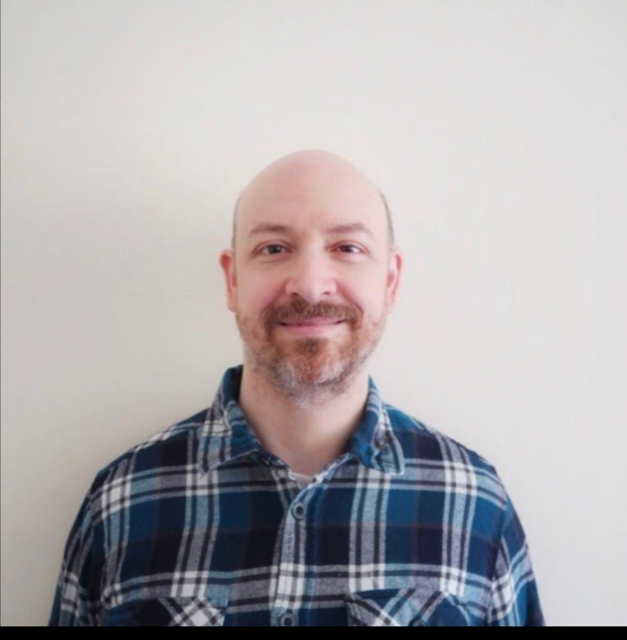
Mark Lance is a Professor in the Philosophy Department at Georgetown University and co-founded the Program on Justice and Peace , where he also holds a professorial appointment. His academic career includes a three-year post-doctoral fellowship at Syracuse University after earning his Ph.D. at the University of Pittsburgh and a B.A. from the Ohio State University . Education Ph.D., University of Pittsburgh B.A., Ohio State University Lance's research spans Philosophy of Language , Epistemology , and Metaphysics , with a focus on Normative Pragmatics , Anarchist Theory , and Social Justice Activism . He collaborates with Rebecca Kukla on projects examining intersubjective norms, such as in his work ‘Yo!’ and ‘Lo!’: The Pragmatic Topography of the Space of Reasons (Harvard University Press, 2009), and engages with Wilfrid Sellars ' legacy in works like Placing in a Space of Norms (2008). His recent Google Scholar publications (2024–2020) highlight intersections of Gender Ethics , Mutual Aid , and Pragmatic Normativity . For instance, Telling Gender (2023) bridges linguistic pragmatics and ethical ascription, while Anarchist Responses to a Pandemic (2020) analyzes collective action during crises. The Truth Telling Project further reflects his commitment to anti-racist organizing and education. notable works include: Leave the Gun, Take the Cannoli (2013) on second-person normative calls. The Grammar of Meaning (2002), a foundational text on linguistic normativity. Defending Moral Particularism (2006), challenging theoretical ethical frameworks.
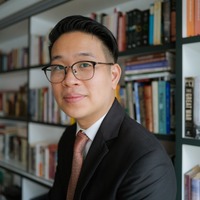
Dr. Hongxuan Lin serves as an Assistant Professor in the Department of Southeast Asian Studies at the National University of Singapore (NUS), Faculty of Arts and Social Sciences. His academic work centers on the complex relationship between Islam and Marxism in Indonesia, with broader interests in progressive Islamic discourses across the Muslim world. As a faculty member at one of Asia's premier research universities, Dr. Lin contributes significantly to Southeast Asian studies through his research, teaching, and publications. Dr. Lin earned his Doctor of Philosophy in History from the University of Washington, Seattle, between 2015 and 2020. His doctoral research focused on Indonesian intellectual history, examining how Muslim identity and Marxist analytical frameworks coexisted in the minds of Indonesian nationalists during the anti-colonial struggle and early republic period. His supervisors were Laurie J. Sears, Christoph Giebel, and Vicente L. Rafael, all prominent scholars in Southeast Asian studies. Dr. Lin's research primarily investigates the intersection of Islam and Marxism in Indonesia from 1915 to 1965, exploring conciliatory discourses where Marxist ideas were theorized as compatible with Islam within frameworks of anti-colonial resistance. He examines how Indonesian intellectuals adapted global political currents to local contexts, challenging state-driven narratives that position Islam and Marxism as mutually exclusive. His work also considers women's contributions to these discourses and is expanding to study the circulation of progressive Islamic ideas across the Indian Ocean region connecting Egypt, Arabia, Iran, South Asia, and the Malay Archipelago. His research reveals how progressive Islamic thinkers addressed socio-economic inequity, women's rights, intercommunal tolerance, and religious governance. Dr. Lin's publications demonstrate a consistent focus on Southeast Asian political history, particularly Indonesia's intellectual landscape during the colonial and post-colonial periods. His scholarship reveals patterns of creative adaptation where Indonesian thinkers engaged with global political currents while transforming them for local contexts. A notable trend across his work is the examination of transnational intellectual networks that connected Southeast Asia with broader global movements, showing how ideas traveled and were transformed across borders. His research challenges simplistic narratives about religious and political identity, revealing instead complex intellectual traditions that defy easy categorization. Dr. Lin is multilingual with proficiency in Indonesian (reading, writing, speaking, and understanding), Chinese (Mandarin) (reading, writing, speaking, and understanding), Dutch (reading), and French (reading). This linguistic capability supports his research across multiple archives and sources in different languages, enhancing the depth and authenticity of his historical analysis. His work bridges multiple disciplinary approaches including history, political science, religious studies, and post-colonial theory.
Dr. Josip Bošnjaković is an Associate Professor at both the Catholic Faculty of Theology in Đakovo (part of Josip Juraj Strossmayer University in Osijek) and the Croatian Catholic University in Zagreb. Ordained as a priest of the Đakovo-Osijek Archdiocese in 2003, he holds a doctorate in educational psychology from the Pontifical Salesian University in Rome (2012) and is a certified psychotherapist specializing in transactional analysis. He serves as the head of the Counseling Center in the Đakovo-Osijek Archdiocese and as president of the Croatian Society of Marriage and Family Counselors since 2019. His research interests bridge psychology and theology, with particular focus on empathy, compassion, trauma recovery, family dynamics, and spiritual resilience. Bošnjaković has developed an interdisciplinary approach that integrates psychological science with theological insights, particularly emphasizing how compassion functions as both a psychological mechanism and theological virtue. His work explores how spiritual resources contribute to psychological resilience, especially in crisis situations including war trauma, pandemic experiences, and family breakdown. Bošnjaković's recent publications (2024-2025) demonstrate a consistent focus on practical applications of psychological theory within pastoral contexts. His research shows how concepts from transactional analysis can enhance pastoral care, with particular attention to communication skills, conflict resolution, and emotional intelligence in religious settings. He has made significant contributions to understanding how spiritual practices support mental health and how religious communities can better address psychological needs. As an active member of professional organizations including ITAA (International Transactional Analysis Association), EATA (European Association of Transactional Analysis), and IAPR (International Association for the Psychology of Religion), Bošnjaković bridges academic research with practical counseling applications. He regularly contributes to professional development through workshops, conferences, and media appearances where he discusses psychological and spiritual aspects of contemporary challenges. His academic leadership includes directing the specialist study program in Propaedeutics of Psychotherapy and Theotherapy at the Catholic Faculty of Theology in Đakovo since 2023. Bošnjaković also serves on various academic committees including the Award Committee and Supervisory Board at his institution, and previously served on the Ethics Committee at the Croatian Catholic University (2013-2017).
Gaston Bacquet is a Lecturer in Education Studies at the University of Glasgow's School of Education, specializing in Culture, Literacies, Inclusion & Pedagogy. A Chilean teacher trainer and educator based in Scotland, he also holds qualifications as a meditation and yoga instructor. With extensive international teaching experience across K-12 and higher education systems in Chile, Japan, Saudi Arabia, Myanmar, the US, and UK, his work bridges practical pedagogy and theoretical innovation. His educational background includes a DipTESOL from Trinity College London, an MA in TESOL from the Institute of Education (UCL), and a PhD in Education from the University of Glasgow. Bacquet currently teaches in the MSc/MEd Education Studies program and leads the undergraduate Asian Religions course, while supervising dissertation students across the School of Education. Research interests center on nonviolence as transformative educational practice, with emphases on decolonial approaches, contemplative pedagogy, and inclusion of minoritized groups. His work integrates Buddhist philosophy, indigenous wisdom traditions, and international perspectives to challenge Western epistemological dominance. Key methodological commitments include participatory action research and qualitative approaches that prioritize community voices. Recent publications reveal evolving trajectories from language education toward decolonial nonviolence frameworks, with increasing focus on Global South contexts, indigenous knowledge systems, and teacher preparation. His 2024-2025 work shows intensified engagement with Buddhist-Christian dialogue, indigenous contributions to peace education, and practical applications of nonviolence in classroom power structures. As a supervisor, Bacquet mentors Master's students in inclusion, nonviolence, and educational ethics, welcoming PhD proposals aligned with his research interests. His professional activities span editorial roles with Cogent Arts and Humanities and SAGE Open , alongside active participation in international scholarly networks including the Comparative and International Educational Society and the European Network for Buddhist-Christian Studies. Professional affiliations reflect his interdisciplinary reach: British Educational Research Association (2021-present), American Educational Research Association (2022-present), International Society for Contemplative Research (2023-present), and the International Society for the Scholarship of Teaching and Learning (2025-present). His conference presentations consistently address nonviolence pedagogy, decolonial curriculum development, and participatory research ethics across global contexts from Chile to New Zealand.
Ruth Kelly is a Lecturer in the Department of Politics at the University of York, within the School of Social and Political Sciences. She holds a PhD in Politics and is actively engaged in research on feminist theory, human rights, and creative activism. Her work bridges academic inquiry with practical engagement through toolkits, workshops, and collaborative projects. Her research interests include: Feminist Theory and Cultural Politics Transnational Solidarities and Postcolonial Narratives Digital Humanities and Ethnographic Research Creative and Artful Activism Language and Socio-political Imaginaries Equity in Academic Partnerships The thematic trends in her publications reveal a consistent focus on narrative, memory, and resistance. Her recent articles explore the intersections of folklore and politics, textile art and human rights, and digital storytelling as tools of empowerment. She emphasizes culturally situated knowledge and challenges Eurocentric frameworks through comparative, interdisciplinary research. Ruth leads significant research projects funded by The British Academy and internal university grants, focusing on language change in Bangladesh and equity in non-academic partnerships. She organizes the York Human Rights Workshop, fostering interdisciplinary dialogue on justice and memorialization. Her work includes mentoring early-career researchers and promoting inclusive research practices. She is actively involved in academic service, including peer review, journal contributions, and organizing symposia. Her projects emphasize collaboration across disciplines and with non-academic partners, reflecting a commitment to socially engaged scholarship.
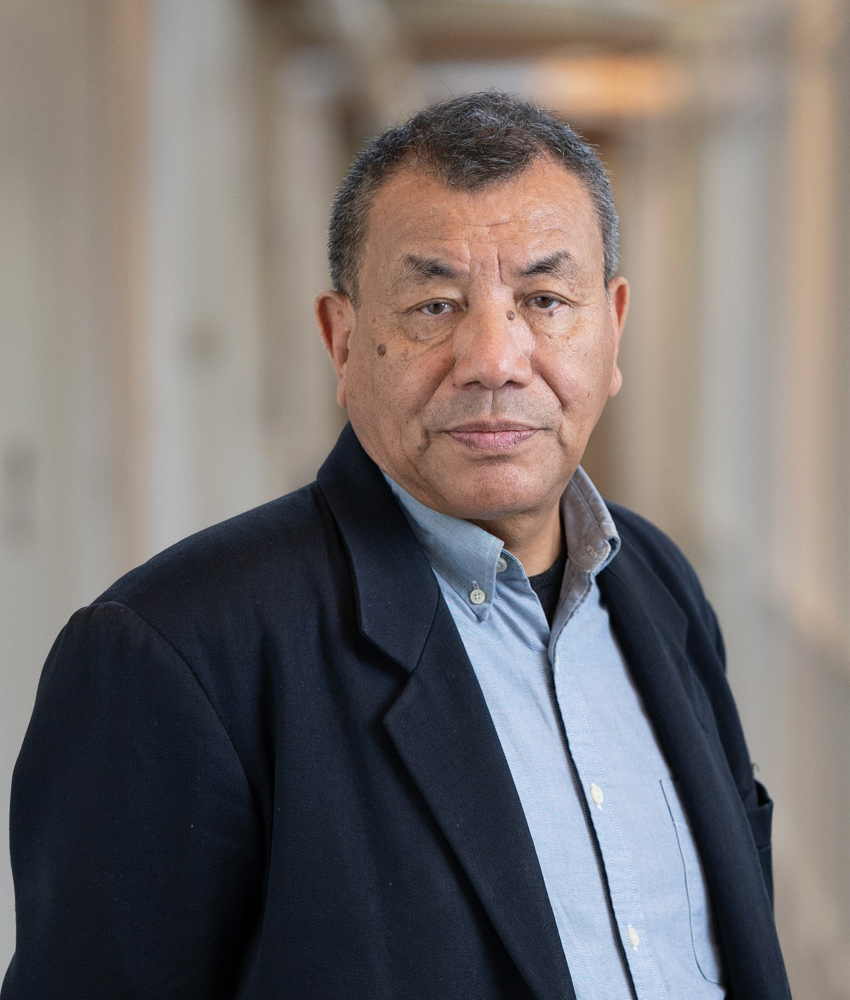
Tsering Shakya is an Associate Professor at the University of British Columbia (UBC), holding the Canada Research Chair in Religion and Contemporary Society in Asia. He is affiliated with the Institute for Asian Research within the School of Public Policy and Global Affairs, and co-leads the Himalaya Program. His expertise spans Tibetan history, politics, and cultural production, with notable contributions to understanding ethno-national identity, religious practice, and minority policy in the Himalayan region and the People’s Republic of China (PRC). Shakya’s research bridges historical and contemporary analyses of Tibet, focusing on social transformation, political dynamics, and the role of social media in shaping minority experiences. He currently serves as President of the International Association of Tibetan Studies, reflecting his global scholarly leadership. Research Interests : His work examines the intersection of politics, identity, and religion in Tibet and the Himalayas. Key themes include Tibetan cultural resilience, PRC minority policies, and the evolving landscape of protest and dissent. He has also explored the impact of social media on marginalized communities in China. Awards : He holds the prestigious Canada Research Chair, underscoring his academic impact. His seminal works, such as The Dragon in the Land of Snows , are widely acclaimed as foundational texts on modern Tibetan history. Teaching : He teaches courses like Nationalism, Religion, and Ethnic Conflict in Asia and Policy in Context , emphasizing critical analysis of regional and global policy challenges. Labs/Teams : As co-lead of the Himalaya Program, he fosters interdisciplinary research on Himalayan societies, governance, and cultural preservation.
Mohammed Abu-Nimer is a full professor in the International Peace and Conflict Resolution program at the School of International Service (SIS), American University. He serves as the Chair of the Said Abdul Aziz for Peace and Conflict Resolution and previously directed the Peacebuilding and Development Institute from 1999 to 2013. He is also the co-founder and co-editor of the Journal of Peacebuilding and Development. With over 35 years of teaching experience, Professor Abu-Nimer holds a PhD in Conflict Analysis and Resolution from George Mason University, complemented by MA and BA degrees from Hebrew University in Jerusalem. His academic credentials are matched by extensive field experience conducting interreligious conflict resolution training in Egypt, Northern Ireland, the Philippines, Israel, Palestine, Chad, Nigeria, and Sri Lanka. His research specializes in faith-based peacebuilding, interfaith dialogue in social cohesion, and peace education methodologies in Arab and Muslim contexts. Professor Abu-Nimer has developed courses including SIS-619 Special Studies in International Politics: Dialogue: Approaches & Applications (Spring 2025) and SIS-613 Reconciliation and Justice (Fall 2025), reflecting his focus on practical applications of peace theory. His scholarly output shows consistent thematic development toward evaluating interreligious peacebuilding frameworks and documenting religious diversity management in the Arab region, with recent publications demonstrating increasing methodological sophistication in measuring peacebuilding outcomes. His significant recognition includes: Niwano Peace Prize 41st Award (2024) Leverhulme Foundation International Scholar Fellowship (2023) SIS Outstanding Scholarship Award (2013-2014) George Mason University Alumni Association Award of Distinction (2009) Jennings Randolph Senior Peace Fellow (2008) Professor Abu-Nimer maintains active engagement with international organizations, having served as senior advisor for policy and research at the Center for Intercultural and Interreligious Dialogue in Vienna (2013-2021) and as founder of the Salam Institute for Peace and Justice, demonstrating his commitment to bridging academic theory with practical peacebuilding initiatives worldwide.
Dr. Roger Haydon Mitchell is an Honorary Researcher at Lancaster University's School of Social Sciences, Department of Sociology. His work integrates political theology, applied kenotics, and love-based politics for peace, with a focus on post-secular political spaces. Education: BA Hons in English with Religious Studies, Lancaster University MA in International Literature and Society 1910-45, Lancaster University PhD in Religious Studies, Lancaster University His research explores political theology , theopolitics of the left , and applied kenotics , particularly through the concept of kenarchy as an inclusive, incarnational politics. He co-founded the Morecambe Bay Poverty Truth Commission and the Morecambe Bay Love and Kindness Movement , emphasizing collaboration with marginalized communities. Recent publications analyze kenotic alignment , post-secular political dynamics , and enemy love as transformative forces, reflecting intersections between theology, sociology, and peace studies. He declines formal awards but actively engages with academic societies like the Society for the Study of Theology. As a supplementary supervisor with the Lancaster University Social Action Research Group , he mentors applied research projects. His work addresses contemporary crises such as nationalism , refugee integration , and post-colonial reconciliation , utilizing frameworks from Giorgio Agamben, Slavoj Žižek, and Thomas Jay Oord.
Professor L.M. Bogad is a prominent figure in political performance at the University of California, Davis, serving as Professor of Theatre & Dance and Director of the Center for Tactical Performance. A Guggenheim Fellow and co-founder of the Clown Army, his work integrates performance art with activism, addressing themes like labor rights, climate justice, and social movements. He has performed globally, including at SF MOMA and the Hemispheric Institute, and led workshops in over 20 countries, notably during Egypt’s 2011 revolution. His research focuses on tactical performance strategies, documented in seminal works like *Electoral Guerrilla Theatre* (2020), *Tactical Performance* (2013), and *Performing Truth* (2021). He has secured major grants, including the $150,000 Creative Work Fund/San Francisco Foundation Creative Corps Grant (2023) for *Sinfonia de la Justica*, a farmworker-led performance project. Awards include the Rockefeller Foundation Bellagio Residency (2025) and a Wolfsonian Creative Fellowship (2025) to adapt his screenplay *Orwell’s War* into a play. Bogad’s projects often collaborate with nonprofits, such as North Bay Jobs With Justice. His work spans performances like *ECONOMUSIC* (musicalizing economic data) and *Delivering Democracy* (engaging voters via public art). He chairs UC Davis’ Theatre & Dance department and hosts the *Plague* podcast on societal crises. His contributions bridge art and activism, emphasizing humor and radical memory to challenge power structures.
Dr. Sruti Bala is an Associate Professor of Theatre Studies at the University of Amsterdam (UvA), affiliated with the Faculty of Humanities. Her research focuses on the intersections of theatre, politics, and social justice, particularly in contexts of colonialism, nonviolent resistance, and global asymmetries. She critically examines cultural practices, including protest performance, translation, and decolonial pedagogy. Bala is known for her analyses of the cultural sector's role in societal debates, such as the controversy surrounding Lenny Kuhr's concert and Israel-Palestine relations. Her work bridges academic theory and public discourse, emphasizing ethics, participatory art, and institutional critique. Her educational background and professional trajectory reflect a deep engagement with global theatre traditions and their socio-political dimensions. Bala frequently publishes in peer-reviewed journals and contributes to public intellectual debates through op-eds and media commentary. Her recent work includes studies on carceral states, academic freedom in India, and the legacy of colonial historiography. Key Research Areas: Nonviolent resistance, colonial theatre, performance activism, translation studies, decolonizing education Public Engagement: Op-eds on cultural politics, critiques of institutional complicity, and advocacy for ethical art practices
John Gledhill is an Associate Professor of Global Governance in the Department of International Development at the University of Oxford, where he teaches courses on Global Governance and Diplomacy, Peacebuilding & Statebuilding, and Power, Conflict, & the Arts. He is a Fellow of St. Cross College and actively collaborates with international institutions such as the Asia-Pacific Centre for the Responsibility to Protect (University of Queensland), the Conflict Research Society, and OxPeace, a multidisciplinary peace research network at Oxford. PhD in Government from Georgetown University BA in History and Political Science from Trinity College, Dublin His research spans peace and conflict studies, focusing on the political dimensions of development, nonviolent resistance, and the role of music and the arts in conflict and peacebuilding. Recent work examines UN peacekeeping withdrawal legacies, the economic impacts of peace operation exits, and the integration of arts into peace processes. The 15 most recent publications reflect his expertise in UN peacekeeping dynamics, state formation, and the intersection of arts and conflict. These include studies in the European Journal of International Relations , Journal of Global Security Studies , and International Peacekeeping , alongside book chapters and encyclopedia entries addressing transitional justice, regime transitions, and globalization's effects on emerging economies. Scientific Awards: Teaching Excellence Award, University of Oxford (2013) Teaching Excellence Award, London School of Economics (prior to 2013) John has supervised research students Sabrina Brandt and Rachel Nguyen-Morrow. His projects include ESRC-funded studies on post-peacekeeping withdrawal outcomes and investigations into music's role in UN peacebuilding. He contributes to academic governance through roles on the Conflict Research Society's Governing Council and the OxPeace Steering Committee.
Professor Jamie Wilson serves in the Department of History at Salem State University, teaching courses including African American history, U.S. history, and specialized seminars on jazz culture and civil rights movements. His academic credentials include: PhD in History from New York University MA in History from New York University BA in History from the University of Delaware Wilson's research centers on Black History, Race and Ethnicity Studies, and United States History, with particular emphasis on 20th-century African American experiences. His work examines civil rights activism, cultural expressions like jazz, religious practices in Harlem, and health politics in Black communities, revealing systemic inequalities and community resilience. His publication trajectory from 1999-2023 shows consistent scholarly engagement with African American history through diverse formats. Books address foundational movements like the Civil Rights era and Black Panther Party, while journal articles explore nuanced topics including magico-religious practices, student protests, and health disparities in Harlem, demonstrating methodological range across social, cultural, and political history. No scientific awards are documented in available sources. While specific grant funding isn't cited, his extensive publication record and course development in African American history suggest sustained research activity. The absence of student listings or lab descriptions indicates either unpublicized mentorship or primary focus on independent scholarship.
Alfonso Salgado is a Lecturer in Discipline at Columbia University specializing in modern Latin American history, particularly the political and social history of Chile and transnational political networks in the Americas. He holds a B.A. from Pontifical Catholic University of Chile (2008) and a Ph.D. from Columbia University (2016). His research focuses on Chilean Communism, Cold War media, gender in revolutionary movements, and transnational political alliances. He is currently writing a book on U.S. socialist involvement in Cold War Latin America titled *True Socialism or Chaos: American Social Democrats in Cold War Latin America*. His research has been published in journals like *Hispanic American Historical Review* and *Cold War History*. He teaches courses on Latin American civilization, Cold War history, and media politics. Salgado’s work bridges historical analysis with media studies, examining how political ideologies were disseminated through newspapers, radio, and publishing houses during the 20th century. His recent articles explore topics ranging from the financial strategies of Chilean Communist media enterprises to the social lives of young militants. He emphasizes interdisciplinary approaches, combining political economy, gender studies, and media analysis to understand revolutionary movements.
David Justice is a Full-Time Temporary Lecturer in the Baylor Interdisciplinary Core program, which is part of Baylor University's Honors College in Waco, Texas. He teaches interdisciplinary courses combining theology, religious studies, African American studies, Women and Gender studies, and philosophy, including Examined Life I, World of Rhetoric, and Social World. Dr. Justice earned his Ph.D. in Christian Theology from Saint Louis University, with a Graduate Minor in Women's and Gender Studies. He also holds an M.A. in Theological Ethics from Saint Louis University, an M.A. in Philosophy from the University of Missouri—St. Louis, and a B.A. in Philosophy, Cum Laude, from Greenville University. His research focuses on the political theology of Martin Luther King Jr., particularly exploring the fundamental transformation necessary to realize the Beloved Community. Drawing on King's rootedness in the Black church, Dr. Justice places King in conversation with feminist, womanist, and decolonial thought to recover the radical dimensions of King's theology and connect it with contemporary activism. His publications reveal a strong engagement with themes of justice, racial capitalism, prophetic tradition, and the Beloved Community concept. His work spans academic journals, online publications like Sightings and The Bias Magazine, book reviews in Reading Religion, and regular contributions to Conciliar Post from 2019-2022. His writing demonstrates consistent attention to connecting theological concepts with practical social justice concerns. Saint Louis University Dissertation Fellowship Religion and Public Life Graduate Fellowship Culturally Responsive Graduate Fellow SLU College of Arts and Sciences Distinguished Thesis Award Henry Luce Foundation: Religion and Public Life Fellow Thulin Prize for Excellence in the Study of Religion Students' Choice 'Best Classes at GU' Dr. Justice has extensive teaching experience since 2013, with his Major Issues in Philosophy course named one of the Students' Choice 'Best Classes at GU.' He completed a year-long Culturally Responsive Teaching fellowship in 2020. His current work continues to explore how we can theorize a decolonized, holistic understanding of the Beloved Community and begin constructing that community in the present.