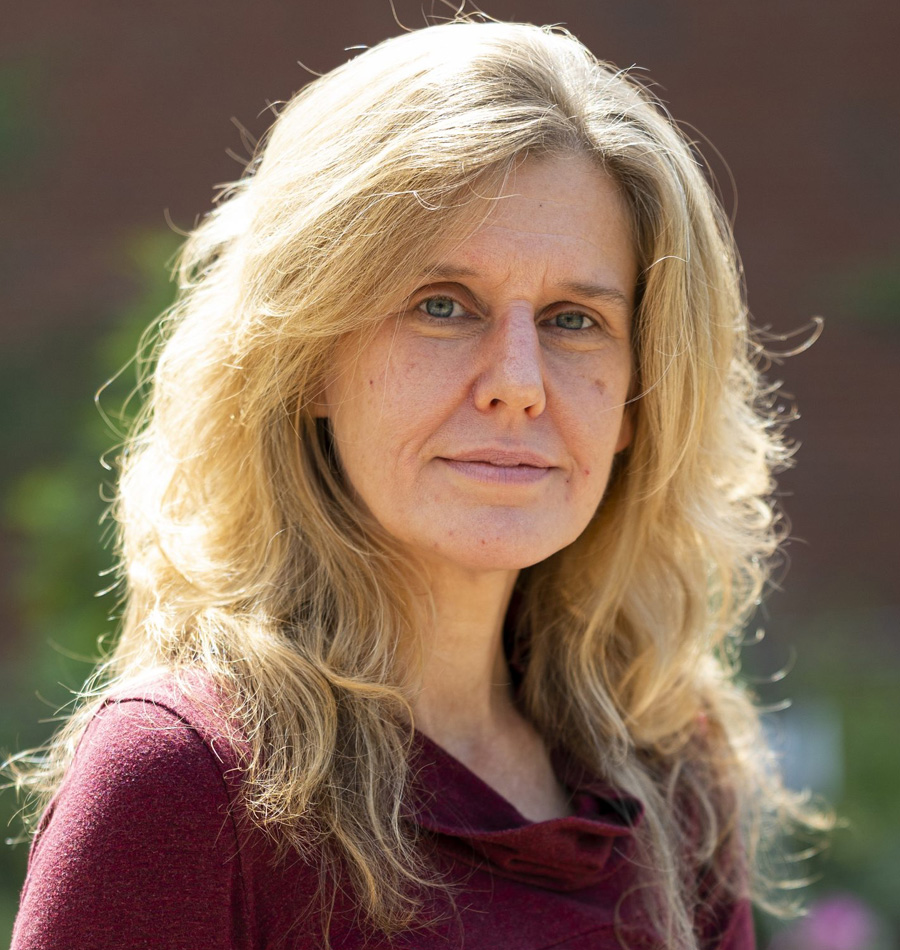
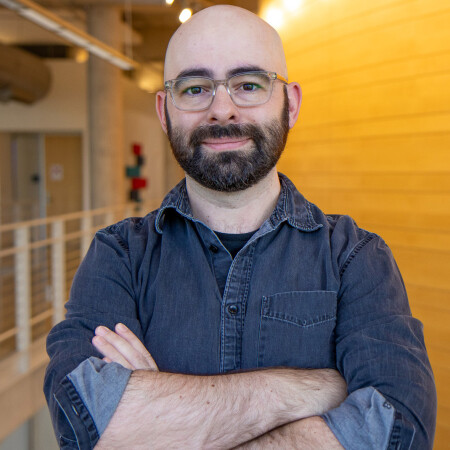
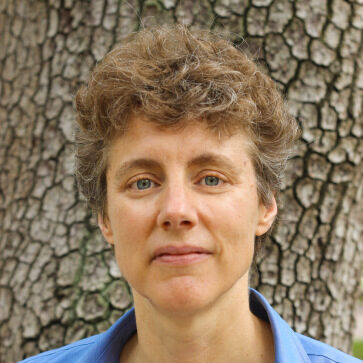
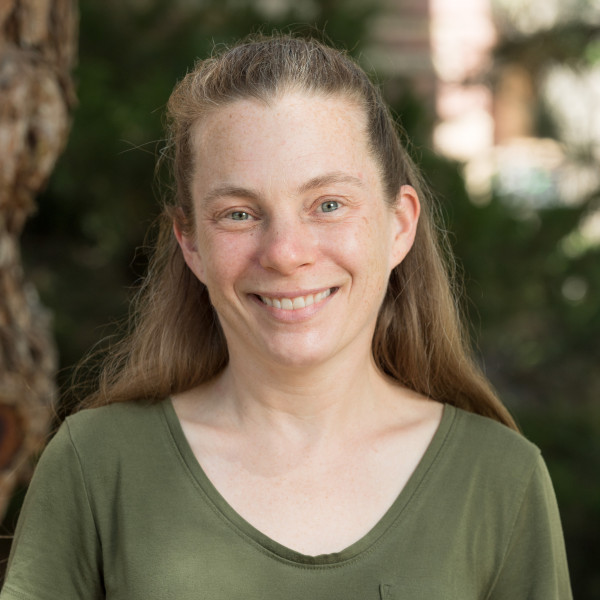
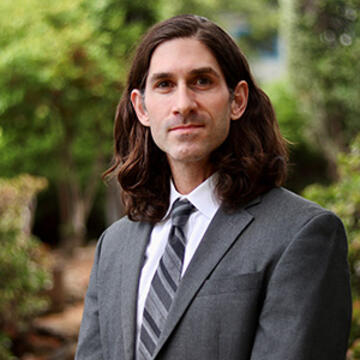
Jessica Mayhew is an Associate Professor in the Department of Anthropology at Central Washington University. She specializes in primate behavior, biological anthropology, and cognitive ethology, with a focus on social play, dominance hierarchies, and communication patterns in primates such as chimpanzees, macaques, lemurs, and gorillas. Her research integrates field studies, captive observations, and interdisciplinary approaches to understand primate social dynamics and conservation challenges. Her work extends to historical analysis, such as interpreting Bronze Age wall paintings depicting primates, and modern contexts like examining the impact of human caregivers on captive primates and the portrayal of nonhuman primates in digital media. She has conducted studies in diverse locations including China, Madagascar, and sanctuaries in the United States. Mayhew’s publications span topics like lateralization in lemurs, dominance behavior in Tibetan macaques, and paternal care in orangutans. She teaches courses on biological anthropology, primate origins, nonverbal communication, and primatology, reflecting her expertise in both academic instruction and applied research. Her advising and grants focus on primate behavior studies, with notable projects including camera trap deployments in China and collaborative work at sanctuaries. No specific labs or teams are listed, though her collaborative nature is evident through joint publications with institutions like Duke Lemur Center and international field collaborations.
University of North Carolina at Chapel HillUnited States
Rebecca L. Walker is a Professor in the Department of Philosophy (College of Arts and Sciences) and a Professor of Social Medicine in the School of Medicine at the University of North Carolina at Chapel Hill. She also serves as Core Faculty in the Center for Bioethics and is an Adjunct Professor in Public Policy. Her research focuses on biomedical ethics, particularly animal research, phase I clinical trials, and genomic ethics. Dr. Walker holds a Greenwall Foundation post-doctoral fellowship in bioethics and health policy (completed in 2001), and has held visiting faculty positions at the University of Michigan. She teaches courses on bioethics, virtue ethics, and the philosophy of medicine at both undergraduate and graduate levels, and contributes to the medical school curriculum in social and health systems. Her academic leadership roles include serving on UNC’s Animal Care and Use Committee, co-directing the Hospital Ethics Service’s education program, and leading NIH-funded grants such as the CMORE project on healthy volunteer research ethics. She is a Hastings Center Fellow (2021) and has authored/co-edited influential works like Of Mice and Primates: Virtue Ethics and Animal Research (2025) and The Social Medicine Reader (2019). Dr. Walker’s research spans ethical issues in biotechnology, distributive justice in healthcare, and the moral status of nonhuman animals. Her recent projects include a study on correctional health care providers’ professional challenges and a National Human Genome Research Institute grant examining incidental enhancements in gene editing technologies. She actively engages in policy debates around genomic screening, animal welfare, and translational research ethics. Her awards and recognitions include the Hastings Center Fellowship, which acknowledges her contributions to ethical scholarship in health, science, and technology. Her work bridges philosophical theory with applied ethics, emphasizing virtue ethics and interdisciplinary collaboration across medicine, policy, and the social sciences.
Elena Past is a Professor of Italian at Wayne State University's College of Liberal Arts and Sciences, affiliated with the Department of Classical and Modern Languages, Literatures and Cultures. She holds a Ph.D. (2005), M.A. (2000), and B.A. (1998) from the University of Pennsylvania and the University of Texas at Austin. Her research focuses on contemporary Italian literature and cinema, ecomedia studies, environmental humanities, posthumanism, animal studies, and Italian crime fiction. Current projects include studies on Ferrania Film and the environmental implications of analog film production. Past has been recognized with prestigious awards such as the Fulbright U.S. Scholar Award (2021–22), the American Academy in Rome's Rome Prize (2021–22), and the MLA Marraro Prize (2020). Her publications include Italian Ecocinema Beyond the Human (2019) and edited volumes like Italy and the Environmental Humanities (2018). Recent articles explore petroculture, cinematic resistance in Basilicata, and environmental justice in Italian cinema. Past also collaborates with the Abruzzo Film Commission, mentoring students in translation and cultural preservation projects. Education: Ph.D., University of Pennsylvania (2005); M.A., University of Pennsylvania (2000); B.A., University of Texas at Austin (1998) Awards: Fulbright Scholar, Rome Prize, Marraro Prize, Board of Governors Recognition Labs/Initiatives: Translation Lab (focused on Abruzzo cultural materials), Wayne State Study Abroad in Abruzzo
Kevin Sweet is an Assistant Professor of Design and Interactive Arts: Immersive Experience at the University of Texas at Dallas, affiliated with the Harry W. Bass Jr. School of Arts, Humanities, and Technology. His work bridges art, science, and technology to explore possibilities for social transformation through creative play. Sweet's practice spans digital media, performance, virtual reality, and community-based projects that address social justice issues and interdisciplinary collaboration. Education PhD in Emergent Technologies and Media Art Practices, University of Colorado Boulder (2022) MFA in Film/Video, Massachusetts College of Art and Design (2012) BA in Film Studies, Keene State College (2009) Research Focus Sweet's research centers on narrative refiguration through embodied creative play at intersections of art, science, and technology. His work explores how digital media can address systemic inequities, preserve cultural heritage, and create new communal storytelling forms. Recent projects focus on community media labs, ancestral land rights, and speculative methodologies challenging anthropocentric narratives. He investigates how virtual and augmented reality can be leveraged for social justice and community empowerment, as evidenced by his ongoing work with high school students in San Luis, Colorado. His practice demonstrates a commitment to using art and technology as tools for community engagement and historical preservation. Publication Trends Sweet's creative output shows a clear trajectory from traditional film and video toward increasingly complex interdisciplinary projects. His early work focused on material properties of analog media (like 'Intervals'), while recent projects integrate virtual reality, AI, and community-based practices. His publications reveal a pattern of ambitious cross-disciplinary collaborations, from partnerships with astrophysicists in 'Sound Planetarium' to community-based projects like 'La Sierra' addressing systemic inequities. There's a consistent evolution toward more socially engaged work addressing land rights, historical memory, and non-human agency. Professional Activities Faculty board member, UTD Student Media Operating Board President of the Board of Directors, Denver Digerati 501(c)(3) (2022-2024) Co-Principal Investigator, Sound Planetarium (astrophysics and art collaboration) Head of Creative Development, JoyceStick (VR adaptation of James Joyce's Ulysses) Former Director of Media, Guestbook Project (international peacebuilding organization) First Artist in Residence, Institute of Liberal Arts at Boston College Labs and Community Engagement Sweet has developed community media labs, partnering with History Colorado to build a local media lab in San Luis, Colorado. This initiative creates critical digital arts curriculum for high school students, empowering them to become authors of their community's history. His collaborative work involves interdisciplinary teams spanning artists, scientists, community organizers, and educators working on issues of land rights, historical memory, and cultural preservation.
Clare Palmer is the George T. and Gladys H. Abell Professor of Liberal Arts and Professor of Philosophy at Texas A&M University. Her research focuses on environmental ethics, animal ethics, climate ethics, and the ethics of emerging technologies. She has authored/co-authored seminal works including *Wildlife Ethics* (2023) and *Companion Animal Ethics* (2015). Palmer holds interdisciplinary roles in the Environment Faculty (2024) and has led projects like the NEH grant on conservation biotechnology. She co-owns a 200-acre Texas ranch dedicated to wildlife restoration, including endangered Houston Toad conservation. Education: PhD from Oxford University (1993). She previously served as President of the International Society for Environmental Ethics (2007–2010) and contributed to the National Academies’ forest health committee (2017–2019). Her editorial roles include founding *Worldviews: Environment, Culture, Religion* and co-authoring the *Canadian Veterinary Journal*’s monthly ethics column. Research spans wildlife management ethics, climate adaptation strategies, and veterinary dilemmas. Recent work explores assisted reproductive technologies in conservation and the ethical implications of biotechnology. Grants include NSF Genomics and Society (2012–2016) and NEH funding for conceptual engineering approaches to conservation ethics. Palmer advocates for integrating ethical frameworks into ecological policies, emphasizing practical applications like farm animal welfare benchmarks and zoo ethics. Her work bridges academic theory with real-world environmental challenges, reflecting a commitment to interdisciplinary solutions.
Katie McShane is a Professor in the Department of Philosophy at Colorado State University. Her research focuses on the intersection of ethical theory and environmental ethics, particularly exploring the moral significance of emotional attitudes toward the natural world. She holds a Ph.D. from the University of Michigan and a B.A. from Northwestern University. Her work examines concepts like awe, respect, and valuing attitudes in environmental contexts, challenging anthropocentric perspectives and advocating for holistic ecological ethics. She has published extensively in journals such as Philosophical Studies and Environmental Ethics , and her recent research analyzes assumptions about value in environmentalist frameworks. McShane's scholarship bridges philosophy with practical issues like climate justice, animal welfare, and indigenous environmental knowledge. She previously taught at North Carolina State University and was a Visiting Scholar at Harvard University’s Center for Ethics and the Professions. Her articles reflect a commitment to interdisciplinary inquiry, addressing topics from food ethics to climate ethics and the role of emotions in moral reasoning.
Gary Comstock is a Professor in the College of Humanities, Arts and Social Sciences at North Carolina State University. His work focuses on ethical issues arising from climate change impacts on human and animal welfare, agricultural biotechnology, and animal rights. He teaches a graduate course on Research Ethics and is affiliated with the Climate Change and Society (CCS) group and Climate Solutions Collaborative. Research Interests : Climate change ethics, animal welfare, research integrity, and agricultural biotechnology. Notable Involvement : Authored multiple philosophers' briefs advocating for animal personhood in legal contexts. Publications : Recent works explore sentience in nonhumans, ethical frameworks for environmental challenges, and neuroethics of animal cognition.
Dr. Corina Medley is an Assistant Professor at the Department of Sociology, Anthropology, and Social Work, Kansas State University, within the College of Arts and Sciences. She holds a Ph.D. in Sociology from Northeastern University (2016). Her research focuses on sexual culture, nonhuman animals, capitalist realism, and police power, with interdisciplinary interests in criminology and environmental studies. Her work bridges sociological and criminological perspectives, examining topics such as trophy hunting’s cultural implications, the intersections of capitalism and consumer culture, and technological advancements like robot sex. Dr. Medley’s publications appear in journals like Crime, Media, Culture and edited volumes by Routledge. No advising or grant information is provided in the text. Her research emphasizes critical analyses of human-animal relationships, structural power dynamics, and the societal impacts of technology and capitalism.
Lori Gruen is a Professor in the Department of Philosophy at Wesleyan University, affiliated with the College of Arts and Sciences. Her work focuses on animal ethics, environmental philosophy, and feminist theory, with an emphasis on intersections between human and nonhuman justice. She critiques systems of oppression, including carceral logics and environmental degradation, advocating for ethical frameworks that prioritize entangled empathy and systemic change. Her research spans critical analyses of animal welfare, the ethics of captivity, and policies impacting wildlife conservation. Recent publications address topics such as the OCTOPUS Act, cultured meat, and the moral implications of human-animal relationships. Gruen’s interdisciplinary approach bridges philosophy, activism, and social justice, influencing debates on longtermism and effective altruism. Publications since 2020 reflect her commitment to rethinking ethical paradigms through lenses of intersectionality and carceral systems analysis. Awards and recognitions are not explicitly listed in the provided texts, but her contributions to academic discourse are substantial, particularly in animal studies and ecofeminism.
Elizabeth Foreman is an Associate Professor in the Department of Political Science and Philosophy at Missouri State University's School of Humanities and Social Sciences. She earned her PhD from the University of North Carolina at Chapel Hill in 2008 and teaches undergraduate and graduate courses including Introduction to Philosophy, Ethics and Contemporary Issues, Philosophy of Religion, Philosophy of Law, Theories of Ethics, and Bioethics. Research Focus Dr. Foreman specializes in normative ethics and applied ethics , with particular emphasis on: Animal ethics and moral consideration of nonhuman entities Kantian ethical frameworks Theories of respect and moral status Bioethical dilemmas Environmental philosophy Her research consistently explores the ethical dimensions of human-animal relationships, moral objecthood, and agent-centered normative theories. Publications Overview Her 15 most recent publications (2003-2023) demonstrate a strong focus on ethical theory development through peer-reviewed journal articles, book chapters, and critical reviews. Key thematic patterns include: Sustained examination of animal ethics across contexts (captivity, food systems, moral status) Re-evaluation of Kantian frameworks in contemporary ethics Interrogations of moral respect and consideration principles Critical analyses of bioethical edge cases Publications appear in leading philosophy journals including the Journal of Value Inquiry , Environmental Ethics , and Ethical Theory and Moral Practice . Professional Activities No awards, student advising relationships, research grants, or laboratory affiliations are documented in the available information.
Oliver Wieben is a Professor in the Departments of Medical Physics and Radiology at the University of Wisconsin-Madison. He serves as Vice Chair for Research and Co-Director of the International Center for Accelerated Medical Imaging (2013-2019). B.S., Electrical Engineering, Leibniz Universität Hannover Dipl.-Ing., Electrical Engineering, Karlsruhe Institute of Technology Ph.D., Electrical Engineering, University of Wisconsin-Madison His research focuses on MRI methodology development , particularly in cardio/cerebrovascular imaging , 4D Flow MRI , and placental oxygenation assessment . He has pioneered techniques for real-time imaging , velocity-sensitive MRI , and motion correction schemes in MR imaging. His recent publications (2022-2025) demonstrate expertise in computational fluid dynamics , automated post-processing , and exercise MRI . Notable collaborations include work on Zika virus effects in placenta and 4D Flow applications in Alzheimer's research . Scientific Achievements: Distinguished Investigator Award (2022) Fellow of SCMR (2018) Lauterbur Award for Best MRI Presentation (2009) ISMRM Outstanding Teacher Awards (2014) Multiple patents in MRI reconstruction techniques He has led international workshops on 4D Flow MRI , served on peer review panels for the American Heart Association , and contributed to 4D Flow consensus guidelines . His work bridges technical MRI innovation with clinical translational research in cardiology, pulmonology, and maternal-fetal medicine.
Matthew Liebman is the Justice for Animals endowed chair and professor of law at USF School of Law. An internationally recognized expert in animal law, he has published in leading law reviews on how the legal system can recognize and respect the rights of nonhumans. Research focuses on: Socio-legal effects of law and litigation in animal rights movement Substantive and doctrinal issues in animal law First Amendment rights of activists Establishing legal rights for nonhuman animals Publications examine animal law in diverse contexts including liberation movements, plaintiff rights, and comparative legal frameworks. Recent works analyze representation challenges and jurisdictional approaches to animal protection. Awards: Deborah Rhode Prize (2024) California Trailblazers recognition (2019)
School of the Art Institute of ChicagoUnited States
Dr. Giovanni Aloi is an Adjunct Professor at the School of the Art Institute of Chicago (SAIC), specializing in the representation of nature and the environment in art. He holds a Ph.D. from Goldsmiths University of London (2014) and has authored seminal works such as Art & Animals (2011), Speculative Taxidermy (2018), and Why Look at Plants? (2019). His research bridges posthumanism, critical plant studies, and decolonial frameworks, interrogating anthropocentric narratives in art and ecology. As Editor-in-Chief of Antennae: The Journal of Nature in Visual Culture , Aloi fosters interdisciplinary dialogue on non-human subjects. He has curated major exhibitions including Lucian Freud: Plant Portraits (2022) and Materialities (2025), and co-edits the Art after Nature book series with Caroline Picard. Awards include the 2020 Karen and Jim Frank Teaching Award and grants from DCASE and the Terra Foundation. Aloi’s work critically examines ecological crises through art, advocating for ethical reimaginings of human-nature relationships. His courses at SAIC address themes like material politics, sustainable artworlds, and the Anthropocene’s impact on artistic practice.
Virginia Polytechnic Institute and State UniversityUnited States
Dr. Ivan Hernandez is an Associate Professor of Industrial-Organizational Psychology at Virginia Tech, directing the Computational Outreach Lab. He holds roles as a College of Science Diversity Fellow and Data Science Faculty Fellow, and affiliates with the Center for the Future of Work Places and Practices. His research focuses on expanding labor rights to nonhuman animals, promoting workplace equity, and developing computational tools for worker support. Education: Ph.D. Social/Organizational Psychology, University of Illinois at Urbana-Champaign (2015) M.S. Applied Measurement, University of Illinois at Urbana-Champaign (2014) M.A. Social Psychology, University of Illinois at Urbana-Champaign (2012) B.S. Psychology (Minor: Statistics), University of Florida (2009) Research Interests: Dr. Hernandez advocates for nonhuman animal rights within workplaces and society, emphasizing ethical labor considerations. He also explores computational methods to address workplace disparities and improve equity through data-driven strategies. Recent work includes winning the 2023 SIOP Machine Learning Competition for innovative approaches in labor rights. Awards: 2023 SIOP Machine Learning Competition Winning Team Leader Teaching and Advising: Teaches courses like PSYC 2084 (Social Psychology) and PSYC 6014 (Quantitative Methods). Currently accepting students interested in nonhuman animal rights advocacy in workplaces. Advises via email with a specific subject line. Labs & Teams: Leads the Computational Outreach Lab, focusing on applying data science to workplace challenges and advocating for ethical labor practices.
Jeff Sebo is an Associate Professor of Environmental Studies and Affiliated Professor of Bioethics, Medical Ethics, Philosophy, and Law at New York University. He directs the Center for Environmental and Animal Protection and the Center for Mind, Ethics, and Policy, and co-directs the Wild Animal Welfare Program. His research focuses on moral philosophy, legal philosophy, animal ethics, environmental ethics, AI ethics, and global priorities. He holds a Ph.D. in Philosophy from NYU (2011) and has held prior roles including Research Assistant Professor at UNC Chapel Hill and Postdoctoral Fellow at NIH. Education: Ph.D. in Philosophy, NYU (2011); B.A. in Philosophy/Sociology, Texas Christian University (2005). Research interests include animal minds, AI ethics, climate ethics, and global health policy. He has authored influential books like The Moral Circle (2025) and Saving Animals, Saving Ourselves (2022), and co-authored works such as Chimpanzee Rights (2018). His recent articles address topics like AI welfare, wild animal ethics, and policy frameworks for reducing industrial animal agriculture. He advises organizations such as Eleos AI and Minding Animals International, and contributes to interdisciplinary initiatives like the NYU Guarini Center on Environmental Law. His work emphasizes expanding the moral circle to include nonhuman beings and addressing interconnected challenges of climate change, pandemics, and animal welfare through policy advocacy and ethical analysis.