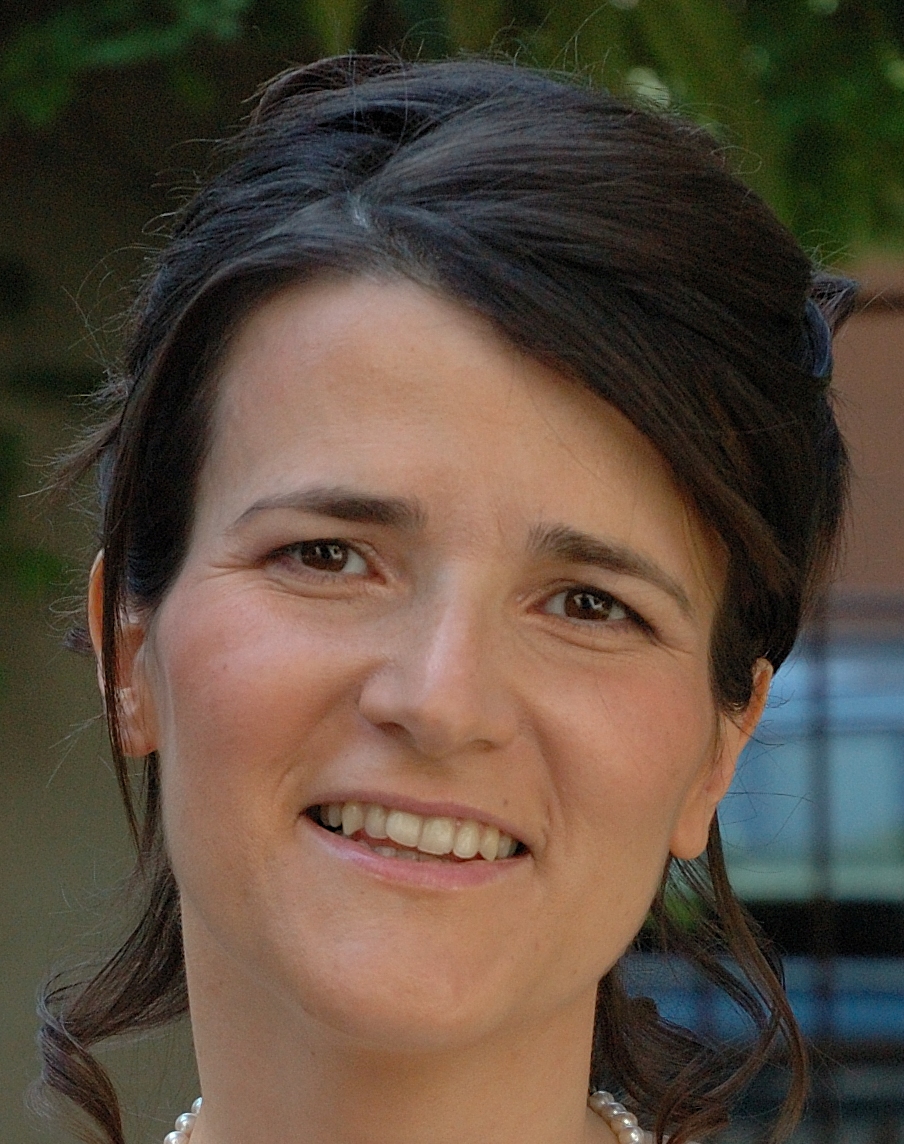
Daniele Padulaمشاهده پروفایل
دانشیار
Daniele Padula serves as an Associate Professor in the Department of Biotechnology, Chemistry and Pharmacy at the University of Siena, where he teaches Applied Computational Chemistry, Organic Chemistry, and Heterocyclic Organic Chemistry for Chemistry, Biotechnology, and Pharmacy degree programs. His institutional contact details include office location (II lotto, III floor, room B_03_86) and direct communication channels through university email and phone systems. Padula's research integrates computational and organic chemistry methodologies to investigate fundamental properties of organic electronic materials. His primary focus areas include quantum-mechanical modeling of charge transport mechanisms, design of chiral photoluminescent systems with inverted singlet-triplet gaps, development of accurate force fields for molecular simulations, and computational exploration of photoswitches and organic semiconductors. This interdisciplinary work bridges theoretical chemistry with practical applications in optoelectronics and materials science. Analysis of his 15 most recent publications (2024-2025) reveals three dominant research thrusts: (1) Advanced computational protocols for quantum-mechanically derived force fields (evident in JOYCE3.0 development), (2) Fundamental studies of chiral phenomena in organic materials for circularly polarized luminescence applications, and (3) Multiscale modeling of charge and exciton transport mechanisms in organic semiconductors. His work increasingly incorporates machine learning techniques to accelerate materials discovery while maintaining quantum chemical accuracy. Scientific awards: No awards or fellowships were documented in the provided materials. Advising and grant activities: The available documentation does not specify doctoral students, postdoctoral researchers, or externally funded research projects. His teaching portfolio indicates supervision of graduate and undergraduate theses within his computational chemistry courses. Research infrastructure: While specific laboratory facilities aren't detailed, his publication record suggests active participation in computational research groups with access to high-performance computing resources, likely through the University of Siena's computational chemistry infrastructure and potential collaborations with experimental groups for validation studies.