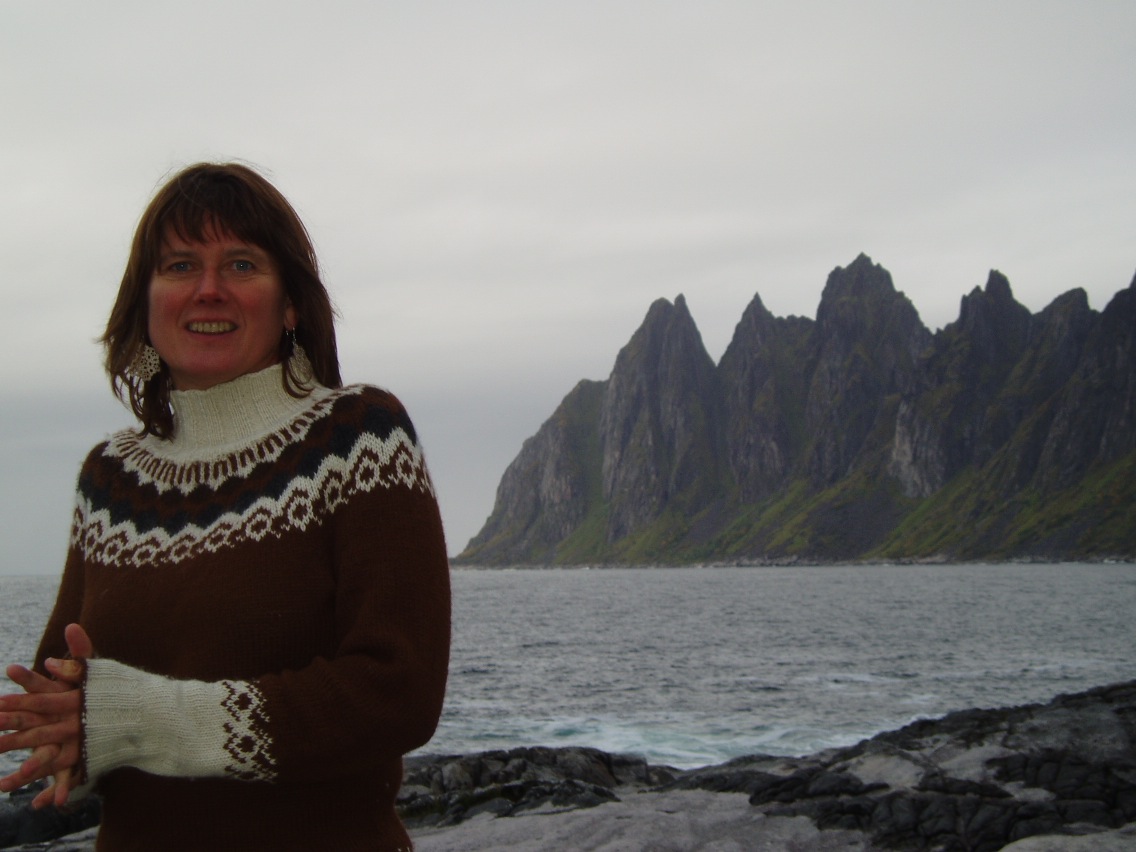
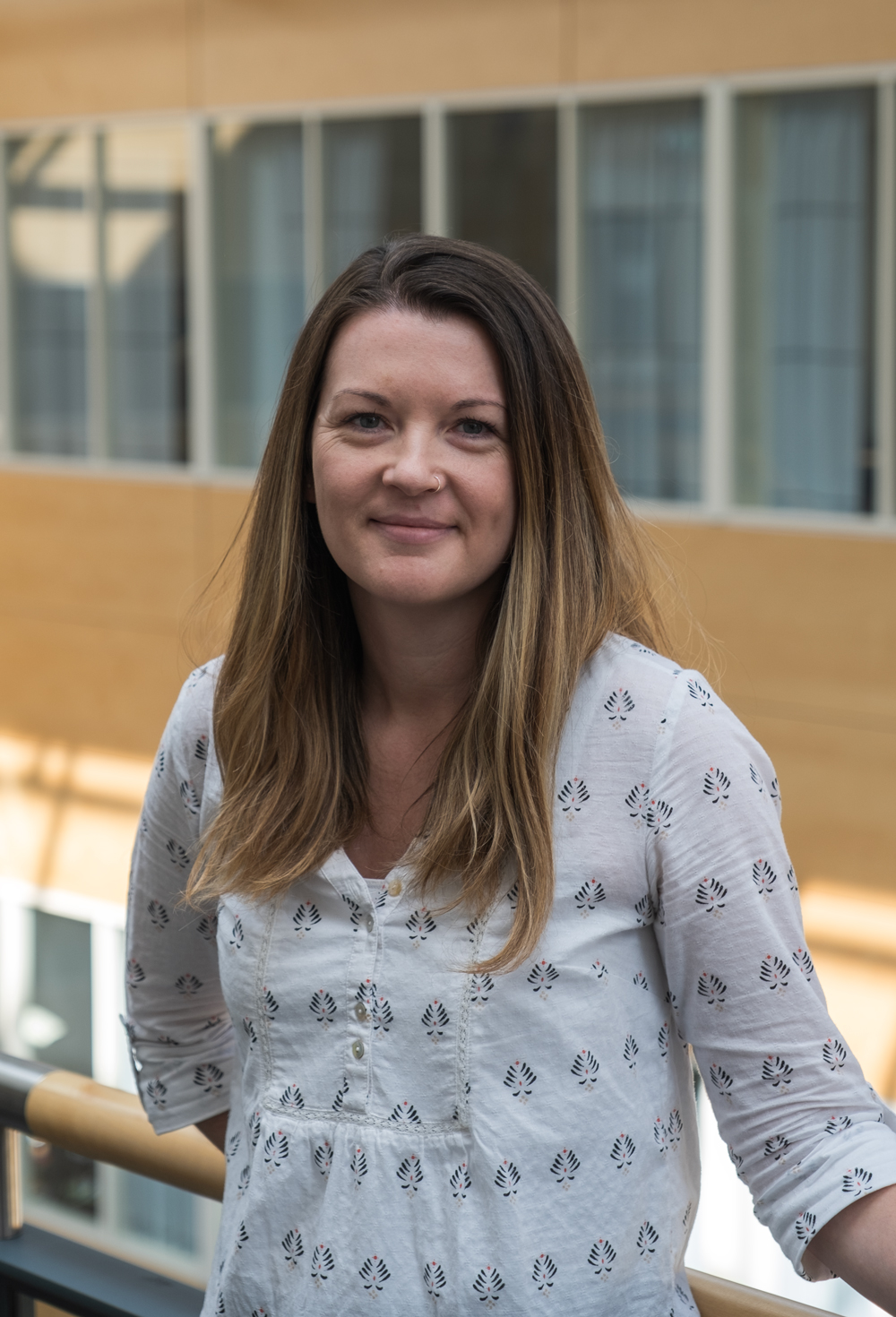
Eva Hofsli is an Associate Professor at the Department of Clinical and Molecular Medicine , Norwegian University of Science and Technology (NTNU). Her research focuses on molecular oncology, particularly in colorectal and neuroendocrine cancers, with expertise in biomarker discovery and chemotherapy response prediction. Key Research Areas : MicroRNA profiling, tumor genetics, geriatric oncology, and precision medicine. Notable Collaborations : NORDIC NEC study, METIMMOX trial, NORDIC9 clinical trial. Email: eva.hofsli@ntnu.no Article Trends : Recent work emphasizes liquid biopsies for early cancer detection, genetic alterations in treatment outcomes, and integrating geriatric assessments with molecular data in metastatic colorectal cancer.
Simon Rayner is a Professor II in the Department of Medical Genetics at the University of Oslo (UiO), affiliated with Oslo University Hospital (OUS). He leads research in bioinformatics with a focus on mining and visualizing big data in medical genetics, particularly in viral genomics and non-coding RNA. His work bridges computational biology and clinical virology, with strong international collaborations, especially in China. University of Oslo, Faculty of Medicine, Department of Medical Genetics Oslo University Hospital (OUS) Rayner’s research interests center on bioinformatics, viral evolution, and next-generation sequencing (NGS). He develops algorithms for analyzing whole genome, exome, RNA-seq, and small RNA datasets, with a focus on understanding the role of non-coding RNAs in disease. His work spans rabies, hepatitis B, HIV, Japanese encephalitis, Ebola, and human cytomegalovirus (HCMV), integrating molecular evolution with functional genomics. His recent publications reveal a strong trend in viral phylogenetics, microRNA prediction (e.g., miRPara, BlastGraph), and host-pathogen interactions. He frequently applies systems biology and network pharmacology to understand disease mechanisms and drug responses. His work emphasizes data integration, reproducibility, and open science, including decentralized data sharing platforms. Scientific contributions include the development of tools like BlastGraph and miRPara, and extensive work on rabies phylodynamics, HCMV infection in neural cells, and microRNA regulation in cancer. His research has informed public health strategies in China, particularly in rabies control. Rayner has advised numerous PhD and postdoctoral researchers, especially during his tenure at the Wuhan Institute of Virology and Chinese Agricultural University. His work has been supported by major research grants from Chinese and Norwegian institutions, though specific grant names are not listed. He has co-founded BioAutomation Inc., contributing to RNA/DNA synthesis technology. His research is conducted within the Research Section of the Department of Medical Genetics at OUS, collaborating with virology and genomics teams. He is part of a broader network focused on infectious disease genomics and bioinformatics tool development.
Lars Oliver Baumbusch is a Professor at Oslo Metropolitan University and holds an adjunct professor position at Østfold University College. He has held roles including Senior Scientist and Group Leader at Oslo University Hospital's Department of Pediatric Research. His primary academic focus is molecular biology, bioinformatics, and childhood cancer research, particularly neuroblastoma and oxidative stress mechanisms. Education: MSc in Biology from Albert-Ludwig University of Freiburg PhD (Dr. scient.) in Molecular Biology from University of Oslo (2001) Research interests span molecular diagnostics, genomic instability in tumors, and development of biomarkers for pediatric conditions like asphyxia. He co-founded the Norwegian Childhood Cancer Biobank and has pioneered studies on long non-coding RNAs in breast cancer, earning the 2010 EACR Award. Key collaborations include work on cfDNA quantification in neonatal models and genomic profiling of disseminated tumor cells. Awards include the 2010 EACR Presidential Session Research Award and 2002 FUGE Career Stipend. His work bridges laboratory research with clinical applications in pediatric oncology and neonatal medicine.
Hege Lynum Pedersen is an Associate Professor at the Department of Medical Biology, UiT The Arctic University of Norway, and serves as Academic Programme Director for the Master programme in Biomedicine. She holds a Master of Science in Biotechnology and a PhD in Molecular Biology. Her research focuses on immunology, autoimmunity, and cancer, particularly lupus nephritis and breast cancer mechanisms. She leads projects investigating disease mechanisms, biomarkers, and therapies in systemic lupus erythematosus (SLE) and lupus nephritis. Research interests include the role of immune cells, long non-coding RNA NEAT1, DNase I, and neutrophil extracellular traps (NETs) in disease progression. She collaborates with clinicians to develop diagnostic and therapeutic strategies using advanced technologies like flow cytometry and gene expression analysis. Current projects explore glomerular damage in LN, interstitial inflammation mechanisms, and tertiary lymphoid structures in autoimmunity. As a Principal Investigator, she oversees studies on DNase I regulation and NETosis in SLE. She supervises PhD students, including Aud-Malin Karlsson Hovd. Her work is conducted within the RNA and Molecular Pathology (RAMP) research group, collaborating with experts like Maria Perander and Kristin Fenton.
Sarah Jai Hazell Pickering is a Research Fellow in Stem Cell Epigenetics at the University of Oslo's Faculty of Medicine, affiliated with the Department of Basic Medical Sciences. She holds a Bachelor of Genetics (Honours) from the Australian National University. Her research focuses on chromatin structure's impact on transcript expression, leveraging bioinformatics and genome-level data analysis. Key projects include studying nuclear lamins in lipodystrophic laminopathies and investigating nuclear architecture in adipose and cancer stem cells. Her work spans epigenetic mechanisms in adipocyte differentiation, with recent publications in Frontiers in Endocrinology , Communications Biology , and Genes . Funded by the Institute of Basic Medical Sciences, her contributions highlight interdisciplinary approaches to understanding genomic regulation and cellular processes.
Kristin Roseth Aass is a Researcher at the Department of Clinical and Molecular Medicine, NTNU. Her work focuses on translational research in multiple myeloma, particularly the role of IL-32 and miRNA biomarkers. Current projects include studying IL-32's tumorigenic effects and TLR signaling pathways in myeloma cells. Education: MSc in Molecular Medicine (NTNU) and PhD (2020) under Therese Standal, followed by Cancer Society-funded postdoctoral research. Supervised 5+ students including Martin H. Kastnes and Synne Stokke Tryggestad. Research emphasizes cytokine biology, miRNA prognostics, and bone marrow immune microenvironment dynamics. Presentations include the Norwegian Society for Flow Cytometry (2024) and British Society for Immunology Congress (2021). Publications span topics like viral landscapes in metastatic cancers (2025), TLR-driven pro-survival genes (2024), and obesity's role in tumor progression (2024). Labs/Teams: Active in Standal's research group, collaborating with institutions like Helsekonferanser and Blodkreftforeningen on myeloma workshops and patient seminars.
Simen Rød Sandve is a Professor at the Norwegian University of Life Sciences (NMBU), affiliated with the Department of Animal and Aquacultural Sciences within the Faculty of Biosciences. His research is centered on genomics, evolutionary biology, and genetics, particularly focusing on genome duplication and its role in adaptation and phenotypic innovation. He is a key member of the CIGENE (Centre for Integrative Genetics) research group. His primary research interests include: Genome evolution and polyploidy Functional and comparative genomics Regulatory evolution after gene duplication Host-microbe interactions Fungal and salmonid genomics Genetic basis of smoltification Analysis of his recent publications reveals a consistent focus on the evolutionary consequences of whole-genome duplication across diverse species, including bread wheat and Atlantic salmon. His work integrates high-throughput sequencing, comparative genomics, and functional annotation to understand how genomic changes drive phenotypic evolution. Key themes include gene retention, subfunctionalization, regulatory divergence, and adaptation in polyploid systems. Notable scientific contributions include involvement in the landmark sequencing of the hexaploid bread wheat genome (Science, 2014) and the Atlantic salmon genome (Nature, 2016), both of which have significantly advanced the field of evolutionary genomics. He advises graduate students and leads genomic research projects, supported by national and institutional grants. His work bridges fundamental evolutionary questions with applications in agriculture and aquaculture. He maintains an active research presence through his group at CIGENE , a personal website ( srsandve.org ), and a popular science blog on natural sciences ( blogg.nmbu.no/dnatur ).
Lisa-Christine Girard is a Professor at the University of Oslo, specializing in developmental psychopathology . Her research focuses on externalizing/internalizing difficulties , homotypic and heterotypic continuity , comorbidities , and intergenerational transmission of mental health issues. She has held academic positions at the University of Bergen (Researcher, 2022-2023), University of Edinburgh (Lecturer, 2017-2022), Université de Bordeaux (Research Fellow, 2017), University College Dublin (Marie Curie Fellow, 2015-2017), and University of Montreal/INSERM (Research Fellow, 2013-2015). Her educational background includes a PhD in Speech-Language Pathology (2013) and M.Ed. in Human Development (2009) from the University of Toronto. Teaching : SPED4010, SNE4231, RSNE4013, SPED460, SPED4602, SPED4603, SPED4096, SPED3001/3003 Research Trends : Longitudinal studies on mental health trajectories, gambling disorder epidemiology, and socio-emotional development across life stages. Collaborations : Works with researchers like Martin Okolikj, Aigli Raouna, Angus MacBeth, and others in Norway, Chile, and Scotland.
Daniel Colin Turner is a post-doctoral research fellow at the Norwegian School of Sport Sciences (NIH) , based in the Department of Physical Performance . He lectures in cell biology and molecular physiology within the bachelor's and master's programmes. Education B.Sc in Sport and Exercise Science, Liverpool John Moores University, UK M.Sc in Sports Nutrition, Liverpool John Moores University, UK Ph.D in Molecular Exercise Physiology / Bioengineering, Liverpool John Moores University and Keele University, UK Research Interests Turner's research centres on skeletal muscle biology with a strong emphasis on genetics and epigenetics . He explores how epigenetic mechanisms mediate muscle memory following exercise and disuse, employing bioengineering approaches and in vitro models. Additional interests include molecular exercise physiology and sports nutrition , integrating multi-omics techniques to understand muscle adaptation. Publications and Impact Since 2021, Turner has co-authored numerous high-impact papers investigating epigenetic memory in human skeletal muscle, the methylome response to dietary interventions, and the molecular underpinnings of muscle anabolism. His work appears in leading journals such as the American Journal of Physiology and The FASEB Journal . Scientific Awards No specific awards or fellowships have been listed in the provided text. Teaching and Supervision Turner teaches cell biology and molecular physiology to undergraduate and graduate students. No explicit list of supervised students is provided. Laboratories and Collaboration He collaborates extensively with international researchers, including teams from Liverpool John Moores University, Keele University, and other European institutions, leveraging cutting-edge molecular techniques and in vitro exercise models.
Pål Sætrom is a Professor of Bioinformatics at the Norwegian University of Science and Technology (NTNU) , with appointments in both the Department of Computer Science (Faculty of Information Technology and Electrical Engineering) and the Department of Clinical and Molecular Medicine (Faculty of Medicine and Health Sciences). His research focuses on: Non-coding RNAs and gene regulation Computational modeling of genetic variation impacts Artificial RNA design for therapeutic applications His work spans multiple disciplines including machine learning, epigenetics, and cell cycle regulation. Recent publications highlight studies on: MicroRNA patterns in cancer diagnostics Epigenetic differences in aquatic species growth RNA-based therapeutic approaches Single-cell transcriptomics analysis Scientific recognitions include: Outstanding Academic Fellow, NTNU (2014) PNAS Cozzarelli Prize (2008) Multiple research fellowships He has contributed to developing computational tools like PyRanges for genomic interval analysis and TiSA for longitudinal transcriptomics. Current research investigates: MicroRNA biomarkers for early cancer detection Gene regulatory networks in hippocampal development Therapeutic applications of small activating RNAs
Robin Mjelle is a Research Fellow at the Department of Clinical and Molecular Medicine , Norwegian University of Science and Technology (NTNU) . Their work bridges molecular oncology, immunology, and bioinformatics, with a focus on microRNA biomarkers in cancers and metabolic diseases. University: Norwegian University of Science and Technology (NTNU) Department: Department of Clinical and Molecular Medicine Academic Rank: Research Fellow Research Interests: MicroRNA profiling for early cancer detection and prognosis Toll-like receptor signaling in hematologic malignancies Epigenetic regulation in metabolic and autoimmune diseases Longitudinal transcriptomics analysis tools Host-microbiota interaction profiling Scientific Contributions: Developed sMETASeq pipeline for combined microbiota and host RNA analysis (2020) Created TiSA time-series analysis tool for transcriptomics (2023) Identified miR-105-5p as survival predictor in multiple myeloma (2022) Discovered miR-320 association with lung cancer progression (2022) Elucidated IL-32's role in myeloma cell metabolism (2021)
Dr. Bastian Fromm is a Senior Researcher at the Tromsø Research Foundation and leads the Fromm Lab, focusing on microRNA evolution, paleotranscriptomics, and parasitology. His work bridges evolutionary biology and computational genomics, leveraging Arctic biodiversity to explore gene regulation in parasites and metazoan evolution. Research Highlights : Development of MirGeneDB for standardized microRNA annotation Integration of ancient DNA techniques with microRNA analysis Investigating microRNA roles in parasite adaptation and host interactions Exploring evolutionary drivers of animal complexity Collaborations with the Arctic University Museum of Norway Scientific Awards : TFS Starting Grant (10.2 MNOK) for MIRevolution project (2021-2026) Notable Achievements : Re-annotation of human microRNA complement during PostDoc Analysis of microRNA in cancer and parasitic species Contributions to paleotranscriptomics and evolutionary theory
Philippe Collas is a Professor and Head of Department at the Department of Basic Medical Sciences , University of Oslo. His research focuses on epigenetics , chromatin structure , and 3D genome organization , particularly during adipogenesis , senescence , and cancer progression . Email: philippe.collas@medisin.uio.no Research Keywords: Stem cells, Epigenetics, Chromatin Structure, Biochemistry, Genomics, Medical Sciences His work explores the role of nuclear lamins , laminopathies , and non-coding RNAs (e.g., HOTAIR) in regulating gene expression , chromatin dynamics , and metabolic resilience . Recent studies highlight mechanisms in adipose stem cell differentiation , PML nuclear bodies , and histone modifications influencing heterochromatin formation . He collaborates extensively on topics like triple-negative breast cancer , telomere integrity , and CD8+ T cell maintenance , integrating genomic and computational models to map nuclear architecture . Key trends in his publications include the interplay between chromatin-lamina interactions , epigenetic reprogramming , and metabolic stress responses . His lab employs advanced genomic techniques (e.g., Chrom3D, Hi-C) and single-cell analysis to decode 3D genome architecture in stem cells and cancer models .
Ole Lars Brekke serves as an Adjunct Professor at the Department of Clinical Medicine, UiT The Arctic University of Norway. His academic position is part-time, reflecting his additional professional commitments outside the university. His work appears to be centered in Tromsø, Norway, where UiT's main campus is located. Dr. Brekke's research primarily focuses on the complex interactions between the immune system and coagulation pathways. His work prominently features the complement system, thromboinflammation, and the relationship between bacterial infections and blood coagulation. A significant portion of his research investigates acute intermittent porphyria, examining its various manifestations including kidney and liver damage, dental complications, and inflammatory profiles. His laboratory work frequently utilizes human whole blood models to study complement activation, cytokine responses, and coagulation mechanisms. Analysis of Dr. Brekke's publication record reveals consistent research themes centered on immunothrombosis - the intersection of immune responses and blood clotting. His most recent work (2022-2024) continues to explore complement activation pathways, particularly in relation to porphyria, bacterial infections, and neurological conditions. His research often involves collaboration with Tom Eirik Mollnes and other colleagues at UiT, suggesting established research groups focused on inflammation and coagulation. While specific awards aren't mentioned in the available information, Dr. Brekke's extensive publication record in high-impact immunology and clinical journals demonstrates significant research productivity. His work has appeared in journals such as Journal of Immunology, Frontiers in Immunology, and Clinical and Experimental Immunology. Dr. Brekke appears to work within research groups studying the complement system and its role in various disease processes. His publications frequently mention collaborations with researchers from UiT's Department of Clinical Medicine, suggesting active participation in research teams focused on inflammation, coagulation, and porphyria. His work with human whole blood models indicates specialized laboratory capabilities for studying immune-coagulation interactions in physiologically relevant systems.
Sigrid Kufaas is a Professor at the Department of Clinical Medicine , UiT The Arctic University of Norway. She leads key research initiatives in thrombosis epidemiology and pathophysiology through her role in the Thrombosis Research Group (TREC) and contributes to projects like PREVENT, Mission-VTE, and PEPSI-VTE. PhD in Health Sciences (2010), UiT Master in Pharmacy (2005), UiT Her research focuses on: Venous thromboembolism (VTE) risk factors Sex differences in thrombosis Biomarker discovery for VTE prediction Obesity and lifestyle-related thrombosis Genetic and hypoxia-dependent VTE mechanisms Recent publications highlight her work on microRNA biomarkers, complement system interactions, and socioeconomic VTE determinants, spanning journals like Blood , Journal of Thrombosis and Haemostasis , and Arteriosclerosis, Thrombosis and Vascular Biology . Scientific Awards Young Investigator Award, ISTH (2016) Helsefaks pris til yngre forsker (2017) She has supervised 4 completed PhDs as main supervisor and 20 as co-supervisor , with ongoing supervision of 4 main and 7 co-supervised projects. Her TROLL registry work provides critical real-world data on cancer-associated thrombosis treatment and bleeding risks.