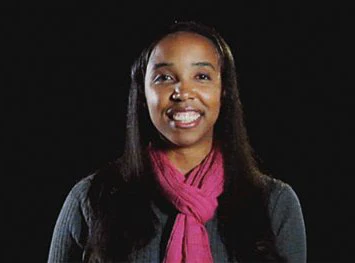
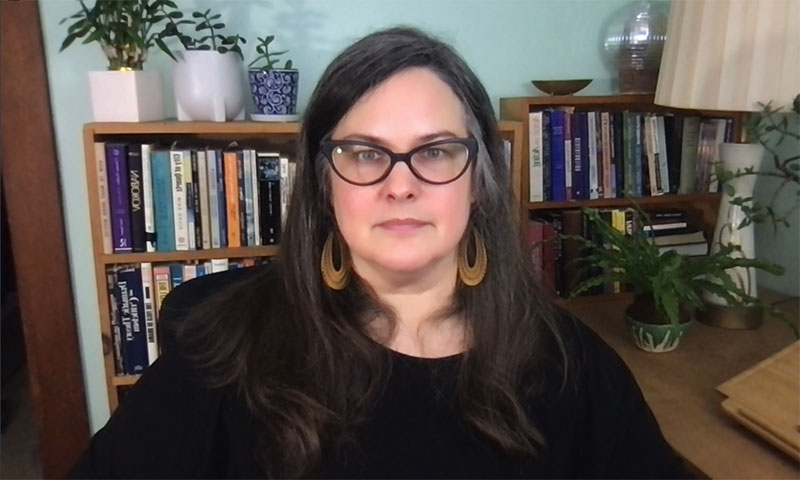
Deanne L. Westerman is a Professor and Cognitive Area Coordinator in the Department of Psychology at Binghamton University. Her research focuses on human memory processes, particularly recognition memory, familiarity, and attributional factors influencing memory decisions. She holds a PhD and MA from Case Western Reserve University and a BS from John Carroll University. Her work explores how perceptual and conceptual fluency impact memory judgments, with recent studies examining effects of photos/screenshots on memory impairment and emotional image processing. She has received the Chancellor's Award for Excellence in Teaching (2002-2023). Currently accepting graduate students for Fall 2024. Key research areas: Recognition memory, metamemory, cognitive bias, and memory illusions. Methodological expertise includes experimental design, memory paradigms, and cognitive neuroscience techniques.
André Sant'Anna is an Assistant Professor of Philosophy at Underwood International College, Yonsei University in Seoul, South Korea. He earned his PhD from the University of Otago Department of Philosophy in 2018 and has held postdoctoral positions at the University of Geneva (Switzerland, 2023-2025), University of Cologne (Germany, 2022-2023), and Washington University in St. Louis (USA, 2020-2021). He currently serves as President of the Eurasian Memory Network (EMN) and is a member of the Steering Committee of the Philosophy of Memory Organization (PhOMO). Dr. Sant'Anna's research focuses on the philosophical intersections between memory, perception, imagination, and metacognition. His work examines the nature of episodic memory, particularly the phenomenology of remembering, the relationship between memory and imagination, and the role of metacognition in memory processes. He has made significant contributions to debates on the continuity versus discontinuity between memory and imagination, the nature of autonoetic consciousness, and the puzzle of alethic memory. His recent publications demonstrate a strong focus on developing metacognitive approaches to memory phenomena, challenging existing paradigms, and bridging philosophical analysis with empirical findings from cognitive science. His work has appeared in leading journals including Synthese , Philosophy and the Mind Sciences , and International Journal of Philosophical Studies . Dr. Sant'Anna has received recognition through editorial roles including PhilPapers Editorships on Theories of Memory. He has co-edited significant works like Current Controversies in Philosophy of Memory (2022) and is contributing to The Oxford Handbook of Philosophy of Memory (forthcoming). His collaborative research extends across international boundaries, with frequent co-authorship with prominent scholars including Kourken Michaelian, Denis Perrin, and César Schirmer dos Santos. His work has been translated into multiple languages, including Portuguese, making philosophical memory research accessible to broader academic communities.
Patricia Akhimie is an Associate Professor of English at Rutgers University-Newark, Director of the Folger Institute at the Folger Shakespeare Library, and Director of the RaceB4Race Mentoring Network. She specializes in Shakespeare, Renaissance drama, and early modern women’s travel writing, with a focus on race, gender, and colonialism. Her research explores how literary works contributed to the formation of racial and social hierarchies in the early modern world. Education : Ph.D. in English from Columbia University (2011), M.F.A. in Creative Writing from the University of Michigan (2002), B.A. in English from Princeton University (2000). Additional certifications include Online Teaching (Rutgers, 2019), Effective College Instruction (ACE, 2017), and Feminist Scholarship (Columbia, 2006). Research Interests : Early Modern Critical Race Studies, Shakespearean drama, conduct literature, early modern travel narratives, gender studies, and colonialism. Her work bridges literary analysis with pedagogy and digital humanities, emphasizing the intersection of race, gender, and editing practices. Awards : Recipient of the Warren I. Susman Award for Excellence in Teaching (2021), Mellon-Funded Grant for RaceB4Race (2021–2024), and numerous fellowships from the National Endowment for the Humanities, Folger Shakespeare Library, and Ford Foundation. Teaching & Mentorship : Teaches courses like 'Shakespeare and Race' and 'Race in the Renaissance,' focusing on racial literacy in literature. She actively mentors early-career scholars through the RaceB4Race network and has developed innovative online curricula, earning awards for online teaching excellence. Publications : Author of Shakespeare and the Cultivation of Race (2018) and co-editor of The Oxford Handbook of Shakespeare and Race (2024). Currently editing Othello for the Arden Shakespeare series and working on Leaving Home: Early Modern Women’s Travel . Affiliations : Affiliated Faculty in Women's & Gender Studies and African American & African Studies at Rutgers Newark. Collaborates with institutions like the Folger Shakespeare Library and the Arizona Center for Medieval and Renaissance Studies.
Maarten Coëgnarts is an Assistant Professor in Film Studies at the University of Antwerp and a Fellow of the Society of the Cognitive Studies of the Moving Image (SCSMI) . His research focuses on embodied cognition , conceptual metaphor theory , and non-verbal meaning-making in cinema , with a particular emphasis on Stanley Kubrick’s work. University of Antwerp, Film Studies, Faculty Member Research Interests Coëgnarts explores how embodied mental schemas shape cinematic perception and creation. His work bridges cognitive linguistics, neuroscience, and film theory to analyze abstract concepts in films through visual, auditory, and editing techniques . Key areas include sensory-motor grounding of emotions , spatio-temporal dynamics in art cinema , and subjectivity in narrative . Recent Publications His 2023–2022 articles examine sound analysis via container schemas , motion vectors , and temporal logic in films , while 2016–2020 works address emotional causality and metaphorical perception . He co-edited the 2023 Baltic Screen Media Review special issue on "Cinematic Minds in the Making" . Scientific Recognition Fellow, SCSMI Books He authored Film as Embodied Art: Bodily Meaning in the Cinema of Stanley Kubrick (2019) and co-edited Embodied Cognition and Cinema (2015). His work highlights filmmakers as "conceptual artists" who leverage non-verbal cinematic tools to convey abstract ideas.
Shaundra 'Shani B' Daily serves as the Cue Family Professor of the Practice in the Department of Electrical and Computer Engineering at Duke University's Pratt School of Engineering. She also holds appointments as Professor of the Practice of Computer Science and serves as Faculty Director of the Duke Technology Scholars program. As a core faculty member in Innovation & Entrepreneurship and one of Duke's inaugural Levitan Faculty Fellows, Daily plays a pivotal role in connecting faculty with undergraduate residential life through the QuadEx initiative. Daily's educational background includes a Ph.D. from the Massachusetts Institute of Technology (2010), an S.M. from the MIT Media Lab, and B.S. and M.S. degrees in Electrical Engineering from the Florida Agricultural and Mechanical University – Florida State University College of Engineering. Her academic journey includes previous positions as an Associate Professor with tenure at the University of Florida (2015-2017) and Associate Professor in the School of Computing at Clemson University (2011-2015). Daily's research focuses on analyzing, designing, and building sociotechnical systems to support meaningful participation and success in STEM fields. Her work encompasses four interconnected strategies: understanding sociotechnical ecosystems through mixed methods approaches; employing participatory approaches that empower communities to shape technology development; designing technologies that enhance emotional development and interpersonal skills; and building supportive infrastructure through programs and curricula. Her research areas include identity-inclusive computing, human-centered design and engineering, and justice-centered STEM education, with particular emphasis on creating pathways for historically underrepresented groups in computing. Analysis of Daily's recent publications reveals a consistent focus on embodied approaches to computational thinking education, particularly through dance and movement-based learning. Her work bridges computer science education with affective computing, exploring how technologies can support emotional development while teaching technical skills. A significant thread throughout her research is the development of inclusive computing environments that address systemic barriers faced by women and underrepresented minorities in STEM fields. Educator of the Year, ACHI Magazine (2022) Program of the Year, CoNECD Conference (2022) North Carolina Black STEM Leaders, Governor Roy Cooper (2022) Capers and Marion McDonald Award for Excellence in Mentoring and Advising, Pratt School of Engineering (2021) Undergraduate Mentor of the Year, Mary Lou William Center for Black Culture (2020) Technology, Instruction, Cognition and Learning Early Career Research Award, American Education Research Association (2015) Daily has secured over $40 million in funding from public and private sources to support her collaborative research activities. Notable recent grants include the NSF INCLUDES Alliance: The Alliance for Identity-Inclusive Computing Education ($10 million), the AI Institute: Athena, and The Alliance for Interdisciplinary Innovation in Computing Education-Postdoctoral Research Fellowship. As Faculty Director of Duke Technology Scholars, she oversees a program providing comprehensive support for students from underrepresented backgrounds. Daily also serves as Education and Workforce Director for the Athena AI Institute and was appointed to develop competencies for the National Academies' Future Of Data And Computing Committee. Through her work with the Alliance for Identity-Inclusive Computing Education and the Duke Technology Scholars program, Daily has established herself as a leader in creating supportive infrastructure for learners to thrive in STEM. Her approach combines technology development with programmatic interventions to address systemic barriers in computing education. As a Levitan Faculty Fellow, she continues to bridge the gap between academic research and residential student life, creating opportunities for meaningful faculty-student connections that support intellectual and personal development.
Tobias Pontara is a Professor of Aesthetics at the Department of Cultural Sciences, University of Gothenburg. His research spans music philosophy, film music analysis, and mediatized representations of classical music. He has led major projects like Classical Music for a Mediatized World (2018-2023) and currently directs Conspiracy Soundtracks (2023-2026/27), examining audiovisual conspiracy communication. He is a key supervisor in the interdisciplinary research school The Future of Democracy (2023-2027). PhD in Musicology (2007): Letters From the World of Autonomous Music Senior roles: Deputy Head of Research (2018-2021), Academic Appointments Board member (2023–present) Podcast co-host: Film Worlds (2020–2022) His research connects music's epistemological role in: Shaping perceptions of reality Audiovisual conspiracy documentaries Cultural construction of classical music Gender and identity dynamics in film Mediatization of musical practices Publications include a Routledge monograph on Tarkovsky's soundtracks and articles in Music and the Moving Image , International Review of the Aesthetics and Sociology of Music , and conference proceedings. Teaching covers music history, cultural theory, and gender perspectives across multiple programs.
Leah Shafer is an Associate Professor of Media and Society at Hobart and William Smith Colleges, where she has been a faculty member since 2008. She earned her A.B., M.A., and Ph.D. from Cornell University, establishing a strong academic foundation in media and cultural studies. She is affiliated with the Media and Society Program, contributing to interdisciplinary scholarship and pedagogy. Joined faculty: 2008 Academic rank: Associate Professor Program: Media and Society Her research and teaching focus on critical media analysis, with core interests in television history, advertising, visual culture, digital media, film aesthetics, interactive documentary, and media literacy. She emphasizes historical context and creative production in her pedagogy, designing courses to challenge students’ perceptions of popular culture. Leah Shafer’s recent publications reflect a strong engagement with digital culture, feminist media, and pedagogical innovation. Her work spans experimental documentaries, peer-reviewed journal articles, and book chapters, appearing in outlets such as Film Criticism , Flow , Cinema Journal , and Routledge Handbook of Medicine and Media . Her scholarship often intersects with digital humanities, exploring how new media forms reshape cultural expression and learning. Current project: Co-editing Fifty Years of Women Media Makers: from New Hollywood to YouTube Professional affiliations: Society for Cinema and Media Studies, National Association for Media Literacy Education She is also a practicing filmmaker and media artist, producing experimental documentaries and video essays that have been exhibited at festivals and cultural institutions, including the Finger Lakes Environmental Film Festival and the National Women’s Rights Historical Park. Her creative work often centers on feminist themes and historical memory, particularly around the Seneca Falls Convention.
Sandra Pauletto is a Professor in Media Technology specializing in Media Production and a Docent in Sound and Music Computing at the Division of Media Technology and Interaction Design (MID), School of Electrical Engineering and Computer Science (EECS) at KTH Royal Institute of Technology. She joined KTH in 2019 after positions at the University of York and University of Huddersfield in the UK. Her work bridges the gap between artistic sound practices and technological innovation in the field of sonic interaction design. Pauletto holds a Physics degree (MPhys(Hons)) from Manchester and a Music degree in Classical Guitar from Conservatorio "G.Tartini" in Trieste, Italy. She completed her MSc and PhD in Music Technology at the University of York, UK, where her doctoral thesis focused on "Interactive non-speech auditory display of multivariate data." Her interdisciplinary background informs her approach to sound and media research. Her primary research interests focus on sound and music computing, media production, sound design, sonic interaction design, and sonification . She investigates how sound communicates both functional information (e.g., a car door shutting) and aesthetic qualities (e.g., the type of car) in interactive contexts. Her current projects apply these principles to sustainability challenges like energy consumption monitoring and environmental awareness, as well as health communication applications. She has developed methods that combine historical sound design practices with contemporary computing techniques to create more effective sonic interfaces. Analysis of her recent publications reveals a strong trend toward applying sound design to address societal challenges, particularly through projects like SonicFunc (developing sound design methods for everyday life) and SoniHED (Sonification of Health and Environmental Data). Her work increasingly incorporates interdisciplinary approaches, collaborating with experts in astronomy, environmental science, and public health to develop effective sonic interfaces for complex data. She has received funding for significant research projects including: The SonicFunc project (Principal Investigator), developing new sound design methods for the digital society The SCORe Project (Principal Investigator), using sonification to communicate public health risk data SoniHED: Conference on Sonification of Health and Environmental Data (funded by Wellcome Trust) Chronic health issues of adolescents project (funded by Centre for Chronic Diseases and Disorders) As an educator and mentor, Pauletto has served as Principal Supervisor for 5 completed PhD students and is currently Associate Supervisor for 1 PhD student. She has extensive teaching experience across all academic levels and has held management roles including Deputy Head of the MID Division at KTH and Programme Director for the MA/MSc in Postproduction with specialisation in Sound Design. She has also been a member of the Peer Review College for the UK Arts and Humanities Research Council and an expert reviewer for EU FP7 and H2020 programmes. She leads the SonicFunc research group which investigates sound function, aesthetics, and interaction in media production to create effective sonic interaction design for everyday life. Her team includes postdoctoral researchers like Rod Selfridge and PhD students working on projects related to sustainability, health communication, and innovative sound design methodologies. She has also organized multiple conferences including the SoniHED conference series and guest edited special journal issues on data sonification and sound design.
Søren Overgaard is an Associate Professor at the Department of Communication , Faculty of Humanities , University of Copenhagen, and a core member of the Center for Subjectivity Research . His work bridges phenomenology , philosophy of mind , and metaphilosophy , with a focus on perceptual experience, intersubjectivity, and metaphilosophical methodology. Areas of Specialization : Philosophy of Mind (Perception, Social Cognition), Phenomenology, Metaphilosophy, Wittgenstein Studies Education : PhD in Philosophy (2002, University of Aarhus), MA in Philosophy (1998), BA in Philosophy (1996) Research Interests center on perceptual experience , including disjunctivism, naive realism, and the phenomenology of hallucination/illusion. He integrates Husserl’s phenomenology , Merleau-Ponty’s embodiment theories , and Wittgenstein’s ordinary language philosophy to address questions about consciousness, social cognition, and the nature of philosophical methodology. Recent Publications include peer-reviewed articles on perceptual occlusion, backlighting, and the vertical-horizontal illusion in journals like Synthese , Mind , and Erkenntnis , as well as chapters in edited volumes on empathy, enactivism, and phenomenological approaches to psychopathology. His authored books include En verden af indtryk (2023) and An Introduction to Metaphilosophy (2013), translated into Korean and Turkish. Scientific Awards : 2020: Einar Hansen’s Research Foundation Prize for Outstanding Humanistic Research (SEK 150,000) Grants include a 2024-26 6,183,000 DKK grant from the Independent Research Fund Denmark for Mapping Perceptual Presence , and prior grants from the Danish National Research Foundation, Research Councils UK, Carlsberg Foundation, and others. Leadership and Service roles: Deputy Head of Department for Research (2024–), Director of the MA Programme in Cognition and Communication (2020–2022), President of the Nordic Society for Phenomenology (2017–2023), and editorial roles for journals and book series like Routledge Research in Phenomenology .
Aline Normoyle is an Assistant Professor of Computer Science at Bryn Mawr College, where she leads the MOVR (Motion Capture and Virtual Reality) lab. Her research focuses on character animation, video game design, and analyzing human motion from video. She holds a B.Sc. from McGill University, and a M.Sc. and Ph.D. from the University of Pennsylvania. Prior to academia, she worked as a software engineer for 10 years, specializing in networking, graphics, and behavioral modeling. Her work bridges computational methods with experimental approaches to study non-player characters, avatars, and game mechanics. Normoyle’s contributions include open-source tools for sign language analysis and VR experiments, and she actively collaborates across disciplines including linguistics and psychology. She has been recognized with the Best Student Presentation Award at the 2013 Symposium on Applied Perception. Her teaching spans foundational computer science courses and specialized topics in game programming and animation. Education: B.Sc. in Computer Science, McGill University (1999) M.Sc./Ph.D. in Computer Science, University of Pennsylvania (2015) Research Interests: Procedural character animation and behavior Motion capture and analysis techniques Immersive VR/AR applications Game-based experimental platforms Accessibility in digital human modeling Recent Work Trends: Normoyle’s recent publications explore gesture-based user identification, controller effects in AR games, and the role of hand motions in virtual communication. Her work emphasizes interdisciplinary approaches, combining AI with traditional animation techniques to create more expressive and interactive virtual characters. Awards: Best Student Presentation Award, Symposium on Applied Perception (2013) Advising & Grants: Normoyle advises students in animation, VR, and game design, requiring foundational coursework in computer graphics and systems programming. She has received support for her research through collaborations with institutions like Clemson University and New York University. Labs & Teams: Director of the MOVR lab at Bryn Mawr, focusing on motion capture, VR experiments, and open-source tools for sign language analysis.
Prof. Uta Schmidt is a Professor of Feminist Theology and Gender Studies at Augustana University in Neuendettelsau, Germany. She holds a doctorate in theology from Philipps University Marburg (2002) and habilitation in Old Testament studies from Justus Liebig University Giessen (2012). Her academic career includes roles as a research associate, pastor, and acting professor, culminating in her current position since 2022. Her research focuses on feminist exegesis, gender analysis in religious texts, Old Testament anthropology, and apocalyptic literature. Key projects include studies on Isaiah’s eschatology and the Hedwig Jahnow Research Project on feminist hermeneutics. She co-edited volumes on biblical narratives and trauma, and her recent work explores vulnerability in prophetic texts. Teaching emphasizes intersectional approaches to theology, combining biblical exegesis with gender theory, queer studies, and postcolonial perspectives. Her courses and seminars promote critical engagement with biblical texts and contemporary theological issues. She chairs the European Society for Women's Theological Research in Germany and contributes to international scholarly societies. Publications span monographs, essays, and lexicon entries, addressing themes like gender in biblical narratives, apocalyptic writings, and feminist hermeneutics. Her work bridges theology with social justice, critiquing traditional exegetical methods and advocating for inclusive, gender-equitable interpretations.
Dr. Pamela Carreno-Medrano is a Lecturer and Early Career Research Representative in the Department of Electrical and Computer Systems Engineering at Monash University. Her research focuses on Human-Robot Interaction (HRI), robot learning, and socially assistive robotics. She holds a PhD in Information & Communication Sciences (Université de Bretagne-Sud), Master's in Computer Science (École Nationale d’Ingénieurs de Brest), and a Bachelor's in Computer Systems Engineering (Universidad EAFIT). Her work emphasizes human-centered design for intelligent systems, including adaptive navigation algorithms, human-robot collaboration models, and affective computing applications. She leads projects on long-term human-robot interaction and has contributed to interdisciplinary studies on robot ethics and public space integration. Dr. Carreno-Medrano also serves as an Adjunct Lecturer at Universidad EAFIT and collaborates internationally on sustainable aging technologies through the ARC Training Centre for Optimal Ageing. Current research themes include aligning task representations between humans and robots, modeling non-goal-driven human behaviors, and socially aware navigation strategies. She actively supervises postgraduate students in HRI, offering projects on interactive robot learning and embodied AI systems.
Francesco Strada is a Fixed-term Assistant Professor at the Department of Control and Computer Engineering (DAUIN) at Politecnico di Torino. He serves as a Course Lecturer for Virtual Reality and Technical Art for Cinema and Video Games, and as a Course Collaborator for multiple courses across Computer Engineering, Film and Media Engineering, and Architecture programs. He is an active member of the College of Computer, Film and Mechatronics Engineering and the College of Architecture and Design teaching committees. Dr. Strada's research focuses on Computer Graphics, Virtual Reality, Augmented Reality, and Human-Computer Interaction with particular emphasis on Embodied Conversational Agents, emotion recognition, and serious games applications. His work bridges technical computer science with psychological and human factors considerations to create more believable and effective virtual experiences. His research spans applications in education, healthcare, automotive interfaces, cultural heritage, and emergency response training. His recent publications demonstrate a strong trend toward emotionally intelligent virtual agents, VR/AR applications in specialized domains, and technical innovations in latency management and digital human representation. His work often combines psychological principles with technical implementations to enhance user experience and system effectiveness. Dr. Strada actively supervises PhD students including Alessandro Emmanuel Pecora, Stefano Calzolari, and Leonardo Vezzani, whose research focuses on Emotionally Aware Embodied Conversational Agents (E2CA) and Car AR-HUD design. He leads significant research projects including Holo-BLSD (2024-2025), a Mixed Reality tool for first aid emergency response training, and '50 shadows of AI' (2025), focusing on personalized education in corporate settings. He is a member of the CGVG - Computer Graphics and Vision Group at DAUIN, where his team develops cutting-edge applications in AR/VR, Human-Computer Interaction, User Experience, Computer Vision, Machine Learning, and Artificial Intelligence. His research has practical applications in education, training, healthcare, automotive interfaces, and cultural heritage preservation.
Chris Ingraham is an Associate Professor in the Department of Communication at the University of Utah, where he has been serving since July 2021. He is also on the core faculty of the Environmental Humanities Graduate Program. His academic career bridges communication studies, environmental humanities, and cultural theory, with a focus on how material, aesthetic, and affective practices shape our environments. Dr. Ingraham's educational background demonstrates a strong foundation in the humanities: BA in English from Amherst College MA in Humanities from the University of Chicago PhD in Communication from the University of Colorado - Boulder Before entering academia, Ingraham worked as a freelance writer, environmental journalist, and in publishing at the Knopf Group in New York. This professional background informs his interdisciplinary approach that brings together insights from across the humanities to address contemporary environmental and technological challenges. His research interests span communication and media studies, cultural studies, literary studies, philosophy, creative and professional writing, and environmental communication. His scholarly trajectory reveals a progression from examining digital media and social platforms to increasingly focusing on ecological and environmental concerns. His work connects rhetorical theory with contemporary environmental challenges, exploring how communication practices shape our relationship with the more-than-human world. A strong thread throughout his scholarship is the examination of non-discursive and affective dimensions of communication, particularly how material environments and objects participate in meaning-making processes. Dr. Ingraham has received recognition for his scholarly contributions: Rising Star in Humanities Award (2020) from the College of Humanities, University of Utah Top Paper Award (2020) from the Western States Communication Association Faculty Fellows Award (2020) from the University Research Council Fulbright Scholar in Digital Culture at the University of Bergen (2018) As an educator, Ingraham teaches courses including Environmental Communication: Critical Plant Studies, Foundations of Communication, Ecology of Residency, and Rhetorical Posthumanism. His teaching reflects his research interests, emphasizing critical approaches to environmental communication and the intersection of media, rhetoric, and ecological thought. While specific student advisees aren't listed in the available information, his courses suggest he mentors students interested in environmental humanities, media studies, and rhetorical theory. Institutionally, Ingraham serves on the Advisory Board of the Society for the Study of Affect (since 2023) and participates in the Rhetoric, Culture, and Advocacy Interest Group of the Western States Communication Association. He was also a member of the Legislative Assembly of the National Communication Association from 2021-2023, demonstrating his engagement with professional organizations in his field.
Wendy Woodson serves as the Roger C. Holden Professor of Theater and Dance at Amherst College and the Five College Dance Department, where she has taught since 1987. Founder and Artistic Director of Present Co. Inc., she has created over 100 interdisciplinary performance works presented globally at venues including the Kennedy Center, Jacob's Pillow, and LaMaMa theaters in NYC and Melbourne. Her research centers on interdisciplinary performance , exploring tensions between individual voices through mediation, reconciliation, and translation across media. She emphasizes kinesthetic empathy and collaborative improvisation, developing frameworks where movement, text, and video interact to examine belonging and identity. Her artistic practice consistently investigates how individuals navigate relationships within specific cultural and physical contexts. Analysis of her 15 most recent works reveals an evolution from stage-based choreography toward video installations addressing displacement ( NELA , DORA ) and environmental change ( Shore ), while maintaining core interests in multilingual expression and psychological archetypes. Her pieces frequently engage refugee narratives, memory reconstruction, and cross-cultural dialogue. Prestigious Recognition: Fulbright Senior Scholar (2006-07), multiple international film festival Grand Prizes Major Residencies: Rockefeller Bellagio Center, Bogliasco Foundation, Royal Melbourne Institute of Technology Foundation Support: National Endowment for the Arts (6 fellowships), Massachusetts Cultural Council (12 awards) Woodson has mentored through guest artist residencies at 15+ institutions worldwide while developing innovative curricula like The Art of Noticing seminar. Her Present Company Inc. has sustained 40+ years of collaborative production with over 50 associate artists across dance, theater, and visual media, creating experimental works that challenge conventional performance boundaries through interdisciplinary integration.