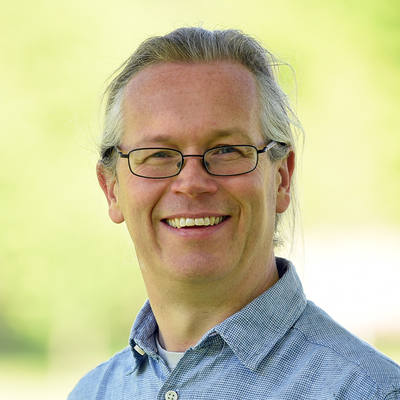
George Perry is a Professor of Anthropology at Pennsylvania State University, with research intersections in Biology, Evolutionary Medicine, and Genomics. He is affiliated with the Huck Institutes' Center for Infectious Disease Dynamics, Ecology, Molecular Cellular and Integrative Biosciences, and Bioinformatics and Genomics programs. Perry directs the Anthropological Genomics Lab , focusing on paleogenomics and evolutionary adaptation. Research areas: anthropological genomics, parasite evolution, human body size transitions, and evolutionary medicine Key collaborations: international teams in Madagascar, Europe, and Africa Leadership: Bioinformatics and Genomics Chair (2019–2023) His 2025–2022 publications span evolutionary responses to invasive species, human migration health impacts, chemosensory gene adaptation, and primate genomic diversity. Notable methodological contributions include ancient DNA recovery and comparative paleogenomics. Perry advises graduate students like Vanessa Garcia and Annette Mercedes, with grants including NIH support for Cuban health disparity studies. Scientific leadership includes tenure-line promotions (2023) and NASA Space Grant collaborations.
Peter A. Jones is President and Chief Scientific Officer at the Van Andel Institute (VAI) in Grand Rapids, Michigan, where he leads the Department of Epigenetics. He previously served as Director of the USC Norris Comprehensive Cancer Center from 1993 to 2011 and has been a central figure in advancing epigenetics research, particularly in cancer. His laboratory investigates DNA methylation, chromatin dynamics, and epigenetic therapies. Research Interests: Dr. Jones's work centers on epigenetic mechanisms in cancer, including DNA methylation, histone modifications, nucleosome positioning, and the therapeutic potential of epigenetic drugs. His research has pioneered the use of DNA methylation inhibitors like 5-azacytidine and explored viral mimicry as a mechanism for immune activation in cancer. He also studies transposable elements and their role in gene regulation and immune response. Publication Trends: His recent publications (2021–2024) reveal a strong focus on the interplay between epigenetics and immunotherapy, particularly how DNA methyltransferase inhibitors (DNMTi) induce viral mimicry, enhance immune recognition, and improve responses to checkpoint blockade. Studies span hematological malignancies, solid tumors, and T cell biology, with frequent collaboration with Stephen Baylin and others. Scientific Awards: Member, National Academy of Sciences Member, National Academy of Medicine Fellow, AACR Academy Fellow, AAAS Fellow, American Academy of Arts and Sciences Kirk A. Landon Award for Basic Cancer Research (2009) Medal of Honor, American Cancer Society (2011) Outstanding Investigator Grant, NCI Harvey Prize (2024) Advising and Grants: Dr. Jones mentors multiple postdoctoral fellows, graduate students, and research scientists. His lab is supported by major grants, including the VAI-SU2C Epigenetics Dream Team, which has launched 15 clinical trials. He has received sustained funding from the National Cancer Institute and collaborates with institutions worldwide to advance epigenetic therapies. Labs and Teams: He leads the Peter Jones Laboratory at VAI, a multidisciplinary team investigating epigenetic regulation in cancer. The lab includes computational biologists, clinical researchers, and molecular biologists, working on both basic mechanisms and translational applications. The team is part of larger collaborative initiatives such as the VAI-SU2C Epigenetics Dream Team and the International Linked Clinical Trials Program.
Dr. Andrew Bassett serves as Head of the Cellular and Gene Editing Research group at the Wellcome Sanger Institute, where he develops cutting-edge genome engineering techniques using human pluripotent stem cells to investigate neurodegenerative diseases including Alzheimer's and Parkinson's. His work focuses on scaling genetic screening approaches and improving CRISPR specificity for modeling complex disease mechanisms. His academic training includes: PhD at the MRC Laboratory of Molecular Biology (MRC-LMB) with Andrew Travers on chromatin remodelling in heterochromatin formation Postdoctoral research with David Baulcombe at the University of Cambridge studying small RNA roles in chromatin modification Additional postdoctoral work with Chris Ponting at the MRC Functional Genomics Unit (MRC-FGU) in Oxford, where he pioneered CRISPR applications in Drosophila Bassett's research program centers on developing advanced genome engineering methodologies for precise modulation of gene expression networks during development and neurodegeneration. His group specializes in creating complex editing events (SNPs, paired knockouts, enhancer perturbations) within iPSC-derived models, with particular emphasis on epigenetic regulation and transcriptional control. Current projects integrate single-cell 'omics and phenotypic assays to decode genetic causes of neurodegenerative disorders through the OpenTargets consortium. Analysis of his 15 most recent publications reveals dominant trends in CRISPR technology development (35%), neurodegenerative disease modeling (30%), and single-cell functional genomics (25%). His work consistently bridges methodological innovation with disease mechanism studies, increasingly incorporating multi-omics approaches and expanding into cancer immunology and infectious disease applications since 2022. As group leader, Bassett mentors postdoctoral researchers and PhD students while securing major funding for genome engineering initiatives. His team operates within the Sanger Institute's Cellular Operations division and maintains critical partnerships with the OpenTargets consortium for therapeutic target validation. The laboratory specializes in high-throughput screening platforms using iPSC-derived neural and microglial models, with recent methodological advances including scSNV-seq and ONE-STEP tagging systems that significantly enhance precision genome editing capabilities.
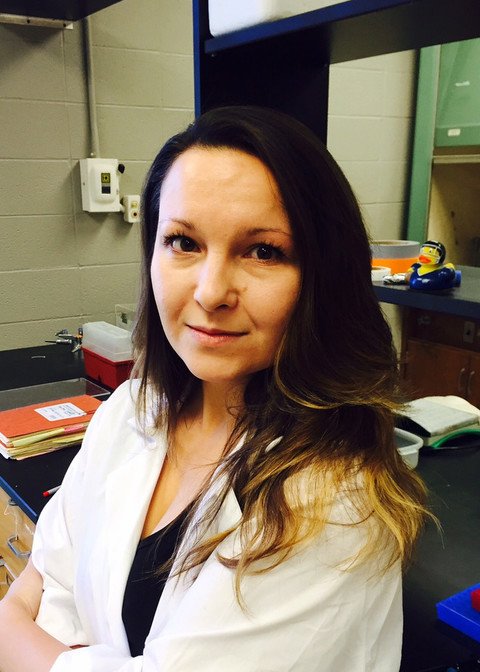
Julia V. Halo is an Associate Professor in the Department of Biological Sciences at Bowling Green State University (BGSU) , where she leads the Halo Lab . Her research focuses on the genomic impact of transposable elements , particularly endogenous retroviruses (ERVs) and SINE/LINE pairs , in human and non-human systems. She received her Ph.D. in Molecular Microbiology from Tufts University's Sackler School of Biomedical Sciences. Research Interests Genomic evolution driven by retrotransposon activity ERV-host interactions in disease and evolution Mechanisms of SINE/LINE retrotransposition Comparative genomics of mobile elements Publications & Grants 15+ peer-reviewed articles in journals like PNAS , Retrovirology , and PLoS Genetics Three consecutive NIH R15 AREA grants (2017, 2020, 2025) for ERV studies in domestic dogs Scientific Awards 2024 President’s Award for Collaborative & Creative Research 2021 Elliot L. Blinn Award for Faculty-Undergraduate Innovation 2020 Outstanding Early Career Award 2021 Sigma Phi Epsilon Faculty Fellow Mentoring & Lab Members Mentored students: Abigail Jarosz-DiPietro (Ph.D.), Maddie Altieri (M.S., now Ph.D. student), and Savanna Spitnale (M.S.) Undergraduate researchers: Abby Grady, Molly Buffenbarger, Genesis Pyles, and others
Pavel P. Kuksa is a Research Assistant Professor in the Department of Pathology and Laboratory Medicine, specializing in bioinformatics, computer science, and functional genomics. His work focuses on high-throughput sequencing analysis, chromatin interaction data, and developing scalable software platforms for genomics research.
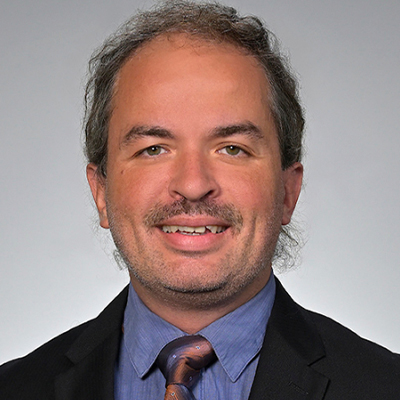
G. Petur Nielsen, MD is a Professor of Pathology at Harvard Medical School and serves as Subspecialty Head, Bone and Soft Tissue Pathology at Massachusetts General Hospital . With a clinical focus on bone and soft tissue tumors, his expertise spans diagnostic pathology, molecular genetics of neoplasms, and ancillary testing applications. Research interests center on Pathology and biology of bone/soft tissue tumors Molecular genetics of bone and soft tissue neoplasms Chordoma and sarcoma research Epithelioid vascular tumor differentiation Mesenchymal tumors of the female genital tract His work includes landmark studies on tumor misdiagnosis rates, immunohistochemical profiling, and genomic analysis of chordomas. Scientific contributions appear in leading journals like Nature and American Journal of Surgical Pathology , with major emphasis on Molecular tumor classification Mutational signature analysis Translational oncology Diagnostic accuracy improvement Genomic instability mechanisms
Dr. Steven Jacobsen is a Professor in the Molecular, Cell, and Developmental Biology Department at the University of California, Los Angeles (UCLA), where he leads the Jacobsen Lab. His work focuses on epigenetic inheritance and gene regulation in Arabidopsis thaliana and mammalian stem cells, utilizing genetic screens, genomics, epigenomics, and biochemical approaches. The lab also pioneers CRISPR-mediated genome editing techniques. University: University of California, Los Angeles Department: Molecular, Cell, and Developmental Biology Research Interests: Jacobsen's research spans multiple interconnected domains in epigenetics, including DNA methylation patterning, histone modification interplay, and transposable element silencing. His team investigates how chromatin structure influences gene expression and epigenetic inheritance, with applications from plant development to human health. Key areas include: CRISPR-based epigenetic modifications RNA-directed DNA methylation (RdDM) mechanisms Chromatin compaction via MORC proteins Histone variant functions in methylation Transposon control in plant genomes Comparative epigenomics across species Advising Legacy: Over two decades, Dr. Jacobsen has mentored 21 former lab members who now hold academic and industry positions globally, including professors at Chinese Academy of Sciences, University of Georgia, and Southern University of Science & Technology. His lab's publications reveal a consistent focus on DNA methylation dynamics, chromatin remodeling, and small RNA pathways, with recent work emphasizing CRISPR innovations and structural insights into epigenetic regulators.
Lauren Weiss, PhD is a Professor of Psychiatry at the University of California, San Francisco (UCSF) School of Medicine and a faculty member at the UCSF Weill Institute for Neurosciences. Her research focuses on understanding the genetic architecture of autism spectrum disorder through genome-wide genetic data analysis and human induced pluripotent stem cell (iPSC) models. Dr. Weiss's laboratory investigates the genetic mechanisms by which DNA variants influence autism risk, examining questions about copy number vs. SNP variation, rare vs. common variation, gene-sex interaction, gene-gene interaction, and gene-environment interaction. Her team uses rich genetic datasets to identify susceptibility loci and the physiological pathways these risk loci implicate. Additionally, they employ iPSC models to study known mutations or copy number variants predisposing to autism, first identifying the effects of genetic risk variants and then determining whether these effects can be modified at the cellular level by environmental or pharmacological agents. Analysis of Dr. Weiss's recent publications reveals a strong focus on sex differences in autism genetics, the role of specific copy number variants (particularly 16p11.2 and 22q11.2), maternal environmental factors during pregnancy, and the integration of multi-omics data to understand neurodevelopmental pathways. Her work bridges basic genetic research with potential clinical applications for improving understanding, prevention, diagnosis, and treatment of autism and related traits. Dr. Weiss has secured significant research funding as Principal Investigator on multiple NIH grants, including R01MH114924 (Decoding the Genetics of Sexual Dimorphism in Autism Spectrum Disorders), R01MH107467 (Utilizing eQTL networks to gain biological insight into multigenic CNVs), and DP2OD007449 (Dissecting Epistasis and Pleiotropy in Autism towards Personalized Medicine). Her laboratory offers research opportunities for students interested in analytical genetics projects related to gene-environment effects, gene-sex effects, gene-gene effects, and the relationship between ASD and brain size. Dr. Weiss actively collaborates with numerous researchers across institutions, particularly on large-scale genomic studies of autism and other neurodevelopmental disorders. Her work has contributed significantly to our understanding of the complex genetic architecture underlying autism spectrum disorder and related conditions.
Guillaume Bourque is a Professor in the Department of Human Genetics at McGill University's Faculty of Medicine. He serves as an Investigator at the Victor Phillip Dahdaleh Institute of Genomic Medicine and as the Scientific Director of the Canadian Centre for Computational Genomics (C3G). His laboratory is based at 740 Dr Penfield Ave, Room 6103, Montréal, Québec, Canada, H3A 1A4, where he leads research in computational genomics and bioinformatics. Professor Bourque's research focuses on understanding mammalian genomes using comparative genomic and epigenomic analyses. His lab investigates the evolution of regulatory sequences , the role of transposable elements in gene regulation , and the impact of genome rearrangements in evolution and cancer . His team develops computational methods and resources for the functional annotation of genomes with special emphasis on sequencing-based assays including ChIP-seq, RNA-Seq, exome- and whole-genome sequencing, and single-cell analysis. The lab's work involves examining billions of DNA base pairs to interpret how variation impacts basic biology and disease. Recent publications (2024-2025) demonstrate Bourque's leadership in pangenome graph construction , transposable element analysis , epigenomic profiling , and cancer genomics . His work spans multiple disciplines from basic genome evolution to clinical applications in cancer and infectious disease. Notable projects include the development of tools like DeepPolisher for genome assembly polishing and contributions to understanding the genomic basis of long COVID. Bourque's laboratory is actively recruiting postdocs and graduate students with backgrounds in programming or statistics. The lab emphasizes quantitative approaches to biology, requiring applicants to have experience in quantitative biology as a plus. His collaborative work extends across multiple institutions and international consortia, reflecting the interdisciplinary nature of modern genomic research.
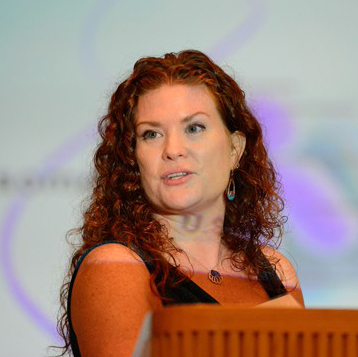
Rachel O'Neill serves as a Board of Trustees Distinguished Professor in the Department of Molecular and Cell Biology at the University of Connecticut's College of Liberal Arts and Sciences. Her research bridges molecular genetics, cytogenetics, and computational genomics to investigate fundamental mechanisms of genome stability and evolution across diverse eukaryotic species. Her primary research interests focus on retroelement transcription, centromere function, chromosome evolution, and species-specific genomic adaptations. O'Neill's lab pioneers telomere-to-telomere (T2T) genome assembly methodologies using next-generation sequencing technologies, establishing non-traditional model organisms including marsupials, monotremes, birds, marine species, plants, and insects for comparative genome biology studies. Human Telomere-to-Telomere Consortium Primate T2T Consortium Gibbon T2T Consortium Earth Biogenomes Project Ruminant T2T Consortium Fly T2T Consortium Deep Ocean Genomes Project Antarctic Genomes Consortium Colossal Foundation UConn’s Biodiversity and Conservation Genomics program O'Neill's recent publications (2021-2025) demonstrate leadership in large-scale genomics initiatives, with significant contributions to understanding centromere biology, sex chromosome evolution, and conservation genomics. Her work spans marsupial mole genomics, ruminant chromosome evolution, and epigenetic regulation of X-chromosome inactivation, reflecting her lab's broad impact across evolutionary biology, conservation, and fundamental genome science. Her laboratory actively trains students through cohort-based programs including the RaMP Cohort and Biodiversity and Conservation Genomics Program, securing substantial collaborative funding through multi-institutional consortia. The lab maintains strong infrastructure for advanced genome assembly and epigenomic analysis, with particular expertise in challenging repetitive regions and non-model organism genomics.
Professor Anne Ferguson-Smith is a leading mammalian developmental geneticist and epigeneticist at the University of Cambridge, holding the Arthur Balfour Professorship of Genetics. As Pro-Vice-Chancellor for Research, she oversees the university's research strategy while maintaining her laboratory's focus on genomic imprinting and epigenetic inheritance . Her work bridges experimental and computational approaches through affiliations with the Cambridge Stem Cell Institute, Cambridge Neuroscience, and the Centre for Trophoblast Research. Research in her lab investigates epigenetic mechanisms in developmental processes , particularly through the lens of Dlk1-Dio3 imprinted domain studies. Current themes include: Stem cell epigenetic programming Environmental modulation of epigenetic states Role of repetitive elements in genomic regulation Her group integrates mouse and zebrafish models with high-throughput genomics and mathematical modeling . Key collaborations include: Wellcome Trust UKRI Medical Research Council BBSRC NIH Scientific honors include: Elected EMBO Member (2006) Academy of Medical Sciences (2012) Fellow of the Royal Society (2017) Commander of the Order of the British Empire (CBE) The lab maintains family-friendly research practices and actively participates in interdisciplinary collaborations across Cambridge and internationally.
Jef D. Boeke is the Sol and Judith Bergstein Director of the Institute of Systems Genetics and a Professor in the Department of Biochemistry and Molecular Pharmacology at NYU Grossman School of Medicine. He holds a PhD from Rockefeller University and has pioneered research in synthetic biology, retrotransposition mechanisms, and yeast genetics. His work includes leading the international Sc2.0 project to synthesize the first eukaryotic genome and the 'Dark Matter Project' exploring non-coding DNA functions. Research interests focus on genome engineering, synthetic genomics, epigenetics, and applications to cancer biology. His lab develops CRISPR tools and synthetic regulatory systems, with notable contributions to understanding LINE-1 retrotransposons and chromatin structure. Over 489 publications highlight his work in Nature Communications, Molecular Cell, and Science. Awards: While specific prizes aren't listed, his leadership in groundbreaking projects like Sc2.0 and contributions to synthetic biology underscore his influential career. Grants and funding details are implied through active research programs. Advising: Supervises a multidisciplinary team of postdocs and graduate students working on projects ranging from antibiotic engineering to de-extinction approaches. Lab collaborations include international partnerships and industry-driven biotech applications. Labs/Teams: Directs the Boeke Lab, a hub for synthetic genome engineering and systems genetics. The lab’s interdisciplinary team bridges molecular biology, computational biology, and engineering to solve complex biological problems.
Julie Ahringer is Professor of Genetics and Genomics at the University of Cambridge and Director of the Wellcome Trust/Cancer Research UK Gurdon Institute. She leads a research group investigating chromatin structure and gene regulation using C. elegans as a model system. Her work integrates genomics, super-resolution microscopy, and computational approaches to understand epigenetic controls in development and disease. She holds fellowships from the Royal Society (FRS) and Academy of Medical Sciences (FMedSci). Research Focus: Her laboratory studies chromatin regulation mechanisms including heterochromatin formation, Polycomb domain function, genome architecture, and enhancer/promoter interactions. Key approaches include single-cell multiomics, high-throughput genomics, and super-resolution microscopy to analyze developmental trajectories. Research areas span: H3K27me3 domain formation and Polycomb repression Constitutive heterochromatin organization Regulatory element characterization 3D genome architecture via ARC-C technology Single-cell resolution developmental mapping Awards & Honors: Fellow of the Royal Society (FRS) Fellow of the Academy of Medical Sciences (FMedSci) Wellcome Senior Research Fellowship Academic Leadership: She mentors PhD students and postdoctoral researchers, with funding from Wellcome, MRC, and CRUK. Her lab develops open-source bioinformatics tools (VplotR, periodicDNA) and maintains the genome-wide C. elegans RNAi feeding library. Lab & Collaborations: The Ahringer Lab is based at the Gurdon Institute and collaborates widely on chromatin dynamics, nuclear organization, and developmental genomics projects across model organisms.
Tao Wu is an Assistant Professor in the Department of Molecular and Human Genetics at Baylor College of Medicine in Houston, TX. His research focuses on deciphering epigenetic mechanisms underlying cancer therapeutic resistance, particularly exploring DNA modifications like N6-methyladenine (6mA) and their roles in glioblastoma and other cancers. He employs advanced genomic technologies such as SMRT-ChIP and single-cell sequencing to study epigenetic regulators and their functional implications. Dr. Wu received his PhD from the University of Chinese Academy of Sciences (2008) and completed postdoctoral training at the Yale Stem Cell Center. His work integrates systems biology, genomics, and biochemistry to identify novel epigenetic drug targets. Key discoveries include identifying ALKBH1 as a 6mA demethylase and revealing 6mA’s role in hypoxia response pathways linked to drug resistance in glioblastoma. His research interests emphasize understanding dynamic epigenetic regulation in cancer, with projects focused on: Elucidating driver epigenetic mutations in cancer progression Developing therapies to overcome treatment resistance via epigenetic modulation Characterizing novel DNA modifications (e.g., 6mA) and their regulatory mechanisms Recent work highlights the lab’s focus on single-molecule sequencing and CRISPR-based screening to uncover epigenetic pathways in cancer models. Funding support includes grants from the Cancer Prevention Research Institute of Texas (CPRIT).
Josie Clowney is an Associate Professor in the Department of Molecular, Cellular, and Developmental Biology at the University of Michigan, where she has held faculty position since 2017. Her research investigates the genomic algorithms that construct neural circuits during development, using Drosophila as a model to study how chemosensory systems drive both instinctual behaviors and learning. She teaches Bio 172 and an upper-level seminar on cellular diversity and scientific writing, and mentors graduate students through MCDB, CMB, NGP, and BIOINF PhD programs. Her educational background includes: Ph.D. in Biomedical Sciences (2012) from the University of California, San Francisco B.S. in Cellular and Molecular Biology (2005) from the University of Michigan, where she conducted research with Cunming Duan Clowney's research centers on understanding how definitive neuronal parameters are encoded in genomic information and translated into cellular architectures. Her lab hypothesizes that developmental algorithms for learning circuits versus instinctual circuits differ fundamentally in their genomic requirements, with chemosensory circuits serving as key models. Using fruit flies for their tractable brain organization, her work bridges computational principles and biological implementation to uncover universal brain organization rules. Analysis of her 15 most recent publications (2016-2025) reveals consistent focus on Drosophila mushroom body development, neural sexual differentiation, and spatial constraints in circuit formation. Key themes include non-deterministic mechanisms diversifying cell surface expression, chromatin dynamics in circadian regulation, and how input density tunes sensory responses. Her work integrates genomics, neuroanatomy, and behavior to model how compact genomic information generates complex neural architectures. No scientific awards were mentioned in the provided text. Dr. Clowney advises graduate students through multiple PhD programs at the University of Michigan, though specific student names and grant details are not provided in the source material. Her teaching includes foundational undergraduate coursework and advanced seminars emphasizing scientific writing. The active publication record spanning 2016-2025 indicates sustained research funding supporting her lab's investigations into neural circuit development. The Clowney Lab, housed in the Biological Sciences Building (4218 BSB), employs Drosophila genetics and neuroanatomical techniques to dissect developmental algorithms of brain wiring. Current projects explore how spatial constraints structure learning circuits, mechanisms of neural sexual differentiation, and the genomic encoding of circuit diversity. The lab collaborates within Michigan's neuroscience community through the Program in Biology and participates in interdisciplinary initiatives studying brain evolution and function.