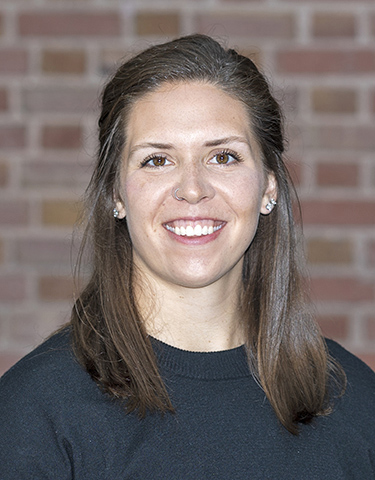
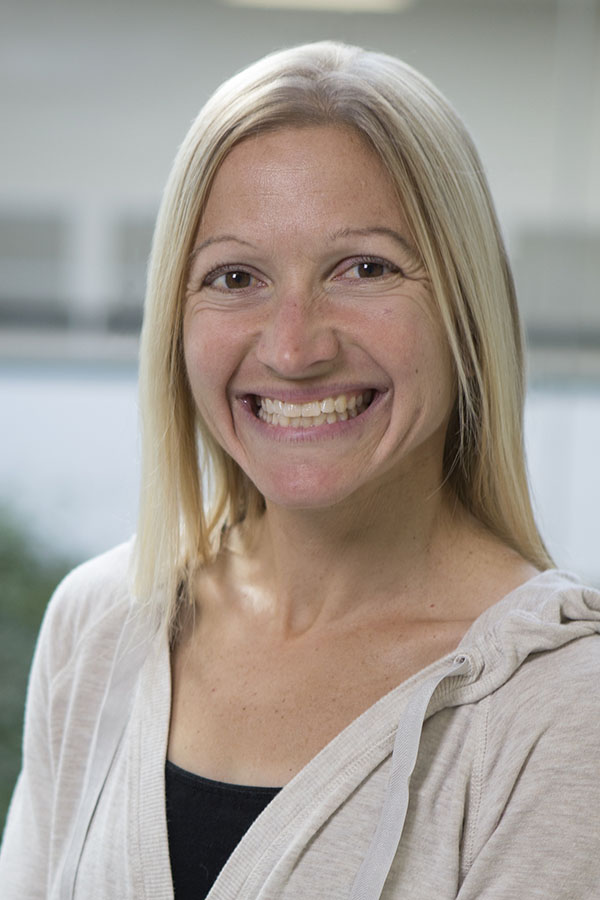
Hannah Fry is an Assistant Professor in the Biology Department at Wisconsin Lutheran College (WLC), with a focus on Sport and Exercise Science. She earned a Doctor of Physical Therapy from the University of Wisconsin-Milwaukee and a Bachelor of Science in Biology and Health Sciences from WLC. Since 2022, she has combined her clinical expertise in physical therapy with teaching, offering courses like Anatomy and Physiology , Exercise Physiology , and Biomechanics . Her research interests center on neurorehabilitation, including: High-intensity gait training post-stroke and TBI Neurologic stimuli in coma recovery Fall prediction and prevention strategies Neuroplasticity in ataxic movement disorders A 2020 publication in Neuropsychology Review highlights her work on ASL MRI for TBI assessment. Fry actively contributes to professional societies like the American Physical Therapy Association and American College of Sports Medicine. She also serves as a praise band vocalist at St. Marcus Lutheran Church and participates in Hallwaves at Froedtert Hospital.
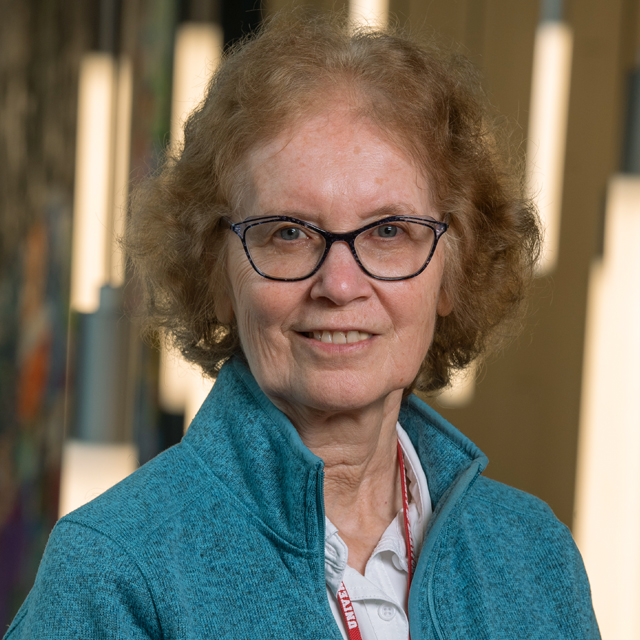
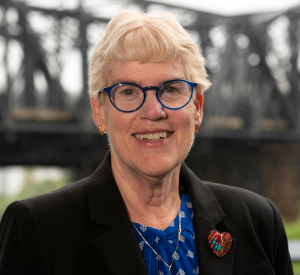
Donna Snowdon serves as a Clinical Assistant Professor in the Department of Physical Therapy Rehabilitation Sciences within the College of Education, Nursing and Health Professions at the University of Hartford. Her teaching responsibilities encompass the neurological curriculum, including Neuroscience, Neuroscience Laboratory, Neuropathology, and Pediatrics courses. Her academic credentials include: Doctor of Physical Therapy from Boston University MS in Neuroscience from the University of Hartford BS in Physical Therapy from Northeastern University Dr. Snowdon's research centers on postural control development in children with neurological impairments , with specialized clinical application of equine therapy through her membership in the American Hippotherapy Association. She maintains active clinical practice in the CT Birth to Three Program for the American School for the Deaf, integrating translational research into pediatric neurorehabilitation. Her pedagogical approach emphasizes active learning methodologies to bridge foundational neuroscience concepts with clinical practice readiness.
University of Massachusetts Chan Medical SchoolUnited States
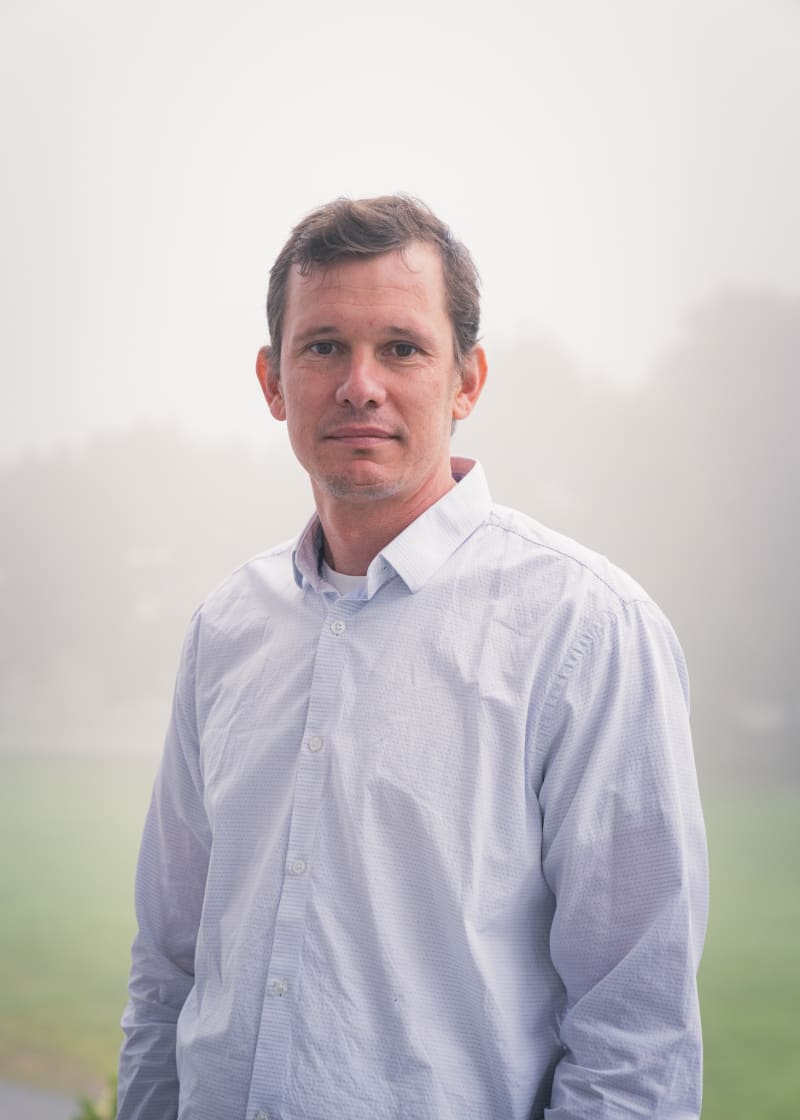
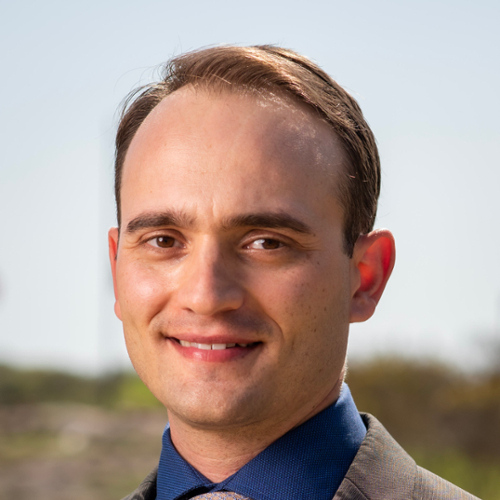
Andrew Galica, MD, is an Assistant Professor at the University of Massachusetts Chan Medical School, affiliated with the T.H. Chan School of Medicine and the Department of Neurology. His work spans neurology, geriatrics, and orthopedics, focusing on aging-related mobility and vascular disorders. Educated at University of Massachusetts Medical School Research interests: Neurovascular coupling, gait analysis, elderly mobility, vibration therapy, vascular diseases, diabetes complications Key collaborations: MOBILIZE Boston Study, Framingham Foot Study
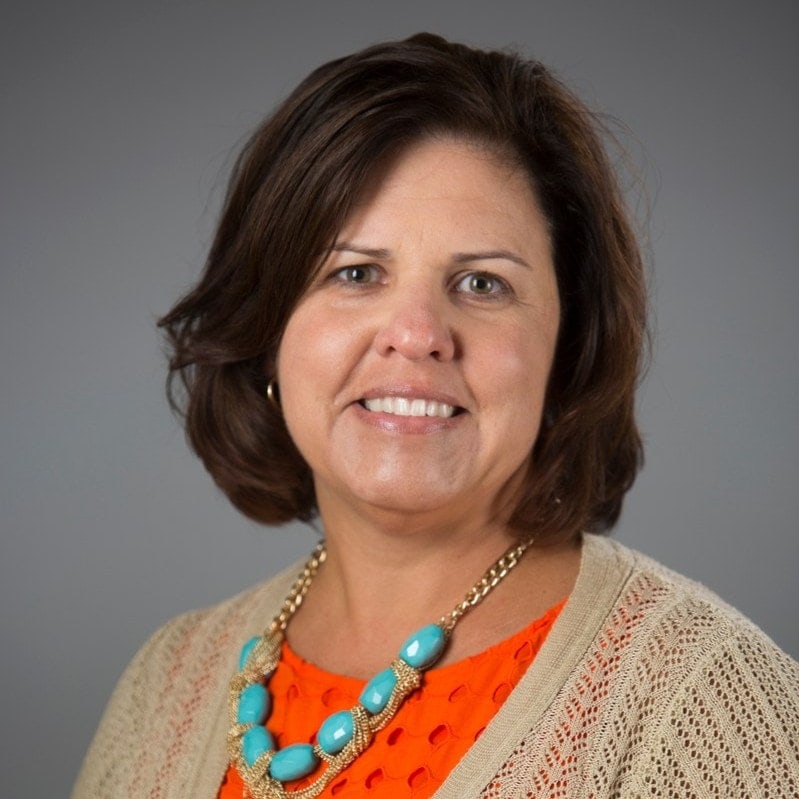
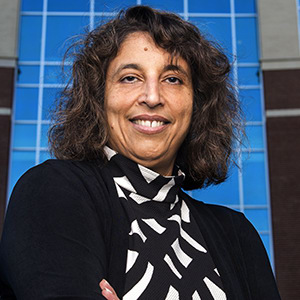
Kathleen T. Foley is a faculty member at Brenau University, where she has been teaching since 2013. She holds a PhD in Higher Education from Indiana University-Bloomington, a Master of Science in Instructional Systems Technology, and an undergraduate degree in Occupational Therapy from Quinnipiac University. Her academic work spans teaching, research, and professional leadership in occupational therapy and geriatric rehabilitation. Education: PhD in Higher Education – Indiana University-Bloomington MS in Instructional Systems Technology – Indiana University-Bloomington BS in Occupational Therapy – Quinnipiac University Dr. Foley's research focuses on maximizing occupational performance in older adults, particularly in long-term care settings. She has investigated health disparities, such as toileting access among Black older adults in skilled nursing facilities, supported by intramural grant funding. Her expertise includes neurorehabilitation, interprofessional education, and clinical assessment of adults and older adults. Her recent publications span from 2014 to 2024, covering areas such as acute care occupational therapy, geriatric rehabilitation, client-centered practice, and interprofessional education in nursing homes. The works reflect a strong commitment to evidence-based practice, equity in care, and improving functional outcomes in aging populations. Scientific Awards and Professional Leadership: Past President, Indiana Occupational Therapy Association Secretary, American Occupational Therapy Association Dr. Foley actively supervises thesis and capstone projects in occupational therapy programs and has presented her work at state and national conferences. She has been involved in developing clinical education models and promoting interprofessional collaboration. While no specific grants are named beyond intramural funding, her research agenda demonstrates sustained scholarly productivity and institutional support. She is actively engaged in professional service and curriculum development, contributing to national educational resources in geriatrics and occupational therapy. No lab or research team is explicitly mentioned, but her collaborative publications suggest team-based research efforts.
Kell da Costa, Ph.D., is an Assistant Professor at Colby-Sawyer College’s School of Nursing & Health Sciences since 2023. His research spans exercise physiology, neuroscience, and health promotion, with applications in pediatrics, aging, military populations, and substance use disorders. Education B.S. in Physical Education, University of Campinas (UNICAMP-Brazil), 2012 M.A. in Molecular Biology, UNICAMP-Brazil, 2015 Ph.D. in Health Sciences, Federal University of Rio Grande do Norte (UFRN-Brazil), 2019 Postdoctoral Fellowship, Tufts University, 2019-2023 His expertise includes exercise physiology, cognitive science, and neurorehabilitation, focusing on how physical activity impacts brain function in vulnerable populations. Recent work examines prefrontal cortex oxygenation in aging and inhibitory control in children. Co-authored publications in journals like Advanced Biology and Frontiers in Psychiatry highlight his interdisciplinary approach to neuroimaging, emotional regulation, and cognitive impairment.
Michael Fantuzzo is an Assistant Professor and Associate Academic Fieldwork Coordinator at Chatham University’s College of Health Sciences , where he joined in 2025. He holds a Doctor of Occupational Therapy (2013) and Board Certification in Geriatrics (2020) from Chatham University, alongside a Master of Science in Occupational Therapy (2011) and Bachelor of Science in Health Sciences (2010) from Duquesne University. Education : Duquesne University, Chatham University Certifications : Board Certification in Geriatrics (BCG), National Board for Certification in Occupational Therapy, Pennsylvania State Licensure His academic interests focus on Fieldwork Education , Advocacy and Leadership , and Aging in Place with expertise in Geriatric Fall Prevention , Home Modifications , and Evidence-Based Practice . His research spans Occupational Therapy across geriatrics, pediatrics, and post-bariatric surgery rehabilitation. Presentations highlight his work on fieldwork resilience strategies, sensory integration in autism, and healthcare policy impacts on occupational therapy services. Dr. Fantuzzo has presented nationally and served in leadership roles with the Pennsylvania Occupational Therapy Association , contributing to academic fieldwork standards and clinical practice evolution. Personal interests include coaching basketball and baseball, family time, and travel.
Jamie Mayer, Ph.D., is a Professor in the Speech-Language Pathology unit at Northern Illinois University's School of Allied Health and Communicative Disorders. She teaches undergraduate and graduate courses in speech-language pathology and gerontology, emphasizing student empowerment and real-world connections through her neuroanatomy-informed teaching philosophy. Ph.D., M.A., and B.A. in Speech and Hearing Sciences from Indiana University Certified by American Speech-Language-Hearing Association License to practice in Illinois Her research focuses on cognitive-linguistic interactions in neurogenic language disorders, aphasia assessment, and creative interventions for dementia patients. Recent work explores virtual service-learning programs, music therapy applications, and structured cognitive training protocols. 2024: Northwestern Medicine Community Benefit Grant ($43,000) for 'Resilient Brain: Healthy Cognitive Aging' 2022-2024: Multimodal interventions (visual arts, music) for dementia communication 2016: Brain Budget protocol for dual cognitive-linguistic impairments 2002-2016: Working memory assessment and alexia treatment in aphasia She leads the Brain Resilience Through Active Communication and Engagement (BRACE) Lab, collaborating with Oak Crest's Bridges Choir and Pine Acres Nursing Center's Music and Memory program to develop community-based interventions for neurological communication disorders.
Anita Singh is an Associate Professor and Chair in the Department of Bioengineering at the College of Engineering, Temple University, Philadelphia, PA. Her research focuses on injury biomechanics, particularly in neonatal and neural systems. She leads the Injury Biomechanics Laboratory and has secured prestigious funding from NIH and NSF. Her research interests include: Neonatal Brachial Plexus Palsy Traumatic Brain and Spinal Cord Injury Peripheral Nerve Biomechanics Bioengineered Scaffolds and Robotic Rehabilitation Engineering Education and Remote Learning in Biomechanics Her recent publications span biomechanical modeling, neonatal injury thresholds, biosensors in prosthetics, and educational surveys. The work demonstrates a strong integration of experimental, computational, and translational approaches to address clinical problems in pediatric and neurotrauma contexts. Scientific awards received: NIH R01 Award NSF-CAREER Award Anita Singh advises students in bioengineering and mentors research projects in biomechanics and neural injury. Her lab has received funding from the NIH, NSF, Department of Defense, and private foundations, supporting both fundamental and applied research. She teaches undergraduate courses such as "The Bionic Human" and "Research Design and Methods in Bioengineering." She leads the Injury Biomechanics Laboratory (also referred to as the Neural Injury Biomechanics Laboratory), where interdisciplinary teams work on experimental models, computational simulations, and translational technologies to understand and mitigate injury mechanisms in vulnerable populations.
Iyad Obeid is an Associate Professor in the Department of Electrical and Computer Engineering at Temple University's College of Engineering, with a secondary appointment in Bioengineering. He serves as Chair of the department and is a leading researcher in neural and biomedical signal processing. His research interests include: Neural engineering Neural and biomedical signal processing Biomedical data analytics Neurofeedback Brain-computer interfaces Traumatic brain injury Virtual reality for cognitive and physical therapy His recent publications indicate a strong focus on neural instrumentation, brain-computer interfaces, and applying signal processing and AI to neurological data, particularly EEG. His work bridges engineering, neuroscience, and clinical applications. He has received significant recognition for his work and teaching: National Science Foundation CAREER Award Lindback Award for distinguished teaching Dr. Obeid has secured research funding from major agencies including the NSF, NIH, and DARPA. He leads the Neural Instrumentation Lab and is the co-founder of the Neural Engineering Data Consortium (NEDC). He teaches courses such as Signals and Systems, Engineering Computation, and Probability and Random Processes at both undergraduate and graduate levels.
Susan L. Whitney is a Professor and Director of the Physical Therapy (MS) Program in the Department of Physical Therapy at the School of Health and Rehabilitation Sciences, University of Pittsburgh. She holds a DPT and PhD and is a recognized expert in vestibular rehabilitation and neurologic physical therapy. Doctor of Physical Therapy, MGH Institute of the Health Professions PhD in Motor Development, University of Pittsburgh MS, University of Pittsburgh BS, Temple University Dr. Whitney's research focuses on vestibular disorders, brain injury/concussion, and neurologic conditions. She is particularly known for her work in developing clinical practice guidelines and technology-based interventions for individuals with balance and vestibular impairments. Her research integrates clinical assessment, rehabilitation strategies, and interdisciplinary collaboration to improve patient outcomes. Her recent publications highlight a strong emphasis on vestibular rehabilitation, falls risk prediction in older adults and those with Parkinson’s disease, and the development of evidence-based clinical guidelines. Themes across her work include systematic reviews, meta-analyses, and randomized controlled trials, demonstrating methodological rigor and clinical relevance. Neurology Section Award for Clinical Excellence in Neurology Catherine Worthingham Fellow Award Anne Shumway-Cook Lectureship Award Dr. Whitney has received research support from the Department of Defense to develop technology for persons with vestibular disorders and mild brain injury. Her extensive publication record—over 200 Medline-indexed articles—reflects her leadership in the field. She mentors students and collaborators, though specific advisees are not listed. She is actively involved in professional organizations such as the American Physical Therapy Association, the Barany Society, and the National Athletic Trainers Association. She contributes to major collaborative efforts, including international consensus statements and clinical practice guidelines, indicating leadership in shaping clinical standards. Her work bridges clinical practice, research, and policy, with a focus on improving rehabilitation outcomes for complex neurologic and vestibular conditions.
Farida Sohrabji is a Regents Professor and Department Head of Neuroscience and Experimental Therapeutics at Texas A&M University's School of Medicine. She directs the Women's Health in Neuroscience Program, advocating for sex/gender considerations in medicine. Her research focuses on neuroendocrinology, neuroinflammation, and aging-related stroke mechanisms with emphasis on female vulnerability. Key projects include gut-brain axis interactions, microRNA therapies, and translational stroke treatments. Funded by NIH institutes (NIA, NINDS, NIAAA), her work bridges basic research and clinical applications. Affiliations : Texas A&M College of Medicine, Women's Health in Neuroscience Program Education : Doctorate in Neuroscience Research interests integrate stroke pathophysiology with sex differences, investigating how aging, hormonal status, and comorbidities influence outcomes. Recent studies highlight gut microbiome changes post-stroke and novel therapies targeting peripheral systems like IGF-1 pathways. Behavioral models assess long-term deficits like depression and cognitive impairment. Publications emphasize sex-based disparities in stroke recovery, miRNA neuroprotection, and prenatal alcohol effects on adult health. Her grants include Cox Endowed Chair support and Woodnext Foundation funding. She trains graduate/postdoctoral scholars in translational neuroscience and gender medicine. Current lab projects explore stem cell transplants and epigenetic modifiers for stroke recovery. Labs/Teams: Neurovascular Research Lab, Women's Health in Neuroscience Collaborative Network.
Jony Sheynin, PhD, is a Research Assistant Professor at Texas A&M University's Department of Psychiatry and Behavioral Science within the School of Medicine. His work focuses on computational modeling, neuroimaging (fMRI), and behavioral analyses to study psychopathologies like anxiety disorders and PTSD. He holds a PhD in Biomedical Engineering from Rutgers University and advanced degrees from Ben-Gurion University of the Negev. Professional training includes postdoctoral studies at the University of Michigan's Department of Psychiatry. Research Interests: Computational Psychiatry, neuroimaging techniques (functional MRI), mechanisms of PTSD and anxiety disorders, avoidance behavior, and decision-making processes. His studies investigate neural correlates of fear extinction, trauma recovery predictors, and translational neuroengineering approaches for neurological conditions like tetraplegia. Publications Trends: Recent work emphasizes PTSD symptom trajectories using deep learning models, fMRI biomarkers for treatment response, and transcutaneous spinal stimulation for neurological assessment. His research bridges computational neuroscience with clinical applications, particularly in precision psychiatry and neurorehabilitation. Awards: 2016: Trainee Professional Development Award (Society for Neuroscience) 2015: Dean’s Award for Outstanding Academic Achievement (Rutgers) Advising & Grants: While no listed advisees or grant details are provided, his collaborative research indicates involvement in clinical trials and interdisciplinary projects. Current work extends to computational models of PTSD and neurorehabilitation technologies.
J. Buchanan is a Professor in the Department of Health and Kinesiology and Program Chair of the School of Kinesiology and Sport Management at Texas A&M University. He holds dual affiliations with the Faculty of Neuroscience, emphasizing interdisciplinary research in motor control and rehabilitation. His academic roles include leadership in graduate education and research program development. Dr. Buchanan earned his Ph.D. in Complex Systems from Florida Atlantic University (1996), with prior degrees in Experimental Psychology (M.A., 1992) and Psychology (B.A., 1985). His research focuses on motor learning mechanisms, bimanual coordination dynamics, and neurorehabilitation strategies, leveraging experimental and computational approaches to understand human movement control. His recent work explores the neural substrates of motor skill acquisition, including studies on transcranial direct current stimulation (tDCS) effects, perception-action coupling, and the role of observation in skill transfer. Notable projects include collaborations on robotic exoskeleton design for stroke rehabilitation and augmented reality-based sensory feedback systems. Buchanan has advised five doctoral students and contributed to over 100 peer-reviewed publications. His research has been funded by the National Science Foundation (NSF), the Morton Cure Paralysis Fund, and Texas A&M institutional grants. Current projects investigate motor memory consolidation, interlimb coordination, and neuroplasticity mechanisms in motor recovery.
Dr. Deanna Kennedy is an Assistant Professor in the Department of Health and Kinesiology at Texas A&M University. She specializes in motor neuroscience, focusing on bimanual coordination, motor learning, and neurorehabilitation. Her research addresses theoretical questions about motor synergies and applied challenges in stroke rehabilitation and aging. She holds a PhD in Kinesiology (Motor Neuroscience) from Texas A&M (2015) and prior degrees from California Polytechnic State University. Her research explores topics such as gravity’s impact on motor control, neural crosstalk, and Parkinson’s disease interventions. Key projects include NASA-funded studies on altered-gravity effects and mathematical modeling of pandemic dynamics. Awards include the AFS Distinguished Graduate Student Award (2016) and the Thomas A. and Joan C. Read Faculty Fellowship (2019–2022). Dr. Kennedy teaches courses like Lifespan Motor Development (KINE307) and Motor Learning & Skill Performance (KINE406). Her work bridges basic science and clinical applications, emphasizing translational research to enhance human movement capabilities across populations.
University of North Carolina at Chapel HillUnited States
Chang S. (CS) Nam is a Professor of Industrial and Systems Engineering at North Carolina State University, with affiliations in the UNC/NCSU Joint Department of Biomedical Engineering and the Department of Psychology. He holds editorial roles as Editor-in-Chief of Brain-Computer Interfaces and is a Fellow of the Human Factors and Ergonomics Society. His research focuses on neuroergonomics, brain-computer interfaces, and human-centered technologies, supported by NSF, AFRL, and AFOSR grants. Education: Ph.D., Industrial Engineering, Virginia Tech (2003) M.S., Industrial Engineering, SUNY Buffalo (2000) Research Interests: Brain-Computer Interfaces (BCI) for neurorehabilitation Neuroergonomic systems design Haptic-user interaction and sensory feedback Adaptive human-computer interaction (HCI) Emotion and context recognition via EEG Awards & Honors: Fellow, HFES (2021) Leland S. Kollmorgen Spirit of Innovation Award (2019) NSF CAREER Award (2010) Outstanding Researcher & Best Teacher Awards (2010-2011) Grants & Labs: Lab for Analytic Sciences (LAS) collaborations UNC/NCSU Rehabilitation Engineering Center (REC) BCI Lab: Developing assistive technologies for patients with neurological impairments Publications: Over 90 peer-reviewed articles in journals like NeuroImage and IEEE Transactions Co-editor of Brain-Computer Interfaces Handbook (CRC Press, 20xx)