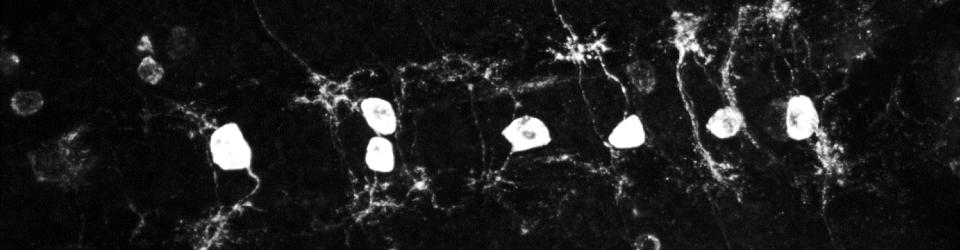
Dr. Baljit S. Khakh is a Professor of Neurobiology and Physiology at the David Geffen School of Medicine, University of California, Los Angeles. He holds the Eleanor I. Leslie Chair of Neuroscience and leads groundbreaking research on astrocyte biology, calcium signaling, and their roles in neural circuits and neurodegenerative diseases. His work integrates optical/genetic tools with proteomic and behavioral studies, funded by multiple NIH grants including R01, R35, and DP1 awards. Research Focus: Astrocyte diversity, calcium signaling, Huntington's disease, Alzheimer's pathology, neural circuit modulation. Key Collaborations: Michael Sofroniew (UCLA), Loren Looger (Janelia), James Wohlschlegel (UCLA), Peyman Golshani (UCLA). Techniques: Genetically-encoded sensors, proximity biotinylation, in vivo calcium imaging, astrocyte-neuron interaction assays. Scientific Awards: Eleanor I. Leslie Chair of Neuroscience
Thomas J. Jentsch is a leading Professor at the Leibniz-Forschungsinstitut für Molekulare Pharmakologie (FMP) in Berlin, with secondary affiliation to the Max Delbrück Center (MDC) . He holds dual doctorates in Medicine and Physics from Freie Universität Berlin and has pioneered research in ion transport physiology since co-founding the Center for Molecular Neurobiology Hamburg in 1988. Head of Jentsch Group at FMP since 2006 World leader in chloride channel research His research bridges molecular physiology and human genetics , focusing on: CLC family chloride channels/transporters VRAC/LRRC8 volume-regulated channels ASOR/TMEM206 acid-activated channels Pathologies: neurodegeneration, deafness, osteopetrosis, hypertension Recent work includes breakthroughs in VRAC channel structure (2023) and CLCN7 channelopathies (2024). His lab employs genetically modified mouse models and human mutation analysis to uncover disease mechanisms.
Arjune Sen is Professor of Global Epilepsy at the University of Oxford, Head of the Oxford Epilepsy Research Group, and Founding Director of the Centre for Global Epilepsy. He serves as a Consultant Neurologist with responsibility for tertiary/quaternary epilepsy care and holds the position of BRC Senior Research Fellow. His work is wholly multidisciplinary, bringing together colleagues and expertise from across the entire University as well as fostering broad international collaboration. Arjune's research focuses on multiple critical areas in epilepsy care and research: Revitalizing academic epileptology in Oxford Cognitive, psychological and psychosocial difficulties in patients with epilepsy Pathways that may cause neurodegeneration in epilepsy Developing treatments that ameliorate both seizures and co-morbidities How epilepsy intersects with other conditions, notably dementia and psychiatric co-morbidity Closing the epilepsy treatment gap, particularly in resource-limited settings Developing culturally contextualized technologies for epilepsy diagnosis at scale Analysis of his recent publications (2023-2025) reveals several key trends in his research. There is a strong focus on the intersection of epilepsy with dementia and cognitive disorders, as evidenced by multiple studies on levetiracetam's effects in Alzheimer's disease and dementia risk in epilepsy patients. His work demonstrates significant global health dimensions, with research spanning from Tanzania to international collaborations. Methodologically, his publications include clinical trials, systematic reviews, ethnographic studies, and large-scale epidemiological analyses using UK Biobank data. Several publications address critical gaps in epilepsy care, including SUDEP research, equitable access to medications, and the impact of the COVID-19 pandemic on epilepsy care. Arjune Sen holds two major grants: 'The immunological basis of pharmacoresistance in epilepsy' (£1.3M from UCB Pharma), where he serves as PI alongside Sarosh Irani and Julian Knight 'Epilepsy Pathway Innovation in Africa (EPInA)' (£4.9M from NIHR), where he serves as Co-Chief Investigator with Charles Newton He leads the Oxford Epilepsy Research Group and the Centre for Global Epilepsy, and is deeply involved with the Oxford Martin Programme on Global Epilepsy. His clinical work includes running multidisciplinary clinics such as 'Epilepsy and learning disability' and 'Epilepsy and employment', ensuring his research remains grounded in clinical practice and patient-centered care.
Greg J. Bashaw is a Professor of Neuroscience at the Perelman School of Medicine, University of Pennsylvania. He directs a research lab focused on molecular mechanisms of axon growth and guidance, particularly at the nervous system midline. His work spans Drosophila embryonic CNS and mouse spinal cord systems, investigating evolutionary conserved pathways like Slit-Robo and Netrin-DCC. Education: B.A. in Biology from Brown University (1990), Ph.D. in Biological Sciences from Stanford University (1997) under Bruce Baker Key Research Areas: Axon guidance, neural circuit assembly, receptor signaling, transcriptional regulation, and developmental neuroscience His laboratory explores non-canonical receptor roles, transcriptional networks in motor connectivity, and receptor degradation pathways. Awards include the Jane Glick Memorial Graduate Student Teaching and Mentoring Award, NIH NINDS Research Program Award (R35), and NSF grant (IOS-1355181) supporting both research and science outreach. Recent publications highlight discoveries in Robo-WAVE complex interactions, human DCC variants in mirror movement disorders, and receptor trafficking mechanisms. Collaborative work with institutions like Harvard, Johns Hopkins, and Cold Spring Harbor Laboratory demonstrates interdisciplinary impact. Scientific Awards Jane Glick Memorial Graduate Student Teaching and Mentoring Award NIH NINDS Research Program Award (R35) NSF grant renewal (IOS-1355181) Louis Flexner Neuroscience Thesis Prize Tom Kadesch Genetics Thesis Prize Saul Winegrad Award for Outstanding Dissertation Training Legacy 15+ PhD graduates in neuroscience, genetics, and molecular biology Lab alumni now hold academic positions at Yale, Harvard, and international institutions NSF-funded DrosoPHILA outreach program with Philadelphia high schools
Sebastian Markert is a Junior Professor with Tenure Track at the Saarland University of Applied Sciences, specializing in the interaction between neuronal tissue and technical systems as part of the Engineering faculty. He collaborates with Zeiss as an industrial partner and is based at the Goebenstraße 40 campus in Saarbrücken, Germany. His research bridges neuroscience and engineering to explore neural interfaces and bioengineering applications.
Jorge Gómez-Deza serves as Assistant Professor in the Department of Cancer and Cellular Biology at Temple University's Lewis Katz School of Medicine, with dual affiliation at Fox Chase Cancer Center. His research bridges molecular neuroscience and clinical oncology to address chemotherapy-induced neurotoxicity. His educational background includes: BSc in Biochemistry from University College London MRes in Translational Science from King's College London PhD in Basic and Clinical Neuroscience from King's College London The Gómez-Deza Lab employs iPSC-derived neurons , CRISPR screening , and advanced microscopy to investigate axon degeneration mechanisms. Research priorities include: Discovery of novel axon degeneration drivers CRISPRi screens of chemotherapy-induced neuron death pathways Development of neuroprotective inhibitors with applications spanning chemotherapy neuropathy, glaucoma, TBI, and ALS. Recent publications (2023-2024) reveal a methodological shift toward genome-wide CRISPR screens and mitochondrial dynamics analysis in chemotherapy models, while maintaining focus on translational therapeutic development for neurodegenerative conditions. His competitive funding portfolio includes: NICHD Early Career Award NCATS Research Project grant Milton-Safenowitz ALSA Postdoctoral Fellowship Motor Neurone Disease Association Short term grant Dr. Gómez-Deza emphasizes mentorship in a lab culture prioritizing mental well-being and work-life balance, training scientists through hands-on experience with cutting-edge neurodegeneration models. His grants specifically support therapeutic target identification for chemotherapy-induced peripheral neuropathy. The lab operates across Temple University and Fox Chase Cancer Center facilities, utilizing collaborative resources for in vivo and in vitro neurodegeneration modeling while maintaining a diverse, innovative team environment focused on clinical translation.
Miriam B. Goodman holds the Mrs. George A. Winzer Professorship of Cell Biology at Stanford University , with affiliations in the Department of Molecular and Cellular Physiology , Bio-X , and the Wu Tsai Neurosciences Institute . As Chair of the Molecular and Cellular Physiology Department (2017–present) and former Deputy Director of the Stanford Neuroscience Institute (2013–2017), she leads interdisciplinary research bridging neuroscience, biophysics, and molecular physiology . Education : Ph.D. in Neurobiology, The University of Chicago (1995) Sc.B. in Biochemistry, Brown University (1986) Her research focuses on molecular mechanotransduction using C. elegans to investigate touch sensation, temperature detection, and neuronal stress resilience . Key methodologies include quantitative behavioral analysis , CRISPR gene editing , and in vivo electrophysiology . Recent work explores mechanical forces in feeding through upconverting microgauges and chemosensory integration of plant-derived molecules. Her publications span neurobiological mechanisms , biomechanical sensor design , and ecological signal processing , with a 2025 Nature study on ingestible nanosensors and a 2024 Current Biology paper on mechanosensory complex organization . Scientific Awards : Distinguished Alumni Award, University of Chicago (2024) Landis Award for Outstanding Mentoring, NIH (2019) Michael and Kate Barany Award, Biophysical Society (2014) Klingenstein Fellow in Neuroscience (2005-2008) McKnight Scholar Award (2005-2008) Prize in Neurobiology, Eppendorf & Science (2004) As an advisor, she mentors doctoral candidates in the Biophysics , Molecular and Cellular Physiology , and Neurosciences Ph.D. programs , including Madeline Cooper and Caroline Arellano-Garcia. Her lab collaborates with UC San Diego's Vergassola Group on mechanosensory physics and Stanford Microsystems Lab on optical sensor design .
Neslihan Serap Şengör is a Professor at the Department of Electronics and Communication Engineering, Istanbul Technical University . Her work bridges Artificial Intelligence , Neuroscience , and Circuits and Systems Theory . Research areas include: Neuromorphic computing with Intel Loihi Basal ganglia and motor control modeling Spiking neural networks for hardware Cognitive process simulation Projects focus on: Hardware implementation of motor learning Computational models for Parkinson's disease Cortex structure simulation on neuromorphic chips Contact: sengorn@itu.edu.tr
Prof. Dr. Lukas C. Kapitein is a leading researcher in Cell Biology, Neurobiology and Biophysics at the Faculty of Science, Utrecht University . His work bridges physics and neuroscience to understand how cells maintain their shape and intracellular organization, particularly in neurons. Academic Affiliation: Full Professor of Molecular and Cellular Biophysics since 2018 Key Collaborations: Co-manages the Gravitation project IMAGINE! with Anna Akhmanova Research Focus: The lab investigates the neuronal cytoskeleton , emphasizing microtubule organization and motor protein dynamics. They develop advanced optical methods to map cytoskeletal architecture and design intracellular assays to probe motor-cargo interactions, linking these to neurodegenerative disease mechanisms. Awards: ERC Consolidator Grant (2018), ERC Starting Grant (2013), NWO VIDI (2013), NWO ALW-VENI (2011), Erasmus MC Fellowship (2011). Students: PhD students include Albert Serweta, Thijs Makaske, Jasper Schelt, and Varsha Mahapatra. The lab also features postdocs and technical staff in microscopy and protein engineering. Methods: Combines protein engineering , super-resolution microscopy (STED, Localization, Expansion), and mathematical modeling to resolve microtubule polarity, transport rules, and dendritic spine dynamics.
Korneel Hens is a Senior Research Fellow at Oxford Brookes University's School of Biological and Medical Sciences, specializing in Drosophila genetics and gene regulatory networks. His work bridges molecular biology, genomics, and evolutionary studies. Current project: TFTag (2022-2027, £1.14M BBSRC-funded) to create a Drosophila transcription factor library. Key collaborations: Biotechnology & Biological Sciences Research Council, interdisciplinary teams in neuroscience and genomics. Research focuses on: Transcriptional control mechanisms in Drosophila insulin-producing cells Apoptotic pathway evolution in aphids Functional characterization of gene regulatory networks Comparative studies between insect and human angiotensin-converting enzymes Chromatin dynamics during development Evolutionary conservation of molecular pathways His publications span top journals like Molecular Ecology , PLoS Genetics , and Cell Reports , with over 15 recent articles demonstrating sustained research productivity. Awards include significant BBSRC grant funding for large-scale Drosophila studies. Advising activities and student supervision details are not explicitly mentioned. He contributes to technical innovations like yeast one-hybrid screening methods and primer databases for qPCR.
Isaac Kauvar is a Postdoctoral Fellow at the Department of Electrical Engineering, School of Engineering, Stanford University. He holds a B.S. in Engineering Physics specializing in Photonics, an M.S. in Electrical Engineering focusing on Imaging and Optimization, and is currently pursuing a PhD in Electrical Engineering under the co-advisement of Prof. Gordon Wetzstein. Education B.S. Engineering Physics, Stanford M.S. Electrical Engineering, Stanford His research bridges Neuroscience, Photonics, and Computational Modeling to develop advanced imaging and neural activity measurement technologies. Key contributions include optical brain-computer interfaces, light-field microscopy innovations, and neural circuit analysis across species. Recent publications highlight work in cortical imaging, emotional response modeling, and neurotechnology development. His expertise spans optical systems design, neural dynamics analysis, and brain state modulation. Contact: ikauvar@stanford.edu
Michelle Mazei-Robison is a Professor in the Department of Physiology at Michigan State University and faculty member in the Neuroscience Program, with an additional appointment as Associate Professor in the BioMolecular Science Gateway. Her research laboratory, located at 5017 766 Service Road, Room 5017, focuses on molecular mechanisms underlying psychiatric disorders including depression and addiction, utilizing the chronic social defeat mouse model to investigate the mesocorticolimbic dopamine system. Her primary research interests center on neuroadaptations in ventral tegmental area (VTA) dopamine neurons induced by stress and drugs of abuse. She investigates structural and functional changes in VTA neurons, signaling pathways altered by morphine/cocaine exposure, and subtype-specific responses within dopaminergic circuits. Her lab employs cutting-edge methodologies including optogenetics, viral-mediated gene transfer, 3D neuronal reconstruction, and behavioral assays to unravel mechanisms of depression and addiction. Analysis of her 2020-2025 publications reveals consistent focus on VTA neuronal subpopulations (particularly neuromedin S and GLP-1 expressing neurons), SGK1 kinase signaling in drug reward, and sex-specific stress responses. Her work demonstrates how molecular adaptations in dopamine neurons mediate morphine/cocaine behaviors while exploring hippocampal contributions to stress resilience through ΔFosB regulation. Scientific Awards: No awards were documented in the provided sources. Advising and Grants: The available materials list no specific students, grant awards, or mentoring activities. Her laboratory operations and publication record indicate active research funding, though exact mechanisms remain unspecified in the source texts. Labs and Teams: Dr. Mazei-Robison co-directs the Robison and Mazei-Robison Labs, which integrate mouse models, genetic engineering, electrophysiology, and advanced microscopy to study comorbid conditions like opiate abuse with PTSD. The lab bridges molecular mechanisms (gene expression, protein function) across multiple neural systems to explain behavioral outcomes in addiction and depression.
Matthew W. State, MD, PhD is the Oberndorf Family Distinguished Professor and Chair of Psychiatry at the University of California, San Francisco (UCSF) School of Medicine, and Director of the Langley Porter Psychiatric Institute and Hospital. He is also affiliated with the UCSF Weill Institute for Neurosciences, where he leads groundbreaking research at the intersection of child psychiatry and human genetics. Dr. State received his undergraduate and medical degrees from Stanford University, completed his residency in psychiatry and fellowship in child psychiatry at the UCLA Neuropsychiatric Institute, and earned a PhD in genetics from Yale University working in the lab of David C Ward. He was on the faculty at Yale from 2001 to 2013 where he was the Donald J. Cohen Professor of Child Psychiatry, Psychiatry and Genetics and the Co-Founder and Co-Director of the Yale Program on Neurogenetics. Dr. State is a leading child psychiatrist and human geneticist whose research focuses on pediatric neuropsychiatric syndromes, particularly autism spectrum disorders (ASD) and Tourette disorder (TD). His laboratory has played a pivotal role in demonstrating the contribution of rare and de novo genetic variation to these conditions. His work has contributed significantly to the identification of dozens of ASD risk genes and the first high-confidence TD genes. Through systems biological approaches, his research has characterized the spatial and temporal convergence of autism genes in developing human brain, providing crucial insights into disease mechanisms. His lab utilizes diverse methodologies including genomic analysis, functional studies in model systems, and collaborative large-scale sequencing efforts. Analysis of Dr. State's recent publications reveals a strong focus on the molecular and cellular mechanisms underlying autism spectrum disorders. His research increasingly examines the convergence of autism-related proteins, chromatin regulation, and the role of specific cellular structures like cilia in neurodevelopment. There's also a growing emphasis on translating genetic findings into potential therapeutic approaches, with several recent papers addressing treatment development and biomarker identification for autism and related conditions. His work demonstrates a clear trajectory from gene discovery to understanding biological pathways and ultimately to developing novel therapeutic strategies. Yale Graduate School Alumni Association 2020 Wilbur Cross Medal National Academy of Medicine 2017 Rhoda and Bernard Sarnat International Prize in Mental Health National Academy of Medicine 2014 Elected member American Academy of Child and Adolescent Psychiatry 2014 Tarjan Award Brain and Behavior Research Foundation 2012 Ruane Prize Science Magazine 2011 Annual Top 10 Scientific Breakthroughs Science Magazine 2005 Annual Top 10 Scientific Breakthroughs Dr. State plays a leadership role in numerous national and international collaborative genomics studies, including the Simons Simplex Collection Genomics Consortium, the Autism Sequencing Consortium, and the Tourette International Collaboration (TIC) on Genetics. His NIH-funded research portfolio includes multiple principal investigator roles on grants examining the genetic architecture of autism and Tourette disorder, brain development, and the functional consequences of genetic variants. His laboratory has been continuously funded by the National Institutes of Health since 2002, with recent grants totaling millions of dollars supporting cutting-edge research in neurogenetics. His collaborative approach has established him as a central figure in the field of psychiatric genetics. Dr. State directs a vibrant research program that integrates genomic analysis with functional studies to understand the biological basis of neurodevelopmental disorders. His work bridges basic science and clinical applications, with a growing emphasis on identifying potential therapeutic targets based on genetic findings. He collaborates extensively with researchers across multiple institutions and disciplines, fostering a collaborative approach to understanding the complex genetic architecture of autism spectrum disorders and Tourette disorder. His research program includes both human genetic studies and functional validation in model systems, creating a comprehensive pipeline from gene discovery to biological mechanism.
Arne Östman is a Professor at the Department of Clinical Medicine, University of Bergen, with a focus on tumor biology and stromal cell interactions. His research explores the clinical significance of PDGF receptors and fibroblast-immune crosstalk in cancer progression. Research interests include: Stromal regulation of tumor growth and metastasis PDGF signaling in cancer biology Immune-stromal interactions in tumor microenvironments Biomarker development for cancer prognosis and therapy Recent publications examine cancer-associated fibroblasts in breast and liver metastases, T-cell interactions, and imaging mass cytometry applications. His work spans molecular mechanisms to clinical trial validations.
Joseph A. Gogos, MD, PhD is a Professor of Neuroscience and Physiology and Cellular Biophysics at Columbia University's Vagelos College of Physicians and Surgeons. He serves as Codirector of Columbia's Stavros Niarchos Foundation Center for Precision Psychiatry and Mental Health and is a Principal Investigator at Columbia's Zuckerman Mind Brain Behavior Institute. Dr. Gogos's research focuses on understanding the molecular, cellular, synaptic and circuit mechanisms that give rise to schizophrenia. His work combines human genetic studies with animal models to trace how specific genetic mutations lead to psychiatric disorders. He has made significant contributions to identifying rare de novo and inherited mutations that increase schizophrenia risk and has developed relevant model systems to understand their impact on neural mechanisms. His laboratory has published extensively in top journals including Neuron, Nature, and Cell, with recent work focusing on brain organoids, neural circuitry, and precision psychiatry approaches. Dr. Gogos's research has demonstrated the potential to reverse schizophrenia-related phenotypes in animal models, paving the way for new therapeutic strategies. His notable awards include: Brain & Behavior Research Foundation Distinguished Investigator Award (2017) Columbia University Dr. Harold and Golden Lamport Research Award in Clinical Sciences (2004) Dr. Gogos actively mentors students and postdoctoral researchers through the Doctoral Program in Neurobiology and Behavior and maintains an active laboratory recruiting scientists with expertise in genome engineering, behavioral experimentation, electrophysiology, and neural circuit manipulation. His collaborative work at the Zuckerman Institute brings together diverse scientific perspectives to address the complex challenges of psychiatric disorders. His laboratory is located at the Jerome L. Greene Science Center as part of the Mortimer B. Zuckerman Mind Brain Behavior Institute, providing state-of-the-art facilities for neuroscience research.