Adrian Ranga is an Associate Professor at the Department of Mechanical Engineering within KU Leuven's Faculty of Engineering Science . He leads research at the BioMechanics (BMe) section, with affiliations to multiple institutes including the KU Leuven Institute of Physics-based Modeling for In Silico Health , Brain Institute , and Institute for Single Cell Omics . His work focuses on organoid engineering , mechanical force manipulation , and vascularization technologies using microfluidic devices . Key Research Areas: Vascular and neural organoid development Microfluidic cell culture systems Mechanotransduction mechanisms Stem cell-based tissue engineering Recent Publications (2025–2024) demonstrate expertise in 3D bioprinting , force-mediated angiogenesis , and comparative neurodevelopment across species. His patent applications include discrete cell culture microenvironments and photopolymerized devices . Collaborative projects span the Interreg Biomat-on-Chip Consortium and FWO-funded initiatives .
Paul Michael Riegelhaupt, M.D., Ph.D., is an Assistant Professor of Anesthesiology at Weill Cornell Medical College since 2016. He joined NewYork-Presbyterian/Weill Cornell Medical Center in 2015, balancing clinical work in neuroanesthesia with basic research on potassium channel physiology. Education M.D., Ph.D., Albert Einstein College of Medicine (2010) B.S., Massachusetts Institute of Technology (2001) His research spans anesthesiology, neuroscience, structural biology , and molecular biophysics , focusing on tandem pore potassium (K2P) channels, anesthetic mechanisms, and malarial purine transporters. Recent work explores how membrane lipids regulate TREK1 and THIK1 channels via cryo-EM studies. Key awards include the Medical Scientist Training Program Fellowship and Junior Faculty Research Award from the Association of University Anesthesiologists. He has received grants from the National Institute of General Medical Sciences and the Foundation for Anesthesia Education and Research . Dr. Riegelhaupt is also an associate program director for the anesthesiology residency program, contributing to teaching and mentorship, including a 2011 Excellence in Teaching Award at UCSF.
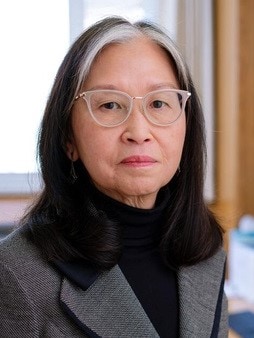
Ching-Hwa Sung is a Professor at Weill Cornell Medical College , with appointments in both the Neuroscience and Ophthalmology departments. As the Betty Neuwirth Lee and Chilly Professor in Stem Cell Research , her work bridges fundamental cell biology with translational neuroscience and retinal disease research. Ph.D., National Yang-Ming Medical College (1989) B.S., National Taiwan University (1984) Her research focuses on: Retinal Degenerative Diseases (e.g., retinitis pigmentosa, age-related macular degeneration) Ciliary Biology in photoreceptors and neural progenitors Endosomal Trafficking mechanisms in retinal and neuronal development Stem Cell Research applications in vision restoration Current research projects include: Endosome-regulated retinal homeostasis (NIH R01 funding 2023-2027) CLIC4-deleted mouse model for dry AMD mechanistic studies (2021-2026) Her publications reveal key insights into: Tctex-1's role in ciliary resorption and cell cycle progression CLIC4's regulatory functions in endosomal trafficking and RPE biology Molecular mechanisms of rhodopsin and Tulp1 mutations in retinal degeneration Honors include being named the Betty Neuwirth Lee and Chilly Professor in Stem Cell Research . She has trained extensively in Taiwan and leads research at the intersection of cell biology, neuroscience, and ophthalmology at Cornell.
Mikael Segerstråle serves as a University Lecturer at the University of Helsinki within the Faculty of Biological and Environmental Sciences and Molecular and Integrative Biosciences Research Programme. His work bridges neurosciences, genetics, and physiology with a focus on molecular mechanisms underlying brain function and development. Research Focus Dr. Segerstråle investigates fundamental processes in neural systems through: Synaptic plasticity and neuronal maturation mechanisms Molecular regulation of motor learning in cerebellar circuits Role of neurotrophic factors (GDNF) and cytoskeletal dynamics Developmental aspects of hippocampal and cerebellar function Gene expression changes in neurodevelopmental disorders Ion channel and receptor physiology in neural networks His 13 publications (2003-2025) demonstrate consistent expertise in cellular neuroscience, particularly using mouse models to study synaptic transmission, neuronal development, and molecular pathways. Recent work examines tropomyosin in axon integrity (2020) and GDNF's role in motor learning (2025), reflecting evolving focus on molecular interventions for neurological conditions. Awards & Recognition Teacher of the Year 2009 (awarded April 21, 2010) His teaching excellence complements research contributions within the Molecular and Integrative Biosciences framework. While specific advising roles aren't documented, his collaborative publications with prominent neuroscientists (Taira, Hotulainen, Lauri) indicate active participation in Helsinki's neuroscience community through shared projects and supervision within the research programme.
Dr. Robert Knight is a Reader in Developmental Genetics at King’s College London, affiliated with the Centre for Craniofacial & Regenerative Biology and Faculty of Dentistry, Oral & Craniofacial Sciences. He obtained his PhD in Molecular Evolution from the University of Reading in 2000, followed by postdoctoral work at UC Irvine and University of Sheffield, focusing on AP-2 genes, neural crest, and cranial muscle development in zebrafish. His research explores molecular regulation of muscle regeneration and stem cell behavior, combining live imaging, transcriptomics, and zebrafish models. Key findings include the role of Ret tyrosine kinase in facial muscle development and FSHD therapy, RhoA coupling migration/differentiation, and NF-κB in macrophage function during repair. Collaborations span systems biology (Dresden), physiology (Amsterdam), and macrophage signaling (Lyon). Recent publications highlight trends in muscle stem cell dynamics , signaling pathways (Wnt, Notch, Ret), and age-related regeneration . His work aligns with SDGs via health (musculoskeletal diseases) and innovation (AI in biosciences, multiphoton microscopy). Scientific Awards: BBSRC Project Award MDUK Studentship NC3Rs Studentship Royal Society Partnership Award Carl Zeiss Collaboration Current projects address DUX4-activated Ret in FSHD, chromatin organization in aging, and macrophage-stem cell interactions . He leads grants from BBSRC, Dunhill Medical Trust, and Leverhulme Trust.
Ann Stowe, Ph.D. , is a Professor in Neurology with a joint appointment in Neuroscience at the University of Kansas. Her research bridges neuroimmunology, stroke, and neurodegeneration, focusing on B cells, extracellular vesicles, and inflammatory biomarkers. Doctor of Philosophy, University of Kansas (2006) Bachelor of Fine Arts, University of Kansas (1995) Research Interests : Stowe's work explores the role of immune cells in brain injuries, including B cells in post-stroke neuroprotection, Alzheimer's disease biomarkers, and neuroinflammatory mechanisms. Her lab investigates extracellular vesicle proteomics, neuroimmune crosstalk, and therapeutic targets like alpha7 nicotinic receptors. Scientific Contributions : Recent articles highlight B cell-mediated neuroprotection via BDNF, proteomic predictors of stroke outcomes, and immune profiling in subarachnoid hemorrhage. Her studies employ techniques like MRI, flow cytometry, and proteomic network analysis. Elected, Board of Directors, International Society of Cerebral Blood Flow & Metabolism (2023) Fellow, American Heart Association (2022) Research Grant, American Heart Association (2021) Grants & Projects : Principal Investigator for NIH-funded studies on Alzheimer's risk reduction and B cell therapies in traumatic brain injury. Current projects include cardiac miRNA effects on cognitive impairment and hydrogel-based protein delivery for stroke recovery.
Neeraj (Neil) Surana, MD, PhD is an Assistant Professor at Duke University School of Medicine, holding appointments in Pediatrics (Infectious Diseases), Molecular Genetics and Microbiology, Immunology, and Cell Biology. He is also a member of the Duke Cancer Institute. MD and PhD from Washington University in St. Louis (2006) Completed residency and fellowship at Boston Children's Hospital and Harvard Medical School (2006–2012) Dr. Surana's research focuses on host-microbiota interactions, particularly how commensal bacteria modulate immune responses and protect against diseases like colitis, metabolic disorders, and viral infections. His work employs gnotobiotic murine models, immunology, microbiology, and bioinformatics to identify immunomodulatory bacterial species and their molecular mechanisms. Recent studies highlight his discovery of Clostridium immunis and its protective exopolysaccharide, along with groundbreaking insights into microbiota-driven tyrosine metabolism in pediatric COVID-19 severity and tryptophan metabolite-mediated antiviral immunity. Trends in his publications show a strong emphasis on microbiome engineering, immunology, and translational approaches to infectious diseases. Scientific Awards Nature Awards Microbiome Accelerator (2025) Hartwell Individual Biomedical Research Award (2019) Pilot and Feasibility Award (2020) His funded grants include: NIAID's Stimulating Access to Research in Residency (StARR) (2018–2029) NIGMS's Medical Scientist Training Program (2022–2027) NIDDK's Duke Training Grant in Digestive Diseases and Nutrition (1988–2027)
Professor Albert Güveniş is a distinguished faculty member in the Department of Biomedical Engineering at Boğaziçi University's Faculty of Engineering. Holding a PhD from Drexel University, he previously served as an Assistant Professor at the University of Pennsylvania's Radiology Department specializing in Positron Emission Tomography. His current research focuses on high-efficacy biomedical system design and cancer theranostics through molecular imaging and radiomics. His primary research interests span Molecular Imaging , Radiomics , Cancer Theranostics , and Clinical Engineering , with emphasis on improving diagnostic/therapeutic systems for cancer and Alzheimer's disease. His group develops computational frameworks for tumor delineation, radiotherapy planning optimization, and early cancer detection using PET/CT and SPECT-CT technologies. His recent publications (2019-2023) demonstrate strong focus on radiomic biomarkers for cancer staging, treatment response prediction, and tumor characterization across multiple disease sites including lung, renal, and oropharyngeal cancers. The work integrates machine learning , Monte Carlo simulations , and statistical decision theory to solve clinical challenges in precision medicine. Research Fellowship from Drexel University BUVAK Publication Award for Class A publication Best Oral Presentation Award at Budapest conference (2017) ISO Innovation Award among 5,000+ projects Reviewer Appreciation Certificate (2019) Professor Güveniş actively mentors PhD and MSc students, with recent graduates including Ayşegül Oral and Alpaslan Koç. His research receives international collaboration support, particularly with US-based cancer research laboratories. He leads projects funded by major grants including 1/2 M USD from EU educational programs. His core team includes Didar Talat, Alpaslan Koc, and Niyazi Erturk, with frequent international researcher exchanges.
Dr. Ethylin Wang Jabs is a distinguished Professor and Chair of the Department of Clinical Genomics at Mayo Clinic, with dual appointments as Adjunct Professor of Genetic Medicine and Professor of Pediatrics at Johns Hopkins University. Board certified in clinical genetics, cytogenetics, molecular genetics and genomics, and pediatrics, she has established herself as a leading expert in craniofacial disorders and dysmorphology of rare genetic conditions. Dr. Jabs' research focuses on identifying the genetic causes of craniofacial syndromes, particularly those involving homeobox genes, helix-loop-helix transcription factors, fibroblast growth factor receptors, and connexins. Her laboratory employs advanced genomic technologies combined with functional studies in animal models, organoids, and induced pluripotent stem cell systems to elucidate disease mechanisms and genotype-phenotype correlations. Her work bridges basic science discoveries with clinical applications to improve diagnosis and treatment of craniofacial anomalies. Among her notable recognitions are the 2025 Moebius Syndrome Foundation Lifetime Achievement Award and election to the Johns Hopkins Society of Scholars in 2014. She maintains active leadership roles in professional organizations including serving as Co-Chair of the ClinGen Craniofacial Malformations Gene Curation Expert Panel and as a member of the Cellular, Molecular, and Bispecific Therapies Steering Committee. Dr. Jabs has received continuous research funding throughout her career and has mentored numerous students and fellows in the field of medical genetics. She serves on advisory boards for several foundations including Smile Train, Moebius Syndrome Foundation, and Born a Hero Research Foundation, demonstrating her commitment to translating research into improved patient care for individuals with craniofacial differences. Her extensive publication record, including numerous high-impact papers in leading scientific journals, reflects her ongoing contributions to understanding the genetic basis of craniofacial development and disorders. Dr. Jabs continues to be at the forefront of applying genomic medicine to the diagnosis and management of complex craniofacial conditions.
Petter Bøckman serves as a Senior Lecturer in the Department of Exhibitions and Public Services at the Natural History Museum, University of Oslo. Originally trained as a zoologist, he has evolved into a prominent science communicator who bridges academic research and public understanding through diverse media channels and educational activities. Bøckman's research interests span zoology, ecology, evolution, and museum pedagogy. His work focuses on making scientific concepts accessible to general audiences, with particular expertise in wildlife behavior, insect population dynamics, and historical perspectives on nature. He excels at connecting scientific principles to everyday observations and current events, transforming complex topics into relatable discussions about the natural world. Analysis of Bøckman's recent publications reveals a consistent focus on interdisciplinary science communication. His work spans from paleontological discoveries (mammoth research) to contemporary ecological phenomena (mosquito population patterns) and cultural connections to nature (Viking-era plant use). Rather than traditional academic research papers, his output primarily consists of media appearances, public lectures, and educational content designed to engage broad audiences with science. Bøckman maintains an exceptionally active presence across Norwegian media platforms, regularly appearing on NRK radio programs like 'Abels tårn,' writing for major newspapers, and participating in television segments. His communication style emphasizes clarity and relevance, connecting scientific concepts to observable phenomena in people's daily lives. He frequently addresses timely ecological questions that capture public interest, such as whether a particular year qualifies as a 'mosquito year' or explaining unusual animal sightings in urban environments. As an educator, Bøckman develops museum exhibitions, leads school group tours, and conducts teacher training courses. His expertise in museum pedagogy helps create meaningful connections between formal education and informal learning experiences. His work demonstrates a commitment to making science accessible, relevant, and engaging for diverse audiences across multiple platforms and formats.
Smita Krishnaswamy is an Associate Professor of Genetics and Computer Science at Yale University with joint appointments in both departments. She is affiliated with multiple interdisciplinary programs including the Applied Mathematics Program, Computational Biology and Bioinformatics Program, Yale Center for Biomedical Data Science, Yale Cancer Center, and the Wu Tsai Institute. Her research bridges computational methods development with biomedical applications, focusing on unsupervised machine learning approaches for high-dimensional data analysis. Associate Professor of Genetics, Yale School of Medicine Associate Professor of Computer Science, Yale University Affiliated Faculty, Applied Mathematics Program Affiliated Faculty, Computational Biology and Bioinformatics Member, Yale Center for Biomedical Data Science Member, Yale Cancer Center Member, Wu Tsai Institute Dr. Krishnaswamy's research focuses on developing unsupervised machine learning techniques, particularly manifold learning and deep learning methods, to analyze high-dimensional biomedical data. Her lab creates algorithms for non-linear dimensionality reduction, data geometry learning, denoising, imputation, and inference of multi-granular structures from complex datasets. These methods are applied to diverse data types including single-cell RNA-sequencing, mass cytometry, electronic health records, and connectomic data across multiple biological systems. Her work spans several key application areas including immunology and immunotherapy, cancer research, neuroscience, developmental biology, and health outcomes analysis. The lab employs approaches from geometric deep learning, multiscale graph signal processing, and topological data analysis to extract meaningful biological insights from complex datasets. Recent publications demonstrate the lab's leadership in developing methods for spatial transcriptomics, brain-state trajectory modeling, and organ donation prediction. Excellence in Science Early-Career Investigator Award from FASEB (2022) Yale Cancer Center Class of '61 Cancer Research Award (2025) Dr. Krishnaswamy maintains active collaborations across Yale and secures research funding supporting her work in computational biomedicine. She advises students through multiple programs including Genetics, Computer Science, and the Biological and Biomedical Sciences Graduate Program, fostering interdisciplinary training at the intersection of computation and biomedicine. The Krishnaswamy Lab operates at the forefront of computational biomedicine, developing mathematical approaches that enable new biological discoveries from complex datasets.
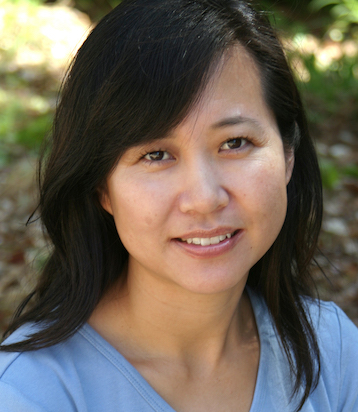
Anna N. Ahn is a Professor of Biology in the Department of Biology at Harvey Mudd College, where she has progressed from Visiting Assistant Professor to her current rank. Her research laboratory is housed in the F.W. Olin Science Center, Room 2375, and focuses on comparative biomechanics across diverse species. Her academic background includes: B.A. in Integrative Biology, University of California, Berkeley Ph.D. in Integrative Biology, University of California, Berkeley Postdoctoral Research Fellow, Harvard University Visiting Scientist, Massachusetts Institute of Technology Professor Ahn's research employs an integrative approach to study the neural control and mechanics of animal locomotion, examining how neural signals interact with the musculoskeletal system across species including frogs, lizards, tarantulas, mites, and humans. Her work bridges muscle physiology, biomechanics, and motor control to uncover fundamental principles of legged locomotion, with particular emphasis on force-length relationships, kinematic adaptations, and energy management during movement. Analysis of her publication record reveals consistent exploration of locomotor mechanics across evolutionary scales, from microscopic mites to human athletes. Her studies frequently investigate morphological constraints (e.g., heel structure in runners), neural activation patterns, and environmental influences (e.g., temperature effects on tarantula kinematics), demonstrating how diverse organisms solve similar biomechanical challenges through specialized adaptations. She has actively mentored undergraduate researchers, with numerous students contributing as co-authors to her publications. Her teaching portfolio includes Human Physiology & Disease (Bio 81/82), Comparative Physiology (Bio 101), Physiology Laboratory (Bio 103), and Biomechanics (Bio/Eng 190B), integrating research insights into classroom instruction. Her research group maintains specialized collections of reptiles, amphibians, and arthropods for experimental studies, as documented in the department's Flora and Fauna section under Dr. Ahn’s Reptiles and Amphibians, enabling direct observation of locomotor mechanics in live specimens.