- Biophysics
- Membrane proteins
- Spectroscopy
- +۷ مورد دیگر
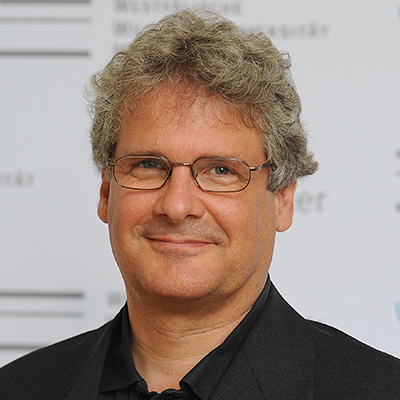
Leonid Brown is a full Professor in the Department of Physics at the University of Guelph, Canada, specializing in biophysics with a focus on membrane proteins. His research integrates molecular biology with advanced biophysical techniques to study the structure and function of light-sensitive proteins. Dr. Brown's primary research interests include biophysics of membrane proteins , particularly microbial rhodopsins and aquaporins. His work combines molecular biology with modern biophysical methods including time-resolved spectroscopy in the visible range, Fourier-transform infrared spectroscopy, nuclear magnetic resonance, and Raman spectroscopy. His research specifically focuses on exploring novel microbial rhodopsins for optogenetic applications and studying protein-lipid interactions in membrane proteins. His recent publications (2022-2025) demonstrate a strong focus on understanding the structural foundations of ion selectivity in channelrhodopsins, proton transfer mechanisms in light-driven pumps, and the role of hydrogen-bonding networks in membrane protein function. These studies employ advanced techniques including cryo-electron microscopy, solid-state NMR, and computational modeling to elucidate atomic-level details of protein structure and function. Member of Editorial Board of the Biophysical Journal (2009-2015 and 2024) Premier's Research Excellence Award (2003) Research Innovation Award (2003) Member of the Canadian Biophysical Society Executive (2019-2022) DAAD and Ontario-Baden-Württemberg scholarships (2016) Dr. Brown has established collaborative research partnerships with institutions worldwide, including Nagoya Institute of Technology in Japan and Sogang University in Korea. His laboratory develops and utilizes high-end instrumentation including time-resolved vacuum infrared spectrometers, Raman/FTIR combination spectrometers, and time-resolved visible range laser spectrometers. His research has significant implications for optogenetics and potential medical applications, with media coverage in outlets like The Scientist and Health Canal for discoveries related to heart disease treatment.