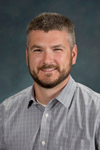
Andrew P. Wojtovich, Ph.D., is an Associate Professor at the University of Rochester School of Medicine and Dentistry, with joint appointments in the Department of Anesthesiology and Perioperative Medicine and Department of Pharmacology and Physiology . His research focuses on mitochondrial physiology , redox signaling , and optogenetic control of bioenergetics in C. elegans and mammalian models. He received his Ph.D. in Pharmacology (2010) and M.S. in Pharmacology (2007) from the University of Rochester, preceded by dual B.A. and M.A. in Biochemistry and Molecular Biology from Boston University (2005). His lab is affiliated with the Mitochondrial Research and Innovation Group , Neuroscience Graduate Program , and Cellular and Molecular Pharmacology and Physiology Graduate Program . Key research areas include ROS microdomains in neuronal ischemia Protonmotive force regulation of aging Mitochondrial dysfunction in Alzheimer's disease His work is supported by NIH grants R01 NS092558 , R01 NS115906 , R56AG082916 , and R21AG085324-01 . Scientific accolades include 2023 Hypothesis Prize (3rd place) 2021 Student Supervisor of the Year Multiple University Research Awards (2015-2018) Young Investigator Awards (2007, 2012) His lab employs optogenetic tools to control mitochondrial function with precision, leading to groundbreaking insights in stroke outcomes and longevity pathways .
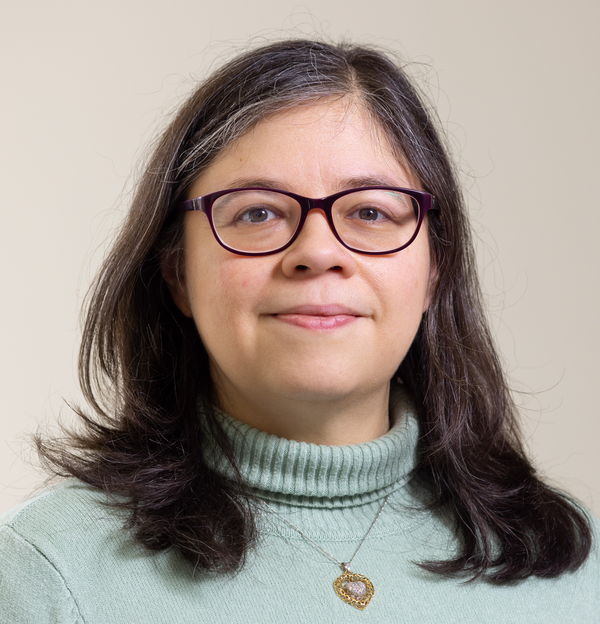
Dr. Sandra Diaz Pier is a Scientific Lead at the Jülich Supercomputing Centre (JSC) within the Jülich Research Centre , Germany. Specializing in computational neuroscience , high performance computing (HPC) , and machine learning , she bridges neuroscience and advanced computational methods through her research. Education: B.Sc. in Electronic Systems Engineering, Mexico M.Sc. in Computer Science (focus: machine learning, quantum computing), Mexico Second M.Sc. in Electrical Engineering, Ontario, Canada Ph.D. in Computer Science, Germany (2021) Her research focuses on modeling and simulating brain dynamics and plasticity at multiple scales, leveraging HPC to accelerate large-scale neural network simulations. She actively contributes to EU projects like the Human Brain Project (HBP) , Virtual Brain Cloud , and EBRAINS 2.0 , emphasizing infrastructure development and educational training. Her work includes open-source tools such as the NEST simulator , The Virtual Brain , and L2L , enabling efficient parameter exploration and multiscale co-simulation frameworks. The 15 most recent publications highlight her interdisciplinary approach, spanning topics from quantum computing in biomolecular simulations to neural plasticity algorithms and cloud-based brain modeling . These articles reflect her expertise in integrating machine learning , multi-scale simulation , and HPC infrastructure for neuroscience challenges, including seizure propagation, Parkinson’s disease progression, and swarm intelligence in spiking networks. She leads technical coordination in projects like EBRAINS and serves as a task leader in the HBP infrastructure work package , while also organizing workshops and hackathons for open-source tools. Her role involves supporting domain scientists through methodological research and workflow optimization for brain simulations.
Gabriel Bossé is an Assistant Professor at the Department of Psychiatry and Neuroscience , Faculty of Medicine, Laval University. His research focuses on leveraging zebrafish models to investigate the neurobiology of opioid addiction , neurosteroid effects on behavior , and long-term consequences of neonatal opioid exposure . He employs genetic tools (CRISPR-Cas9, transgenic lines), pharmacology, and imaging to uncover novel biological pathways and therapeutic targets for addiction. Key Techniques: Behavioral assays, molecular imaging, CRISPR-Cas9, miRNA analysis Laboratory: Boosé Lab , focusing on integrative neuroscience and experimental therapies His work bridges addiction biology and drug discovery , emphasizing neurosteroid pathways and genetic/pharmacological interventions . Publications highlight opioid self-administration mechanisms, neurosteroid modulation, and miRNA turnover in neuronal systems. For contact: gabriel.bosse@cervo.ulaval.ca . Lab website and academic profiles are accessible via Twitter , ORCID , and Google Scholar .
Associate Professor Kai-Hsiang Chuang is a Principal Research Fellow at the School of Biomedical Sciences within the Faculty of Health, Medicine and Behavioural Sciences at the University of Queensland. He is also affiliated with the Queensland Brain Institute and the Centre for Advanced Imaging. His research focuses on understanding brain networks, developing advanced imaging techniques, and translating these findings to improve diagnosis and intervention for neurological disorders. Dr. Chuang received his Ph.D. in electrical and biomedical engineering from the National Taiwan University, Taiwan, in 2001. His doctoral research focused on improving the detection of brain activity using functional magnetic resonance imaging (fMRI). Ph.D. in Electrical and Biomedical Engineering, National Taiwan University (2001) Dr. Chuang's research spans multiple areas of brain imaging and neuroscience. His primary focus is on functional brain mapping , where he develops in vivo imaging techniques including functional MRI and multimodal integration with optogenetics, calcium imaging, and electrophysiology. He applies these techniques in both humans and animal models to improve understanding and intervention of brain function, disease processes, and treatment effects. Another key area is brain networks in learning, memory, and dementia . His work explores how brain network wiring and activity underpin cognition and behavior, with particular focus on understanding the causal relationship between brain network activity and memory formation. He develops techniques to modulate behavior by manipulating brain network activity. More recently, Dr. Chuang has expanded into brain waste clearance research, studying the brain's fluid drainage system that clears waste and toxic molecules like amyloid plaques. His lab is developing imaging techniques to track this system's function and understand its regulatory mechanisms, which could provide new treatment targets for dementia. Analysis of Dr. Chuang's recent publications reveals a strong focus on advancing functional MRI techniques for brain network analysis, particularly in rodent models. His work consistently bridges basic neuroscience with clinical applications, especially in understanding memory formation and dementia. A notable trend is the development of multimodal approaches that combine fMRI with optogenetics, calcium imaging, and electrophysiology to establish causal relationships in brain networks. His research increasingly addresses the translation of preclinical findings to human applications, with growing emphasis on Alzheimer's disease mechanisms and potential interventions. Dr. Chuang serves on the editorial boards of multiple prestigious journals including Frontiers in Neuroscience: Brain Imaging Methods , Imaging Neuroscience , and Scientific Reports , reflecting his standing in the field. Editorial Board Member, Frontiers in Neuroscience: Brain Imaging Methods Editorial Board Member, Imaging Neuroscience Editorial Board Member, Scientific Reports Dr. Chuang is actively involved in research supervision, currently serving as Principal Advisor for one PhD student working on "Developing imaging and neuro-technologies for decoding memory formation" and Associate Advisor for two other PhD projects. He has successfully completed supervision of three PhD students on topics related to resting-state networks, memory consolidation, and functional MRI. ARC Discovery Projects (2024-2028): "Decoding the brain network of memory formation" ARC Training Centre for Innovation in Biomedical Imaging Technology (2017-2024) NHMRC-NIH BRAIN Initiative Collaborative Research Grants (2016-2023) Universities Australia - Germany Joint Research Co-operation Scheme (2017-2018) Mater Medical Research Institute Limited grant for mindfulness-based cognitive therapy research (2017-2020) Dr. Chuang leads the Functional and Molecular Neuroimaging Group at the Queensland Brain Institute. His laboratory focuses on understanding the functional connectome of the brain and developing functional and molecular imaging techniques to study brain connectivity associated with behavior. The group has developed various MRI techniques to track neuronal connections, map large-scale brain synchrony, and quantify cerebral blood flow and metabolism in vivo. His research team collaborates extensively with other experts at UQ and internationally, including collaborations with Associate Professor Darryl Eyles, Professor Jürgen Götz, Professor Tianzi Jiang, Dr. Fatima Nasrallah, Professor Linda J. Richards, Professor Pankaj Sah, Professor Elizabeth Coulson, Dr. Patricio Opazo, Professor Feng Liu, and Professor Markus Barth.
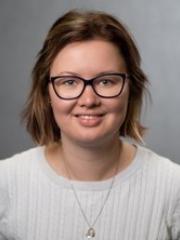
Dr. Kate Beecher Matthews is an Early Career Postdoctoral Research Fellow at the University of Queensland's UQ Centre for Clinical Research within the Faculty of Health, Medicine and Behavioural Sciences . She works in the Molecular Breast Pathology Lab collaborating with Prof. Sunil Lakhani, A/Prof Amy McCart Reed, A/Prof Peter Simpson, and Dr. Vaibhavi Joshi. Masters (Research) of Biomedical Science, Queensland University of Technology (2018) Doctor of Philosophy, Queensland University of Technology (2022) Dr. Matthews focuses on breast cancer and brain metastasis , with a unique interest in the interaction between the nervous system and breast cancer cells in the brain. Her work integrates neuroscience with oncology , particularly examining serotonin and dopamine signaling in neurocognitive effects of dietary factors and fetal growth restriction . Her recent publications analyze neuroinflammation from high-sugar diets, genomic landscapes of breast cancers, and neurotransmitter regulation in metabolic disorders. She also contributes to neuroscience education through virtual dissection tools. Dr. Matthews is available for research supervision and leads projects on TSPO biomarkers and peer review dynamics in scientific publishing. Her lab work investigates neuroprotective strategies for fetal growth restriction and neural circuits in appetite regulation.
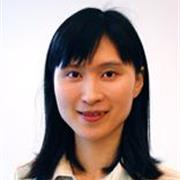
Dawen Cai, Ph.D., is an Associate Professor at the University of Michigan Medical School in the Department of Cell and Developmental Biology , with a secondary affiliation in the Biophysics Department under the College of Literature, Science, and the Arts (LS&A). He is also affiliated with the Neuroscience Graduate Program at the Medical School. His research focuses on integrating computational and experimental approaches to study neuronal subtype determination using scRNA-seq and in situ analysis. His research explores the intersection of RNA biology, neuroscience, and bioinformatics. He develops tools for multispectral imaging and lineage tracing to decode neural development and connectivity in Drosophila and mammalian models. His work combines single-cell transcriptomics with advanced microscopy to identify marker genes and model neuronal architecture. The articles reflect a strong interdisciplinary focus on neuroscience and biomedical imaging. Recent publications highlight innovations in 3D imaging technologies, image compression algorithms, and machine learning applications for medical image segmentation. These works emphasize scalable solutions for high-resolution data analysis, advancing tools for neurophysiology, and leveraging RNA sequencing to map neural development. No scientific awards were explicitly mentioned in the text. Dawen Cai actively recruits PhD students and postdoctoral fellows for the Cai Lab, prioritizing candidates with wet-lab skills, bioinformatics expertise, and experience in quantitative image processing. His lab emphasizes training in interdisciplinary research, paper/grant writing, and critical thinking.
Professor Yuanfang Guan is affiliated with the University of Michigan in the Department of Computational Medicine and Bioinformatics. Their research focuses on bioinformatics and computational biology applications in medical research. Key research areas include: Computational oncology with emphasis on tumor subclonal reconstruction AI applications in clinical pharmacology and drug response prediction Machine learning for neurogenetic disorders like SCA3 Development of digital health measures for neurological diseases Single-cell sequencing data analysis and quality control Epigenomic data imputation and genomic feature analysis Recent publications highlight collaborative projects on LSD1 inhibitors for sickle cell disease, long COVID prediction models, and optimization of genomic deep learning. Their work involves algorithm development for cancer evolution analysis, disease biomarker identification, and AI-driven biomedical applications.
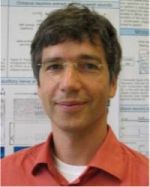
Professor Werner Hemmert leads the Bio-Inspired Information Processing group at the Munich Institute of Biomedical Engineering (TUM School of Computation, Information and Technology). His research spans theoretical, biomedical, and systems neuroscience, focusing on auditory processing, cochlear implants, and computational modeling of neural coding mechanisms. Primary research focus: Theoretical Neuroscience & Technical Applications Secondary research focus: Biomedical Neuroscience Tertiary research focus: Cellular & Systems Neuroscience His work employs computational modeling , psychophysical and objective nerve potential measurements , vibration analysis , and otoacoustic emission measurements to investigate: Coding of sound into nerve-action potentials Neuronal processing in the auditory brainstem Electrical stimulation of neurons Patient measurements in cochlear implant users Biophysics of sensory organs and neurons Recent publications highlight his contributions to auditory neuroscience, including studies on neural coding dynamics, computational modeling of auditory systems, and biophysical mechanisms of hearing. These works intersect with fields like neural networks , computational modeling , and auditory signal processing . Current or graduated GSN students under his supervision include Miguel Obando, Anna Dietze, Dr. Michael Drews, and Dr. Miguel Eduardo Obando Leitón. Contact: werner.hemmert@tum.de | Website
Joy Hirsch is a Professor of Psychiatry, Comparative Medicine, and Neuroscience at the Yale School of Medicine. She directs the Brain Function Laboratory, which focuses on the neural mechanisms of social interactions using functional near-infrared spectroscopy (fNIRS). Her work bridges single-brain and multi-brain neuroimaging to explore dynamic social behaviors under natural conditions. Education: PhD, Columbia University (1977) MA, Portland State University (1970) BS, University of Oregon (1967) Research Interests: Dr. Hirsch investigates the 'neuroscience of two,' emphasizing cross-brain neural synchrony and the 'interactive brain hypothesis.' Her lab develops multimodal technologies to study face-to-face interactions, focusing on conflict, cooperation, nonverbal cues, and social anxiety. Key themes include autism research, emotional contagion, and the impact of virtual communication on brain activity. Scientific Trends: Her recent articles highlight applications of fNIRS in psychiatric disorders, machine learning for neural diagnostics, and comparative studies of in-person vs. virtual interactions. Collaborations span interdisciplinary domains, including cognitive modeling, neuroimaging, and behavioral analysis. Scientific Awards: George Gamow Science Award (2009) Leah M Lowenstein Teaching Award (1990) Advising and Grants: Dr. Hirsch mentors students in social neuroscience and neuroimaging. She leads clinical trials, including Neural Mechanisms for Social Interactions and Eye Contact in ASD (HIC ID 1512016895), with primary completion in 2026. Lab and Teams: The Brain Function Laboratory, established at Yale in 2013, continues her legacy from Columbia's fMRI Research Center. The lab explores ecological validity in social neuroscience using head-mounted cameras, physiological sensors, and multimodal data synchronization.
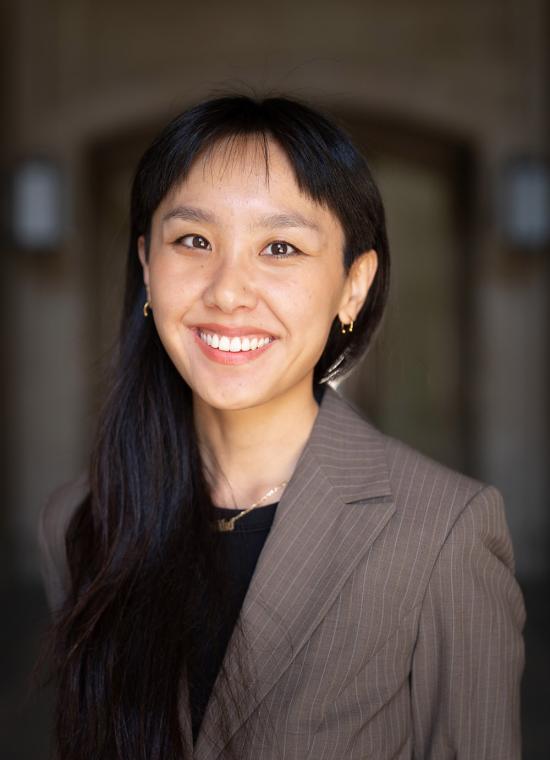
Yuqing Zhu is an Assistant Professor of Neuroscience at Pomona College, where they have been employed since 2023. They lead The Spike Lab, which investigates how the brain computes using spiking neural network models to understand neural communication and computation mechanisms. Research focuses on action potentials (spikes) as neural communication signals, computational contributions of diverse neuron types, and the impact of inhibitory connectivity and training methodologies on model behavior. Current projects examine multiple inhibitory neuron types and training variations in spiking neural networks. Recent publications analyze neocortical dynamics and spiking neural network modeling, with key themes including cross-stimulus-modulated inhibition emergence during task learning, neocortical feature integration for model training, and higher-order motif roles in sustaining asynchronous neural activity. Dr. Zhu mentors undergraduate researchers in The Spike Lab: Current students: ivyer qu, Daniel Yoon, dashiell fairborn, tara mukund, joyce chen, cleo yan Alumni: ulas ayyilmaz, antara krishnan, dora li, patrick liu, yotam twersky, ezra ford, perri mcelvain The lab actively presents at major conferences including the American Physical Society March Meeting, Bernstein Conference, and Society for Neuroscience, advancing theoretical frameworks for brain computation through biologically plausible neural network models.
Gina van Kleef is a Researcher and Teacher at the Faculty of Veterinary Medicine , Utrecht University , affiliated with the Institute for Risk Assessment Sciences (IRAS) and Department of Population Health Sciences . Her work focuses on neurotoxicity screening , developmental neurotoxicity , and environmental health using in vitro and hiPSC-derived neuronal models . Specializes in occupational health & safety and environmental toxicology Employing microelectrode array (MEA) recordings for neurotoxicity assessment Research trends from 2025-2020 reveal her focus on: Chemical neurotoxicity (insecticides, PFAS, flame retardants) Viral neurotoxicity (Enterovirus D-68, snake venom) Neurotransmitter receptor interactions (GABAA, nicotinic acetylcholine receptors) Novel assay development for high-throughput toxicity screening Contact: g.vankleef@uu.nl Location: Jeannette Donker-Voetgebouw, Yalelaan 104-106, Utrecht
Simon Ostermann serves as a Senior Lecturer at Saarland University and Senior Researcher & Deputy Director at the Multilinguality and Language Technology (MLT) lab of the German Research Center for Artificial Intelligence (DFKI). He leads the Efficient and Explainable NLP (E&E) research group and contributes to major projects including lorAI (Low Resource AI), TRAILS (Trustworthy Machines), PERKS (Procedural Knowledge), DAM-S (Semantic Search), and DisAI (Disinformation Combat). His research centers on democratizing language technology through transparent, robust models—specializing in mechanistic interpretability to reverse-engineer LLM internals and enhance efficiency for low-resource languages. Key focus areas include reducing model size for constrained environments, improving cross-lingual transfer via adapters, and developing structured input techniques. His work bridges theoretical interpretability with practical applications in resource-limited settings. 2025 publications reveal concentrated efforts in low-resource adaptation (language adapters, graph-enhanced embeddings), explainable AI (counterfactual generation, conversational XAI datasets), and multilingual fact-checking systems. Notable trends include systematic neuron manipulation frameworks, rigorous evaluation of synthetic data strategies, and cross-lingual claim verification benchmarks. Ostermann advises six PhD candidates (Anikina, Oguz, Bäumel, al Ghussin, Gurgurov, Vykopal) and multiple MSc students on topics spanning RAG hallucinations, multilabel classification, and adapter interpretability. His research receives funding through DFKI-led consortia with European and international partners focusing on trustworthy, efficient AI deployment. The E&E group under his leadership drives innovation in efficient NLP through biweekly seminars, collaborative coding sessions, and partnerships with institutions like KInIT. Current initiatives prioritize green computing for language models and real-world deployment in industrial procedural knowledge systems.
Ole Jensen is a Professor at the School of Psychology, University of Birmingham, affiliated with the Department of Psychology since September 2016. His research spans neuroscience, cognitive science, and theoretical models of consciousness. Research Interests: Dr. Jensen focuses on neural oscillations, brain-computer interfaces, and the neural mechanisms underlying language processing and consciousness. His work employs neuroimaging techniques like MEG and explores theories such as Global Neuronal Workspace (GNW) and Integrated Information Theory (IIT). Recent Publications: His recent projects include the OPM FLUX TOOLKIT (2025), preregistration files for the Cogitate project (2022), and adversarial collaborations testing models of consciousness (2019–2021). These studies emphasize computational neuroscience, reproducibility, and theoretical frameworks.
Prof. Dr. Alexander Dityatev is a Group Leader at the German Center for Neurodegenerative Diseases (DZNE) in Magdeburg, Germany, where he leads research on the extracellular matrix (ECM) in brain function. His work establishes critical connections between ECM dynamics and neural processes including synaptic plasticity, learning, and memory formation. Dr. Dityatev's research focuses on: ECM regulation of voltage-dependent L-type Ca2+ channels, NMDA receptors, and Ca2+-dependent K+ channels ECM changes in aging brains, depression, dementia, and schizophrenia models Matrix metalloproteinases (ADAMTS4/5, MMP-9) and their regulation by dopaminergic/serotonergic systems Development of ECM-targeted therapies for neurodegenerative and psychiatric disorders His laboratory employs advanced techniques including in vivo 2-photon microscopy, AAV-based fluorescent probes, and virtual environment systems to investigate neural network dynamics and quadripartite synapses. Dr. Dityatev advocates for combined therapeutic approaches that integrate ECM targeting with cognitive training for advanced neurodegenerative conditions. His publication record demonstrates consistent contributions to understanding the dual role of ECM as both a promoter of structural/functional plasticity and a stabilizer of neural microcircuits - aspects critically important for mental health and neurological function. Dr. Dityatev's research has significant translational implications for treating Alzheimer's disease, frontotemporal dementia, tauopathies, vascular dementia, epilepsy, and depression through novel ECM-modulating strategies.
Dr. Zeynep Erson Omay serves as an Assistant Professor in the Department of Neurosurgery and Biomedical Informatics & Data Science at Yale School of Medicine. Her work bridges computational biology with neurosurgical oncology, focusing on precision medicine applications for brain tumors, with particular emphasis on understanding tumor heterogeneity and molecular mechanisms of CNS tumors. Dr. Erson Omay's educational background includes: PhD in Computer Science from Case Western Reserve University (2011) MS in Computer Science from Bilkent University (2005) BS in Computer Science from Bilkent University (2003) Her research focuses on computational analysis of multi-omic datasets to understand tumor heterogeneity, particularly in central nervous system tumors. Dr. Erson Omay specializes in genomic, transcriptomic, and epigenetic profiling of brain tumors, with emphasis on meningiomas, glioblastomas, and rare CNS tumor subtypes. She leads the Erson Lab, which develops bioinformatics approaches to study large datasets and reveal molecular mechanisms in tumor formation, progression, and clinical outlier subgroups. Her work in precision medicine aims to decipher the molecular architecture of individual tumors to guide personalized treatment approaches, with significant contributions to understanding tumor ecosystems and evolutionary patterns in brain cancers. Dr. Erson Omay's scientific contributions span neuro-oncology, computational biology, and precision medicine, with a strong emphasis on translating genomic findings into clinical applications. Her publications demonstrate consistent innovation in applying computational methods to complex neurosurgical problems, with particular focus on tumor heterogeneity, molecular classification, and racial disparities in tumor genomics. Her notable scientific awards include: 10x Genomics 2021 Pilot Award (2022) Mission Bio Tapestri Grant (2022) Case Western Reserve University, Research ShowCASE-Best Poster Award (2007) Dr. Erson Omay actively mentors students and researchers at various levels, including undergraduate students, graduate students, postdocs, and postgraduate associates. She collaborates extensively within Yale's neurosurgery department and across disciplines to advance computational approaches to brain tumor research. Her work is supported by various grants that enable the development of novel bioinformatics platforms for tumor genomic characterization. She leads the Erson Lab, which focuses on three major research areas: Tumor Ecosystem (studying interactions among tumor and immune cells), Tumor Evolution and Heterogeneity (understanding temporal and spatial tumor evolution), and Precision Medicine (applying genomic techniques to personalize brain tumor treatment). The lab employs diverse omics technologies to explore brain tumor biology and develop computational methods for precision medicine applications.