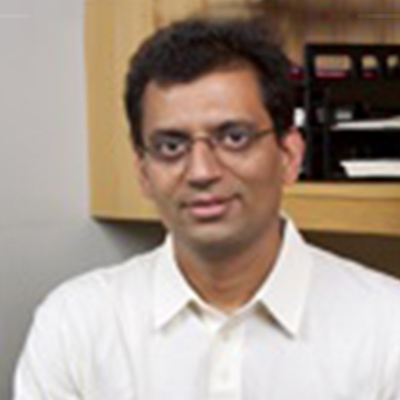
Mayank R. Mehta is a Professor at the University of California, Los Angeles (UCLA), holding joint appointments in the Departments of Physics & Astronomy, Neurology, and Neurobiology. He is a member of the Brain Research Institute and the W. M. Keck Center for Neurophysics at UCLA. His research bridges experimental and theoretical neuroscience, focusing on how neuronal networks encode space-time, the role of brain rhythms in learning and memory, and the impact of sleep and virtual reality on neural dynamics. His recent publications highlight breakthroughs in understanding hippocampal spatiotemporal selectivity, dendritic activity during behavior, and the causal influence of visual cues on memory neurons. Notable findings include the discovery that dendrites generate ten times more spikes than neuronal cell bodies and the modulation of hippocampal theta rhythms in virtual reality. Research Themes: Neurophysics of spatial-temporal coding Dendritic contributions to learning Virtual reality and brain plasticity Neural oscillations in memory consolidation Key Collaborators: Bert Sakmann (Max Planck Florida Institute) Thomas Hahn (Bernstein Center Heidelberg/Mannheim) Maryam Ghorbani (UCLA) Mehta's lab at UCLA trains graduate and postdoctoral researchers in cutting-edge techniques combining hardware development, electrophysiological recordings, and biophysical modeling. His work has significant implications for treating learning and memory disorders like Alzheimer's disease.
Michael McAlpine is a Professor in the Mechanical Engineering department at the University of Minnesota . He also holds affiliations with the Biomedical Engineering and Electrical and Computer Engineering departments. His research focuses on 3D printing functional materials & devices , Nanoscale inks , Biomedical devices , Bioelectronics , and Flexible Microsystems . Research Interests : 3D Printing, Biomedical Engineering, Nanotechnology, Flexible Electronics, Microfluidics Labs : ME 361/363 Contact : mcalpine@umn.edu , (612) 626-3303, ME 117 Recent Research Trends include 3D Printed Biomedical Devices , Flexible Electronics , and Bioprinting Applications . His work spans from Spinal Organoid Formation to Programmable Drug Release Capsules . Scientific Award : Circulation Research 2020 Best Manuscript Award
Marie Sandberg is an Associate Professor in the Promotion Programme at the Saxo Institute, University of Copenhagen. She is affiliated with the Faculty of Humanities and participates in HUM:Global initiatives focused on interdisciplinary global studies. Her research emphasizes ethnological analyses of migration, borders, and refugee policies, particularly exploring temporal governance, state-civil society interactions, and the paradoxes of welfare-state frameworks. Her work examines the everyday practices of refugees and volunteers in contexts of temporary protection status, as well as the ethical challenges in digital migration studies. She contributes to debates on deterrence policies, repatriation agendas, and the precarity of academic labor. Sandberg’s research methodologies often combine ethnography with critical analysis of policy frameworks. Key Research Themes: Refugee temporariness, border studies, humanitarianism, and academic precarity Professional Roles: Member of the Professional Project Group (PPG) in HUM:Global, coordinating interdisciplinary projects Geographic Focus: Europe, with emphasis on Denmark, Poland, and Germany Recent publications highlight her focus on the interplay between state policies and grassroots efforts, as well as the temporal dimensions of displacement. She has co-edited special issues on migration and authored studies on volunteerism in refugee relief work.
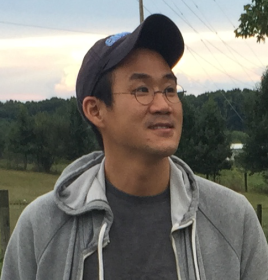
Tae-Ho Lee is an Associate Professor in the Department of Psychology at Virginia Tech, with affiliated appointments in the School of Neuroscience and Translational Biology, Medicine, and Health. His research focuses on affective and cognitive neural development across the lifespan, neurodegeneration, and family-based neural dynamics. PhD in Brain and Cognitive Science, University of Southern California M.A. in Clinical Psychology, Korea University B.A. in Psychology, Korea University Dr. Lee’s work explores brain connectome dynamics, dyadic neural concordance in families, and age-related attentional control. He employs neuroimaging techniques to study how familial and environmental factors shape emotional and cognitive outcomes in adolescents and older adults. Recent publications highlight trends in longitudinal studies , parent-child neural similarity , and functional connectivity in emotion regulation . Key areas include autism spectrum disorder, substance misuse risk, and the role of socioeconomic factors in brain development. Rising Star , Association for Psychological Science (2020) Dr. Lee is not currently accepting students and leads the Affective Neurodynamics and Development (AND) Lab at Virginia Tech.
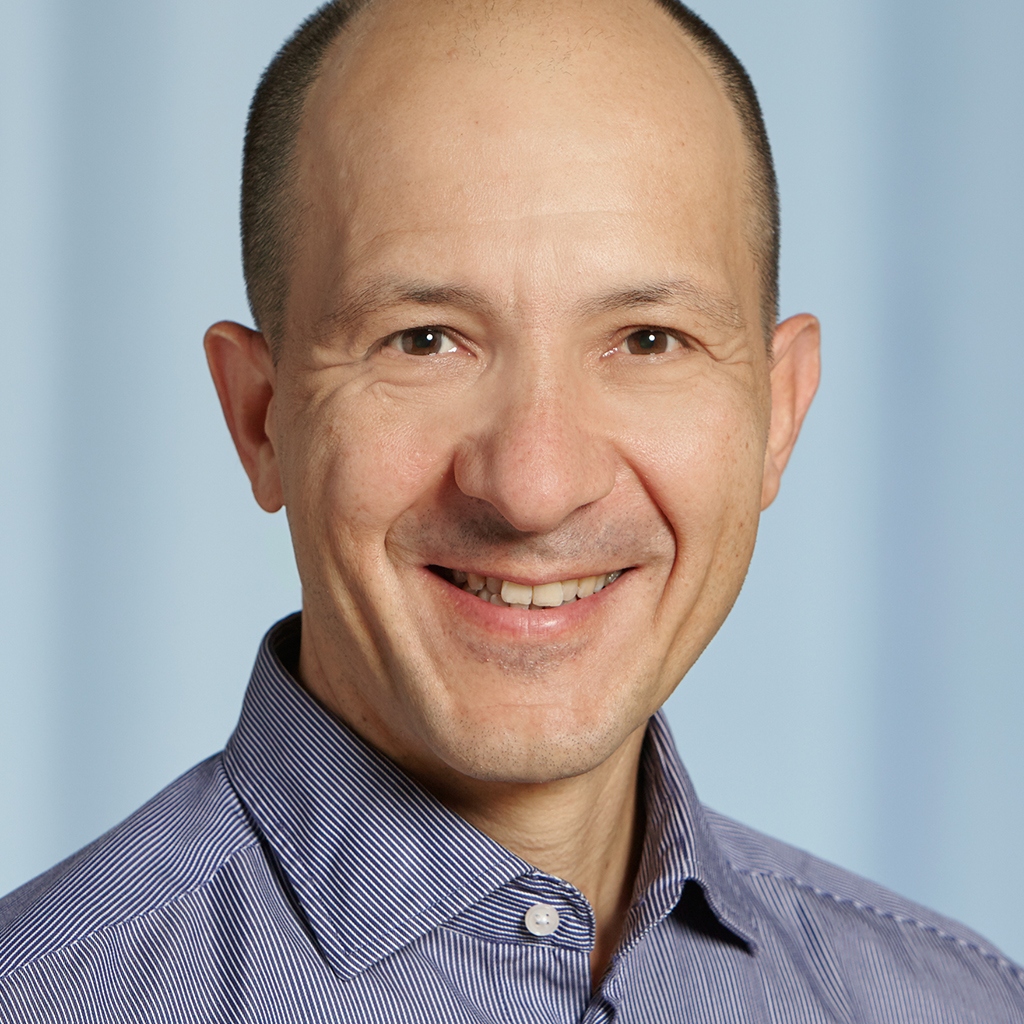
Bernhard J. Berger is a Lecturer in the Department of Computer Engineering at the Institute of Embedded Systems, Hamburg University of Technology (TUHH). His research focuses on software security, static code analysis, machine learning, optimization, and research data management. He has held significant roles such as Program Committee member for ICPC 2025 and MSR 2025, and has received awards including the Best Reviewer Award (ICPC 2023) and Best Engineering Paper Award (SCAM 2019). His work spans interdisciplinary applications including maritime systems security, GPU-accelerated AI, and evolutionary algorithms. Recent studies emphasize AI-driven security tools (e.g., ML-SAST) and domain-specific language approaches to optimization (EvoAl). He has contributed to over 30 peer-reviewed publications, with notable work in IEEE Transactions on Software Engineering and Science of Computer Programming. Berger collaborates closely with industry through DAAD review committees and serves on artifact evaluation boards for ISSTA and ARES conferences. Education: Doctoral Thesis (2022), Diploma in Computer Science (2007) Key Projects: ArchSec tool suite, Threat Modeling Frameworks, Bauhaus static analysis methodology Lab Affiliation: Embedded Systems Design Group His advisory roles include Deputy of TUHH's Election Verification Committee and Session Chair at IEEE Congress on Evolutionary Computation 2023. Current research trends integrate machine learning with static analysis for automated vulnerability detection, while also exploring explainable AI techniques for neural network optimization.
Giacomo Indiveri is a dual Professor at the Faculty of Science of the University of Zurich and the Department of Information Technology and Electrical Engineering of ETH Zurich . He serves as the Director of the Institute of Neuroinformatics at both institutions. Indiveri holds an M.Sc. in Electrical Engineering (1992) from the University of Genoa and a Ph.D. in Computer Science (2004) from the same university. Primary Affiliation: University of Zurich (Faculty of Science, Institute of Neuroinformatics) Secondary Affiliation: ETH Zurich (Department of Information Technology and Electrical Engineering) Indiveri's research bridges neuroscience , computer science , and machine learning to develop neuromorphic cognitive systems . His work focuses on spike-based learning , recurrent neural networks , and analog/digital circuit design for real-time sensory-motor systems . He integrates emerging memory technologies into fault-tolerant event-based architectures, enabling brain-inspired computing paradigms in applications like robotics and medical monitoring. His recent publications emphasize neuromorphic hardware for epileptic seizure detection , spiking neural networks in robotic painting , and scalable processors with on-chip learning . These works explore biologically plausible neurons , delay lines , and memory arrays for temporal processing, with applications in healthcare , edge computing , and adaptive control . Scientific Awards & Recognitions: 2021 IEEE Biomedical Circuits and Systems Best Paper Award Senior Member of IEEE Society ERC Fellow with three European Research Council grants Indiveri's group at the Institute of Neuroinformatics develops event-based systems for real-world validation of brain-inspired computing. His work includes multi-core processors , feedback optimizers , and dynamic routing architectures , supported by grants for advancing neuromorphic technologies .
Jeffrey Schall is a Full Professor of Biology and Program Director of the Visual Neurophysiology Centre at York University. He holds the Canada Research Chair in Translating Neuroscience. His research focuses on neural mechanisms underlying behavior, integrating neurophysiological and computational approaches across multiple scales. Schall is a core member of the Centre for Vision Research and the Canada First Research Excellence Fund Connected Minds initiative. Education: PhD in Anatomy (University of Utah School of Medicine, 1986), postdoctoral training at MIT. Awards include the Troland Research Award, Sloan Foundation Fellowship, and AAAS Fellowship. He served as Vision Science Society President in 2019. Research interests include visual attention, executive control, error monitoring, and translational neuroscience applications in law. His work bridges basic science with applied studies in clinical populations like schizophrenia patients. Collaborative projects involve EEG/MEG analysis, cortical microcircuitry modeling, and neuromodulation techniques. Teaching: YU_NRSC 2100 Systems, Behavioral, and Cognitive Neuroscience. Active in interdisciplinary initiatives linking neuroscience with legal systems through scholarship and policy engagement.
J. Anthony Movshon is a Professor at New York University (NYU) in the Department of Psychology and a key member of NYU's Center for Neural Science (CNS). His research focuses on the primate visual system, particularly the encoding and decoding of visual information in cortical areas like V1 and MT, and its role in behavior and perception. Education: Doctorate in Visual Neurophysiology and Psychophysics from Cambridge University Research Interests: Movshon investigates the functional architecture of the visual cortex, emphasizing motion, form, and color processing. His work explores how neural activity relates to perceptual decisions and motor behavior, using electrophysiological recordings, neuroimaging, and computational models. He also studies developmental disorders like amblyopia and their impact on visual system organization. Publications: His recent work spans visual texture selectivity in V2, contextual modulation in neural responses, motion processing in MT, and decoding mechanisms in visual cortex. These studies employ interdisciplinary approaches blending neurophysiology, computational neuroscience, and cognitive modeling. Labs & Collaborations: Movshon leads the Visual Neuroscience Laboratory at NYU, collaborating with researchers such as Michael Hawken, Lynne Kiorpes, and Eero Simoncelli.
Thomas Perlmann is a Professor in Molecular Developmental Biology at the Karolinska Institutet , leading research at the Department of Cell and Molecular Biology and serving as Director of the Stockholm Branch of the Ludwig Institute for Cancer Research. He also holds the position of Secretary General of the Nobel Assembly and Nobel Committee for Physiology or Medicine since 2016. Ph.D. , Karolinska Institutet, 1991 M.Sc. , Stockholm University, 1987 Research Interests : The Perlmann lab investigates the specification and maintenance of dopamine neurons in the central nervous system, with a focus on transcriptional regulation , signaling pathways , and regenerative medicine applications for Parkinson’s disease and other neurodegenerative disorders. His work bridges developmental biology and neuroscience , emphasizing the role of transcription factors in neuronal identity and function. Recent Research Trends : Perlmann’s recent publications highlight the use of single-cell RNA sequencing to dissect dopamine neuron heterogeneity , epigenetic regulation during development, and transcriptomic changes in Parkinson’s disease models. His studies increasingly leverage multiomics and bioinformatics to map neuronal lineage trajectories and gene expression dynamics. Scientific Awards : Royal Medal by HM the King (2025) Nicholson Lecturer, Rockefeller University (2011) Göran Gustafsson Prize in Molecular Biology (1999) Eric K. Fernström Young Investigator Prize (1997) Advising & Collaborations : While no student names are explicitly listed, Perlmann collaborates extensively with researchers such as Malin Parmar , Agnete Kirkeby , and Per Svenningsson on projects related to neuronal development and cell therapy . His lab receives funding from institutions like the Ludwig Institute for Cancer Research . Labs & Teams : The Perlmann Lab at Karolinska Institutet includes researchers like Linda Gillberg , Laura Lahti , and Behzad Yaghmaeian Salmani , who work on mouse models , single-cell transcriptomics , and bioinformatics to study dopamine neuron biology.
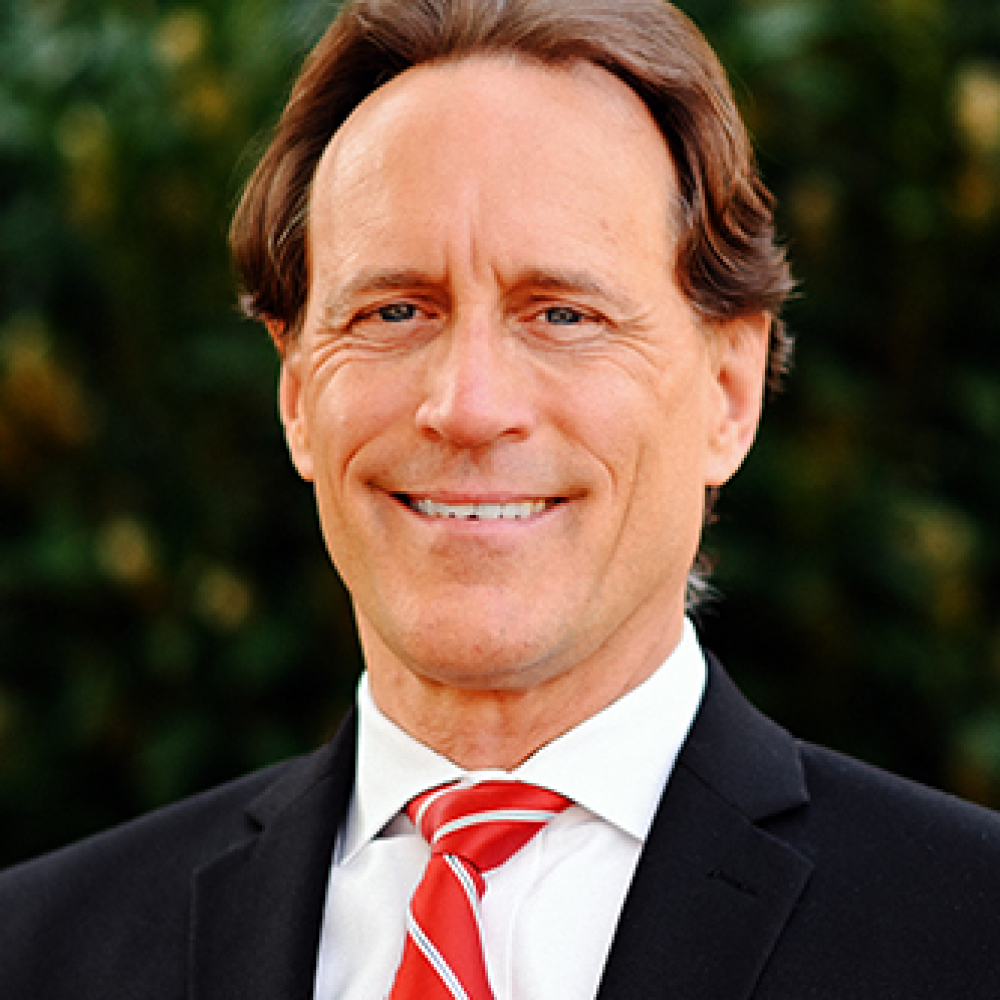
John P. O'Doherty serves as the Fletcher Jones Professor of Decision Neuroscience within Caltech's Division of Humanities and Social Sciences, holding continuous faculty appointments since 2004 (Assistant Professor 2004-07, Associate Professor 2007-09, Professor 2009-present, Fletcher Jones Professor 2021-present). He previously directed the Caltech Brain Imaging Center (2013-17) and maintains affiliations with the T&C Chen Center for Social and Decision Neuroscience. His educational background includes a B.A. from University of Dublin, Trinity College (1996) and D.Phil. from University of Oxford (2000). His research focuses on computational and neural mechanisms of reward-based learning and decision-making , employing fMRI, intracranial recordings, and mathematical modeling to investigate how the brain solves complex decision problems through evolutionarily conserved algorithms. Key areas include Reinforcement learning systems (model-based/model-free arbitration) Observational and social learning mechanisms Neural representation of value, risk, and uncertainty Computational phenotyping of mental disorders Temporal dynamics of goal persistence Analysis of his 2023-2025 publications reveals dominant trends in computational psychiatry (problem gambling, autism traits), hierarchical decision-making, and neuroeconomic modeling of social behavior. His work consistently integrates cross-species computational frameworks with human neuroimaging to identify transdiagnostic mechanisms. While specific awards beyond his endowed professorship aren't detailed, his leadership as Brain Imaging Center Director and prolific high-impact publications demonstrate significant recognition. Current advising includes graduate researcher Sneha Aenugu on goal-persistence projects, with administrative support from Mary A. Martin (mmartin@caltech.edu). His active research program continues to pioneer computational approaches to understanding decision pathologies.
Marc V Fuccillo is an Associate Professor of Neuroscience at the Perelman School of Medicine, University of Pennsylvania, where he leads a research laboratory focused on understanding the neural circuit mechanisms underlying behavioral control. His work bridges molecular, synaptic, and behavioral approaches to investigate how striatal circuits regulate mouse behavior from simple motor patterns to complex goal-directed actions. Fuccillo holds dual appointments in the Neuroscience and Cell and Molecular Biology Graduate Groups at Penn and maintains an active laboratory investigating the synaptic and circuit basis of neuropsychiatric disorders. Education: B.A. in Molecular and Cellular Biology and Music Performance (Violin) from Brown University (1998) Ph.D. in Developmental Genetics from New York University School of Medicine (2007) M.D. from New York University School of Medicine (2008) Fuccillo's research centers on the synaptic and circuit mechanisms of behavioral control, with particular emphasis on striatal circuits. His laboratory employs a range of technologies including mouse genetics, in vitro electrophysiology, in vivo imaging, and quantitative behavioral analysis to explore how neural circuits of the striatum regulate behavior and how disruptions in these circuits contribute to neuropsychiatric disorders. His work has particularly focused on autism-associated abnormalities in behavioral control, examining how synaptic adhesion molecules like neuroligins and neurexins shape circuit function and behavior, with significant findings regarding D1 dopamine receptor positive medium spiny neurons in the nucleus accumbens. Analysis of Fuccillo's recent publications reveals a strong focus on striatal circuit function across multiple dimensions. His work spans molecular neuroscience (examining synaptic adhesion molecules), cellular physiology (studying specific neuron types in striatal circuits), systems neuroscience (mapping circuit connectivity), and behavioral neuroscience (quantifying motor learning and decision-making). A unifying theme is how disruptions in specific molecular pathways lead to circuit-level abnormalities that manifest as behavioral phenotypes relevant to neuropsychiatric disorders, with particular attention to autism, OCD, and schizophrenia models. Scientific Recognition: Publications in high-impact journals including Nature Neuroscience, Current Biology, Cell Reports, and Neuron Research supported by multiple NIH grants including NIMH F32, NIMH K01, and HHMI Gilliam Fellowship awards for lab members Fuccillo actively mentors a diverse group of trainees including postdoctoral fellows, graduate students, and undergraduates. His laboratory has produced numerous successful alumni who have gone on to faculty positions, medical residencies, and graduate programs at prestigious institutions. His mentoring approach emphasizes technical skill development across multiple neuroscience disciplines while fostering independent scientific thinking. Current research in his lab is supported by NIH funding focused on understanding the molecular architecture of striatal circuits and their role in behavioral control, with three major research directions exploring molecular logic of striatal circuits, circuit mechanisms of behavioral control, and striatal dysfunction in neuropsychiatric disease models. The Fuccillo Laboratory operates within the Department of Neuroscience at the University of Pennsylvania, with access to state-of-the-art facilities for molecular, electrophysiological, imaging, and behavioral neuroscience research. The lab maintains active collaborations with other neuroscience research groups at Penn and beyond, creating a rich intellectual environment for studying the neural basis of behavior. Current research directions include investigating whether there is a molecular logic to striatal circuit composition, how striatal circuits shape behavioral control, and what mouse models of autism, schizophrenia, and OCD can reveal about striatal circuit dysfunction in disease pathophysiology.
Dr. Steven G. Clarke is a Distinguished Professor at UCLA Department of Chemistry & Biochemistry and director of research at the Molecular Biology Institute . His work bridges protein chemistry , methylation biology , and aging research through studies of spontaneous protein damage and its repair mechanisms. Education: BA in Chemistry and Zoology, Pomona College (magna cum laude, Phi Beta Kappa) PhD in Biochemistry and Molecular Biology, Harvard University (NSF Fellow) Postdoctoral Fellowship at UC Berkeley (Miller Fellow) Dr. Clarke's research focuses on protein isoaspartyl repair via PCMT1/PIMT enzymes , ribosomal protein methylation in Saccharomyces cerevisiae , and PRMT family characterization including PRMT7 and PRMT9. His lab combines biochemical assays , genetic models , and structural analysis to investigate aging mechanisms and disease implications. Recent publications highlight: COQ5 structure-function analysis in coenzyme Q biosynthesis PCMTD1 ubiquitin ligase interactions PRMT7 substrate specificity in histone H2B Protein isoaspartyl impacts on T cell function in lupus Novel PRMT inhibitors for cancer therapy Methionine addiction in osteosarcoma malignancy Major scientific awards: American Chemical Society Ralph F. Hirschmann Award in Peptide Chemistry NIH MERIT Award Ellison Medical Foundation Senior Scholar Award William C. Rose Award, ASBMB UCLA Distinguished Teaching Award (Eby Award winner) Current lab members include PhD candidates Eric Pang (UCSB) and Sining "Cindy" Wang (UCLA), while undergraduates Celeste Medina-Seymoure , Elizabeth Oroudjeva , Olivia Pacheco , and Jasmine Winter contribute to ongoing proteostasis studies. Collaborations with Profs. Jose Rodriguez and Catherine Clarke demonstrate interdisciplinary research approaches.
Steve Chase is a Professor at Carnegie Mellon University , affiliated with the Biomedical Engineering , Electrical and Computer Engineering , Neuroscience Institute , and Robotics Institute departments. His research spans Computational Neuroscience , Neural Engineering , and Systems Neuroscience , with a focus on neural circuits, motor control, and brain-computer interfaces (BCI). Research Areas: Sensation & Perception, Methods Development, Diseases & Disorders, Physiological & Anatomical Methods. Lab Highlights: Development of the RotaWheel, memory trace studies in the motor cortex, and investigations into BCI stabilization and learning dynamics. Scientific Contributions: His lab has published extensively in journals like Neuron , Nature Computational Science , eLife , and PNAS , with notable works on neural activity patterns, dimensionality reduction in calcium imaging, and sensory constraints on motor cortex modulation. Students and postdocs in his lab have received awards, including the CNBC best paper award.
John D. Murray is the Gregg L. Engles Associate Professor of Psychological and Brain Sciences at Dartmouth College and an Adjunct Associate Professor of Psychiatry at Yale School of Medicine. He holds a PhD in Physics from Yale University (2013) and a BS in Physics and Mathematics from Yale (2006). His research focuses on computational neuroscience and computational psychiatry, with secondary appointments in Physics and Neuroscience at Yale until 2023. His work integrates computational modeling, neuroimaging, and systems neuroscience to study decision-making processes, cortical organization, and psychiatric disorders. Collaborators include prominent researchers like Dr. John Krystal and Dr. Anticevic. Research interests include hierarchical brain organization, neuroimaging analysis techniques, and pharmacological effects on neural circuits. His lab (Murray Lab) develops computational tools like PsychRNN for cognitive task modeling. Notable contributions include linking transcriptomic data to neuroimaging patterns and modeling LSD’s effects on brain topography. He has been featured in YaleNews and Nature Communications for innovations in mapping mental illness variability and neural circuit dynamics. Grants and collaborations span translational neuroscience, addiction, and PTSD research through partnerships with Yale’s Center for Biomedical Data Science and VA National Center for PTSD. His interdisciplinary approach bridges physics, computer science, and clinical psychiatry to advance understanding of brain function and dysfunction.
David S. Eisenberg is a Professor of Chemistry and Biochemistry and Biological Chemistry at the University of California, Los Angeles, where he also serves as Director of the UCLA-DOE Institute for Genomics and Proteomics and as an HHMI Investigator. His research focuses on protein interactions, particularly the structural basis for conversion of normal proteins to the amyloid state and conversion of prions to the infectious state. Dr. Eisenberg earned his undergraduate degree in biochemical sciences from Harvard College and his D.Phil. degree in theoretical chemistry from Oxford University on a Rhodes Scholarship. His postdoctoral research was on ice and water with Walter Kauzmann at Princeton and in protein crystallography with Richard Dickerson. He joined the UCLA faculty after his postdoctoral studies. Dr. Eisenberg and his research group focus on protein interactions in amyloid and prion diseases. These diseases involve protein aggregation where normal functional proteins convert to abnormal aggregated forms. Systemic amyloid diseases like dialysis-related amyloidosis result from fiber accumulation until organ failure, while neurodegenerative diseases like Alzheimer's, Parkinson's, ALS, and prion conditions appear to be caused by smaller oligomers. In 2005, his team determined the atomic-level structure for the amyloid fiber spine, revealing a 'steric zipper' of two parallel beta sheets packed across a dry interface. Since then, they've determined approximately 90 amyloid spines from 15 disease-related proteins. In 2010, they identified the structure of a toxic amyloid-related oligomer consisting of six anti-parallel beta strands forming a cylindrical barrel. His recent publications demonstrate continued innovation in amyloid research, with focus areas including structural prediction of amyloid formation, mechanisms of tau fibril disassembly in Alzheimer's disease, cryo-EM analysis of amyloid polymorphism, and structure-based design of inhibitors for amyloid toxicity. His work integrates computational, structural, and biochemical approaches to understand protein aggregation across multiple disease contexts. Dr. Eisenberg has received numerous prestigious awards and honors: National Academy of Sciences Member American Philosophical Society Member Institute of Medicine Member Howard Hughes Medical Institute Investigator Biophysical Society Emily M. Gray Award Harvard Westheimer Medal UCLA Seaborg Medal Technion - Israel Institute of Technology Harvey Prize in Human Health As Director of the UCLA-DOE Institute for Genomics and Proteomics and an HHMI Investigator, Dr. Eisenberg leads significant research initiatives in protein structure and aggregation. His laboratory combines X-ray crystallography, bioinformatics, and biochemical techniques to investigate protein interactions, with particular emphasis on amyloid-forming proteins and their role in disease. The Eisenberg Lab, located in Boyer Hall at UCLA, maintains an active research program investigating the structural basis of protein aggregation. The lab continues to build on its landmark discoveries of amyloid structures while exploring new frontiers in understanding protein misfolding diseases and developing potential therapeutic interventions.