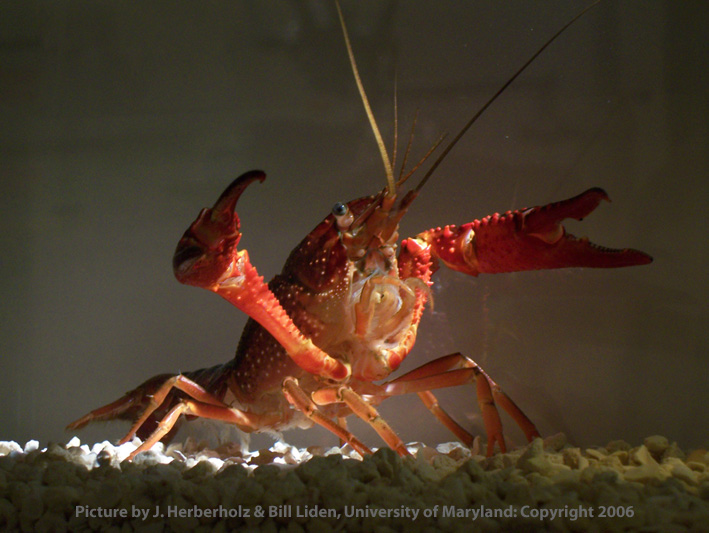
Jens Herberholz is an Associate Professor in the Department of Psychology at the University of Maryland, College Park, with affiliations in the Neuroscience and Cognitive Science Program (NACS) and the Brain and Behavior Initiative (BBI). He holds a PhD from Technical University Munich (Germany) and conducted postdoctoral research at Georgia State University. His research focuses on neural mechanisms underlying social behaviors in crayfish, including aggression, decision-making, and interactions between social experience and drug sensitivity. He employs electrophysiology, neuropharmacology, and advanced imaging techniques to study these phenomena. Herberholz has served as former Director of NACS and former Co-Director of BBI. He is an associate editor for Behaviour and Frontiers in Physiology . His lab investigates topics such as the gut-brain axis, alcohol effects on neural circuits, and the role of serotonin in behavior. Current students include Reid Doctor, Norma Pena-Flores, and Tawen Ho. His work is supported by NSF and NIH grants. Publications highlight studies on neuronal circuit modulation, neurochemical signaling, and behavioral responses to environmental stimuli. Media coverage includes features in Science Daily , New Scientist , and The Economist .
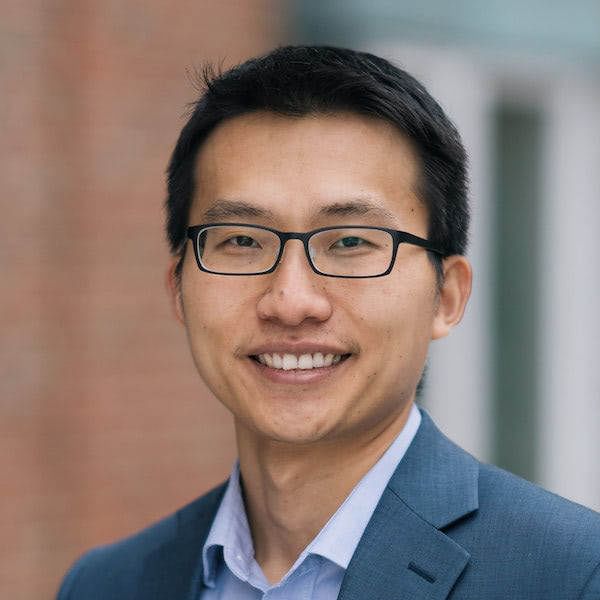
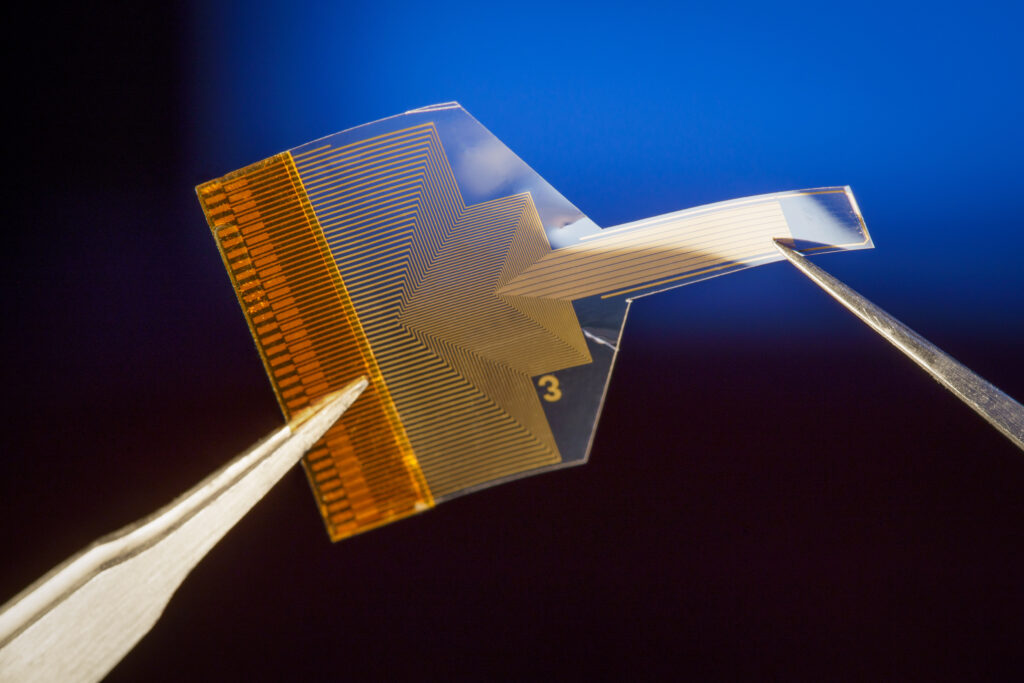
Hui Fang is an Associate Professor of Engineering at Dartmouth College's Thayer School of Engineering. He directs research developing multifunctional materials and devices for neural interfaces, with particular focus on scalable neuroelectronic systems. His research group creates innovative neurotechnologies including transparent bilayer-nanomesh microelectrodes for simultaneous electrophysiology and imaging, and nanomesh-enabled elastic neuroelectronics. These technologies enable fundamental neuroscience research and potential clinical applications. Current projects focus on developing tools for parallel neuromodulator sensing and electrophysiological recording. Dr. Fang's honors include the NSF CAREER Award and recognition as an MIT Technology Review TR35 Finalist. His research bridges materials science, device engineering, and neural interface design.
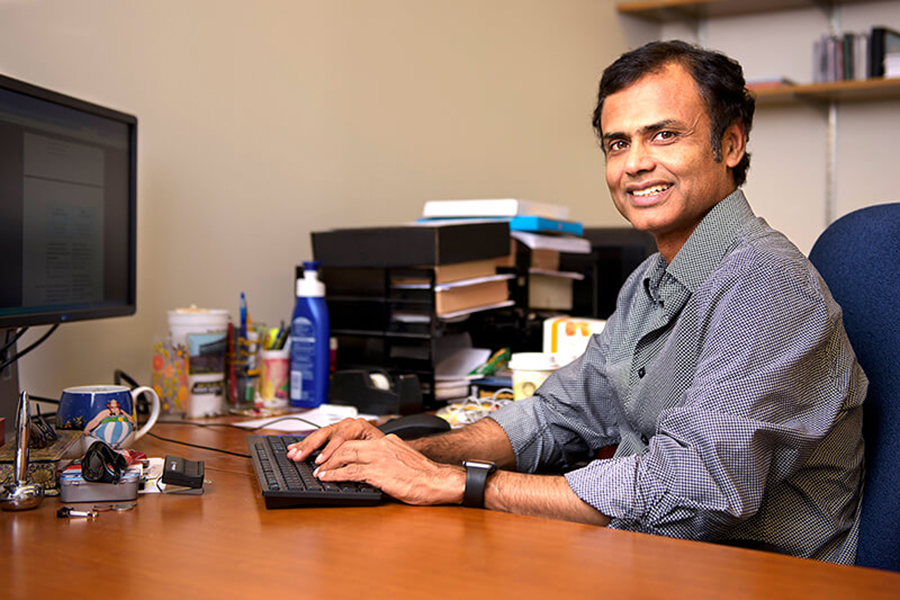
Professor Duygu Kuzum is a faculty member in the Department of Electrical and Computer Engineering at the University of California San Diego. Her research focuses on nanoelectronic devices for brain-inspired computing, neural interfaces, and clinical neurodevices. She has developed synaptic devices emulating brain computation and transparent neural implants for high-resolution brain monitoring. Kuzum holds the Joan and Irwin Jacobs-Kavli Foundation Chancellor's Endowed Faculty Fellowship and has been recognized with awards including MIT TR35, Penn Neuroscience Innovation Award, and Texas Instruments Fellowship. Her lab, the UCSD Neuroelectronics Lab, pioneers neurotechnologies combining nanoelectronics with neuroscience to advance understanding of brain circuits and develop next-generation neural interfaces. Education: PhD in Electrical Engineering (Stanford University, 2010), Postdoc in Bioengineering (University of Pennsylvania, 2011-2015), B.S. in Electrical Engineering (Bilkent University, 2004). Research interests include neuromorphic computing, neural interface design, and bio-plausible learning systems. Key innovations include filament-free RRAM for energy-efficient neural networks, graphene-based transparent electrodes, and bioresorbable neural implants. Recent work explores functional integration of cortical organoids with host brain circuits using multimodal monitoring. Grants and Awards: NIH New Innovator Award (2020), multiple industry and foundation fellowships. Her lab collaborates on projects like E-organoid systems and closed-loop optogenetic systems. Labs/Teams: Director of UCSD Neuroelectronics Lab, affiliated with Kavli Institute for Brain and Mind. Active in developing transparent neural probes and neuromorphic brain interfaces.
Tetsuhiko Teshima is an Associate Professor at the Technical University of Munich (TUM), affiliated with the Associate Professorship of Neuroelectronics led by Prof. Bernhard Wolfrum. His research focuses on neuroelectronics, biointerfaces, and advanced materials for biomedical applications. He is part of the Munich Institute of Biomedical Engineering (MIBE), where he develops innovative technologies such as graphene-based electrodes, self-folding biointerfaces, and 3D-printed neural devices. His work bridges microfabrication, materials science, and neuroscience to create solutions for neural recording, stimulation, and tissue engineering. Key research areas include: Flexible and implantable neural interfaces Graphene and layered material applications 3D printing for biomedical devices Cell culture models (e.g., brain-on-a-chip) Biocompatible adhesives and microelectrode arrays His lab collaborates on projects like the Neuroelectronics Seminar, Microfluidics Design, and BioDT (Biodigital Twin) initiatives. Recent advancements include self-folding cuff electrodes for peripheral nerves and hydrosilane-functionalized polymers for durable biointerfaces. Teshima’s team also explores applications in drug sensitivity testing and closed-loop neural stimulation systems. Notable collaborations involve the NTT Basic Research Laboratories and interdisciplinary efforts in tissue engineering. His work emphasizes practical translation of microfluidics and MEMS technologies into clinical and research tools.
Christian Éthier is an Associate Professor in the Department of Psychiatry and Neuroscience at the Faculty of Medicine, Université Laval. His research focuses on understanding and leveraging neuronal plasticity to repair neural circuits after injury or stroke, particularly through neuroprosthetics and brain-computer interfaces. Current position: Associate Professor, Université Laval Research focus: Neuronal plasticity, motor recovery, neuroelectronic interfaces Lab affiliation: Ethier Lab Dr. Éthier investigates how electrochemical neuronal activity modulates neural connections, aiming to develop neuroprostheses that restore motor function in paralyzed patients. His work bridges engineering and neuroscience, emphasizing cortical and spinal motor network reorganization. Recent publications highlight collaborations in wireless electro-optic platforms for optogenetics, corticospinal excitability studies, and neurostimulation applications for stroke rehabilitation. His lab at Université Laval, part of the CERVO Brain Research Centre, specializes in neuroprosthetic devices tested in primate and rodent models. Dr. Éthier’s team explores methods to guide neural reorganization using electrical/optical stimulation, targeting impairments from spinal cord injuries. While no specific scientific awards are mentioned in the provided text, his interdisciplinary approach is reflected in publications spanning neuroscience, engineering, and rehabilitation journals.
Matthew Ward is an Assistant Professor in Biomedical Engineering at Purdue University , with an Adjunct Assistant Professor appointment in Clinical Medicine at Indiana University School of Medicine. He holds a Ph.D. in Neural Engineering from Purdue University and previously served as a Research Assistant Professor at Purdue's Department of Biomedical Engineering. Academic Appointments: Purdue University | Indiana University School of Medicine Specialties: Bioelectronic Medicine | Neuroelectronic Interfaces | Autonomic Neurophysiology His research focuses on bioelectronic medicine and neural interface technology , with emphasis on vagus nerve stimulation and wearable health monitoring systems. Key areas include: Autonomic nervous system dynamics Wearable telemetry for inflammation tracking Digital twin modeling of physiological responses Minimally invasive neural stimulation devices Neuroimmune interface engineering Real-time autonomic activity analytics Recent publications highlight 2025-2024 work on: Wearable systems for autonomic profiling in hypermobile Ehlers-Danlos syndrome Digital biomarker development for vaccine response monitoring Flexible microstructured electrodes for vagus nerve stimulation Neuromodulation optimization through projectome mapping Haptic feedback technology for neural control Aerodynamic studies of sports equipment
Viviana Rincón Montes serves as Junior Group Leader of the In vivo Neuroelectronics - IvN group at Forschungszentrum Jülich's Institute of Bioelectronics (IBI-3) and has been an associated scientist of RWTH Aachen's Graduate College InnoRet Vision GRK2610 since October 2021. Since January 2024, she holds a Visiting Research Fellow position at the University of Cambridge's Bioelectronics Laboratory. Her academic qualifications include: Bachelor of Science in Electronic and Computer Engineering (2013) with honors from Instituto Tecnológico y de Estudios Superiores de Monterrey Master of Science in Biomedical Engineering (2016) from RWTH Aachen University Doctor of Engineering (Dr.-Ing.) summa cum laude (2021) from RWTH Aachen/IBI-3, dissertation: Development, Characterization and Use of Intraretinal Implants Rincón Montes pioneers implantable stealth neurotechnology to restore lost neural functions, with translational applications in vision restoration and pain management. Her current Cambridge research focuses on biohybrid neurotechnologies for central nervous system applications, while her Jülich lab develops intraretinal interfaces. She co-founded an in-vitro diagnostics spin-off recognized by the 2022 NRW Innovation Award. Key recognitions: Borchers Medal of RWTH Aachen (2022) Innovation Award of North Rhine-Westphalia (2022) As GRK2610 associated scientist, she mentors doctoral candidates in neuroengineering. Her In vivo Neuroelectronics group at IBI-3 integrates neurotechnology development with clinical translation, notably through the award-winning in-vitro diagnostics collaboration with Dr. Gabriela Figueroa Miranda.
Dr. Francesca D'Elia is a Research Fellow in the Neuroelectronic Interfaces group at the Institute of Biological Information Processing, Bioelectronics (IBI-3) of Forschungszentrum Jülich since February 2024, focusing on the integration of electronic systems with neural interfaces. Education: Bachelor in Biotechnology, University of Salento (2011-2014) Master in Medical Biotechnologies and Nanobiotechnologies, University of Salento (2014-2017) PhD in Nanosciences, Scuola Normale Superiore di Pisa (2017-2022) - Thesis: '3D printed optical devices with stress- and light-dependent properties' Professional Master's in 'KEI: Valorization of Intellectual Property for Knowledge Exchange and Impact', University of Bologna (2023-present) Research Expertise: Her work bridges Neuroelectronics and Nanotechnology through advanced fabrication techniques. She has pioneered 3D printing methodologies for tunable optical components, characterized piezoelectric actuators for medical ultrasound applications, and developed metrology protocols for graphene-based photonic platforms. Current research explores bidirectional communication between neural tissue and electronic systems for next-generation biomedical devices. Professional Experience: Research Fellowship at NEST Competence Center on Nanotechnologies (2022): Morphological/spectroscopic analysis of piezoelectric ultrasound transducers Process Engineer at CamGraPhIC (2023-2024): Metrological characterization of graphene in telecom/datacom photonic integrated circuits Awards: No scientific awards documented in source materials. Academic Guidance: No information available regarding student supervision or research grants. Current activities center on neuroelectronic interface development within IBI-3's collaborative framework. Research Environment: Works within Forschungszentrum Jülich's Neuroelectronic Interfaces team, leveraging the institute's specialized facilities for biohybrid system development and neural signal processing.
Nicholas Melosh is a Professor of Materials Science and Engineering at Stanford University, affiliated with the School of Engineering. His research focuses on bio-inorganic interfaces, molecular materials at interfaces, and self-assembly/nucleation processes. PhD in Materials Science and Engineering (2001) from University of California, Santa Barbara BS in Chemistry (1996) from Harvey Mudd College Research interests center on: Designing inorganic structures for seamless integration with biological systems Developing nanostraw-based platforms for cell transfection and neural interfaces Quantum nanophotonics with diamond color centers Thermionic energy conversion and bioelectronic device engineering Recent publications (2023-2025) reveal a focus on: Quantum photonics and diamond color center integration Advanced neural interfaces using 3D electrode arrays Bio-inspired materials for biomedical applications Surface engineering for energy conversion devices Electrochemical control of soft materials Molecular imprinting for sensing applications
Dena Shahriari is an Assistant Professor in the Department of Orthopaedics at the University of British Columbia's School of Biomedical Engineering (SBME). She holds additional affiliations with the International Collaborations on Repair Discoveries (ICORD) and the Institute for Computing, Information and Cognitive Systems (ICICS). Her research bridges materials science, electrical engineering, and medicine to develop innovative solutions for healthcare challenges. Dr. Shahriari received her BS in Bioengineering from the University of California Berkeley, followed by a PhD in Macromolecular Science and Engineering from the University of Michigan. She completed her postdoctoral training at the Massachusetts Institute of Technology in the Bioelectronics Laboratory under Professor Polina Anikeeva, working with both the Research Laboratory of Electronics and the McGovern Brain Institute. Her research focuses on developing neuroelectronic devices, sensors, and smart biomaterials to interface with biological tissues for tissue regeneration and organ augmentation. Key areas include smart biomaterials, neural interfaces, biosensors, tissue regeneration, and organ augmentation, with specific research themes in cellular & molecular engineering and human interfacing devices. The BioAugmentative Interfaces Laboratory she leads at ICORD creates advanced interfaces between biological systems and electronic devices for therapeutic applications. Analysis of Dr. Shahriari's publication record reveals a consistent focus on neural interfaces and biomaterials for tissue regeneration, with her most recent work (2023-2025) showing increasing incorporation of artificial intelligence techniques in medical imaging and diagnostics while maintaining her core expertise in biomaterials engineering. Her research spans from fundamental biomaterials development to clinical applications, with particular emphasis on nerve repair scaffolds with microchannel structures, optoelectronic neural interfaces, and smart biomaterials for organ augmentation. Dr. Shahriari actively mentors a diverse research team including PhD candidates Shahriar Shalileh (UBC Four Year Fellowship Awardee) and Elham Mohseni Vadeghani (Faculty of Medicine 2024 Graduate Student Awardee), Master's student Adan Moallemi (CIHR Canada Graduate Scholarship awardee), PhD student Milad Yazdani, and numerous undergraduate researchers. Alumni from her lab have pursued medical school, industry positions, and further graduate studies at institutions like EPFL. The BioAugmentative Interfaces Laboratory is situated within UBC's newly opened purpose-built biomedical engineering facility, positioning Dr. Shahriari's research at the forefront of Canada's efforts to advance health solutions and grow the biotech sector through collaborative research across engineering, medicine, and biology.
Professor Merlyne De Souza is a Chair in Microelectronics at the University of Sheffield's School of Electrical and Electronic Engineering. Her research spans multi-disciplinary microelectronics, focusing on GaN CMOS, neuromorphic computing, RF power amplifiers, and healthcare sensors. University of Sheffield (2007-) De Montfort University (2003-2007) Research Interests: GaN-based CMOS and power devices Magnetic materials for power management Memristive neuromorphic systems Perovskite solar cells Scientific Trends: Recent publications emphasize GaN device architectures, solid electrolyte transistors for neural networks, and sustainability in semiconductor materials through graphene oxide recycling and thermoelectric composites. Awards: No specific awards mentioned in the text. Advising: Supervised 7 PhD/MPhil students including Balakrishnapillai P, Casterman D, and Rasheduzzaman M. Secondary supervision of Baltynov T and Unni V.
Arnaud Claudel is a permanent Researcher at the CNRS, affiliated with the Néel Institute and the Quantum Electronics, Surfaces and Spintronics (QUEST) department. His work bridges materials science, semiconductor growth, and quantum electronics, focusing on advanced thin-film technologies and solid-state electrochemistry. Doctorate in Materials Science from Grenoble INP (2009) MSc in Materials Science and Engineering (2006) Claudel's research spans two major domains: (1) high-temperature chemical vapor deposition of aluminum nitride (AlN) for optoelectronic and semiconductor applications, and (2) graphene-based biohybrid nanoelectronics for sensing. His recent work in 2D materials explores strain engineering in bilayer graphene and graphene FETs for ion-channel receptor sensing, integrating nanofluidics and neuroengineering . Earlier contributions centered on AlN growth via HTCVD and HVPE, examining nucleation layers, gas-phase stoichiometry, and process optimization. His publications cover thin film characterization , epitaxial growth mechanisms , and surface science in semiconductor contexts. Current projects involve hybrid graphene-microfluidic platforms for neuronal interfacing, reflecting his interdisciplinary focus on materials for quantum technologies and bioelectronic systems . No scientific awards are explicitly mentioned in the provided data. Claudel collaborates with teams across materials synthesis and device physics, including Nanoscale and Advanced Functional Materials co-authors. His technical expertise spans chemical vapor deposition , thin-film analysis , and microfabrication of semiconductor devices.
Richard Taylor is a Professor and Head of the Department of Physics at the University of Oregon, affiliated with the Materials Science Institute (MSI). With a PhD from the University of Nottingham (1988), he has been at UO since 1999. His research focuses on experimental condensed matter physics and biophysics, with interdisciplinary work in fractal geometry's applications to neuroscience, art, and architecture. Taylor pioneered fractal bionics, exploring how natural fractal patterns optimize artificial systems such as retinal implants and solar cells. His teaching awards include the Outstanding Teacher in Higher Education Award and Cottrell Scholarship. He has authored textbooks like Light, Color and Vision and led over 10,000 students. As MSI director (2010–2018), he managed a $10M annual grant portfolio. Taylor’s work bridges science and art, featured in BBC documentaries and collaborations with institutions like the Guggenheim Museum. Research highlights include fractal electrode designs for neural interfaces and studies on fractal aesthetics in architecture and visual arts. His lab, Fractals Research LLC, explores applications in biophilic design and medical technology.
Chi-Yuan Yang is an Assistant Professor at Linköping University, affiliated with the Department of Science and Technology (ITN) and the Laboratory of Organic Electronics (LOE). His research focuses on organic electronics, particularly conductive polymers and their applications in biohybrid systems. Key projects include the development of organic electrochemical neurons and synapses that interface with living organisms, leveraging printed organic electrochemical transistors. His work emphasizes advanced material synthesis, such as high-conductivity polymers and doping strategies, to enhance device performance. Collaborations span disciplines including materials science, neuroengineering, and sustainable chemistry. Notable contributions include breakthroughs in polymer alignment for transistors and halogen-bonded semiconductor control. Research trends in his articles highlight innovations in organic electronics, from energy-efficient solar cells to wearable thermoelectric textiles. His publications reflect a strong focus on interdisciplinary applications, such as biomimetic systems and eco-friendly synthesis methods. No scientific awards are listed, but his active research groups (e.g., Organic Nanoelectronics, LOE) and collaborations underscore his impact in the field. Advising details and grants are unspecified in the provided texts.
Timothy Constandinou is a Professor of Bioelectronics at Imperial College London and Director of the Next Generation Neural Interfaces (NGNI) Lab. He holds roles as Head of the Circuits & Systems Research Group and Group Leader at the UK Dementia Research Institute (UK DRI) Care Research & Technology Centre. His expertise spans microelectronics, neural interfaces, and biomedical devices, with a focus on neurological conditions like Alzheimer’s and Parkinson’s. Education: BEng and PhD in Electronic Engineering from Imperial College London (2001, 2005). Research Interests: Implantable neural interfaces, radar-based health monitoring, and bioelectronic interventions. His lab develops unobtrusive technologies such as in-ear hearables and UWB radar for dementia care. Key Projects: ENGINI: Next-gen implantable neural interfaces Tiresias: Low-cost radar systems for patient monitoring Mint Neurotechnologies Ltd: Spinout for translating neural interface research Lab Collaborations: Works with Imperial's EPSRC, NIHR, and Innovate UK. Current initiatives include circadian-locked DBS for Parkinson’s and radar-based sleep monitoring.