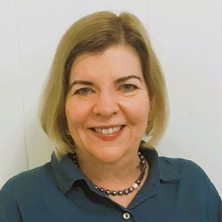
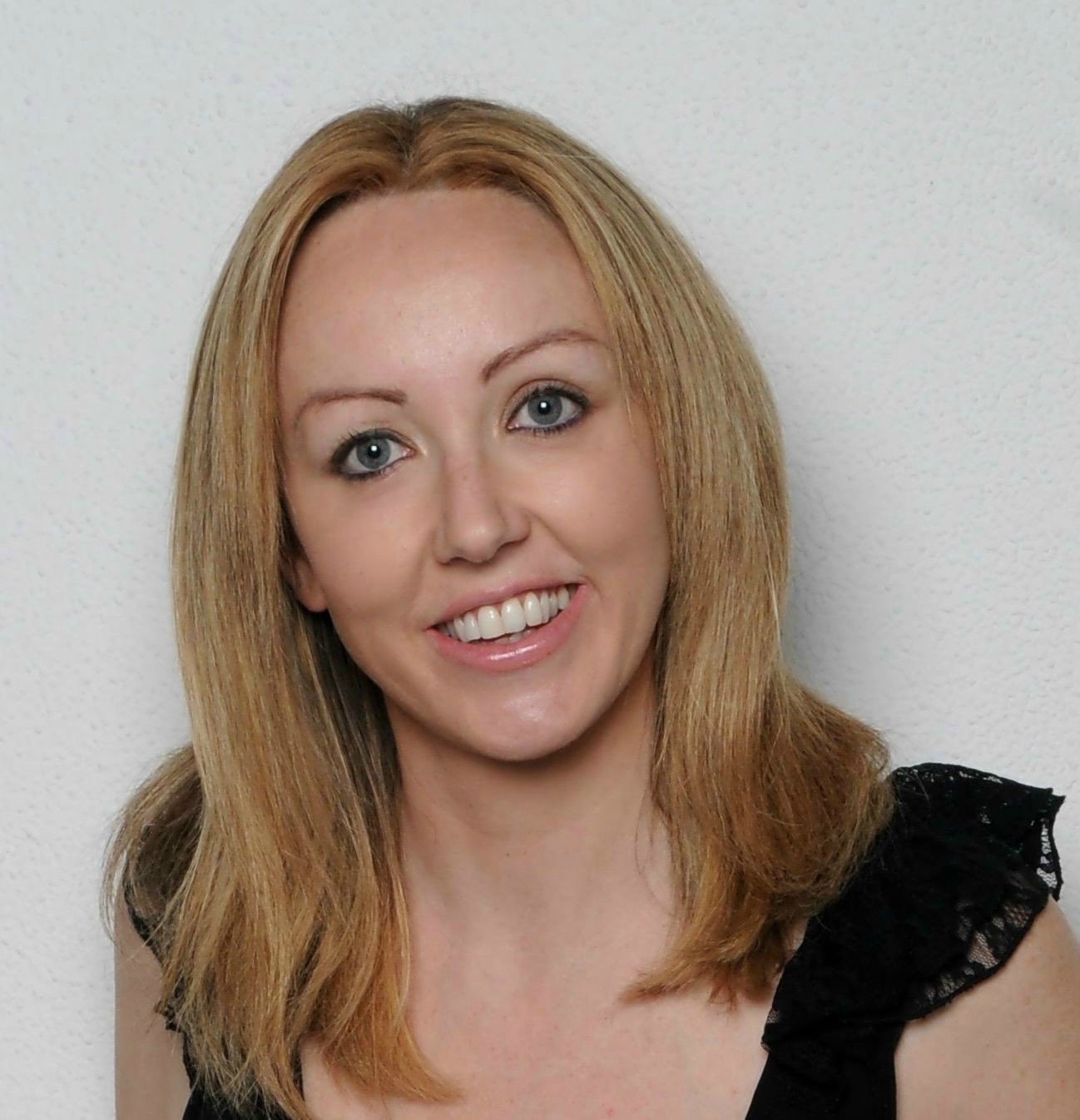
Professor Richelle Mychasiuk, affiliated with the School of Medical Sciences at the University of Sydney, specializes in Sleep Biology and the neurobiological impacts of early life experiences. Her research focuses on how perinatal trauma and adverse childhood events shape neurodevelopment, increasing susceptibility to sleep disturbances, chronic pain, and post-concussive symptomologies in adolescents, with a particular emphasis on sex differences. Education: PhD in Neuroscience Her work explores mechanisms by which early life stressors "under the skin" to alter neuroplasticity and microbiome-gut-brain interactions. She co-founded The GIN hub, integrating Gastroenterology, Immunology, and Neuroscience to study complex chronic disease models. Recent articles highlight her contributions to understanding dietary influences on pain, epigenetic modifications, microbiome depletion effects, and neurovascular interventions in TBI models. Grants: 2025 FMH Start-up Scheme (Faculty of Medicine and Health, University of Sydney) Collaborations: Brain and Mind Centre, University of Sydney; clinical research partnerships for translational studies.
Hongfu Sun is a Senior Lecturer at the School of Engineering, University of Newcastle. His research focuses on innovating MRI mechanisms for clinical and research applications, particularly in Quantitative Susceptibility Mapping (QSM). He is internationally recognized as a pioneer in QSM and integrates MR physics, signal processing, and AI for medical imaging advancements. Sun holds a Ph.D. in Biomedical Engineering from the University of Alberta, Canada. Professional Experience: Senior Lecturer at University of Newcastle (current) ARC DECRA Research Fellow at University of Queensland (2021–2023) Postdoctoral Researcher at University of Calgary (2015–2019) Research Interests: Focuses on MRI innovation, including QSM, deep learning for medical imaging, and AI-driven reconstruction techniques. His work addresses challenges like sub-millimeter resolution and artifact reduction in MRI. Recent projects involve generative AI models for MRI analysis and accelerated quantitative imaging methods. Grants and Funding: AU$1.69M in grants, including a 2021 ARC DECRA for microscopic MRI techniques 2024 NHMRC grant for Parkinson’s disease MRI diagnostics Teaching: Course coordinator for Medical Imaging and Signal Processing at University of Newcastle Focus on biomedical imaging, computational methods, and signal analysis Labs/Teams: Leads research in MRI innovation, collaborating on QSM, deep learning applications, and translational imaging techniques. Active in interdisciplinary projects combining physics, AI, and clinical medicine.
Cathryn Crowle serves as a Clinical Senior Lecturer at the School of Health Sciences within the Faculty of Medicine and Health at The University of Sydney. Her clinical specialty is Paediatrics, with active roles spanning teaching, research, and clinical practice focused on infant and child health across the lifespan. Her research centers on Paediatrics and Child Health with specific emphases in Growth & Development, Infant care, and Translational Research. Key investigations include cerebral palsy early detection using General Movements Assessment and Motor Optimality Score-Revised (MOS-R), neurodevelopmental outcomes in neonatal surgical populations, and interventions for infants in Neonatal Intensive Care Units (NICU). Her work bridges clinical practice and research through knowledge translation initiatives. Analysis of her 14 publications (2015-2025) reveals consistent focus on predictive tools for neurodevelopmental disorders, particularly cerebral palsy in high-risk Australian infant cohorts. Her methodology combines longitudinal assessment (HINE, Bayley scales), clinical translation, and multidisciplinary collaboration to address gaps in early diagnosis and intervention. Dr. Crowle currently supervises Victoria Norris on music therapy applications in NICU settings. Her research involves extensive collaboration with cerebral palsy experts including Iona Novak, Nadia Badawi, and Catherine Morgan across institutions, with projects like the Knowledge Translation of Early Cerebral Palsy (KiTE CP) study demonstrating implementation science approaches. She contributes to teams focused on neonatal neurodevelopment through the Cerebral Palsy Alliance Research Institute, participating in prospective cohort studies examining autism risk in NICU graduates and neurodevelopmental outcomes in ECMO survivors. Her clinical work integrates assessment protocols for infants with congenital anomalies requiring surgery.
Professor Karen Healy AM is Head of the School of Nursing, Midwifery and Social Work at The University of Queensland . Her work focuses on community-based approaches to health, wellbeing, and safety, particularly for marginalized populations. She leads research in family and community-led practice, child protection, research co-design, health equity, and social inclusion. Her research program includes a national project on family partnerships in child protection with Micah Projects and City University New York. She collaborates with Aboriginal and Torres Strait Islander communities to advance culturally responsive practices in health and human services. Her teaching emphasizes communication skills, family group meetings, and teamwork for health professionals. Education: Bachelor (Honours), The University of Queensland Doctor of Philosophy, The University of Queensland Graduate Certificate of Applied Statistics, Swinburne University of Technology Professor Healy has supervised 31 Research Higher Degree students and led initiatives like the Young Mothers for Young Women program. Her articles focus on child protection systems, Indigenous cultural connection, and transition planning for youth in care. Awards include the Order of Australia (AM) in 2016 and Principal Fellow of the Higher Education Academy (UK) in 2018.
Professor Elisa Hill is a distinguished academic at RMIT University where she serves as a Professor in the Department of Health and Biomedical Sciences within the College of Science. She leads the Gut-Brain Axis Laboratory and holds the significant position of Deputy Chair of the Academic Board at RMIT University. Her career spans prestigious institutions including The University of Melbourne and research collaborations in Paris, France. Professor Hill earned her PhD in Neuroscience from The University of Melbourne in 2002. She subsequently undertook a CNRS postdoctoral position in Paris studying cortical neuronal diversity. Returning to Melbourne in 2006 as an NHMRC Howard Florey Centenary Fellow, she joined Prof Steve Petrou's laboratory to investigate neuronal networks in genetic mouse models of epilepsy. In 2009, she imported the Neuroligin-3R451C mouse model of autism to Australia, establishing herself as a pioneer in gut-brain axis research. Her research program focuses on three interconnected areas: identifying causes of gut dysfunction in transgenic mouse models of neurological disease, determining how neurons communicate with the lymphoid system and inflammation, and understanding interactions between the nervous system and bacteria. Professor Hill has demonstrated that gene variations associated with autism alter neuron populations in the mouse enteric nervous system, affecting gut motility, permeability, microbiome composition, and behavior. Her laboratory has developed sophisticated capabilities including video-imaging assays for gut motility, immunofluorescence for neuronal and immune cell analysis, and whole-cell patch clamp electrophysiology for neuronal activity profiling. Analysis of her recent publications reveals a strong focus on the gut-brain axis in autism, with particular attention to the Neuroligin-3R451C mouse model. Her work spans neuroimmunology, gastrointestinal physiology, microbiome interactions, and behavioral neuroscience, demonstrating an increasingly interdisciplinary approach that integrates molecular, cellular, and systems-level perspectives. A notable trend is the expansion of her research into translational applications, including biomaterial development for urogynaecological health. NHMMRC Howard Florey Centenary Fellowship ARC Future Fellowship RMIT Senior Vice Chancellor's Research Fellowship Professor Hill actively supervises numerous PhD students including Vic Lin, Yuansong Li, and Mohammed Al Alamoudi, among others. Her research has been supported by major funding bodies including NHMRC, US Department of Defense CDMRP, CNRS, ARC, and RMIT. She leads the Gut-Brain Axis Laboratory, which collaborates extensively with researchers across institutions, particularly with Prof Ashley Franks at La Trobe University. The laboratory employs a multidisciplinary team with expertise in neuroscience, microbiology, immunology, and gastrointestinal physiology, utilizing advanced techniques to investigate the complex interactions between the nervous system, immune system, and gut microbiome.
Professor Roslyn Boyd serves as Scientific Director of the Queensland Cerebral Palsy and Rehabilitation Research Centre (QCPRRC) at the University of Queensland's School of Medicine. She leads a substantial multidisciplinary team of 38 researchers and provides clinical research leadership to 60 clinicians across the Queensland Paediatric Rehabilitation Service based at the Queensland Children's Hospital. As an NHMRC Leadership Fellow, Professor Boyd has established herself as an internationally recognized expert in cerebral palsy research and rehabilitation. Professor Boyd completed her primary training as a physiotherapist in Australia and London before earning her PhD in neuroscience at La Trobe University, the Brain Research Institute, and the Murdoch Children's Research Institute in Melbourne, for which she received the Premier's Commendation from the Victorian Government. She joined the University of Queensland in 2007 as a Smart State Fellowship recipient and has since led major research initiatives including an EBrain program grant funded by the Queensland Government Department of Innovation. Her research program focuses on three critical areas: the early natural history of motor and brain development in preschool children with cerebral palsy, novel rehabilitation approaches for children with hemiplegia, and early detection and intervention for infants at high risk of cerebral palsy. These research streams, all funded by the National Health and Medical Research Council of Australia, employ advanced brain imaging techniques including functional imaging, Diffusion Imaging, and Functional Connectivity to assess neuroplasticity changes resulting from therapeutic interventions. Her work bridges neuroscience, rehabilitation science, and clinical practice to develop evidence-based approaches that improve outcomes for children with neurodevelopmental conditions. Professor Boyd's extensive publication record of over 340 peer-reviewed manuscripts demonstrates a consistent focus on improving assessment methods, intervention efficacy, and early detection strategies for cerebral palsy. Her research spans from basic neuroscience investigations to large-scale clinical trials and implementation studies, creating a comprehensive evidence base that informs clinical practice worldwide. The publications reveal a growing emphasis on early intervention, neuroimaging biomarkers, and family-centered approaches to rehabilitation. Professor Boyd has received significant recognition for her contributions to the field, most notably the prestigious Gayle Arnold Award from the American Academy of Cerebral Palsy and Developmental Medicine, which she has received three times. This repeated honor underscores her international standing and the impact of her research on clinical practice. As an NHMRC Leadership Fellow, she represents the highest tier of Australian health and medical researchers. Through her leadership of major research programs and collaborations, Professor Boyd has secured over $40 million in research funding, enabling large-scale projects that directly impact clinical practice. Her work with multidisciplinary teams has produced evidence that informs clinical guidelines and treatment approaches used by healthcare professionals globally. She actively mentors junior researchers and clinicians, fostering the next generation of experts in pediatric rehabilitation. The Queensland Cerebral Palsy Rehabilitation and Research Centre, under Professor Boyd's direction, serves as a vital hub for translational research, connecting scientific discovery with clinical application. The center's work with the Centre for Extracellular Vesicle Nanomedicine demonstrates interdisciplinary reach beyond traditional cerebral palsy research, exploring innovative approaches to understanding and treating neurodevelopmental conditions.
Yi-Chin Toh is a Professor in the Faculty of Engineering at Queensland University of Technology (QUT), leading the Micro Tissue Engineering Lab. She holds an ARC Future Fellowship and has held prior roles as an Assistant Professor at the National University of Singapore. Her expertise lies in microfluidic tissue models for drug testing and organ-on-a-chip technologies. She earned her B.Eng. (2001) and Ph.D. (2008) in Bioengineering from National University of Singapore, followed by postdoctoral training at MIT and A*STAR. Her research focuses on advancing alternative animal-free technologies, with notable contributions to multi-organ microfluidic platforms and 3D bioprinted tissue models. She has published over 70 peer-reviewed articles, secured eight patents, and received accolades like the 2022 Lab on a Chip Pioneers in Miniaturization Award and 2019 Global 3R Award. She holds editorial roles in journals like Biomicrofluidics and contributes to conferences such as MicroTAS. Key research areas include mechanobiology modeling, hepatic-microbiome interactions, and AI-driven single-cell analysis. Her lab’s work bridges academia and industry, emphasizing translational applications in drug safety and toxicology. Current projects include modular microfluidic platforms for multi-organ interactions and FDA-regulatory compliant non-animal testing systems. Education: B.Eng in Chemical Engineering, National University of Singapore (2001) Ph.D. in Bioengineering, National University of Singapore (2008) Awards & Leadership: Lab on a Chip Lectureship (2022), Global 3R Award (2019), ARC College of Experts member, and leadership roles in MicroTAS conferences. She also leads the ARC Training Centre for Cell and Tissue Engineering Technologies.
Dr. Bei Bei is an Associate Professor at the School of Psychological Sciences, Monash University, and an NHMRC Emerging Leadership (EL2) Fellow. She leads the Behavioural Sleep Medicine service, research, and training at Monash University Healthy Sleep Clinic, focusing on individual differences in sleep-wake behaviors, sleep-mental health relationships, and community dissemination of evidence-based sleep interventions. Doctor of Psychology (Clinical), University of Melbourne PhD, University of Melbourne Her research spans six major areas: Sleep-wake circadian rhythm disorders Cognitive Behavioral Therapy for Insomnia (CBT-I) Psychological/behavioral aspects of sleep Sleep-mental health interactions (mood, anxiety) Adolescent sleep patterns and wellbeing Perinatal/postpartum sleep interventions for women Recent publications (2024-2025) address: Insomnia treatment mechanisms in depression comorbidity Neurodevelopmental impacts of circadian factors Pregnancy-related insomnia risk identification Adolescent sleep facilitators/barriers Integrated models for youth depression and sleep across continents She also contributes to: Antifungal drug tolerance mechanisms RNA polyadenylation dynamics Mitochondrial RNA stability in cancer 3' UTR splice variants in rare diseases Awarded the NHMRC Emerging Leadership (EL2) Fellowship and Early Career Research Grant , Dr. Bei serves on editorial boards for Sleep Medicine Reviews, Sleep, and Behavioral Sleep Medicine journals.
Associate Professor Yan Wong is a faculty member at Monash University's Department of Electrical and Computer Systems Engineering and Monash Biomedicine Discovery Institute. His research focuses on neural prosthetics, brain-machine interfaces, and restoring sensory functions through cutting-edge neural recording and stimulation techniques. He leads the Neurobionics Laboratory, advancing technologies like the Gennaris vision system, a wireless cortical implant for restoring vision in the blind. Yan holds a PhD in Biomedical Engineering from UNSW and has conducted postdoctoral research at New York University and the University of Melbourne. His work bridges engineering and medicine, addressing critical healthcare challenges such as quadriplegia, epilepsy, and hearing loss. He actively supervises students and contributes to teaching biomedical engineering courses at Monash, fostering the next generation of researchers. Key research interests include visual cortex stimulation, cochlear implants, spike-LFP interactions in movement planning, and endovascular neural interfaces. He has led or collaborated on multiple ARC-funded projects, including studies on neural prosthetic efficacy, chronic pain modulation, and visual attention mechanisms. His interdisciplinary approach integrates neuroscience, biomedical engineering, and clinical translation, aiming to deliver impactful medical technologies. Yan’s contributions have advanced neural prosthetics toward commercialization, with a focus on improving healthcare outcomes through innovative biomedical solutions.
Dr. Gloria Roberts is a Research Fellow at the Black Dog Institute, affiliated with the University of New South Wales' Faculty of Medicine, School of Psychiatry. Her research focuses on identifying predictors of bipolar disorder development in high-risk populations, with particular emphasis on neural mechanisms of executive functioning and emotional processing. Location: Black Dog Institute, Hospital Road, Prince of Wales Hospital, Randwick NSW 2031 Contact: +61 2 9382 8324 | ORCID: https://orcid.org/0000-0002-1966-5120 Education Background: B.Sc in Applied Psychology (University College Cork, Ireland, 2002) M.Sc in Neuropharmacology (National University of Ireland Galway, Ireland, 2003) Diploma in Statistics (Trinity College Dublin, Ireland, 2006) PhD in Neuroscience (Trinity College Dublin, Ireland, 2008) Dr. Roberts' research program centers on the neural basis of emotional dysregulation characteristic of mood disorders, employing structural and functional Magnetic Resonance Imaging as her primary research tool. Her work integrates advanced neuroimaging analysis techniques including diffusion tensor imaging tractography, dynamic causal modeling, graph theory, and machine learning approaches. She maintains active collaborations with Queensland Institute of Medical Research (Brisbane), Neuroscience Research Australia (Sydney), and the Centre for Healthy Brain Ageing (Sydney). Analysis of Dr. Roberts' publication record (94 journal articles, 2 book chapters, 25 conference papers) reveals a consistent research trajectory focused on neurocognitive patterns in bipolar disorder. Her recent work increasingly incorporates machine learning techniques to identify predictive biomarkers, with a growing emphasis on longitudinal studies tracking high-risk populations. The interdisciplinary nature of her research bridges neuroscience, psychiatry, and computational methods to address fundamental questions about mood disorder development. Scientific Contributions: Extensive publication record across multiple formats (journal articles, book chapters, conference presentations) Development of innovative neuroimaging analysis techniques for bipolar disorder research Establishment of multi-institutional collaborations across Australia Integration of machine learning approaches with traditional neuroimaging methods Dr. Roberts actively mentors junior researchers and contributes to the broader scientific community through peer review activities and participation in research networks focused on mood disorders. Her work has significant implications for early intervention strategies and the development of novel therapeutic approaches for bipolar disorder.
Professor Michael Berk is a NHMRC Level 3 Research Fellow and Alfred Deakin Professor of Psychiatry at Deakin University and Barwon Health. He serves as Director of the Institute for Mental and Physical Health and Clinical Translation (IMPACT) and holds Honorary Professorial Research Fellow positions at the Florey Institute for Neuroscience and Mental Health, Orygen Youth Health, and Monash University's School of Public Health and Preventive Medicine. Education: Bachelor of Medicine & Bachelor of Surgery (University of Witwatersrand) Research Interests focus on novel therapy development for psychiatric disorders, particularly mood disorders , schizophrenia , and chronic fatigue syndrome . His work spans biomarker research , drug safety , internet-based therapies , and early intervention strategies. Recent publications highlight advances in machine learning applications for depression management, genomic risk prediction , and pharmacoepigenomic studies of ketamine. Scientific Awards: NHMRC Level 3 Research Fellow Thompson Reuters ISI Highly Cited Researcher (2015-2023) Alfred Deakin Chair of Psychiatry As a supervisor , he guides doctoral research in areas including bipolar disorder treatment , biomarker analysis , machine learning in ECT , and novel neurostimulation techniques . His grants cover projects like: MRFF Survivorship Care Grant (2025-2028) NHMRC Synergy Grants for schizophrenia research (2025-2029) US Department of Defense PTSD treatment trial (2023-2027) MRFF Innovative Therapies for Mental Illness Grant (2022-2027) He leads the IMPACT Institute and collaborates with institutions including the Florey Institute , Monash University , and Melbourne University . His professional activities include editorial roles at Australian & New Zealand Journal of Psychiatry and The Lancet Psychiatry , along with leadership positions in the International Society for Bipolar Disorders .
Anne Castles is a Distinguished Professor of Cognitive Science and Honorary Professor at Macquarie University's School of Psychological Sciences. She serves as Scientific Director of the Macquarie University Centre for Reading and is part of the Centre for Atypical Neurodevelopment. Her research focuses on reading development, dyslexia, and variability in reading-impaired populations. She is a Fellow of the Academy of Social Sciences in Australia (FASSA) and has held editorial roles in journals like Scientific Studies of Reading and Cognitive Neuropsychology . She previously served as President of Learning Difficulties Australia (2017–2018). Her research projects include the ARC Centre of Excellence for the Developing Mind and initiatives addressing literacy in adolescence. She collaborates internationally and has authored over 189 publications. Key areas include orthographic learning, vocabulary acquisition, and morphological instruction effects. Grants/Projects: FL22 Literacy Project (2023–2028), Macquarie University Centre for Reading Bequest (2021–2026) Labs/Teams: Macquarie University Centre for Reading, Centre for Atypical Neurodevelopment Her work bridges cognitive science and education, emphasizing practical applications for developmental and clinical contexts.
Perminder Sachdev is a Scientia Professor of Neuropsychiatry at UNSW Sydney and Co-Director of the Centre for Healthy Brain Ageing (CHeBA). He holds roles as Clinical Director of the Neuropsychiatric Institute and has led major longitudinal studies on cognitive aging, including the Sydney Memory and Ageing Study. His research focuses on dementia, neuroimaging, biomarkers, and brain stimulation techniques. Education: MBBS and MD from All-India Institute of Medical Sciences, New Delhi (1978–1983), PhD in Neuropsychiatry from UNSW (1991). Clinical training in Australia, with expertise in movement disorders and later dementia research. Research interests span dementia prevention, neuroimaging biomarkers, and psychiatric disorders in aging. He leads international consortia like COSMIC and STROKOG, and has authored over 600 peer-reviewed papers with an H-index of 90. Awards include NSW Scientist of the Year (2010) and Fellowship of the Australian Academy of Health and Medical Sciences (2015). Key Projects: Sydney Centenarian Study, Older Australian Twins Study. Grants: Extensive funding for aging and dementia research. Labs/Teams: CHeBA, Neuropsychiatric Institute.
Dr. Steven Petratos is a Senior Lecturer in Pathology within the Department of Medicine at Monash University's School of Translational Medicine, Australia. He is also a Senior Research Fellow and leads an active research group focused on neurodegeneration in Multiple Sclerosis. His work is affiliated with the Alfred Hospital, and he holds a Visiting Professorship at Aristotle University of Thessaloniki, Greece. PhD in Neuropathology, University of Melbourne (1993–1999) Steven Petratos is a neurobiologist whose research centers on the molecular mechanisms governing neurodegeneration in Multiple Sclerosis (MS). His work spans neurorepair, remyelination, stem cell therapies, Nogo signaling, oligodendrocyte biology, and thyroid hormone pathways . He investigates how inhibitory signals like Nogo-A contribute to axonal damage and how these can be therapeutically targeted. His lab explores both small molecule interventions and cell-based delivery systems, such as genetically modified haematopoietic stem cells, to promote CNS repair. His research has significant implications for progressive MS and drug repurposing. His recent publications (2023–2024) reflect a strong focus on mitochondrial dysfunction in oligodendrocytes, microglial and astrocyte activation in MS lesions, Nogo receptor modulation, and stem cell-mediated neurorepair . He frequently publishes in high-impact journals such as Brain Communications , Neuroscience and Biobehavioral Reviews , and Frontiers in Cellular Neuroscience , demonstrating consistent contributions to understanding MS pathogenesis and therapy development. Scientific Awards: Commonwealth AIDS Research Grants (CARG) Postgraduate Scholarship (1993–1996) Monash University, Faculty of Medicine, Post-Doctoral Fellowship (2004) Monash University, Faculty of Medicine, Senior Post-Doctoral Fellowship (2005) Dr. Petratos actively supervises PhD students and early-career researchers, fostering a collaborative environment. He is the Primary Chief Investigator on multiple funded projects from organizations like the Trish MS Research Foundation and the 1More Foundation, focusing on preclinical development of therapies for MS. His lab, the Petratos Group, is part of the Centre for Neuroscience at Monash and works on translational research aimed at bridging laboratory findings to clinical applications. He contributes to UN Sustainable Development Goals related to health and well-being through his work on neurological disorders.
Associate Professor Kai-Hsiang Chuang is a Principal Research Fellow at the School of Biomedical Sciences within the Faculty of Health, Medicine and Behavioural Sciences at the University of Queensland. He is also affiliated with the Queensland Brain Institute and the Centre for Advanced Imaging. His research focuses on understanding brain networks, developing advanced imaging techniques, and translating these findings to improve diagnosis and intervention for neurological disorders. Dr. Chuang received his Ph.D. in electrical and biomedical engineering from the National Taiwan University, Taiwan, in 2001. His doctoral research focused on improving the detection of brain activity using functional magnetic resonance imaging (fMRI). Ph.D. in Electrical and Biomedical Engineering, National Taiwan University (2001) Dr. Chuang's research spans multiple areas of brain imaging and neuroscience. His primary focus is on functional brain mapping , where he develops in vivo imaging techniques including functional MRI and multimodal integration with optogenetics, calcium imaging, and electrophysiology. He applies these techniques in both humans and animal models to improve understanding and intervention of brain function, disease processes, and treatment effects. Another key area is brain networks in learning, memory, and dementia . His work explores how brain network wiring and activity underpin cognition and behavior, with particular focus on understanding the causal relationship between brain network activity and memory formation. He develops techniques to modulate behavior by manipulating brain network activity. More recently, Dr. Chuang has expanded into brain waste clearance research, studying the brain's fluid drainage system that clears waste and toxic molecules like amyloid plaques. His lab is developing imaging techniques to track this system's function and understand its regulatory mechanisms, which could provide new treatment targets for dementia. Analysis of Dr. Chuang's recent publications reveals a strong focus on advancing functional MRI techniques for brain network analysis, particularly in rodent models. His work consistently bridges basic neuroscience with clinical applications, especially in understanding memory formation and dementia. A notable trend is the development of multimodal approaches that combine fMRI with optogenetics, calcium imaging, and electrophysiology to establish causal relationships in brain networks. His research increasingly addresses the translation of preclinical findings to human applications, with growing emphasis on Alzheimer's disease mechanisms and potential interventions. Dr. Chuang serves on the editorial boards of multiple prestigious journals including Frontiers in Neuroscience: Brain Imaging Methods , Imaging Neuroscience , and Scientific Reports , reflecting his standing in the field. Editorial Board Member, Frontiers in Neuroscience: Brain Imaging Methods Editorial Board Member, Imaging Neuroscience Editorial Board Member, Scientific Reports Dr. Chuang is actively involved in research supervision, currently serving as Principal Advisor for one PhD student working on "Developing imaging and neuro-technologies for decoding memory formation" and Associate Advisor for two other PhD projects. He has successfully completed supervision of three PhD students on topics related to resting-state networks, memory consolidation, and functional MRI. ARC Discovery Projects (2024-2028): "Decoding the brain network of memory formation" ARC Training Centre for Innovation in Biomedical Imaging Technology (2017-2024) NHMRC-NIH BRAIN Initiative Collaborative Research Grants (2016-2023) Universities Australia - Germany Joint Research Co-operation Scheme (2017-2018) Mater Medical Research Institute Limited grant for mindfulness-based cognitive therapy research (2017-2020) Dr. Chuang leads the Functional and Molecular Neuroimaging Group at the Queensland Brain Institute. His laboratory focuses on understanding the functional connectome of the brain and developing functional and molecular imaging techniques to study brain connectivity associated with behavior. The group has developed various MRI techniques to track neuronal connections, map large-scale brain synchrony, and quantify cerebral blood flow and metabolism in vivo. His research team collaborates extensively with other experts at UQ and internationally, including collaborations with Associate Professor Darryl Eyles, Professor Jürgen Götz, Professor Tianzi Jiang, Dr. Fatima Nasrallah, Professor Linda J. Richards, Professor Pankaj Sah, Professor Elizabeth Coulson, Dr. Patricio Opazo, Professor Feng Liu, and Professor Markus Barth.