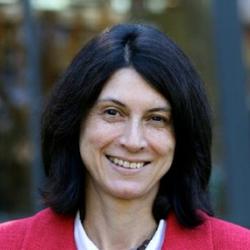
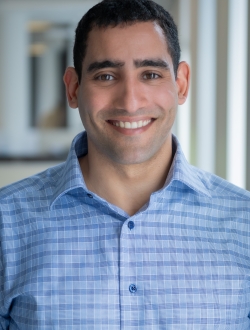
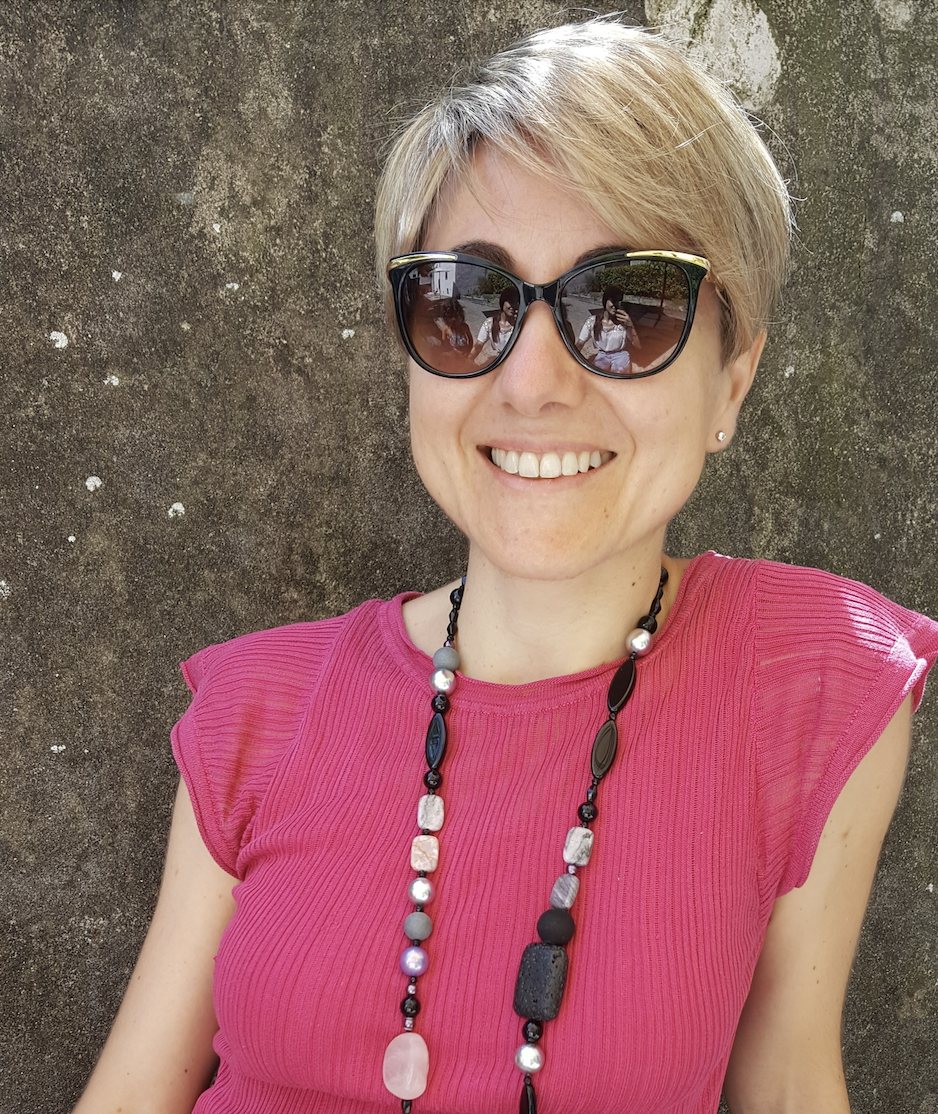
James Hardy is a Professor in Sport & Exercise Science at Bangor University's School of Psychology and Sport Science , with a career spanning elite sports psychology research and teaching. He holds a BSc (First Class) from the University of Birmingham, and MA/PhD from the University of Western Ontario under Prof. Craig Hall. Key roles: Senior Lecturer, Deputy Head of School, Associate Editor for Journal of Applied Sport Psychology , and editorial board member for multiple journals. Research focuses on self-talk/imagery and group dynamics (team cohesion, leadership), funded by ECB, UK Sport, and Manchester City FC. Recent publications highlight his interdisciplinary approach, examining leadership effects, pressure training protocols, narcissism in teams, and injury risk factors via pattern recognition. Notable work includes Psychosocial Characteristics of Elite Rugby Players and Individualized Talent Development in beach sprint rowing. Scientific contributions include a Bangor University Teaching Fellowship and 30+ peer-reviewed articles . Grants like £80k from ECB and £56k from City Football Services underscore his applied impact.
Professor Nikolaos Koutsouleris serves as a Research Group Leader for the Max Planck Fellow Group for Precision Psychiatry at the Max Planck Institute of Psychiatry and holds a position as Senior Physician in the Department of Psychiatry and Psychotherapy at Ludwig Maximilian University (LMU) Munich. His work bridges clinical practice with advanced computational approaches to transform psychiatric diagnostics and treatment. Dr. Koutsouleris specializes in predictive psychiatry, focusing on extracting meaningful patterns from neurobiological, neurocognitive, and clinical data to improve early recognition of functional psychoses. His research employs structural MRI, neuropsychological testing, and clinical evaluations within cross-sectional and longitudinal studies, utilizing advanced machine learning methods to identify and validate biomarkers for single-subject prediction of psychosis. As head of the Early Psychosis Studies and the Workgroup for Neurodiagnostic Applications, he drives initiatives to implement predictive models across healthcare settings for personalized management of high-risk individuals. His publication record reveals a consistent focus on machine learning applications in psychiatry, with recent work addressing critical issues like the generalizability of clinical prediction models, brain aging patterns in large populations, and multimodal approaches to psychosis prediction. His research spans from fundamental methodological challenges to clinical applications, demonstrating how AI and machine learning are transforming psychiatric practice toward precision medicine. Dr. Koutsouleris actively trains pre- and post-doctoral investigators in advanced data analysis techniques, emphasizing comprehensive analysis of complex, high-dimensional datasets using multivariate methods. His leadership in the PRONIA Consortium and other collaborative efforts highlights his commitment to advancing the field through international cooperation and rigorous scientific inquiry.
Insa Feinkohl is a Professor at the Chair of Medical Biometry and Epidemiology within the Faculty of Health at the University of Witten/Herdecke . Her research focuses on risk factors for cognitive dysfunction and mental health in older adults, particularly post-surgery, with emphasis on metabolic and cognitive risk factors. Bachelor of Science (BSc) in Psychology (1 st class honors) – University of Dundee (2006-2009) Master of Science (MSc) in Psychology of Individual Differences (with distinction) – University of Edinburgh (2009-2010) PhD in Community Health Sciences – University of Edinburgh (2010-2014) Post Doc in Knowledge Construction Group – Leibniz Institute for Knowledge Media, Tübingen (2014-2015) Postdoc in Molecular Epidemiology Group – Max Delbrück Center, Berlin (2015-2022) Habilitation in Molecular Epidemiology – Charité Universitätsmedizin Berlin (2021) Her research integrates medical biometry and epidemiology to study postoperative cognitive dysfunction (POCD), delirium, and aging-related cognitive decline. Key areas include biomarker validation (e.g., leptin, interleukins), brain connectivity (dopaminergic networks, thalamus), and metabolic risk factors (diabetes, obesity). She contributed to the BioCog project , an EU-funded initiative for personalized risk prediction of postoperative cognitive impairment. Her recent publications highlight trends in perioperative neuroscience, including brain mineralization, cytokine associations with neurocognitive disorders, and structural/functional imaging in delirium. Articles also explore metabolic syndrome, cognitive reserve, and delirium prediction models using machine learning. Insa Feinkohl is affiliated with major academic societies, including the German Society for Epidemiology , German Society for Medical Informatics, Biometry and Epidemiology , and the German University Association .
Deepa Camenga, MD, MHS, FAAP is an Associate Professor of Emergency Medicine at Yale School of Medicine with secondary appointments in Chronic Disease Epidemiology and General Pediatrics. She serves as the Associate Director of Pediatric Programs for the Yale Program in Addiction Medicine, where she leads clinical, educational, and policy efforts to improve healthcare for children impacted by substance use. As a board-certified physician in pediatrics and addiction medicine, Dr. Camenga specializes in adolescent addiction and is one of the few clinicians in Connecticut who prescribes medication treatment for adolescents with opioid use disorder. Dr. Camenga's educational background includes: BA from Yale University (2000) MD from University of Rochester School of Medicine & Dentistry (2005) Residency at University of Rochester Golisano Children Hospital (2008) Chief Resident at Children's Strong Hospital, Rochester (2009) Postdoctoral Fellowship and MHS in Health Services Research through the Robert Wood Johnson Foundation Clinical Scholars Program at Yale (2012) Dr. Camenga's research focuses on reducing the morbidity and mortality associated with adolescent substance use and substance use disorders. Her work specifically aims to improve identification and treatment of drug and tobacco use in healthcare settings, with a particular interest in developing technology-enhanced interventions to reduce substance use among adolescents and young adults. She employs both quantitative and qualitative methodologies to examine adolescent substance use patterns, cessation motivations, and the effectiveness of interventions in clinical and community settings. Her research has significant implications for public health policy and clinical practice guidelines related to youth substance use. Dr. Camenga's recent publications demonstrate a strong focus on adolescent vaping behaviors, impaired driving among youth, and digital interventions for substance use prevention. Her work spans multiple methodologies including longitudinal studies, system dynamics modeling, and mixed-methods approaches. Key themes in her research include the impact of flavored products on youth nicotine dependence, the social and environmental factors influencing risky behaviors, and the development of evidence-based approaches to substance use prevention and treatment for adolescents. Dr. Camenga is actively involved in national professional organizations and committees: Member of the American Academy of Pediatrics Committee on Substance Use and Prevention (since 2016) Member of the American Academy of Pediatrics Meeting Planning and Participation Committee (since 2018) Former Committee Member of the Academic Pediatric Association (2013-2015) Dr. Camenga has developed several innovative clinical programs, including a school-based health center tele-consult program and an inpatient adolescent addiction medicine consult service. She treats adolescents and young adults at the APT Foundation and leads an addiction medicine tele-consult service for local school-based health centers. Her work extends to the Yale DrivSim Lab, where she collaborates on studies examining the neurocognitive aspects of risky driving and substance use among youth. Dr. Camenga also chairs the American Academy of Pediatrics Committee on Substance Use and Prevention, positioning her as a national expert in pediatric addiction medicine.
Professor Banu Bayar is a distinguished faculty member at Muğla Sıtkı Koçman University's Faculty of Health Sciences, Department of Physiotherapy and Rehabilitation with specialization in Musculoskeletal Rehabilitation. With over two decades of academic and clinical experience, she has established herself as a leading researcher in physical therapy and rehabilitation sciences. Education: Bachelor's Degree: Hacettepe University - School of Physical Therapy and Rehabilitation (1990-1994) Master's Degree: Hacettepe University - Institute of Health Sciences - Physical Therapy and Rehabilitation (MSc) (1996-1998) Doctorate: Hacettepe University - Institute of Health Sciences - Physical Therapy and Rehabilitation (1998-2002) Professor Bayar's research spans multiple critical areas in rehabilitation science, with particular emphasis on stroke rehabilitation, musculoskeletal disorders, pain management, and geriatric rehabilitation. Her work integrates clinical practice with scientific research to develop evidence-based rehabilitation protocols. She has extensively studied proprioception, balance disorders, and functional recovery in neurological conditions, contributing significantly to the understanding of how physical interventions can improve patient outcomes. Her publication record demonstrates consistent scholarly output with a notable increase in high-impact research in recent years. The trend shows a strategic focus on developing assessment tools, validating measurement instruments, and investigating innovative rehabilitation techniques. Her work bridges clinical practice and scientific validation, with particular attention to culturally adapted assessment tools for the Turkish population. Recent publications reveal growing interest in technology-assisted rehabilitation, cognitive-motor interactions, and the psychological aspects of chronic conditions. Professor Bayar has served as an editor for multiple journals including the Journal of Karya Health Science (2020-2022) and has contributed to numerous book chapters on physiotherapy and rehabilitation. Her collaborative research approach is evident in her extensive co-authorship network, working with colleagues across various institutions to advance rehabilitation science. While specific grant information isn't detailed in the available records, her sustained publication output suggests successful research funding throughout her career.
Dr. Cheryl Capek is Lecturer at the University of Manchester's Division of Psychology, Communication and Human Neuroscience. Her research examines the neural organization of language processing, including sign language, speechreading, and cross-modal plasticity. Research employs fMRI, ERP, and behavioral methods to study language processing in deaf and hearing populations. Key interests include neural plasticity in sensory deprivation and sign language phonology. Capek directs the MSc Neuroimaging program and teaches cognitive neuroscience courses. She collaborates internationally on deaf cognition research.
Professor Usha Goswami is a leading academic in Cognitive Developmental Neuroscience at the University of Cambridge, serving as Professor of Cognitive Developmental Neuroscience and Director of the Centre for Neuroscience in Education. She is also a Fellow at St John's College, Cambridge. Her work focuses on understanding the neural and cognitive foundations of language acquisition, reading development, and developmental disorders such as dyslexia. Key areas of interest include the role of rhythm perception, speech processing, and EEG-based studies of neural entrainment in typical and atypical development. Her research integrates insights from neuroscience, cognitive psychology, and education, emphasizing translational approaches to improve literacy interventions. She has conducted longitudinal studies on infants and school-aged children, examining predictors of language outcomes and the impact of rhythmic training on executive function. Her work bridges developmental linguistics, auditory neuroscience, and educational policy, with a focus on universal speech structures in child-directed communication. Professor Goswami’s contributions include pioneering studies on the neural basis of phonological awareness and the application of machine learning to decode speech information from EEG data in infants. She has also explored cross-linguistic patterns in poetry and infant-directed speech, highlighting universal acoustic features underlying language acquisition. Her research has significant implications for understanding and remediating developmental disorders, particularly dyslexia and developmental language disorder. Her lab, the Centre for Neuroscience in Education, focuses on translating neuroscientific findings into practical educational strategies. Current projects include investigating rhythm-based interventions for children with language difficulties and analyzing the acoustic properties of speech in diverse linguistic contexts.
Joel Talcott is Professor of Developmental Cognitive Neuroscience at Aston University, specializing in dyslexia and language disorders. His research examines genetic, neural, and cognitive foundations of reading development using methods including neuroimaging, genetic analysis, and large-scale behavioral assessment. Leadership Roles: Vice President of the British Dyslexia Association (2010-present), Fellow of the Royal Society of Arts (2012), and IBRO-UNESCO Science of Learning Fellow (2020). Editorial responsibilities include service for Dyslexia and Annals of Dyslexia journals. Research: Leads the Aston Brain Centre's investigations into neurocognitive trajectories of reading skills. Current projects include the ECCaToN transdiagnostic protocol for neurodevelopmental characterization and analysis of literacy development datasets (LIBS Dataset). Awards: IBRO-UNESCO Science of Learning Fellow (2020) Fellow of the Royal Society of Arts (2012) Honorary Vice-President, British Dyslexia Association (2010)
Ethan McCormick is an Assistant Professor in the School of Education at the University of Delaware, specializing in longitudinal and psychometric modeling. He holds a Ph.D. in Psychology from the University of North Carolina at Chapel Hill (2020) and a B.S. in Biochemistry from the University of Arkansas (2013). His research focuses on integrating short-term and long-term longitudinal models to study behavioral and cognitive changes across the lifespan, with recent emphasis on educational data analysis and nonlinear random effects modeling. He is a Resident Faculty member of the University of Delaware’s Data Science Institute and previously served as an Assistant Professor of Methodology & Statistics at Leiden University (2022–2024). Dr. McCormick’s grants include the NWO Veni SSH Grant (2024–2027) for tracking educational outcomes via statistical modeling and the Jacobs Foundation Fellowship (2024–2026) for studying complex growth in math ability. His work bridges methodological rigor with applied neuroscience, examining brain-behavior relationships in developmental contexts through large-scale collaborations. Professional Experience : Assistant Professor, University of Delaware (2024–present); Assistant Professor, Leiden University (2022–2024) Key Research Themes : Longitudinal modeling, time series analysis, psychometrics, developmental cognitive neuroscience Awards : NWO Veni SSH Grant, Jacobs Foundation Fellowship His recent articles emphasize improving time-series methodologies, addressing limitations of two-time-point studies, and advancing models for asymmetric temporal dynamics. He collaborates internationally on projects simulating developmental datasets and analyzing neural correlates of behavior.
Andrew Bishara, MD, is an Assistant Professor in Residence in the Department of Anesthesiology within the School of Medicine at the University of California, San Francisco (UCSF). He is affiliated with multiple UCSF clinical sites, including Mission Bay, Mount Zion, and Parnassus, and is actively involved in the AI Clinical Innovation Lab, Transplant Anesthesia Research Group, and POCCO (PeriOperative Cardiac Complications Observatory). His clinical practice as an anesthesiologist is deeply integrated with his research in machine learning and artificial intelligence for perioperative care. Dr. Bishara's educational background includes a BSE in Mechanical Engineering from MIT (2009), an MD from Harvard Medical School (2014), and a D.ABA. in Anesthesiology from UCSF (2019). He also completed specialized training in Medical Informatics and Artificial Intelligence through the Bakar Computational Health Sciences Institute (2020) and a Diversity, Equity, and Inclusion Champion program at UCSF (2022). His research focuses on developing and validating machine learning models to predict and prevent surgical complications such as acute kidney injury, postoperative delirium, pain, and blood loss in real time. He emphasizes creating clinically usable models and improving AI-human interfaces for seamless integration into clinical workflows. His work also explores gender-based disparities in coronary artery disease diagnosis using EHR data analytics. His recent publications demonstrate expertise in AI quality improvement, model implementation in acute care, and predictive modeling across diverse surgical and critical care domains. He co-founded Bezel Health, a company focused on healthcare quality measurement, reflecting his commitment to translating research into real-world impact. Clinical Artificial Intelligence Quality Improvement Real-time Risk Assessment in Surgery AI Integration in Anesthesia Gender Disparities in Cardiac Care Transplant Anesthesia Research Regulatory Aspects of AI in Medicine Dr. Bishara is actively engaged in advancing perioperative medicine through innovation in data science and AI, with a strong emphasis on improving patient outcomes, equity, and clinical workflow efficiency.
Andre Marquand is an active researcher in neuroscience, psychiatric disorders, and neuroimaging, with a strong focus on machine learning applications for clinical data analysis. His work spans autism, major depressive disorder, schizophrenia, and neurodegenerative diseases like Alzheimer’s. Research Interests: Neuroscience, neuroimaging, normative modeling, autism, psychosis, computational psychiatry, and brain network analysis. Projects: Co-Investigator in 11 finished projects, including biomarker development for ADHD, psychosis recovery, and Alzheimer’s disease. Recent Publications highlight trends in leveraging multimodal neuroimaging, extreme value statistics, and digital phenotyping to dissect heterogeneity in psychiatric and neurological conditions. His studies often employ normative modeling to personalize brain disorder trajectories. Collaborations: Long-term partnerships with institutions like King’s College London and MRC units, alongside experts in psychiatry and neuroimaging. Supervised Work: Mentored 3 projects, though student names are not explicitly listed.
Vaishnav Krishnan, M.D., Ph.D., is an Associate Professor at Baylor College of Medicine with joint appointments in the Department of Neurology, Neuroscience, and Psychiatry and Behavioral Sciences . He also holds an Adjunct Associate Professor position in Electrical and Computer Engineering at Rice University. As a physician-scientist, he leads the Laboratory of Epilepsy and Emotional Behavior , focusing on the neurobiological mechanisms linking epilepsy to psychiatric comorbidities. Education: BS in Neuroscience and Chemistry, New York University (2003) MD-PhD in Behavioral Neuroscience and Molecular Neuroplasticity, UT Southwestern Medical Scientist Training Program (2010) Internship and Residency in Internal Medicine and Adult Neurology, Parkland Memorial Hospital (2011) and Beth Israel Deaconess Medical Center (2014) Postdoctoral Fellowship in Seizures and Autism-Related Behavior, Beth Israel Deaconess Medical Center (2016) His research employs genetically valid mouse models and home-cage behavioral monitoring to study interictal behavioral derangements, using EEG and wearable devices to translate findings to humans. His work has been supported by grants from NINDS , the American Epilepsy Society , Gulf Coast Center for Precision Health , and the Mike Hogg Fund . He has received awards such as the NINDS K08 Career Development Award and American Epilepsy Society Fellow . The Krishnan Lab has published extensively on epilepsy spectrum disorders , circadian and ultradian rhythms , and seizure prediction algorithms , with recent studies in Journal of Comparative Neurology , Brain Communications , and Epilepsia . He collaborates with epilepsy-focused labs, including those of Dr. Jeffrey Noebels and Dr. Berge Minassian. Scientific Awards and Recognitions: Outstanding Resident Teaching Award (Harvard Medical School, 2013) NINDS R25 Award (2014-2015) Clinical Research Training Fellowship in Epilepsy (American Academy of Neurology, 2016-2018) Mentored Clinical Scientist Research Career Development Award K08 (NINDS, 2019-2024) Junior Investigator Award (American Epilepsy Society, 2020-2021) Mike Hogg Fund Award (2021-2022) Gulf Coast Center for Precision Health Pilot Award (2022-2023) Fellow of the American Epilepsy Society (2022) Lab Members and Trainees: The lab includes current researchers like Medical Students Vanuli Arya and Anna Norman , Research Technician Saifina Karedia , and Postdoctoral Associate Arindam Mazumder . Former trainees include Paarth Kapadia (MD, BCM 2023) and Anney Tuo (Rice B.S., now in medical school), among others pursuing careers in medicine, research, and engineering.
Sergio Agnoli is Associate Professor of General Psychology at the Department of Life Sciences, University of Trieste. He serves as Director of the Dynamics of Creativity Lab (DoC Lab) and Co-Coordinator of the Doctoral Course in Neuroscience and Cognitive Sciences. Academic Affiliation: University of Trieste Research Institutions: Marconi Institute for Creativity (Senior Scientist) Editorial Roles: Associate Editor of Journal of Creative Behavior and Possibility Studies & Society His research focuses on the cognitive, emotional, and neurophysiological substrates of creative thinking . Key methodologies include EEG for temporal brain dynamics, eye-tracking for attentional mechanisms, and neurofeedback/tDCS for causal brain-behavior investigations. Current projects examine contextual inspiration, creative frustration dynamics, and multidimensional creativity models. Recent publications highlight advancements in: Neurophysiological prediction of creative originality via EEG alpha power Emotional intelligence in creative resilience Contextual modulation of idea generation Theoretical frameworks integrating cognitive-emotional factors Eye-tracking analysis of attentional filtering in creativity Awarded the Gabriele Di Stefano Prize (Italian Psychology Association) and featured on NeuroImage cover (Vol. 207). Active in international societies including ISSCI, SfNC, and PSN. Current research involves European FP7 and Italian PRIN projects, with interdisciplinary collaborations across neuroscience, psychology, and education. The DoC Lab maintains partnerships with institutions in Bologna, Graz, Penn State, London, Padua, and Georgetown.
Daniel Lord Smail is the Frank B. Baird, Jr. Professor of History at Harvard University , specializing in Mediterranean societies (1100-1600) and deep history. His work bridges history, anthropology, and neuroscience. Academic Affiliation: Department of History, Harvard University Key Research Areas: Legal history, material culture, neurohistory, Mediterranean studies, historical anthropology Recent Publications examine: Archival methodologies in debt collection (Lucca/Marseilles) Cognitive approaches to historical behavior Mediterranean urban economies Temporal patterns in human history Scientific Awards include: Guggenheim Fellowship Radcliffe Institute Fellowship Doctor of Arts honoris causa (Universiteit Antwerpen, 2023) Known for pioneering neurohistory and deep history frameworks, Smail integrates evolutionary biology and cognitive science into historical analysis. His current research explores a 15th-century North African woman's self-manumission narrative.
Dr. Elisa Pellegrino is a senior Post-Doc in Phonetics at the Department of Computational Linguistics , affiliated with Zeppelin University and the Digital Society Initiative of the University of Zurich . Her research focuses on voice individualization, vocal accommodation, and the role of speaker-specific information in speech temporal variability. Role: Senior Post-Doc in Phonetics University: Zeppelin University School: Faculty of Arts and Social Sciences Department: Department of Computational Linguistics Email: elisa.pellegrino@uzh.ch Research Interests: Prosody and speech rhythm in native and second language acquisition Vocal accommodation in cross-dialectal interactions Speaker individuality and forensic phonetics Age-related speech temporal variability Speech disorders and Parkinson’s disease Applications of speech technology in linguistics and education