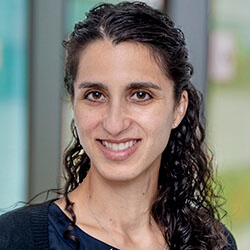
Anjali Sharma is a physician scientist at Albert Einstein College of Medicine, specializing in Internal Medicine with a focus on HIV-related metabolic complications and aging. Her work bridges clinical practice and research. MD and MS from Feinberg School of Medicine, Northwestern University Residency and fellowship at Montefiore Medical Center Her research explores: Bone loss mechanisms in HIV-infected women Visceral adiposity and aging-related disorders Cognitive decline and falls risk Gut microbiota and cardiovascular disease Recent publications highlight her work on: Metabolic comorbidities in HIV Imaging techniques for bone and fat analysis Social and biological factors in aging women with HIV Microbiome-plaque associations Scientific contributions include: NIH K23 Award for HIV aging research Robert Wood Johnson Foundation grant for bone loss studies Her work involves collaborations with HIV researchers and aging experts, utilizing cohorts like WIHS and MACS/WIHS Combined Cohort Study to address: Fracture incidence Metabolic disorders Neurocognitive effects of antiretrovirals Frailty and health disparities
Laura Korthauer, Ph.D., serves as Assistant Professor (Research) of Psychiatry and Human Behavior at Brown University's Alpert Medical School and works as a clinical neuropsychologist at Brown University Health. Her research program bridges cognitive neuroscience, clinical neuropsychology, and dementia prevention within the Department of Psychiatry and Human Behavior. Education: Ph.D. in Clinical Psychology, University of Wisconsin-Milwaukee (2018) A.M. in Psychology, University of Chicago (2010) B.A. in Psychology, Marquette University (2009) Dr. Korthauer's research focuses on cognitive and neural factors conferring risk for or resilience to Alzheimer's disease pathology. She employs a multi-method approach combining cognitive neuroscience techniques, clinical neuropsychological assessment, structural and functional MRI, EEG, and pupilometry to investigate preclinical Alzheimer's disease. Her work particularly emphasizes middle-aged populations and explores behavioral interventions for dementia prevention, including culturally adapted health behavior programs targeting Latino adults and personalized motivational interventions for midlife risk reduction. Analysis of her 15 most recent publications reveals a strong focus on genetic risk factors (particularly APOE status), brain network connectivity in preclinical stages, and translational interventions for cognitive aging. Her work consistently bridges basic neuroscience with clinical implementation, with increasing emphasis on diverse populations and preventive strategies in the last five years. Current research funding: Novel electrophysiological markers of Alzheimer's risk/resilience (Norman Prince Neurosciences Institute; PI; 2023-2025) Cultural adaptation of dementia risk reduction for Latino adults (NIH-NIGMS; PI; 2023-2024) Personalized health behavior intervention for Alzheimer's risk (NIH R21; MPI; 2022-2024) Neurocognitive markers in preclinical Alzheimer's (NIH K23; PI; 2020-2025) Brain network connectivity and genetic risk (NIH F31; PI; 2016-2017) Dr. Korthauer maintains active collaborations across Brown University, particularly with the Department of Neurology, Biostatistics, and Cognitive and Psychological Sciences. Her co-author network includes prominent researchers in Alzheimer's disease (Brian Ott, Elena Festa), neuroimaging (Alex Leow, Olusola Ajilore), and behavioral interventions (George Papandonatos, Lori Daiello), reflecting her interdisciplinary approach to dementia prevention research.
Christiane Neuhaus is a distinguished academic in systematic musicology at the University of Hamburg's Faculty of Humanities, Department of Cultural Studies. She serves as Privatdozent (Private Lecturer) since 2013, specializing in the intersection of music, neuroscience, and cognitive psychology with particular expertise in cross-cultural musical perception. PhD in Philosophy (Dr. phil.) from University of Hamburg (2002) Habilitation at University of Hamburg (2012) Magister Artium from University of Hamburg (1994) Studies in Systematic Musicology at University of Hamburg (1988-1993) Dr. Neuhaus's research focuses on structural hearing, neurocognitive processing of musical elements, and cross-cultural perceptions of musical scales. She pioneered ERP methodology to investigate brain processing of musical information across German, Turkish, and Indian cultural contexts. Her teaching portfolio includes advanced courses on Music and Neuroscience, Music and Consciousness, Biomusicology, and Music Psychology, reflecting her interdisciplinary approach to understanding musical cognition. Her scholarly contributions demonstrate consistent focus on cognitive processing of musical structures, particularly rhythm and meter, with applications in music therapy and cross-cultural understanding. Recent work includes EEG/ERP experiments analyzing responses to contemporary compositions. Poster Award (Special recognition for innovative research) at 5th Triennial ESCOM conference for cross-cultural ERP study of musical scale perception Dr. Neuhaus has supervised over 100 Bachelor's theses, 55 Master's theses, and numerous research papers since 2013. Her research has been supported by significant grants including DFG funding for 'Rhythm and Meter in Music: Studies on Cognitive Processing in the Brain' (2007-2009) and participation in the UKRI-funded Cyborg Soloists Research Project (2021-2023). She serves as regular reviewer for leading journals including Scientific Reports, Musicae Scientiae, and Journal of Neuroscience, demonstrating her standing in the international research community. As an active collaborator, she maintains research partnerships across Europe and has taught at multiple institutions including University of Kiel, University of Vienna, and University of Oldenburg. Her ongoing office hours for Summer Semester 2025 confirm her active academic engagement in advancing our understanding of music's relationship with brain function and cultural context.
Michelle Karnes is a Professor at the University of Notre Dame in the Department of History and Philosophy of Science, with affiliations in Italian Studies. Her research bridges late medieval literature, philosophy, and religious studies through comparative analysis of Arabic and Latin traditions. Education: Ph.D. & M.A., University of Pennsylvania; B.A., University of California, Berkeley Her scholarship explores how medieval literature interacts with cognitive theories, particularly the role of imagination in religious meditations and marvel narratives. Karnes examines intersections between philosophical discourse and fictional storytelling , focusing on metaphor mechanisms and truth claims in medieval texts. Recent research trends include cross-cultural marvel studies (Latin West vs. Islamic World), cognitive mapping in travel literature, and philosophical fables as epistemological tools. Her 2022 book Medieval Marvels and Fictions challenges simplistic views of marvels as mere superstition, emphasizing their imaginative scrutiny demands. Scientific Awards Outstanding Faculty Mentor Award (2022) Karnes holds fellowships from Radcliffe Institute, Huntington Library, and Yale Institute of Sacred Music. She co-edits Studies in the Age of Chaucer and teaches courses on Chaucer, medieval romance, animal studies, and comparative literature.
Anders Martin Fjell is a Professor and Center Manager for the Center for Lifespan Changes in Brain and Cognition (LCBC) at the Department of Psychology, University of Oslo. His research focuses on how the brain and cognitive abilities develop in childhood and change throughout the adult lifespan. Dr. Fjell's research spans multiple areas of cognitive neuroscience and neuropsychology, with particular emphasis on: Brain development and aging across the lifespan Relationships between brain structure and cognitive function Memory processes and their neural correlates Neurodegenerative processes, particularly related to Alzheimer's Disease Effects of sleep on brain health and cognitive function His publication record demonstrates strong focus on lifespan neuroscience, with recent work examining brain aging trajectories, memory systems, Alzheimer's disease biomarkers, and the relationship between sleep patterns and brain health. His research frequently employs advanced neuroimaging techniques and large-scale longitudinal datasets to investigate cognitive and neural changes across the lifespan. Among his notable achievements: Elected to the Norwegian Academy of Sciences and Letters (2016) Recipient of the University of Oslo Research Prize (2015) LCBC awarded status as one of 5 world-leading research groups at UiO (2015) Morgenbladet's top 10 list of young Norwegian researchers (2012) Recipient of Fridtjof Nansen Award for Young Scientists and His Majesty the King's Gold Medal for best doctoral thesis (2006) Dr. Fjell has secured significant research funding including an ERC Starting Grant (€1.5 million), multiple grants from the Norwegian Research Council, and funding from the National Association for Public Health. His current projects focus on biomarkers for early Alzheimer's detection, brain inflammation and atrophy in aging, and memory development and decline across the lifespan. As Center Manager for LCBC, Dr. Fjell leads one of the world's leading research groups studying lifespan changes in brain and cognition, contributing significantly to our understanding of how the brain changes from childhood through old age.
Sarah Anh Nguyen is a Clinical Assistant Professor in the Department of Psychiatry and Biobehavioral Sciences at the University of California, Los Angeles (UCLA) School of Medicine. She maintains an active research and clinical profile focused on geriatric mental health, cognitive disorders, and complementary approaches to treatment. Her research spans multiple critical areas in aging and mental health: Alzheimer's Disease and Cognitive Decline mechanisms Complementary and Integrative Medicine applications Women's cognitive health across the lifespan Caregiver mental health and well-being Mind-body interventions for geriatric depression Positive aging and health promotion strategies Dr. Nguyen's publication record reveals a consistent focus on innovative approaches to cognitive health in older populations, with particular attention to women's health issues and complementary therapies. Her research examines the intersection of traditional medical approaches with complementary and integrative medicine techniques, exploring their potential benefits for cognitive function and mental health in aging. Recent work has investigated yoga, Tai Chi, and other mind-body interventions as therapeutic approaches for cognitive decline and depression in older adults. Her significant contributions include research on peripheral biomarkers related to Alzheimer's disease, the relationship between breastfeeding and long-term cognitive benefits, the impact of estrogen exposure on cognitive function in older women, and complementary approaches to managing neurocognitive disorders. Dr. Nguyen collaborates extensively with Dr. Helen Lavretsky and other researchers at UCLA, contributing to the university's strong research presence in geriatric mental health. Her work has received attention across academic and public spheres, with several publications being featured in news outlets and receiving significant engagement on social media and academic platforms.
Dr Velia Cardin is an Associate Professor at University College London's Department of Experimental Psychology and the Deafness, Cognition and Language Research Centre (DCAL). Her academic journey includes a Biomedical Research undergraduate degree from the National Autonomous University of Mexico (UNAM), a Wellcome Trust-funded PhD in Neuroscience from UCL, and postdoctoral positions at Royal Holloway University of London and DCAL. From 2016-2019, she served as a lecturer at the University of East Anglia's School of Psychology. Her research focuses on neural plasticity mechanisms in deafness using neuroimaging and behavioral techniques, examining how sensory deprivation reshapes cognitive and sensory systems. As head of the Deafness and Neural Plasticity Lab, she investigates crossmodal reorganization, executive processing adaptations, and the societal implications of deafness research. Her work spans sensory systems, cognitive neuroscience, and neural plasticity with emphasis on deaf cognition and sign language processing. Dr Cardin's publication record demonstrates consistent contributions to understanding how auditory deprivation affects brain organization, particularly in temporal auditory regions repurposed for executive functions. Her research bridges fundamental neuroscience with practical applications for hearing rehabilitation and deaf education, aligning with Sustainable Development Goals for health and education. She actively teaches at UCL including module coordination for PALS0020: Deafness, Cognition and Language, and contributes to undergraduate neuroscience and psychology courses such as Brain and Behaviour, Biological Psychology, and Language and Cognition. Her teaching integrates her research expertise in sensory systems and neural plasticity.
Dr. Hannah Emily Goldstein is an Assistant Professor in Pediatric Neurosurgery at the University of Washington School of Medicine and Seattle Children's Hospital, where she serves as an attending pediatric neurosurgeon specializing in brain tumor surgery, epilepsy surgery, and vascular anomalies. She joined Seattle Children's Hospital in July 2020 after completing her pediatric neurosurgery fellowship there. Dr. Goldstein received her BS in Neuroscience from Brown University (graduating magna cum laude) and her MD from Columbia University College of Physicians and Surgeons, where she was awarded a Doris Duke research fellowship. She completed her seven-year neurological surgery residency at Columbia University Medical Center, serving as Chief Resident during her final year. Her research focuses on innovative approaches to pediatric neurosurgical conditions, with particular emphasis on brain tumor treatment, epilepsy surgery optimization, and novel therapeutic delivery methods. She has developed expertise in functional MRI applications for surgical planning, especially for bilingual pediatric patients, and has contributed significantly to CAR T-cell therapy research for diffuse intrinsic pontine glioma (DIPG). Analysis of her recent publications reveals a strong trajectory in translational neurosurgery with increasing focus on immunotherapy applications, surgical technique refinement, and personalized approaches to pediatric neurological conditions. Her work spans technical surgical innovations, clinical trials, and outcomes research with consistent emphasis on improving quality of life for pediatric neurosurgical patients. Her scientific recognition includes the Doris Duke research fellowship during medical school, and she has been actively involved in multiple clinical trials including the BrainChild-03 trial for DIPG treatment. Dr. Goldstein is affiliated with the Norcliffe Foundation Center for Integrative Brain Research at Seattle Children's Research Institute and collaborates across multiple disciplines including oncology, neurology, and radiology to advance pediatric neurosurgical care. Her clinical work informs her research, creating a continuous feedback loop between bedside and bench. She maintains active involvement in complex pediatric neurosurgical cases, with particular expertise in brain tumor resection, epilepsy surgery, spinal disorders, and craniosynostosis management. Her surgical practice integrates the latest research findings to optimize patient outcomes while minimizing morbidity.
Cassi Frank is an Advanced Practice Provider and serves as the Director of Quality & Patient Safety in the Department of Medicine, Division of Hematology at the University of North Carolina at Chapel Hill School of Medicine. She works with the Benign Hematology group at UNC Eastowne, providing specialized care in the DVT Clinic for patients with venous thromboembolism and iron disorders. Her educational background includes undergraduate studies at the University of Maryland Graduate School and medical training at Emory University School of Medicine. She is currently pursuing a Doctorate in Public Health (DrPH) at the Johns Hopkins Bloomberg School of Public Health. Dr. Frank's research interests span multiple areas of hematology and healthcare systems. She focuses on thrombosis management, particularly in the development of the DVT Walk-In Clinic at UNC Eastowne, and iron disorders including iron deficiency and hemochromatosis. Her work also addresses human factors in artificial intelligence-based clinical applications, anticoagulant stewardship efforts, and improving access to care and care transitions within healthcare systems. Her publications reflect a diverse research portfolio spanning vascular medicine, dementia care, elder abuse recognition, HIV treatment, nanotechnology applications, obstetrics, ophthalmology, and radiation oncology. Her recent publications demonstrate a strong commitment to patient education and clinical guidelines across multiple specialties. She has contributed to research on vascular disease patient education, dementia care in acute settings, elder abuse recognition strategies, HIV treatment options, advanced immunotherapy techniques, cannabis use during pregnancy, corneal regeneration, burn treatment, neuromuscular function, and radiation effects on cognition in older adults. As Director of Quality & Patient Safety for the Department of Medicine, Dr. Frank collaborates with national organizations on anticoagulant stewardship initiatives. Her leadership role focuses on enhancing patient safety protocols and quality improvement measures across the medical department. Dr. Frank maintains an active clinical practice at UNC Eastowne, where she provides specialized hematology care while simultaneously contributing to medical education, research, and healthcare system improvements. Her dual focus on direct patient care and systemic healthcare improvements demonstrates a comprehensive approach to advancing medical practice.
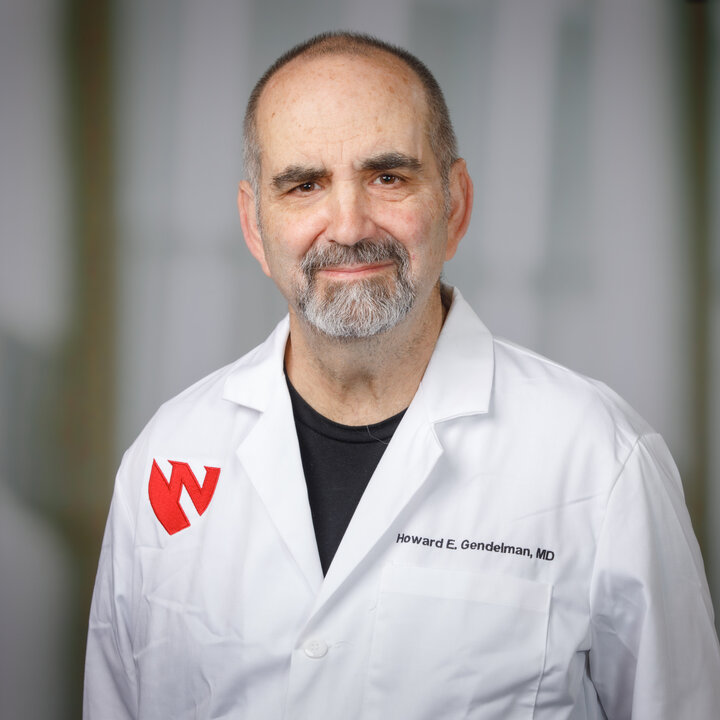
Howard E. Gendelman, MD is the Margaret R. Larson Professor of Internal Medicine and Infectious Diseases and Chair of the Department of Pharmacology and Experimental Neuroscience at the University of Nebraska Medical Center (UNMC). He also serves as Director of the Center for Neurodegenerative Disorders and is considered a luminary in the Nebraska research community with numerous prestigious appointments and awards. Dr. Gendelman earned his MD from Pennsylvania State University in 1979 and completed his residency in internal medicine at Montefiore Hospital, Albert Einstein College of Medicine, followed by fellowship training in neurology and infectious diseases at Johns Hopkins Medical Center. He joined the University of Nebraska Medical Center faculty in March 1993 after holding positions at Johns Hopkins, the National Institute of Allergy and Infectious Diseases, the Uniformed Services University of the Health Sciences Center, the Walter Reed Army Institute of Research, and the Henry Jackson Foundation. He retired from the US Army with the rank of lieutenant colonel. His research focuses on developing transformative therapies for viral and neurodegenerative diseases. His laboratory operates four main research programs: (1) development of cell-based long-acting drug delivery systems and nanotoxicology studies for neurodegenerative diseases; (2) drug testing of neuroprotective and neuroregenerative medicines; (3) biomarker discovery through multi-omics approaches; and (4) neuroimmunologic approaches for brain repair. He is credited with co-developing ultra-long-acting antiretroviral medicines and demonstrating that AIDS dementia is a reversible metabolic encephalopathy. Dr. Gendelman's recent publications reflect his ongoing work in HIV cure strategies, Parkinson's disease therapeutics, nanomedicine applications, and immune transformation approaches. His research spans interdisciplinary collaborations with institutions including Moderna, Calibr, Exavir, and Partner Biotechnology Companies. Henry L. Moses Award in Basic Science UNMC Innovator of the Year (2013) UNMC Scientist Laureate Pioneer in NeuroVirology Award Jacob Javits Neuroscience Research Award ISI Highly Cited Researcher (top 1% in Microbiology) As an educator and mentor, Dr. Gendelman has received the UNMC Outstanding Faculty Mentor of Graduate Students award (2014) and has supervised numerous students and fellows. He has secured substantial research funding supporting his work on viral and neurodegenerative diseases. His laboratory consortium provides interdisciplinary research experiences for students and fellows across immunology, molecular biology, infectious disease, proteomics, physiology, chemistry and pathogenesis. Dr. Gendelman co-founded Exavir Therapeutics, Inc. and has translated his research into 132 patents. His laboratory operates as a consortium of research collaborators with specific programs co-led by established investigators with complementary expertise.
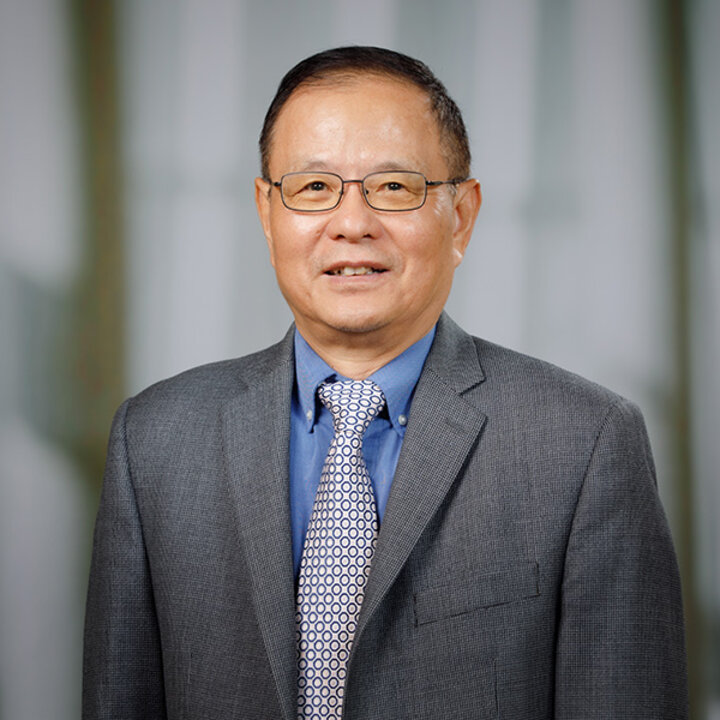
Huangui Xiong is a Professor in the Department of Pharmacology and Experimental Neuroscience at the University of Nebraska Medical Center (UNMC), where he leads a research laboratory focused on HIV-1-associated neurocognitive disorders (HAND). His work investigates the cellular and molecular mechanisms underlying HAND, with a particular emphasis on the role of NMDA receptors, Kv1.3 potassium channels, and the impact of drugs of abuse such as methamphetamine. Education: PhD in Neurophysiology, University of Ottawa, Canada (1993) MD in Surgery, Southern Medical University, Guangzhou, China (1981) Research Interests: Dr. Xiong's research spans several key areas in neurovirology and neuropharmacology. His primary focus is on understanding how HIV-1 and its proteins (such as gp120 and Tat) alter neuronal function and contribute to neurocognitive impairment. He also investigates the role of microglia and macrophages in HIV neuropathogenesis, with a specific interest in the Kv1.3 potassium channel and NLRP3 inflammasome activation. Additionally, his lab studies how methamphetamine exacerbates HIV-associated neuropathology, providing insights into the comorbidity of substance abuse and HIV. Publication Trends: Over the past two decades, Dr. Xiong's publications have consistently centered on the intersection of HIV, neuroinflammation, and substance abuse. His recent work (2021-2023) has expanded to include the impact of the COVID-19 pandemic on HIV neurological complications, while maintaining a strong focus on methamphetamine's role in exacerbating HAND through inflammasome activation and microglial dysfunction. His research employs a combination of electrophysiological, molecular, and cellular techniques to elucidate mechanisms of neuronal injury. Scientific Awards: Distinguished Scientist, UNMC (2010) Grants and Collaborative Research: Dr. Xiong serves as Principal Investigator (PI) on an NIH R01 grant (R01DA050540) investigating how methamphetamine potentiates HIV-induced microglia NLRP3 inflammasome activation. He is also a Co-Investigator on multiple significant NIH-funded projects, including studies on the impact of cocaine on CNS viral reservoirs (R01DA054535), the CHAIN Center (P30 MH062261) supporting NeuroAIDS research, and a project on neuroprotective immunity in HIV dementia (R01 NS034239). His laboratory collaborates extensively with leading researchers at UNMC, such as Dr. Shilpa Buch and Dr. Howard Gendelman. Laboratory and Team: The Laboratory of Huangui Xiong utilizes a range of techniques including brain slice electrophysiology, primary neural cell cultures, immunocytochemistry, and molecular assays to study HAND. The lab is part of the UNMC Center for Substance Abuse Research and the Nebraska Center for Virology, fostering a collaborative environment for interdisciplinary research on neurodegenerative disorders.
Dr. Monika A Waszczuk is an Associate Professor at Rosalind Franklin University of Medicine and Science, jointly affiliated with the College of Health Professions and Chicago Medical School. She joined RFUMS in 2020 after completing her PhD in Behavioral Genetics at King's College London and serving as an Assistant Professor at Stony Brook University. Dr. Waszczuk holds leadership roles in the Hierarchical Taxonomy of Psychopathology (HiTOP) Consortium as an executive board member and Genetic Workgroup Chair. Her research investigates genetic underpinnings of mental and physical health comorbidities, with emphases on: Polygenic risk modeling for PTSD and health outcomes in trauma-exposed populations Interactions between personality, health behaviors, and stress Etiology of emotional disorders across developmental stages Psychiatric classification reform through HiTOP frameworks Recent publications (2018-2025) demonstrate consistent focus on longitudinal studies of trauma responders, genetic predictors of psychopathology, and neurocognitive aspects of anxiety. Key thematic clusters include PTSD trajectories, adolescent health genetics, and aging-related brain-behavior relationships, frequently published in high-impact journals like Molecular Psychiatry and Nature Mental Health . Dr. Waszczuk actively mentors graduate researchers in clinical psychology, currently advising five doctoral candidates studying neuropsychology, pediatric health, and trauma genetics. Her laboratory has trained multiple alumni now in postdoctoral fellowships or clinical practice. No awards are mentioned in available records.
Dr. Katie J. Schenning is an Associate Professor in the Department of Anesthesiology and Perioperative Medicine at Oregon Health & Science University. She serves as Assistant Medical Director of the Preoperative Medicine Clinic. Her research program focuses on the effects of anesthesia and surgery on cognition, functional status, and quality-of-life in older adults, with particular emphasis on Alzheimer's disease risk factors and postoperative cognitive outcomes. Dr. Schenning completed her education at the University of Wisconsin (BS 2004, MD 2009, MPH 2009) and Oregon Health & Science University (MCR 2019). Her postgraduate training includes a Transitional Year internship at Wheaton Franciscan-St. Joseph (2010), Anesthesiology residency (2014), and Research Fellowship (2014) at OHSU. Her primary research investigates neurocognitive outcomes following surgical procedures in geriatric populations, examining mechanisms of postoperative cognitive dysfunction and delirium. Current projects include longitudinal studies on Alzheimer's biomarkers, anesthesia neurotoxicity in primate models, and perioperative medication safety protocols. Her work integrates neuroscience, geriatrics, anesthesiology, and public health perspectives. Scholarly publications demonstrate consistent focus on perioperative neurocognition, with recent work analyzing COVID-19 surgical outcomes, geriatric anesthesia protocols, neurodevelopmental effects of anesthesia, and standardized nomenclature for perioperative cognitive disorders. Research is supported by the National Institute on Aging, Foundation for Anesthesia Education and Research, and Alzheimer's Association. Professional leadership includes: Secretary, Society for Advancing Geriatric Anesthesiology (SAGA) Executive Group, Perioperative Brain Health Initiative (ASA) Steering Committee, ISTAART Perioperative Cognition PIA (Alzheimer's Association) Editorial Board: Anesthesia & Analgesia (Neuroscience & Neuroanesthesiology section) Editorial Board: Journal of Alzheimer's Disease
Alexandra Hering is a Researcher affiliated with the Faculty of Psychology and Educational Sciences at the University of Geneva . She holds a Diploma (equivalent to MSc) in Psychology from Technical University of Dresden , where she also completed her undergraduate studies (2006-2011) under the supervision of Prof. Dr. Matthias Kliegel. Her research focuses on cognitive aging, particularly prospective memory and executive functions, exploring both behavioral and neuroscientific perspectives. She aims to understand lifespan development of cognitive control functions and enhance them through interventions. Professional milestones include roles as a research assistant at the Department of Developmental Psychology (TU Dresden, 2011-2012) and as a PhD student/research assistant at the University of Geneva's Cognitive Aging Lab since 2012. Key awards include the Lohrmann medal and Werner Straub certificate (both 2012), along with scholarships from the Roland Ernst Foundation and German National Academic Foundation. Her work bridges cognitive neuroscience with applied gerontology, emphasizing translational research for improving aging outcomes. Advising and grants: As a PhD student, she collaborates closely with Prof. Dr. M. Kliegel. Her fellowship at the Rotman Research Institute (Toronto, Canada) highlights her international engagement. She is actively involved in the Cognitive Aging Lab, contributing to studies on memory decline and intervention strategies. No grants are explicitly mentioned in the provided texts.
Deborah Graham is a Lecturer at James Cook University (JCU) in Cairns, Australia, with a focus on public health, Indigenous health, and mental health. Her research spans alcohol policy, obesity management, and social determinants of health. She has authored over 39 publications, including reports commissioned by JCU and peer-reviewed articles in journals like Respiratory Physiology & Neurobiology and Journal of Tropical Psychology . Her work includes evaluating alcohol restrictions in Indigenous communities (Kimberley, WA), analyzing homelessness among Indigenous women in Queensland, and exploring genetic influences on alcohol consumption in South Korea. She has collaborated on studies addressing burnout in educators and the efficacy of inspiratory muscle training for obese adults. Key areas of research include cross-cultural assessment tools for Indigenous substance use treatment, resilience in Indigenous populations facing systemic racism, and the psychological impacts of obesity-related health messaging. Her interdisciplinary projects often involve partnerships with healthcare providers and policymakers to inform community-based interventions. Deborah has contributed to policy reports on Australian alcohol regulation, Indigenous health equity, and therapeutic community frameworks. Her research emphasizes culturally sensitive approaches to health assessment and the intersection of social policy with health outcomes.