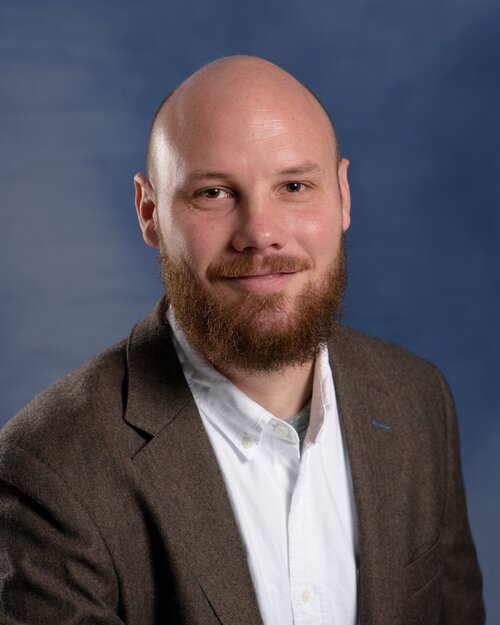
Zsofia Zavecz is a Research Associate at the University of Cambridge Department of Psychology. Her work focuses on the neurophysiological mechanisms underlying sleep and memory consolidation, with particular emphasis on electrophysiological correlates of lucid dreaming and sleep-dependent learning. Research highlights include: Investigation of EEG functional connectivity during statistical learning Study of transcranial stimulation effects on probabilistic learning Analysis of sleep restriction impacts on hormonal regulation Exploration of cognitive reserve mechanisms in sleep disorders Her neuroscientific investigations span procedural memory systems, neural oscillations, and cross-population studies in both healthy individuals and pediatric sleep-disordered breathing patients.
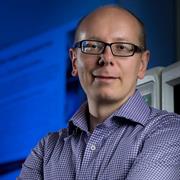
Gavin Schwarz is a Professor and Head of School at the School of Management and Governance within the UNSW Business School . He specializes in organizational change , organizational failure and inertia , and the dynamics of virtual teams , with a focus on how organizations fail during change processes and how to develop applied strategies for change management . His work spans diverse sectors including healthcare, technology, and education, with publications in leading journals such as Academy of Management Learning and Education and Administrative Science Quarterly . Education : PhD in Management (University of Queensland), MPhil (Hons) in Management (University of Auckland), BA in Management and English (University of Auckland). Grants : 2020 Brock University grant for "University communication in times of COVID-19" , 2020 UNSW Medicine grant for "Translation and change: Embedding effective change management in health" , and earlier Australian Research Council and Gordon J. Samuels Fellowship awards. His research explores the development of knowledge in organizational theories , with an emphasis on collective responses to change , HR management during crises , and technology strategy . He has contributed to understanding organizational communication , team innovation , and structural inertia . His 15 most recent publications cover topics from AI’s role in organizational change to pandemic-driven research adaptation, with keywords spanning management science , behavioral economics , and digital transformation . Scientific Awards 2021-2023 : Outstanding Reviewer Awards (Academy of Management Review) 2017-2020 : Best Reviewer Awards (Journal of Organizational Behavior) 2019, 2013, 2011 : Best Paper Finalist/Awardee (Academy of Management divisions) 2007, 2006 : Editorial Board Excellence (Academy of Management Journal) and Gordon J. Samuels Fellowship As an active supervisor in organizational change and HR development , his work supports healthcare innovation and digital transformation. He serves as Editor-in-Chief for the Journal of Applied Behavioral Science and is on the editorial boards of Academy of Management Review , Journal of Management , and Journal of Organizational Behavior . Contact: g.schwarz@unsw.edu.au
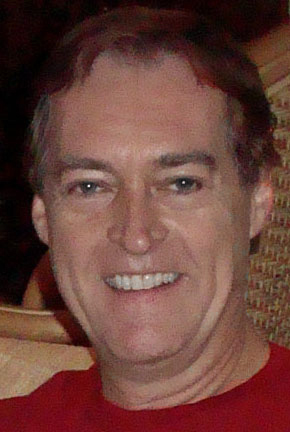
Dr. Alison Holloway is a Professor at McMaster University's Faculty of Health Sciences, specializing in environmental toxicology and reproductive health. Her research focuses on the effects of environmental contaminants (e.g., oil sands pollutants, pesticides, endocrine disruptors) on maternal and child health, metabolic disorders, and developmental outcomes. She has conducted studies on naphthenic acids, synthetic food additives, and maternal exposure to pharmaceuticals like fluoxetine. Key research areas include: Environmental contaminants' impact on reproductive systems and placental function Metabolic disturbances caused by chemical exposures during critical developmental windows Neurobehavioral and gastrointestinal effects of prenatal drug exposure Assessment of urban air pollution on in vitro fertilization (IVF) success rates Her recent work highlights the role of the tryptophan-kynurenine pathway as a biomarker of environmental stress and the obesogenic effects of bisphenol analogs and food additives. Collaborations involve interdisciplinary teams addressing environmental health, with studies published in high-impact toxicology and public health journals. Dr. Holloway's research has informed policies on chemical safety and maternal health, emphasizing cross-species markers for organismal health and risk assessment of emerging contaminants like cannabis derivatives.
Daniel Hyde is an Associate Professor in the Department of Psychology at the University of Illinois Urbana-Champaign, affiliated with the College of Liberal Arts & Sciences and the Neuroscience Program. His research explores the nature and development of abstract conceptual knowledge through behavioral and neural measures. PhD in Psychology from Harvard University Hyde investigates cognitive development from infancy to adulthood, focusing on quantitative reasoning , spatial reasoning , and psychological reasoning using techniques like event-related brain potentials (ERPs) , functional near-infrared spectroscopy (fNIRS) , and behavioral assessments. His recent work examines how symbolic number knowledge builds on non-symbolic foundations and how neural sensitivity to mental states in infancy predicts later theory of mind abilities. Hyde's publications demonstrate a consistent focus on numerical cognition, multisensory integration, and developmental neuroscience. He leads the Brain and Cognitive Development Lab , participates in global initiatives like ManyNumbers and ManyBabies , and collaborates across disciplines to apply developmental insights to education and public health contexts.
Suzanne Estaphan is a Senior Lecturer in Medical Science (Physiology and Clinical Pharmacology) at the Australian National University (ANU) School of Medicine and Psychology . She holds qualifications including a Doctorate of Physiology (2015) , MSc in Physiology (2012) , MBBCh (2005) , and Basic Certificate in Medical Education (2018) . Her academic roles span curriculum development, admissions, and assessment committees in the ANU Medical School. Senior Lecturer, ANU (2023–present) Academic Editor, PLOS ONE (2024–present) Review Editor, Frontiers in Physiology (2023–present) Dr. Estaphan's research bridges oxidative stress and inflammation in disease pathology with medical education innovation . Her work explores antioxidant interventions for organ damage and investigates AI/virtual reality applications in education. Recent projects include studying sleep dysfunction in eating disorders and diabetes medication effects on exercise capacity . Between 2023–2025, her 15 most recent publications span oxidative stress , medical education , and molecular pathophysiology . Themes include homeostasis , clinical reasoning , and metabolic disorders , with subfields like MMP-9 biology , pancreatic injury , and VR-based hypoxia training . Scientific accolades include the American Physiological Society Travel Award (2017) and recognition as Senior Fellow of the Higher Education Academy (2023) . She mentors medical students, contributes to national physiology curriculum consensus projects, and has secured approximately $200,000 in research funding .
Dimitris N Kiosses serves as Professor of Psychology in Psychiatry at Weill Cornell Medical College's School of Medicine since 2021. His academic affiliations center within the Department of Psychiatry with a focus on geriatric mental health services and research. His educational background includes a B.S. from Tufts University (1992), M.A. (1994), and Ph.D. (1999) from Adelphi University, establishing his foundation in clinical psychology with specialization in geriatric populations. Dr. Kiosses' research primarily investigates late-life depression, suicide prevention in older adults, and cognitive-behavioral interventions for comorbid conditions. His work emphasizes Problem Adaptation Therapy (PATH) development and implementation, particularly for depressed elders with cognitive impairment or chronic pain. Recent publications demonstrate growing focus on digital mental health tools, ecological momentary assessment, and international applications of geriatric interventions. His studies frequently examine emotion regulation mechanisms, neurocognitive correlates of depression, and implementation science approaches for real-world settings. Analysis of his 15 most recent publications reveals consistent thematic progression toward transdiagnostic approaches for late-life mental health, with increasing emphasis on technology-enabled interventions, cross-cultural adaptation, and precision medicine applications. The work spans clinical trials, implementation studies, and neurobiological investigations, predominantly targeting depression-suicide pathways in aging populations. Dr. Kiosses maintains active research mentorship through his leadership of multiple NIH-funded projects. His grant portfolio demonstrates particular strength in securing R01-level funding from NIMH and NIA for innovative geriatric mental health interventions. As Principal Investigator, he directs the Problem Adaptation Therapy research program which has evolved from home-based depression treatment (PATH) to specialized adaptations including PATH-Pain and suicide prevention applications. His work increasingly incorporates digital health components and focuses on implementation within primary care and community settings.
Dr. Julie Markant is an Associate Professor in the Department of Psychology at Tulane University and a Faculty Associate in the Tulane Brain Institute. Her research focuses on the interplay between selective attention and learning in infants and young children, emphasizing developmental and neurobehavioral perspectives. She uses behavioral, eye-tracking, genetic, MRI, and fNIRS methods to explore how attention control influences learning efficacy and vice versa. Education: Ph.D., 2010, University of Minnesota Her research interests include developmental attention mechanisms, perceptual learning, and how biological and contextual factors shape cognitive outcomes. Key themes involve understanding how infants and children selectively attend to information and how this attention drives learning processes. Recent work explores caregiver influence on attention, prenatal factors affecting infant attention, and the role of competing information in school-aged learning. Dr. Markant leads the Learning and Brain Development Lab , which investigates cognitive and neural mechanisms underlying attention and learning. She is actively recruiting graduate students from Tulane’s Psychology and Neuroscience Ph.D. programs. Her publications reflect a focus on attention biases, developmental learning dynamics, and methodological innovations like remote infant studies. Awards and honors are not explicitly listed in the provided text.
Ignacio Provencio is a Professor of Biology at the University of Virginia. His research focuses on melanopsin-based photoreception and its role in non-visual light responses, including circadian rhythm regulation, fear modulation, and glaucoma pathophysiology. His lab investigates melanopsin signaling pathways and their broader implications for vertebrate physiology. Education: B.A., Swarthmore College, 1987 Ph.D., University of Virginia, 1996 Postdoctoral Research, Uniformed Services University, 1996–1999 Key research interests include: Melanopsin phototransduction mechanisms Role of intrinsically photosensitive retinal ganglion cells (ipRGCs) in non-image-forming vision Impact of light on circadian rhythms and neurodegenerative diseases like glaucoma Light’s influence on fear behavior and weight regulation Recent work highlights: ipRGC survival in glaucoma models Melanopsin’s role in weight loss under dietary challenges Clinical applications of melanopsin-based light therapy His research spans in vivo and in vitro studies, integrating molecular, cellular, and behavioral approaches to understand light’s multifaceted effects on physiology.
Dr. Alexis Garcia is a Clinical Assistant Professor in the Department of Psychiatry and Behavioral Sciences at the Medical University of South Carolina (MUSC). She holds a PhD in Clinical Psychology from Florida International University with a specialty in child and adolescent psychology. Her postdoctoral training included a National Institute of Alcohol Abuse and Alcoholism (NIAAA) fellowship focusing on adolescent alcohol use. Dr. Garcia is affiliated with MUSC's College of Medicine and actively participates in the MUSC Youth Collaborative, focusing on self-regulation mechanisms related to substance use in adolescents, particularly those with ADHD and emotion dysregulation challenges. Education & Professional Background: PhD in Clinical Psychology, Florida International University Predoc Internship: MUSC Child Track NIAAA Postdoctoral Fellowship (Adolescent Alcohol Use Research) Research Interests: Her work examines emotion dysfunction in ADHD-affected adolescents and its link to risk-taking behaviors like substance use. She also investigates racial disparities in school disciplinary actions, family violence reporting discrepancies, and early intervention strategies for behavioral disorders. Methodologically, she employs multimodal assessments and longitudinal studies like the ABCD project. Professional Contributions: As a mentor, she guides psychology interns and psychiatry fellows at MUSC. Her research has explored fidget spinner efficacy for ADHD symptom management in classrooms, the role of parental monitoring in alcohol experimentation, and neurobehavioral vulnerability markers for substance misuse. She collaborates on large-scale projects such as the Adolescent Brain Cognitive Development (ABCD) study. Labs/Teams: Active member of the MUSC Youth Collaborative, contributing to interdisciplinary studies on youth mental health and developmental psychopathology.
Anthony Sali is an Assistant Professor of Psychology at Wake Forest University's College of Arts & Sciences. His research focuses on cognitive control mechanisms, attentional flexibility, and neural substrates of behavior. He explores how attentional systems adapt to environmental demands and how these processes are disrupted in developmental disorders like ADHD. Key research areas include: Neural bases of sustained attention and cognitive readiness Strategic adaptation in attentional control Impact of reward and reinforcement learning on attention Developmental differences in attentional capture His work employs neuroimaging (fMRI/electrophysiology) and behavioral paradigms to investigate topics like: Cognitive flexibility and decision-making Allostasis and resilience mechanisms Attentional bias in clinical populations Recent publications highlight his contributions to understanding attentional dynamics, with 2023-2024 work emphasizing neural plasticity in adaptive attention systems. No major awards or external grants are listed in the provided materials.
Professor Donald Wlodkowic is a faculty member at RMIT University's School of Science (Biosciences), leading the Neurotox Laboratory. His research focuses on aquatic ecotoxicology, behavioral ecotoxicology, and eco-neurotoxicology, with expertise in neurotoxins, industrial pollutants, and neuroactive drugs' effects on central nervous systems. He innovates biomicrofluidic technologies and digital video-based analysis for high-throughput behavioral studies in toxicology. Research Interests: Aquatic toxicology, neurotoxicology, water quality, and eco-neurotoxicology. His lab develops real-time biomonitoring systems and early-warning tools for water quality assessment. Current projects include neurotoxicity studies of pollutants, high-throughput behavioral assays, and embryo-based risk assessment. Teaching: Coordinates courses in cell biology, biochemistry (BIOL2146/2333/2420, PROC2048) and supervises honors projects (ONPS2313). He integrates digital tools into bioscience curricula for innovative teaching. Advising & Leadership: Supervises Masters and PhD students in projects such as 'Emerging Pollutants on Aquatic Animal Behavior' and 'Nanotoxicology.' He has led international academic-industry collaborations in Australia, New Zealand, and Europe, fostering motivated research teams. Labs & Teams: NeuroTox Lab pioneers interdisciplinary research in ecotoxicology and neurotoxicology, combining microfluidics, digital analytics, and behavioral assays to address environmental and health challenges.
Cristian Gómez Canela is a Full Professor in the Department of Analytical and Applied Chemistry at IQS School of Engineering (IQS - Institut Químic de Sarrià), specializing in environmental analytical chemistry with a focus on neurotoxicology and aquatic toxicology. He leads the Environmental Process Engineering and Simulation Group and maintains an active research profile with significant h-index metrics reflecting substantial scholarly impact. His research interests center on environmental toxicology, particularly neurotoxicology of pharmaceuticals and other contaminants in aquatic systems. Using advanced analytical techniques including liquid chromatography and tandem mass spectrometry, his work examines the effects of neuroactive compounds on model organisms like zebrafish and Daphnia magna . His fingerprint reveals strong expertise in neurotransmitter analysis (66%), Daphnia magna toxicology (64%), serotonin-related research (27%), and neurotoxicity mechanisms (21%). His publication record shows consistent productivity with 92 scientific outputs, demonstrating increasing research activity from 2011 to the present, with particularly strong output in recent years (15 publications in 2024 alone). His work spans environmental chemistry, toxicology, and analytical methodology development, with a clear trajectory toward understanding the neurological impacts of environmental contaminants. Zebra Fish neurotoxicology (100%) Neurotransmitter analysis (66%) Daphnia magna toxicology (64%) Behavioral neuroscience (33%) Serotonin-related research (27%) Liquid chromatography methods (27%) Dr. Gómez Canela actively supervises doctoral research through the FI-2025 Joan Oró program and leads multiple significant research projects including CHEMIPARK (as Principal Investigator) and the GESPA environmental process engineering group. His current projects extend through 2028, indicating ongoing research activity and leadership in his field.
Ethan McCormick is an Assistant Professor in the School of Education at the University of Delaware, specializing in longitudinal and psychometric modeling. He holds a Ph.D. in Psychology from the University of North Carolina at Chapel Hill (2020) and a B.S. in Biochemistry from the University of Arkansas (2013). His research focuses on integrating short-term and long-term longitudinal models to study behavioral and cognitive changes across the lifespan, with recent emphasis on educational data analysis and nonlinear random effects modeling. He is a Resident Faculty member of the University of Delaware’s Data Science Institute and previously served as an Assistant Professor of Methodology & Statistics at Leiden University (2022–2024). Dr. McCormick’s grants include the NWO Veni SSH Grant (2024–2027) for tracking educational outcomes via statistical modeling and the Jacobs Foundation Fellowship (2024–2026) for studying complex growth in math ability. His work bridges methodological rigor with applied neuroscience, examining brain-behavior relationships in developmental contexts through large-scale collaborations. Professional Experience : Assistant Professor, University of Delaware (2024–present); Assistant Professor, Leiden University (2022–2024) Key Research Themes : Longitudinal modeling, time series analysis, psychometrics, developmental cognitive neuroscience Awards : NWO Veni SSH Grant, Jacobs Foundation Fellowship His recent articles emphasize improving time-series methodologies, addressing limitations of two-time-point studies, and advancing models for asymmetric temporal dynamics. He collaborates internationally on projects simulating developmental datasets and analyzing neural correlates of behavior.
Dr Tim Rakow is a Reader in Psychology and Deputy Director of the BSc Psychology program at King's College London's Institute of Psychiatry, Psychology & Neuroscience. He holds a PhD from University College London (UCL) and has over 25 years of academic experience, including roles at the University of Essex. His research focuses on judgment under uncertainty, decision-making processes, and risk communication in healthcare contexts. Rakow is an Associate Editor for Decision (APA journal) and a Principal Fellow of the Higher Education Academy. Education: PhD (UCL, 2001) on medical decision making; MSc (UCL, 1997); BSc (Durham University, 1988). Teaching: Coordinates Research Methods modules and supervises final-year projects. Leads the transition support system for BSc Psychology students and oversees the Graduate Teaching Assistant program. Research highlights include developing tools for patient decision-making in healthcare (e.g., children’s heart surgery data interpretation) and analyzing clinical judgment processes in pharmacists and clinicians. He has authored/co-authored over 70 peer-reviewed publications and contributed to three research projects funded by institutions like the British Academy and Great Ormond Street Hospital. Awards: Principal Fellow of the Higher Education Academy (2014), Leadership in education and research on decision-making methodologies. Labs/Teams: Collaborates with interdisciplinary teams on projects like the Children’s Heart Surgery Information website and risk communication frameworks for medical professionals.
Chris Patrick is a Professor at the Department of Psychology, Florida State University, specializing in neurobiological systems, psychopathy, and psychopathology. He directs the Patrick CNS Lab and focuses on clinical training and research. Education: Ph.D. in Psychology, University of British Columbia (1987) His research explores the neurobiological basis of mental disorders, particularly psychopathy, externalizing/internalizing disorders, and substance abuse. He developed the Triarchic Model of Psychopathy and cross-domain assessment protocols for traits like threat sensitivity, reward sensitivity, and inhibitory control. Scientific Awards: Lifetime Scientific Career Contribution Award (Society for Scientific Study of Psychopathy, 2013) Early Career Awards (SPR, 1995; APA, 1993) Fellow of the American Psychological Association and Association for Psychological Science Leadership Roles: President of the Society for Psychophysiological Research (2011-12) and Society for Scientific Study of Psychopathy (2007-09) Workgroup Member for NIMH RDoC initiative (2010), Scientific Advisor to DSM-5 PPD Work Group (2008-2013), and current DSM-5 Review Committee member for Externalizing and Personality Disorders Lab Affiliation: Patrick CNS Lab, which uses neuroscientific, genetic, and psychometric approaches to study psychopathy and externalizing disorders.